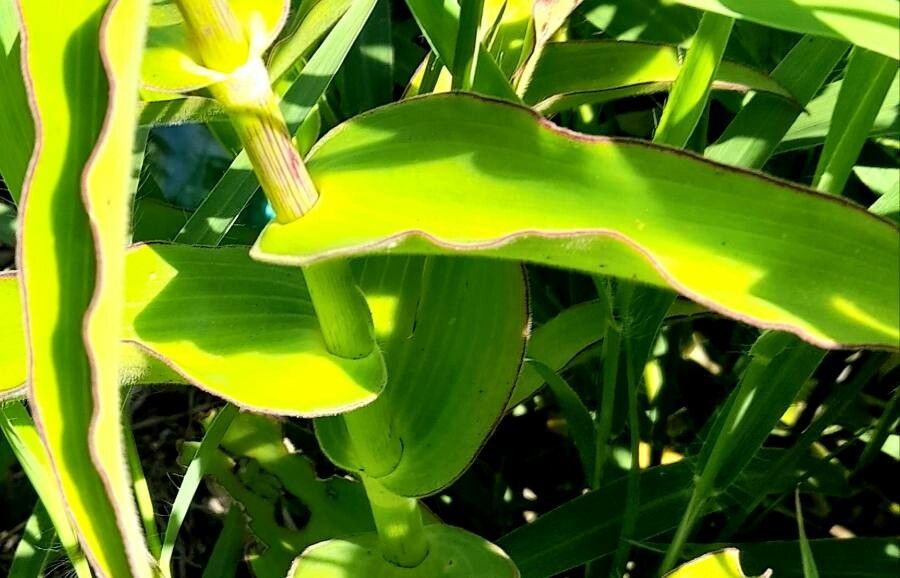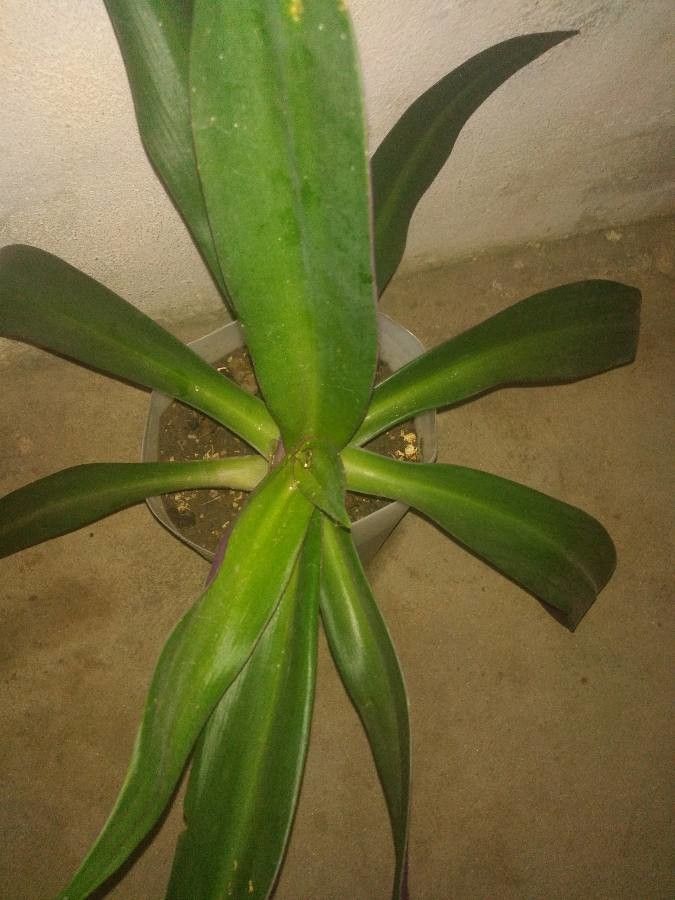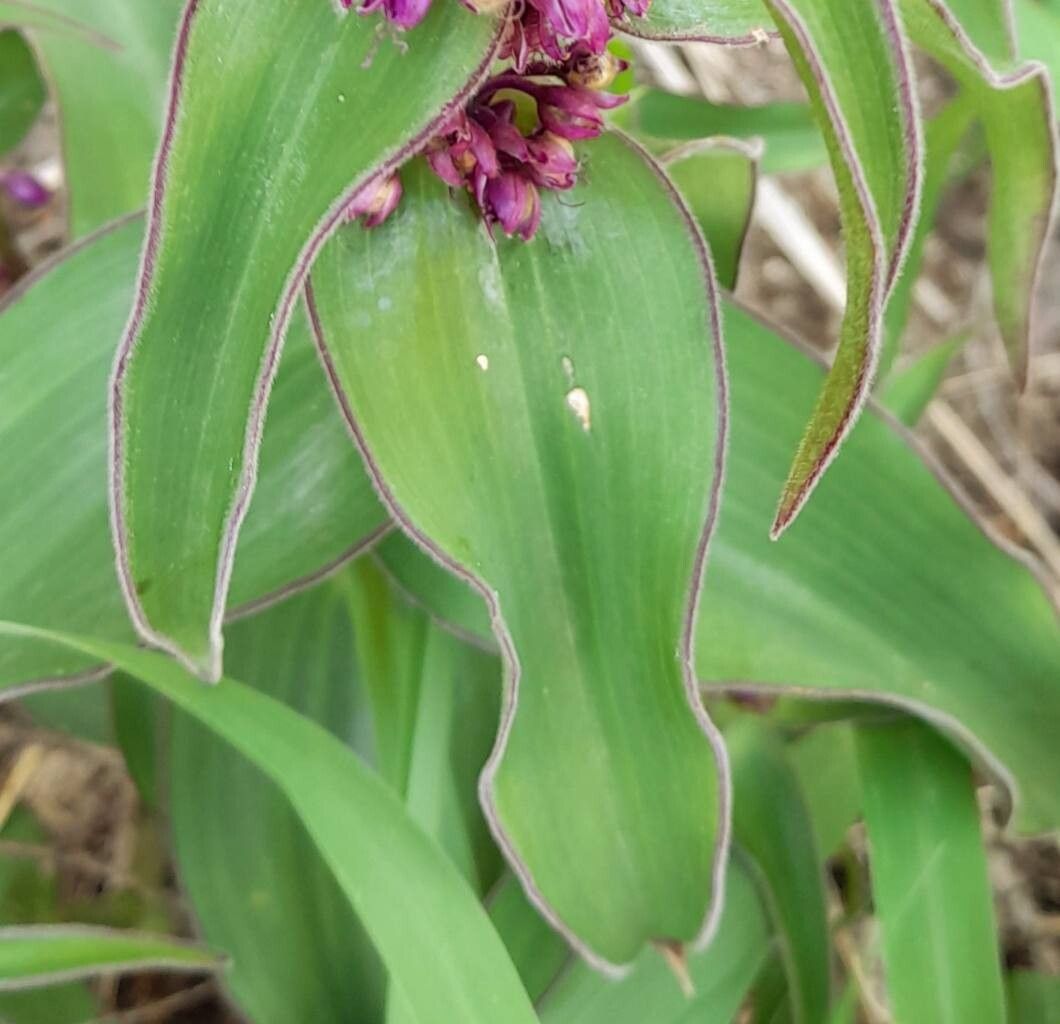
Tradescantia is a genus of flowering plants that belongs to the family Commelinaceae and is commonly known as spiderwort or wandering Jew. Native to North and South America, this plant has been introduced and naturalized in many other regions around the world.
Tradescantia plants are herbaceous perennials that can grow up to 60 cm tall. They have long, narrow leaves that are typically green or variegated with shades of purple, pink, or silver. The leaves grow in a rosette pattern at the base and along the stem of the plant.
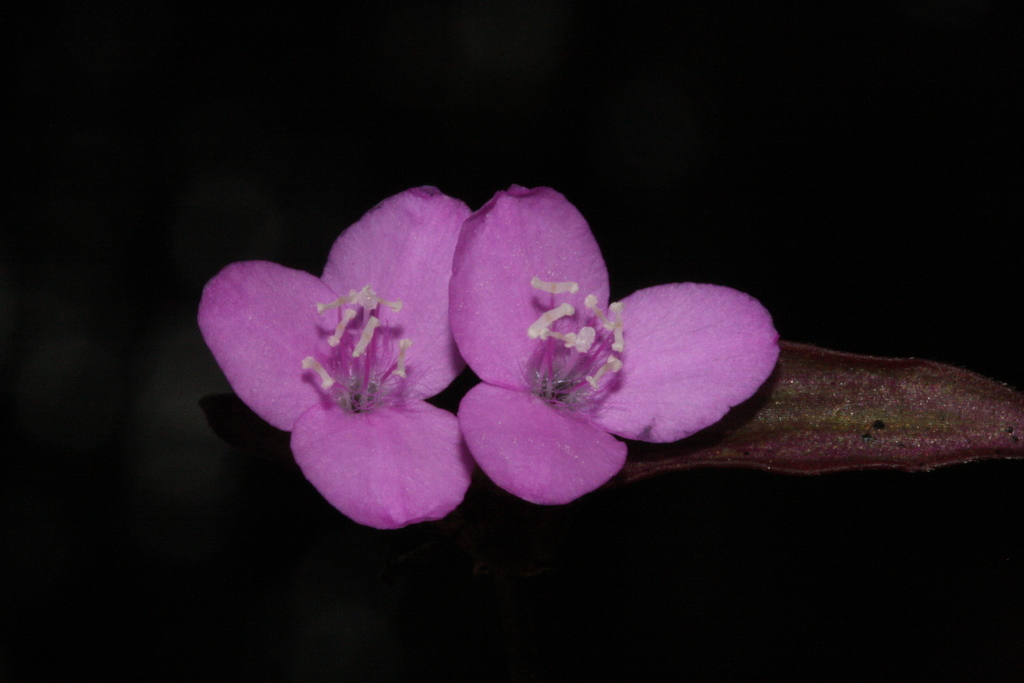
The flowers of Tradescantia are small and three-petaled, featuring vibrant colors such as pink, purple, blue, or white. These blooms appear from spring through summer on long stems that rise above the foliage.
The silver inch plant is a popular choice for indoor decoration due to its vibrant and unique foliage. Its leaves are a striking combination of purple, green, and silver, which adds a touch of brilliance to any space. While it typically blooms in the summer, the flowering time can vary depending on the growing conditions, resulting in different flowering periods in different locations. FUN FACT · FROM THE LIBRARY
This plant prefers moist soil but can tolerate periods of drought once established. Tradescantia thrives in partial shade but can also tolerate full sun if provided with adequate water.
Tradescantia has many uses, including ornamental purposes due to its attractive foliage and flowers. It also possesses medicinal properties and has been used to treat skin diseases like eczema. Additionally, the leaves can be used to make tea, which contains antioxidants and other nutrients.
Overall, Tradescantia is an easy-to-grow houseplant that adds color and texture to any indoor space while offering various health benefits when used medicinally.
Inchplant is generally disease-resistant and typically not prone to illness. That said, it can develop leaf spots if light and ventilation are poor and if it is overwatered. The plant is considered easy to care for, needing only regular watering and little else. Inchplant is a good choice for people who lack the time and energy to commit to frequent maintenance.
How to keep Tradescantia Zebrina.
Light
Inchplant grows best with sunlight for part of the day, typically in the morning or evening. It can tolerate substantial sun or manage with lower light in shaded settings. Because it comes from the forest understorey, it is accustomed to variable light levels. Continuous strong sun or persistently low light can harm the plant, resulting in poor growth or loss of color.
Water
The Silver Inch Plant thrives in high humidity and prefers consistently moist conditions, ideally with weekly watering. It adapts well as a houseplant and is known for its decorative leaves. To support its vigorous growth, closely monitor the soil moisture during the growing season.
Humidity
This plant will thrive in moderate humidity, which is probably the level in your home. However, misting it a few times a week can be very beneficial. Make sure the room has good ventilation.
Temperature
Inchplant, a temperate woody plant native to tropical regions, needs warm, humid conditions of 68 to 100 ℉ (20 to 38 ℃) for optimal growth. During colder seasons, raise the temperature by placing the plant near a heat source or using a heating pad to keep it warm.
Fertilizer
Inchplant needs the most fertilizer during its active growth period, which is mainly in spring, summer, and early fall. Fertilizing supplies essential nutrients that the soil may lack, supporting healthy root and stem growth and promoting the attractive foliage that is a notable characteristic of this plant.
Pruning
The silver inch plant, known for its vibrant purple and green striped leaves, should be pruned between early and late spring. To encourage bushier growth and improve the plant's health, trim any leggy stems and remove dead foliage. Be sure to use sharp, sterile scissors to make clean cuts just above the leaf nodes, which will promote vigorous new growth.
Pot & Repot
Repot the Inchplant in early spring, picking a pot only slightly larger than the current one and with good drainage. Use a well-draining potting mix, making sure the root ball sits at the same level as before. Gently loosen any root-bound roots. After repotting, water thoroughly and place the plant in a warm, shady spot. Prune regularly to keep size in check and encourage new growth.
Botanical profile.
- Plant Type
- Vine, Herb
- Life Cycle
- Perennial, Annual
- Genus
- Tradescantia
- Family
- Commelinaceae
- Hardiness Zone
- 9-11
- Mature Height
- 15 cm to 23 cm
- Mature Spread
- 30 cm to 61 cm
- Leaf Color
- Green, Purple, Silver, Gray, Variegated, Red, Bronze
- Leaf Type
- Evergreen
- Flower Color
- Purple, Pink, White
- Flower Size
- 0.51 cm
- Bloom Time
- Mid spring, Late spring, Summer
- Planting Time
- Spring, Summer, Autumn, Winter
- Harvest Time
- All year round
- Native Area
- Belize, Honduras, Mexico, Guatemala, Nicaragua, Costa Rica, Panama
Other names.
Reader questions.
When Should I Water My Silver Inch Plant?
Watering your silver inch plant properly is critical for its health and growth. Look for signs like wilting or less vibrant leaves and dry topsoil to know when it's time to water. Generally, the top 1-2 inches of soil should be dry before you water the plant again. Also, be mindful of the plant's growth rate and leaf condition; slower growth and frequent leaf dropping could indicate insufficient watering. Remember, both under-watering and over-watering can have harmful effects on your silver inch plant, such as root rot or stifled growth.
Why should I put fertilizer on my Silver inch plant?
Silver inch plants, like all plants, depend on soil nutrients for growth. However, it isn't always guaranteed that the soil will have all the necessary nutrients. Fertilization and soil amendments are important for ensuring that your garden plants receive the required nutrients. In the case of the Silver inch plant, fertilizer is needed to support the healthy development of its roots and stems throughout the growing season. Fertilization also contributes to the plant's ornamental appeal by promoting the growth of beautiful leaves, which are a key feature of this plant's attractiveness.
What are the sunlight requirements for a Silver Inch Plant?
The Silver Inch Plant, or Tradescantia zebrina, thrives in varying sunlight conditions. It can enjoy partial sun, receiving about 3-6 hours of sunlight daily, or adapt to full shade/full sun locations with less than 3 hours of direct sunlight. It's important to observe the movement of sunlight in your garden or space to choose the ideal spot that provides a balanced light environment for your plant. Continuous exposure to intense sunlight or very scarce light can affect the plant's health, causing poor growth or a loss of color.
What are the essential care instructions for a Silver Inch Plant?
The Silver inch plant, botanically known as Tradescantia zebrina, thrives in a warm and humid environment, preferring temperatures between 68 to 100°F (20 to 38°C) for optimal growth. It is a temperate woody plant native to tropical regions and loves heat, making cold temperatures harmful to it. During colder seasons, it's advisable to keep the plant warm by placing it near a heat source or using a heating pad. In autumn, if the plant is grown outdoors, it should be brought indoors and placed near a bright window, maintaining a safe distance from heaters to avoid too much dry heat. Keeping the temperature above 20°C during winter supports its growth, while temperatures around 0°C can be detrimental.
How Should I Water My Silver Inch Plant?
The silver inch plant prefers consistent moisture but is prone to overwatering, which can lead to root rot. Utilize bottom-watering by allowing the plant to absorb water through the drainage holes from a tray below to prevent over-saturation. Mild misting can help maintain foliage hydration without overly wetting the soil. Use a narrow-spouted watering can for precise watering at the plant's base, and consider a moisture meter to monitor soil moisture levels accurately. Focus on watering the soil directly while avoiding the foliage to prevent diseases.
What is the best time to fertilize my Silver inch plant?
During the active growth phases of spring, summer, and early fall, the Silver inch plant requires the most fertilizer. As winter comes to an end, you should feed the plant every two to four weeks until the fall months. Then, gradually reduce the amount of fertilizer given until you stop completely in anticipation of winter, when the plant's growth slows down.
How do essentials of care vary for Silver Inch Plants?
Silver Inch Plants prefer exposure to sunlight for part of the day, which could be in the morning or evening. Originating from forest understoreys, they are accustomed to mixed light conditions and can handle significant sunlight or manage in shade. However, their health may decline if subjected to continuous harsh sun or inadequate light, leading to poor growth or faded color. Supplementing with artificial lighting, such as LED lights, can promote healthier growth, especially under less favorable natural lighting conditions. For optimal growth, adjust the type of light, distance, and duration of artificial lighting based on the plant's specific needs.
What should I do if my Silver Inch Plant is exposed to low temperatures?
Silver Inch Plants are sensitive to cold and thrive best at temperatures above 20°C, requiring protection from temperatures below 0°C. Exposure to temperatures below -5°C can lead to discolored leaves, which may turn brown or black after frost damage, along with wilting and drooping. To rescue the plant from frost damage, trim off the affected parts and move it to a warmer indoor space immediately. Placing the plant near a south-facing window ensures it gets ample sunlight, but avoid placing it directly by heaters or air conditioning vents to prevent the air from becoming too dry.
How Much Water Does Silver Inch Plant Really Need?
The silver inch plant requires moderate hydration consistent with its origins in humid environments. The right amount of water involves allowing the top inch of soil to dry out between waterings, typically equating to 200-300 milliliters per session, depending on the pot size. Properly hydrated plants will display vibrant, turgid leaves. Over or under-watering can cause various issues, including yellow or brown leaves and stunted growth. Using room temperature water is recommended, and occasionally misting can provide additional humidity.
When is it not a good idea to fertilize my Silver inch plant?
During most of the year, except for winter, you should regularly feed your Silver inch plant. This includes spring, summer, and most of fall. However, be careful not to over-fertilize or use incorrect fertilization methods, as this can harm the plant. If you notice any issues, take steps to fix them before continuing with regular feeding. In winter, when the plant goes into a dormant phase, do not fertilize it. Feeding the plant during this time is unnecessary and can lead to fertilizer burn.
What are the important symptoms of inadequate light in Silver Inch Plants?
Symptoms of inadequate light in Silver Inch Plants are not always easy to identify, yet they can significantly affect the plant's growth. Such symptoms include leggy or sparse growth, loss of variegation, slower or halted growth, chlorosis, sunscald, leaf curling, wilting, and leaf scorching. These symptoms indicate that the plant is either receiving too much direct sunlight or not enough, impacting photosynthesis, hydration, and overall health. To mitigate these issues, it's crucial to gradually adapt your plant to its optimal light conditions and consider using artificial light sources when natural light is insufficient.
How can I protect my Silver Inch Plant from high temperatures?
During the hot summer months, it's crucial to keep the Silver inch plant's environment below 38°C to prevent stress and damage. Exposure to temperatures above 43°C can lighten the leaf color and increase susceptibility to sunburn. If your plant suffers from sunburn or drying, trim away the affected areas and relocate the plant to a shaded spot, especially during the midday and afternoon sun. Properly watering the plant in the morning and evening helps to keep the soil moist, offering additional protection from high temperatures.