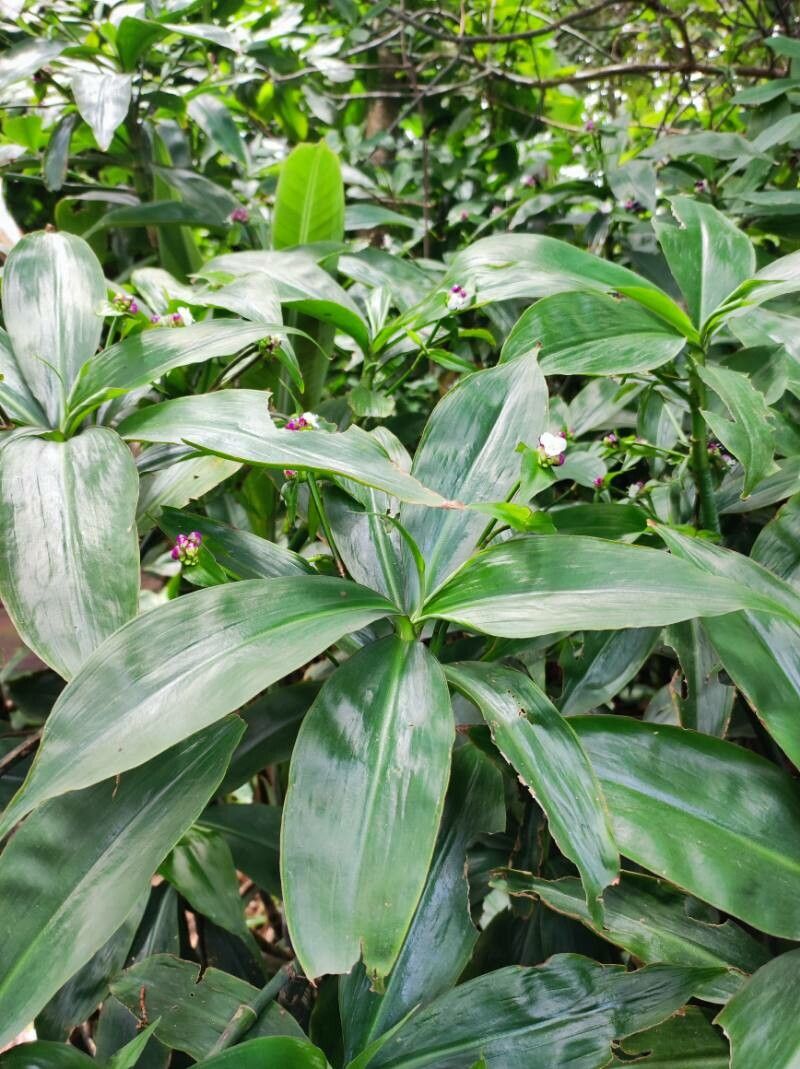
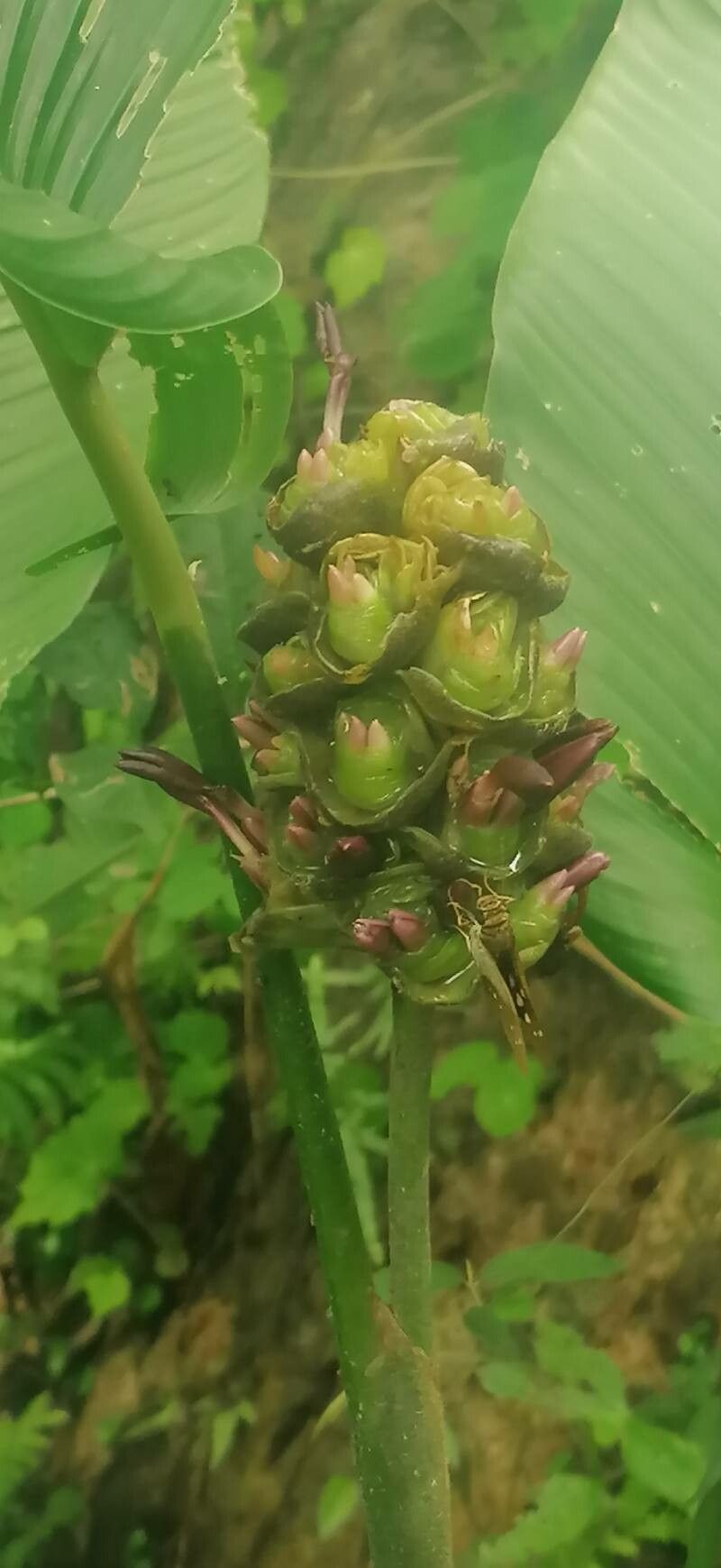
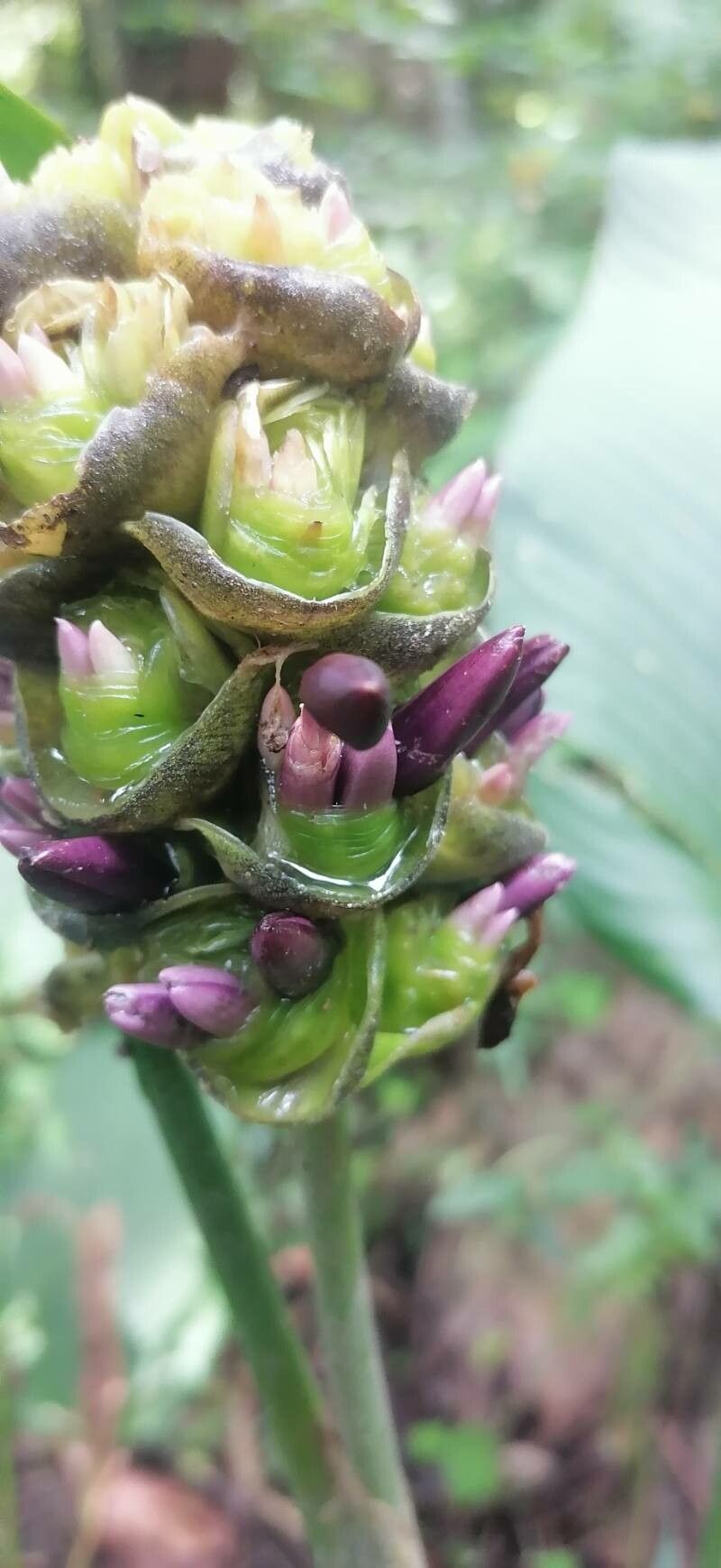
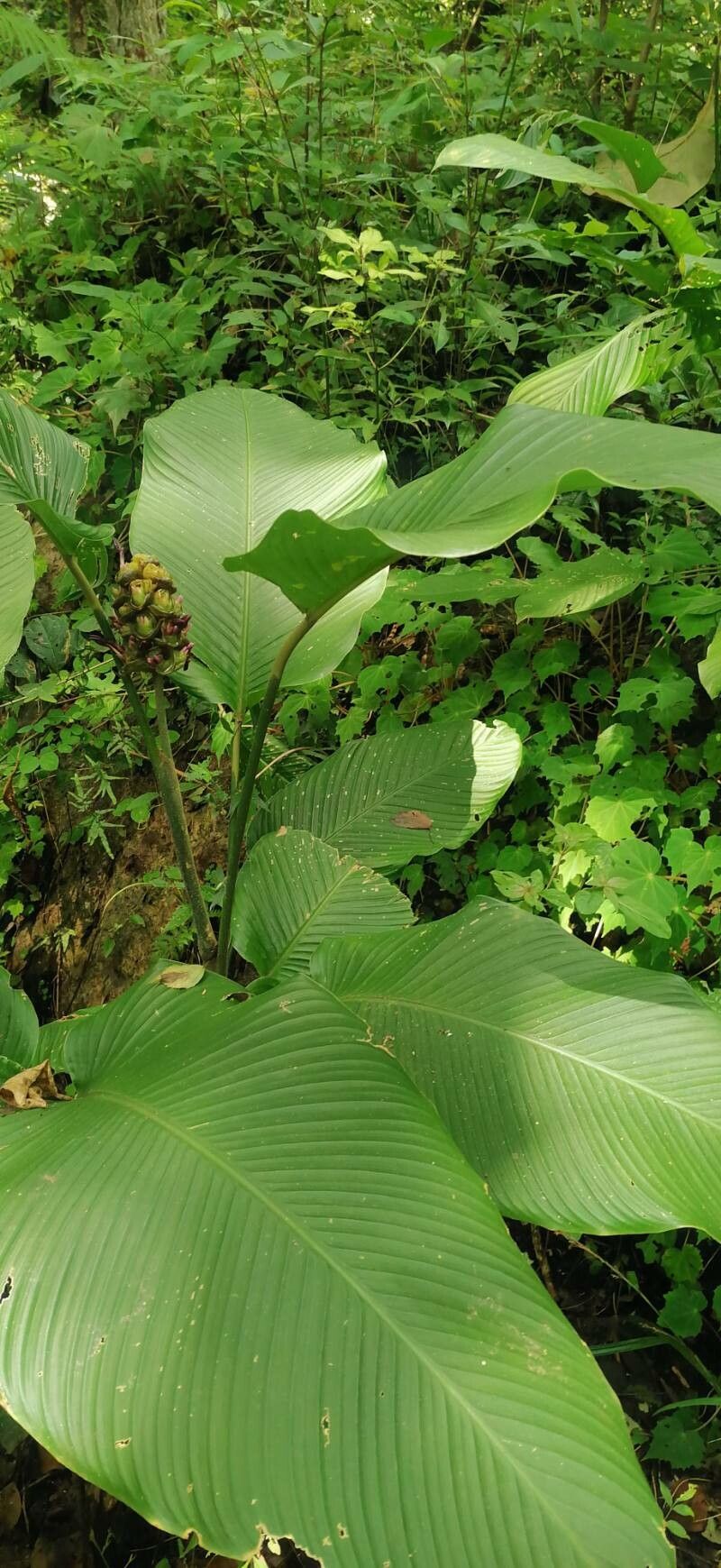
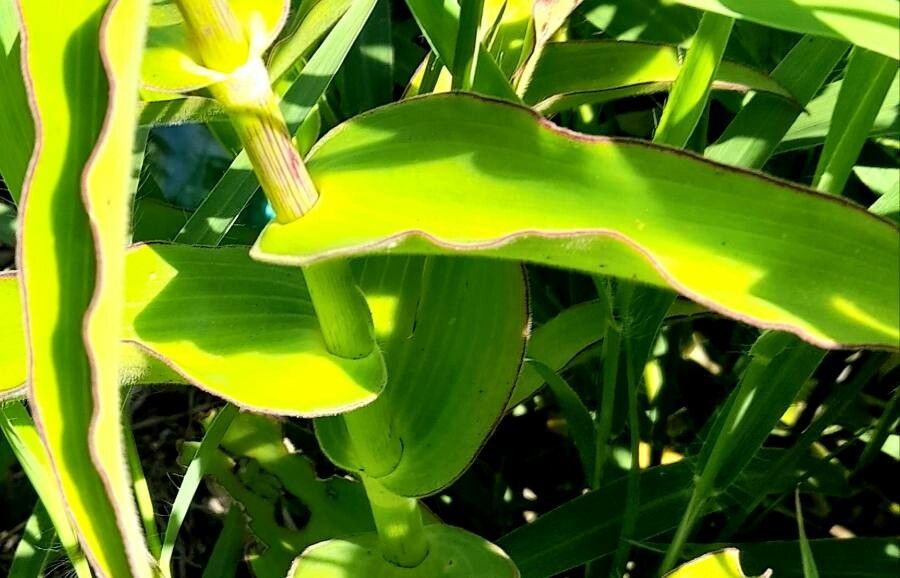
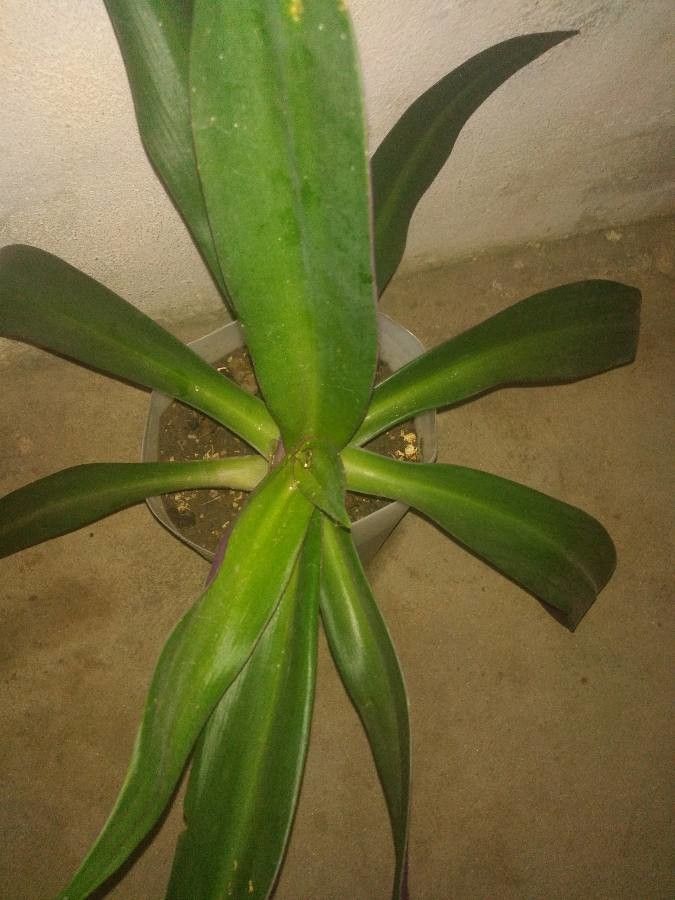
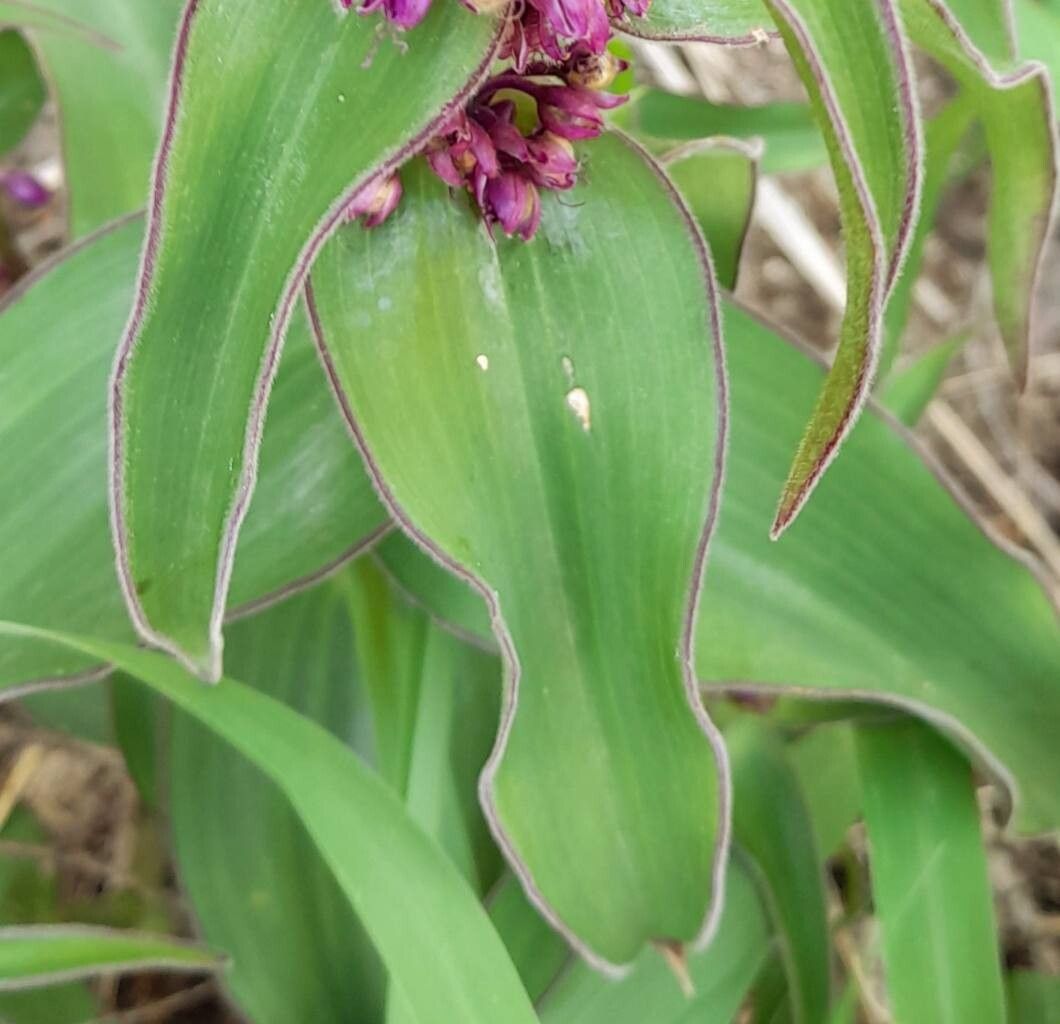
Tradescantia zanonia, formerly known as Campelia zanonia, is an evergreen perennial subshrub of the dayflower family, closely related to Tradescantia zebrina. It is native to the tropical Americas, ranging from Mexico through Central America and the Caribbean to Bolivia and southern Brazil. Its common names include cañagria, cascajo flor, cinta, rascadera, and suelda.
Cohitre blanco displays good resistance to disease and is generally not highly susceptible to illnesses. Nevertheless, it can be vulnerable to pests and diseases present in its surroundings. These infections are usually mild. With respect to care, the plant requires a moderate level of maintenance. It should be pruned regularly to keep a pleasant appearance and support healthy growth. Fertilizing can also aid in encouraging flowering. Cohitre blanco is suitable for people who have outdoor spaces, such as a garden or patio, and does not demand extensive care experience. When grown indoors, it may need more attention.
How to keep Tradescantia Zanonia.
Light
The cohitre blanco favors settings that mix shade and sunlight over the course of the day. It does best in sites that receive plenty of daylight but not uninterrupted sun. This species, native to places with dappled light, can show stunted growth or leaf scorching if exposed to constant sun. Conversely, too little light may cause dull leaf color and diminished vigor.
Water
Cohitre blanco thrives in humid environments with consistent moisture. To mimic its natural conditions, water it once a week. As an indoor plant, it benefits from higher humidity, which improves leaf shine and overall health. For best results, avoid overwatering or letting the plant dry out for extended periods.
Temperature
The cohitre blanco is suited to temperate regions, growing best in temperatures between 68 and 100 °F (20 and 38 °C). In its native habitat, temperature swings are usually mild, meaning it does not tolerate extreme cold or frost. Seasonally, keep indoor conditions warm.
Fertilizer
Appropriate fertilization is essential for Cohitre blanco's health and appearance. Fertilize Cohitre blanco in summer, applying fertilizer once a month throughout the summer. Nutrients support growth and upkeep of the plant's parts. Fertilization improves Cohitre blanco's flower display, ensuring the best blooms.
Pruning
Cohitre blanco features broad, lance-shaped leaves and has a sprawling growth habit. To encourage bushier growth, it is best to prune the plant in early spring or late winter using clean tools. Proper pruning helps maintain the plant's health, controls its rapid growth, and ensures it retains the desired shape and size.
Botanical profile.
- Plant Type
- Herb, Shrub
- Life Cycle
- Perennial
- Genus
- Tradescantia
- Family
- Commelinaceae
- Hardiness Zone
- 10-11
- Mature Height
- 61 cm to 91 cm
- Mature Spread
- 30 cm to 46 cm
- Leaf Color
- Green, Blue, White, Variegated
- Leaf Type
- Evergreen
- Flower Color
- White
- Flower Size
- 2.54 cm
- Bloom Time
- Late spring, Summer, Early fall
- Planting Time
- Spring, Summer, Autumn
- Harvest Time
- Late summer, Fall
- Native Area
- Belize, Honduras, Mexico, Guatemala, Peru, Panama, Jamaica, Colombia, Cuba, Bolivia, Venezuela, Guyana, El Salvador, Nicaragua, Brazil, Ecuador, Costa Rica
Reader questions.
What are the sunlight requirements for Cohitre Blanco?
Cohitre Blanco thrives in environments that offer a mix of shade and sunlight throughout the day, preferring partial sun with about 3-6 hours of sunlight. Full sun, defined as over 6 hours of sunlight, is also tolerated, especially in cooler climates. However, attention should be given to the plant's location since prolonged exposure to intense sunlight can cause leaf burn, while insufficient sunlight may lead to weak growth and poor leaf coloration.
What is the ideal temperature range for Cohitre Blanco?
Cohitre blanco thrives in temperate regions, with the ideal temperature range being between 68 to 100°F (20 to 38°C). This plant prefers environments where temperature variations are moderate, indicating a dislike for extreme cold or frost conditions. To foster growth, it's crucial to ensure warm indoor conditions during seasonal changes, particularly keeping the temperatures above 20°C during winter. Extremes, especially temperatures nearing 5°C, can be harmful to the plant.
How can artificial lighting be used for Cohitre Blanco?
When natural sunlight is insufficient, artificial lighting provides an excellent alternative for maintaining healthy Cohitre Blanco plants, particularly in winter or less sunny spaces. LED lights are recommended due to their ability to offer specific light wavelengths needed by the plants. For optimal growth, full sun plants require 30-50W/sq ft of artificial light, partial sun plants need 20-30W/sq ft, and full shade plants require 10-20W/sq ft. The light source should be positioned 12-36 inches above the plant to mimic natural sunlight, ensuring the plants receive 8-12 hours of light a day.
How do I care for Cohitre Blanco during cold temperatures?
Cohitre blanco requires warmth and does not tolerate low temperatures well. If winter temperatures are expected to drop below 20°C, it's important to keep the plant indoors and ensure the environment stays above 5°C to avoid damage. When temperatures fall below 1°C, indications such as a lightening of the leaves may occur, leading to them turning brown or black after frost damage. The best response includes trimming off frost-damaged parts and moving the plant to a warm, indoor spot preferably near a south-facing window for adequate sunlight while avoiding direct exposure to heat sources like heaters, to prevent air dryness.
What are the symptoms of inadequate light in Cohitre Blanco?
Symptoms of insufficient light in Cohitre Blanco include smaller new leaves, leggy or sparse growth, faster leaf drop, slower or halted growth, and lighter-colored new leaves. Excessive light can lead to chlorosis, sunscald, leaf curling, wilting, and leaf scorching. These symptoms result from the plant's inability to adapt to overly harsh or insufficiently lit conditions, affecting its health and growth.
What should I do if the Cohitre Blanco is exposed to high temperatures?
During the summer, it's best to keep Cohitre blanco in conditions below 38°C as exposure to temperatures above 43°C can lighten the leaf colors and increase susceptibility to sunburn. To manage high temperatures, trim away the sunburned and dried-up portions, and relocate the plant to a shaded area during the midday and afternoon sun. Additionally, watering the plant during the morning and evening will help maintain soil moisture and ameliorate the effects of high temperatures.
How can I address lighting issues for my Cohitre Blanco?
To address lighting issues for Cohitre Blanco, gradually adjust the plant to get 3-6 hours of direct sunlight daily by shifting it to sunnier spots each week. For indoor plants that are large or not easily movable, use artificial lights such as a desk or ceiling lamp for at least 8 hours a day, or invest in professional grow lights. If the plant is outdoors, avoid sudden changes in light intensity to prevent sunburn. Reducing obstructions, like pruning trees, can help increase sunlight exposure. During the plant's dormant period, typically late winter or early spring, consider transplanting smaller plants to locations with better sunlight and drainage.
What are the botanical characteristics of Cohitre Blanco?
Cohitre blanco is scientifically known as Tradescantia zanonia. It is a plant adapted to temperate climates and has specific temperature preferences for optimal growth. The maintenance of appropriate temperature levels, along with proper care during extreme weather conditions, whether cold or hot, is essential for the healthy cultivation of this plant.