Tradescantia × andersoniana, commonly known as Anderson's spiderwort, is a herbaceous perennial plant belonging to the Commelinaceae family. This hybrid species originated from the cross-breeding of Tradescantia virginiana and Tradescantia subaspera. Native to North America, it thrives in moist meadows, woodlands, and along stream banks.
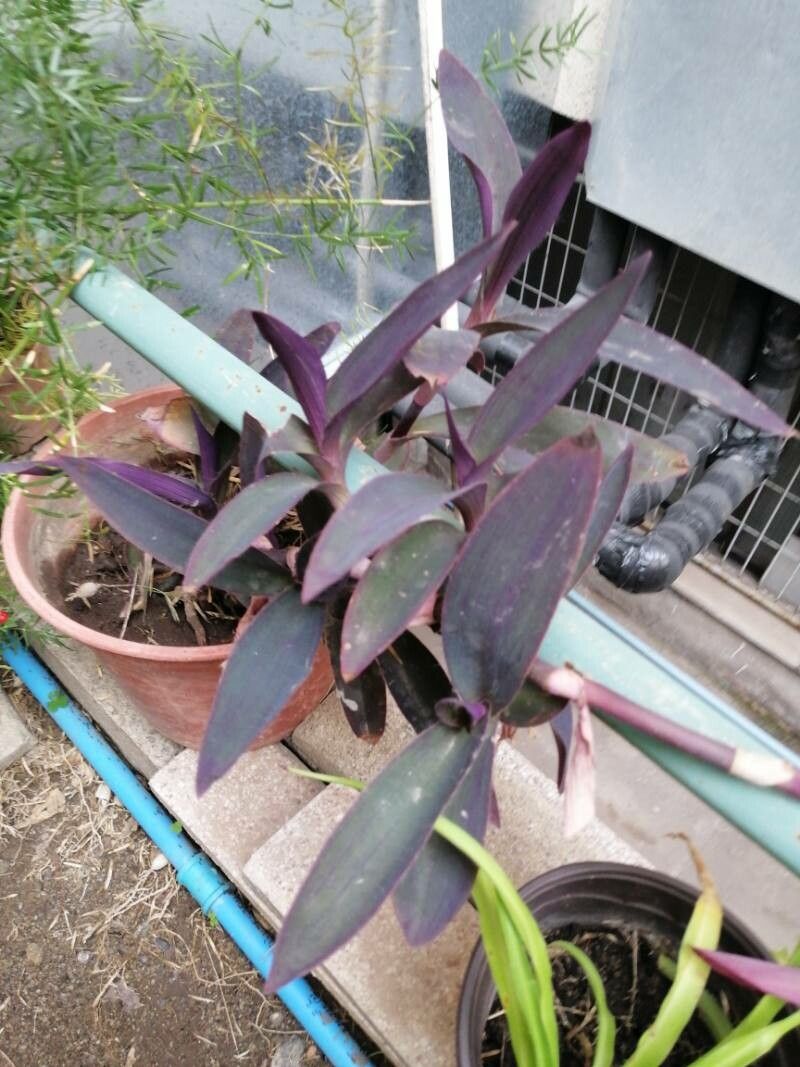
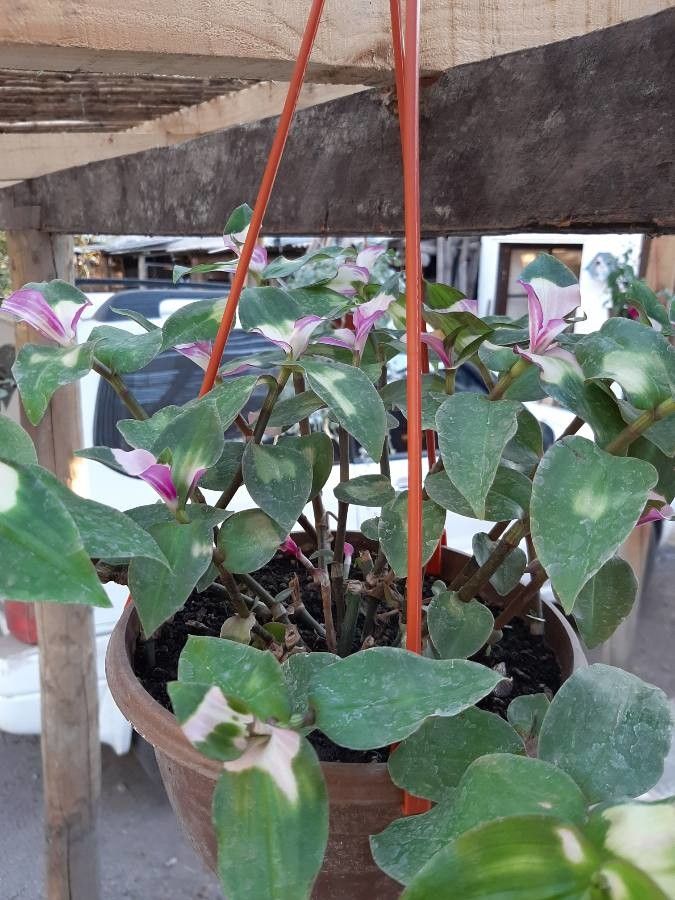
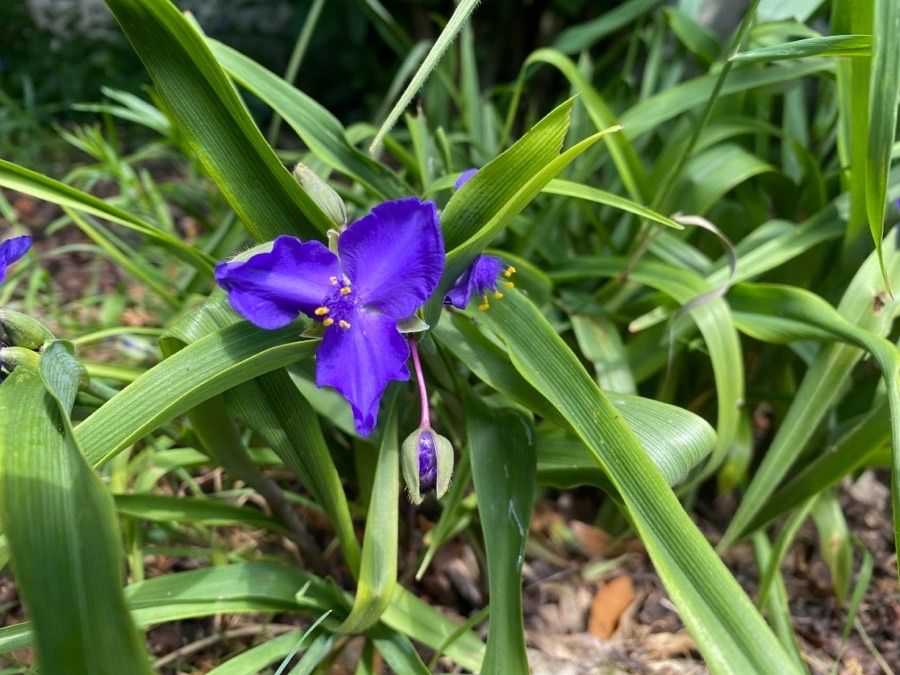
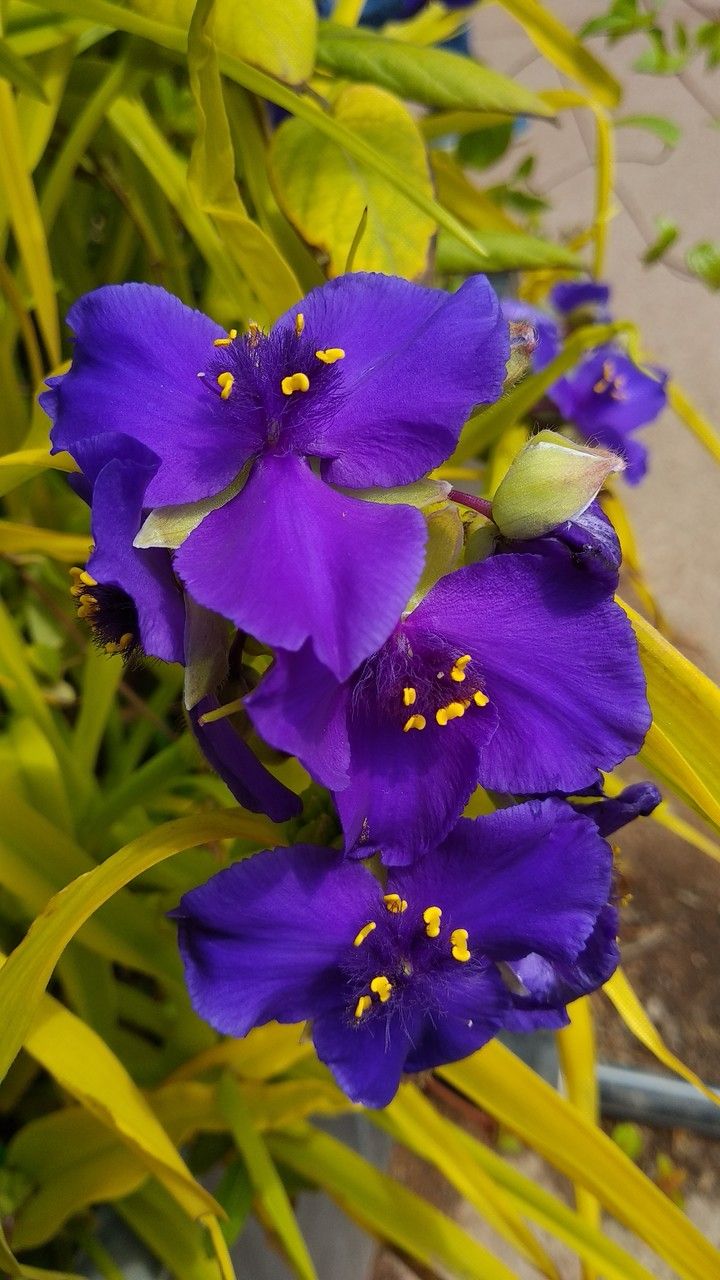
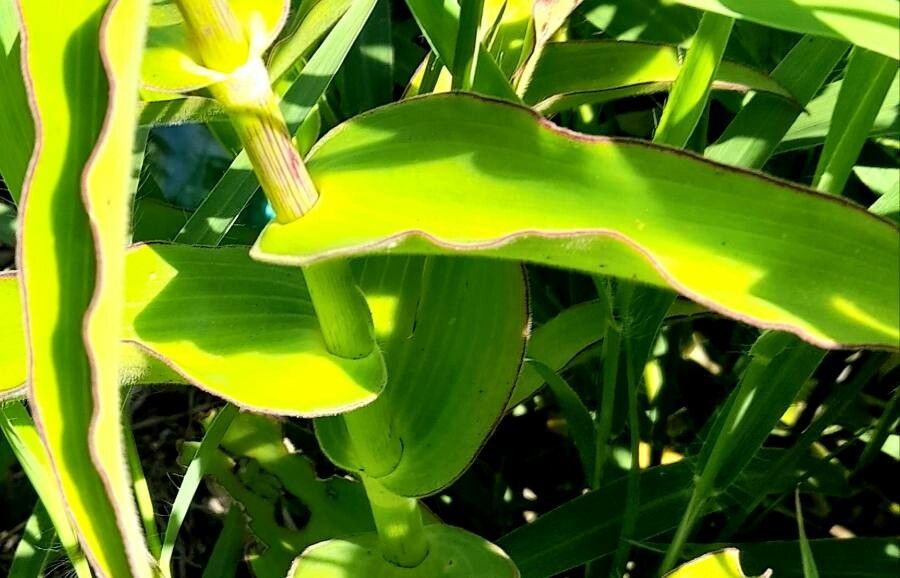
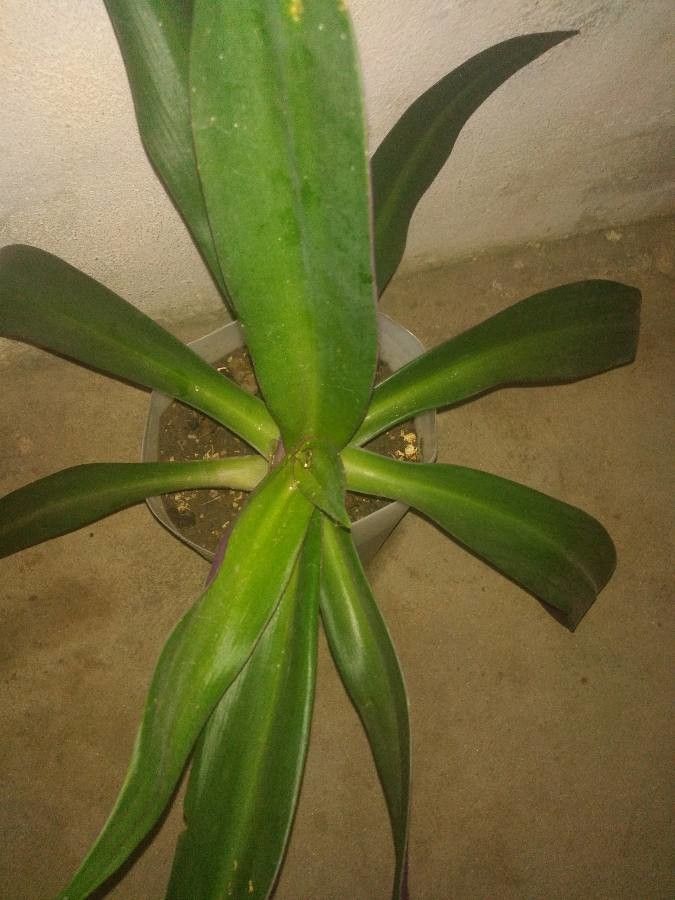
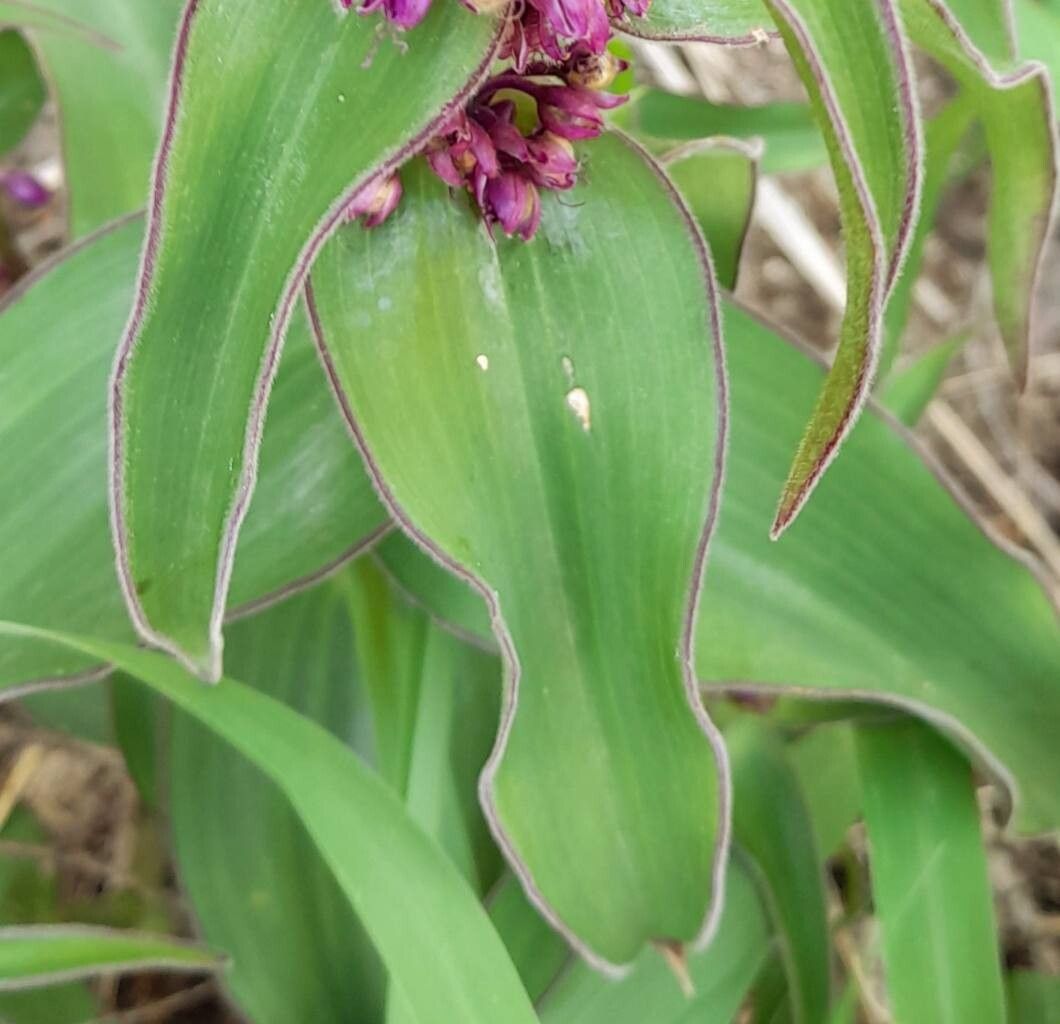
Anderson's spiderwort features long, narrow leaves arranged in a clump at the base of its stem. While the leaves are typically green, some may be variegated with white or silver stripes. The plant's stem can grow up to 60 cm tall and bears clusters of small, three-petaled flowers in hues of blue, pink, or purple.
This plant is easy to cultivate, preferring moist soil but showing tolerance for dry conditions once established. It thrives in both full sun and partial shade, making it an excellent choice for borders or rock gardens.
Anderson's spiderwort also boasts several medicinal properties, such as anti-inflammatory effects, which can help treat skin irritations like rashes from poison ivy or insect bites. Additionally, its roots have been traditionally used by Native Americans to treat stomach ailments, including diarrhea.
Overall, this beautiful hybrid species makes an excellent addition to any garden with its attractive foliage and vibrant flowers. Furthermore, its medicinal benefits provide both aesthetic appeal and practical uses.
Spiderwort is fairly disease-resistant and generally does not tend to develop many illnesses. However, it can still be affected by pests and diseases present in its environment. These problems are typically mild. In terms of care, this plant requires moderate maintenance. Regular pruning is needed to keep a neat appearance and support healthy growth. Fertilizing can also encourage flowering. Spiderwort is suitable for anyone with outdoor space, such as a garden or patio, and does not demand extensive gardening experience. It may need more attention if grown indoors.
How to keep Tradescantia Ux Andersoniana.
Light
Spiderwort naturally occurs in habitats like forest understories or rocky sites, where it receives natural shade. It prefers partial sun but can tolerate full sun or full shade, showing its versatility and hardiness.
Temperature
Spiderwort can tolerate a wide range of temperatures, but its distribution may still be restricted by different combinations of moisture and heat. It does best in warm summer conditions with sufficient rainfall or watering. Extended periods of cloudy, rainy weather or sustained high temperatures can raise the chance of Spiderwort dying. In winter, adequate protection from cold can increase the plant's likelihood of survival.
Fertilizer
The best time to fertilize a Spiderwort is in early spring, as it emerges from dormancy and begins active growth. Fertilizing supplies essential nutrients for healthy development. Although Spiderwort has relatively low fertilizer requirements, an annual application can boost its survival and produce better, longer-lasting flowers.
Botanical profile.
- Plant Type
- Herb
- Life Cycle
- Perennial
- Genus
- Tradescantia
- Family
- Commelinaceae
- Hardiness Zone
- 3-9
- Mature Height
- 46 cm
- Mature Spread
- 61 cm
- Leaf Color
- Green, Dark Green
- Leaf Type
- Semi-evergreen
- Flower Color
- Purple, Pink, Blue
- Flower Size
- 2.03 cm to 3.05 cm
- Bloom Time
- Mid spring, Late spring, Summer, Early fall, Mid fall
- Planting Time
- Spring, Summer
- Harvest Time
- Late spring, Summer, Fall
Other names.