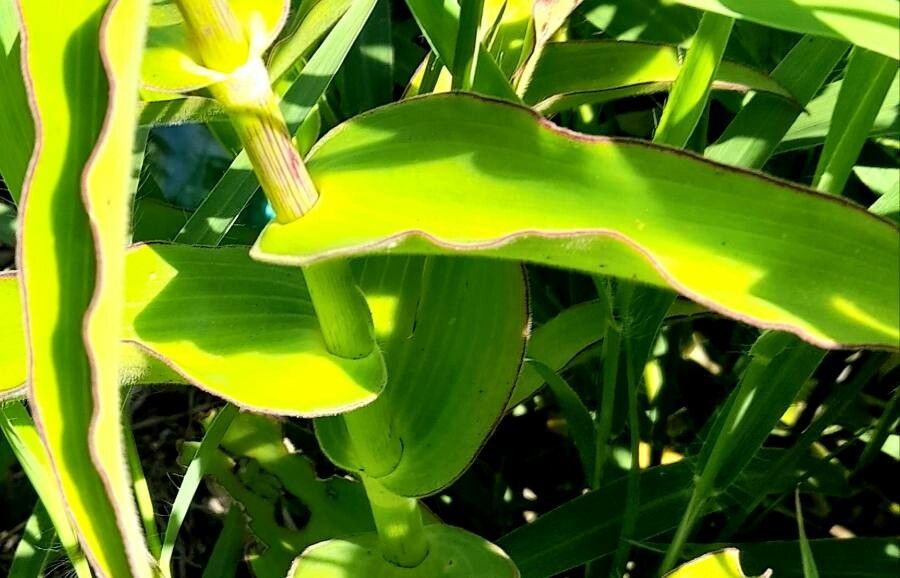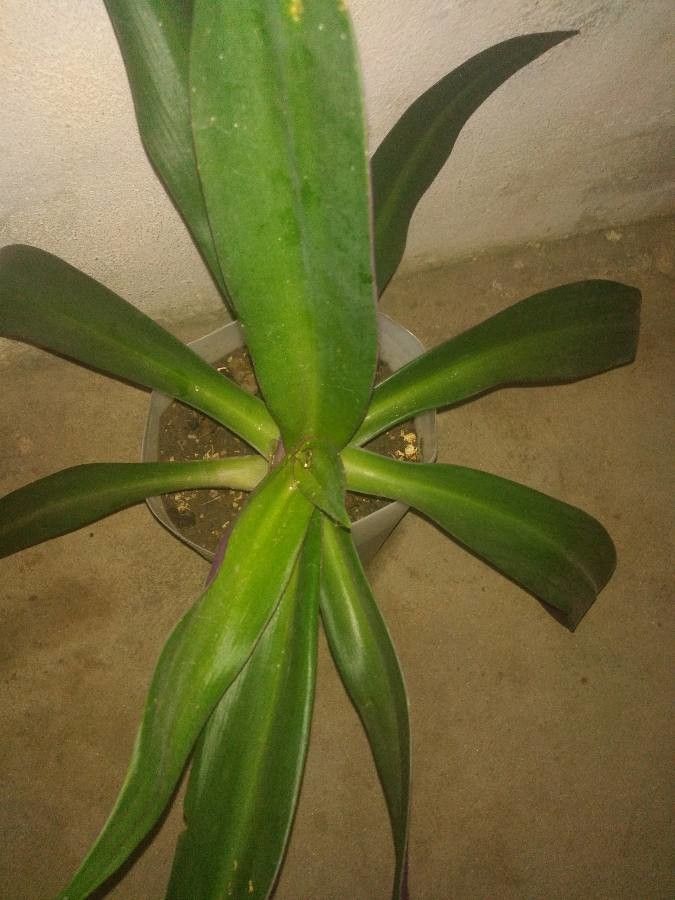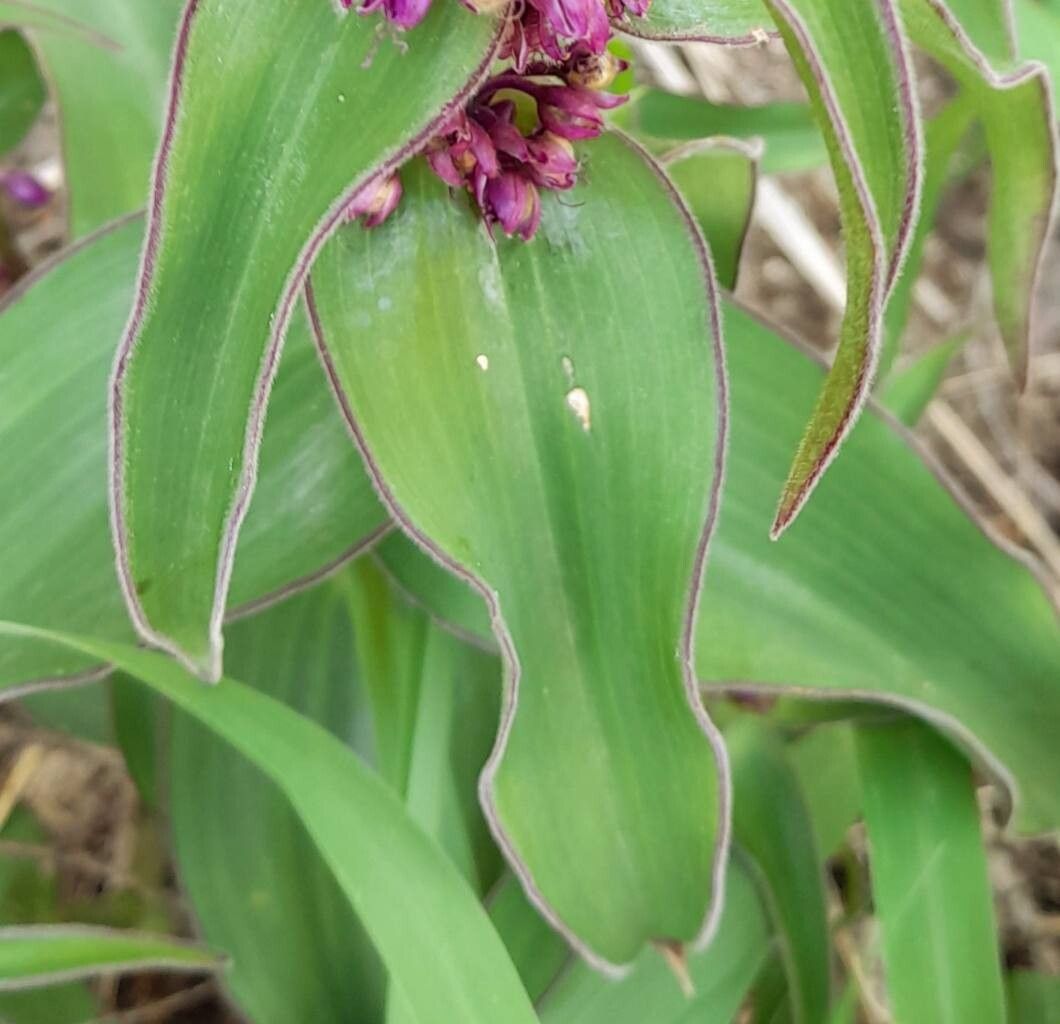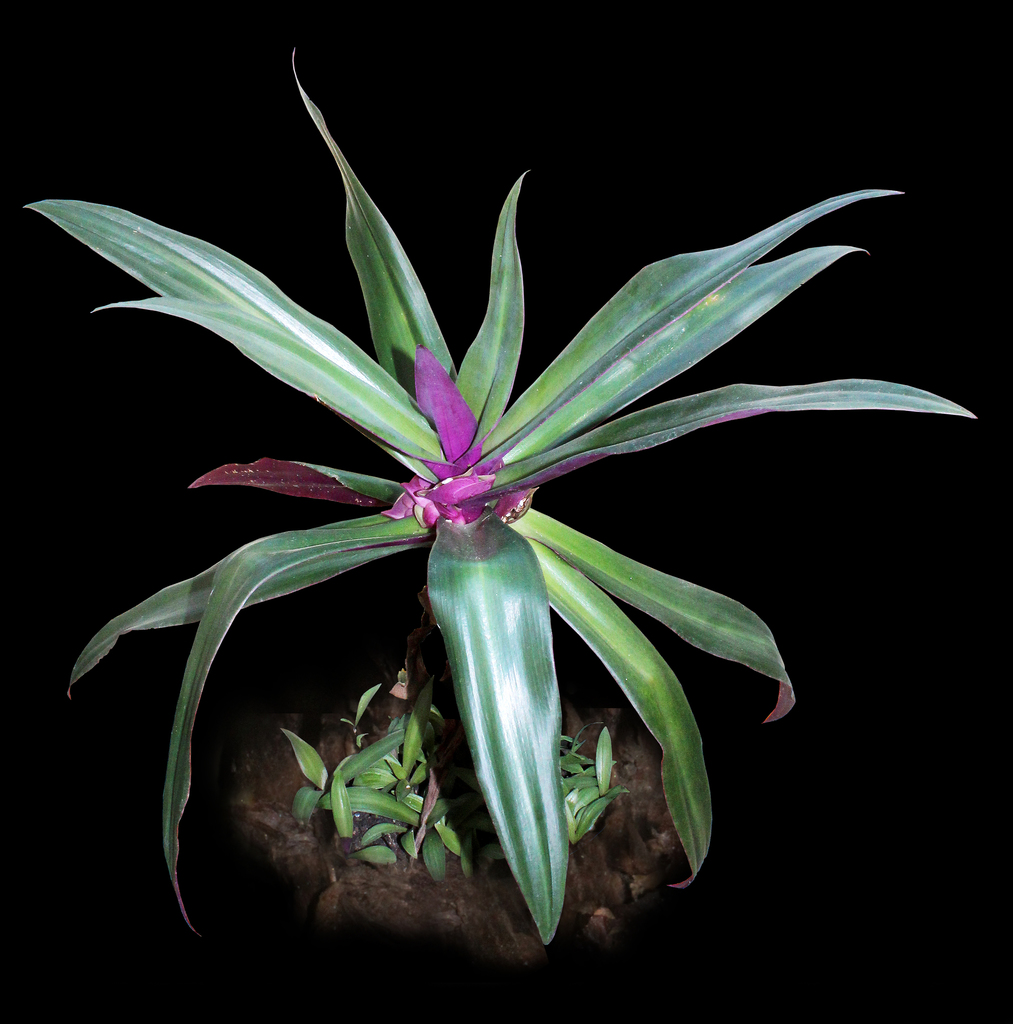
Tradescantia spathacea, also known as Moses-in-the-cradle or oyster plant, is a popular ornamental plant native to Mexico and Central America. This perennial herbaceous plant, from the Commelinaceae family, can grow up to 30 cm in height. Its long, narrow leaves are glossy green on top and purple underneath. The small white or pink flowers, each with three petals, bloom from late spring through summer.
Often grown as an indoor houseplant, Tradescantia spathacea boasts attractive foliage that enhances the aesthetic appeal of any room. Its easy-care nature makes it an ideal choice for beginners seeking low-maintenance plants.
This plant thrives in bright, indirect light but can also tolerate low light conditions, making it suitable for indoor spaces with limited natural light. It requires well-draining soil that should be kept moist but not waterlogged.
Propagation is simple and can be done through stem cuttings, which root easily in either water or soil.
Overall, Tradescantia spathacea is an excellent choice for those seeking a beautiful, low-maintenance houseplant that adds color and texture to indoor spaces with minimal effort.
Moses-in-the-cradle is generally disease-resistant and usually not susceptible to disease. However, it may develop leaf spots if light and ventilation are poor and if watering is excessive. The plant's care level is considered easy, as it mainly requires regular watering and does not need much care otherwise. Moses-in-the-cradle is suitable for those who don't have some time and energy to devote to regular care.
How to keep Tradescantia Spathacea.
Light
Moses-in-the-cradle prefers moderate sunlight and is flexible enough to endure either full sun or complete shade. This flexibility reflects its native habitat, where it encounters different light conditions. Nevertheless, too much light can inhibit its growth, while too little light may result in weak, dull foliage.
Water
The oyster plant, which comes from the undergrowth of tropical forests, thrives in high humidity and moist soil. It ideally needs to be watered weekly. This plant is popular for its resilience indoors, but it is crucial to provide adequate drainage to prevent root rot. With proper care, you can ensure it has vibrant foliage and optimal growth in your home.
Humidity
This plant needs special care because it loves high humidity levels of 60-80% or more. The best way to achieve this is by placing a humidifier near the plant. Daily misting is also essential! Make sure the room has good ventilation.
Temperature
Moses-in-the-cradle is a tropical plant that thrives in warm conditions between 68 and 100 ℉ (20 and 38 ℃). It can be grown outside in warm regions or kept indoors as a houseplant. In cooler weather, it’s important to shield the plant from drafts and keep it in a warm spot.
Fertilizer
Moses-in-the-cradle needs the most fertilizer during its active growth period, which occurs mainly in spring, summer, and early fall. Fertilizing is required to supply essential nutrients the soil may be lacking, supporting healthy root and stem growth and the attractive foliage that is a key feature of this plant.
Pruning
The oyster plant benefits from regular pruning, particularly from early to late spring, to remove dead leaves and promote bushier growth. Using sterilized tools is important to prevent infections. Pruning also improves air circulation and enhances the plant's appearance, helping to keep the oyster plant vibrant and healthy throughout its growing season.
Pot & Repot
When repotting Moses-in-the-cradle, choose a pot 1-2 inches (2.5–5.1 cm) larger with ample drainage. Use a well-draining potting mix. Repot in spring or fall, ensuring that the root ball is slightly lower than the rim of the flower pot. Water thoroughly after repotting and place in a warm spot with indirect sunlight.
Toxicity
Moses-in-the-cradle plants do not have any reported toxic effects on people or pets.
Further reading →
The toxicity and danger assessments provided are for reference only. We do not assure their accuracy, so it's crucial not to depend on them. Seek professional advice when necessary for accurate guidance.
Botanical profile.
- Plant Type
- Herb
- Life Cycle
- Perennial
- Genus
- Tradescantia
- Family
- Commelinaceae
- Hardiness Zone
- 9-12
- Mature Height
- 20 cm to 40 cm
- Mature Spread
- 8 cm
- Leaf Color
- Green, Purple, Variegated, Bronze
- Leaf Type
- Evergreen
- Flower Color
- White
- Flower Size
- 2.54 cm
- Bloom Time
- All year round
- Planting Time
- Spring, Summer, Autumn, Winter
- Harvest Time
- All year round
- Native Area
- Honduras, Mexico, Guatemala, Belize
Other names.
Reader questions.
When Should I Water My Oyster Plant?
Determining the right time to water an oyster plant involves observing several indicators, as proper watering is essential for its health and growth. Soil dryness is a primary cue; if the soil feels dry about an inch deep, it's time to water. Leaf drooping and discolouration, changing from thick green to paler green or even yellowish, signal the need for water, but be cautious of overwatering which can cause brown leaf tips. Slowed or halted growth is another indicator of insufficient watering. Balancing water intake avoids the risks of both overwatering, which can lead to root rot and disease, and underwatering, which can cause wilting and eventual plant death.
Why should I put fertilizer on my Oyster plant?
All plants, including the Oyster plant, need soil nutrients for growth. However, it's not always guaranteed that the soil will have all the necessary nutrients. To address this, fertilization and soil amendments are used to ensure that plants in your garden receive both basic and specific nutrients. In the case of the Oyster plant, fertilizer is essential for healthy root and stem development, as well as for beautiful foliage, which is its main decorative feature.
What are the sunlight requirements for an Oyster plant (Tradescantia spathacea)?
Oyster plants require partial sun to full shade, with varying hours of sunlight needed depending on their condition. For plants under partial sun, about 3-6 hours of sunlight is ideal, whereas plants needing full sun or full shade thrive with more than 6 hours of sunlight. It's essential to observe how sunlight moves through your garden to ensure you're providing the right balance of light and shade for your plants. Too much or too little exposure to sunlight can either stunt the plant's growth or result in weak foliage. Adapting to the plant's native environment, which thrives under moderate sun exposure, can help it cope with different light conditions efficiently.
What are the essential care requirements for an Oyster plant?
The Oyster plant, scientifically known as Tradescantia spathacea, thrives in warm temperatures ranging from 68 to 100°F (20 to 38°C), making it ideal for growth in tropical climates. It can be cultivated outdoors in areas with warm climates or indoors as a houseplant. To ensure the plant’s health, it's crucial to protect it from cold drafts and maintain a warm environment, especially during colder months. When the temperature starts to drop in autumn, it's advisable to move the plant indoors, placing it near a bright window but away from direct heat sources. Keeping the indoor temperature above 20°C during winter supports the plant's growth, while exposure to temperatures near 0°C can be harmful.
How Should I Water My Oyster Plant?
Oyster plants, known for their drought tolerance, do not fare well with excessive moisture and prefer drying out between watering sessions to avoid root rot. A preferred method is bottom-watering, where the pot is placed in a tray of water allowing absorption from the bottom up, avoiding wet foliage and mold growth. Light misting can mimic the tropical atmosphere they thrive in, but be cautious in cool spaces to prevent leaf rot. Employing a moisture meter can ensure the substrate reaches an ideal level of dryness. When watering, focus on the root area rather than the foliage and ensure excess water is drained to prevent root rot risks.
What is the best time to fertilize my Oyster plant?
During the active growth phase, which usually occurs in spring, summer, and early fall, the Oyster plant requires the most fertilizer. After winter, you should feed the plant every two to four weeks until fall. Then, gradually reduce the amount of fertilizer until you stop completely in preparation for the less active growth during winter.
How does inadequate lighting affect Oyster plants, and what are the symptoms?
Inadequate lighting can significantly impact the growth of Oyster plants, leading to a variety of symptoms. These include lighter-colored new leaves, indicating a lack of chlorophyll and essential nutrients; slower or no new growth as the plant enters survival mode; leggy or sparse growth making the plant look thin and weak; chlorosis, where leaves lose their green color; sunscald, which damages plant tissue; leaf curling, a defensive mechanism against excessive sunlight; wilting due to hydration issues; and leaf scorching signified by brown, dry edges on leaves. Each symptom highlights the plant's difficulty in adapting to poor light conditions.
How does low temperature affect the Oyster plant, and what are the solutions?
The Oyster plant is sensitive to low temperatures and performs best in environments warmer than 20°C, requiring protection from temperatures below 0°C. Exposure to temperatures below -5°C can lead to discoloration of the leaves, which may turn from light to brown or black, accompanied by wilting or drooping as signs of frost damage. To mitigate such damage, affected parts of the plant should be trimmed off. Moving the plant to a warm indoor setting is crucial for its survival during cold spells. Placing it near a south-facing window ensures adequate sunlight, but it should be kept away from heaters or air conditioning vents to avoid air dryness.
How Much Water Does Oyster Plant Really Need?
The water requirement for an oyster plant varies based on pot size, root depth, and plant size. Originating from humid, tropical regions, it has a good drought resistance but thrives when watered thoroughly until excess seeps out of the pot's drainage holes. Generally, a pot with a 10-inch diameter needs about 1 to 2 cups of water per session. Adequate watering keeps the leaves vibrant and prevents them from becoming discolored or limp. Both overwatering and underwatering can cause significant issues such as root rot or desiccation, respectively.
When should I not put fertilizer on my Oyster plant?
For most of the year, including spring, summer, and most of fall, regularly feed your Oyster plant. The exception to this is if you notice it has received too much fertilizer or if you have fertilized it incorrectly, causing issues like fertilizer burn. In those cases, you need to fix the problem before returning to a regular feeding schedule. Do not fertilize the Oyster plant during winter, especially if it is grown indoors in cold winters. During winter, the plant enters a dormant phase, and fertilizing it at this time is unnecessary and likely to cause fertilizer burn.
What solutions can help improve light conditions for Oyster plants?
To improve light conditions for Oyster plants, gradual adaptation to sunlight is recommended. For indoor plants, shifting them to sunnier spots weekly until they receive 3-6 hours of direct sunlight daily or using artificial light such as desk, ceiling lamps, or professional grow lights for at least 8 hours daily can be beneficial. Outdoor plants should be moved to better sunlight spots gradually to avoid sunburn. If plants are ground-based, reducing obstructions like pruning trees or transplanting them during their dormant period to locations with better sunlight and drainage helps in optimizing growth. However, parts of the plant damaged by insufficient sunlight may not recuperate, but new growth will be healthy after increasing light exposure.
How does high temperature affect the Oyster plant, and what are the solutions?
In the summer, the Oyster plant should be kept in temperatures below 100°F (38°C) to prevent heat stress. Temperatures exceeding 109°F (43°C) can cause the leaves to lighten and increase the plant's susceptibility to sunburn. To care for a plant affected by high temperatures, remove the sunburned or dried parts and relocate it to a spot that is protected from the intense midday and afternoon sun. Regular watering in the morning and evening will help keep the soil adequately moist, further protecting the plant from the adverse effects of excessive heat.