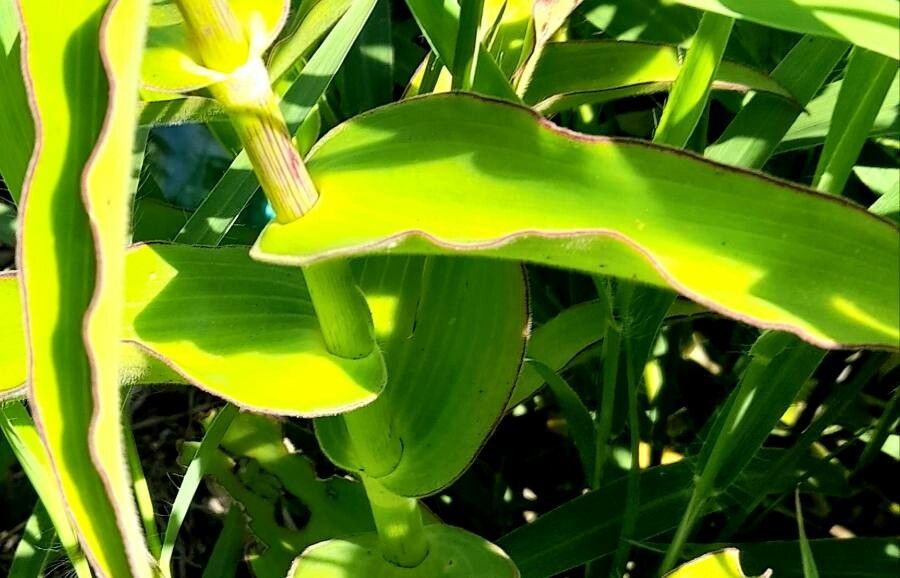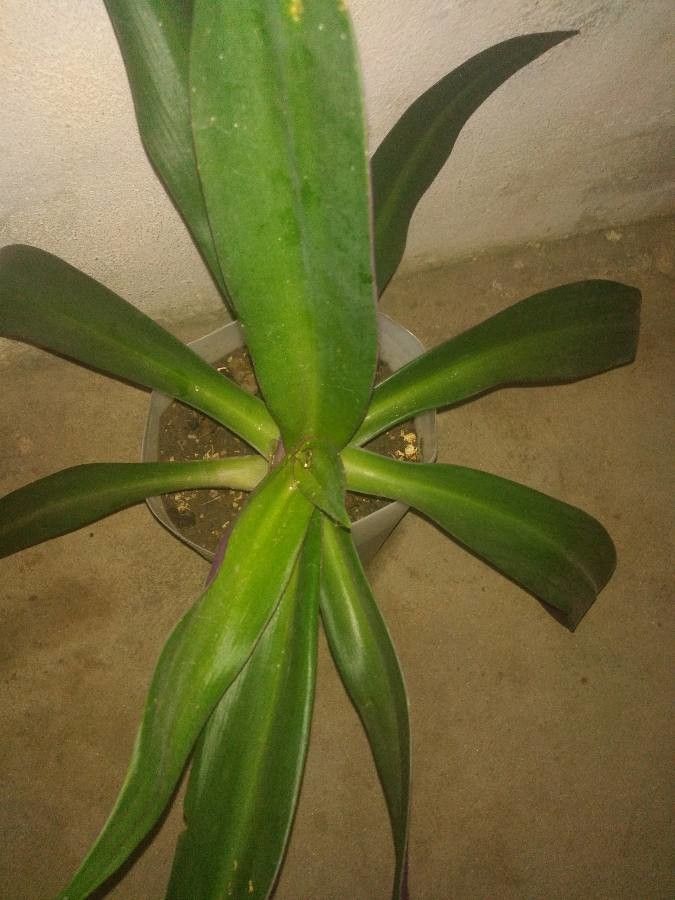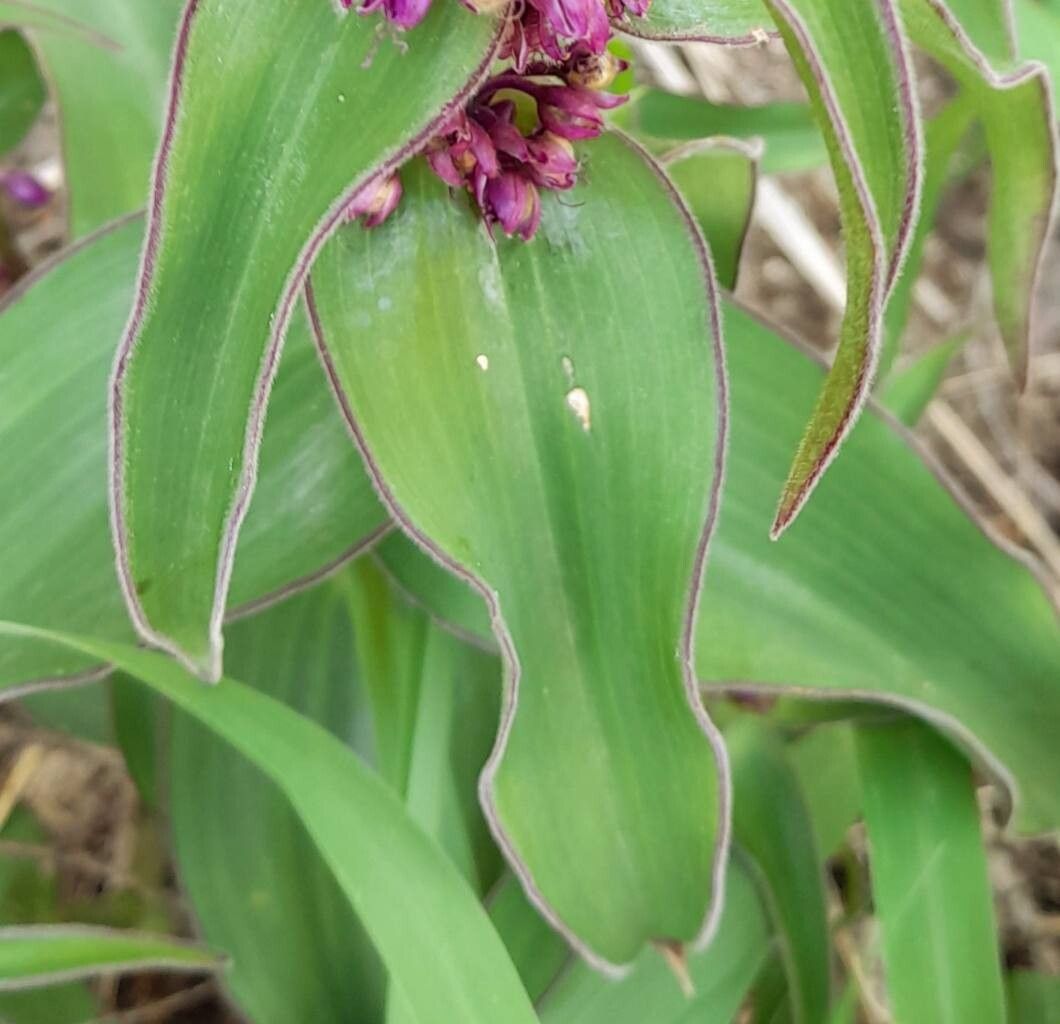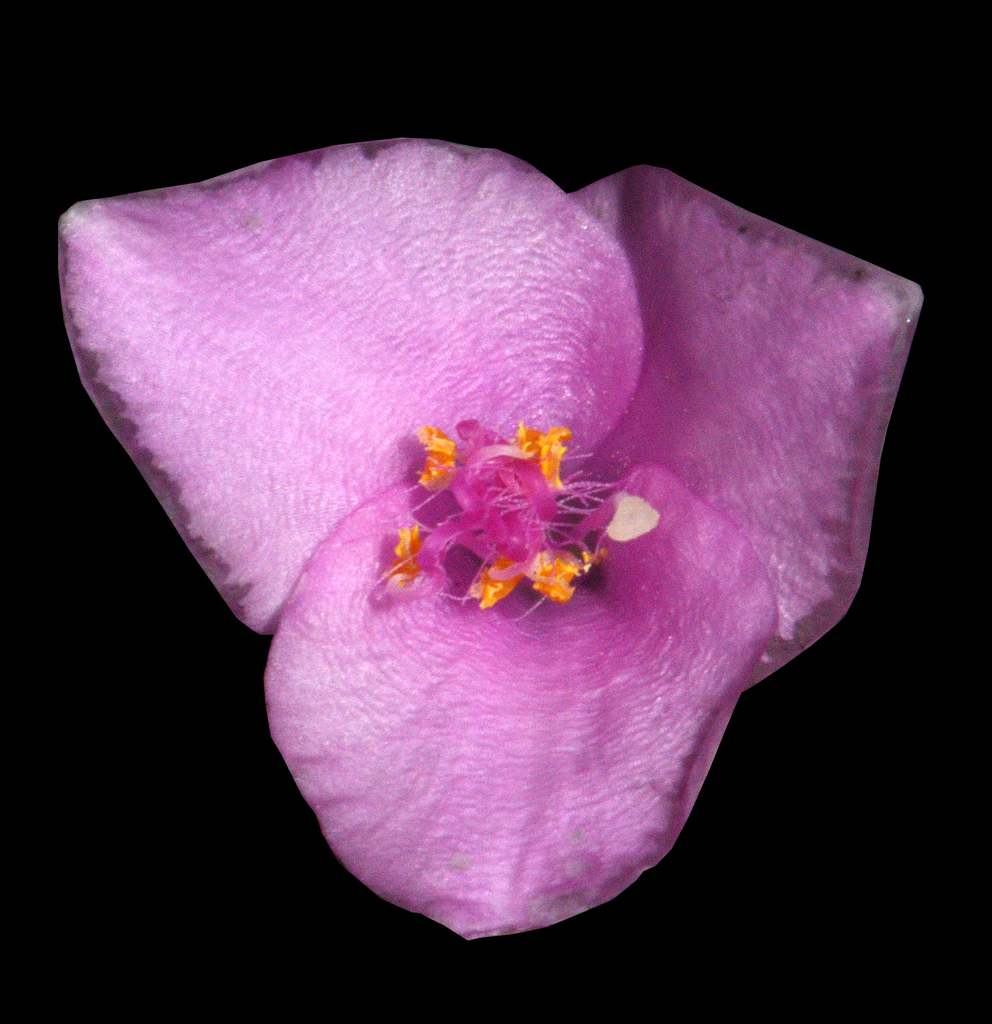
Tradescantia pallida is a species of spiderwort (a genus of New World plants) similar to T. fluminensis and T. zebrina. The cultivar T. pallida 'Purpurea' is commonly called purple secretia, purple-heart, or purple queen. It is native to the Gulf Coast region of eastern Mexico. Edward Palmer collected the type specimen near Ciudad Victoria, Tamaulipas in 1907.
Purple heart plants are known for their striking purple leaves, which naturally attract attention. The plant has succulent stems and leaves that can grow up to 18 centimeters long, making them somewhat fragile and prone to breaking. When exposed to enough sunlight, purple flowers bloom from the center of the leaves, as if the plant is revealing its vibrant beauty to you. This display is what gives the plant its name, "purple heart."
Purple heart is largely disease-resistant and generally not prone to illnesses. However, it can be vulnerable to leaf spots when light and ventilation are poor and watering is excessive. Its care level is considered easy, as it only needs regular watering and little else. Purple heart is appropriate for people who do not have the time and energy to dedicate to extensive care.
How to keep Tradescantia Pallida.
Light
Purple heart, which occupies locations with varying sun exposure, displays healthy growth with only partial daily sunlight. It tolerates both plentiful and limited amounts of sun. Its light needs can change between growth periods. Excessive sun can scorch the leaves, while inadequate light can stunt growth and produce dull foliage.
Water
The purple heart plant thrives in tropical environments and prefers moderate moisture levels. It can handle short periods of dryness. To care for this plant, water it every 1-2 weeks. Be sure to manage the soil moisture carefully to prevent root rot, especially when it's grown indoors for its striking purple foliage.
Temperature
Purple heart's native growing conditions indicate it does best in warm climates with temperatures of 68 to 100 ℉ (20 to 38 ℃). Although this species is not a temperate woody plant, it favors that 68 to 100 ℉ (20 to 38 ℃) range and should be maintained in a warm setting. During colder periods, it's recommended to allow room temperatures to vary between 60 and 80 ℉ (15 to 27 ℃) to support optimal growth.
Fertilizer
Purple heart needs the most fertilizer during its active growth period, which occurs mainly in spring, summer, and early fall. Fertilization supplies essential nutrients that may be lacking in the soil, encouraging healthy root and stem development as well as attractive foliage, a primary characteristic of this plant.
Pruning
The Purple Heart plant is known for its vibrant purple foliage and thrives with regular pruning in early spring. To encourage bushier growth, trim any leggy stems just above a node to promote new shoots. Additionally, remove any dead leaves to maintain the plant's health. Always use clean, sharp tools to prevent infections and to ensure proper air circulation.
Pot & Repot
When repotting Purple heart, pick a pot 1–2 inches (2.5–5.1 cm) larger with ample drainage. Use a well-draining potting mix. Repot in spring or fall, making sure the root ball sits slightly lower than the rim of the flower pot. Water thoroughly after repotting and place it in a warm spot with indirect sunlight.
Toxicity
There are no reports that purple heart plants are poisonous but the juices found on its stems and leaves can be irritable on the skin. It could lead to redness for some people if not for everyone.
Further reading →
The toxicity and danger assessments provided are for reference only. We do not assure their accuracy, so it's crucial not to depend on them. Seek professional advice when necessary for accurate guidance.
Botanical profile.
- Plant Type
- Herb
- Life Cycle
- Perennial, Annual
- Genus
- Tradescantia
- Family
- Commelinaceae
- Hardiness Zone
- 9-11
- Mature Height
- 20 cm to 49 cm
- Mature Spread
- 46 cm
- Leaf Color
- Green, Purple, Blue
- Leaf Type
- Evergreen
- Flower Color
- Purple, Violet
- Flower Size
- 5.08 cm to 7.62 cm
- Bloom Time
- All year round
- Planting Time
- Spring, Summer, Autumn, Winter
- Harvest Time
- All year round
- Native Area
- Mexico
Other names.
Reader questions.
When should I water my Purple Heart?
Water your Purple Heart when the top inch of the soil feels dry to the touch, as this is a good indication that the plant needs watering. Monitoring the condition of its leaves is also crucial; if they begin to wilt, curl, or if you notice a color change to a less vibrant purple, it’s time to provide water. Be mindful of the seasons and temperature, as Purple Heart requires more frequent watering during the warmer months. Avoid watering on a strict schedule to prevent issues such as root rot or leaf drop caused by over or under-watering.
Why should I put fertilizer on my Purple heart?
All plants, including the Purple heart, need soil nutrients for growth. However, it's not always guaranteed that the soil they grow in will have all the necessary nutrients. To ensure that your garden plants have both the basic nutrients they need and the specific ones required for their health, fertilization and soil amendments are necessary. The Purple heart plant, in particular, needs fertilizer to support the development of its roots and stems during the growing season. Fertilization will also enhance the appearance of the Purple heart's leaves, which are the main attraction of this ornamental plant.
What are the sunlight requirements for a Purple Heart plant?
The Purple Heart plant requires partial sun to full sun exposure, which means it needs about 3-6 hours of sunlight daily. However, it can tolerate more than 6 hours of sunlight, indicating its versatility in adapting to both full sun and full shade conditions. It's important to observe how sunlight moves through your garden to ensure you choose a location that provides a balance of light and shade, promoting the plant's well-being.
What is the ideal growth environment for a Purple Heart plant?
The Purple Heart plant thrives in warm climates and prefers temperatures ranging from 68 to 100°F (20 to 38°C). This plant is not a temperate woody plant and should be kept in a warm environment to ensure its optimal growth. During cooler seasons, adjusting the room temperature to fluctuate between 60 and 80°F (15 to 27°C) can help maintain the plant's growth. It is extremely heat-loving, and exposure to cold temperatures can be harmful. In autumn, it is advisable to bring outdoor-grown Purple Heart plants indoors, placing them near a bright window but at a distance from heaters to avoid damage. Keeping the temperature above 20°C during winter is beneficial for the plant's growth, while temperatures approaching 0°C can be detrimental.
How should I water my Purple Heart?
Purple Heart has specific watering needs that call for a careful approach. Bottom-watering is effective, where you place the plant pot in a tray with water, allowing the roots to absorb moisture from the bottom. This method helps to avoid excess moisture on the foliage and reduce the risk of fungal diseases. If you’re using a watering can, opt for one with a narrow spout to target water directly at the base of the plant, minimizing moisture on the leaves.
What is the right time to fertilize my Purple heart plant?
The Purple heart plant requires the most fertilizer when it is actively growing, which is usually during spring, summer, and early fall. During these months, it's best to feed the plant every two to four weeks. As winter approaches, the fertilization rate should be gradually reduced until completely stopping. This is because the Purple heart plant experiences less active growth during the winter season.
How does varied sun exposure affect the Purple Heart plant's growth?
The Purple Heart plant shows healthy growth under varied sun exposure conditions. It thrives with only portions of daily sunlight and can manage with both abundant and minimal sunlight. The plant's sun requirements may change during different growth periods. Excessive sunlight can lead to leaf burn, while insufficient light might hamper growth and result in dull foliage. Additionally, indoor plants might require artificial lighting to achieve optimal growth, especially in less sunny spaces or during the winter.
What are the symptoms and solutions for a Purple Heart plant exposed to low temperatures?
A Purple Heart plant prefers warm temperatures and does not tolerate low temperatures well. It thrives best when the temperature is above 20°C, and during winter, it should be kept above 0°C to avoid frost damage. Exposure to temperatures below -5°C may cause the leaves to lighten in color, and after frost damage, the leaves may turn brown or black with symptoms of wilting and drooping. The solution for frost damage includes trimming off the frost-damaged parts and immediately moving the plant to a warm environment for protection. It is also recommended to place the plant near a south-facing window to ensure ample sunlight, and to avoid placing it near heaters or air conditioning vents to prevent air dryness.
How much water does Purple Heart really need?
The amount of water your Purple Heart needs depends on factors like pot size and plant size. A thorough soaking, usually between 1-2 cups of water until it drains out of the bottom of a 6-8-inch pot, is typically required. However, adjust the volume according to your plant's specific conditions. Purple Heart will exhibit vibrant foliage when correctly hydrated. Over-watering leads to yellowing leaves, while under-watering will cause wilting. Keeping a balanced watering routine is crucial to avoid root rot and ensure the plant's health and vibrant color.
When should I not put fertilizer on my Purple heart plant?
For most of the year, including spring, summer, and most of fall, it's important to regularly feed your Purple heart. However, there are exceptions. If you notice that your Purple heart has been over-fertilized or if you've made a mistake in fertilizing it, resulting in fertilizer burn or another issue, you'll need to fix that before resuming regular feeding. The only time you should avoid fertilizing a Purple heart is during winter. If you're growing this plant indoors in a cold winter climate, it will go into a dormant phase. Feeding the plant during this dormant phase is unnecessary and actually harmful, as it's likely to cause fertilizer burn and hinder its growth.
What artificial lighting requirements do indoor Purple Heart plants have?
Indoor Purple Heart plants benefit from adequate artificial lighting when natural sunlight is not enough. LED lights are recommended because they can be tailored to provide specific light wavelengths needed by the plants. The requirements are 30-50W/sq ft for full sun plants, 20-30W/sq ft for partial sun plants, and 10-20W/sq ft for full shade plants. The light source should be placed 12-36 inches above the plant to mimic natural sunlight, and most plants need 8-12 hours of light per day.
How should a Purple Heart plant be cared for in high temperatures?
During summer, a Purple Heart plant should be kept below 38°C to avoid heat stress. When the temperature exceeds 43°C, the plant's leaves may lighten in color, increasing susceptibility to sunburn. To care for a Purple Heart plant exposed to high temperatures, trim away the sunburned and dried-up parts. Move the plant to a location that provides shade during the midday and afternoon sun to protect it from direct sunlight. Watering the plant in the morning and evening can help keep the soil moist and reduce the risk of sunburn.