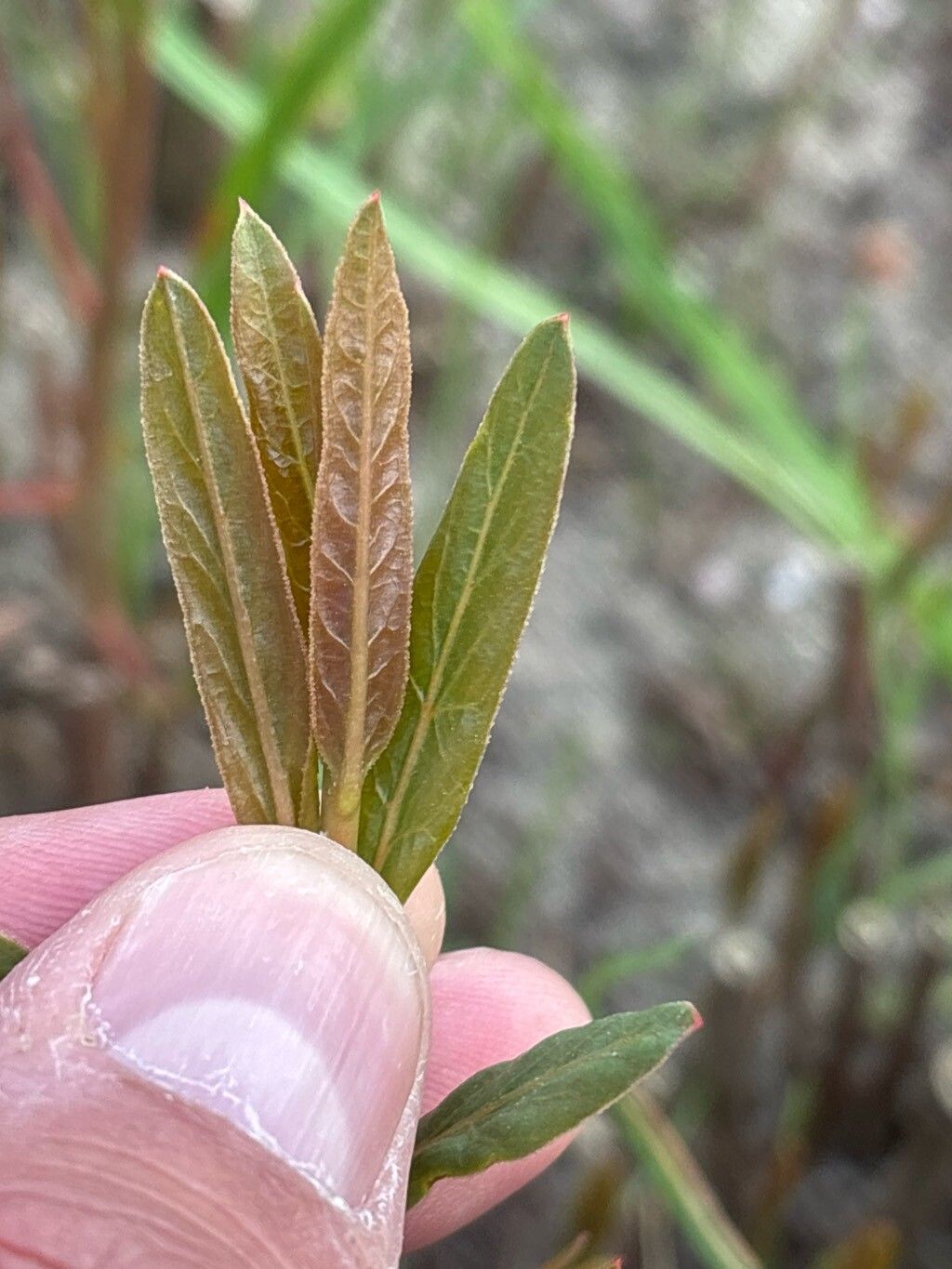
Apocynum venetum, commonly known as sword-leaf dogbane, is a plant species in the dogbane family that is poisonous but used as a source of fiber, medicine, and nectar for production of honey.
Sword-leaf dogbane is resistant to disease and typically does not suffer from illnesses. In terms of care, this plant is fairly low-maintenance. When grown outdoors, it needs only light watering, and larger specimens usually do not require pruning. Smaller specimens, however, should be pruned after they finish blooming. Sword-leaf dogbanet is appropriate for anyone with an outdoor area, such as a garden or a deck, and does not demand extensive care experience.
How to keep Trachomitum Venetum.
Light
Sword-leaf dogbane comes from open habitats, such as sunlit meadows and forest edges, which provide plenty of light. It thrives in Full Sun but will also tolerate Partial Sun, adapting well to a range of sunlight conditions.
Temperature
Sword-leaf dogbane is indigenous to areas with temperate climates. Its preferred temperature range is 41 to 89.6 °F (5 to 32 °C). In extreme weather, care should be taken to keep temperatures within this range, particularly during winter and summer.
Fertilizer
Timing is essential for fertilizing Sword-leaf dogbane. Apply fertilizer in early spring and continue monthly until early summer. Fertilizer encourages attractive blooms and supplies energy during both dormant periods and active growth.
Botanical profile.
- Plant Type
- Shrub
- Life Cycle
- Perennial
- Hardiness Zone
- 4-8
- Mature Height
- 30 cm
- Mature Spread
- 91 cm
- Leaf Color
- Green, Dark Green
- Leaf Type
- Deciduous
- Flower Color
- Pink
- Flower Size
- 0.51 cm to 0.76 cm
- Bloom Time
- Early summer, Mid summer
- Planting Time
- Spring, Summer, Autumn
- Harvest Time
- Late summer, Early fall, Mid fall
- Native Area
- Italy