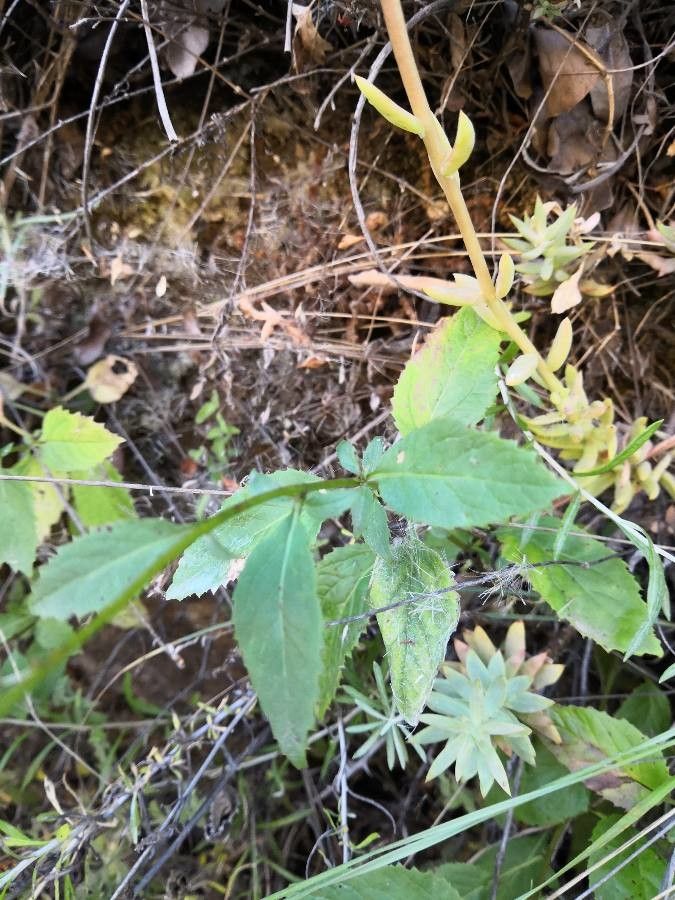
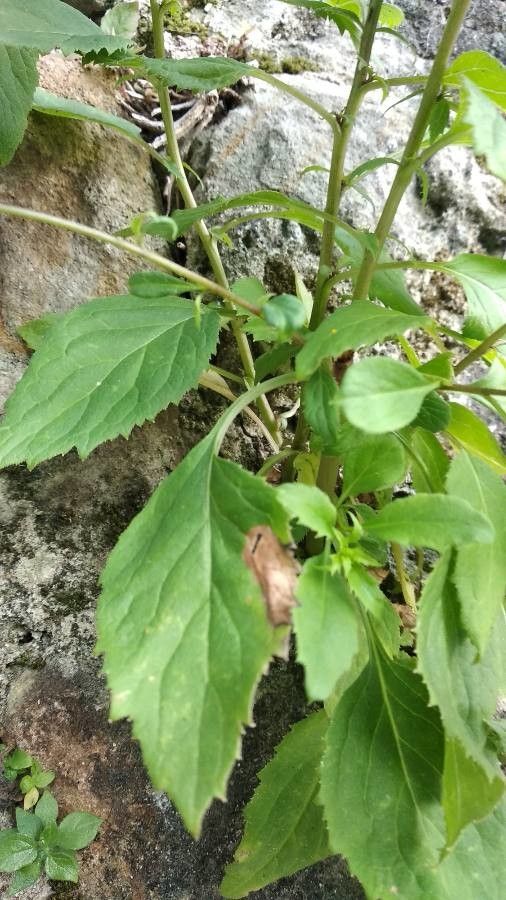
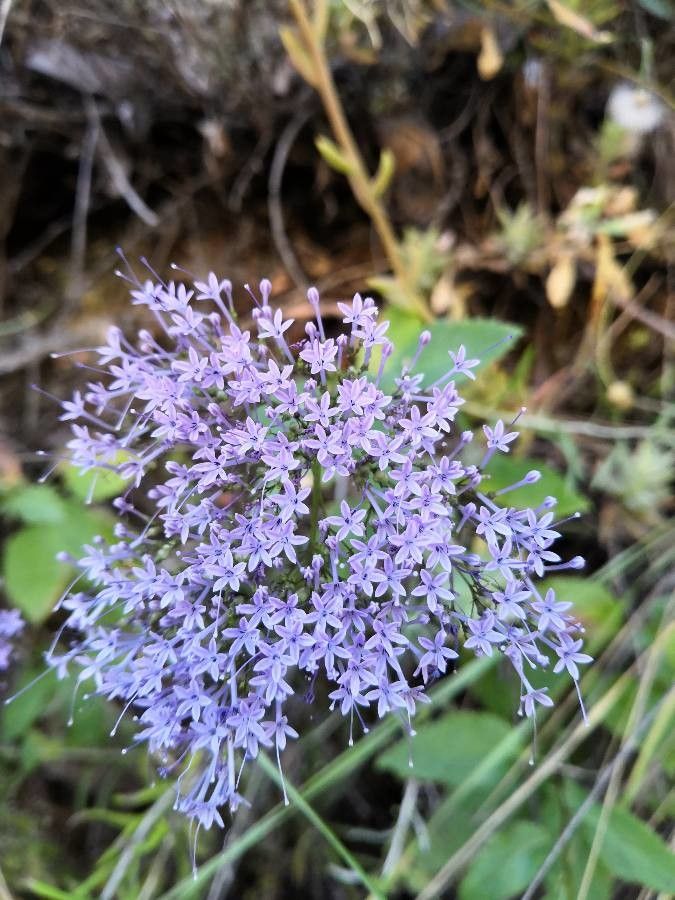
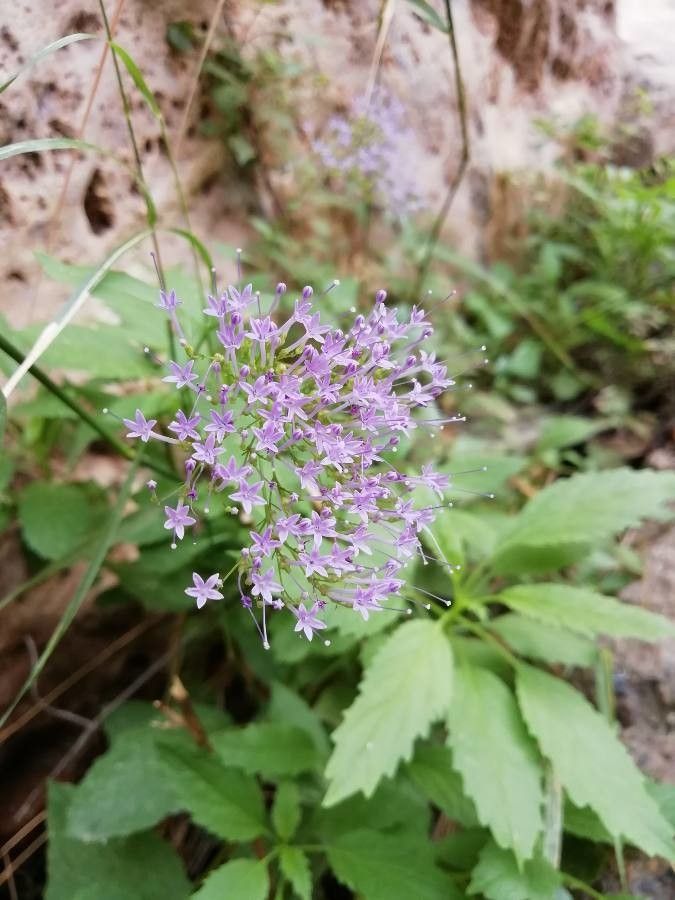
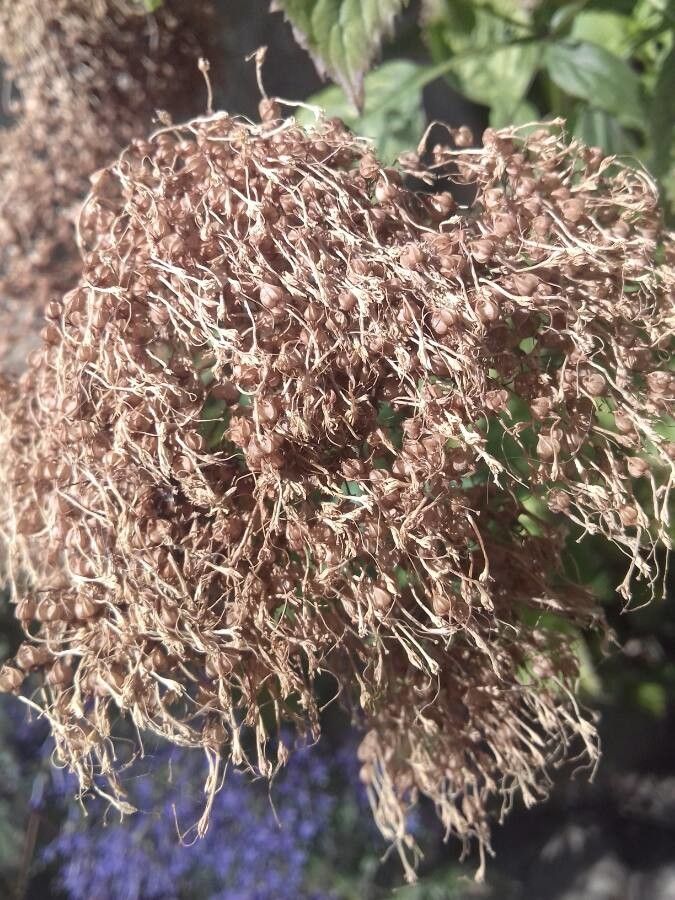
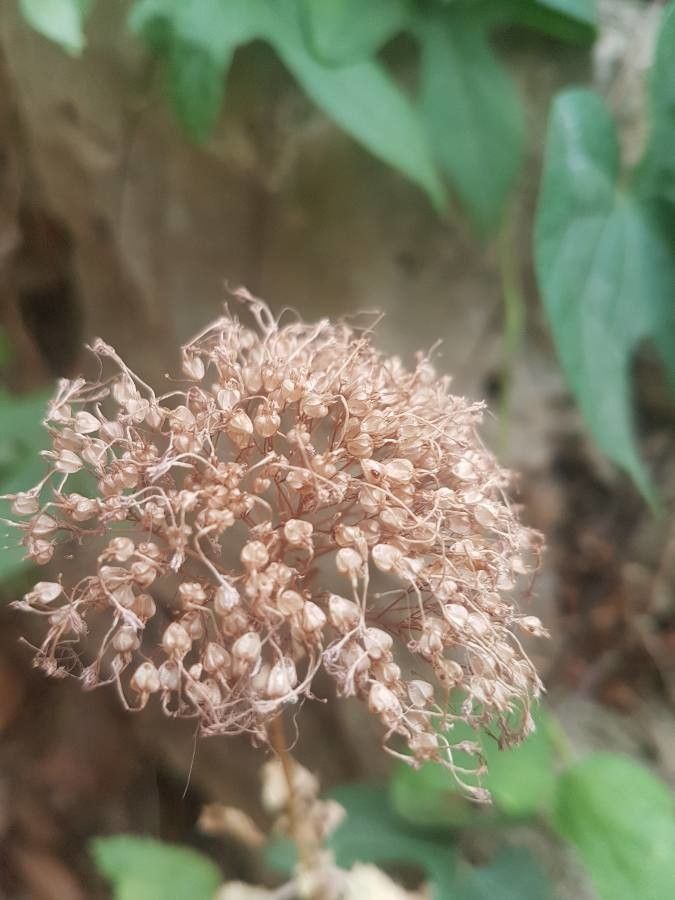
Trachelium caeruleum, commonly known as blue throatwort or blue lace flower, is a herbaceous perennial belonging to the Campanulaceae family. Native to Europe and Western Asia, it has gained popularity as an ornamental plant in gardens and landscapes.
This plant can grow up to 60 cm in height with a bushy growth habit. Its lance-shaped leaves are dark green with serrated edges. The flowers are small, bell-shaped, and arranged in dense clusters on long stems, blooming from mid-summer to early autumn in shades of blue or purple.
Trachelium caeruleum thrives in well-drained soil with moderate moisture levels, tolerating some drought conditions once established. It performs best under full sun but can also grow well in partial shade.
Often used in cut flower arrangements, this plant is valued for its long-lasting blooms that retain their color even after drying. Additionally, it attracts pollinators such as bees and butterflies to the garden.
In summary, Trachelium caeruleum is an attractive perennial that enhances the beauty of any garden or landscape. Its ability to attract pollinators also adds ecological value.
Blue throatwort has good resistance to disease and is generally not prone to illnesses. Nevertheless, it can be vulnerable to pests and diseases present in its environment. These outbreaks are typically not serious. For care, this plant requires a moderate level of maintenance. It should be pruned regularly to keep a neat appearance and encourage healthy growth. Fertilizing can also help promote flowering. Blue throatwort is suitable for anyone with an outdoor area, such as a garden or patio, and does not demand extensive experience in plant care. It may require more attention if grown indoors.
How to keep Trachelium Caeruleum.
Light
Blue throatwort grows best in full sunlight for optimal development. It can tolerate partial shade, though that may affect its healthy growth. Extended periods of low light or of excessive sunlight can also impede its ability to thrive.
Water
Blue throatwort thrives in conditions similar to those of the Mediterranean, preferring soil that remains consistently moist but not waterlogged. It benefits from being watered weekly and can withstand dry periods, particularly when grown outdoors. As an evergreen plant, it stays vibrant year-round, making the most of natural rainfall during the warmer months.
Temperature
Blue throatwort is native to climates where temperatures range from 68 to 105.8 °F (20 to 41 ℃). This plant prefers warmer temperatures and can adjust to seasonal temperature changes when required.
Fertilizer
Proper fertilization is essential for Blue throatwort's health and appearance. Apply fertilizer in summer, repeating the treatment monthly throughout the season. Nutrients fuel its growth and help maintain the plant's parts. Fertilization improves Blue throatwort's flower display, ensuring the best blooms.
Pruning
Blue throatwort showcases vibrant blue to purple flowers and thrives when pruned from early to late spring. To promote better air circulation and light exposure, remove any dead stems and old growth. Avoid pruning in late summer or fall, as this can lead to frost damage. With proper timing, your plant will remain healthy, compact, and produce abundant blooms.
Pot & Repot
Blue throatwort is a lush perennial that requires repotting every 2-3 years in the spring to maintain its vigor. When repotting, choose a slightly larger pot and use well-draining soil. Keep the soil consistently moist, but avoid overwatering, as delicate care is essential for a successful transition.
Botanical profile.
- Plant Type
- Herb
- Life Cycle
- Perennial, Annual, Biennial
- Genus
- Trachelium
- Family
- Campanulaceae
- Hardiness Zone
- 9-13
- Mature Height
- 0.91 m to 1.22 m
- Mature Spread
- 0.91 m to 1.22 m
- Leaf Color
- Green
- Leaf Type
- Deciduous
- Flower Color
- Lavender
- Flower Size
- 7.62 cm to 10.16 cm
- Bloom Time
- Summer, Early fall
- Planting Time
- Spring, Autumn
- Harvest Time
- Late summer, Fall
- Native Area
- Portugal, Spain, Algeria, Morocco, Lebanon
Other names.
Reader questions.
How should I water my Blue throatwort plant?
To properly maintain the Blue throatwort, it is recommended to use filtered water at room temperature. Tap water can be harmful due to potential particles, so filtering it is better. The reason for using room temperature water is that the plant is acclimated to warm environments, and cold water can be a shock. Avoid overhead watering as it can cause issues with the foliage. Instead, focus on saturating the soil with filtered room temperature water. This helps the roots stay moist and facilitates nutrient absorption.
Why should I add fertilizer to my Blue throatwort plant?
Fertilizer and soil nutrients are like fuel for your Blue throatwort, helping it grow strong and healthy. Plants use these nutrients to create new plant material and maintain their existing parts. For the Blue throatwort, fertilization is especially important for beautiful flowers. Since the flowers are the main attraction, most gardeners want to make sure they look their best. Fertilization is a dependable way to help your Blue throatwort produce vibrant blooms.
What are the sunlight requirements for Blue Throatwort (Trachelium caeruleum)?
Blue Throatwort thrives best in environments that provide full sun, meaning it requires more than 6 hours of sunlight daily for optimum growth. It can also tolerate partial sun, approximately 3-6 hours of sunlight, but this might affect its healthy development. When planning to grow Blue Throatwort, it's essential to watch how sunlight moves through your garden carefully, choosing spots that offer a balanced exposure to light and shade to ensure the plants' happiness and health.
What is the ideal climate for Blue throatwort?
Blue throatwort thrives in climates where temperatures range from 68 to 105.8 °F (20 to 41 °C). It is a heat-loving plant that adapts well to different seasonal temperature changes. However, it is extremely sensitive to cold temperatures. In regions experiencing colder autumns, it is advisable to bring Blue throatwort indoors, placing it near a bright window but away from direct heat sources. During winter, keeping the environment above 20°C is vital for the plant's health, as temperatures nearing 0°C can be harmful.
What do I need to do if I give my Blue throatwort too much or too little water?
Both overwatering and underwatering can harm your Blue throatwort, but overwatering is more common. When this plant receives too much water, its stems and leaves may wilt and turn yellow. Prolonged overwatering can also lead to diseases like root rot, mold, and mildew, which can be fatal for the plant. While underwatering is less likely, it is still possible, causing the leaves to become brittle and brown. It is essential to notice signs of overwatering promptly. Some diseases caused by overwatering, such as root rot, may become irreversible if not addressed quickly. If you observe early signs of overwatering, reduce watering immediately and check if the soil drains properly. If it doesn't, replace it with a loose, well-draining potting mix. In contrast, if you notice signs of underwatering, simply increase your watering frequency until those signs disappear.
When should I fertilize my Blue throatwort plant?
The Blue throatwort experiences two main phases each year. The first phase is the dormant phase during the winter, where minimal new growth occurs. The second phase is the active growth phase, which happens in the spring and fall. During these periods, it is important to fertilize your Blue throatwort. Starting in the spring, it is recommended to fertilize once a month. This should continue throughout most of the summer. As fall approaches, you can decrease the frequency of fertilization.
How does artificial lighting support Blue Throatwort growth indoors?
Indoor Blue Throatwort plants require adequate lighting for optimal growth, particularly when natural sunlight is insufficient, like in winter or less sunny spaces. Artificial lights, especially LED lights that can mimic the specific wavelengths of light needed by the plants, are a vital solution. For full sun plants, 30-50W per square foot of artificial light is recommended, while partial sun plants need 20-30W per square foot. The light source should be placed 12-36 inches above the plant, and the plants typically need 8-12 hours of light per day, mimicking natural daylight hours for the species.
How does low temperature affect Blue throatwort and what should be done?
Blue throatwort has a low tolerance for cold temperatures and flourishes when the temperature is sustained above 20°C. It is crucial to keep it above freezing during winter to prevent damage. Exposure to temperatures below -5°C may cause the leaves to lighten, leading to browning or blackening after frost damage, alongside symptoms like wilting and drooping. To manage frost damage, trim affected parts and move the plant to a warmer indoor setting away from direct heat sources. Positioning it near a south-facing window can also ensure it receives enough sunlight, aiding in recovery.
How often do I need to water my Blue throatwort plant?
If your Blue throatwort plant is in a pot, you can check if it needs water by sticking your finger into the soil. If the top two to three inches of soil feel dry, it's time to water it. If you're growing Blue throatwort outdoors in the ground, you can use the same method to test the soil moisture. Once the first few inches of soil have dried out, it's time to give it some water. During spring and early fall, you'll typically need to water this plant about once a week using this method. But in very hot weather, you may need to water it twice or more per week. However, it's worth noting that mature, well-established Blue throatwort plants have an impressive ability to tolerate drought.
When is it not a good time to fertilize my Blue throatwort?
To properly care for Blue throatwort, it's important to nourish the plant while avoiding root burn. During the active growth seasons of spring and summer, the plant requires additional nutrients. However, it enters a dormant stage during fall and winter, at which point fertilization should be discontinued.
What are the symptoms of inadequate lighting in Blue Throatwort?
When Blue Throatwort is grown in conditions with poor lighting, several symptoms can emerge, including smaller new leaves, leggy or sparse growth, faster leaf drop, slower or no new growth, and lighter-colored new leaves. Conditions like chlorosis, where leaves lose their green color and turn yellow, sunscald with damaged leaves or stems, leaf curling as a defense mechanism against excessive sunlight, wilting from loss of turgidity, and leaf scorching with brown, dry edges are also common issues that arise from inappropriate light exposure.
What are the effects of high temperature on Blue throatwort and how can they be mitigated?
When temperatures climb above 41°C, care is needed as Blue throatwort can suffer. Specifically, temperatures exceeding 45°C lead to lighter leaf coloration and increased risk of sunburn. If sunburn occurs, the affected parts should be pruned away. Relocating the plant to a shaded area, especially during peak sun hours, and ensuring it is watered in the morning and evening to maintain soil moisture, are effective strategies to protect the plant from heat stress.