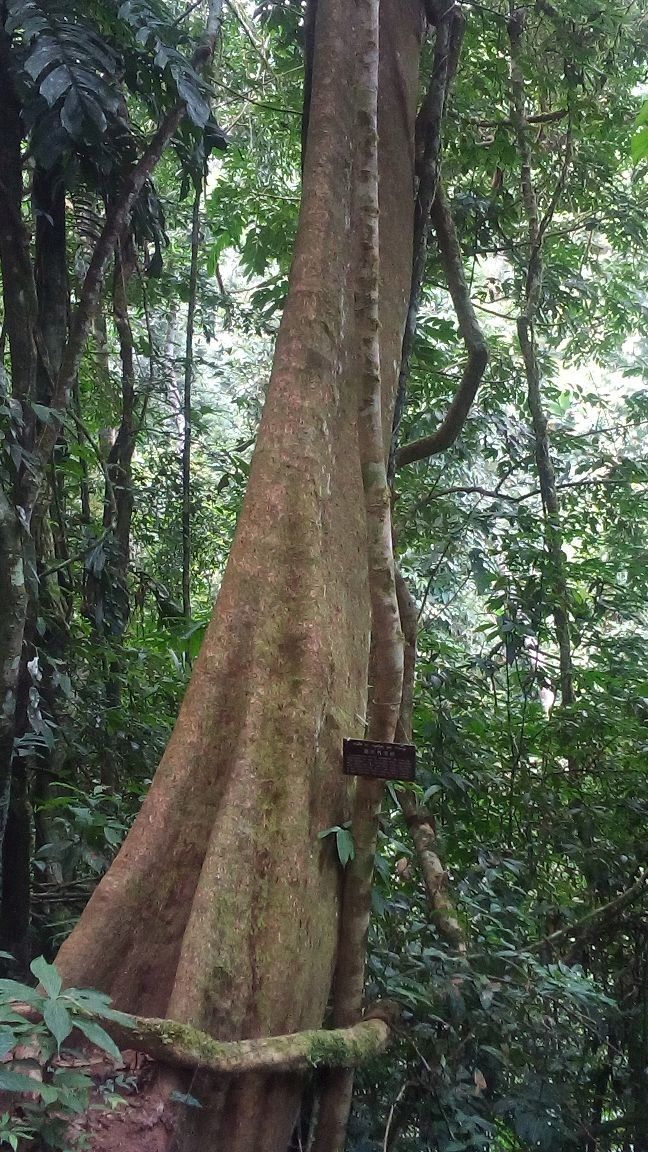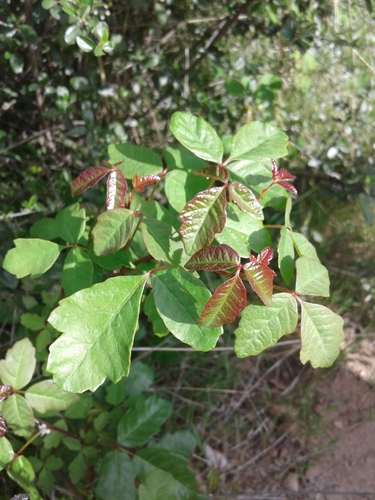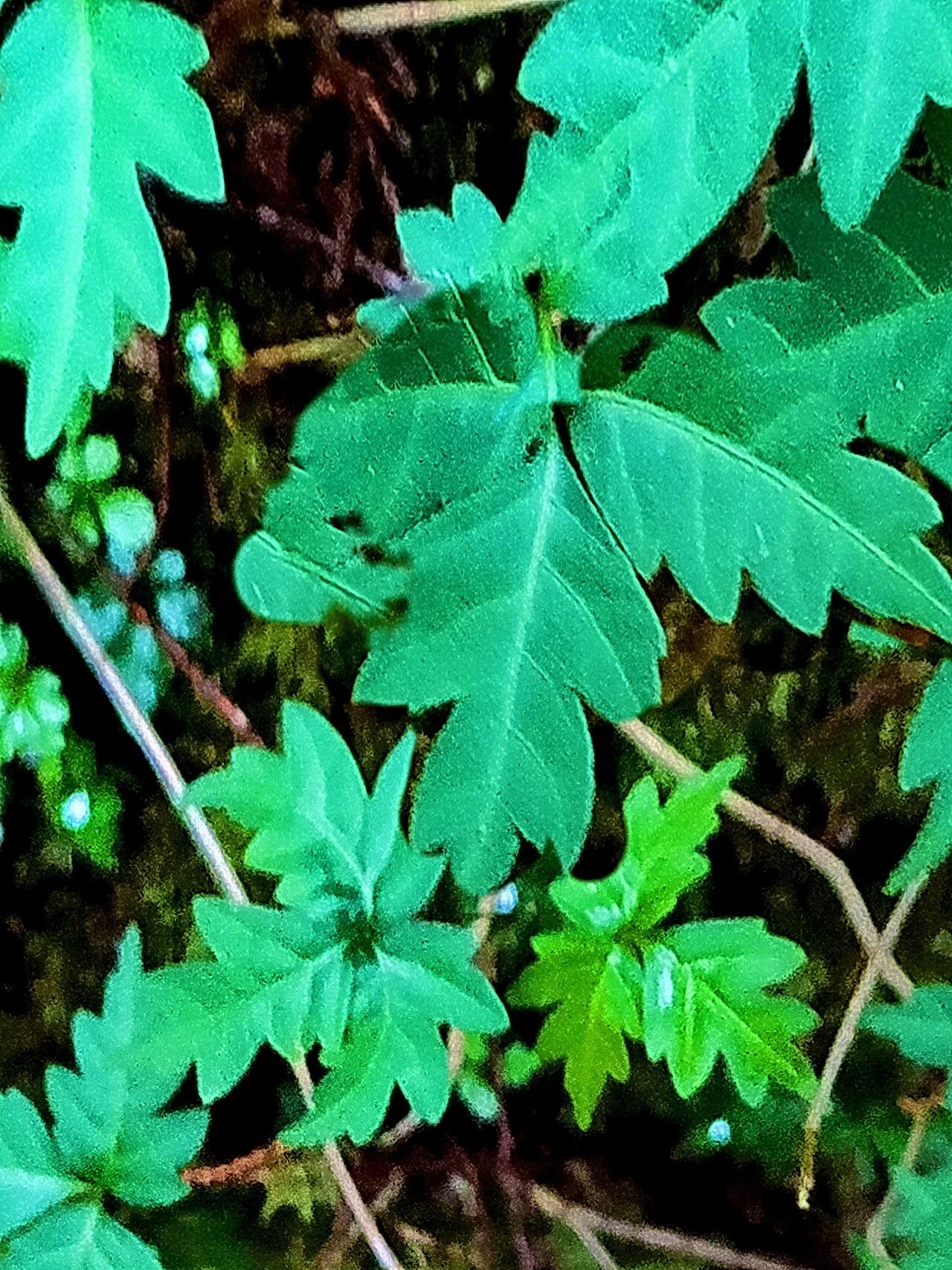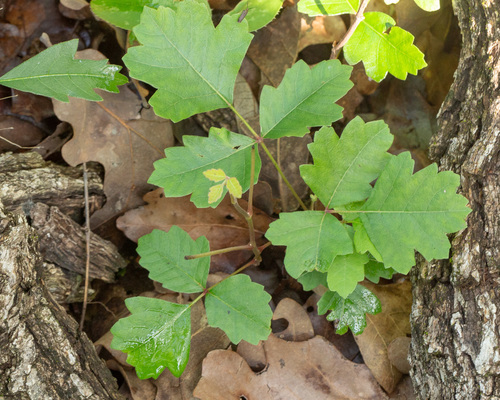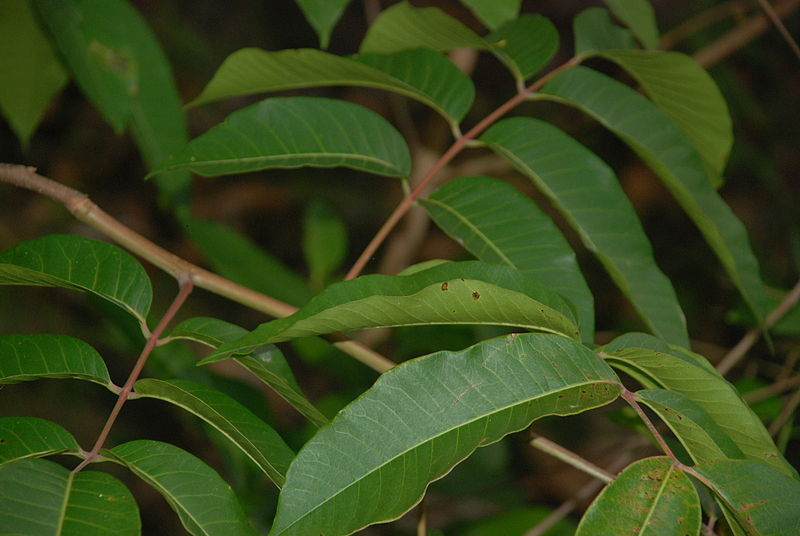
Toxicodendron striatum (syn. Rhus striata) is a South American poisonous tree in the family Anacardiaceae, commonly called manzanillo. T. striatum grows in the tropical rain forests on low elevation slopes.
Manzanillo has strong resistance to disease and is generally not susceptible to illnesses. Regarding care, this plant is fairly low-maintenance. When grown outdoors it needs only minimal watering, and larger specimens typically do not require pruning. Smaller plants, however, should be pruned after they finish blooming. Manzanillot is appropriate for anyone with an outdoor area, such as a garden or a deck, and does not demand much gardening experience.
How to keep Toxicodendron Striatum.
Light
Manzanillo naturally occurs in habitats like forest understories or rocky areas, where it grows in natural shade. It prefers partial sun but can tolerate full sun or full shade, showing its hardy, adaptable nature.
Water
Originating from humid environments, manzanillo plants thrive in consistently moist soil. They prefer soil that remains evenly damp. Although they have moderate drought tolerance, they should be watered weekly to stay healthy. When cultivating manzanillo outdoors, it is important to mimic the natural water cycle of their native climate, particularly focusing on the patterns of rainfall.
Temperature
Manzanillo comes from tropical areas, where the climate is usually warm and humid. Consequently, it is well suited to high temperatures and humidity. It does not tolerate sudden temperature changes and prefers a consistent temperature environment, so it is important to avoid temperature fluctuations indoors. It generally cannot endure cold and requires warmer conditions for growth. If the temperature falls too low, the plant may stop growing or even die.
Fertilizer
Fertilizing is essential for caring for Manzanillo. Regular feeding during the growing season keeps up the energy needed for attractive foliage and supports overall growth. Failing to fertilize can cause poor leaf health, reduced ornamental value, and stunted or weak growth that is prone to breaking.
Pruning
Manzanillo possesses strong irritant properties and has a dense canopy. To enhance air circulation and reduce the risk of disease, prune the plant in early spring using clean tools. It's important to wear protective clothing while doing this. Regular pruning helps shape the plant, allows more sunlight to reach it, and promotes its overall health. For more detailed guidance, refer to reputable sources.
Botanical profile.
- Plant Type
- Shrub
- Life Cycle
- Perennial
- Genus
- Toxicodendron
- Family
- Anacardiaceae
- Hardiness Zone
- 9-11
- Mature Height
- 10.06 m to 14.94 m
- Mature Spread
- 4.88 m to 7.92 m
- Leaf Color
- Dark Green, Forest Green
- Leaf Type
- Deciduous
- Flower Color
- White
- Flower Size
- 0.25 cm to 0.51 cm
- Bloom Time
- Late spring, Early summer
- Planting Time
- Spring, Summer, Autumn
- Harvest Time
- Late summer, Early fall, Mid fall
- Native Area
- Colombia, Honduras, Mexico, Guatemala, Bolivia, Venezuela, Peru, Nicaragua, Ecuador, Costa Rica, Panama