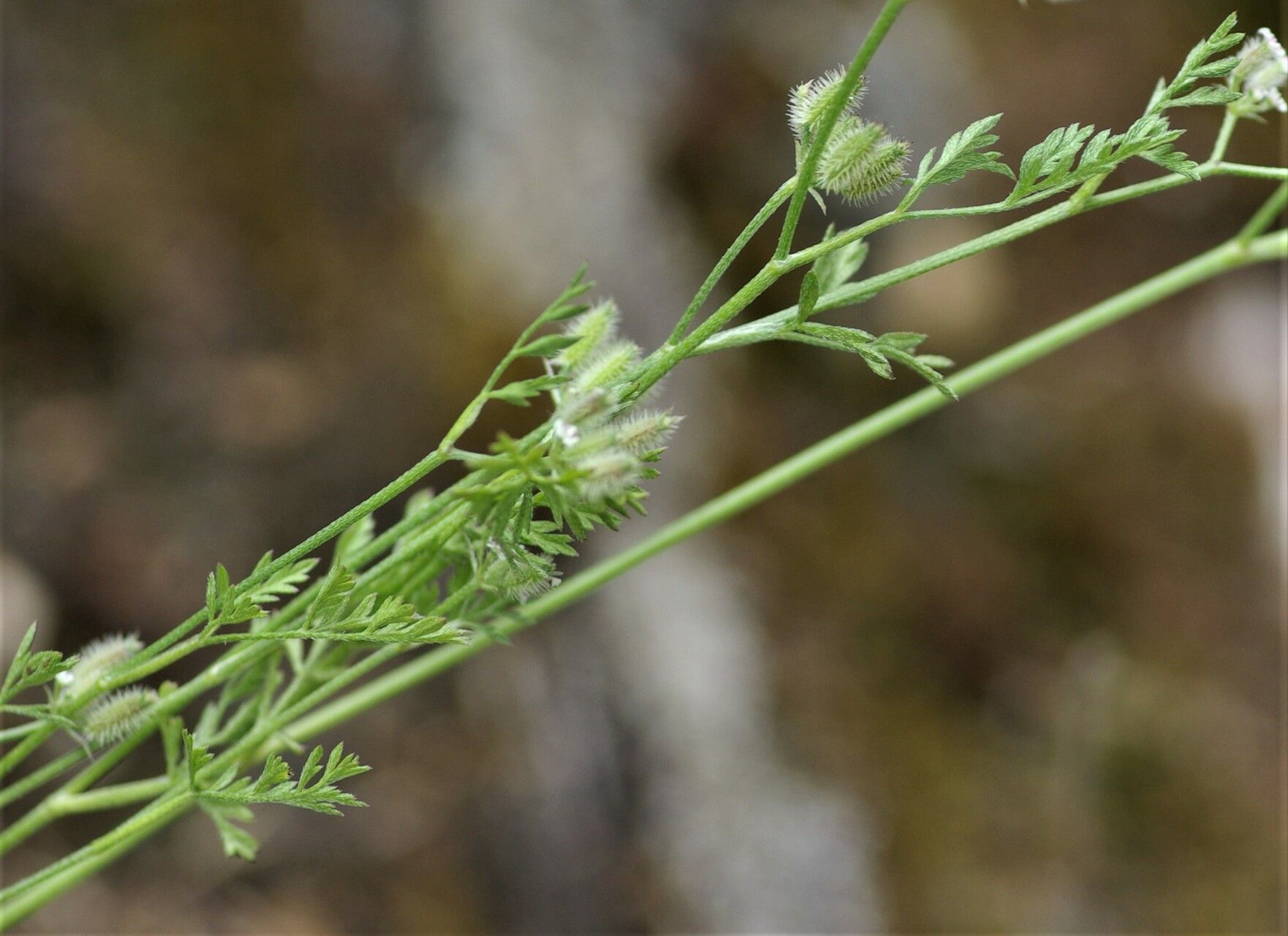
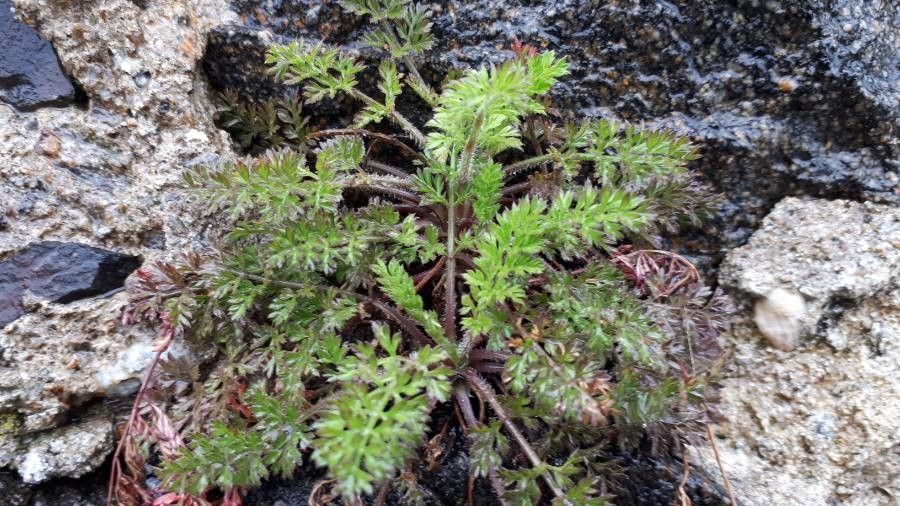
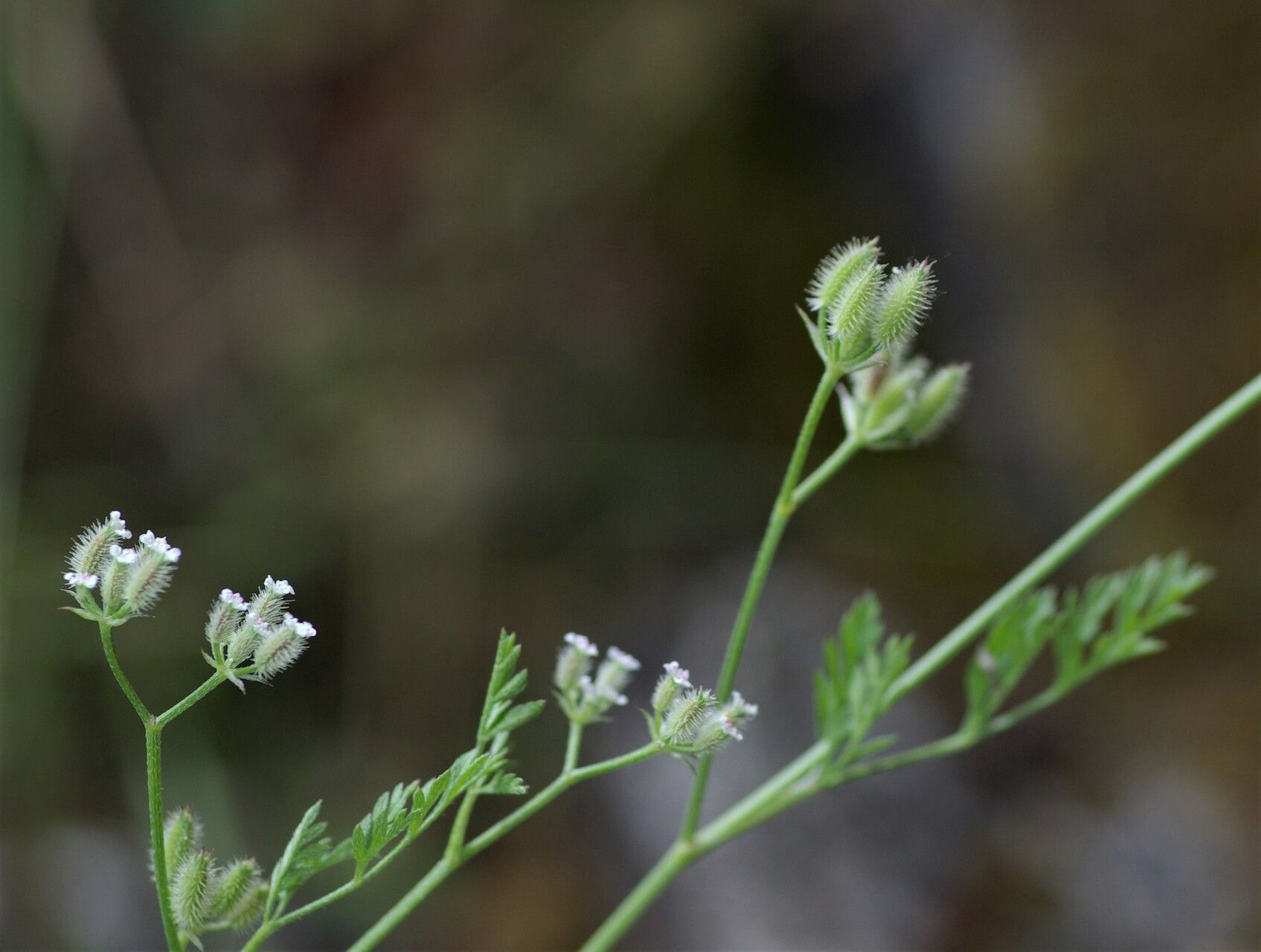
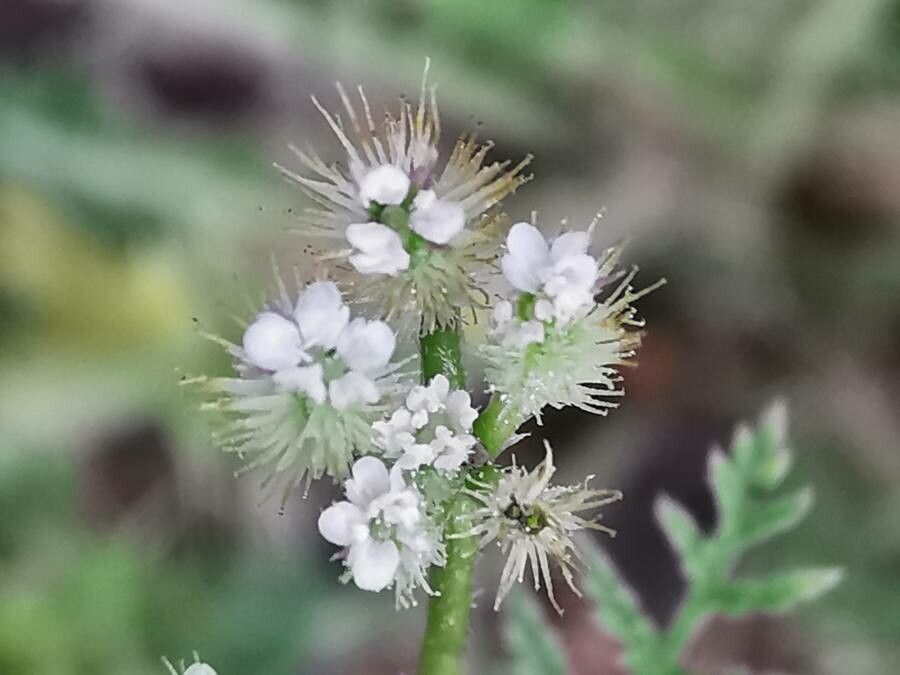
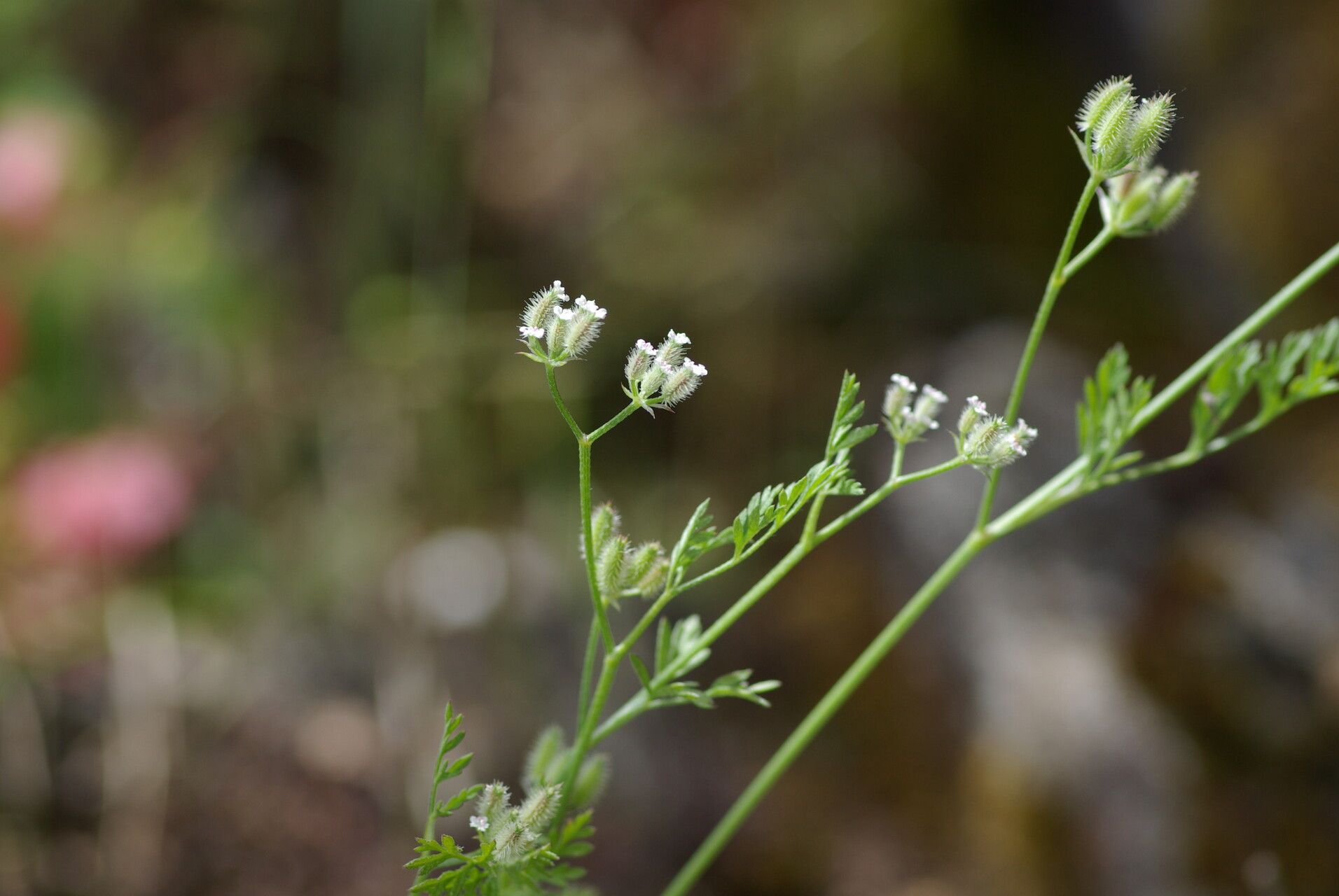
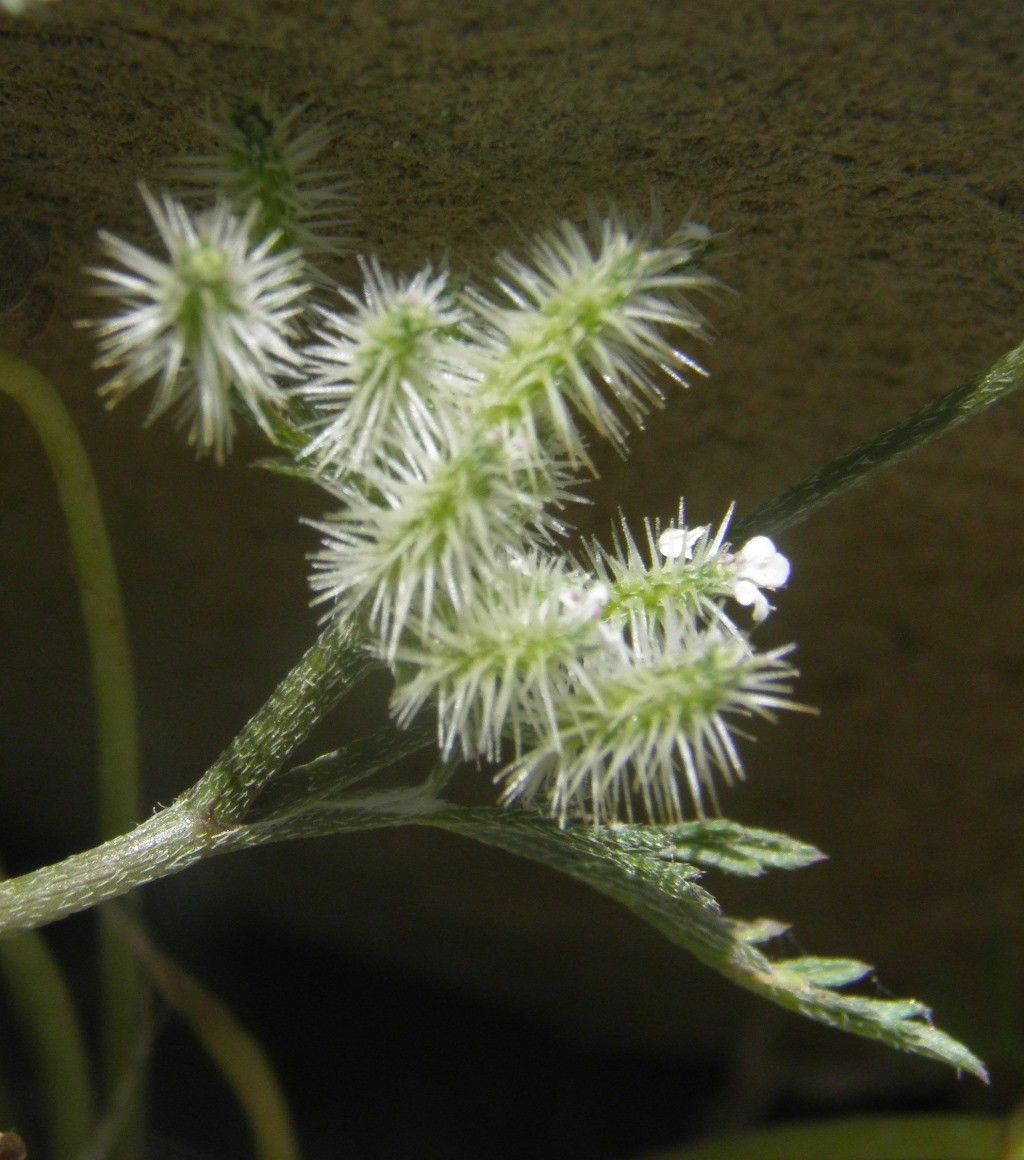
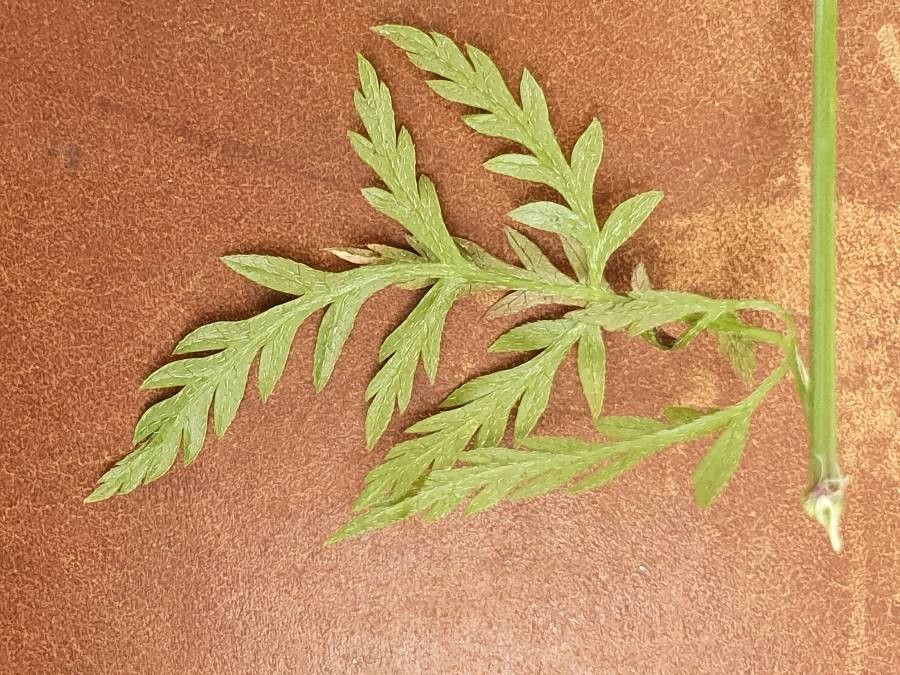
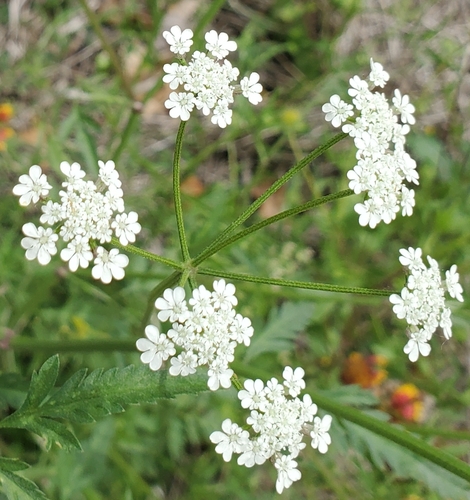
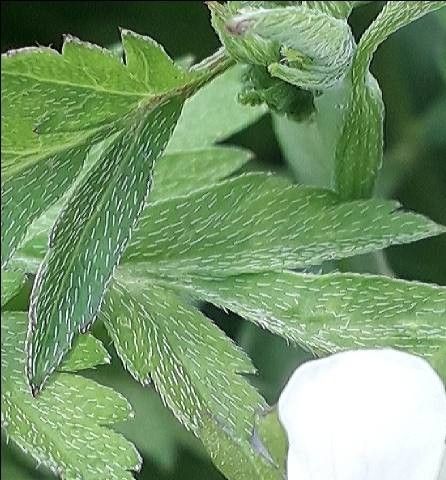
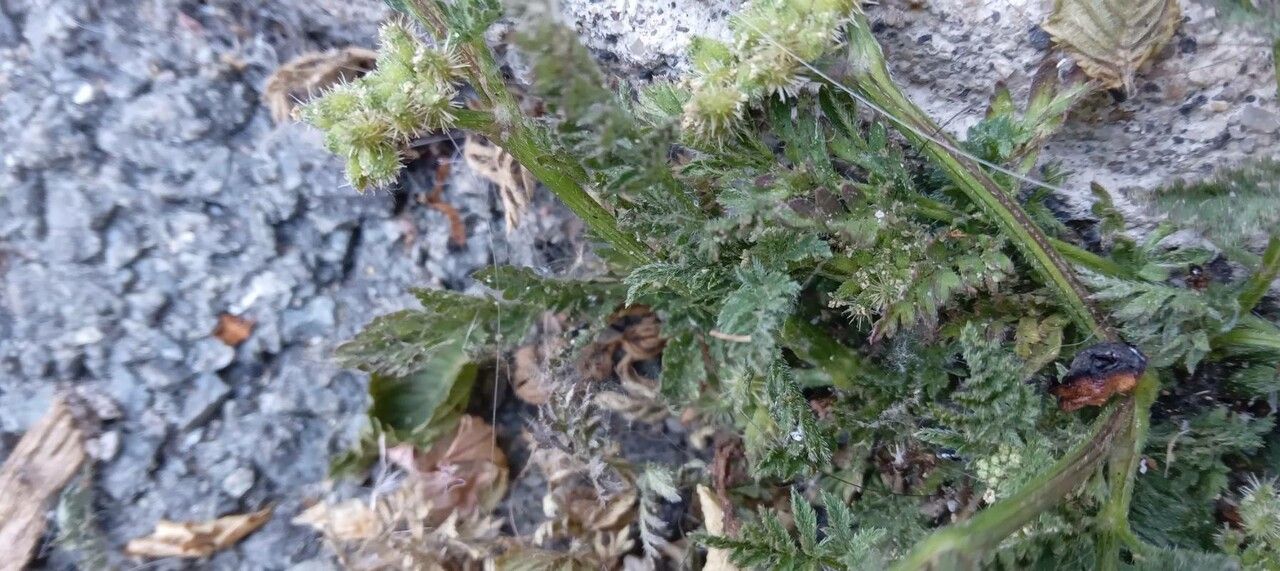
Torilis leptophylla is a species of hedge parsleys in the Apiaceae known as bristlefruit hedgeparsley.
Bristlefruit hedge parsley has strong resistance to disease and is generally not prone to illness. Nevertheless, it can be affected by pests and diseases present in its surroundings. These outbreaks are typically not severe. Regarding care, the plant requires a moderate level of maintenance. It should be pruned regularly to keep a neat appearance and promote healthy growth. Fertilizing can also help encourage flowering. Bristlefruit hedge parsley is suitable for anyone with outdoor space, such as a garden or patio, and does not need a lot of care experience. It may need extra attention when grown indoors.
How to keep Torilis Leptophylla.
Light
Bristlefruit hedge parsley is native to places with dappled light, such as forest understories or rocky locations that provide natural shade. It does well in partial sun but can also adapt to full sun.
Water
Bristlefruit hedge parsley thrives in moderate moisture conditions, needing to be watered about twice a week to keep the soil moist but not waterlogged. It grows best outdoors in well-draining soil, which helps maintain the right moisture levels during its active growth periods, while also showing moderate resistance to drought.
Temperature
Bristlefruit hedge parsley can tolerate a wide variety of temperature conditions, but its range may still be restricted by certain combinations of moisture and heat. It performs best in warm summer climates with sufficient rainfall or watering. Extended stretches of cloudy, rainy weather or prolonged high temperatures can raise the chance of Bristlefruit hedge parsley dying. In winter, protecting the plant from cold can increase its survival rate.
Fertilizer
Bristlefruit hedge parsley does well with regular, weak applications of fertilizer to encourage healthy leaf growth. You should fertilize Bristlefruit hedge parsley roughly once a month during the summer months. Nitrogen is essential for foliage, and adding nitrogen-rich sources helps Bristlefruit hedge parsley thrive.
Pruning
Bristlefruit hedge parsley is characterized by its delicate leaves and small, bristly fruits. To maintain the plant's shape, encourage healthy growth, and remove dead stems, it's best to prune it between early and late spring. Always use clean tools to minimize the risk of disease. Proper pruning improves air circulation, which helps reduce fungal problems and promotes bushier growth.
Botanical profile.
- Plant Type
- Herb
- Life Cycle
- Annual
- Genus
- Torilis
- Family
- Apiaceae
- Hardiness Zone
- 6-9
- Mature Height
- 20 cm to 61 cm
- Mature Spread
- 15 cm to 30 cm
- Leaf Color
- Green
- Leaf Type
- Semi-evergreen
- Flower Color
- White
- Flower Size
- 0.20 cm to 0.25 cm
- Bloom Time
- Late spring, Early summer
- Planting Time
- Spring
- Harvest Time
- Mid summer, Late summer
- Native Area
- Libya, Egypt, Turkey, India, Pakistan, Croatia, Morocco, Uzbekistan, Russia, Iraq, Portugal, France, Tajikistan, Tunisia, Cyprus, Bulgaria, Armenia, Greece, Lebanon, Serbia, Afghanistan, Syria, Kyrgyzstan, Kazakhstan, Italy, Spain, Bhutan, Iran, Albania, Azerbaijan, Algeria, Turkmenistan
Other names.
Reader questions.
What are the sunlight requirements for Bristlefruit hedge parsley (Torilis leptophylla)?
Bristlefruit hedge parsley, also known as Torilis leptophylla, thrives in varying amounts of sunlight. It requires about 3-6 hours of sunlight a day, classified under 'Partial sun', to maintain its health and vitality. For areas that receive less than 3 hours of sunlight, these are considered 'Full shade' conditions, which can also support this plant. It's essential to observe the movement of sunlight through your garden, selecting locations that offer a harmonious balance of light and shade, catering to the specific needs of your plants. This careful consideration ensures the well-being and happiness of your Bristlefruit hedge parsley.