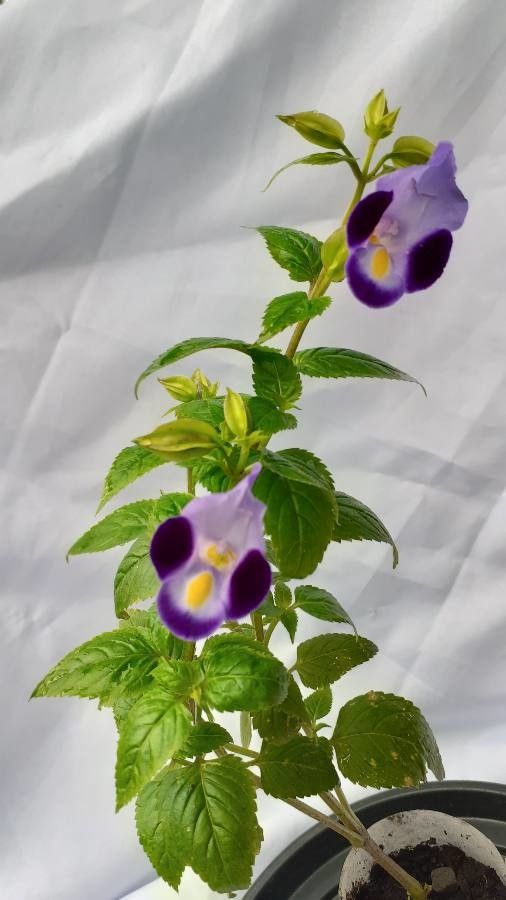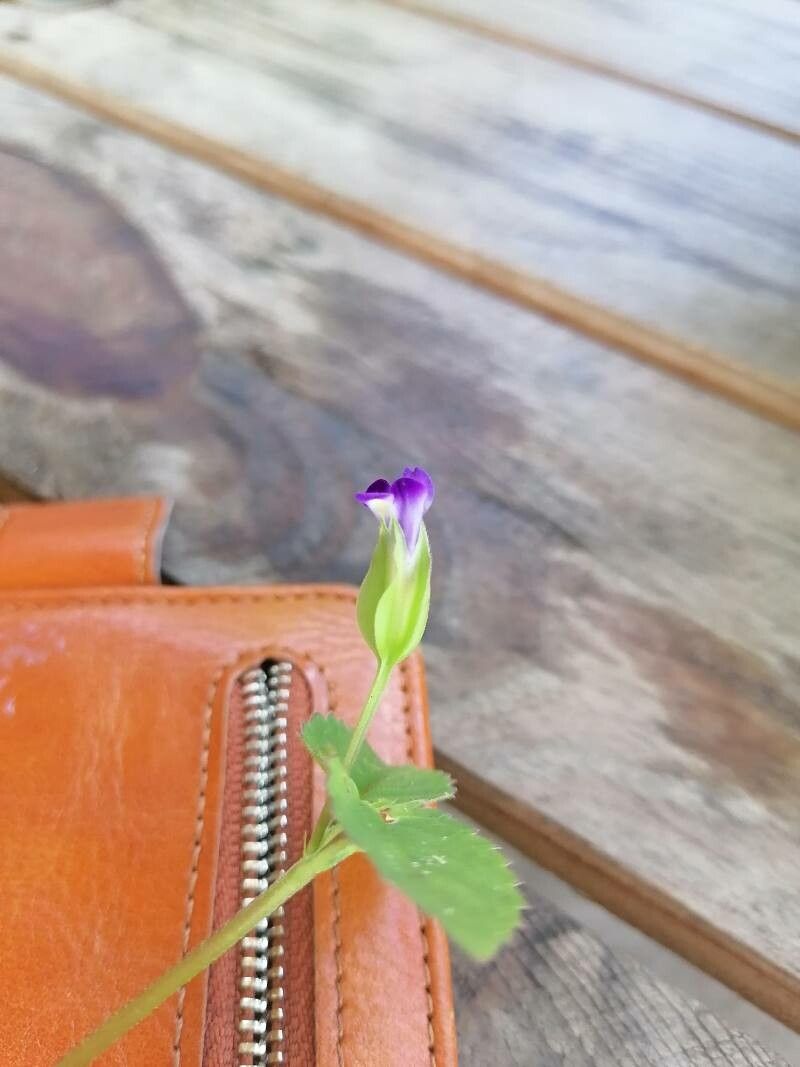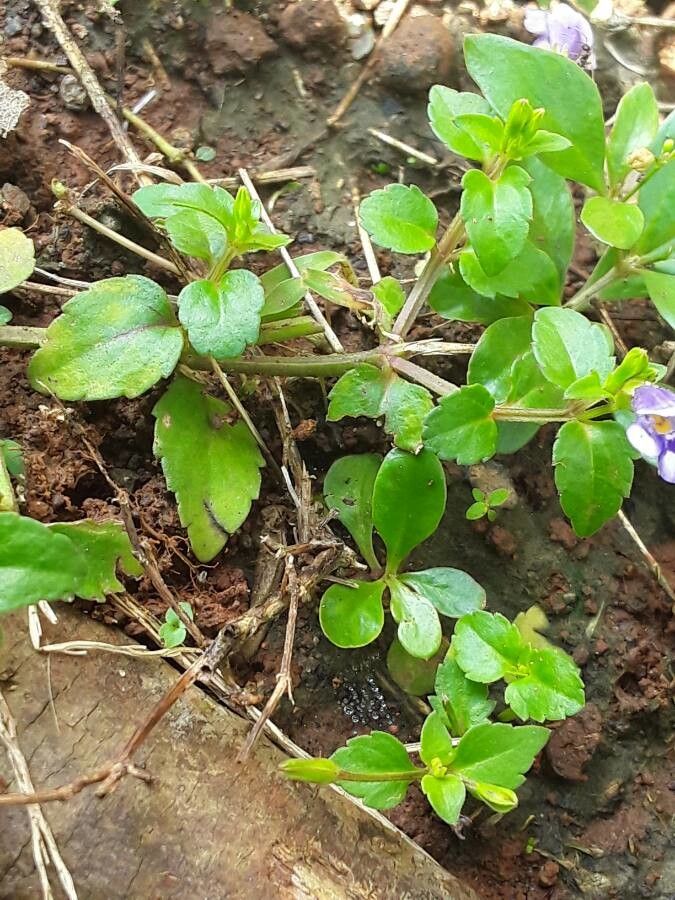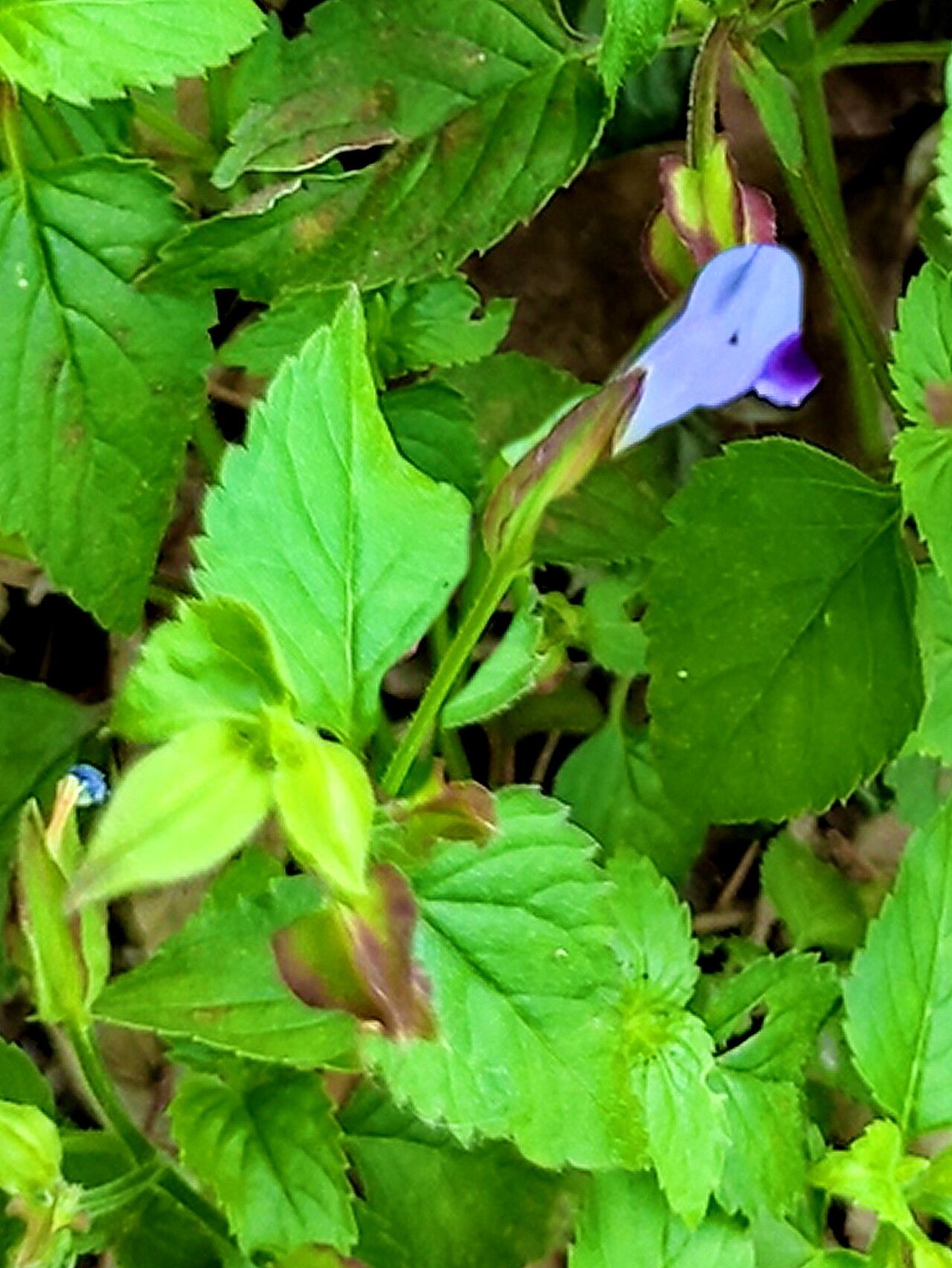
The violet wishbone flower has strong disease resistance and is generally unlikely to develop illnesses. Nonetheless, it can be affected by pests and diseases present in its surroundings. Such infections are generally mild. Regarding care, this plant needs moderate maintenance. It should be pruned regularly to retain an attractive appearance and support healthy growth. Applying fertilizer can also encourage more blooms. The violet wishbone flower is appropriate for anyone with outdoor space, like a garden or patio, and does not demand extensive plant-care experience. It may need extra attention if grown indoors.
How to keep Torenia Violacea.
Light
The violet wishbone flower prefers abundant sunlight and does best in bright, sun-filled places. Although it mainly thrives in full sun, it can also tolerate locations with moderate light. Both too little and too much sun can interfere with its healthy growth, reflecting the adequate lighting of its native habitat.
Water
The violet wishbone flower thrives in humid environments and prefers consistent moisture, flourishing best with weekly watering to prevent drought stress. Although it has moderate drought tolerance, it is ideal to cultivate this plant outdoors, where the humidity levels are higher. This is especially important during the growing season to maximize its flowering potential.
Temperature
The Violet wishbone flower comes from tropical areas, where the climate is usually warm and humid. As a result, it is well suited to high temperatures and humidity. It does not tolerate sudden temperature shifts and prefers a steady temperature, so avoiding indoor temperature fluctuations is important. It generally cannot withstand cold and needs warmer conditions to grow. If the surrounding temperature falls too low, the plant may stop growing or even die.
Fertilizer
When most of the Violet wishbone flower's blooms have opened to full size, resume fertilizing. As the blooms reach peak output, apply fertilizer every three to four weeks, weather permitting. Then, once the Violet wishbone flower begins to produce fewer new blooms, stop fertilizing; there is no need to feed it when it cannot produce any more blooms.
Pruning
To maintain the vibrant violet blooms and compact shape of the violet wishbone flower, proper pruning is essential. Key techniques include removing dead stems and pinching back new growth. For optimal results, prune from early to late spring. This promotes the plant's health, enhances its shape, and improves bloom quality. Always use clean tools to prevent the spread of disease.
Pot & Repot
When repotting Violet wishbone flower, choose a pot that's 1-2 inches (2.5–5.0 cm) larger in diameter and ensure it has good drainage. Use a well-draining potting mix and consider adding perlite for extra drainage. Repot in spring or early summer, water thoroughly afterward, and place it in a shady location at first.
Botanical profile.
- Plant Type
- Herb
- Life Cycle
- Annual
- Genus
- Torenia
- Family
- Linderniaceae
- Hardiness Zone
- 9-11
- Mature Height
- 8 cm to 34 cm
- Mature Spread
- 20 cm to 30 cm
- Leaf Color
- Green, Dark Green
- Leaf Type
- Semi-evergreen
- Flower Color
- Purple
- Flower Size
- 1.52 cm to 2.29 cm
- Bloom Time
- All year round
- Planting Time
- Spring, Summer, Autumn
- Harvest Time
- All year round
- Native Area
- Nepal, India, Malaysia, Indonesia, Cambodia, Vietnam, Myanmar, Philippines, Bhutan, Bangladesh, Laos, Thailand, China
Reader questions.
What are the sunlight requirements for the Violet Wishbone Flower?
The Violet Wishbone Flower thrives in conditions where it can receive plenty of sunlight. For optimal growth, it requires 'Full sun' which is defined as getting more than 6 hours of sunlight daily, but it can also grow under 'Partial sun' conditions, receiving about 3-6 hours of sunlight. It is crucial to observe how sunlight moves through your garden throughout the day and select planting spots that offer a mix of light and shade to meet the plant's needs, ensuring their well-being.
What are the essential needs of the Violet Wishbone Flower?
The essentials for the Violet Wishbone Flower include a generous amount of sunlight, as the plant displays a preference for bright, sunny locations. It mostly enjoys full sun but is adaptable to partially sunny zones as well. Both too much and too little sunlight can affect the plant's growth, indicating the importance of adequately mimicking its natural habitat's lighting conditions. In cases where natural sunlight is insufficient, especially indoors, artificial lighting becomes necessary. Indoor plants should be provided with the right type of artificial light, such as LED lights, which can be customized to offer specific wavelengths needed by the plant. The amount of artificial light required varies with the type of plant: full sun plants need 30-50W/sq ft, partial sun plants require 20-30W/sq ft, and full shade plants need 10-20W/sq ft. Moreover, the light source should be placed 12-36 inches above the plant, and the duration should mimic natural daylight hours, generally 8-12 hours per day.
What are the symptoms of improper lighting in the Violet Wishbone Flower?
When the Violet Wishbone Flower does not receive adequate lighting, it may show several symptoms indicating stress or poor health, including small new leaves, leggy or sparse growth, early leaf drop to conserve resources, slowed or halted growth, pale new leaves due to insufficient sunlight, and symptoms of too much sun like chlorosis, sunscald, leaf curling, wilting, and leaf scorching. Chlorosis, for instance, results from excessive sunlight breaking down chlorophyll, affecting photosynthesis. Sunscald appears as pale or necrotic spots on plant tissue, while leaf curling is a defense mechanism against extreme sunlight. Wilting happens when the plant cannot maintain hydration, and leaf scorching is characterized by brown, dry edges or patches on leaves due to too much sunlight.
How can light-related growth issues be addressed for the Violet Wishbone Flower?
To mitigate light-related growth issues in the Violet Wishbone Flower, consider these solutions based on the setting: Indoors, gradually move the plant to sunnier spots until it gets at least 6 hours of direct sunlight daily, using a south-facing window for maximum exposure. If moving the plant isn't feasible or it's too big, artificial lighting such as desk lamps or professional grow lights should be on for at least 8 hours a day. Outdoors, also move the plant gradually to sunnier spots to avoid shock from sudden light intensity changes. If certain parts of the plant have been adversely affected by poor light conditions, while they may not recover, new growth post-adjustment should be healthy. Additionally, for plants in the ground, reducing obstructions, such as pruning branches that block sunlight, and transplanting to sunnier locations during the plant's dormant period can significantly help improve sunlight access.