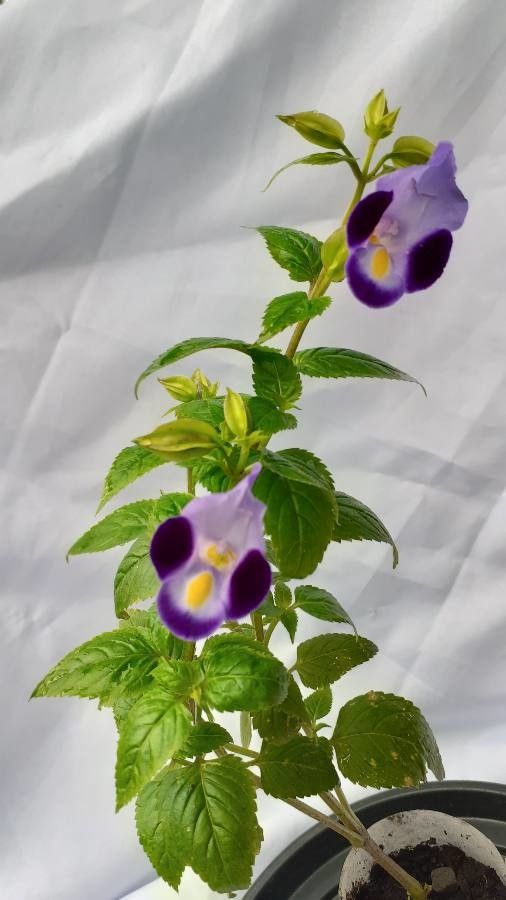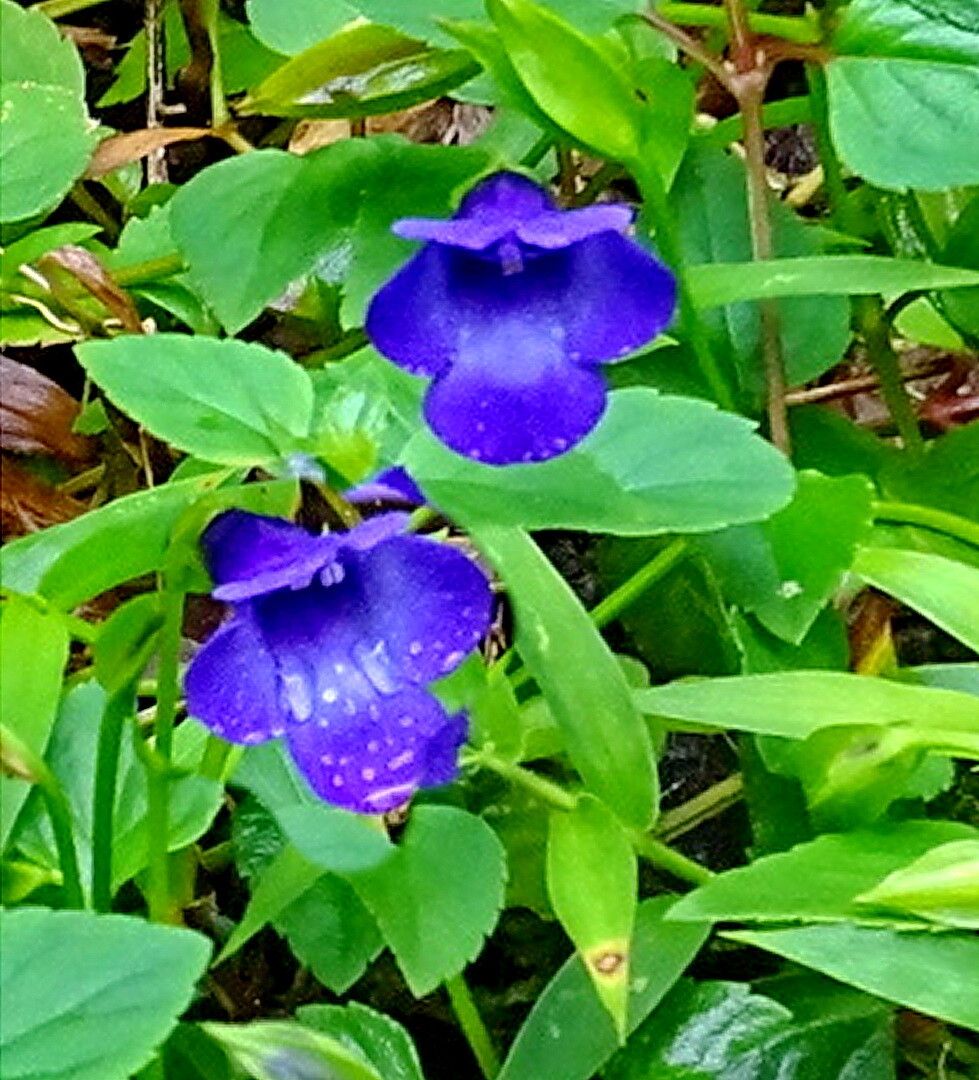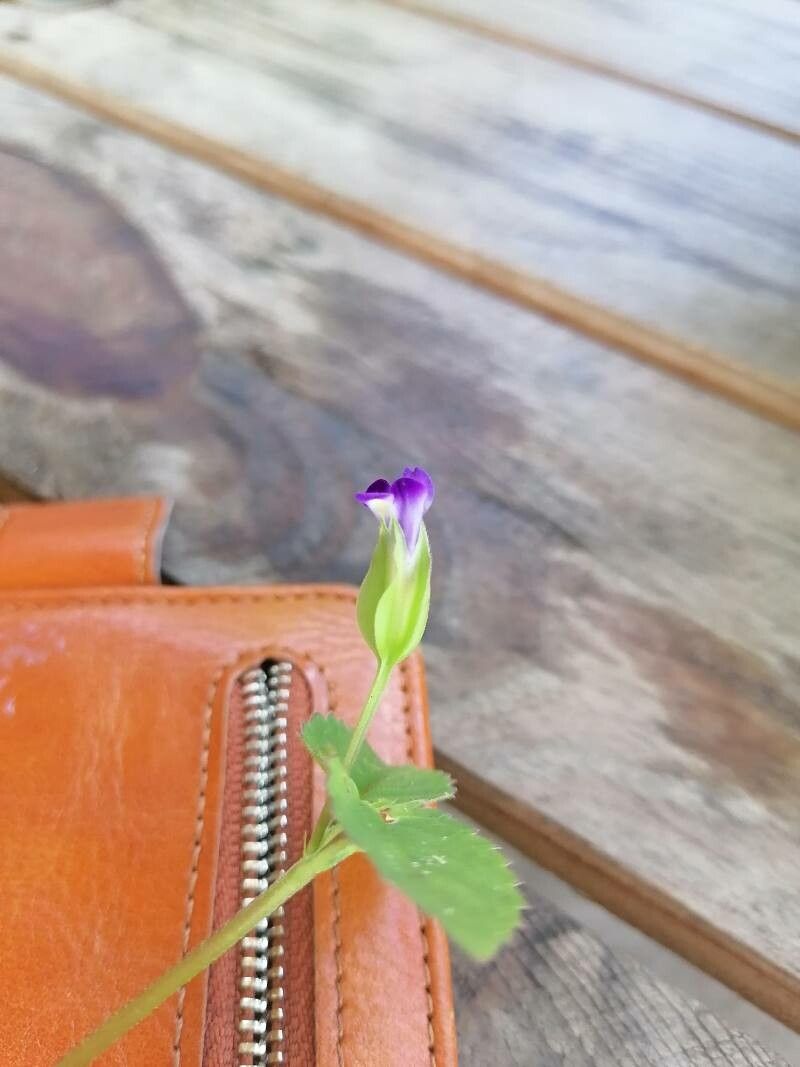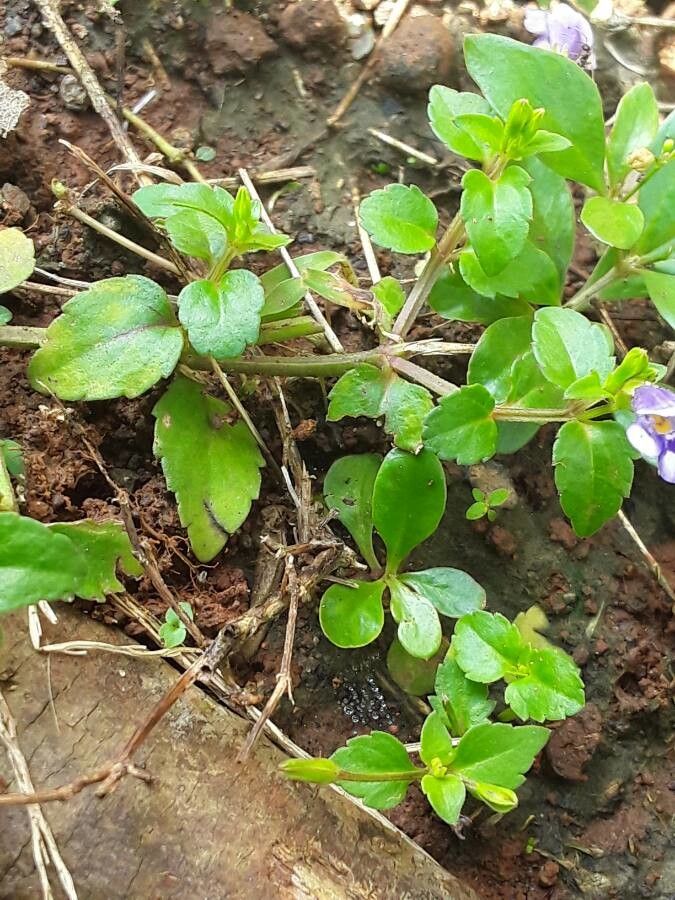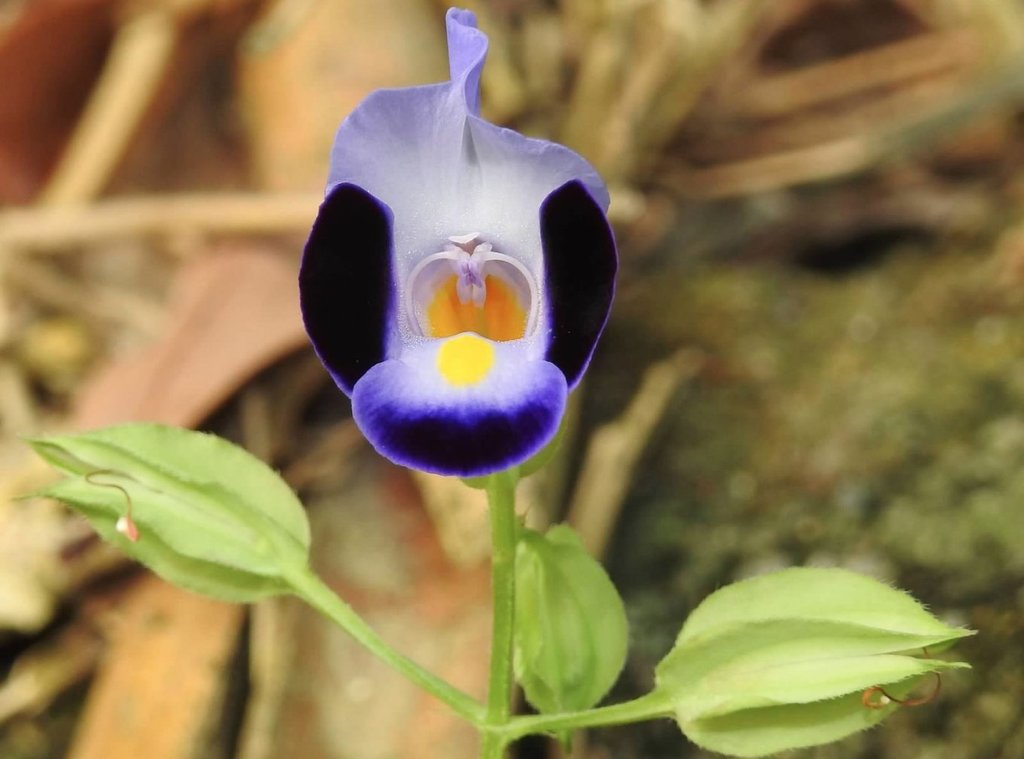
Torenia fournieri, the bluewings or wishbone flower, is an annual plant in the Linderniaceae, with blue, white, or pink flowers that have yellow markings. It is typically grown as a landscape annual, reaching 12–15 in. tall. It has simple opposite or subopposite leaves with serrated edges.
Wishbone Flower: The wishbone flower gets its name from its unique structure. Inside the flower, two stamens are joined at the anthers, forming a shape that resembles a chicken’s wishbone. The scientific genus name of this flower honors Olaf Toren, an 18th-century Swedish botanist.
The wishbone flower is generally disease-resistant and is usually not prone to illnesses. Still, it can develop leaf spots if light and airflow are poor and watering is excessive. Its care level is considered easy, since it only needs regular watering and little else. The wishbone flower is a good choice for people who lack the time and energy to carry out frequent maintenance.
How to keep Torenia Fournieri.
Light
Wishbone flower does well in locations that receive sunlight for part of the day, and it can also tolerate full sun or full shade. However, too much or too little light can hinder its growth. This corresponds to its native habitat, where sunlight levels vary.
Water
The Wishbone flower flourishes in tropical rainforests, where it needs consistent moisture and partial shade. To keep the soil evenly moist but not waterlogged, water the plant twice a week. When grown outdoors, the Wishbone flower benefits from natural rainfall, particularly during its active growing season, which promotes lush flowering.
Humidity
This plant will thrive in moderate humidity, which is probably the level in your home. However, misting it a few times a week can be very beneficial. Make sure the room has good ventilation.
Temperature
The wishbone flower comes from regions where temperatures range between 68 and 100 °F (20 to 38 ℃). It performs best in that warm interval. During different seasons, small adjustments might be necessary to satisfy its temperature needs.
Fertilizer
Wishbone flower benefits from regular, weak applications of fertilizer to encourage healthy leaf growth. Fertilize Wishbone flower about once a month during the summer months. Nitrogen is essential for foliage, and supplying nitrogen-rich sources helps Wishbone flower thrive.
Pruning
The Wishbone flower is known for its vibrant blossoms and lush foliage. To maintain its health and appearance, it's important to prune it from early to late spring. This helps remove spent blooms and encourages a bushier growth habit. Regular pruning not only enhances flowering but also prevents disease and promotes dense growth. Be sure to use sterilized tools to make clean cuts and prevent any infections.
Pot & Repot
When repotting a Wishbone flower, choose a pot about 1–2 inches (2.5–5.1 cm) larger in diameter that has good drainage. Use a well-draining potting mix and consider adding perlite for extra drainage. Repot in spring or early summer, water thoroughly afterward, and place it in a shady spot for the initial period.
Toxicity
Wishbone flower plants are non-toxic to people and pets.
Further reading →
The toxicity and danger assessments provided are for reference only. We do not assure their accuracy, so it's crucial not to depend on them. Seek professional advice when necessary for accurate guidance.
Botanical profile.
- Plant Type
- Herb
- Life Cycle
- Annual, Biennial, Perennial
- Genus
- Torenia
- Family
- Linderniaceae
- Hardiness Zone
- 8-11
- Mature Height
- 30 cm to 40 cm
- Mature Spread
- 15 cm to 23 cm
- Leaf Color
- Green
- Leaf Type
- Deciduous
- Flower Color
- White, Purple, Blue, Yellow, Pink, Red
- Flower Size
- 2.54 cm to 4.06 cm
- Bloom Time
- Late spring, Summer
- Planting Time
- Spring
- Harvest Time
- Summer, Early fall
- Native Area
- Cambodia, Vietnam, Myanmar, Bangladesh, Laos, Thailand
Other names.
Reader questions.
What are the sunlight requirements for Wishbone flowers?
Wishbone flowers, known botanically as Torenia fournieri, thrive in varying sunlight conditions, aligning with their diverse natural habitats. They can flourish in partial sun, which means they require about 3-6 hours of sunlight daily, but they can also adapt to full sun or full shade conditions, with full sun implying more than 6 hours of sunlight. It's essential to observe the movement of sunlight through your garden carefully, selecting locations that provide a satisfying balance of light and shade to meet the specific needs of your plants, thus ensuring their health and happiness.
What is the native environment temperature range for the Wishbone flower?
The Wishbone flower, known botanically as Torenia fournieri, is native to environments where temperatures range from 68 to 100°F (20 to 38°C). It thrives best within this warm temperature range. Depending on the season, slight adjustments may be necessary to accommodate its temperature preferences.
How does light affect the growth of Wishbone flowers?
Wishbone flowers show optimal growth when they receive sunlight for part of the day or can conveniently adapt to continuous sun or shade. Nonetheless, the plant's growth can be significantly hindered by either excessive or insufficient exposure to light. This mirrors the flower's native environment, where light conditions naturally fluctuate. For indoor plants, particularly during winter or in locations that receive little natural sunlight, artificial lighting becomes necessary. Artificial lights, such as LEDs which can be tailored to supply specific light wavelengths, support healthier and faster plant growth. Different plants require varying intensities of artificial light, with recommendations based on whether they are full sun, partial sun, or full shade species.
Does the Wishbone flower have any cold tolerance?
The Wishbone flower exhibits some cold tolerance and generally does not require protective measures when temperatures are above 0°C. However, if temperatures are expected to drop below 0°C, temporary cold protection measures should be taken. This can include wrapping the plant with plastic film, fabric, or other materials for insulation. Once temperatures rise again, these protective coverings should be promptly removed.
What are some symptoms of inadequate light in Wishbone flowers?
When Wishbone flowers don't receive sufficient light, several symptoms can appear, especially if they are being grown indoors away from natural sunlight. These include the development of smaller new leaves, leggy or sparse growth due to elongated spaces between leaves or stems, premature leaf drop as a resource-conservation measure, halted or significantly slowed growth, lighter-colored or irregularly patterned new leaves indicating a chlorophyll deficit, and chlorosis which is characterized by leaves turning yellow. Additionally, excessive sunlight can lead to sunscald, leaf curling as a defense mechanism against water loss, wilting due to rapid water loss, and leaf scorching, where leaf edges become brown, dry, and crispy. These symptoms highlight the importance of providing the proper light conditions for the plant.
What happens to the Wishbone flower at low temperatures, and how can it be protected?
Wishbone flower has a moderate tolerance to low temperatures, thriving best when above 20°C. During winter, it's vital to keep it above 0°C to prevent damage. At temperatures below -10°C, leaves may droop and, in severe cases, wilt and fall off. To protect the plant from frost and cold winds, trim off the frost-damaged parts and wrap the plant with non-woven fabric or cloth, also considering a wind barrier for added protection.
What are some strategies to optimize light exposure for Wishbone flowers?
To ensure Wishbone flowers receive optimal light exposure, gradually shifting them to sunnier spots each week can help, aiming for 3-6 hours of direct sunlight daily. This method allows the plants to slowly adapt to the new light conditions. For indoor plants that are large or not easily moved, using artificial lighting like desk or ceiling lamps for at least 8 hours a day or investing in professional plant grow lights can offer a sufficient light source. Outdoors, it’s crucial to move plants gradually to prevent sunburn, starting with the shadiest location and transitioning slowly to sunnier sites. Reducing obstruction such as by pruning trees can also help. For ground-planted species, transplanting during the plant's dormant season to a sunnier location with good drainage can be beneficial. However, it's important to note that parts of the plant already damaged by unsuitable light conditions may not recover, but new growth following the adjustment will be healthy.
How does the Wishbone flower react to high temperatures, and what are the solutions?
During summer, it is key to keep the Wishbone flower below 38°C to avoid stress from high temperatures. At temperatures exceeding 43°C, the plant may exhibit signs of distress such as lighter leaf color, dry and withered leaf tips, curling leaves, and increased susceptibility to sunburn. To mitigate these issues, trim away sunburned and dried parts of the plant, move it to a shaded area or use a shade cloth to protect it from intense sun, and water the plant in the morning and evening to maintain soil moisture.