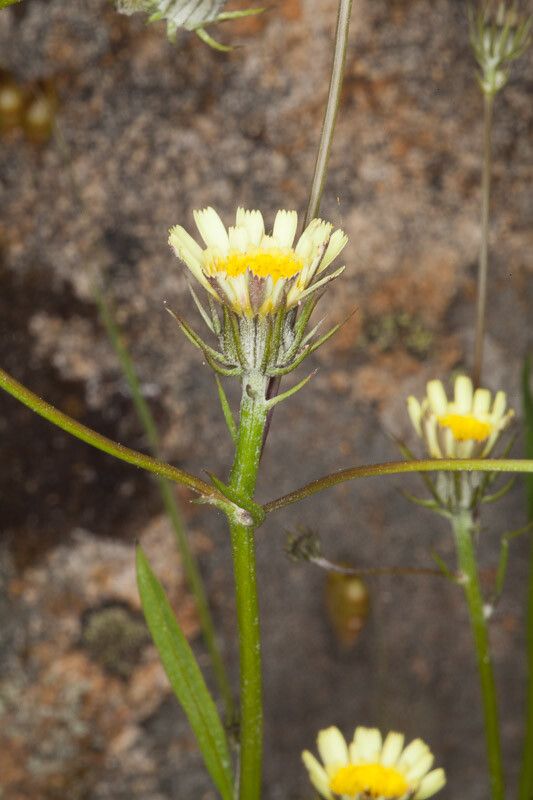
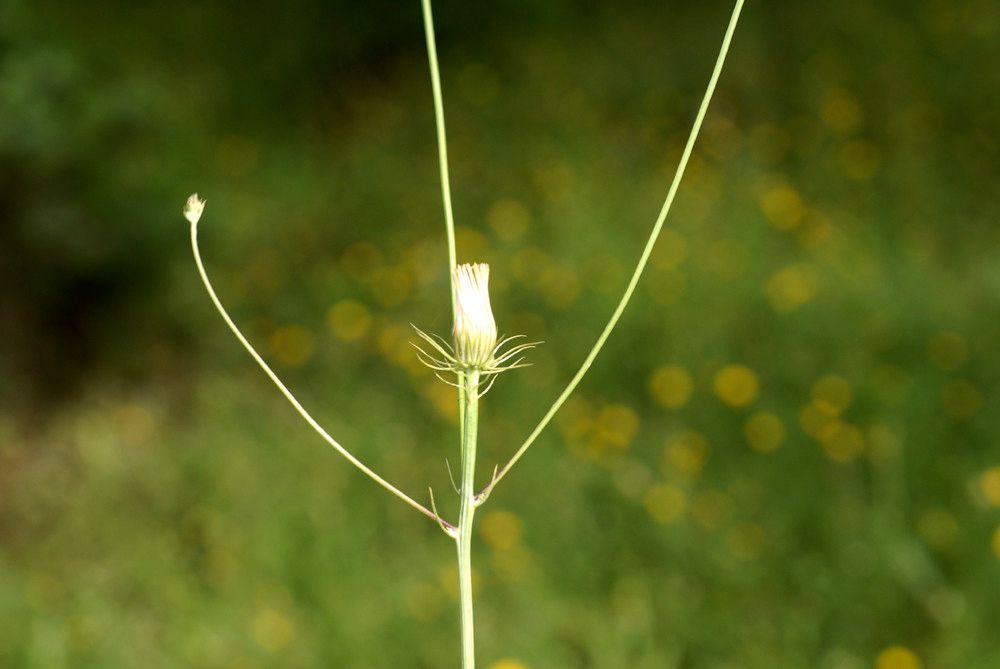
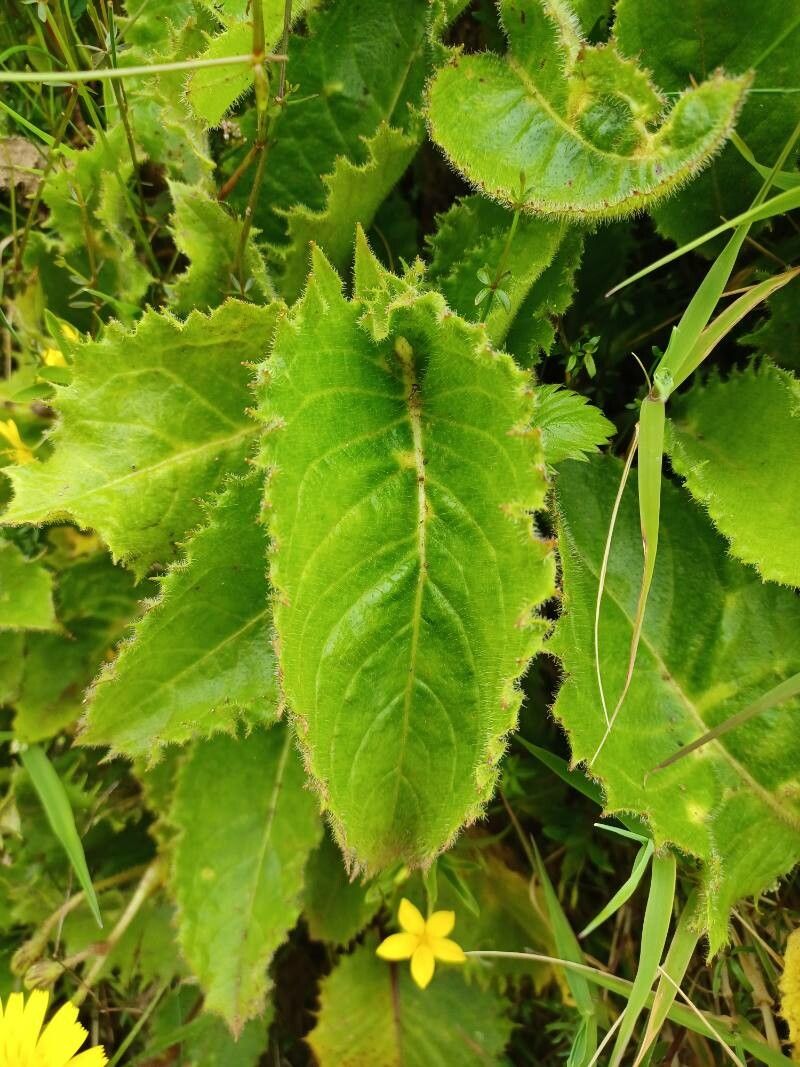
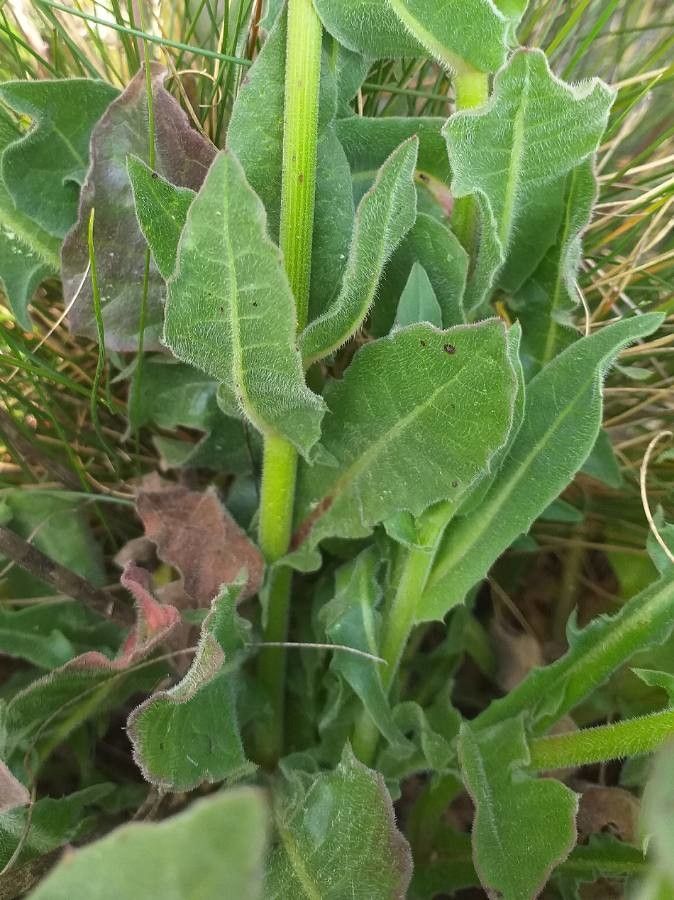
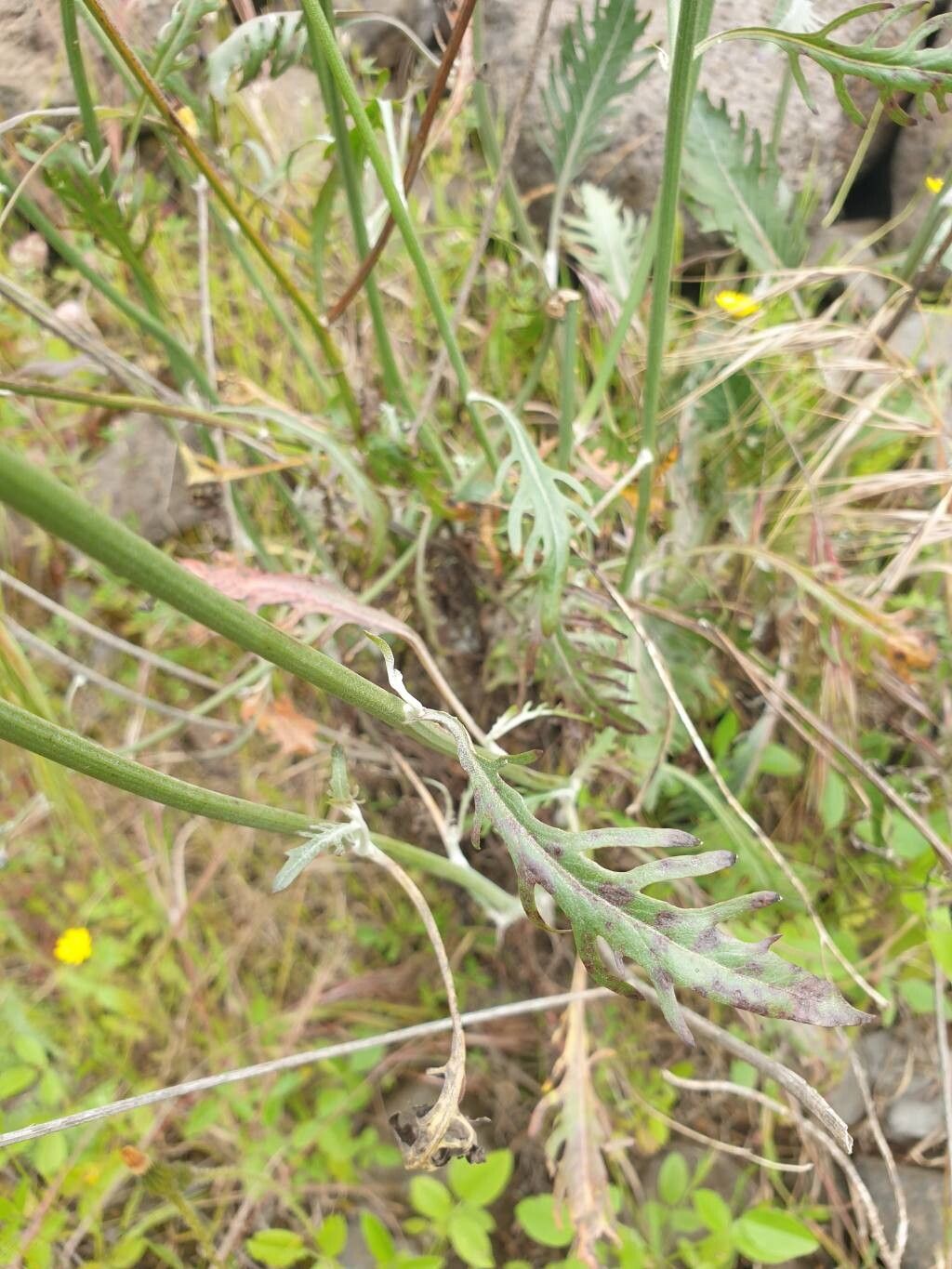
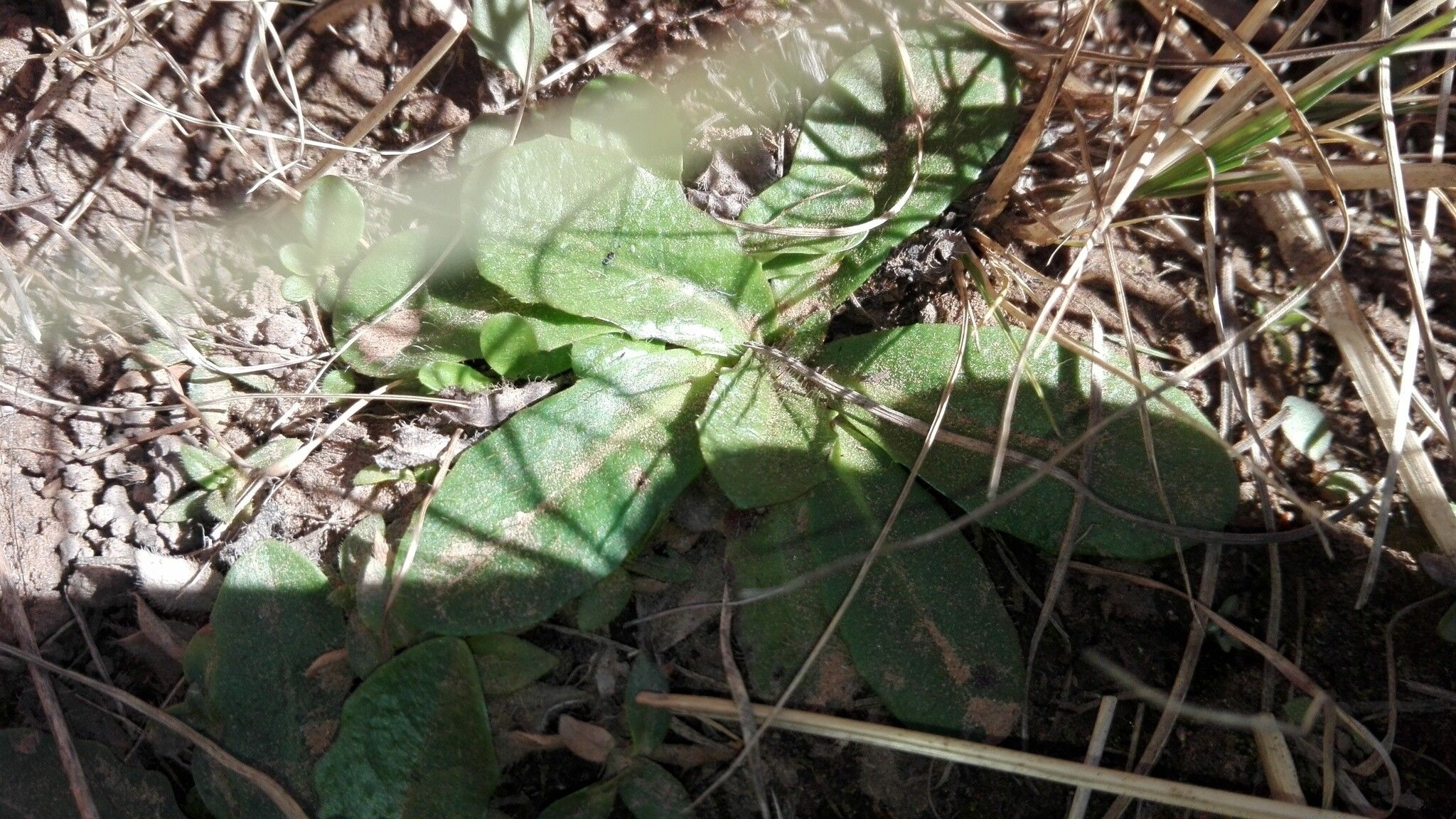
Yellow hawkweed has good resistance to disease and generally does not suffer from them. It can, however, be affected by pests and diseases present in its environment. These infections are typically mild. For care, the plant needs a moderate amount of attention. It should be pruned regularly to keep a tidy appearance and encourage healthy growth. Fertilizing can also help stimulate flowering. Yellow hawkweed is suitable for anyone with outdoor space, such as a garden or patio, and does not demand extensive experience in plant care. It may need more attention when grown indoors.
How to keep Tolpis Umbellata.
Light
Yellow hawkweed is a sun-loving, perennial herbaceous plant native to open habitats and commonly found thriving in meadows and grasslands. It prefers full sun but can also tolerate partial sun conditions.
Water
Yellow hawkweed flourishes in moderate climates where there is a steady supply of moisture. It prefers soil that is kept evenly moist, but not waterlogged. To maintain its hydration needs, it should be watered weekly. Although it is typically grown outdoors and can adapt to natural seasonal rainfall, watering practices should be adjusted according to the amount of precipitation.
Fertilizer
Applying fertilizer once in spring is typically adequate for Yellow hawkweed, though repeated applications can maximize growth. Apply fertilizer about every one to one and a half months. Fertilizing improves the leaves' appearance and function, helping maintain uniform color and a healthy texture. It also promotes root development and nutrient uptake for long-term plant health.
Pruning
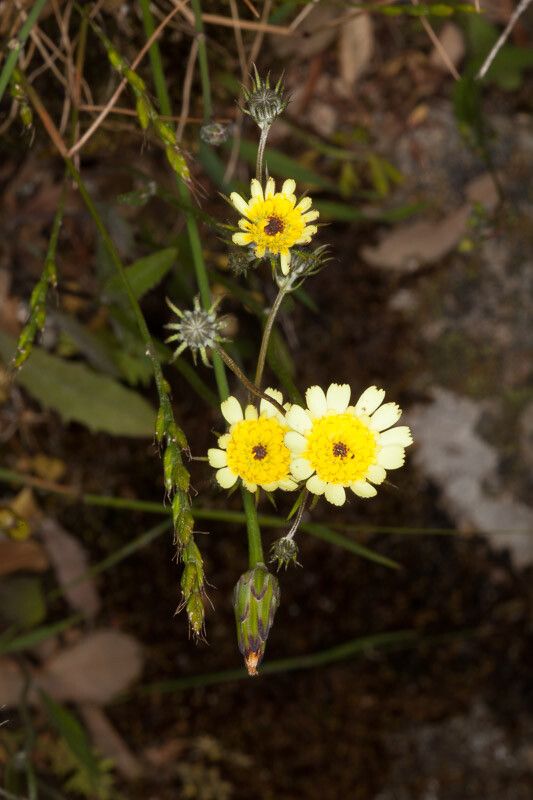
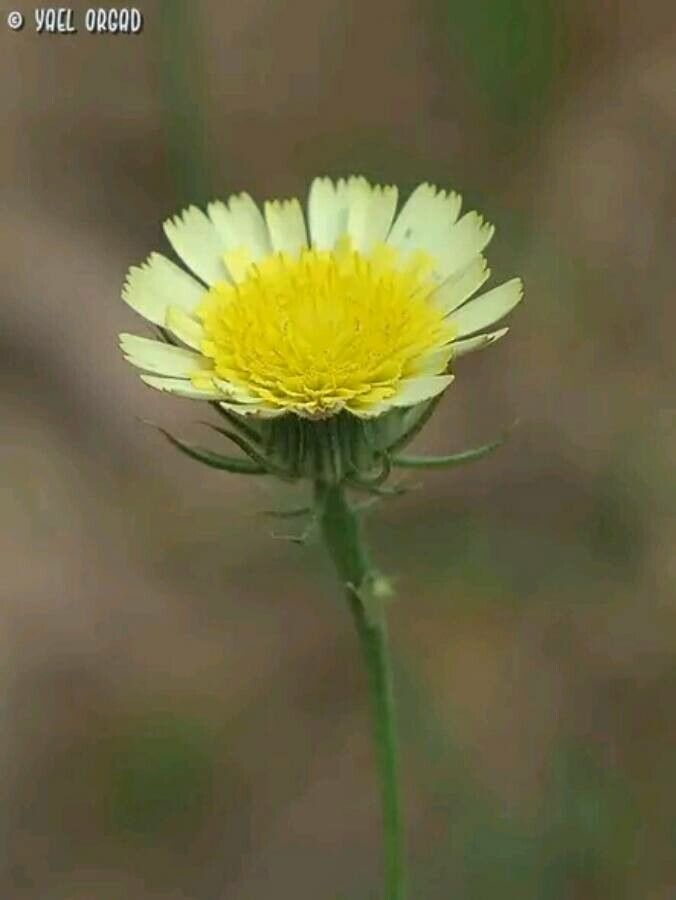
Yellow hawkweed showcases vibrant yellow flowers that thrive when properly pruned from early to late spring. By trimming dead stems and leggy growth, you can achieve a fuller appearance and encourage more abundant flower production. Be sure to sanitize your tools to prevent disease, ensuring healthy growth and maintaining the plant's shape.
Botanical profile.
Other names.