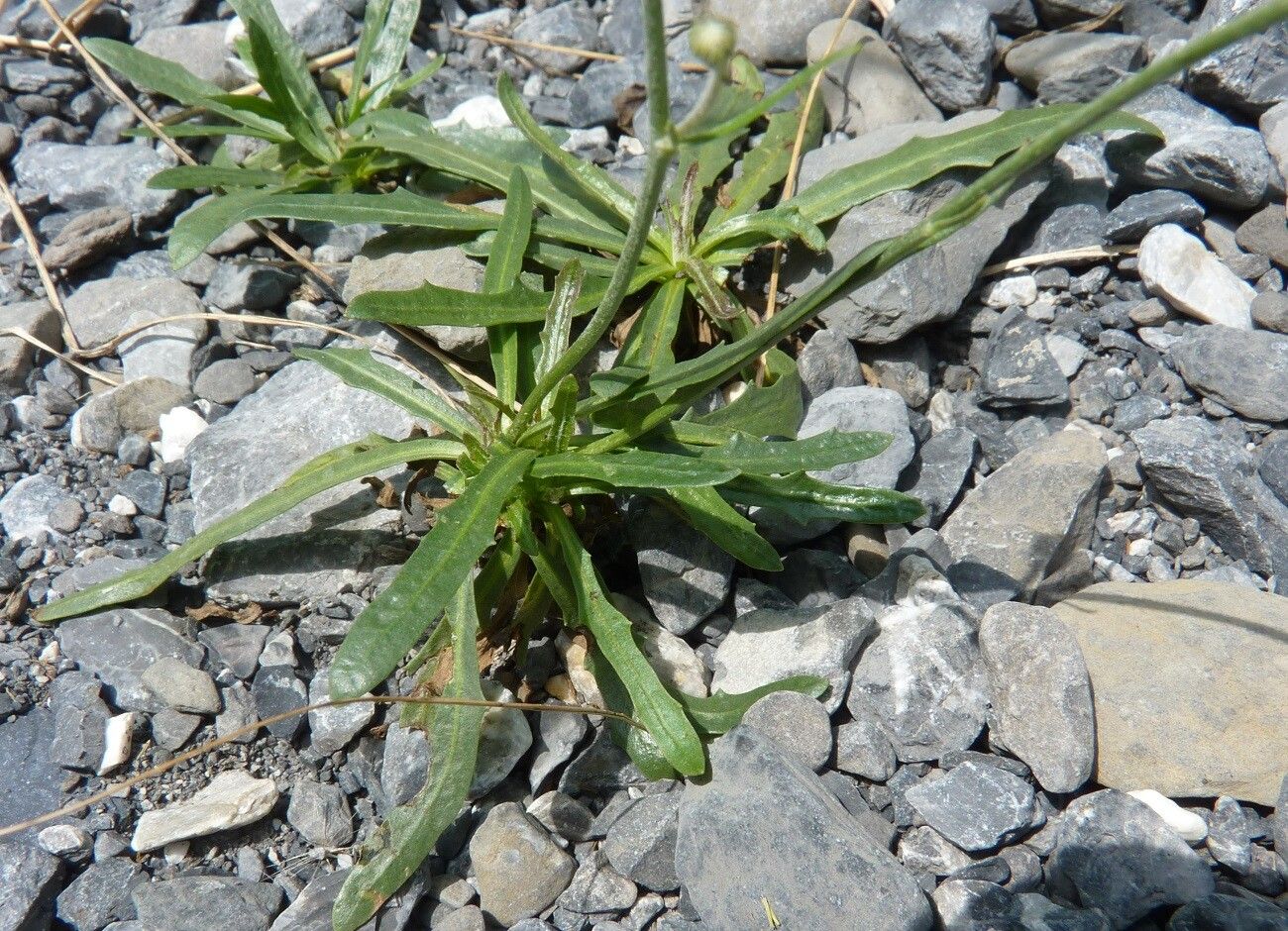
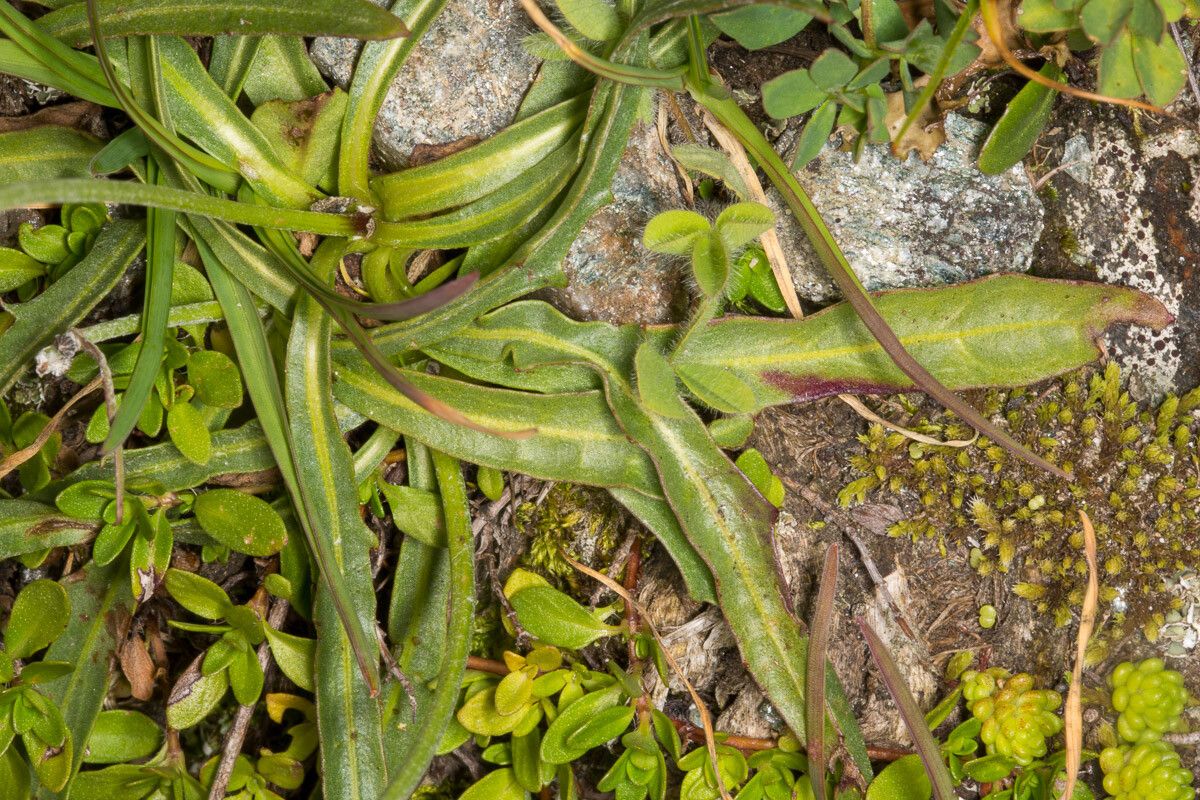
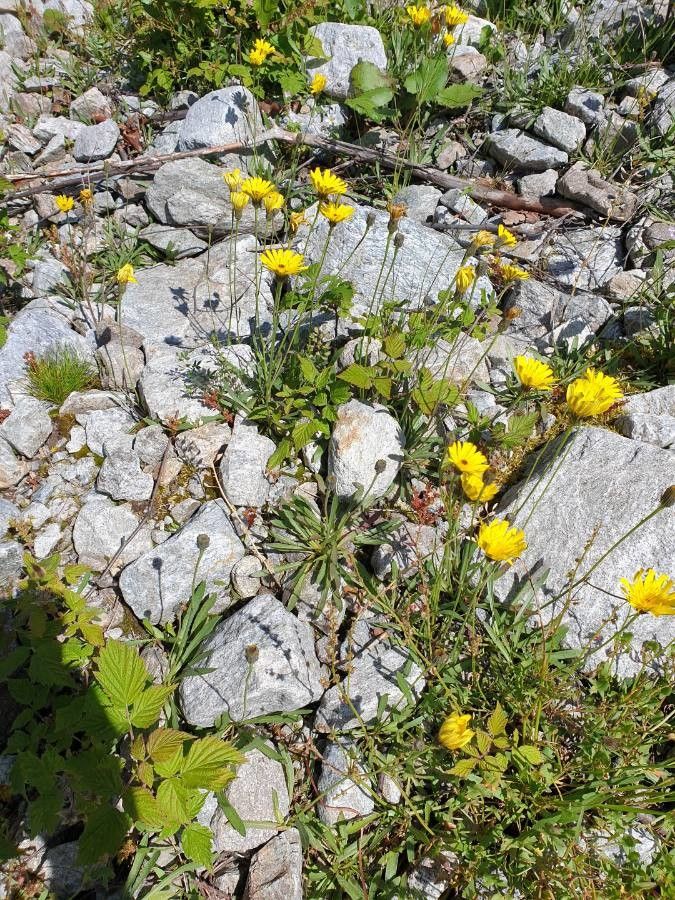
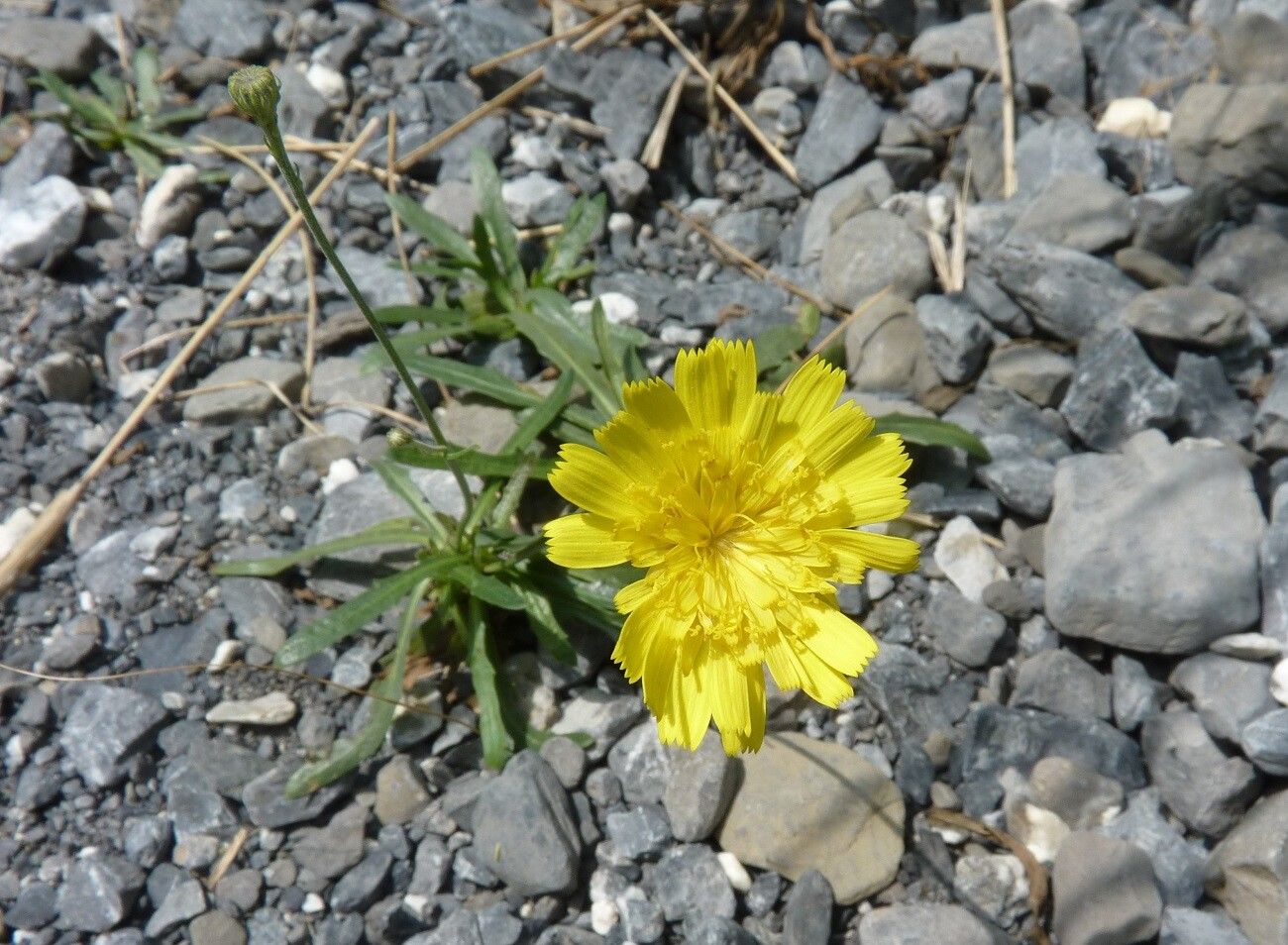
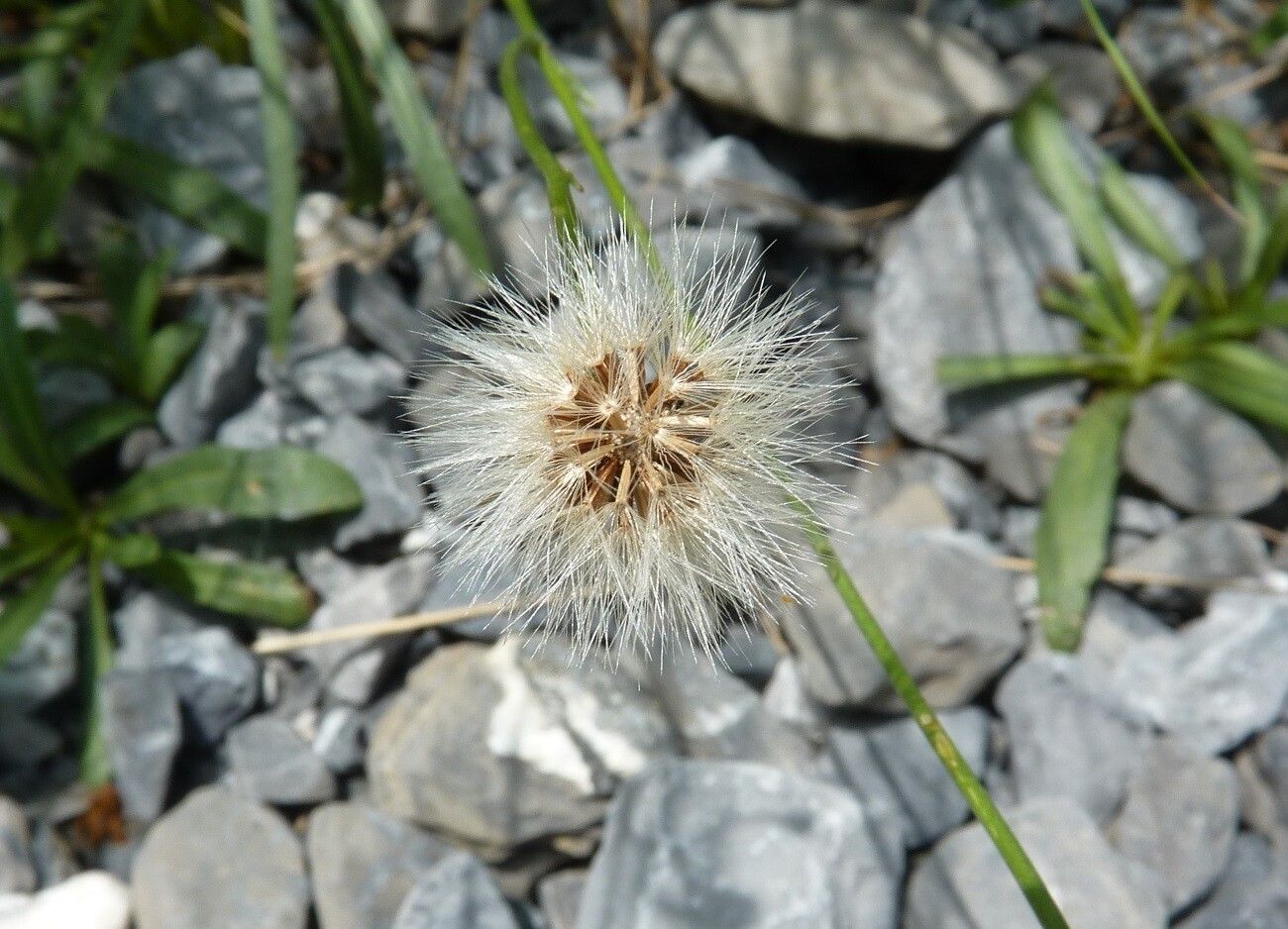
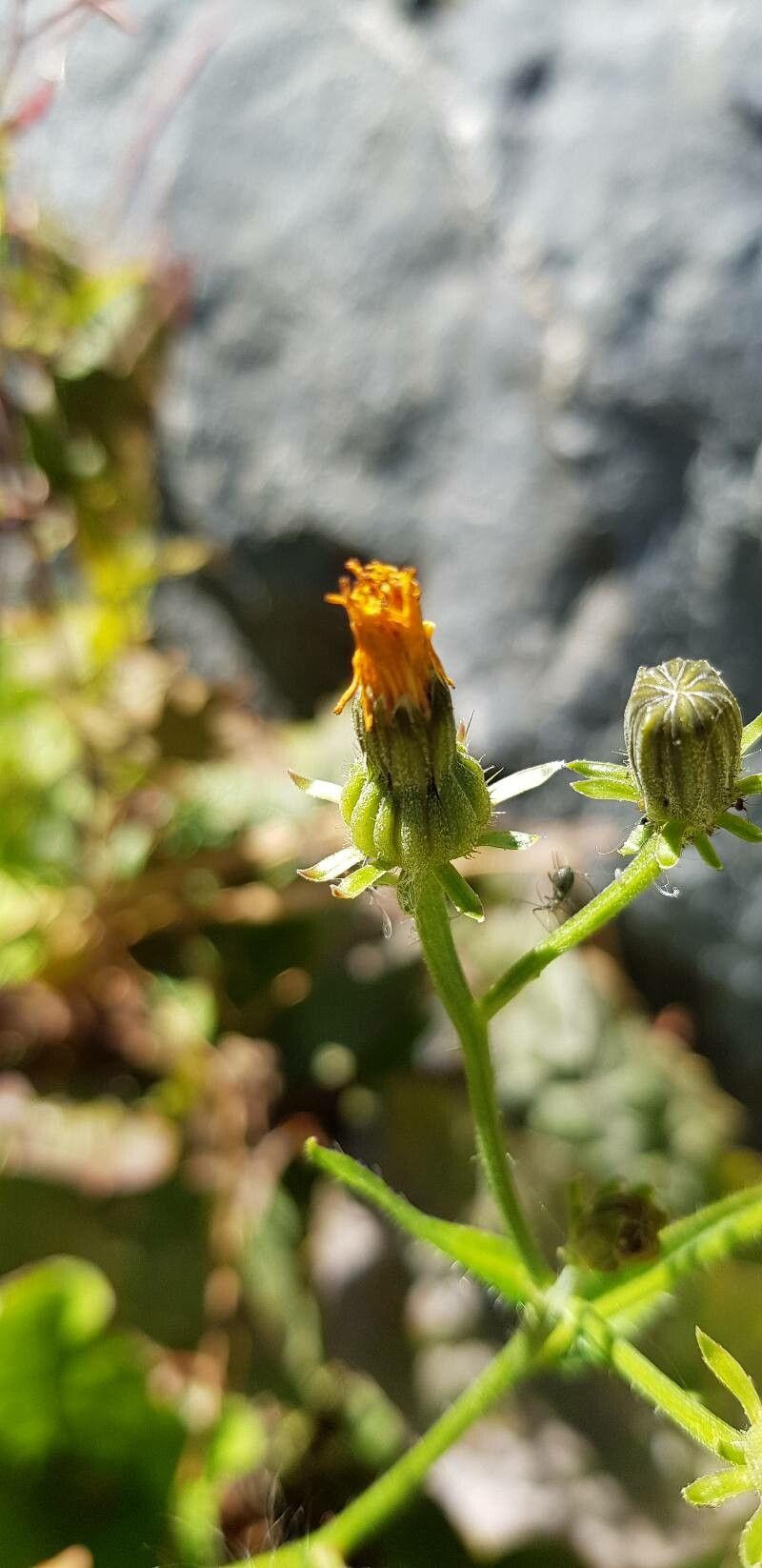
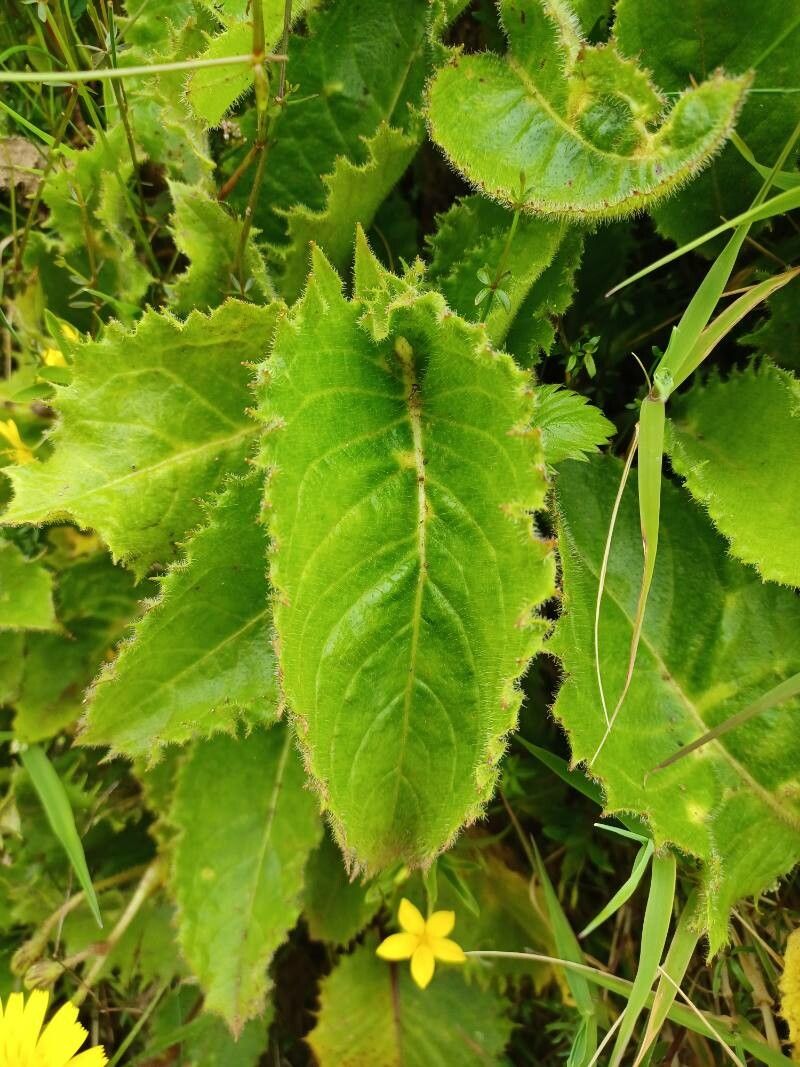
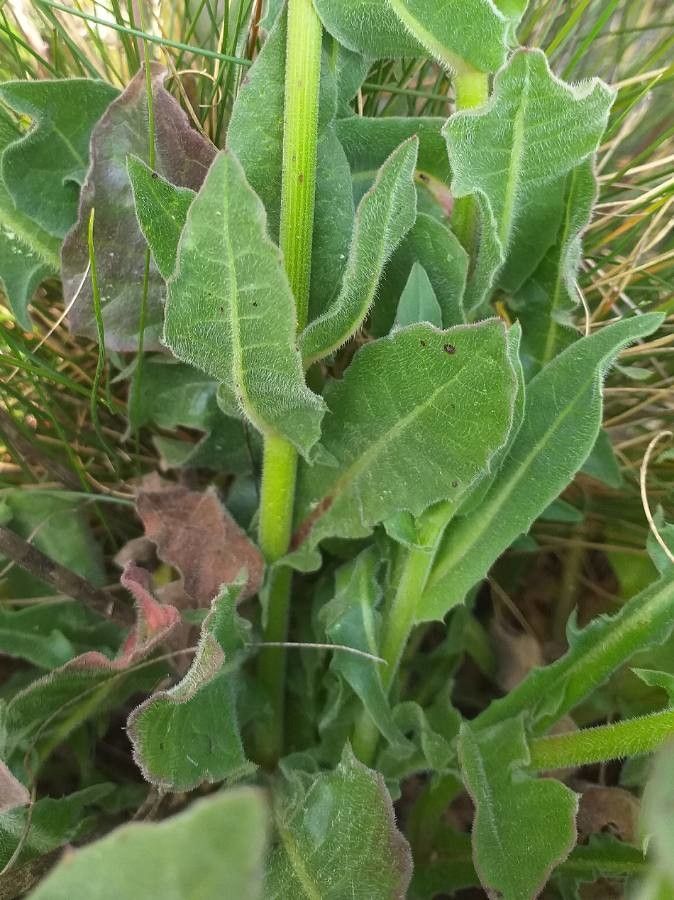
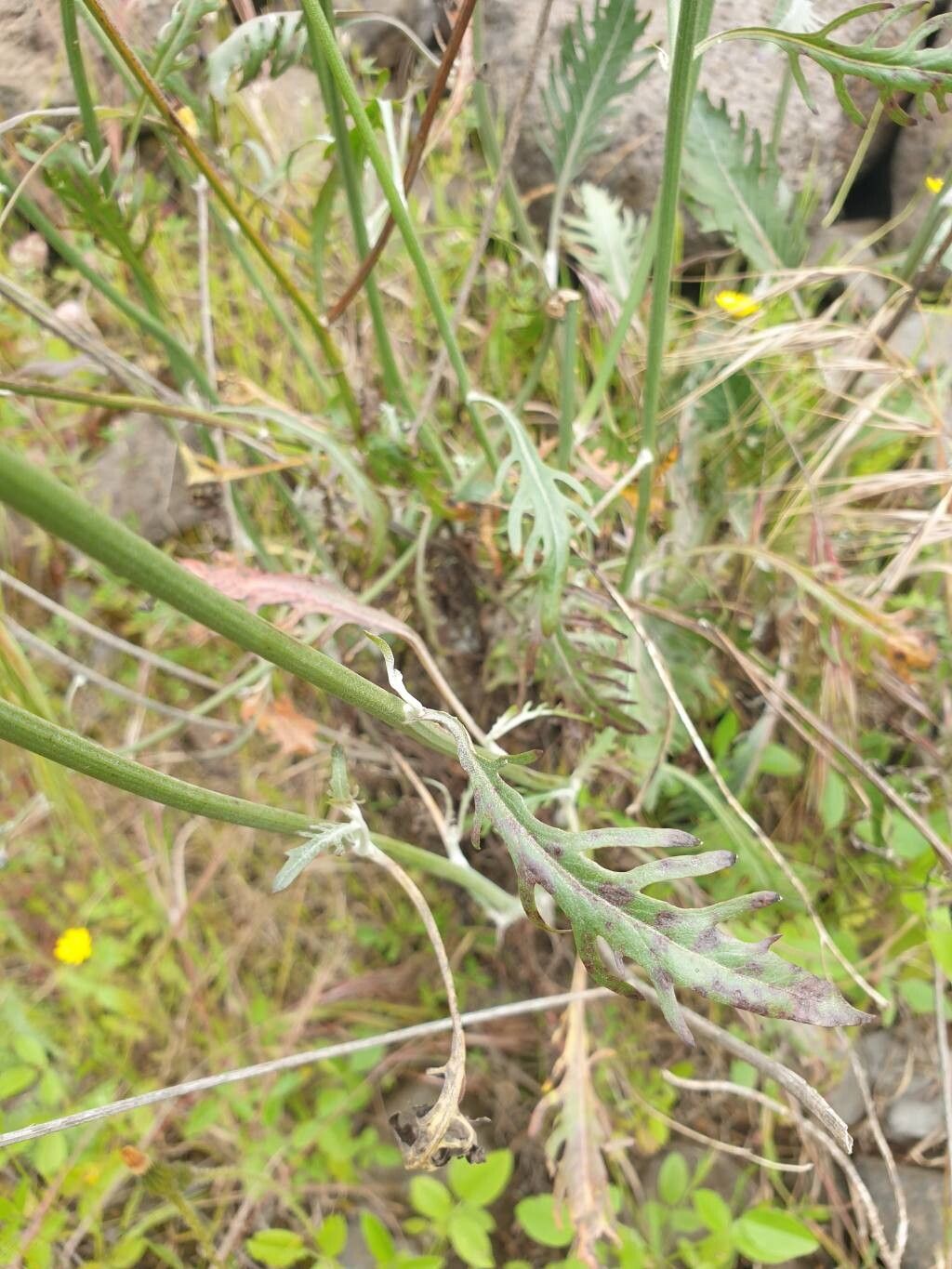
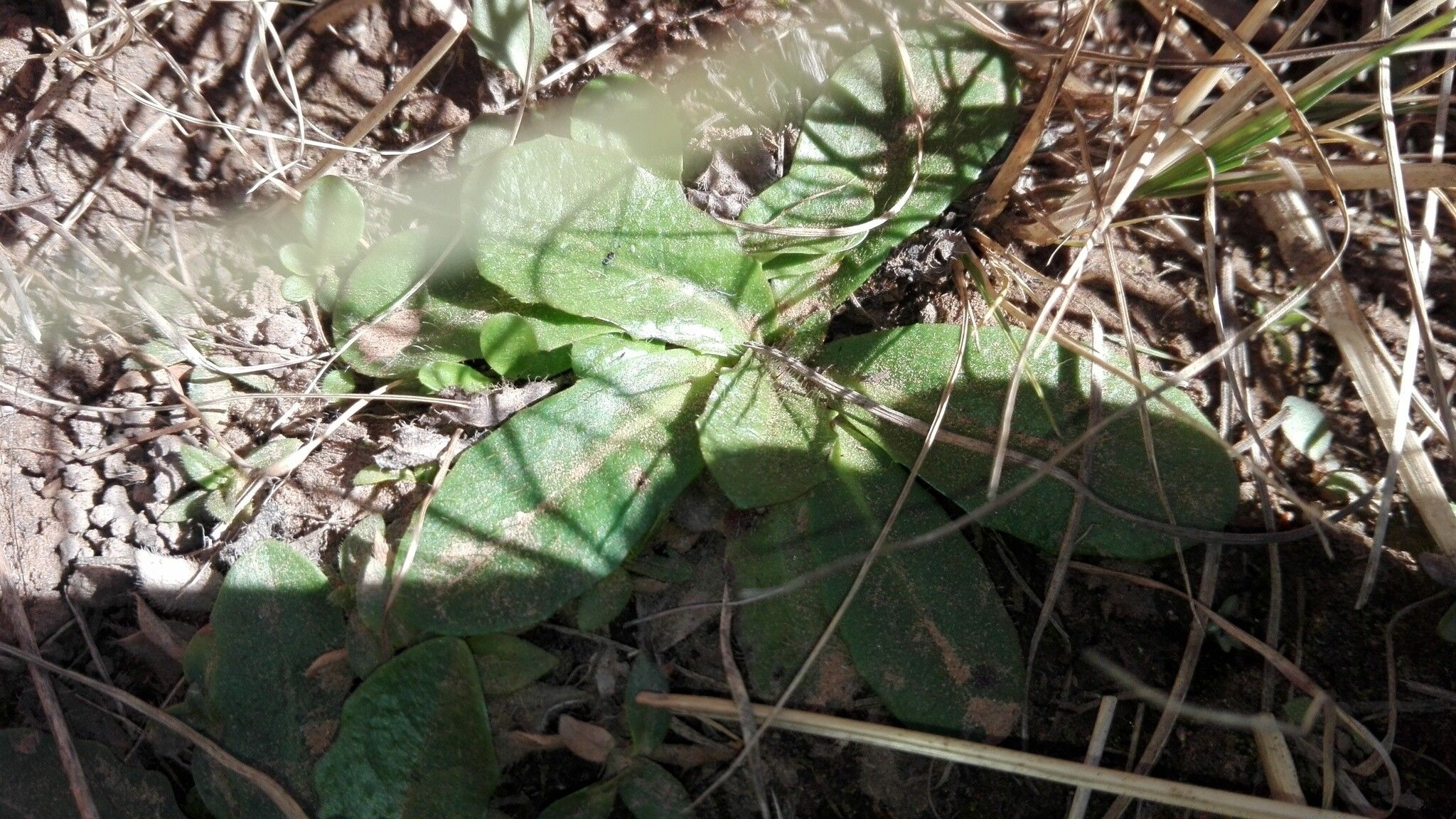
Arman's chrysanthemum is fairly disease-resistant and typically does not suffer from illnesses. Still, it can be affected by pests and diseases present in its environment. Such infections are generally not severe. Regarding care, this plant needs moderate maintenance. It should be pruned regularly to preserve an attractive appearance and healthy growth. Applying fertilizer can also encourage blooming. Arman's chrysanthemum is appropriate for anyone with an outdoor area, like a garden or patio, and does not require extensive care experience. It may need more attention if kept indoors.
How to keep Tolpis Staticifolia.
Light
Arman's chrysanthemum is a sun-loving, perennial herbaceous plant that comes from open habitats and often thrives in meadows and grasslands. It prefers full sun but can also tolerate partial sun conditions.
Water
Arman's chrysanthemum thrives in areas with moderate rainfall and needs consistent humidity without any extreme fluctuations. To keep it healthy, it should be watered weekly. As an herbaceous plant, it can store water in its stems and leaves, which enhances its drought tolerance. This makes it suitable for cultivation both indoors and outdoors.
Fertilizer
For Arman's chrysanthemum, the primary time to apply fertilizer is in early spring when the flowers are forming. The proper fertilizer promotes better blooms and helps Arman's chrysanthemum produce attractive flowers. Fertilizing in early spring ensures excellent flowers during the season and supplies energy for dormant growth phases.
Pruning
Arman's chrysanthemum has delicate, daisy-like flowers and lush foliage. For best results, prune the plant from early to late spring. This will promote healthy growth, improve air circulation, and encourage blooming. Be sure to use sanitized, sharp tools, and avoid pruning while the plant is flowering.
Botanical profile.
- Plant Type
- Herb
- Life Cycle
- Perennial
- Genus
- Tolpis
- Family
- Asteraceae
- Hardiness Zone
- 8-11
- Mature Height
- 5 cm to 40 cm
- Mature Spread
- 20 cm to 30 cm
- Leaf Color
- Green, Dark Green
- Leaf Type
- Semi-evergreen
- Flower Color
- Yellow
- Flower Size
- 2.54 cm to 3.05 cm
- Bloom Time
- Summer
- Planting Time
- Spring, Summer
- Harvest Time
- Late summer, Early fall, Mid fall
- Native Area
- Germany, Austria, Italy, Switzerland, Slovakia, Albania, Hungary, Slovenia, France
Other names.
Reader questions.
How should I water Arman's chrysanthemum plant properly?
To ensure the health of Arman's chrysanthemum, it is best to water it with filtered water at room temperature. Tap water may contain harmful particles, so using filtered water is preferable. The plant is accustomed to a warm environment, so cold water should be avoided as it can be a shock. Additionally, it is not recommended to water the plant from above as it can cause issues with the foliage. Instead, pour the filtered room temperature water directly onto the soil until it is completely soaked. This helps to moisturize the roots and facilitate the spread of nutrients throughout the soil.
What are the sunlight requirements for Arman's chrysanthemum?
Arman's chrysanthemum thrives in full sun conditions, requiring above 6 hours of sunlight daily to flourish. However, it can also tolerate partial sun conditions which provide about 3 to 6 hours of sunlight. It's essential to observe the movement of sunlight through your garden over the day to choose the best spots that offer an ideal balance of light and shade, ensuring your plant's health and happiness.
What do I do if I give Arman's chrysanthemum too much or too little water?
Overwatering is a more common issue than underwatering for Arman's chrysanthemum. When overwatered, the stems and leaves may wilt and turn yellow. It can also lead to diseases like root rot, mold, and mildew, which can be fatal for the plant. Underwatering is less common but still possible. In this case, the leaves become brittle and brown. It's important to recognize the signs of overwatering early, as some diseases may not be fixable if left too long. Reduce watering immediately if you notice signs of overwatering. Check the soil's drainage quality and replace it with well-draining potting mix if necessary. If your plant is receiving too little water, simply water more regularly until the signs disappear.
What are the essentials for growing Arman's chrysanthemum?
Arman's chrysanthemum is a sun-loving perennial herbaceous plant. It originates from open habitats such as meadows and grasslands, preferring full sun but can tolerate partial sun conditions. When growing indoors or in conditions where natural sunlight is insufficient, artificial lighting can be a vital solution. It's recommended to use artificial lights that can be customized to provide the specific wavelengths of light needed by your plants. The amount of artificial light required varies by the type of plant: 30-50W/sq ft for full sun plants, 20-30W/sq ft for partial sun plants, and 10-20W/sq ft for full shade plants. When setting up artificial lighting, ensure you place the light source 12-36 inches above the plant and keep it on for 8-12 hours per day to mimic natural sunlight conditions.
How often should I water my Arman's chrysanthemum plant?
If your Arman's chrysanthemum is in a pot, the best way to determine if it needs water is to stick your finger into the soil. When the top two to three inches of soil feel dry, it's time to water it. The same method can be used if you're growing the chrysanthemum outdoors in the ground. Once again, if the top few inches of soil have dried out, it's time to water the plant. In the spring and early fall, you may need to water it about once a week using this method. However, during extremely hot weather, you may need to increase the watering frequency to about two or more times per week. It's worth noting that mature, well-established Arman's chrysanthemums are quite resilient and can tolerate drought conditions.
What are common symptoms of light deficiency in Arman's chrysanthemum?
When Arman's chrysanthemum is grown in inadequate lighting conditions, several symptoms can indicate light deficiency. New leaves may grow smaller than previous ones, or the plant may exhibit leggy or sparse growth due to longer spaces between leaves or stems. Faster leaf drop is another symptom, where older leaves are shed early to conserve resources for new growth. The plant may experience delayed or halted growth, signaling it has entered a survival mode. Leaves developing in these conditions can appear lighter in color or even yellow, indicating chlorosis, mainly due to insufficient sunlight or excessive sunlight causing break down of chlorophyll. Symptoms like sunscald, leaf curling, wilting, and leaf scorching can also occur, highlighting the plant's struggle with inappropriate light conditions.
How much water does Arman's chrysanthemum plant need?
When watering your Arman's chrysanthemum, make sure to give it plenty of water. Wait until the first two to three inches of soil are dry, then water it thoroughly. The water should soak the soil completely and drain out through the bottom of the pot. If you don't see excess water draining, you may not have given it enough water. However, be careful not to let the water accumulate in the soil, as this can harm the plant. If you're watering the plant outdoors, 1 inch of rain per week should be enough.
How can you address light deficiency symptoms in Arman's chrysanthemum?
To address light deficiency in Arman's chrysanthemum, gradual relocation to sunnier spots can encourage healthier growth, whether your plant is kept indoors or outdoors. For indoor plants, move them to a sunnier location each week until they receive at least 6 hours of direct sunlight through a south-facing window. If natural sunlight isn't sufficient, consider using artificial lighting for at least 8 hours daily, especially for larger plants that are not easily moved. Outdoor plants should also be transitioned slowly to avoid sunburn, looking for the best spots where they can adapt to the increased light intensity. If physical obstructions block sunlight, identify and minimize these by pruning or transplanting your plants to areas with better light and drainage. However, it's crucial to perform transplantation during the plants' dormant periods for the best results.
How should I water my Arman's chrysanthemum when it is growing at different stages?
The water needs of Arman's chrysanthemum can change depending on its growth stages. In the first few years or after transplanting, it will require more water because it is focusing on developing new roots. These roots need extra moisture to support future growth. However, as the chrysanthemum matures, it will need less water. Another stage where it may need more water is during blooming, as the flowers require significant moisture for proper development.
How do I water Arman's chrysanthemum throughout the different seasons?
The water needs of the Arman's chrysanthemum vary depending on the season. In the hottest months of the year, it will require frequent watering, possibly more than once per week, based on how quickly the soil dries out. On the other hand, during the winter, the plant goes into a dormant phase and needs much less water. In fact, you may not need to water it at all during this time. If you choose to water it, do so sparingly, around once per month, to avoid the risk of disease.
What's the difference in how I should water my Arman's chrysanthemum inside or outside?
The Arman's chrysanthemum is commonly grown indoors by gardeners in non-temperate and non-tropical regions. If you are growing it in a container, be aware that the soil can dry out faster compared to ground soil. Factors like air conditioning can also dry out the plant and require more frequent watering. However, if you plant it outside and receive regular rainfall, you may not need to water it much. On the other hand, if you grow this plant indoors, you'll need to water it more often since you can't rely on rainwater soaking the soil.