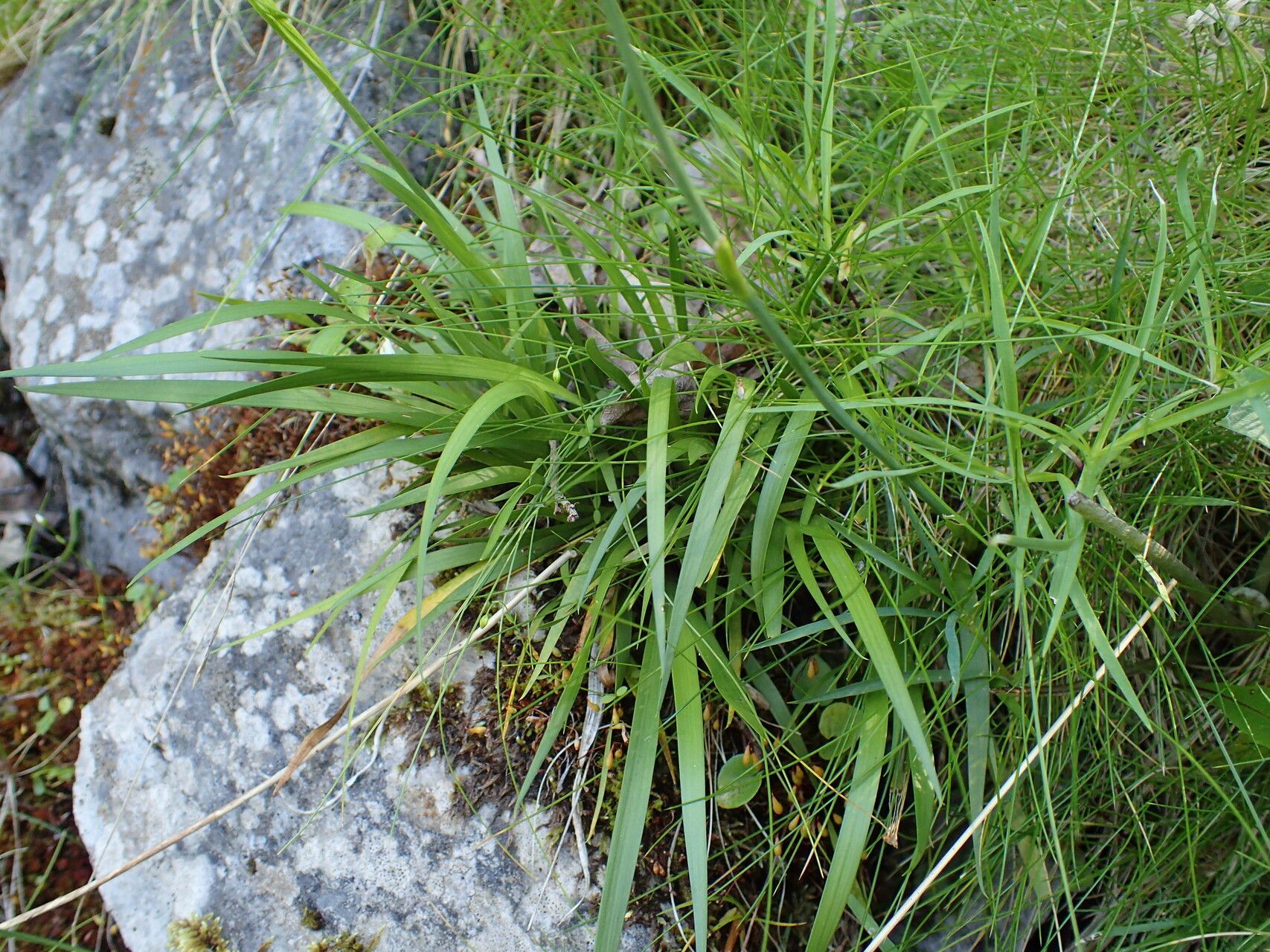
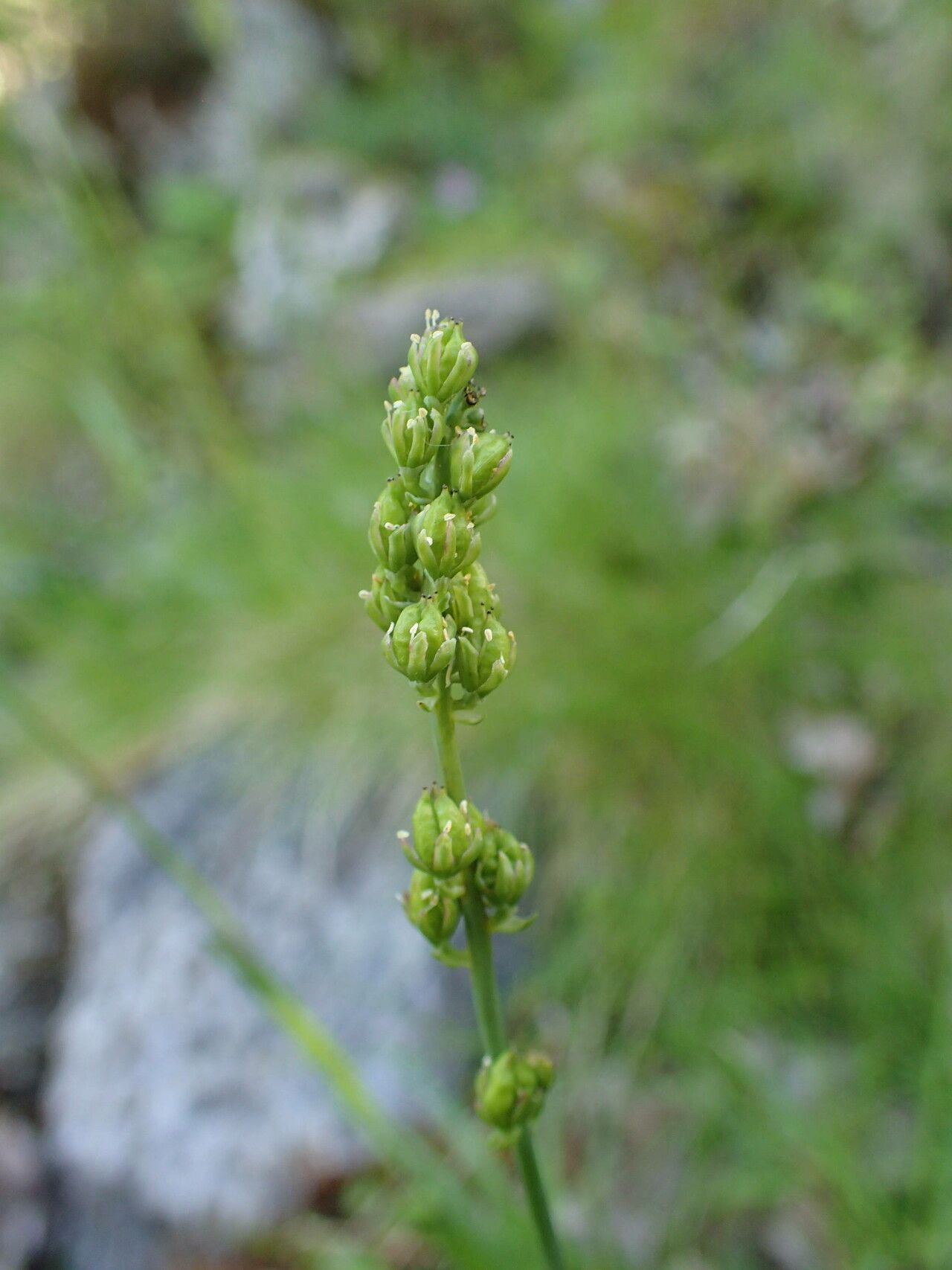
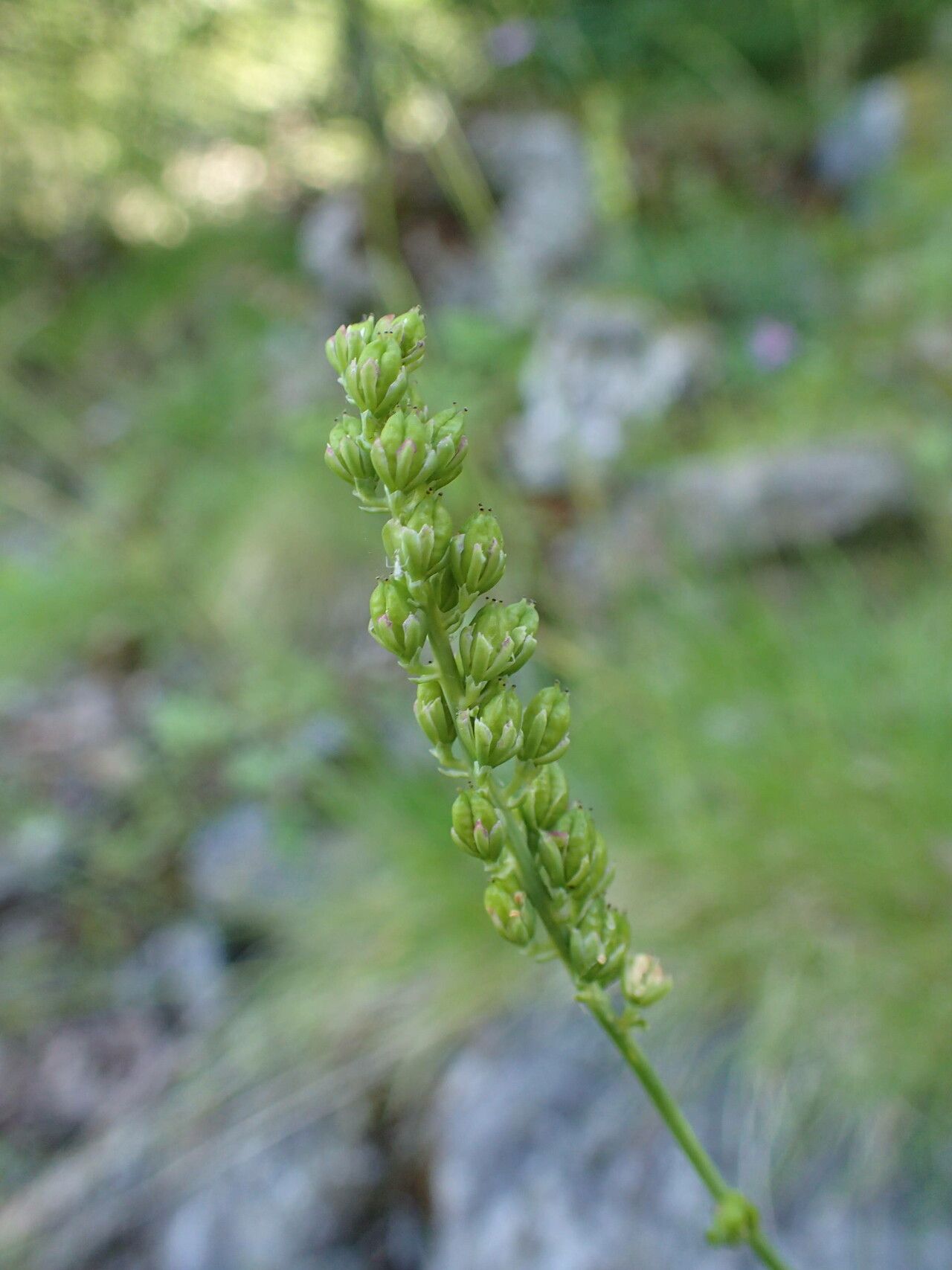
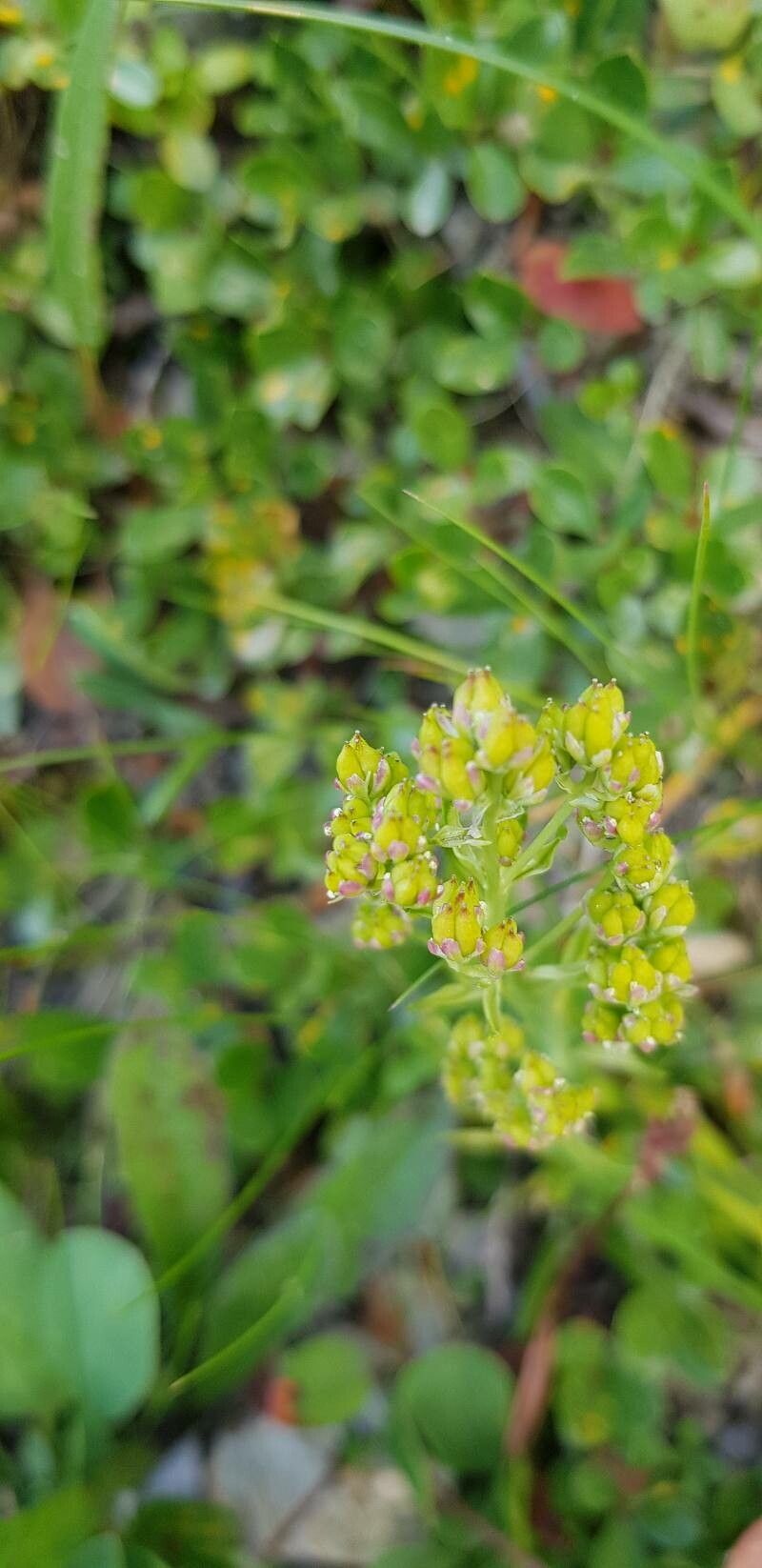
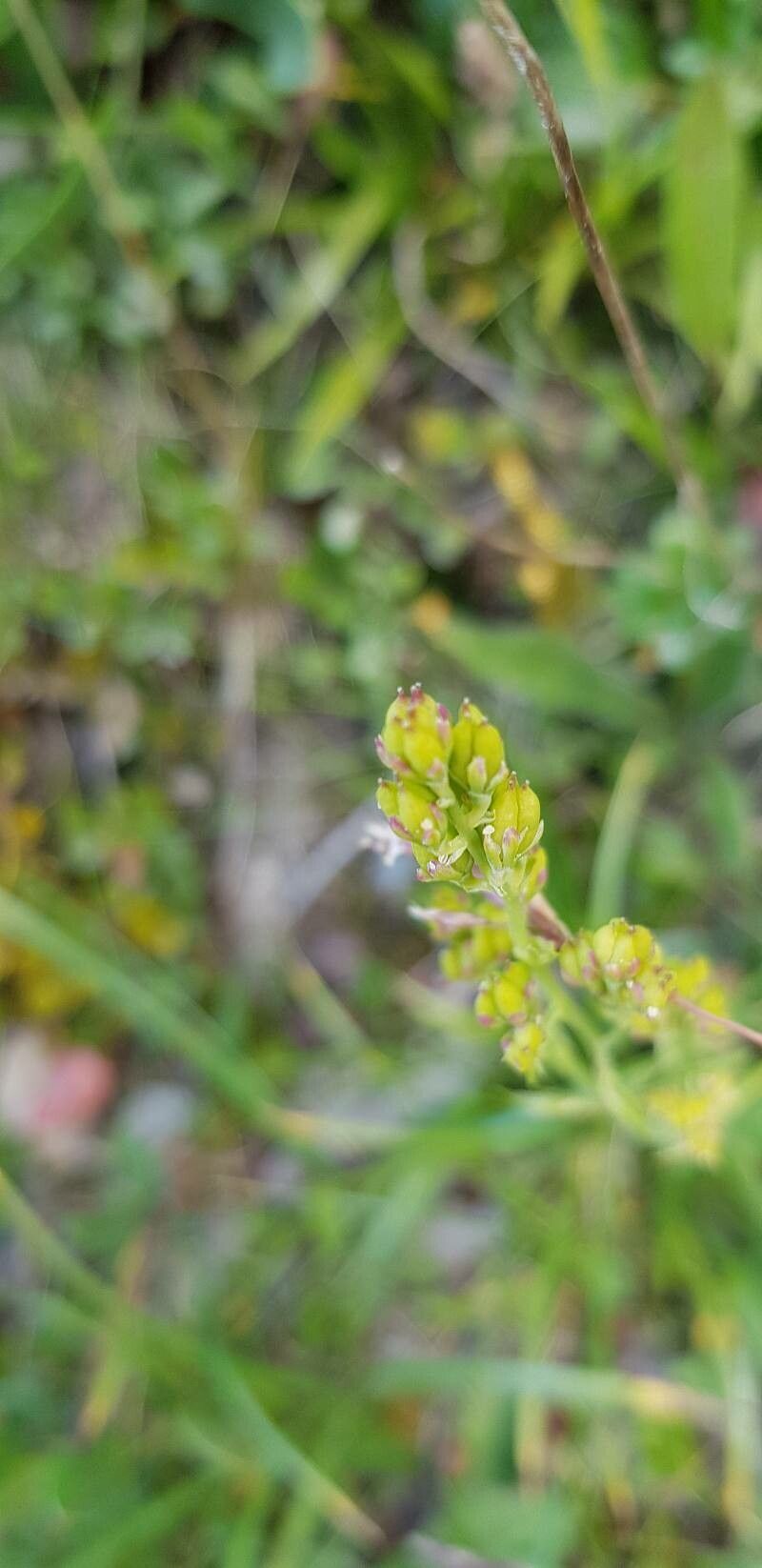
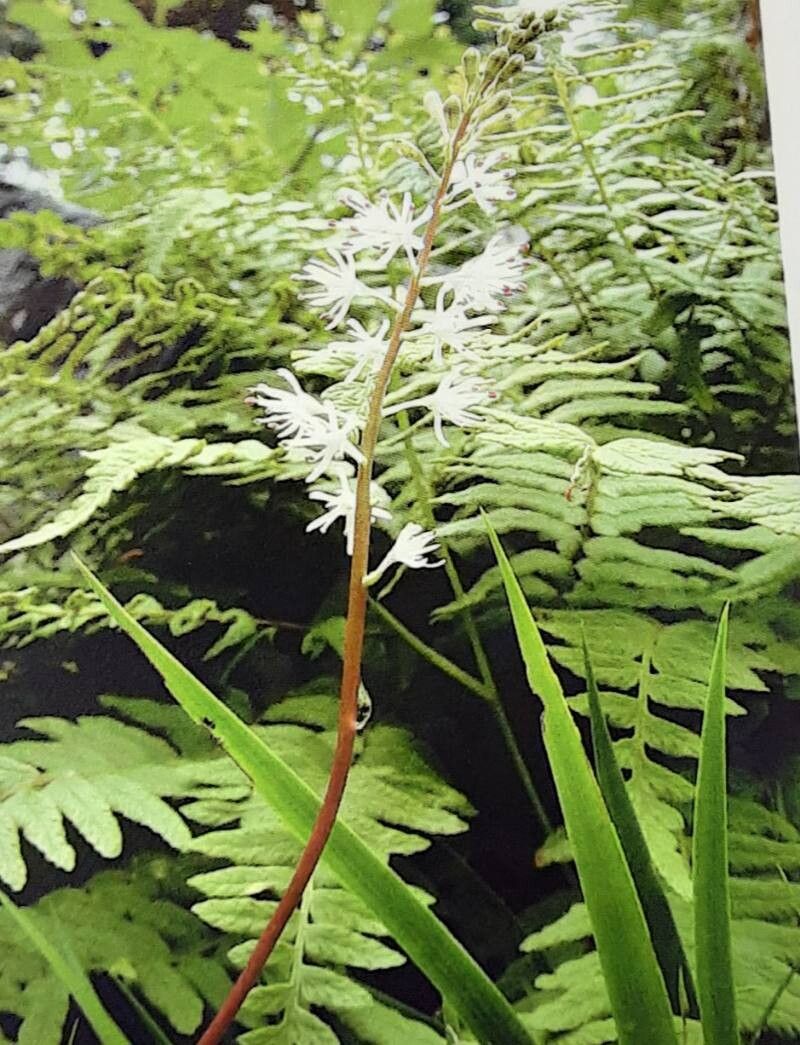
Tofieldia calyculata, commonly known as the Scottish asphodel or bog asphodel, is a perennial herbaceous plant in the family Tofieldiaceae. Native to Europe and North America, it thrives in wetlands, bogs, and marshes.
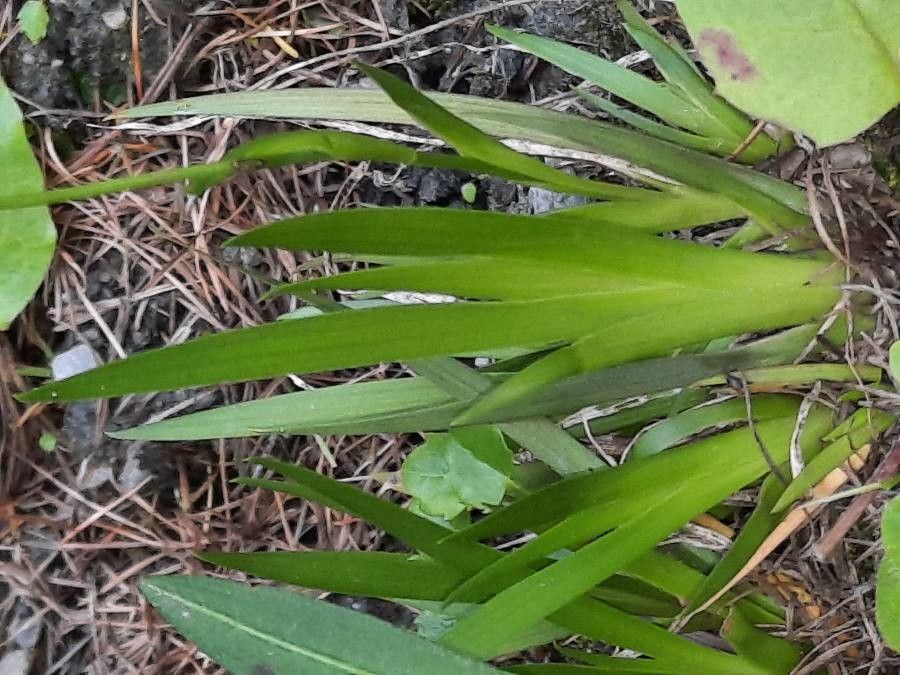
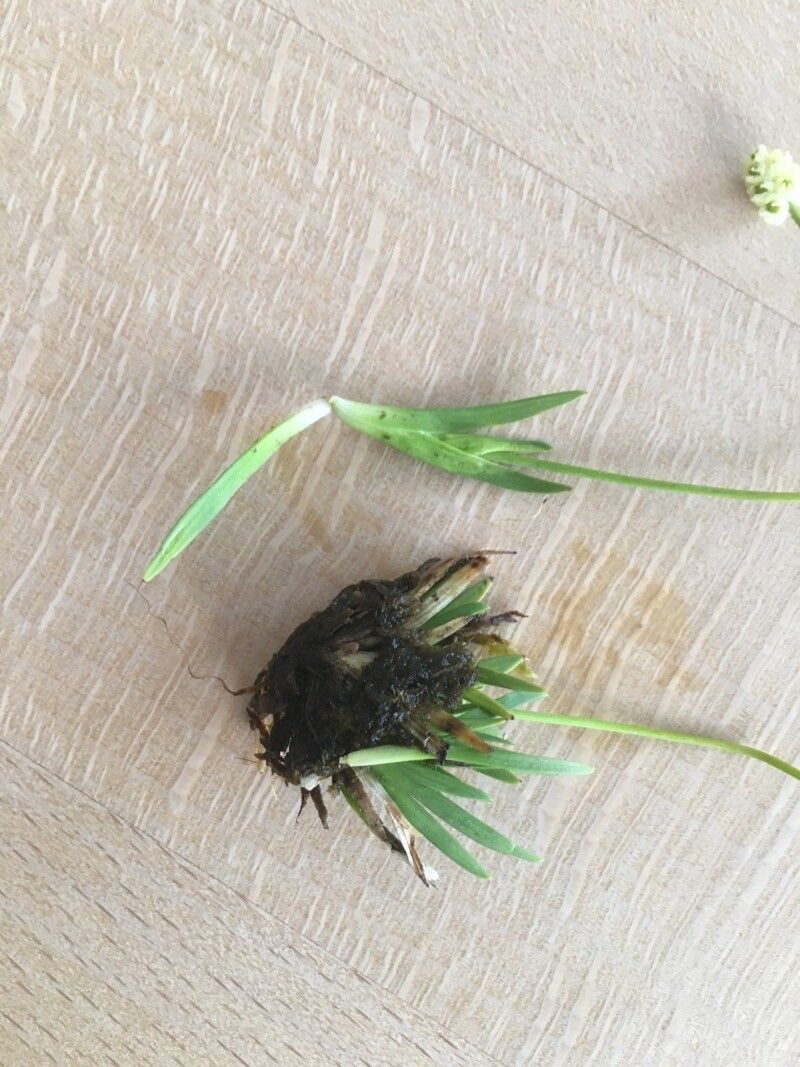
The plant features narrow leaves that form a basal rosette and can grow up to 30 cm in height. Its small, white flowers have six petals arranged in a star shape and bloom atop long stems that extend above the leaves. Tofieldia calyculata typically blooms from June to August.
Indigenous people have used the Scottish asphodel for centuries for its anti-inflammatory properties. Early settlers also valued the plant for its diuretic properties.
Tofieldia calyculata is an essential food source for various insects, including bees, butterflies, moths, and flies, which are attracted to its nectar-rich flowers.
In conclusion, Tofieldia calyculata is a fascinating plant with medicinal properties and plays a crucial role in supporting biodiversity. It provides vital food sources for insects in the wetland habitats where it naturally grows.
Tofield's asphodel is fairly disease-resistant and usually does not suffer from illnesses. However, it can be vulnerable to pests and diseases present in its environment. These problems are typically minor. Regarding care, this plant needs moderate maintenance. It should be pruned regularly to keep a tidy appearance and support healthy growth. Fertilizing can also help encourage flowering. Tofield's asphodel is appropriate for anyone with outdoor space, such as a garden or patio, and does not require extensive gardening experience. It may demand more attention when kept indoors.
How to keep Tofieldia Calyculata.
Light
Tofield's asphodel is a perennial herbaceous plant that prefers sunny conditions and originates from open habitats, commonly growing in meadows and grasslands. It favors full sun but can also tolerate partial sun.
Water
Tofield's asphodel, which originates from moist environments, thrives with regular hydration. It needs to be watered weekly and prefers soil that retains moisture without becoming waterlogged. Commonly grown outdoors, tofield's asphodel performs best in environments where sufficient water is available, but not in excess.
Temperature
Tofield's asphodel can tolerate a broad range of temperatures, but its range may still be constrained by different combinations of moisture and heat. It grows best in warm summers with sufficient rainfall or supplemental watering. Extended stretches of cloudy, rainy weather or prolonged high temperatures raise the risk of Tofield's asphodel dying. In winter, adequate protection from the cold can increase the plant's chances of survival.
Fertilizer
One spring application of fertilizer is generally enough for Tofield's asphodel, though repeated feedings can enhance growth. Feed every month to every month and a half. Fertilization improves the leaves' appearance and function, helping maintain even color and a healthy texture. It also promotes root development and nutrient uptake for the plant's long-term health.
Pruning
To improve the health and flowering of tofield's asphodel, prune it from early to late spring by removing dead leaves and spent stems. Regular pruning helps maintain the plant's shape and prevents overcrowding. Make sure to use clean cuts to minimize the risk of disease, ensuring the plant remains robust and attractive throughout the growing season.
Botanical profile.
- Plant Type
- Herb
- Life Cycle
- Perennial
- Genus
- Tofieldia
- Family
- Tofieldiaceae
- Hardiness Zone
- 4-8
- Mature Height
- 15 cm to 30 cm
- Mature Spread
- 10 cm to 20 cm
- Leaf Color
- Green
- Leaf Type
- Semi-evergreen
- Flower Color
- Yellow, Green
- Flower Size
- 0.51 cm to 0.76 cm
- Bloom Time
- Early summer, Mid summer
- Planting Time
- Spring, Summer, Autumn
- Harvest Time
- Late summer, Early fall
- Native Area
- Sweden, Austria, Czech Republic, Slovakia, Poland, Croatia, Slovenia, Belarus, Ukraine, Serbia, Lithuania, Hungary, Germany, Italy, Spain, Switzerland, Estonia, Romania, Latvia, France
Other names.
Reader questions.
What are the sunlight requirements for Tofield's asphodel (Tofieldia calyculata)?
Tofield's asphodel, or Tofieldia calyculata, thrives in specific sunlight conditions to grow healthily. For 'Full sun' exposure, it requires more than 6 hours of direct sunlight daily. In contrast, 'Partial sun' conditions mean that the plant should receive about 3-6 hours of sunlight per day. It's important to watch how sunlight moves through your garden throughout the day. This observation will help you find spots that offer the ideal mix of light and shade, ensuring the best growth conditions for your Tofield's asphodel and keeping them happy.