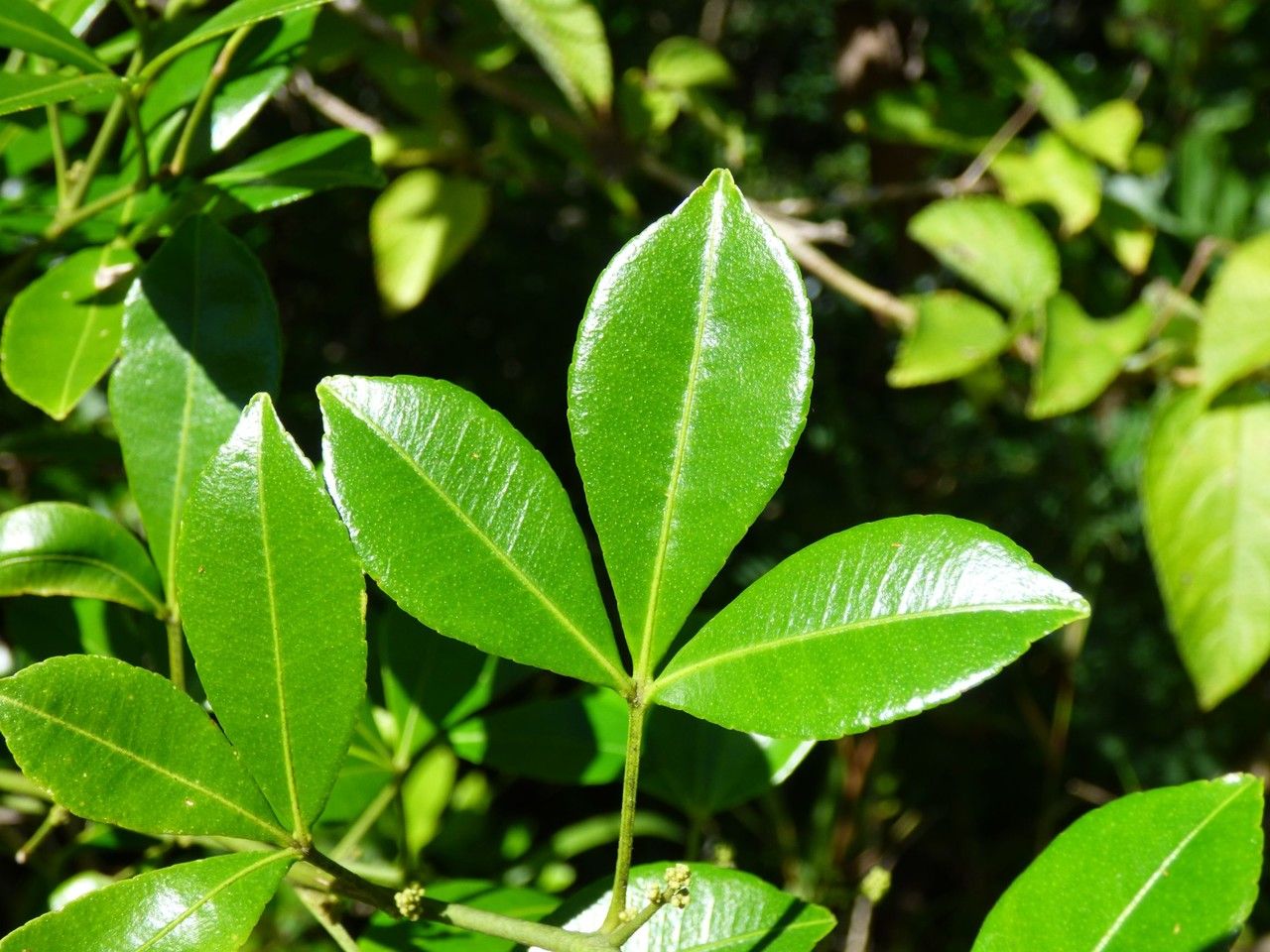
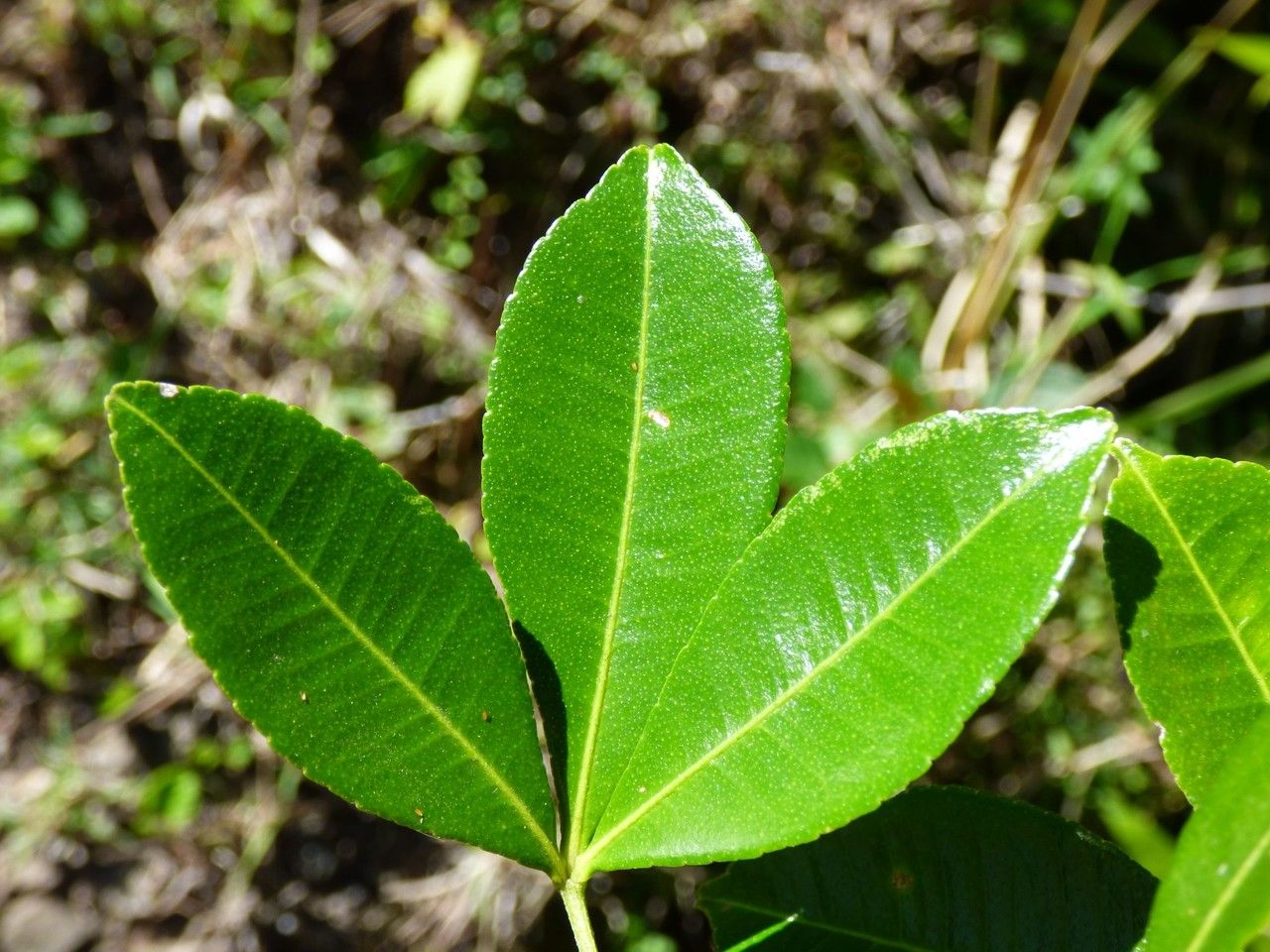
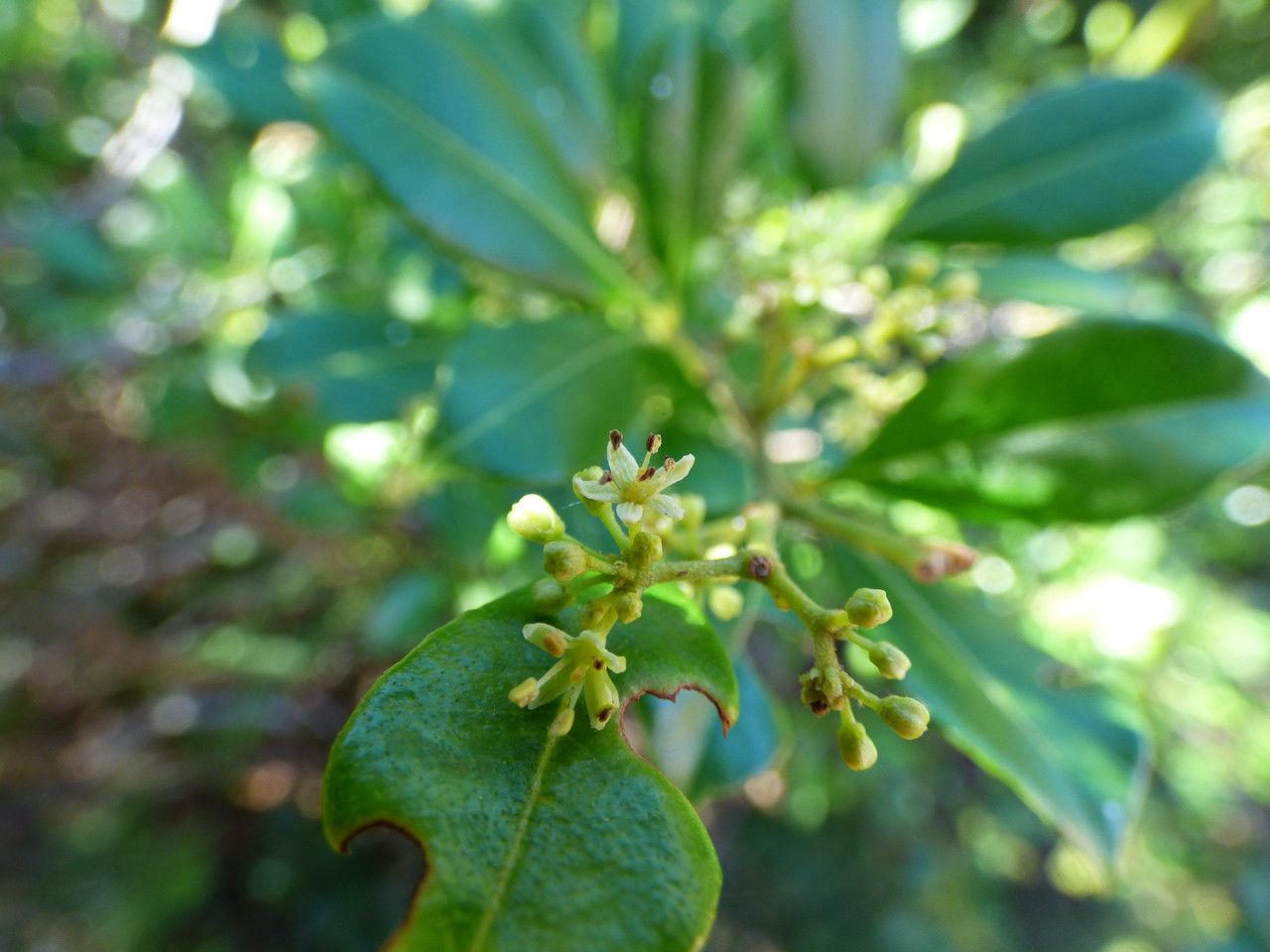
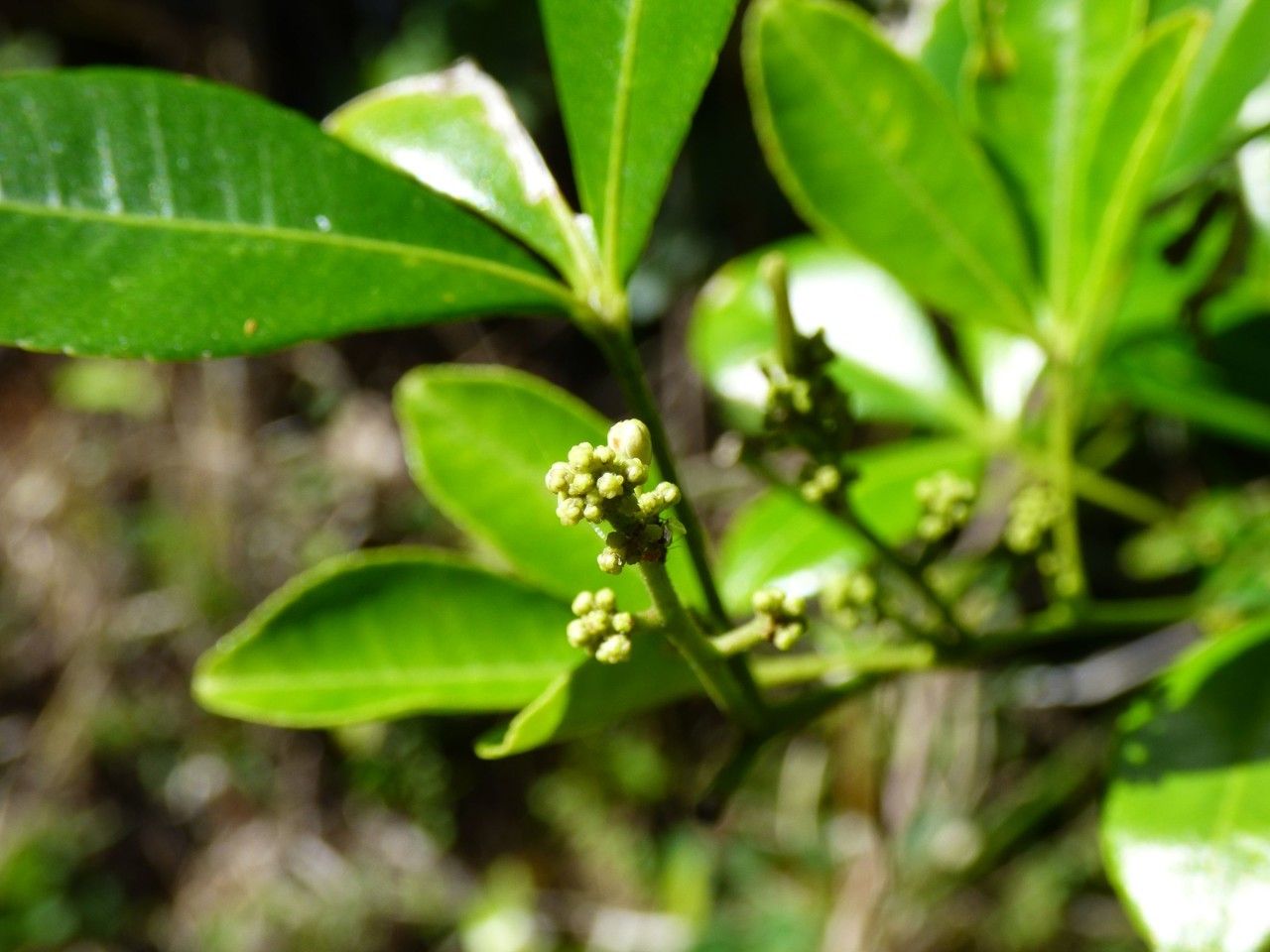
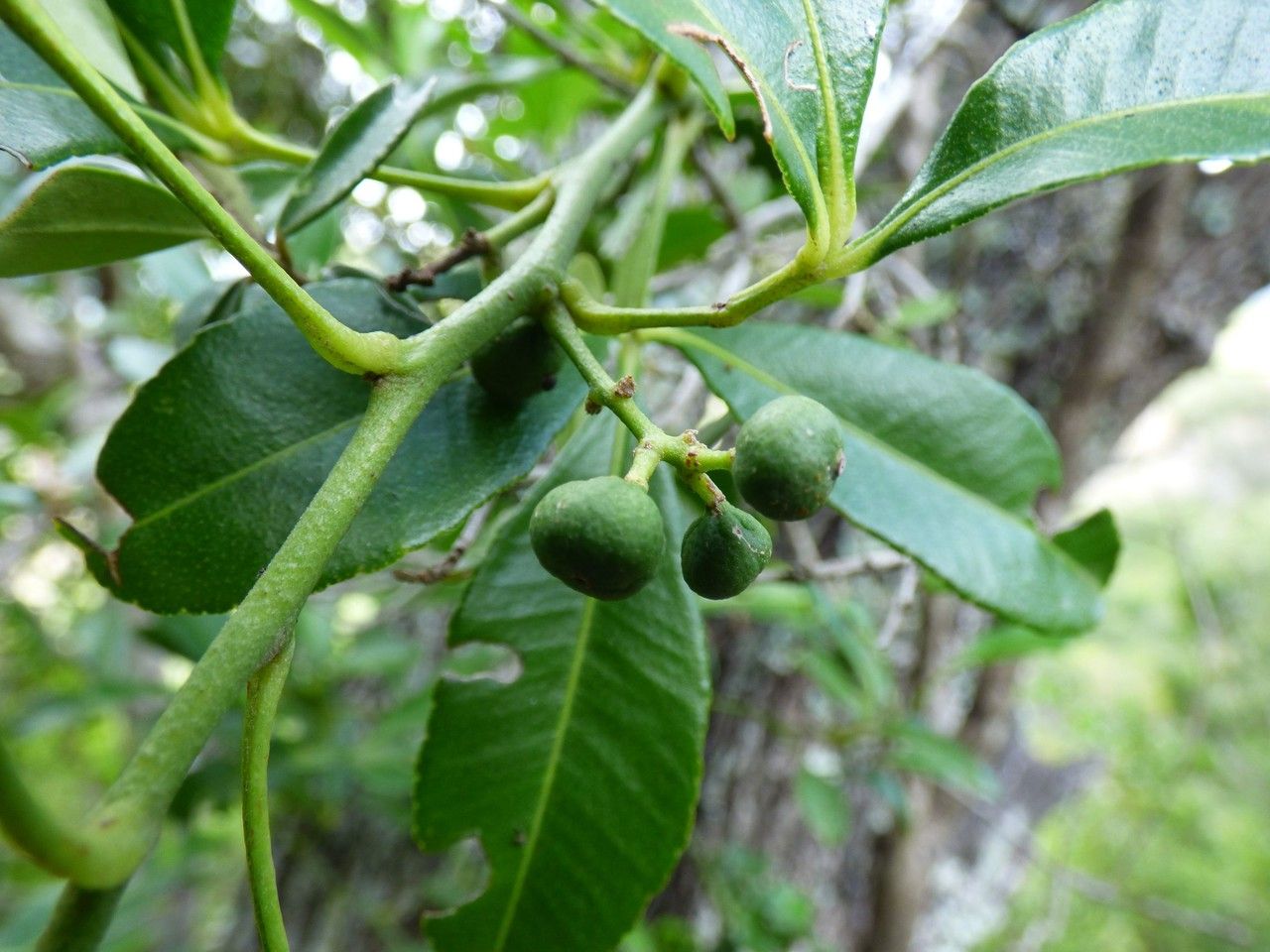
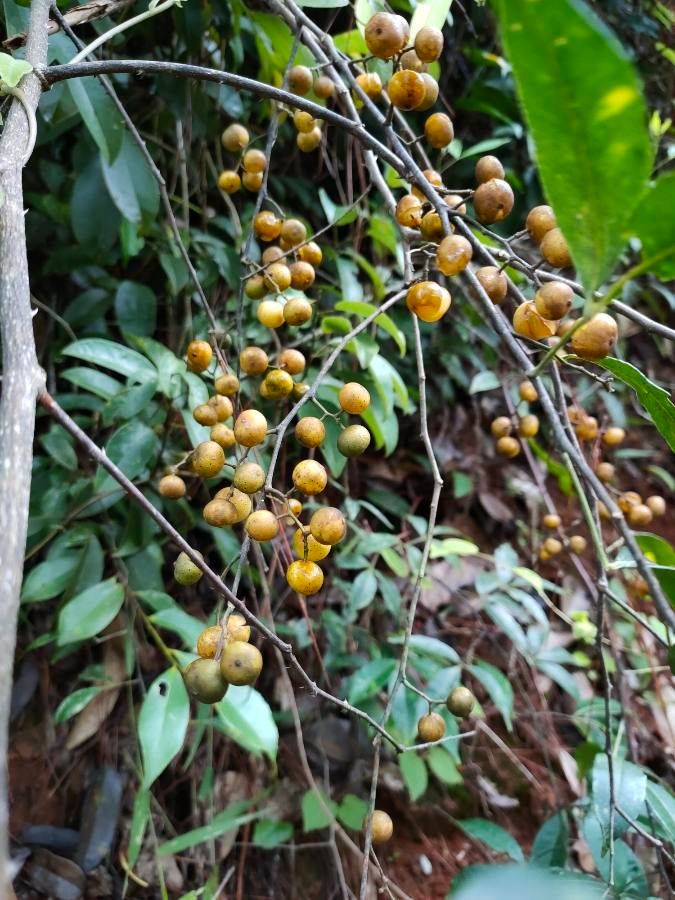
Zanthoxylum asiaticum is a species of plant in the family Rutaceae. Under its synonym Toddalia asiatica, it was the only species in the monotypic genus Toddalia, now included in Zanthoxylum. It is known by the English name orange climber.
The orange climber has strong resistance to disease and is generally not susceptible to illnesses. As for care, this plant is fairly low-maintenance. When grown outdoors it needs only minimal watering, and larger plants typically do not require pruning. Smaller plants, however, should be pruned after they finish blooming. The orange climber is suitable for anyone with outdoor space, such as a garden or a deck, and does not demand much gardening experience.
How to keep Toddalia Asiatica.
Light
The orange climber does best with abundant sunlight but can tolerate partly sunny conditions. Plants planted in the ground may need seasonal adjustments to maintain ideal light. Too little sunlight can hinder its growth and vigor.
Water
The orange climber is a plant that thrives in dry conditions and shows a high tolerance for drought. It needs to be watered about once every three weeks and prefers soil that drains well. This resilient plant can withstand seasonal rainfall and is well-suited for temperate climates, adapting easily to varying weather patterns.
Temperature
Orange climber naturally occurs in areas where temperatures range from 59 to 100 °F (15 to 38 ℃). It does best in those conditions. During colder or hotter seasons, measures like protecting it indoors or providing shade may be required.
Fertilizer
The timing of fertilizing Orange climber is important. Apply fertilizer in early spring and continue once a month until early summer. Fertilizer encourages attractive blooms and provides energy during both dormant and active growth periods.
Pruning
To encourage growth and manage the size of your orange climber, it's best to prune it in early spring. Start by trimming any overgrown stems and removing dead or diseased wood to improve air circulation. By cutting just above the leaf nodes, you can promote the development of new shoots. This will help create a healthier plant with denser foliage, while also preventing pest infestations.
Botanical profile.
- Plant Type
- Vine
- Life Cycle
- Perennial
- Genus
- Toddalia
- Family
- Rutaceae
- Hardiness Zone
- 8-11
- Mature Height
- 10.06 m
- Mature Spread
- 2.13 m to 3.96 m
- Leaf Color
- Dark Green, Forest Green
- Leaf Type
- Evergreen
- Flower Color
- Green, White, Yellow
- Flower Size
- 0.51 cm
- Bloom Time
- Late spring, Summer
- Planting Time
- Autumn
- Harvest Time
- Late summer, Fall
Other names.
Reader questions.
What are the optimal temperature conditions for an Orange Climber plant?
The Orange Climber plant, botanically known as Toddalia asiatica, thrives in environments where temperatures range between 59 to 100 °F (15 to 38 °C). These conditions are ideal for the plant to grow optimally. When the temperature falls outside of this range, certain adjustments might be needed, such as providing indoor protection during colder seasons or shading during hotter periods to ensure the plant's well-being.
Does the Orange Climber plant have any cold tolerance?
Yes, the Orange Climber plant has moderate tolerance to cold temperatures and generally does not require additional measures when the temperature remains above -5°C. However, if temperatures are anticipated to drop below -5°C, it's necessary to implement temporary cold protection measures. This can include wrapping the plant with materials like plastic film or fabric. These protective measures should be removed once temperatures rise to prevent any potential harm to the plant.
How should I care for my Orange Climber plant during low temperatures?
When temperatures drop below the Orange Climber's moderate tolerance limit of 15°C, and especially below -5°C, it is advised to undertake specific actions to protect the plant. The leaves may begin to droop if the temperature falls below -10°C, which can lead to wilting and eventually leaf drop in severe cases. To prevent frost damage, trim off any affected parts and wrap the plant with non-woven fabric or cloth. Additionally, constructing a wind barrier can provide protection against cold wind.
How does high temperature affect the Orange Climber plant, and what should I do?
High temperatures, especially above 38°C, can have detrimental effects on the Orange Climber plant. When the temperature exceeds 43°C, it may lead to lighter leaf colors, dried and withered leaf tips, curled leaves, and increased susceptibility to sunburn. To mitigate these issues, trim away the sunburned and dry parts of the plant. You should also move the plant to a shaded location or use a shade cloth to protect it from the midday and afternoon sun. Ensuring the soil remains moist by watering in the morning and evening can also help the plant cope with the high temperatures.