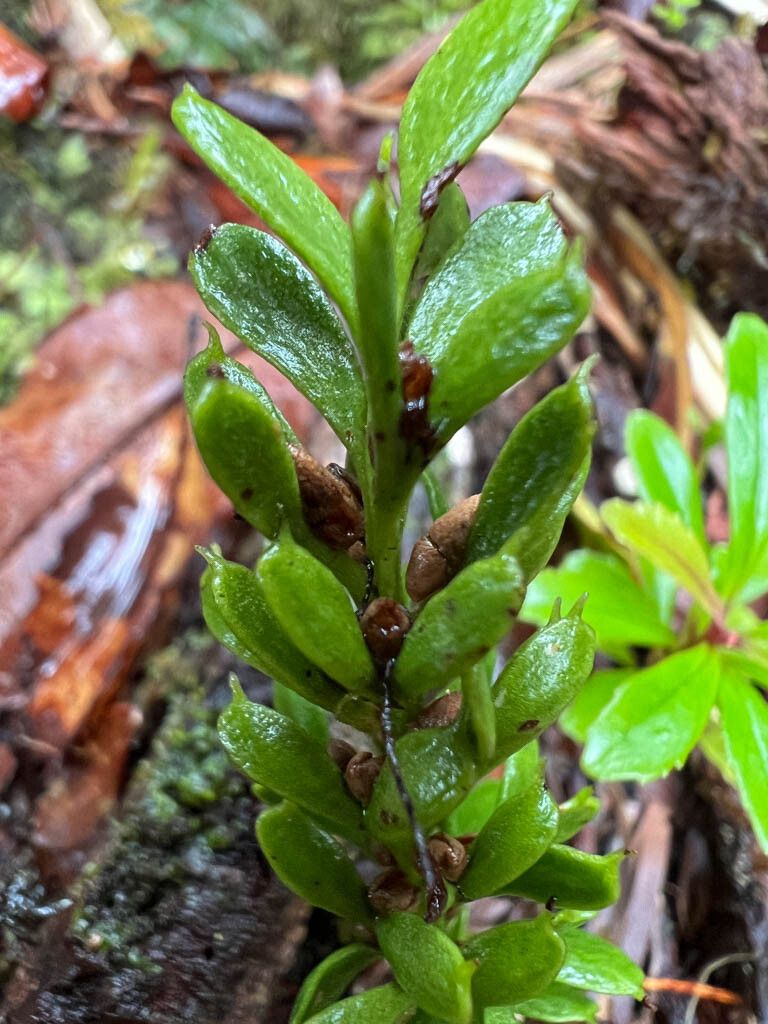
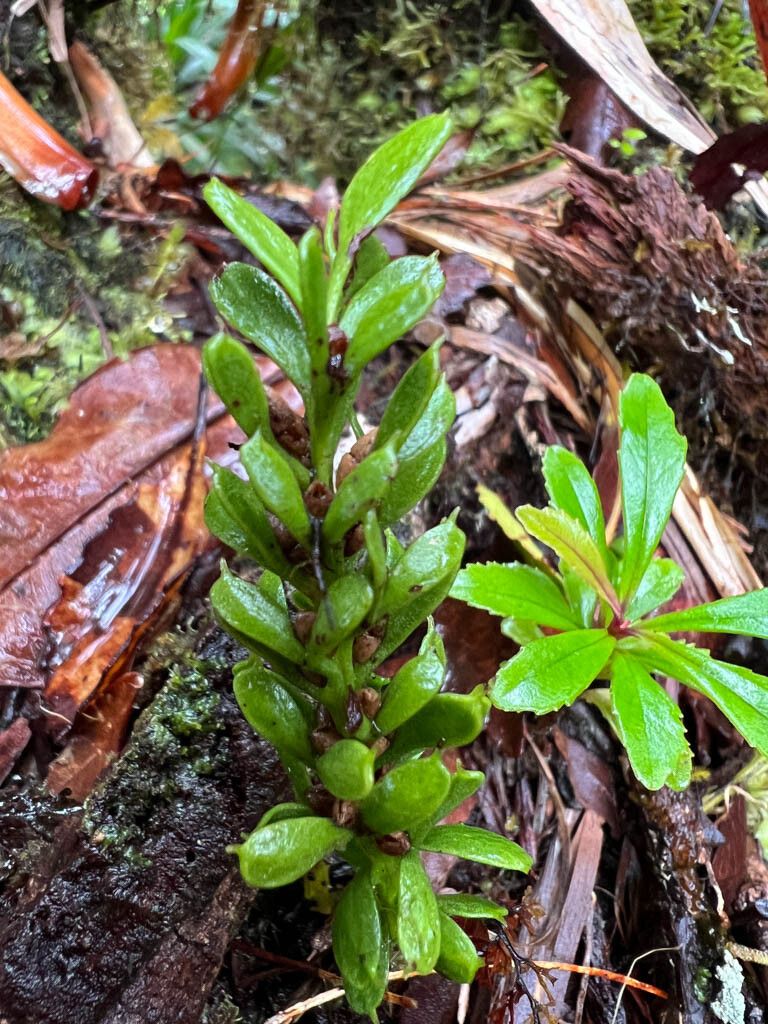
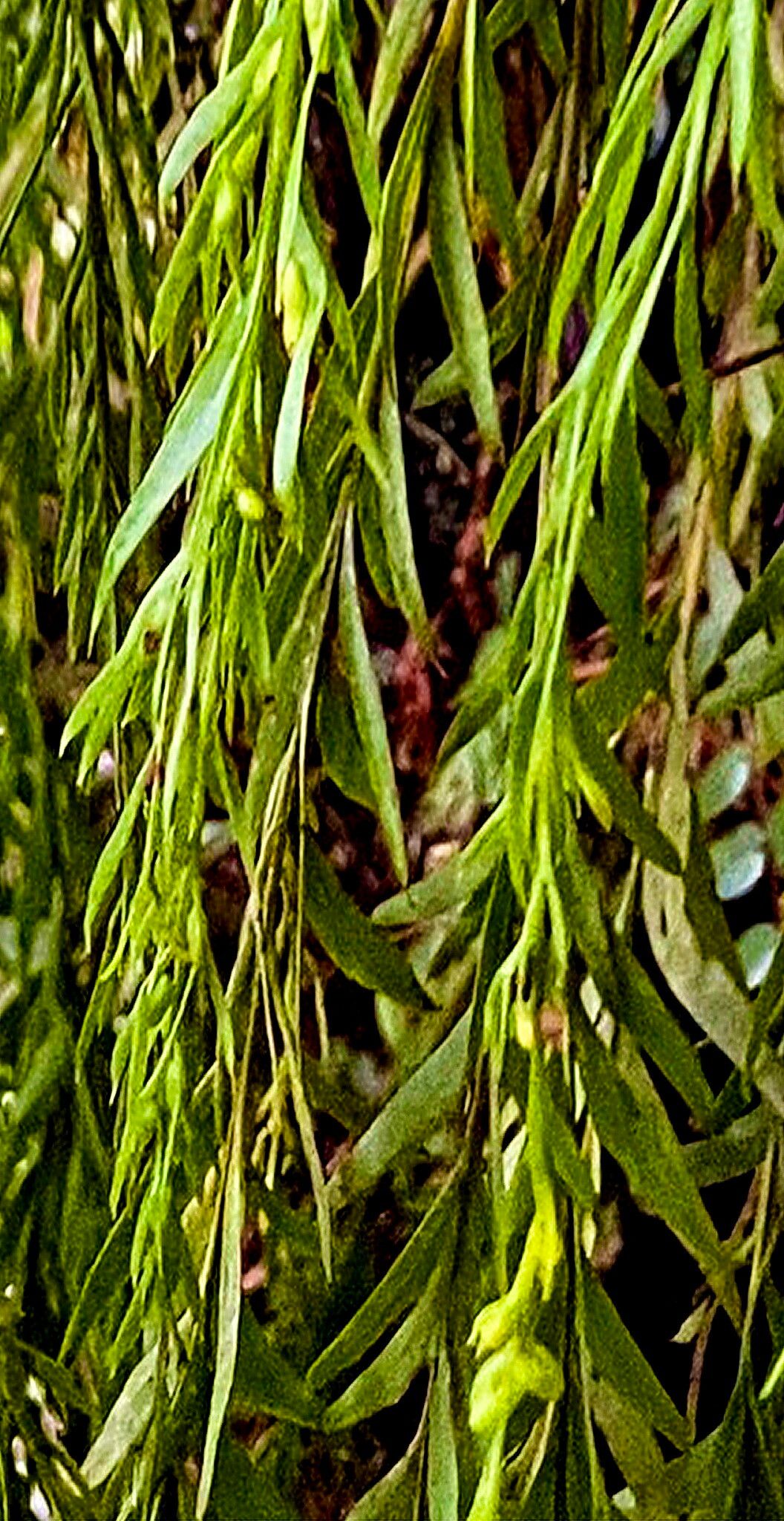
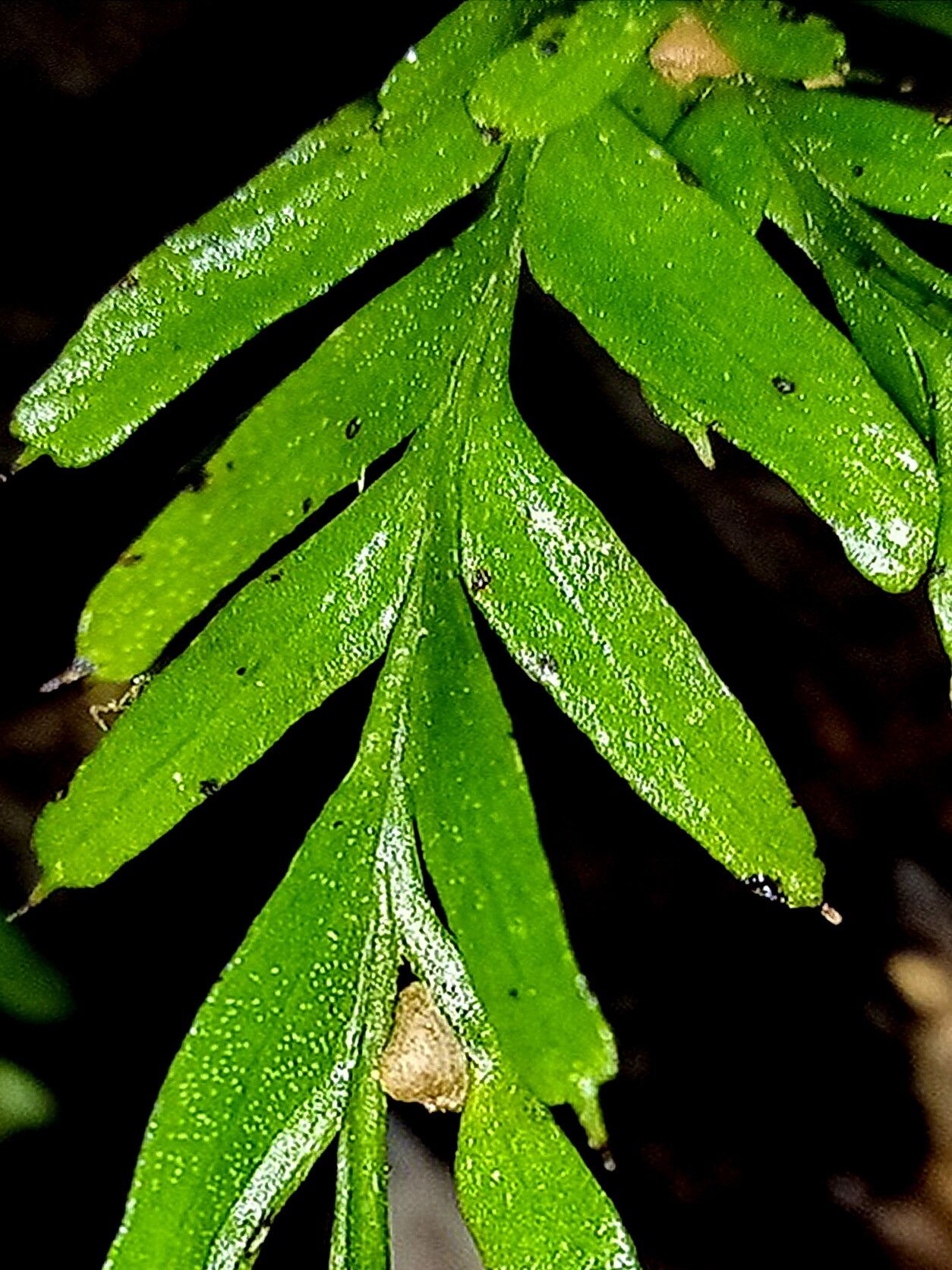
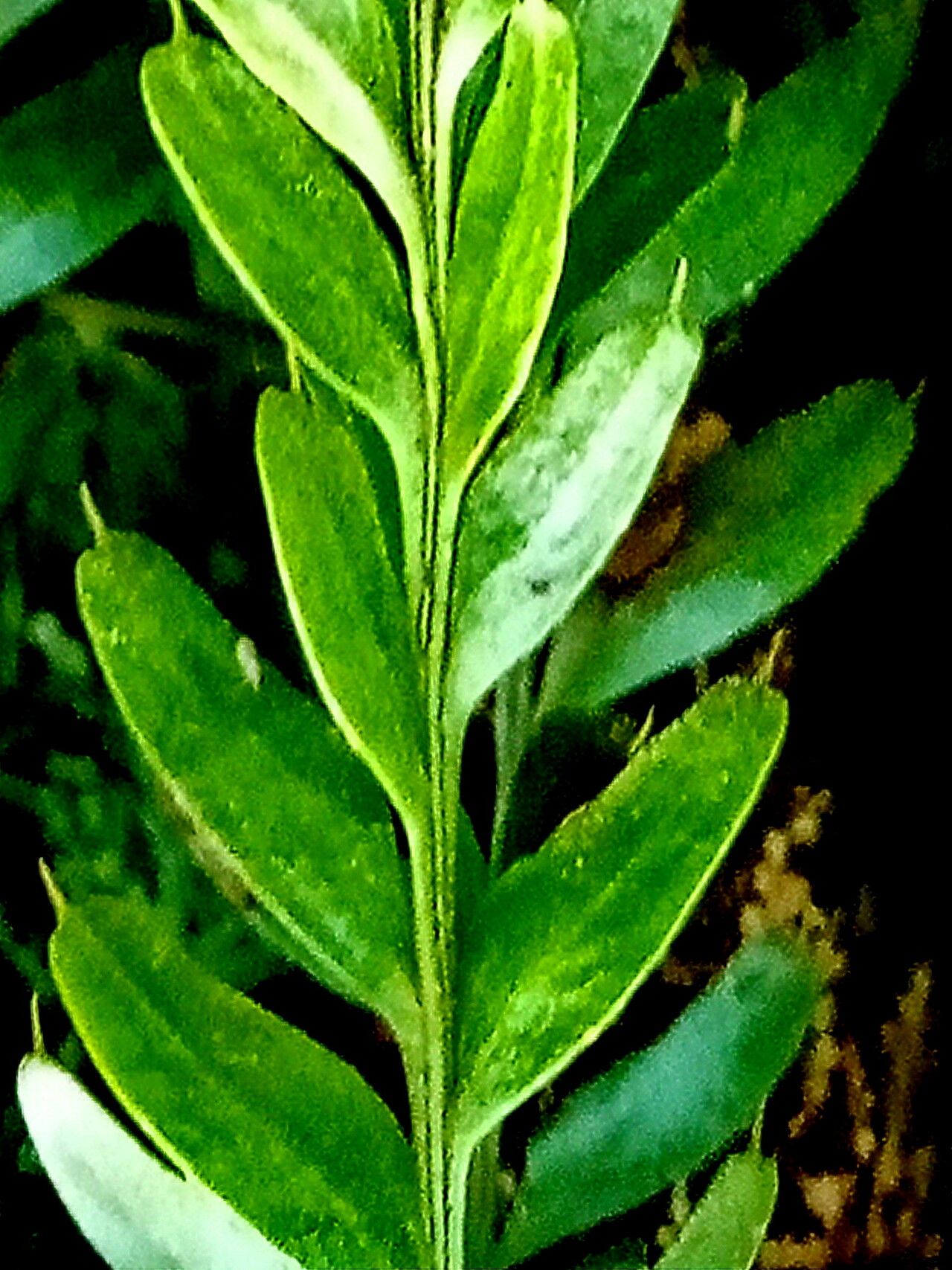
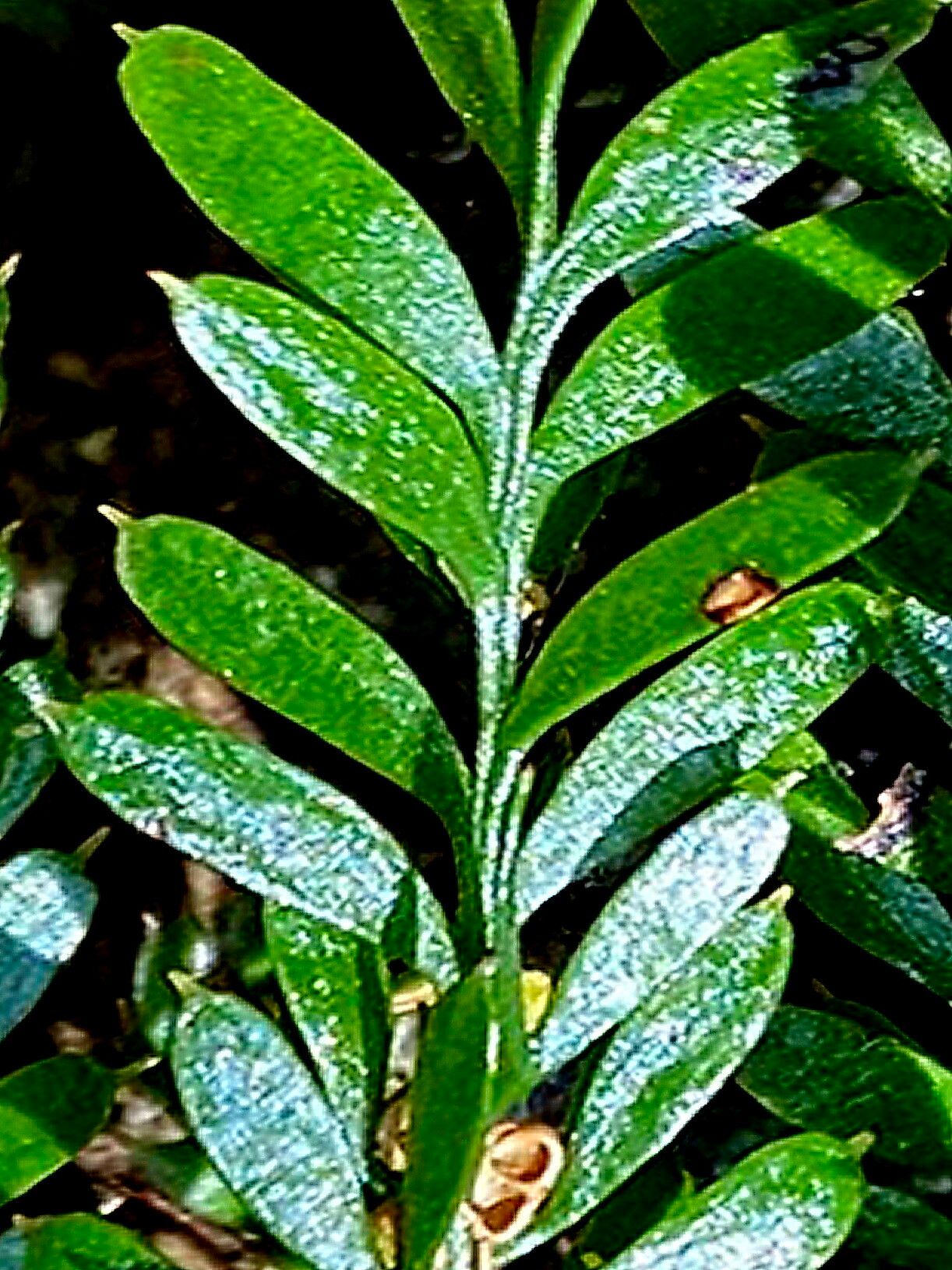
Fork ferns generally have good resistance to disease and face relatively few insect pests. Their care is regarded as difficult because they need a consistently moist environment and frequent watering. At the same time, their roots are prone to rot if they are overwatered or the environment lacks proper ventilation. Fork ferns are suitable for people with some growing experience, since most individuals can keep them alive for a certain amount of time. However, they may struggle to thrive, and their leaves can dry out and become less healthy over time.
How to keep Tmesipteris Lanceolata.
Light
Fork ferns originate in habitats such as forest understories or rocky areas that provide natural shade. They prefer Full Shade but can tolerate Partial Sun.
Water
Fork ferns come from the damp underbrush of forests and thrive in high humidity and consistently moist environments. To care for them, water them twice a week, ensuring the soil remains moist but not waterlogged. As epiphytic plants, they do particularly well indoors where their natural moist conditions can be replicated.
Temperature
Fork ferns grow in forest thickets. They are highly sensitive to temperature and humidity, and high temperatures, dry conditions, and strong sunlight can all make them uncomfortable. In summer they need proper shading and a high-humidity environment. Generally, Fork ferns do not require special care in winter, but a prolonged winter drought can still be fatal to the plant.
Pruning
Fork ferns are known for their unique forked fronds and benefit from light pruning in early spring to improve their health and shape. By removing dead fronds and overgrown branches, you can enhance the plant's growth, air circulation, and light exposure. Using sanitized tools during this process also helps minimize the risk of disease.
Botanical profile.
- Plant Type
- Fern
- Life Cycle
- Perennial
- Genus
- Tmesipteris
- Family
- Psilotaceae
- Hardiness Zone
- 9-11
- Mature Height
- 10 cm to 30 cm
- Mature Spread
- 5 cm to 15 cm
- Leaf Color
- Dark Green
- Leaf Type
- Evergreen
- Planting Time
- Spring, Summer
- Native Area
- Indonesia, Philippines, New Zealand
Reader questions.
What are the sunlight requirements for Fork ferns (Tmesipteris lanceolata)?
Fork ferns (Tmesipteris lanceolata) require partial sun, meaning they should receive about 3-6 hours of sunlight each day. It's important to observe the movement of sunlight through your garden to find spots that offer the right balance of light and shade. This approach ensures your plants remain happy and healthy by providing them with an environment suited to their needs.