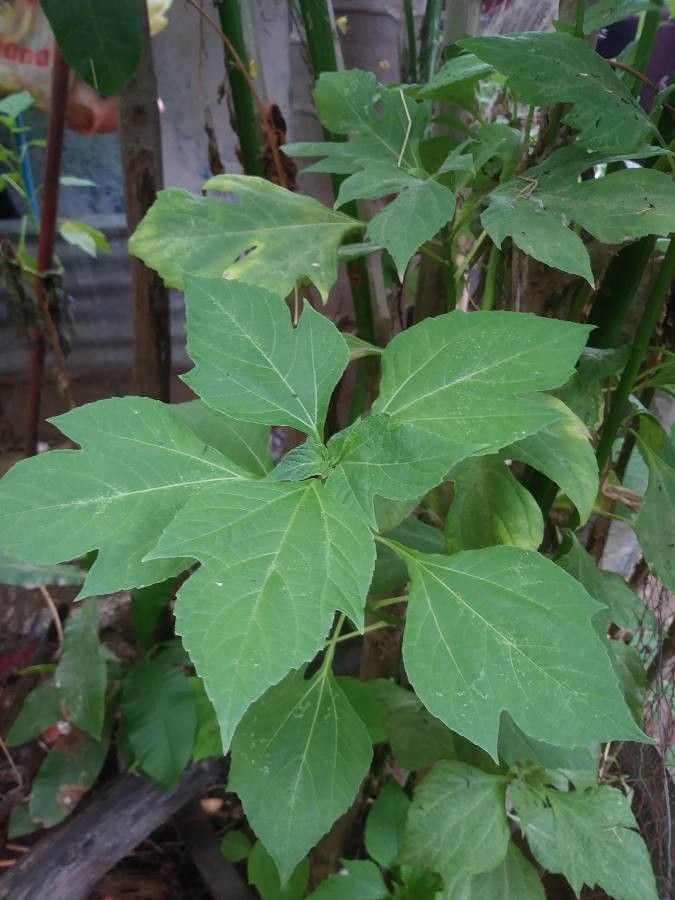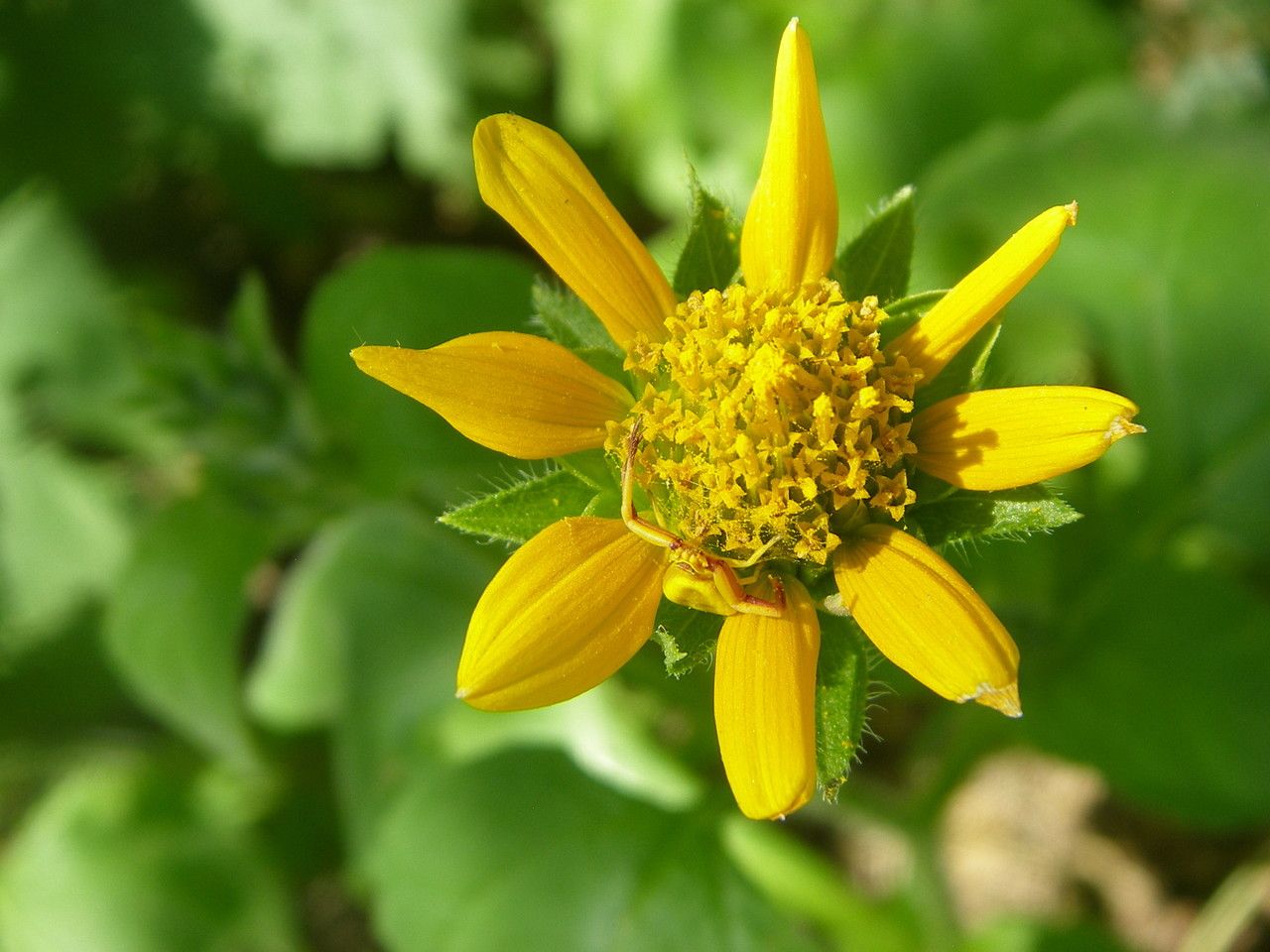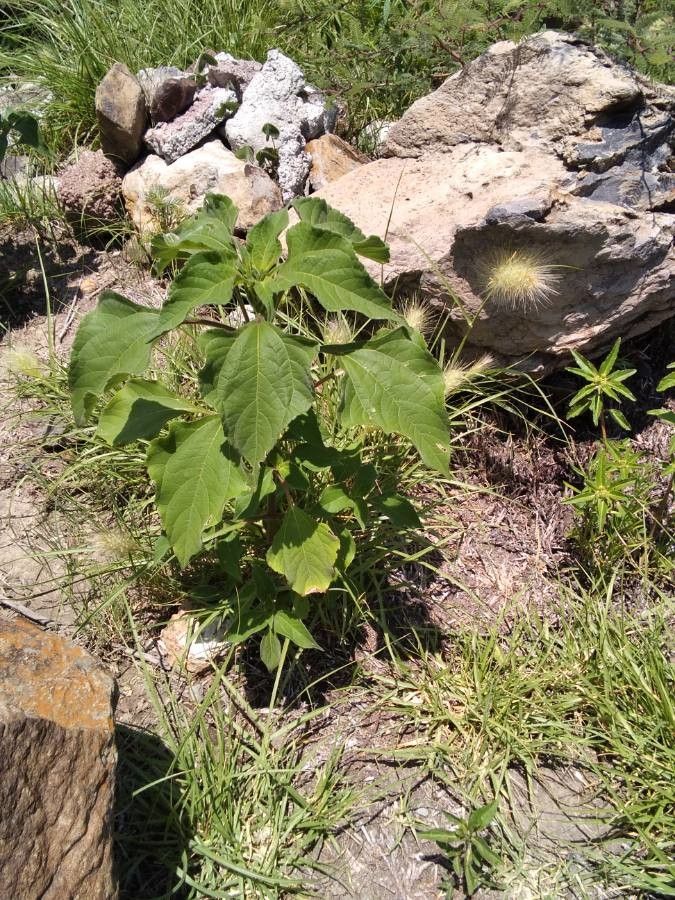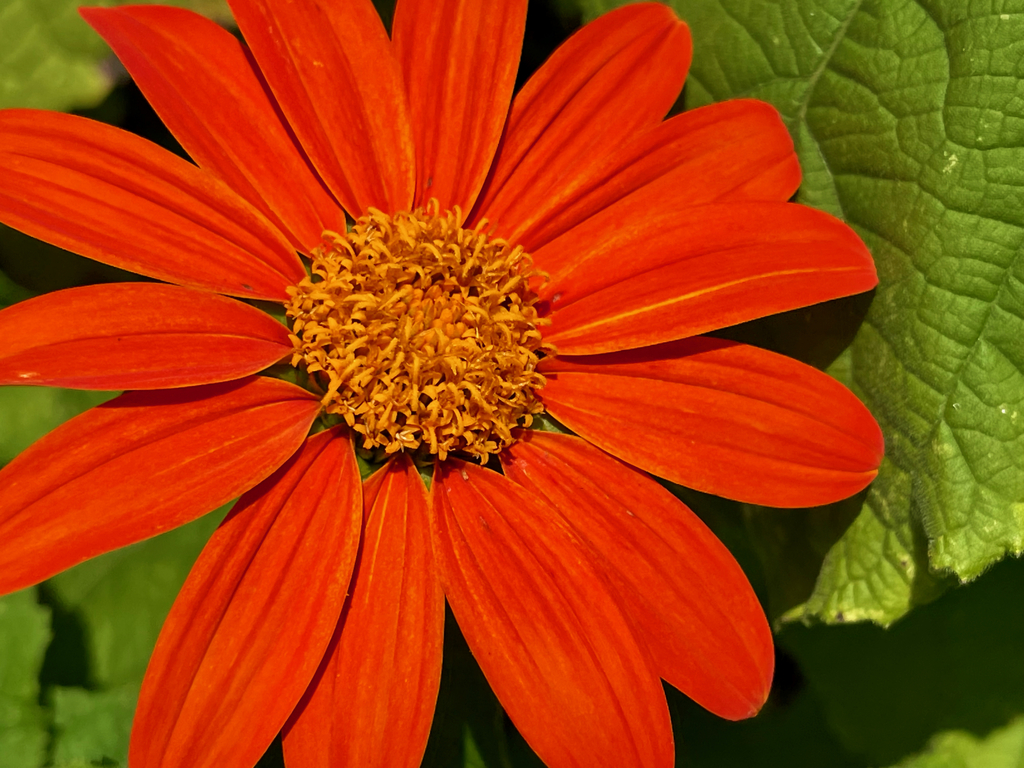
Tithonia rotundifolia, the red sunflower or Mexican sunflower, is a plant in the family Asteraceae, which is native to the warmer and moister parts of North America.
The Mexican sunflower has strong resistance to disease and is generally not very susceptible to illnesses. Nevertheless, it can be affected by pests and diseases found in its environment. Such infestations are typically minor. Regarding care, the plant needs a moderate level of maintenance. Regular pruning is required to preserve an attractive appearance and support healthy growth. Applying fertilizer can also help encourage blooming. The Mexican sunflower is well suited to anyone with outdoor space, like a garden or patio, and does not demand extensive gardening experience. It may need extra attention if cultivated indoors.
How to keep Tithonia Rotundifolia.
Light
The Mexican sunflower thrives on abundant sunlight and does best with a generous amount of light each day. Native to habitats with intense sun, it grows well in those conditions. Insufficient light can reduce its vigor, while excessive sun generally does not harm it.
Water
The Mexican sunflower thrives in warm, sunny environments and is resistant to drought. For optimal growth and vibrant blooms during the growing season, it benefits from weekly watering. Although it prefers a balanced level of moisture, the Mexican sunflower can endure dry periods as well.
Temperature
The Mexican sunflower is native to habitats where temperatures typically range from 68 to 100.4 °F (20 to 38 °C). Preferring warm conditions, it needs a relatively high level of heat. When cultivated in cooler regions, consider supplying it with extra warmth during the colder seasons.
Fertilizer
When most of the Mexican sunflower's blooms have opened to full size, resume fertilizing. During the peak blooming period, apply fertilizer every three to four weeks, weather permitting. After the plant begins producing fewer new blooms, stop fertilizing; there's no need to feed it when it can no longer form more flowers.
Pruning
The Mexican sunflower is known for its vibrant orange flowers and rapid growth. To encourage bushier growth and more blooms, prune the plant from early to late spring. Regularly trim the tips of the stems and remove any damaged ones to improve health and air circulation, which helps reduce the risk of mildew and pests. Be sure to use clean, sharp tools for effective pruning.
Toxicity
Mexican sunflowers are non-toxic to people and pets. Be cautious when keeping these plants around children who may ingest the seeds.
Further reading →
The toxicity and danger assessments provided are for reference only. We do not assure their accuracy, so it's crucial not to depend on them. Seek professional advice when necessary for accurate guidance.
Botanical profile.
- Plant Type
- Herb
- Life Cycle
- Annual, Perennial, Biennial
- Genus
- Tithonia
- Family
- Asteraceae
- Hardiness Zone
- 2-11
- Mature Height
- 0.91 m to 1.83 m
- Mature Spread
- 61 cm to 91 cm
- Leaf Color
- Green
- Leaf Type
- Deciduous
- Flower Color
- Orange, Red
- Flower Size
- 2.54 cm to 7.62 cm
- Bloom Time
- Summer, Fall
- Planting Time
- Spring
- Harvest Time
- Late summer, Fall, Early winter
- Native Area
- Colombia, Belize, Honduras, Mexico, Guatemala, Venezuela, Peru, El Salvador, Nicaragua, Costa Rica, Panama
Other names.
Reader questions.
How should I water my Mexican sunflower?
To water Mexican sunflower, you have various options such as using a garden hose with a spray nozzle or a watering can. Mexican sunflower is not too picky about its water source, as it can thrive with rainwater, tap water, or filtered water. However, it's best to avoid overhead watering as it can harm the leaves, flowers, and potentially cause disease. A drip irrigation system is often recommended for watering Mexican sunflower, as it ensures even and direct watering to the soil. For container-grown Mexican sunflower, you can use a cup, watering can, or tap to water directly onto the soil.
Why should I add fertilizer to my Mexican sunflower?
Plants, including the Mexican sunflower, need nutrients to survive. This is a well-known fact among gardeners, regardless of their level of experience. Without proper nutrition, the Mexican sunflower will wither away soon after the first pollination. To keep the Mexican sunflower thriving and producing beautiful flowers throughout the blooming season, it is crucial to provide the right type and amount of nutrients. Fertilizer is particularly helpful in developing a strong and healthy root system for this plant. Given that the Mexican sunflower has a thin and delicate root system that is prone to damage, fertilizing at planting time is essential. Doing so promotes the development of a solid root structure that not only provides stability but also lays the foundation for an impressive flowering display. Proper timing of fertilization can significantly prolong the Mexican sunflower's flowering period.
What are the sunlight requirements for a Mexican sunflower?
Mexican sunflower requires full sun, meaning it should receive above 6 hours of sunlight daily to thrive. However, it can also grow under partial sun conditions, which equates to about 3-6 hours of sunlight each day. It's crucial to observe how sunlight moves through your garden to ensure your plants get the perfect balance of light and shade, contributing to their health and happiness.
What is the native climate of the Mexican Sunflower?
The Mexican sunflower (Tithonia rotundifolia) is native to environments where temperatures commonly fluctuate between 68 to 100.4 °F (20 to 38 °C). It thrives in warm conditions and prefers relatively high heat levels. In cooler regions, providing additional heat during the colder seasons can benefit its growth.
What should I do if I give my Mexican sunflower too much water or too little water?
If you notice that your Mexican sunflower lacks moisture, the solution is simple: water it more frequently. However, overwatering can be a bigger problem. If you overwater your plant, it can get sick and eventually die. To prevent this, choose a sunny spot with well-draining soil. If your Mexican sunflower is in a pot and you've been overwatering it, consider repotting it. Ensure that the new pot has good drainage and use loose soil.
When should I fertilize my Mexican sunflower?
Mexican sunflower grows rapidly after the last frost. It's best to fertilize it during this period, when you plant it for the first time in the ground or in planters. This initial application of fertilizer will be sufficient until later in the year, when the blooms are in full force. Once the season is in full swing and the Mexican sunflower has opened most of its blooms, it's time to start fertilizing again. This should be done once every three to four weeks, while the blooms are at their peak. Adjust the frequency based on the weather conditions. When the Mexican sunflower starts producing fewer new blooms, you can stop fertilizing. There's no need to continue fertilizing when the plant is no longer able to produce further blooms.
Why is sunlight essential for Mexican sunflower growth?
Sunlight is crucial for the growth of the Mexican sunflower as it originates from habitats characterized by abundant sun exposure. These plants flourish under a generous amount of daily light, which promotes their vitality and growth. Insufficient light can negatively affect the plant's health, although they typically suffer no adverse effects from excess sunlight.
Does the Mexican Sunflower need frost protection in winter?
Although the Mexican sunflower exhibits strong cold resistance and special frost protection measures are usually not necessary, if winter temperatures are expected to drop below -40°C, providing cold protection is important. This can be done by covering the plant with soil or straw. Additionally, abundantly watering the plant before the first freeze in autumn helps keep the soil moist and prevents drought and water scarcity during winter and early spring.
How frequently should I give water to my Mexican sunflower?
To properly care for a Mexican sunflower, it is important to water it regularly throughout the growing season. In the spring, you should aim to water once a week. As the season progresses and it gets hotter, you may need to increase watering to two or three times a week. However, watering too much can harm the plant, so be careful not to exceed this rate. It is essential to keep the soil moist but not overly wet, regardless of how often you water. Watering a Mexican sunflower in a pot is slightly different. Potted plants tend to dry out faster, so you should water them more frequently, usually a few times a week. In comparison, an in-ground Mexican sunflower only needs watering once a week.
When is it best to not fertilize my Mexican sunflower?
Regular fertilizing is important for Mexican sunflower, but it can be applied at the wrong time. In certain situations, it is necessary to hold back the fertilizer. These situations are often related to the climate, but can also involve other controllable factors. When there is something wrong with the plant, the soil, or the climate, it is best to wait until the issue has been resolved and the plant has recovered. An example of a situation where fertilizing should be avoided is when there are severe or unexpected changes in the weather. If there is a sudden cold snap in the middle of summer, it is best to wait until it warms up again before starting to fertilize. The same applies if the soil becomes too dry or compacted to absorb anything. In this case, the fertilizer would go straight to the roots instead of being properly diffused by the soil. The roots of Mexican sunflower do not like this. It is also important to avoid applying fertilizer when temperatures are extremely hot, especially during the hottest parts of the day when temperatures reach the 90-degree Fahrenheit range. This is because fertilizer can break down at different rates depending on the temperature, and it is important not to allow hot temperatures to break it down too quickly. Additionally, any pests or diseases should be treated and cleared up before reapplying fertilizer.
How can artificial lighting benefit indoor Mexican sunflowers?
Indoor Mexican sunflowers can benefit significantly from artificial lighting, especially when natural sunlight is insufficient, such as in winter or in less sunny indoor spaces. Artificial lights, like LED lights, can be customized to provide the specific wavelengths of light the plants need, promoting faster and healthier growth. Full sun plants require 30-50W/sq ft, partial sun plants need 20-30W/sq ft, and full shade plants need 10-20W/sq ft of artificial light. The light source should be placed 12-36 inches above the plant and kept on for 8-12 hours per day to mimic natural sunlight conditions.
How does low temperature affect the Mexican Sunflower and what are the remedies?
The Mexican sunflower is cold-tolerant and performs best when temperatures are above 20°C. It should be kept above 0°C during winter. If temperatures fall below -40°C, the plant may not show immediate signs, but you might notice a decrease in sprouting or no sprouting at all come springtime. The solution in spring is to remove any parts of the plant that have failed to sprout.