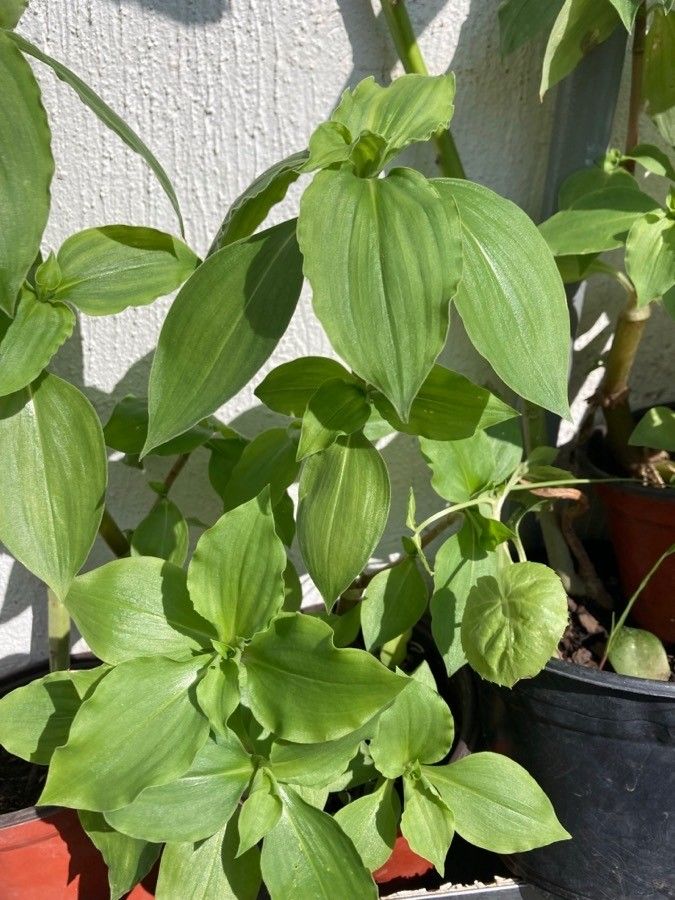
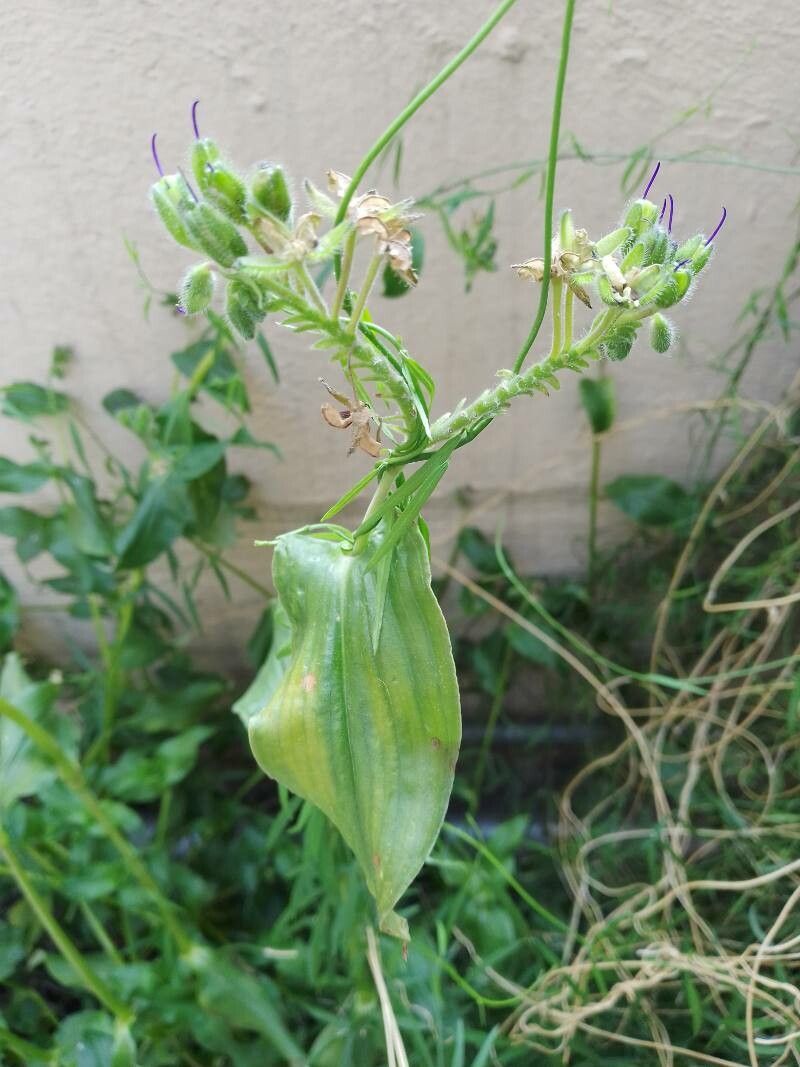
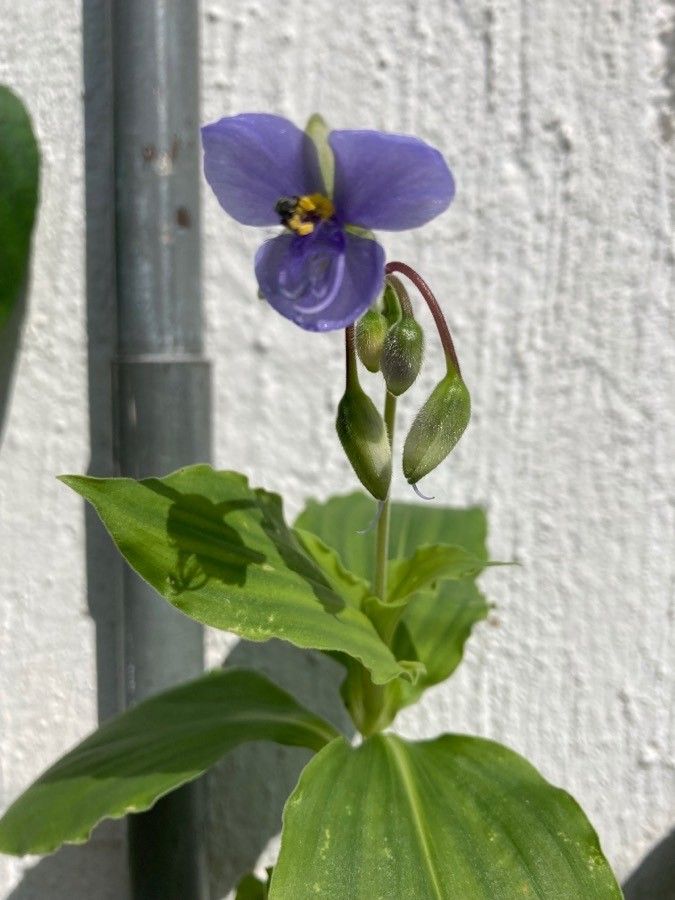
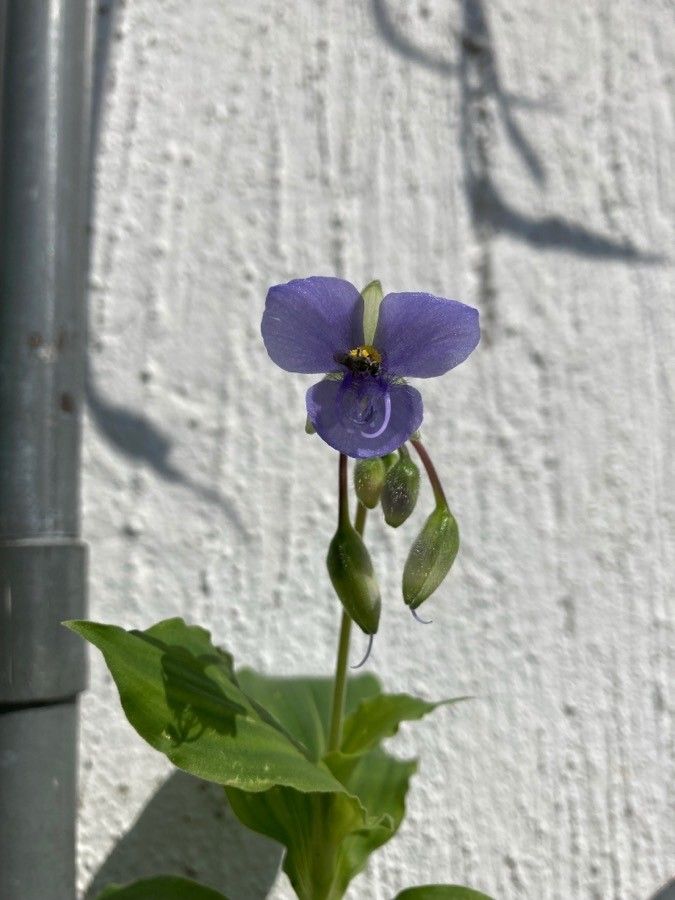
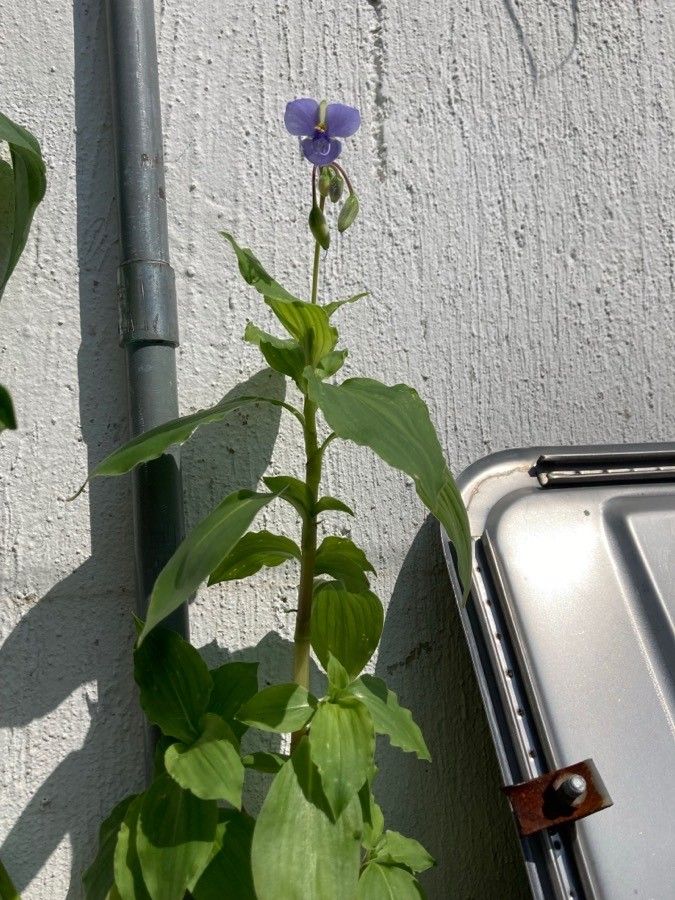
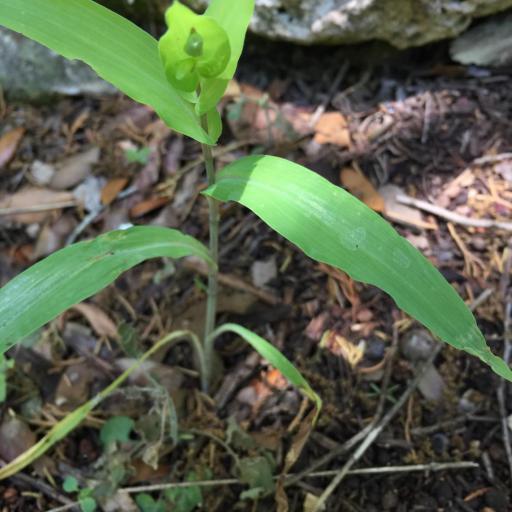
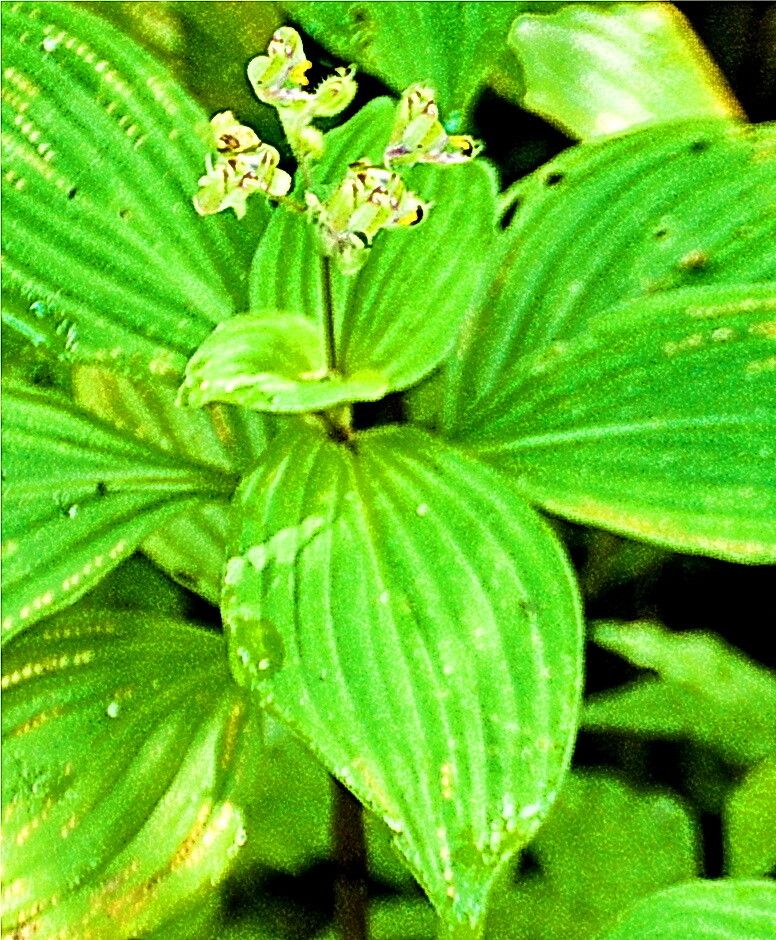
Upright spiderwort shows strong resistance to disease and is usually not susceptible to illnesses. Nonetheless, it can be affected by pests and diseases present in its surroundings. These problems are generally mild. Regarding care, the plant requires moderate maintenance. Regular pruning is necessary to keep a neat appearance and support healthy growth. Fertilizing can also help encourage flowering. Upright spiderwort is suitable for anyone with outdoor space, such as a garden or patio, and does not demand extensive gardening experience. It may need more attention when cultivated indoors.
How to keep Tinantia Erecta.
Light
Upright spiderwort is a plant that does well with moderate sunlight and does not require exposure to intense sun rays. Originating from environments where sunlight is filtered through the tree canopy, it is suited to grow in mildly shaded areas. However, too much or too little light can impede its growth and overall healthfulness.
Water
The upright spiderwort, a plant native to tropical regions, thrives with regular moisture and needs watering once a week. It also prefers higher humidity levels for optimal growth, which helps maintain its lush foliage and flowers. To ensure healthy development, it is important to avoid both drought and overwatering.
Temperature
Upright spiderwort comes from tropical areas, where the climate is generally warm and humid. As a result, it is well suited to high temperatures and humidity. It does not tolerate sudden temperature changes and prefers a steady temperature, so indoor temperature fluctuations should be avoided. It typically cannot withstand cold conditions and needs warmer temperatures to grow. If the surrounding temperature becomes too low, the plant may stop growing or even die.
Fertilizer
Proper fertilization is essential for Upright spiderwort's health and appearance. Fertilize Upright spiderwort during the summer, applying it once a month throughout the season. Nutrients support growth and the maintenance of the plant's components. Regular fertilization improves Upright spiderwort's flower display, ensuring the best blooms.
Pruning
Upright spiderwort has a vertical growth habit and attractive foliage. To keep the plant healthy, prune it in early spring or late winter. This will help remove dead stems and improve air circulation. Regular trimming encourages bushier growth and more vibrant blooms. It also rejuvenates older plants and promotes their long-term health. Be sure to use clean tools when pruning.
Botanical profile.
- Plant Type
- Herb
- Life Cycle
- Perennial
- Genus
- Tinantia
- Family
- Commelinaceae
- Hardiness Zone
- 9-11
- Mature Height
- 30 cm to 61 cm
- Mature Spread
- 20 cm to 40 cm
- Leaf Color
- Green
- Leaf Type
- Evergreen
- Flower Color
- Lavender
- Flower Size
- 5.08 cm to 6.35 cm
- Bloom Time
- Late spring, Summer, Early fall
- Planting Time
- Spring, Summer
- Harvest Time
- Mid summer, Late summer, Fall
- Native Area
- Colombia, Honduras, Mexico, Guatemala, Bolivia, Venezuela, Peru, Brazil, El Salvador, Nicaragua, Ecuador, Costa Rica, Panama, Jamaica
Other names.
Reader questions.
What are the sunlight requirements for Upright Spiderwort?
Upright Spiderwort thrives under moderate sunlight exposure, requiring about 3-6 hours of sunlight daily. It's adapted to grow in slightly shaded environments, akin to its natural habitat where sunlight is filtered through the tree canopy. Overexposure or insufficient light can negatively affect the plant's growth. A balanced mix of light and shade is key for optimal growth, ensuring the plant's happiness and health. Artificial lighting can be used to supplement natural light, especially for indoor plants or during less sunny seasons.
What is the botanical name of Upright spiderwort?
The botanical name of Upright spiderwort is Tinantia erecta. This name is essential for identifying the plant accurately in scientific studies and horticulture. Knowing the botanical name helps distinguish it from other species within the spiderwort family.
What symptoms indicate Upright Spiderwort is getting too much or too little light?
Symptoms of inappropriate light conditions can vary. Too little light may cause smaller new leaves, leggy or sparse growth, faster leaf drop, slower or no new growth, and lighter-colored new leaves. In contrast, too much light can lead to chlorosis (leaves turning yellow), sunscald, leaf curling, wilting, and leaf scorching. These symptoms showcase the plant's struggle with unideal light conditions, highlighting the need for adjustments to their environment to foster healthy growth.
How can I optimize light conditions for Upright Spiderwort?
To optimize light conditions for Upright Spiderwort, gradual adaptation is key. For indoor plants, shifting them to increasingly sunnier spots each week until they receive 3-6 hours of sunlight daily or using artificial lights like desk, ceiling lamps, or professional grow lights for at least 8 hours daily can help. For outdoor plants, moving them gradually to sunnier locations helps avoid sunburn. Reducing obstructions such as pruning trees or transplanting the plant to a brighter location with good drainage can also improve sunlight exposure. It's crucial to avoid sudden changes and allow the plant to adapt gradually to prevent stress and damage.