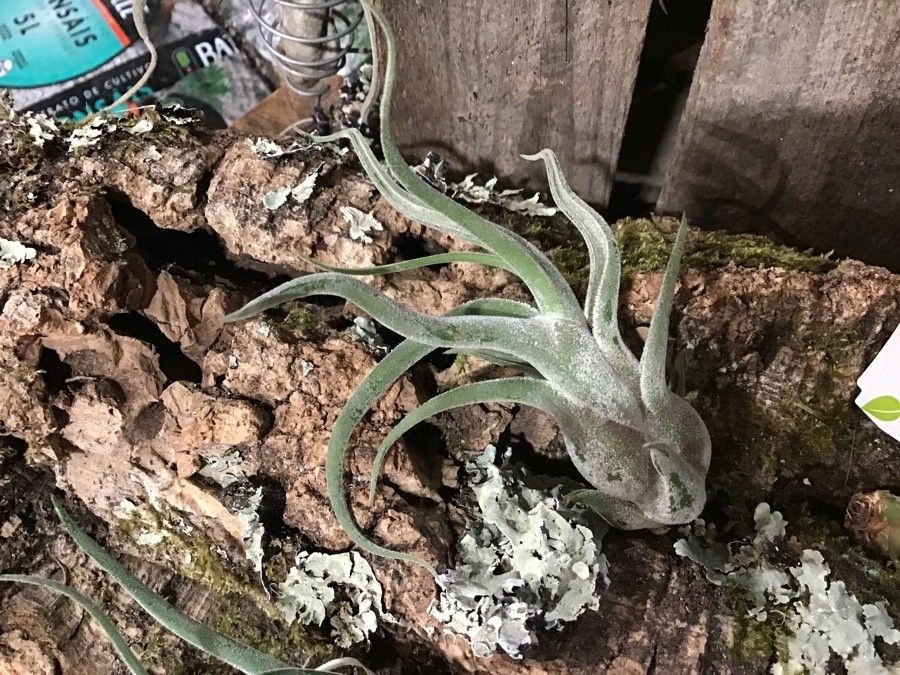
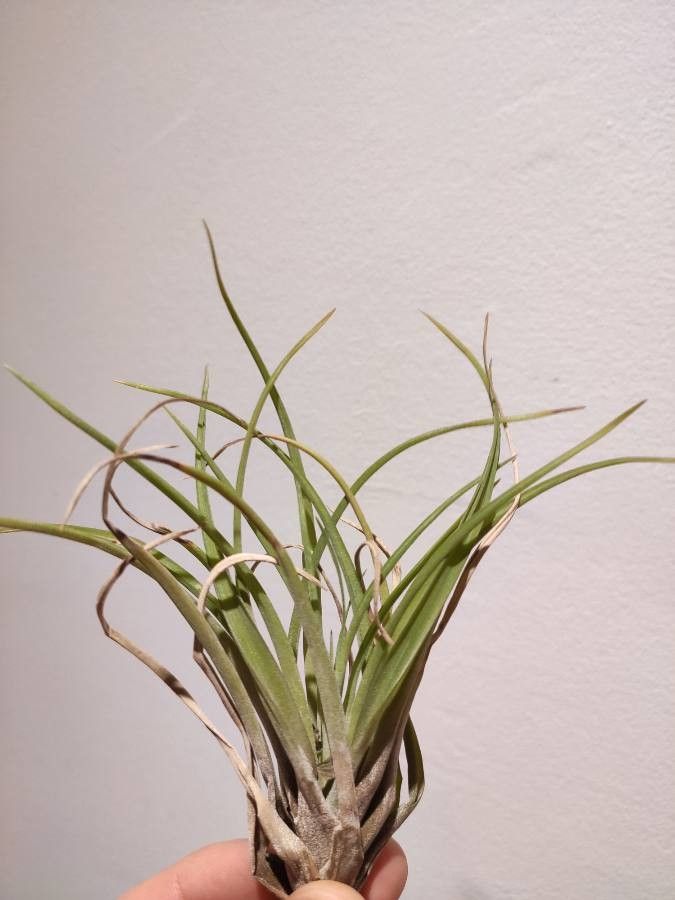
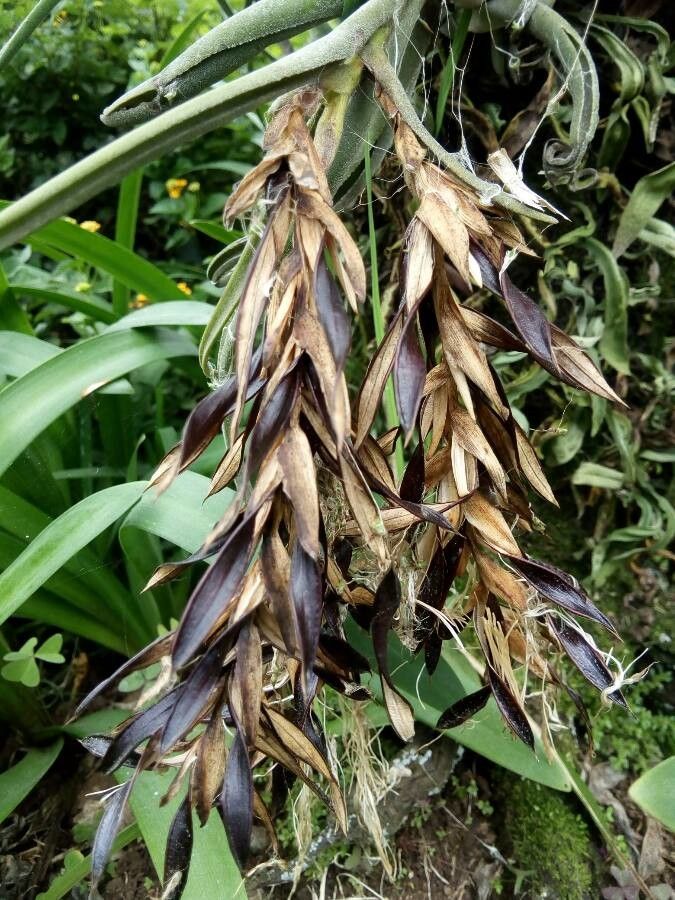
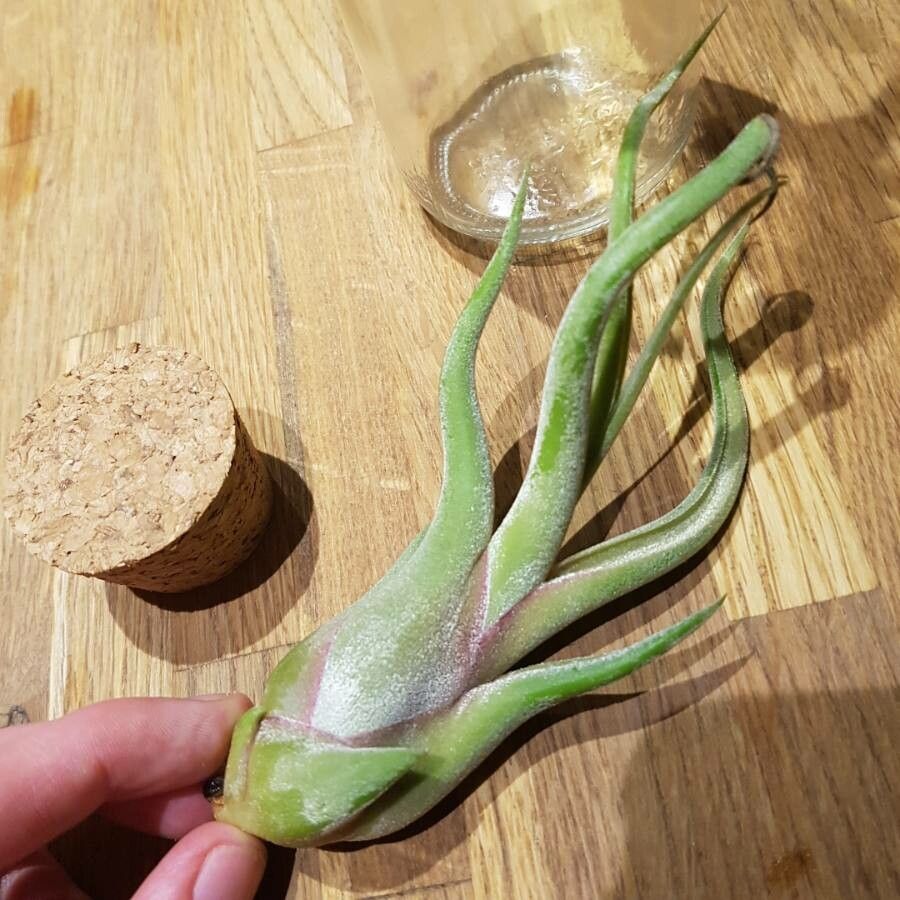
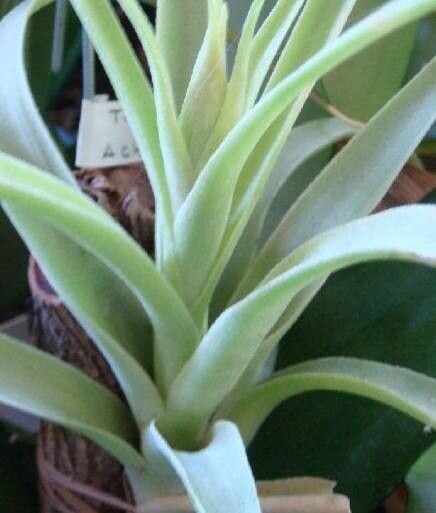
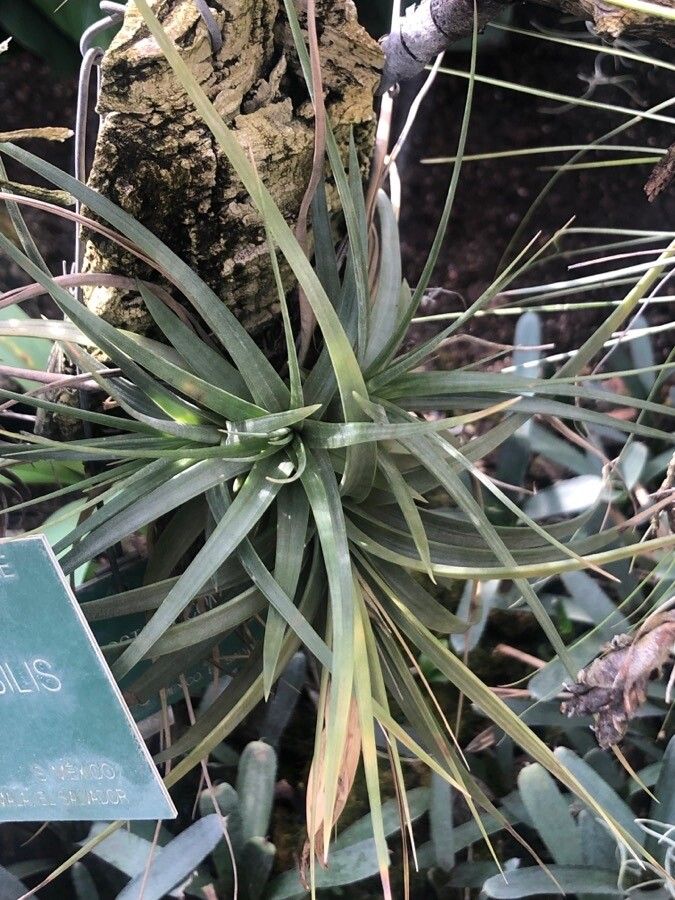
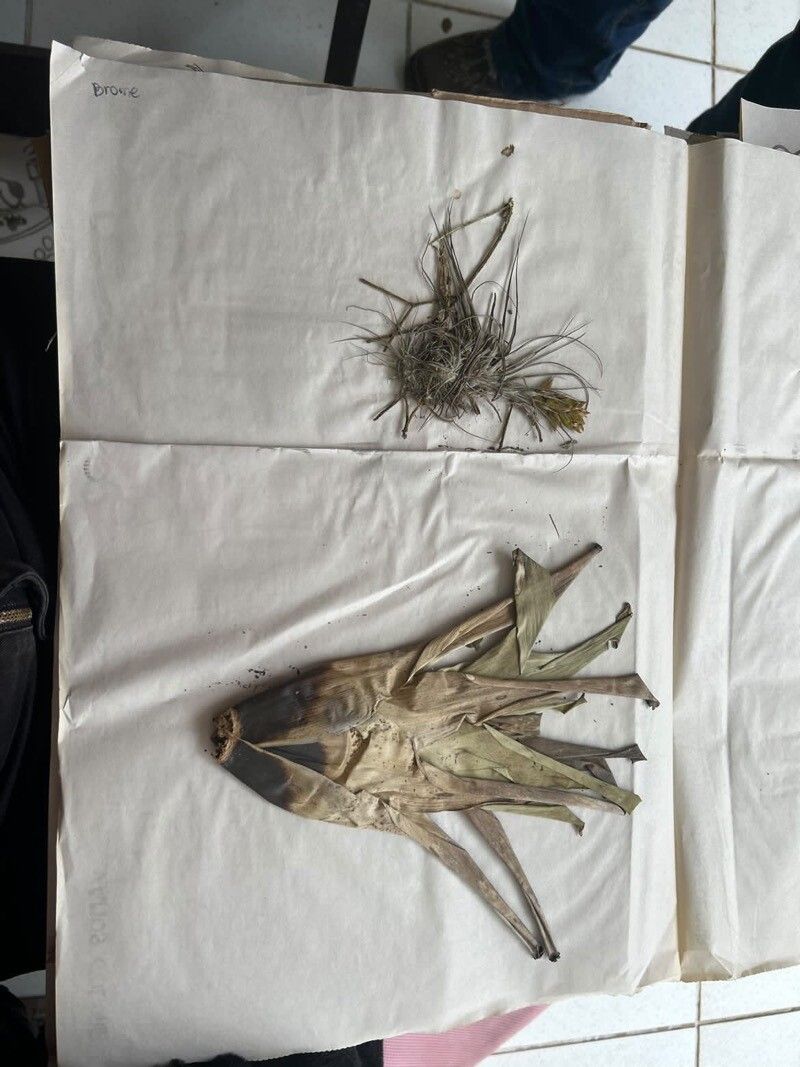
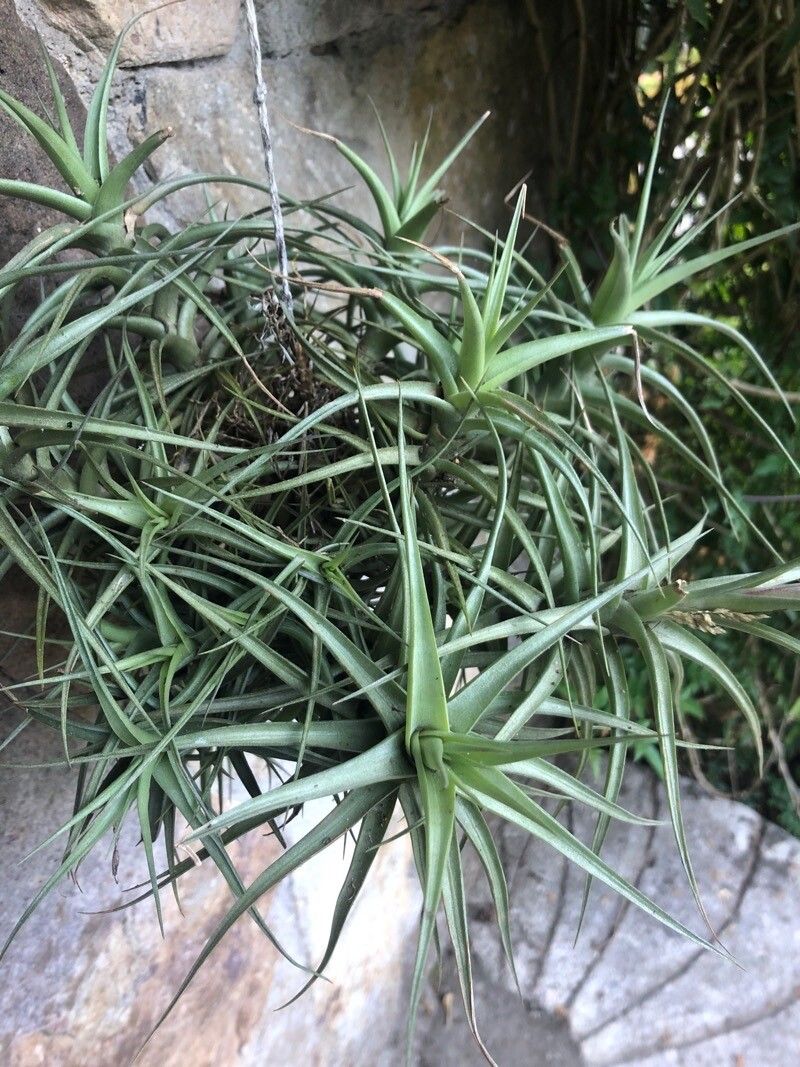
Tillandsia paucifolia, commonly known as the "sparse-leaved air plant," is a member of the Bromeliaceae family. Native to Central America, it can be found in Mexico, Guatemala, Belize, and Honduras. Its name derives from its thin, narrow leaves, which grow in a rosette formation.
This epiphytic plant grows without soil, absorbing nutrients through its leaves. In its natural habitat, it is often seen growing on trees or rocks. The leaves are green or grayish-green with a smooth texture.
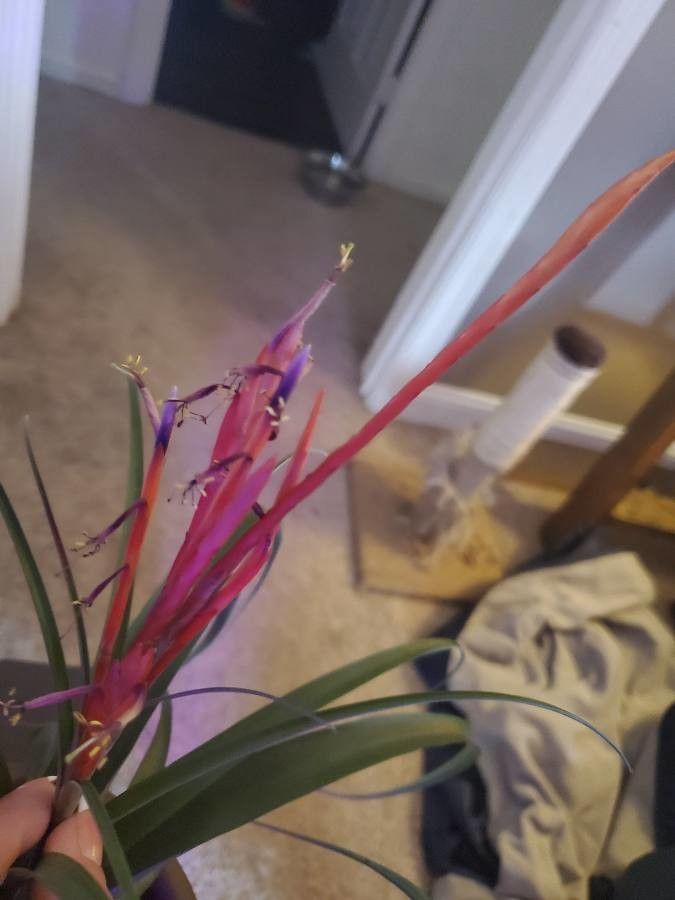
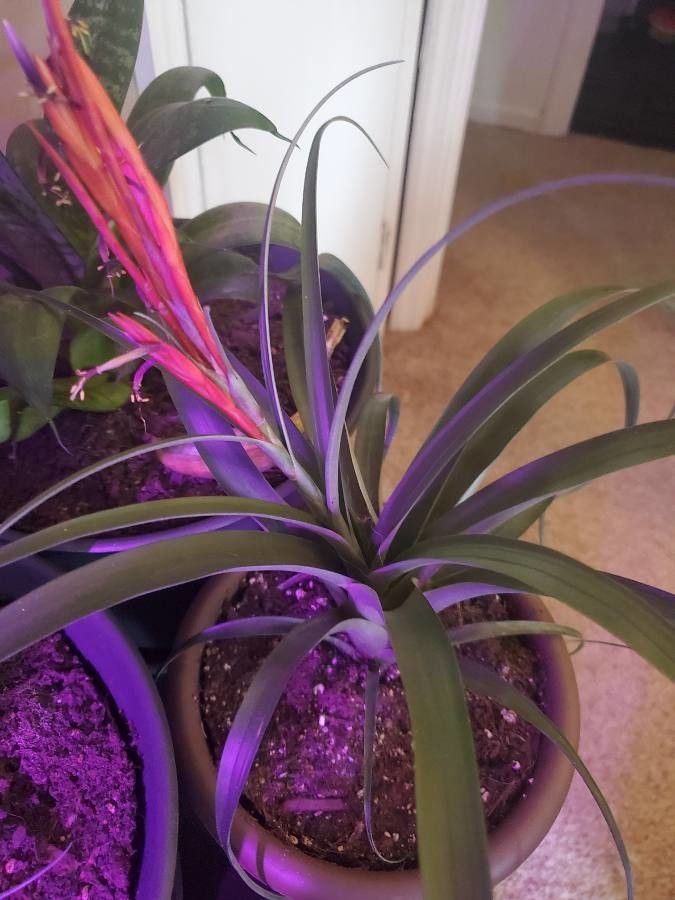
During springtime, Tillandsia paucifolia produces small, tubular flowers with pink or purple petals that bloom from the center of the rosette. These flowers attract pollinators such as hummingbirds and butterflies.
For optimal growth, Tillandsia paucifolia requires bright but indirect light, though it can tolerate low light conditions for short periods. It thrives in high humidity but can also survive in drier environments if misted regularly with water.
This air plant is an easy-to-care-for houseplant that adds a unique touch to any indoor space. Its unusual growth habit and striking floral display during springtime make it a captivating addition to your home.
Potbelly airplant has moderate disease resistance but is more sensitive to humidity and overwatering. It becomes more vulnerable to disease when it lacks light and is overwatered. In terms of care, the Potbelly airplant is drought tolerant and can endure long stretches without watering. It needs little fertilizer and only occasional pruning. This makes it appropriate for people at any experience level, especially those who prefer to spend less time on plant care and who may sometimes be away from home for long periods. It is a good option for people who do not want to invest a lot of time in caring for plants yet still want an easy-to-maintain species.
How to keep Tillandsia Paucifolia.
Light
The potbelly airplant is native to areas with dappled light, such as forest understories or rocky locations that provide natural shade. It prefers partial sun but can tolerate full sun.
Temperature
Potbelly airplant prefers warm conditions. If the temperature falls too low, it may stop growing or incur frost damage. It tolerates high temperatures and humidity well and requires a steady level of moisture in its environment. However, excessively high heat and humidity can make it prone to fungal infections. In dry settings, regular watering and misting are necessary to keep the ambient humidity adequate. The plant is sensitive to abrupt temperature changes, so maintaining a relatively stable temperature is important.
Botanical profile.
- Plant Type
- Herb
- Life Cycle
- Perennial
- Genus
- Tillandsia
- Family
- Bromeliaceae
- Hardiness Zone
- 9-11
- Mature Height
- 34 cm
- Mature Spread
- 25 cm
- Leaf Color
- Green Yellow, Light Green
- Leaf Type
- Evergreen
- Flower Color
- Purple, Lavender
- Flower Size
- 2.03 cm to 3.05 cm
- Bloom Time
- Summer
- Planting Time
- Summer, Autumn
- Harvest Time
- Late summer, Early fall, Mid fall
- Native Area
- Colombia, Bahamas, Cuba, Honduras, Mexico, Guatemala, Venezuela, Nicaragua, Costa Rica
Other names.