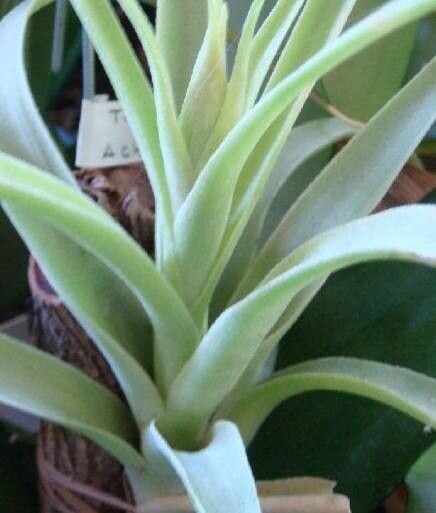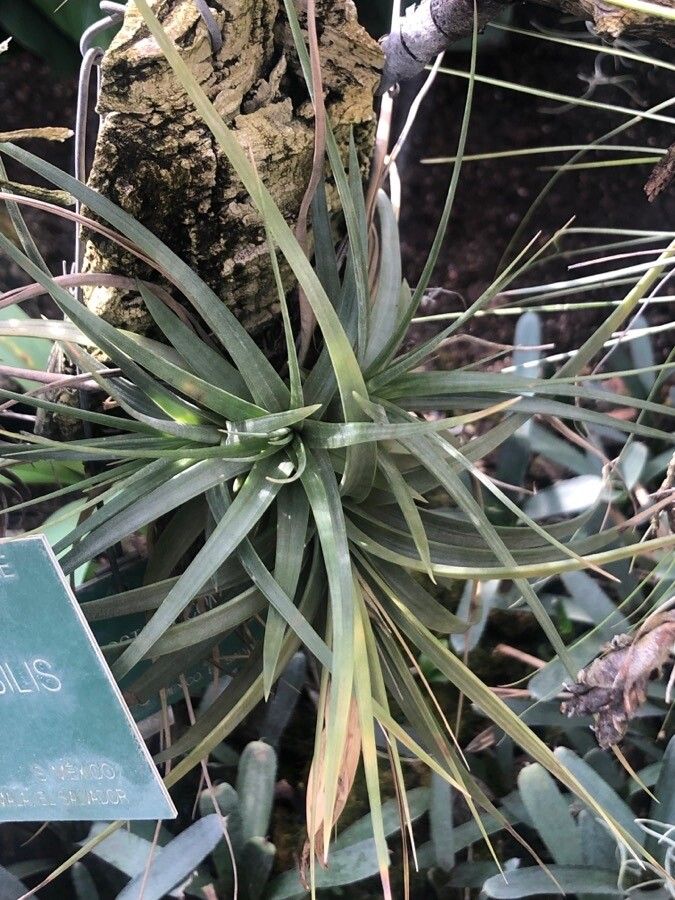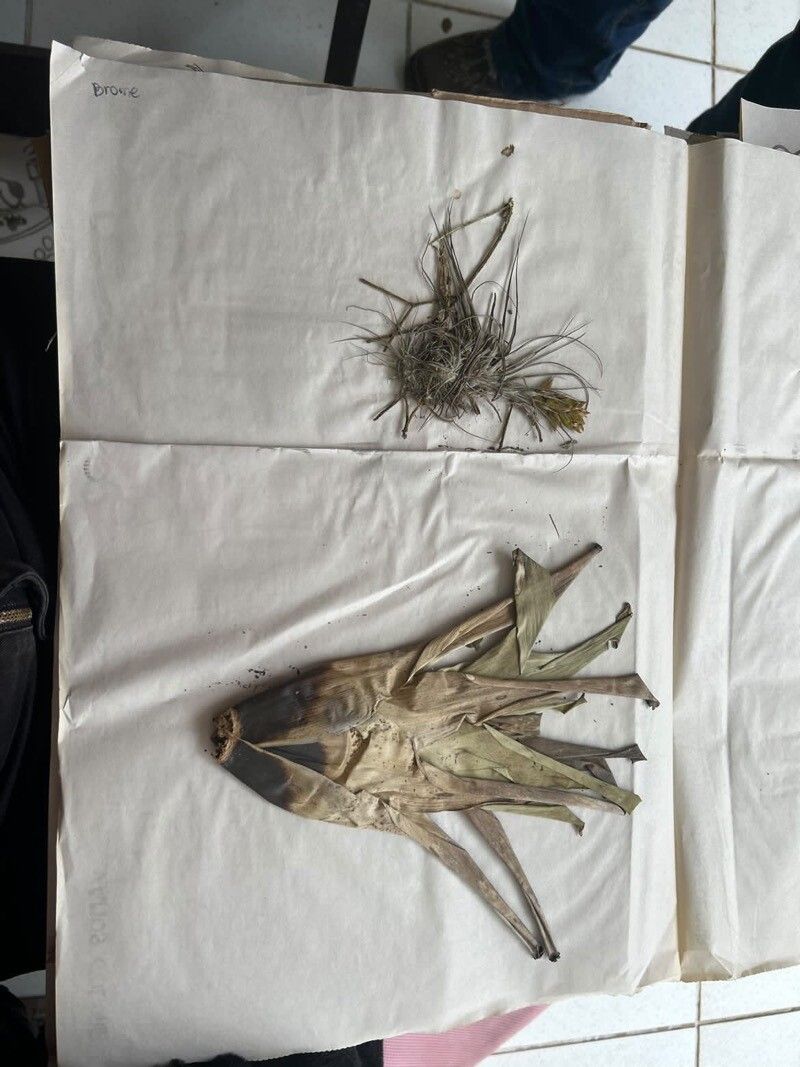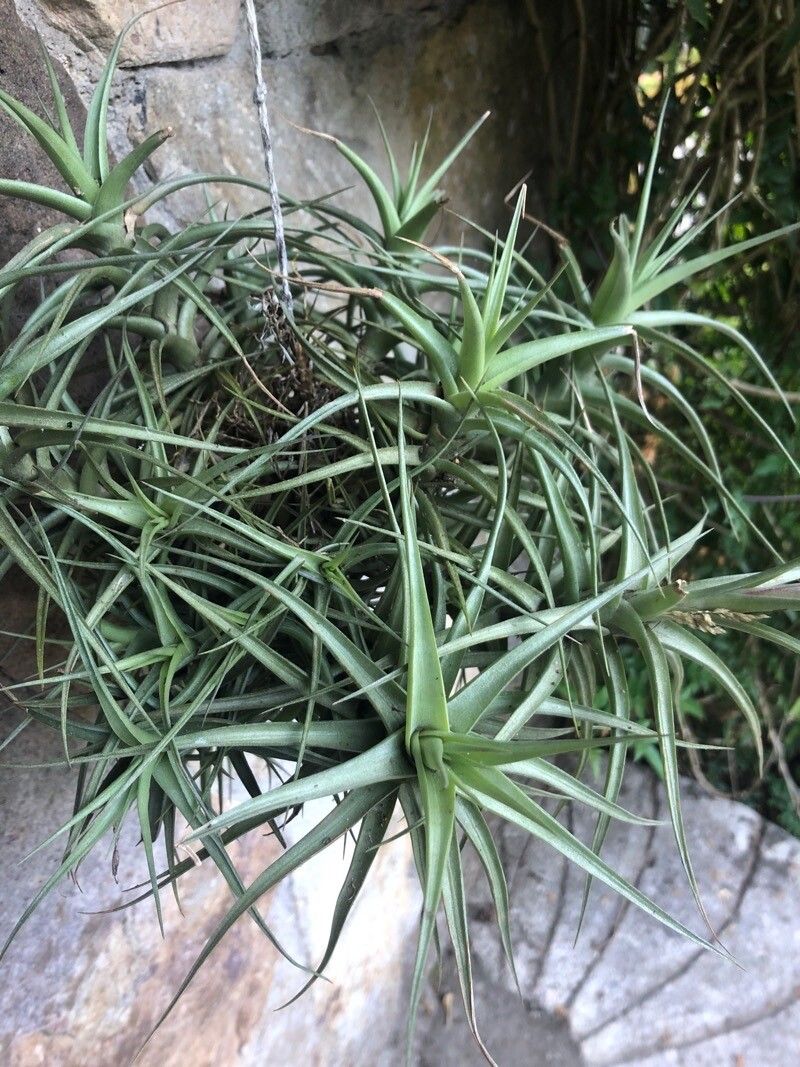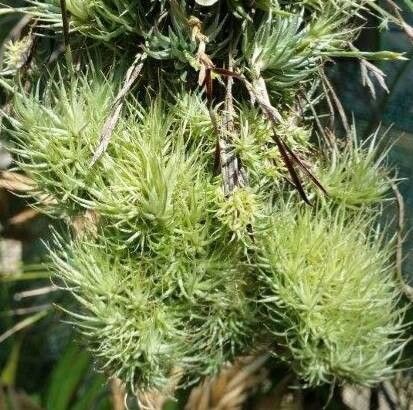
Tillandsia loliacea has moderate resistance to disease but is more vulnerable to issues from high humidity and excessive watering. It becomes even more prone to illness if it receives insufficient light and is overwatered. Regarding care, Tillandsia loliacea tolerates drought and can go for long intervals without being watered. It requires little fertilizer and only occasional trimming. Because of these traits, it is appropriate for growers at any experience level, particularly those who prefer to spend minimal time on plant care or who may be away from home for extended periods. It’s a suitable option for people who do not want to devote much time to maintenance yet still want an easy-to-care-for plant.
How to keep Tillandsia Loliacea.
Light
The Tillandsia loliacea plant hails from habitats that offer speckled sunlight, like the lower parts of forests or rocky terrains that provide organic shelter. While it is partial to moderate sunlight, it can also withstand direct, full sunlight.
Water
To keep your Tillandsia loliacea healthy, you can either soak or mist the plant to provide necessary moisture. Be sure to prevent water from collecting between the leaves to avoid rot. To remove any excess water, gently tilt or shake the plant. If you notice the leaves starting to curl, it's a sign that the plant is experiencing a significant water shortage. In this case, a thorough soaking can help it recover.
Temperature
The living conditions for Tillandsia loliacea are best in a warm environment. The plant might stop growing or possibly become frost-damaged if the environment gets too cold. This plant has the ability to handle high temperatures and high humidity levels, given that there is a steady amount of moisture in its surroundings. However, very high temperatures and humidity can increase the risk of the plant contracting fungal infections. In dry circumstances, the plant needs to be watered and misted regularly to ensure enough humidity in the air. Sudden changes in temperature can be detrimental to the plant, thus maintaining a steady temperature is crucial.
Pruning
The small epiphytic bromeliad, Tillandsia loliacea, needs minimal pruning, which is best done in early spring. To encourage healthy growth, remove any dead leaves and flower spikes. It's important to maintain good air circulation and regularly check for pests, as pruning not only improves its appearance but also supports a healthy structure.
Botanical profile.
- Plant Type
- Herb, Succulent
- Life Cycle
- Perennial
- Genus
- Tillandsia
- Family
- Bromeliaceae
- Hardiness Zone
- 9-11
- Mature Height
- 5 cm to 10 cm
- Mature Spread
- 3 cm to 5 cm
- Leaf Color
- Silver, Gray
- Leaf Type
- Evergreen
- Flower Color
- Lavender
- Flower Size
- 0.51 cm to 1.02 cm
- Bloom Time
- Summer, Early fall
- Planting Time
- Spring, Summer, Autumn
- Harvest Time
- Late summer, Fall
- Native Area
- Brazil, Bolivia