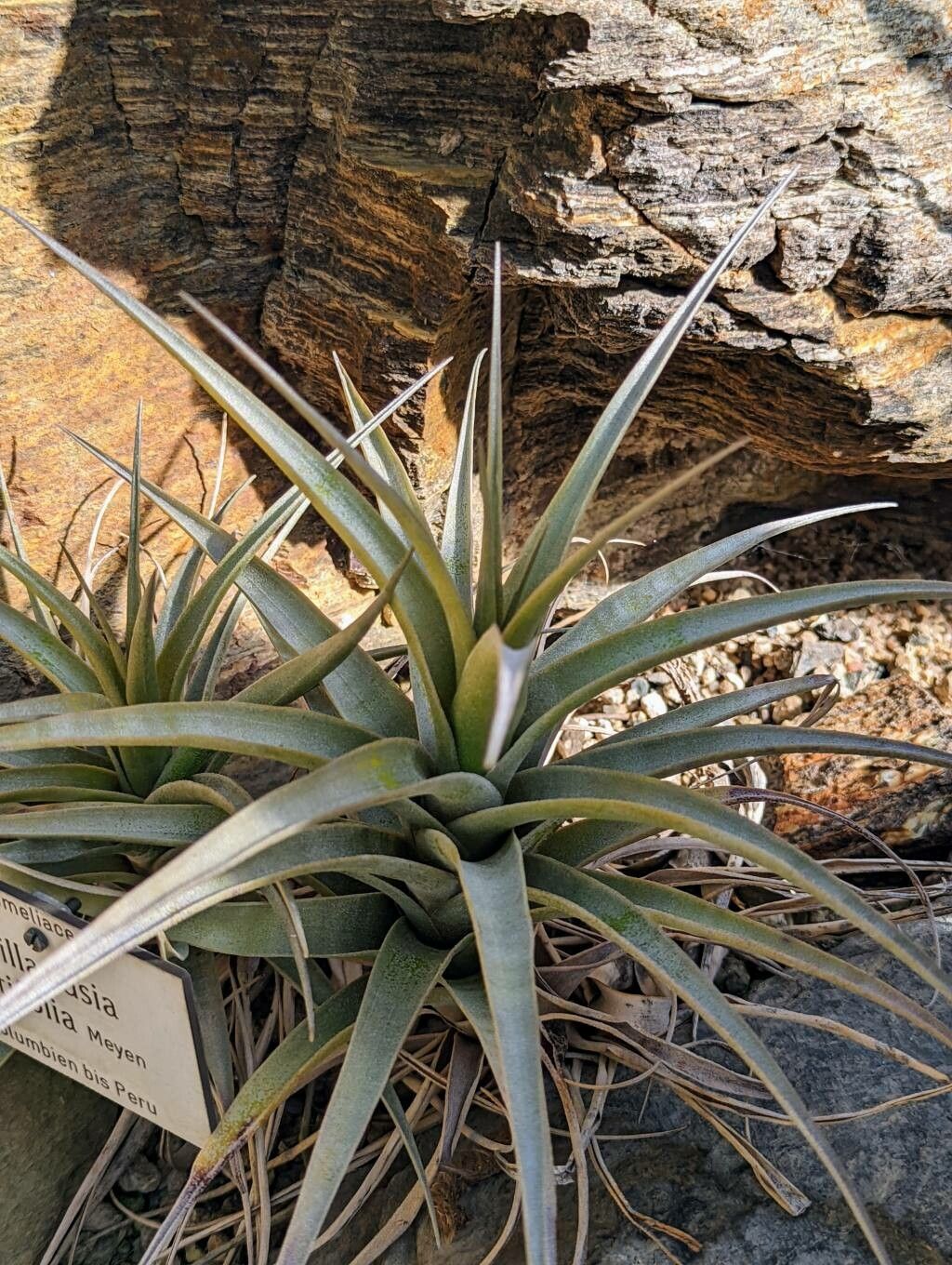
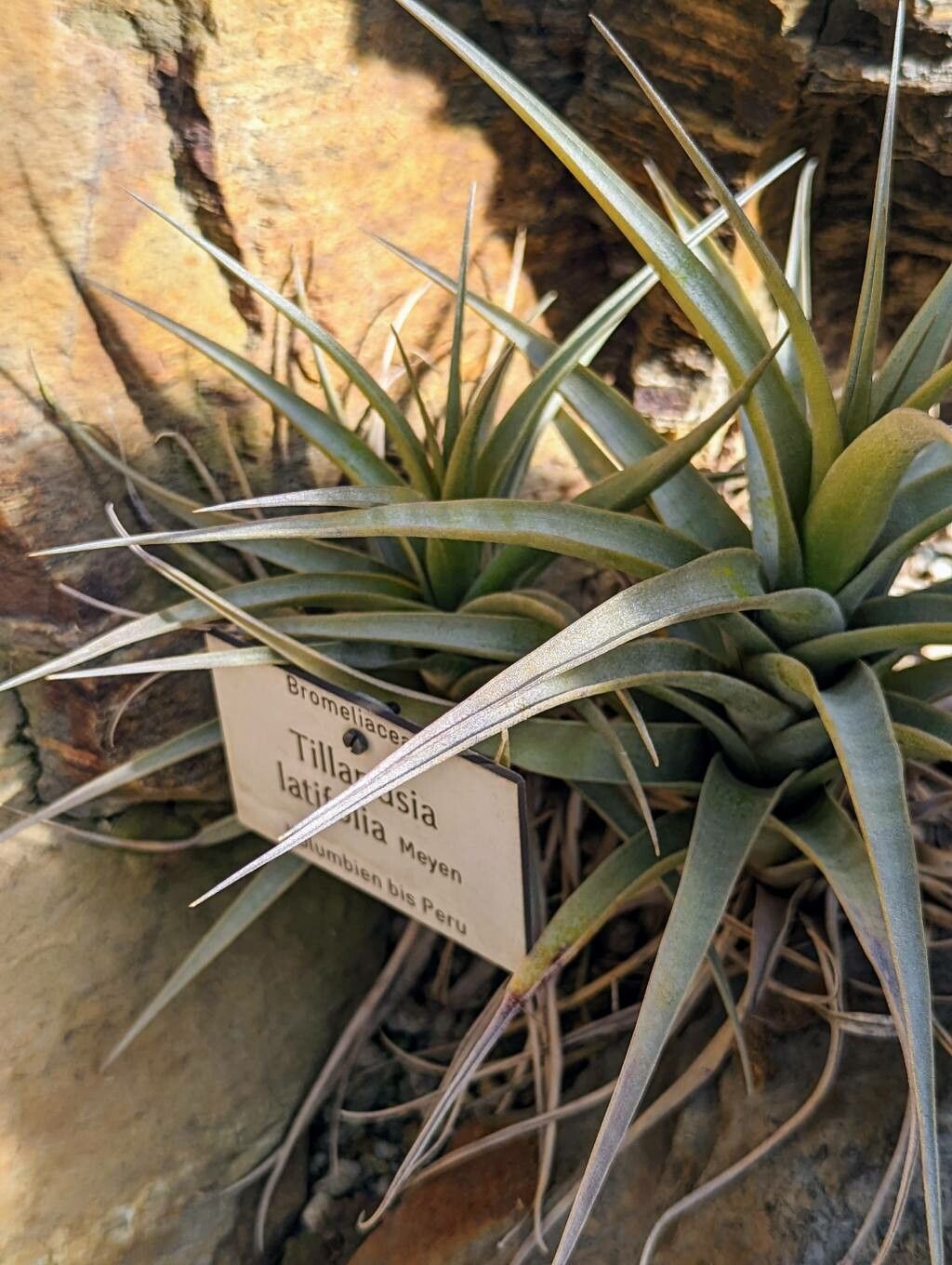
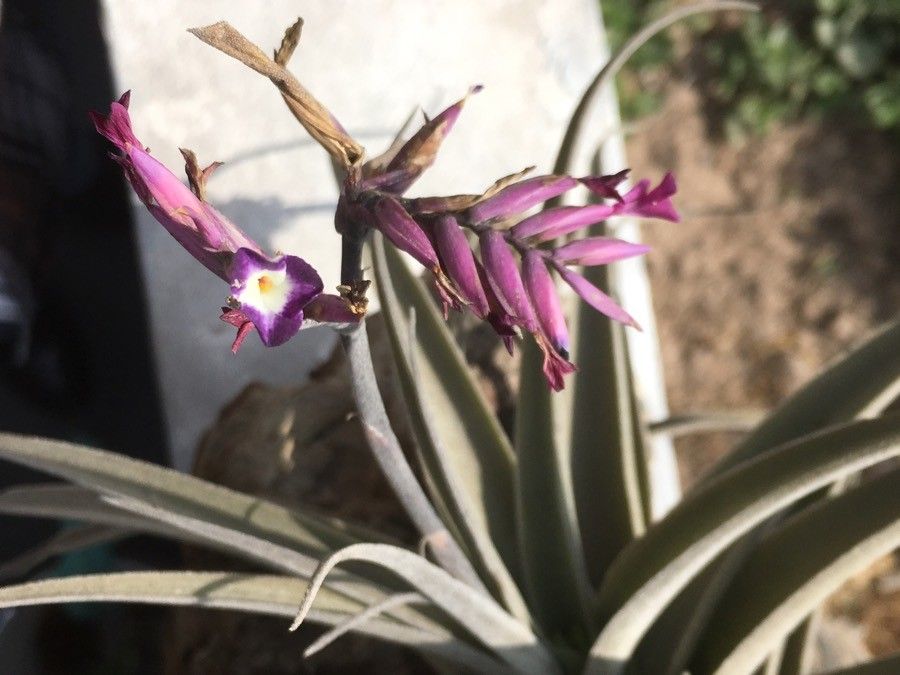
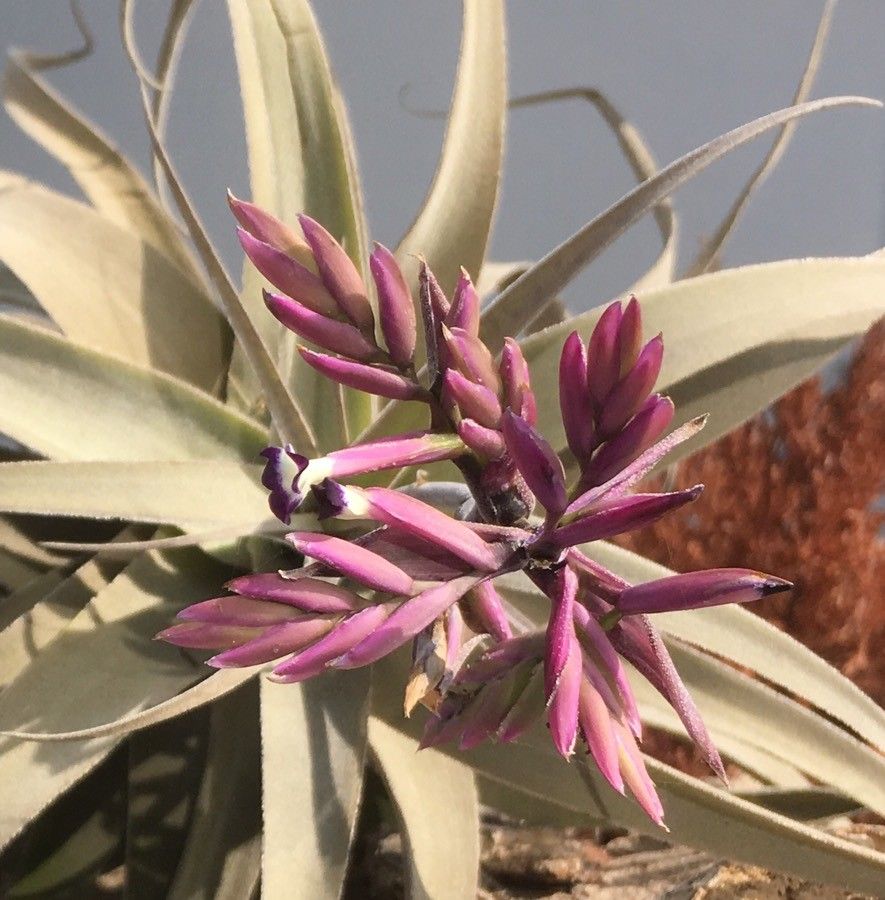
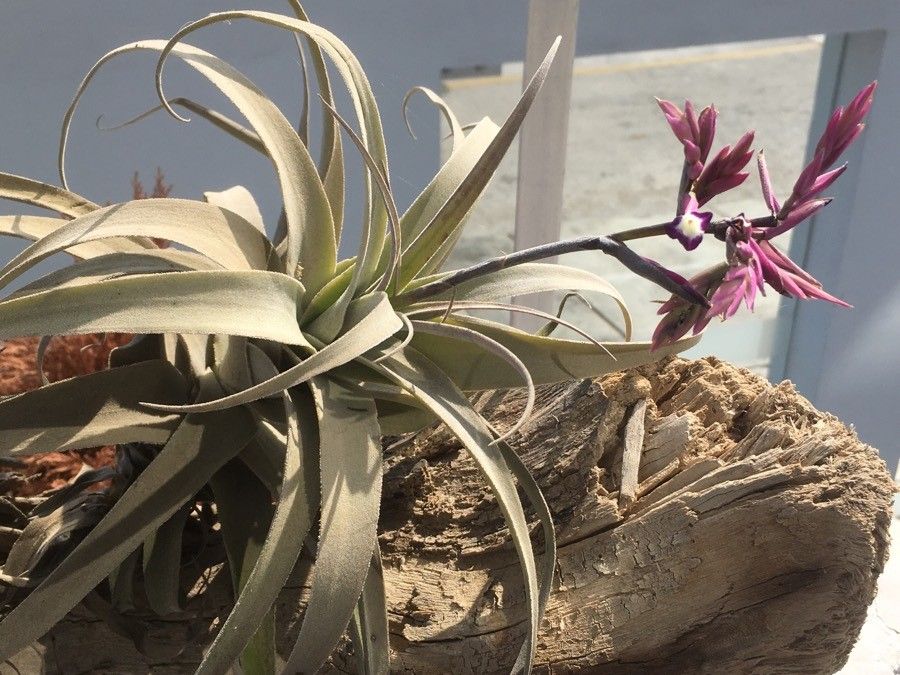
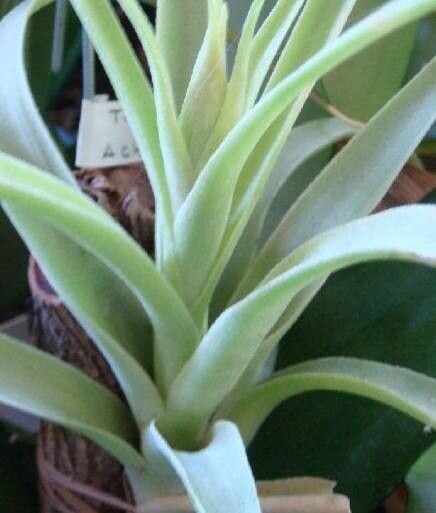
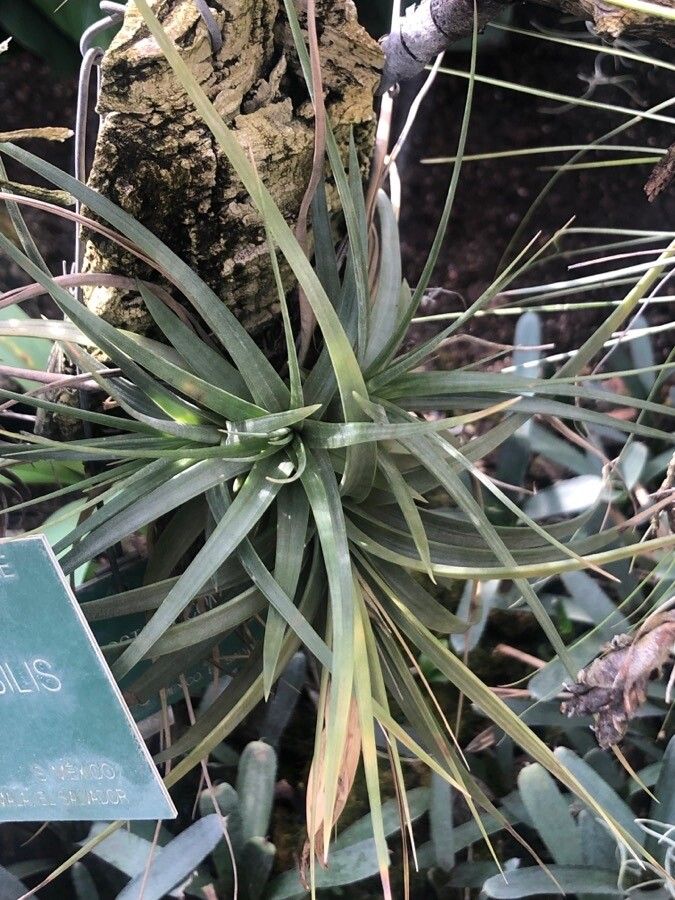
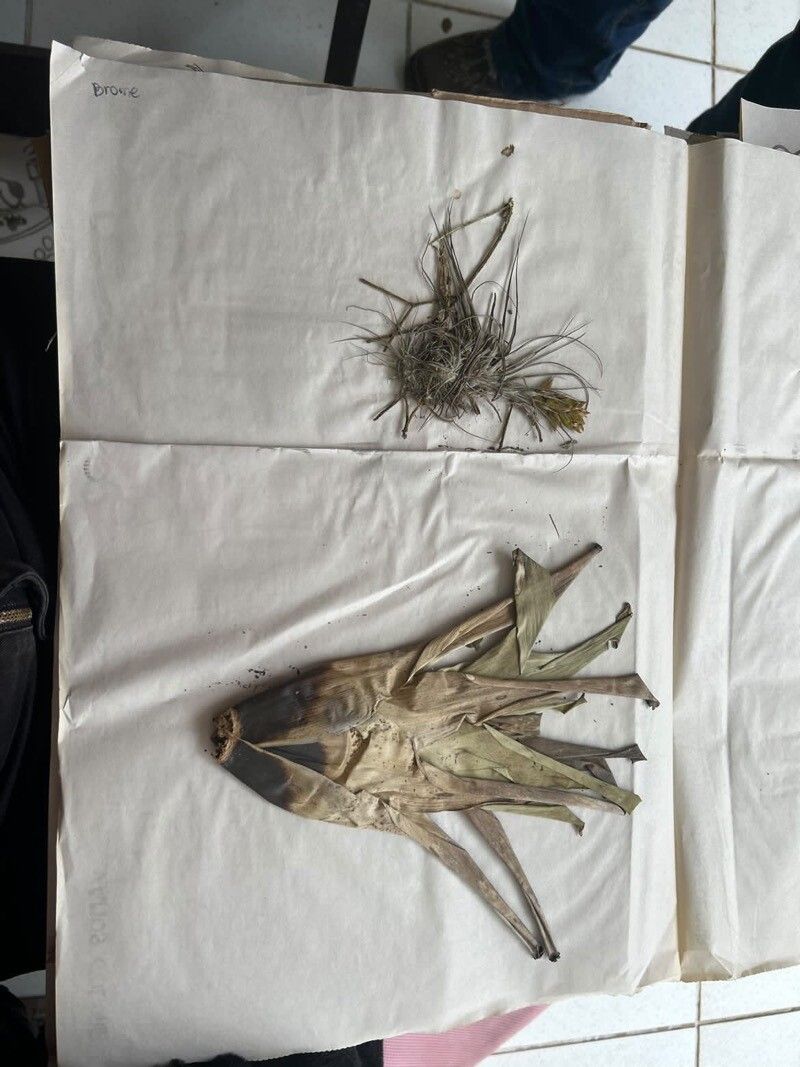
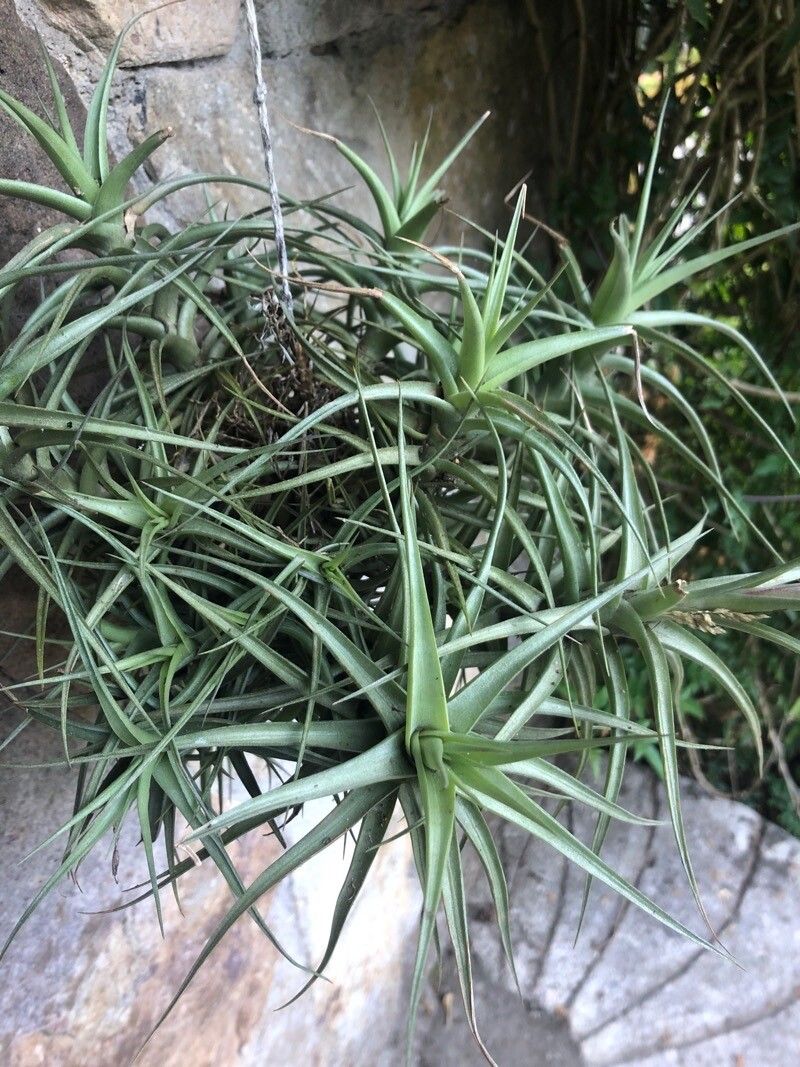
Tillandsia latifolia is a species of flowering plant in the genus Tillandsia. This species is native to Ecuador and Peru. Four varieties are recognized: Tillandsia latifolia var. divaricata (Benth.) Mez - Peru, Ecuador Tillandsia latifolia var. latifolia - Peru, Ecuador Tillandsia latifolia var. leucophylla Rauh - Peru Tillandsia latifolia var. major Mez - Peru
Tillandsia latifolia has moderate disease resistance but is relatively sensitive to humidity and overwatering. It becomes more prone to disease when it receives insufficient light and is overwatered. In terms of care, Tillandsia latifolia is drought-tolerant and can withstand long periods without watering. It needs little fertilizer and only occasional pruning. These characteristics make it suitable for people of all experience levels, especially those who want to spend less time on plant care or who may be away from home for extended periods. It is a good option for anyone who does not want to devote a lot of time to caring for plants yet still wants an easy-to-maintain species.
How to keep Tillandsia Latifolia.
Light
Tillandsia latifolia is native to places with dappled light, such as forest understories or rocky sites that provide natural shade. It favors partial sun but can also tolerate full sun.
Water
To keep Tillandsia latifolia properly hydrated, you can either soak or mist the plant. However, be careful to avoid letting water accumulate between the leaves, as this can lead to rot. After watering, tilt the plant to help excess water drain away. Avoid soaking the plant for long periods. If you notice the leaves are curling, this is a sign that the plant urgently needs water. In this case, soaking the plant can help it recover.
Temperature
Tillandsia latifolia prefers warm conditions. If temperatures fall too low, the plant may stop growing or suffer frost damage. It withstands high heat and humidity well and needs a consistent level of moisture in its surroundings. However, very high temperatures and humidity can make it vulnerable to fungal diseases. In dry conditions, regular watering and misting are required to keep the air humid enough. The plant is sensitive to sudden temperature swings, so maintaining a relatively stable temperature is important.
Pruning
Tillandsia latifolia, known for its rosette formation and air plant qualities, benefits from careful pruning. Trim dead leaves in early spring to encourage growth and preserve the plant's shape. Take care not to over-prune, as this can hinder photosynthesis. Pruning improves airflow and reduces the risk of disease. For the best results, refer to reliable guides on proper pruning techniques.
Botanical profile.
- Plant Type
- Herb
- Life Cycle
- Perennial
- Genus
- Tillandsia
- Family
- Bromeliaceae
- Hardiness Zone
- 9-11
- Mature Height
- 30 cm to 61 cm
- Mature Spread
- 40 cm to 76 cm
- Leaf Color
- Light Green, Silver
- Leaf Type
- Evergreen
- Flower Color
- Violet
- Flower Size
- 3.05 cm to 5.08 cm
- Bloom Time
- Summer, Early fall
- Planting Time
- Spring, Summer, Autumn
- Harvest Time
- Late summer, Fall
- Native Area
- Ecuador, Peru
Reader questions.
What are the sunlight requirements for Tillandsia latifolia?
Tillandsia latifolia, also known by its botanical name Tillandsia latifolia, thrives in varying light conditions, requiring partial sun to full shade. To meet the partial sun requirement, it should receive about 3-6 hours of sunlight daily. In conditions of full shade, it needs less than 3 hours of sunlight per day. It's important to observe the movement of sunlight through your garden carefully, selecting locations that provide an ideal balance of light and shade to ensure the health and happiness of your plants.