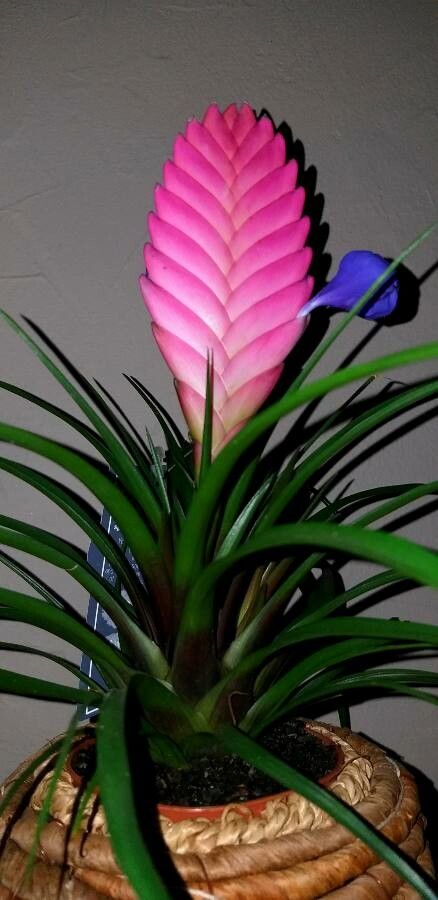
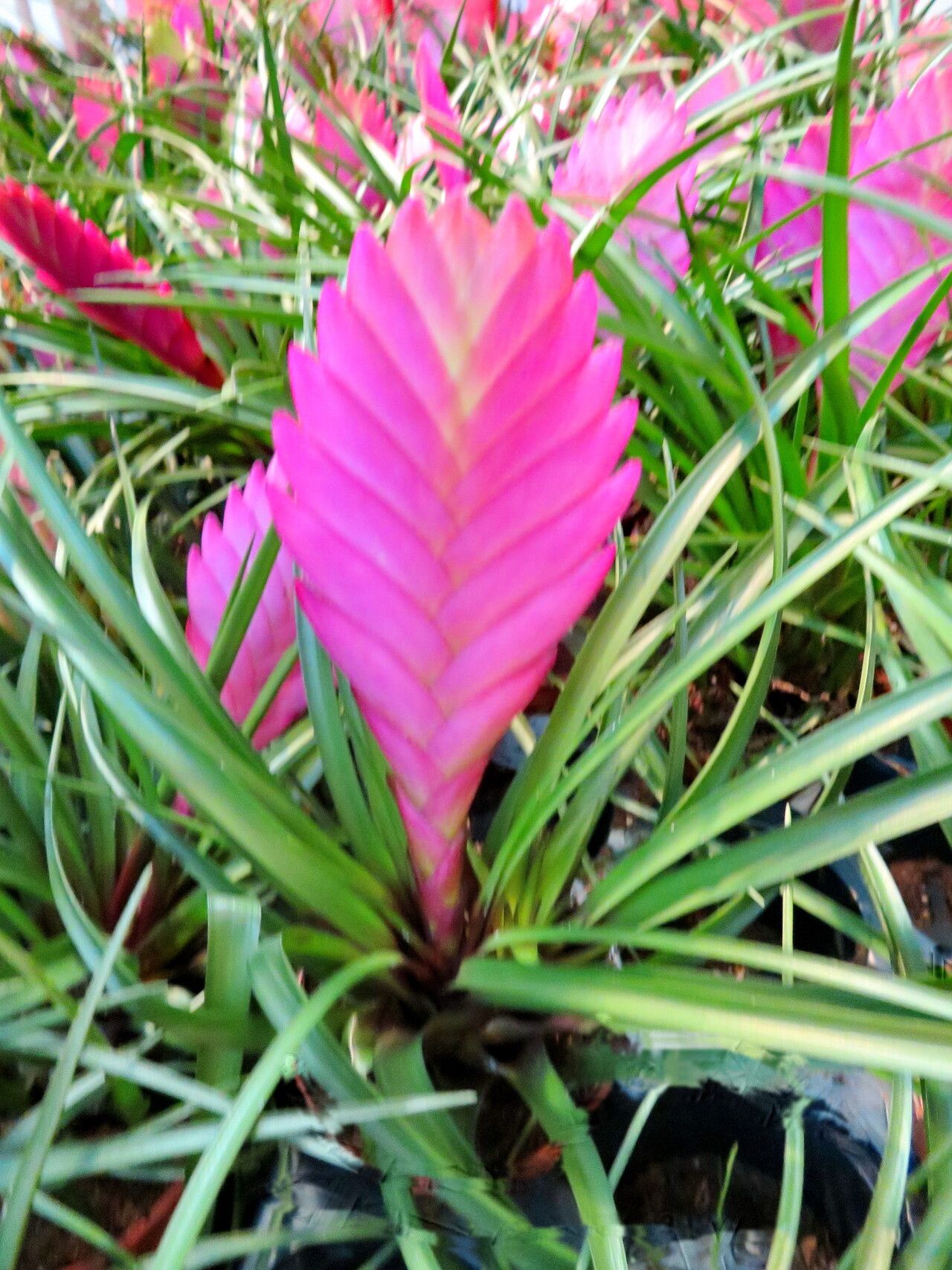
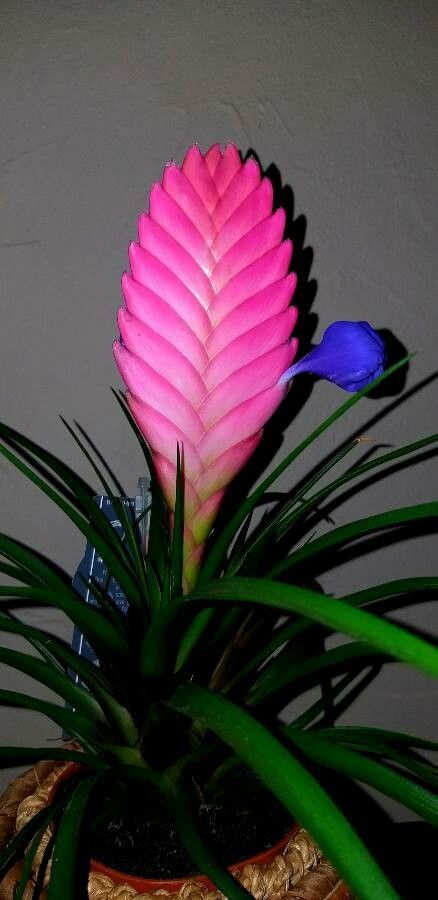
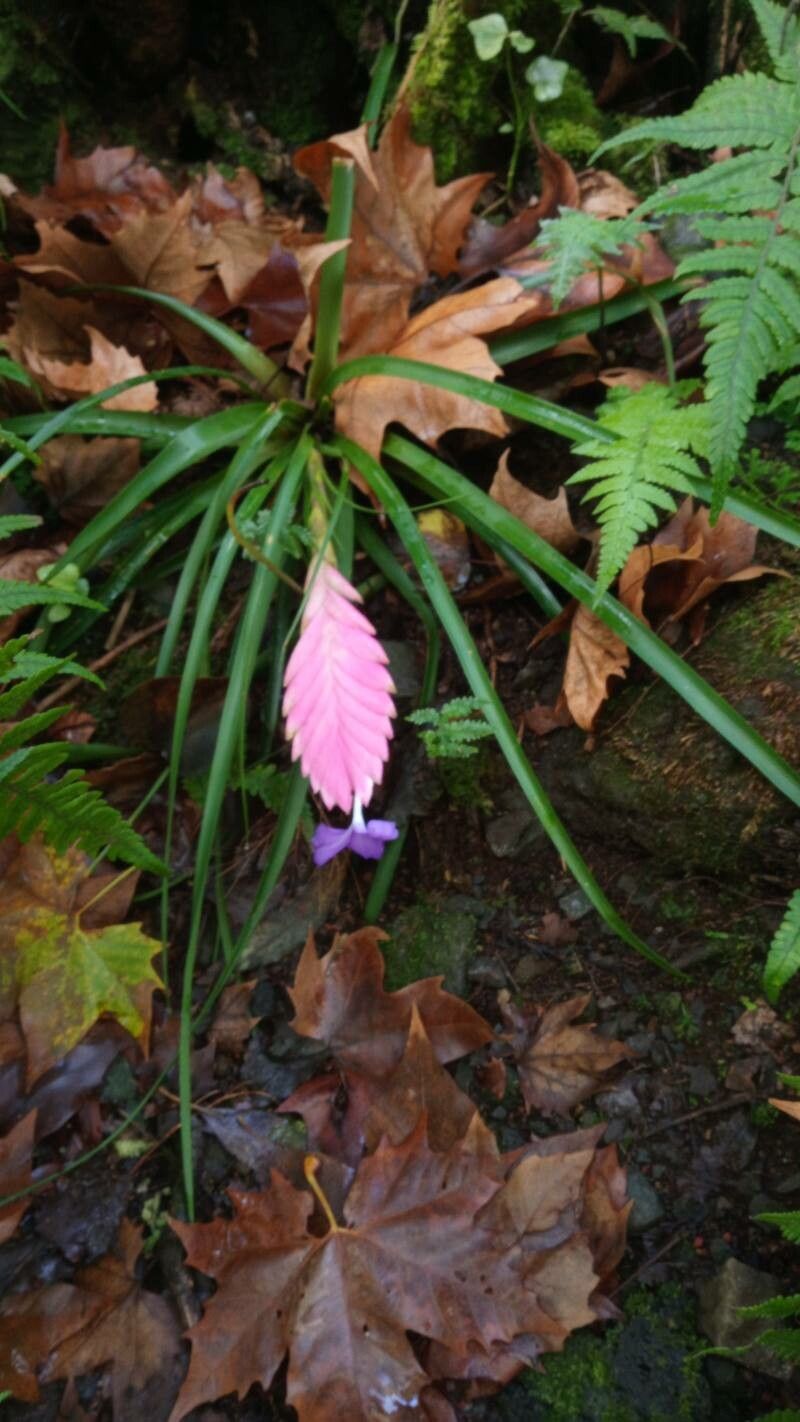
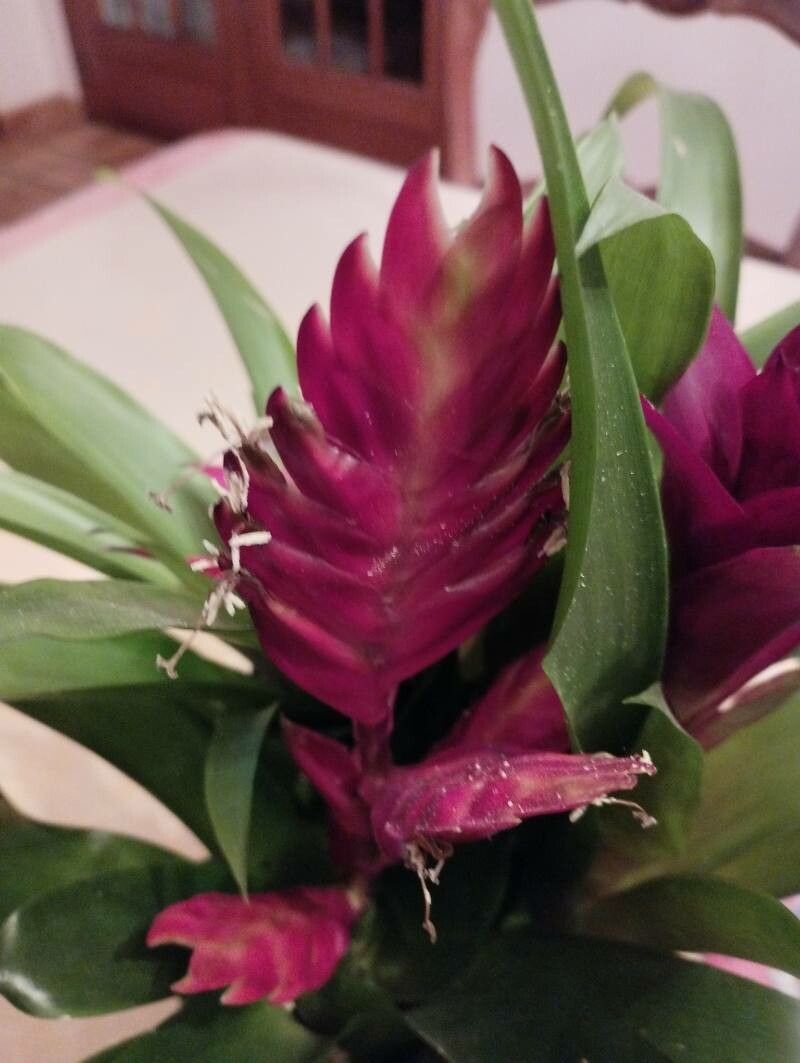
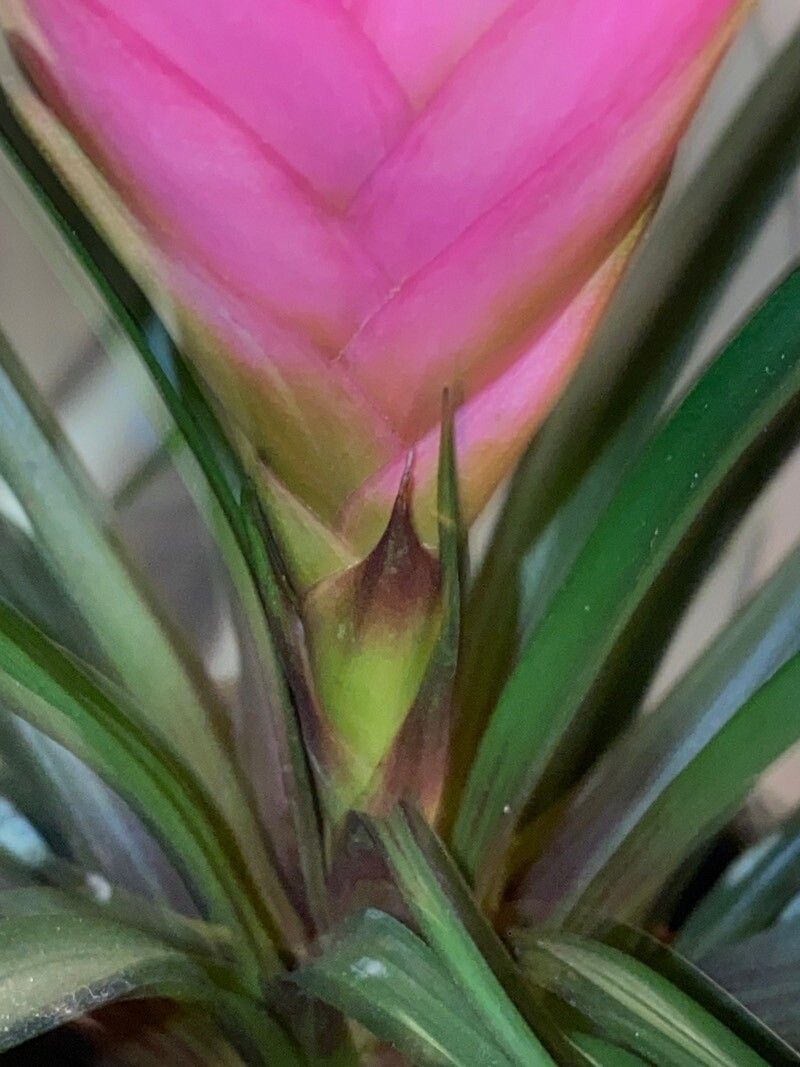
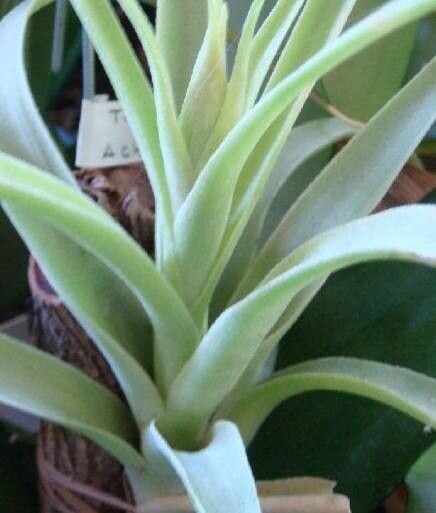
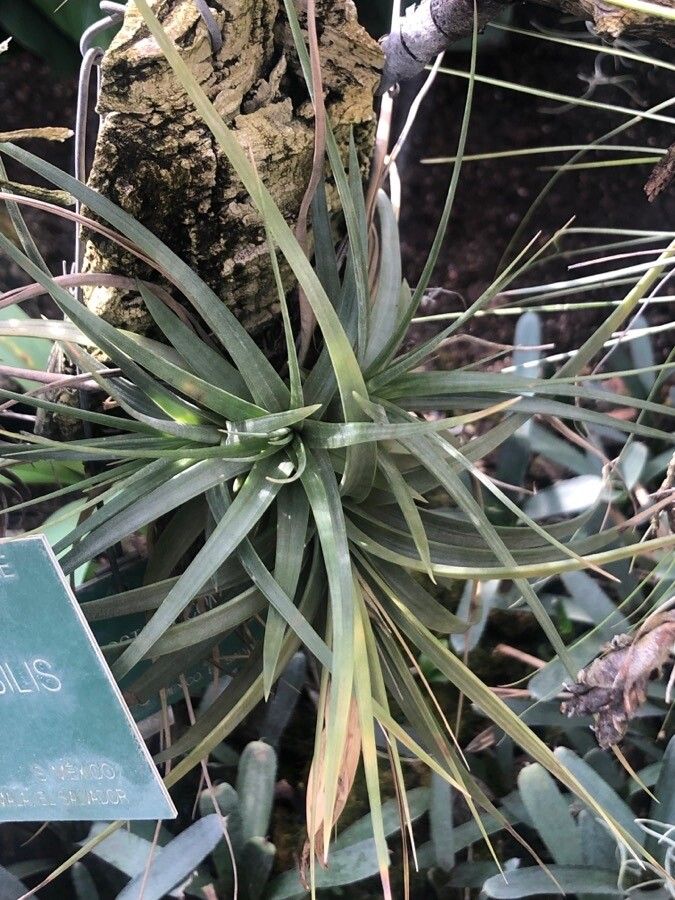
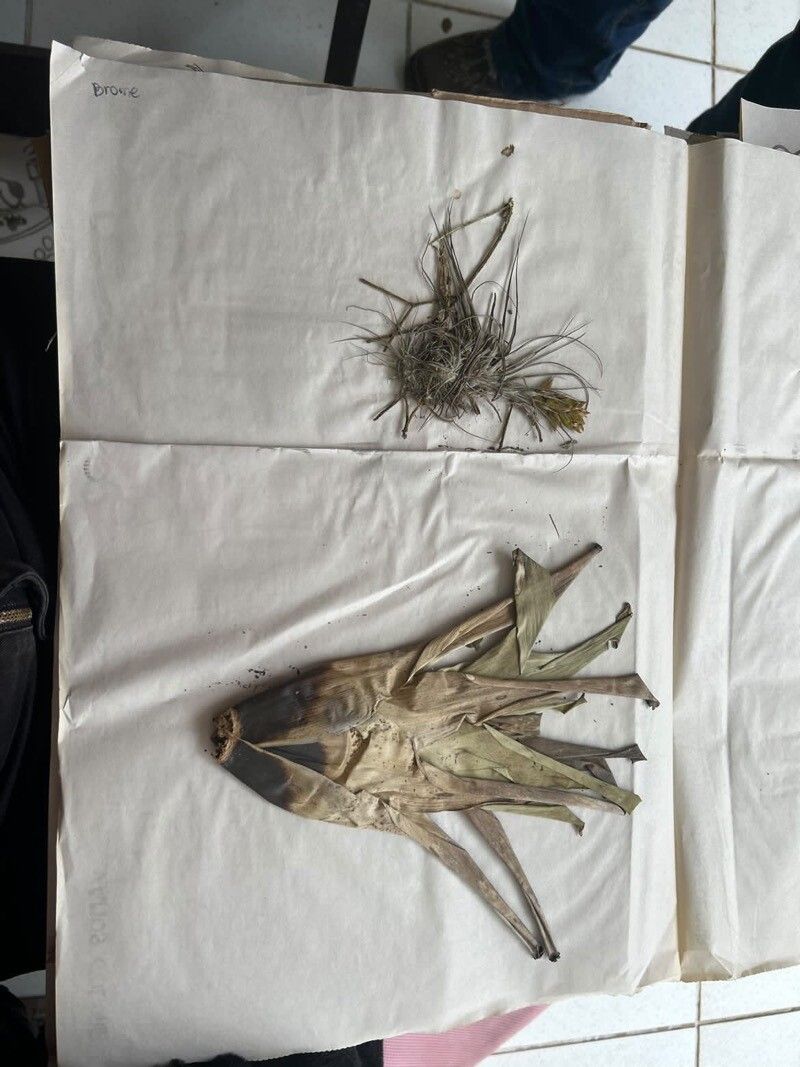
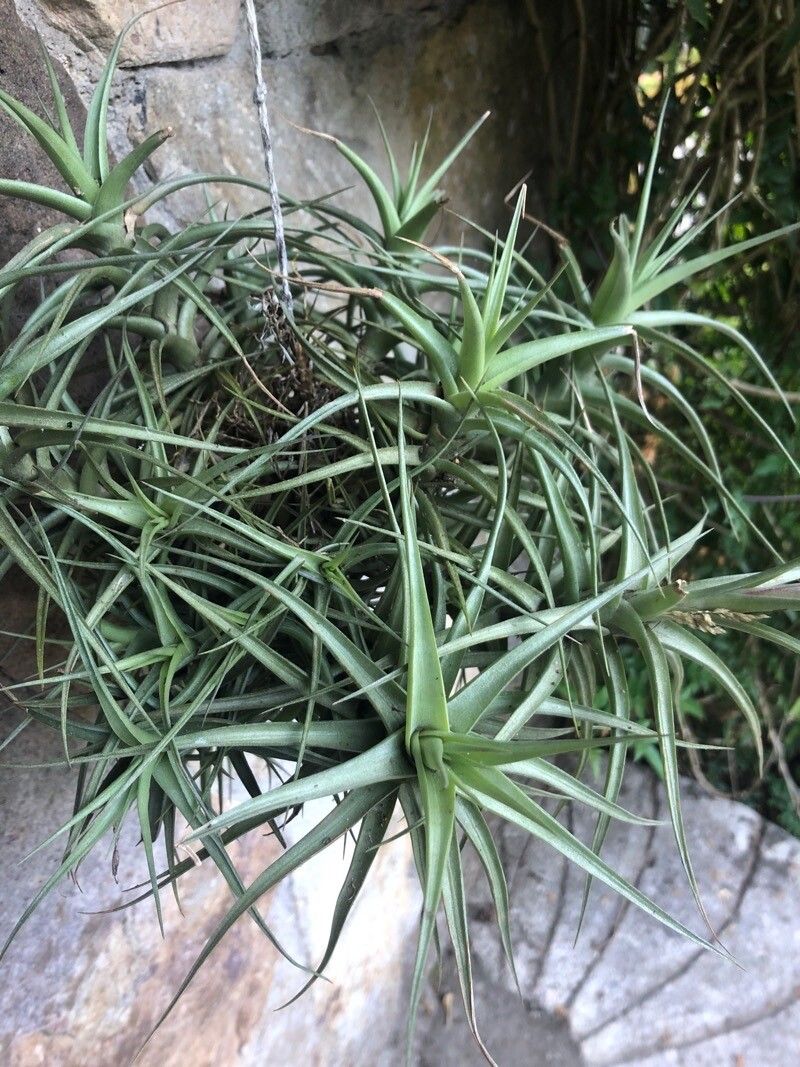
Tillandsia guatemalensis is a species of flowering plant in the genus Tillandsia. This species is native to Mexico and Central America.
Pink quill has moderate disease resistance but is more sensitive to humidity and overwatering. It becomes more prone to disease when it lacks light and is overwatered. In terms of care, Pink quill is drought tolerant and can go long periods without watering. It requires little fertilizer and only occasional pruning. These characteristics make it suitable for people of all experience levels, especially those who want to spend less time on plant care and who may be away from home for extended periods. It is a good option for anyone who does not want to devote much time to caring for their plants but still wants an easy-to-maintain plant.
How to keep Tillandsia Guatemalensis.
Light
Pink quill comes from habitats with dappled or filtered light, such as the forest understory or rocky locations that provide natural shade. It prefers partial sun but can also tolerate full sun.
Water
Pink quill, a plant native to the humid climates of Central America, thrives with consistent moisture and high humidity, although it can tolerate moderate drought. To promote healthy growth and prevent root rot—especially indoors—water the plant weekly and place it in bright, indirect light to encourage proper evaporation.
Temperature
Pink quill prospers in warm conditions. If the surrounding temperature drops too low, the plant may stop growing or incur frost damage. It withstands high heat and humidity well and needs a steady level of moisture in its environment. Nonetheless, excessively high temperature and humidity can make it prone to fungal infections. In dry conditions, routine watering and misting are needed to keep the air sufficiently humid. The plant is sensitive to abrupt temperature swings, so keeping the temperature relatively steady is important.
Pruning
To keep your pink quill plant healthy and well-shaped, prune it in early spring. Start by removing any dried or damaged leaves at the base to encourage new growth and reduce the risk of disease. Regular pruning not only enhances air circulation but also improves the plant's appearance. Be sure to sterilize your tools before you start pruning to prevent any infections.
Pot & Repot
To ensure optimal growth and health, plant pink quills at a depth of 1-2 cm (0.4-0.8 inches).
Botanical profile.
- Plant Type
- Herb, Succulent
- Life Cycle
- Perennial
- Genus
- Tillandsia
- Family
- Bromeliaceae
- Hardiness Zone
- 9-11
- Mature Height
- 30 cm
- Mature Spread
- 30 cm to 49 cm
- Leaf Color
- Green, Light Green
- Leaf Type
- Evergreen
- Flower Color
- Lavender
- Flower Size
- 3.05 cm to 5.08 cm
- Bloom Time
- Late spring, Early summer, Mid summer
- Planting Time
- Spring, Summer, Autumn
- Harvest Time
- Mid summer, Late summer, Early fall
- Native Area
- Honduras, Mexico, Guatemala, El Salvador, Nicaragua, Costa Rica, Panama
Other names.