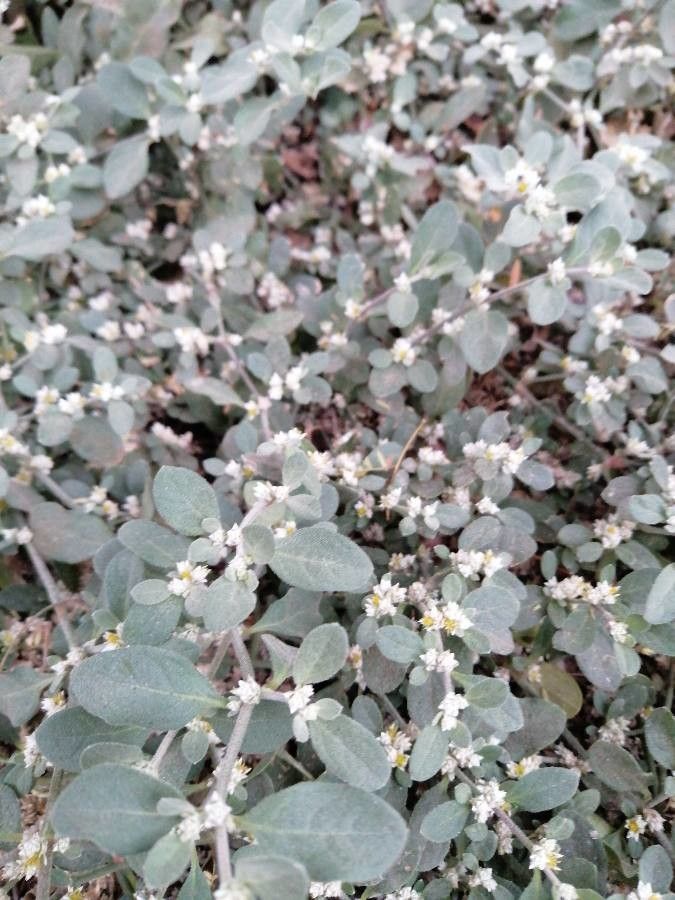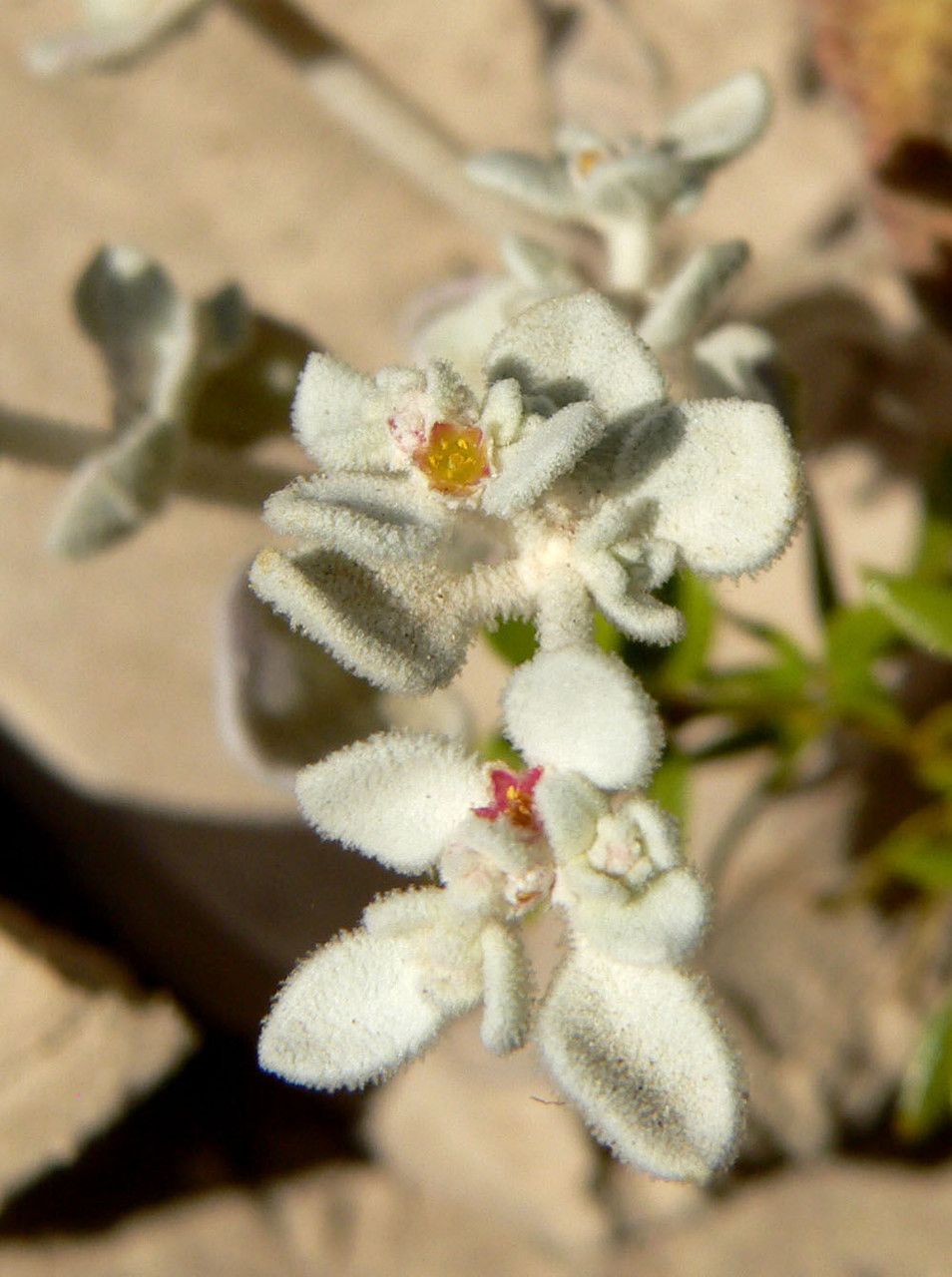
Tidestromia suffruticosa, the shrubby honeysweet, is a perennial plant in the family Amaranthaceae of the southwestern United States and northeastern Mexican deserts. It has one of the highest rates of photosynthesis ever recorded. It flowers from April to December.
Shrubby honeysweet has good resistance to disease and is generally not susceptible to illnesses. In terms of care, the plant is relatively low maintenance. When grown outdoors it needs only minimal watering, and larger specimens typically do not require pruning. Smaller specimens, however, should be pruned after they finish blooming. Shrubby honeysweet is suitable for anyone with an outdoor area, such as a garden or deck, and does not require extensive care experience.
How to keep Tidestromia Suffruticosa.
Light
Shrubby honeysweet comes from open habitats, such as sunny meadows and forest edges, where light is plentiful. It performs best in full sun but can also tolerate partial sun, adapting well to different sunlight conditions.
Temperature
Shrubby honeysweet comes from tropical areas, where the climate is usually warm and humid. As a result, it is adapted to high temperatures and humidity. It is sensitive to sudden temperature changes and prefers a consistent temperature, so avoiding temperature fluctuations indoors is important. It typically does not tolerate cold and requires warmer conditions to grow; if the surrounding temperature drops too far, the plant may stop growing or even die.
Fertilizer
Fertilizing is essential for the care of Shrubby honeysweet. Regular feeding throughout the growing season preserves the energy required for its showy foliage and promotes overall growth. If fertilization is neglected, leaves can become unhealthy, its ornamental value may decline, and growth can be stunted or weak and more likely to break.
Pruning
For a healthier and more attractive garden, prune shrubby honeysweet in early spring. Begin by removing any dead or damaged branches to enhance air circulation and light penetration. Lightly shape the plant to promote compact growth, and perform regular pruning to boost its vigor and flowering potential.
Botanical profile.
- Plant Type
- Shrub
- Life Cycle
- Perennial
- Genus
- Tidestromia
- Family
- Amaranthaceae
- Hardiness Zone
- 9-11
- Mature Height
- 30 cm to 61 cm
- Mature Spread
- 30 cm to 49 cm
- Leaf Color
- Gray, Light Gray
- Leaf Type
- Deciduous
- Flower Size
- 0.20 cm to 0.25 cm
- Bloom Time
- Summer, Fall
- Planting Time
- Summer
- Harvest Time
- Late summer, Fall, Early winter
- Native Area
- Mexico