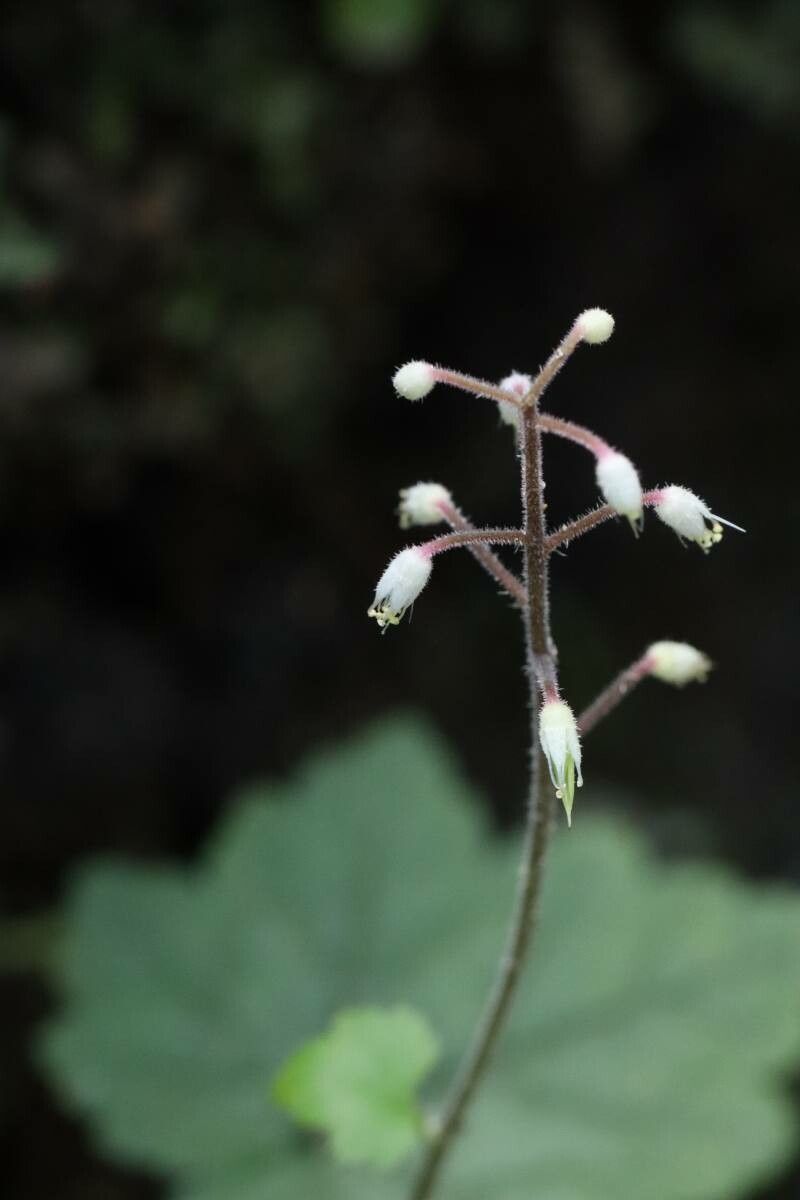
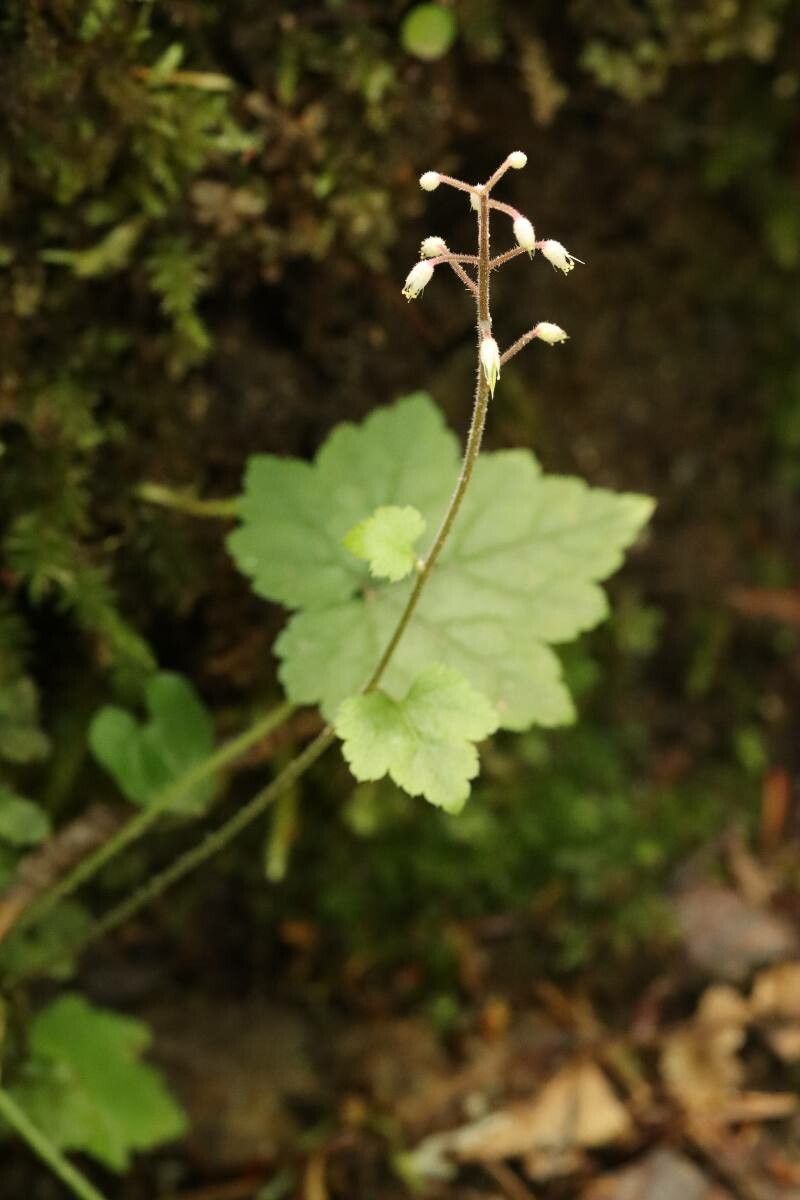
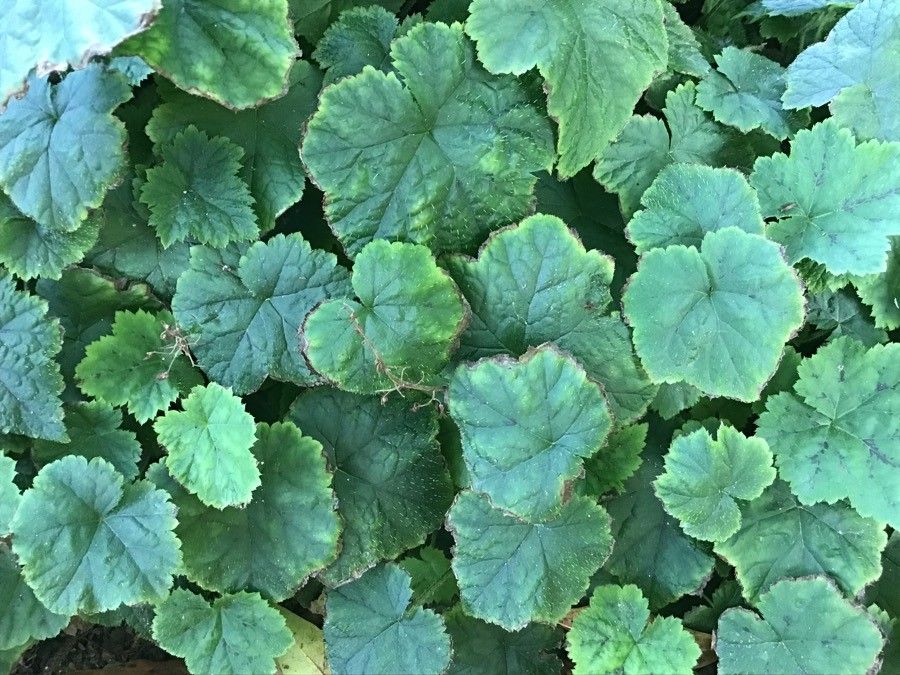
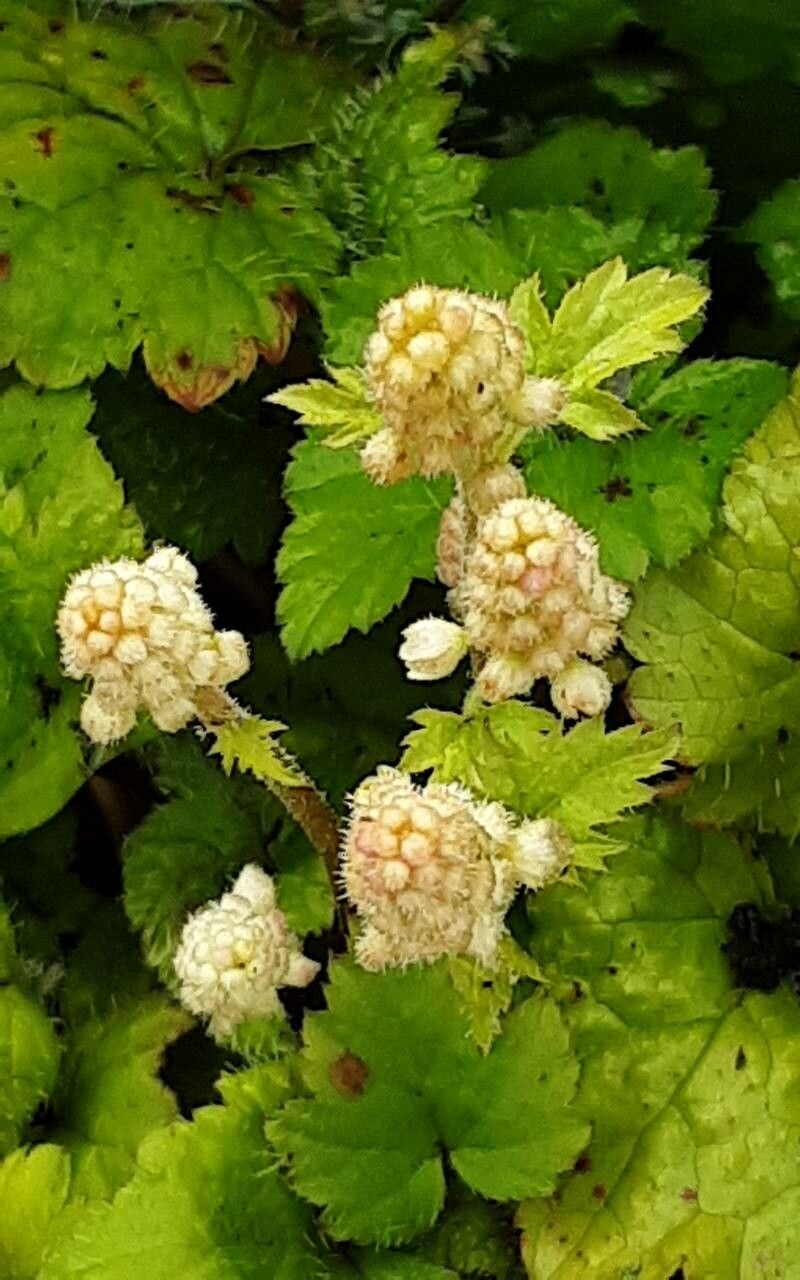
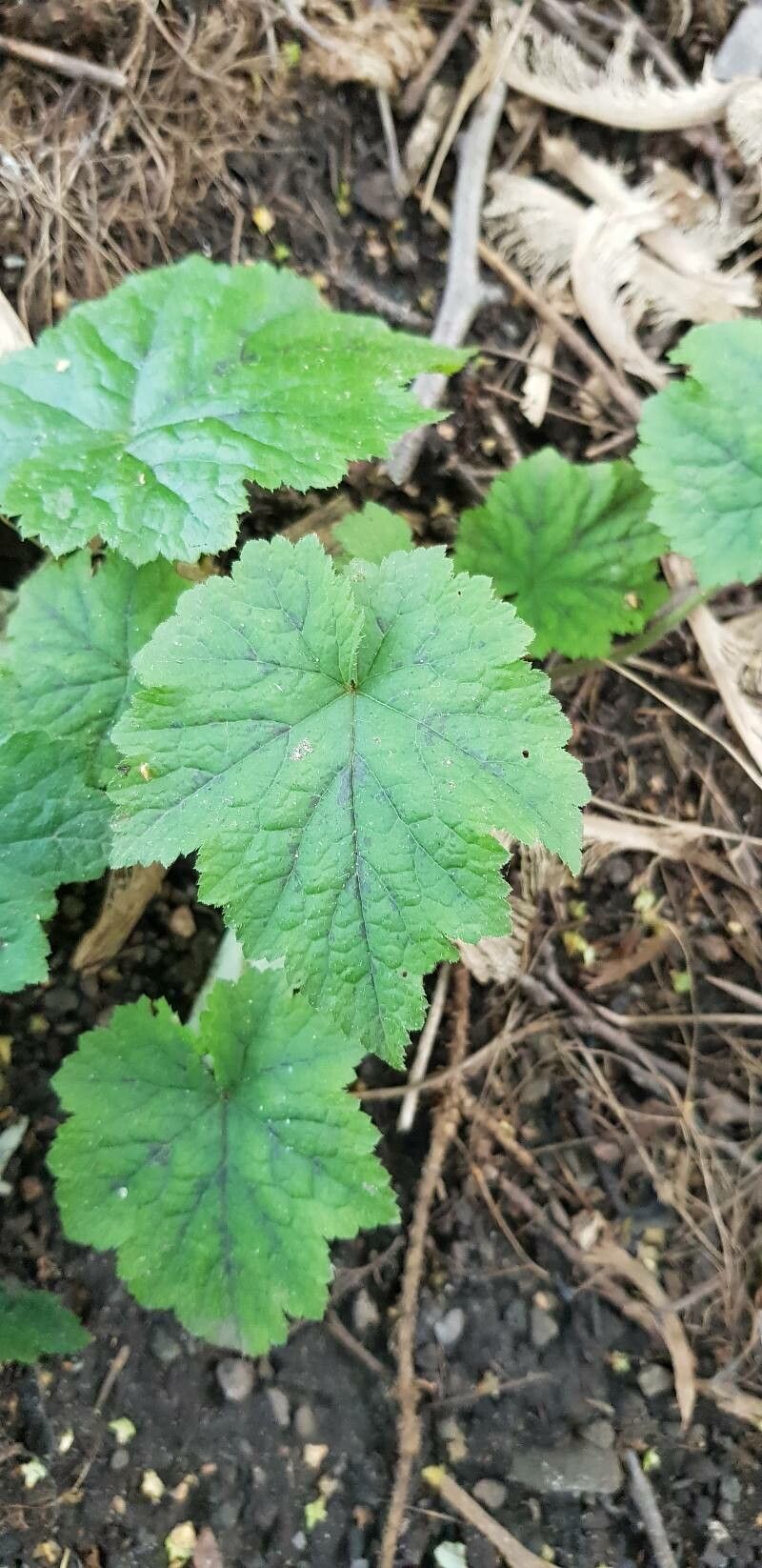
Tiarella polyphylla is a species of flowering plant in the family Saxifragaceae. The specific name polyphylla means "many-leaved". The species is native to Asia, ranging from the eastern Himalayas to China, east Asia, and southeast Asia. It is sometimes called the Asian foamflower.
Foamflower is fairly resistant to disease and typically does not suffer from serious illnesses. Still, it can be affected by pests and diseases found in its environment, though such issues are generally mild. Regarding upkeep, this plant needs a moderate amount of care. Regular pruning is necessary to keep it looking well and to support healthy growth. Applying fertilizer can also encourage it to bloom. Foamflower is appropriate for anyone who has outdoor areas like a garden or patio and does not demand extensive gardening experience. It can need more attention when cultivated indoors.
How to keep Tiarella Polyphylla.
Light
Foamflower does best in locations with indirect or dappled light, mirroring its usual habitat beneath the forest canopy. Although the plant can survive in dimmer spots, its growth may be reduced. Too much direct sunlight can cause leaf scorch.
Water
Foamflower thrives in moist, consistently hydrated soil and does well in humid environments, similar to its woodland origins. Water it every 1-2 weeks, taking care not to overwater. As a herbaceous perennial, it is important to maintain adequate moisture during its active growing season to promote lush foliage. Once established, it can tolerate moderate drought conditions.
Temperature
Foamflower can tolerate a wide range of temperatures, though its distribution may still be limited by different combinations of moisture and heat. It performs best in warm summer conditions with adequate rainfall or watering. Extended periods of cloudy, rainy weather or prolonged high temperatures can raise the likelihood of Foamflower dying. In winter, protecting the plant from cold can increase its chances of survival.
Fertilizer
The primary time to fertilize Foamflower is in early spring when the flowers are beginning to form. Using the correct fertilizer promotes better blooms and helps Foamflower produce attractive flowers. Applying fertilizer in early spring helps secure strong flowers through the season and supplies energy for dormant growth phases.
Pruning
Foamflower, with its delicate white to pink blossoms, benefits from light to moderate pruning in early to late spring. To encourage healthy growth and blooming, remove spent blooms and any damaged foliage. Avoid heavy pruning to minimize stress on the plant. Regular pruning helps maintain the plant's shape and reduces the risk of disease.
Botanical profile.
- Plant Type
- Herb
- Life Cycle
- Perennial
- Genus
- Tiarella
- Family
- Saxifragaceae
- Hardiness Zone
- 4-8
- Mature Height
- 30 cm
- Mature Spread
- 30 cm
- Leaf Color
- Green, Blue
- Leaf Type
- Semi-evergreen
- Flower Color
- White, Pink
- Flower Size
- 7.62 cm to 25.40 cm
- Bloom Time
- Mid spring, Late spring
- Planting Time
- Spring, Summer, Autumn
- Harvest Time
- Early summer, Mid summer
- Native Area
- Nepal, India, Myanmar, Japan, Bhutan, South Korea, China
Other names.
Reader questions.
What are the sunlight requirements for Foamflower?
Foamflower requires specific sunlight conditions to thrive. It prefers partial sun, receiving about 3-6 hours of sunlight daily, and can also grow in full shade, where it gets less than 3 hours of sunlight. These conditions mimic its natural habitat under the forest canopy, where sunlight is present but filtered. However, it's essential to observe the movement of sunlight through your garden and choose spots that offer the right balance of light and shade, ensuring the plants' well-being. Excessive exposure to sunlight can lead to leaf scorch, while insufficient light may stunt the plant's growth.
How can artificial lighting benefit indoor Foamflowers?
Indoor Foamflowers can benefit significantly from artificial lighting, especially when natural sunlight is insufficient. Artificial lights, such as LED lights, can provide the specific wavelengths of light needed for optimal growth, mimicking natural sunlight's intensity and duration. For full sun plants, 30-50 watts per square foot is recommended, while partial sun plants need 20-30 watts, and full shade plants require 10-20 watts. The light source should be placed 12-36 inches above the plant, and it's essential to mimic the length of natural daylight hours, generally between 8-12 hours per day, to promote healthier and faster growth.
What are the signs of insufficient light in Foamflower?
Foamflower can show several signs when grown indoors under insufficient light conditions. These symptoms include smaller new leaves, leggy or sparse growth, faster leaf drop, slower or halted growth, and paler new leaves. These are indicators of the plant struggling to adapt to inadequate light, resulting in reduced chlorophyll and essential nutrients, which are crucial for photosynthesis and overall health.
What are some solutions to insufficient light for Foamflower?
To address insufficient light for Foamflower, gradually moving them to sunnier spots each week until they receive 3-6 hours of direct sunlight is beneficial. For indoor plants that are large or not easily movable, consider using artificial light such as desk or ceiling lamps for at least 8 hours daily, or investing in professional plant grow lights. Outdoors, it's key to transition plants gradually to prevent sunburn. If sunlight is blocked by obstructions, pruning or transplanting during the dormant period can help improve light exposure. Remember, parts of the plant affected by insufficient light may not recover, but new growth should be healthy following these adjustments.