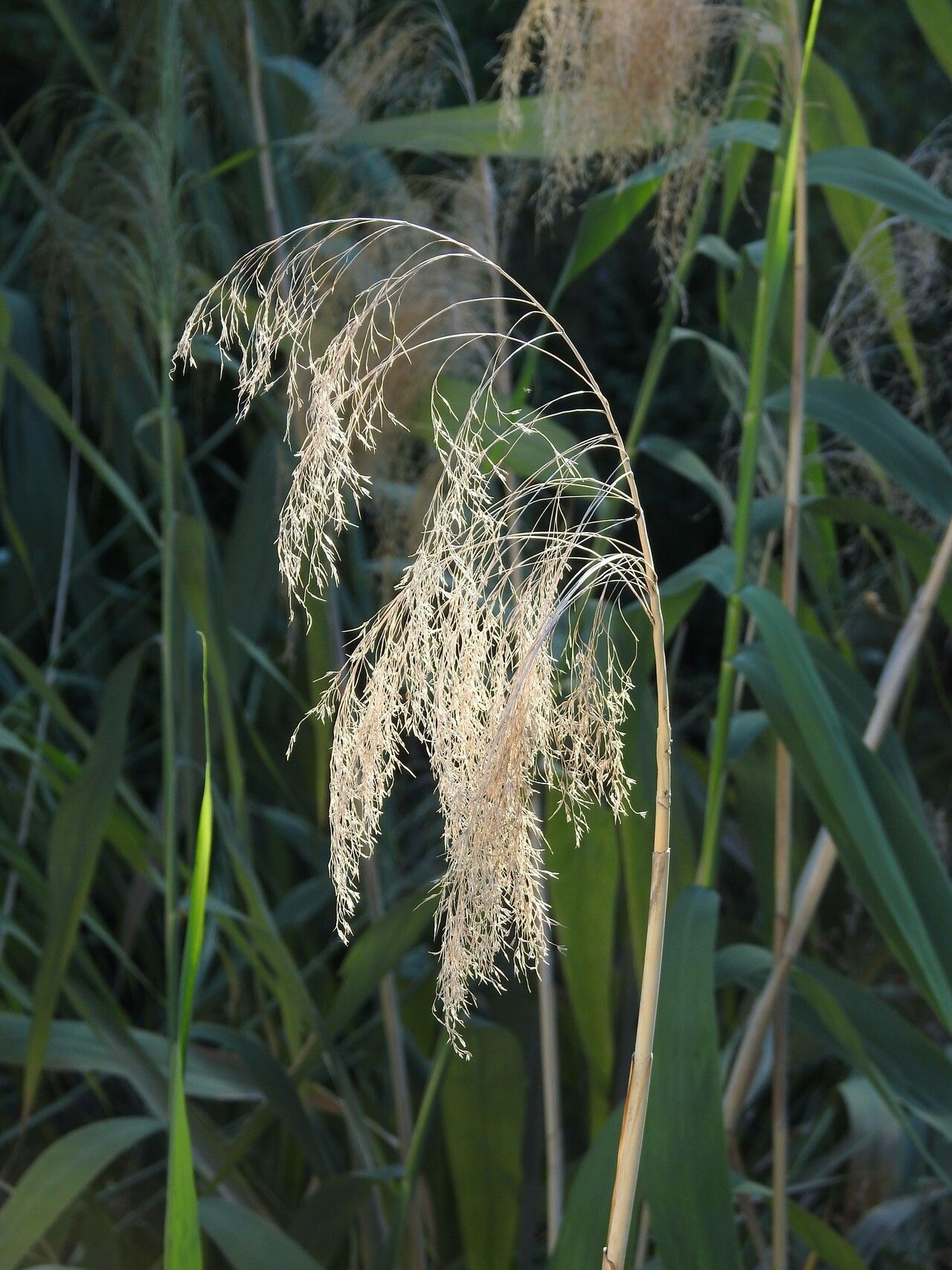
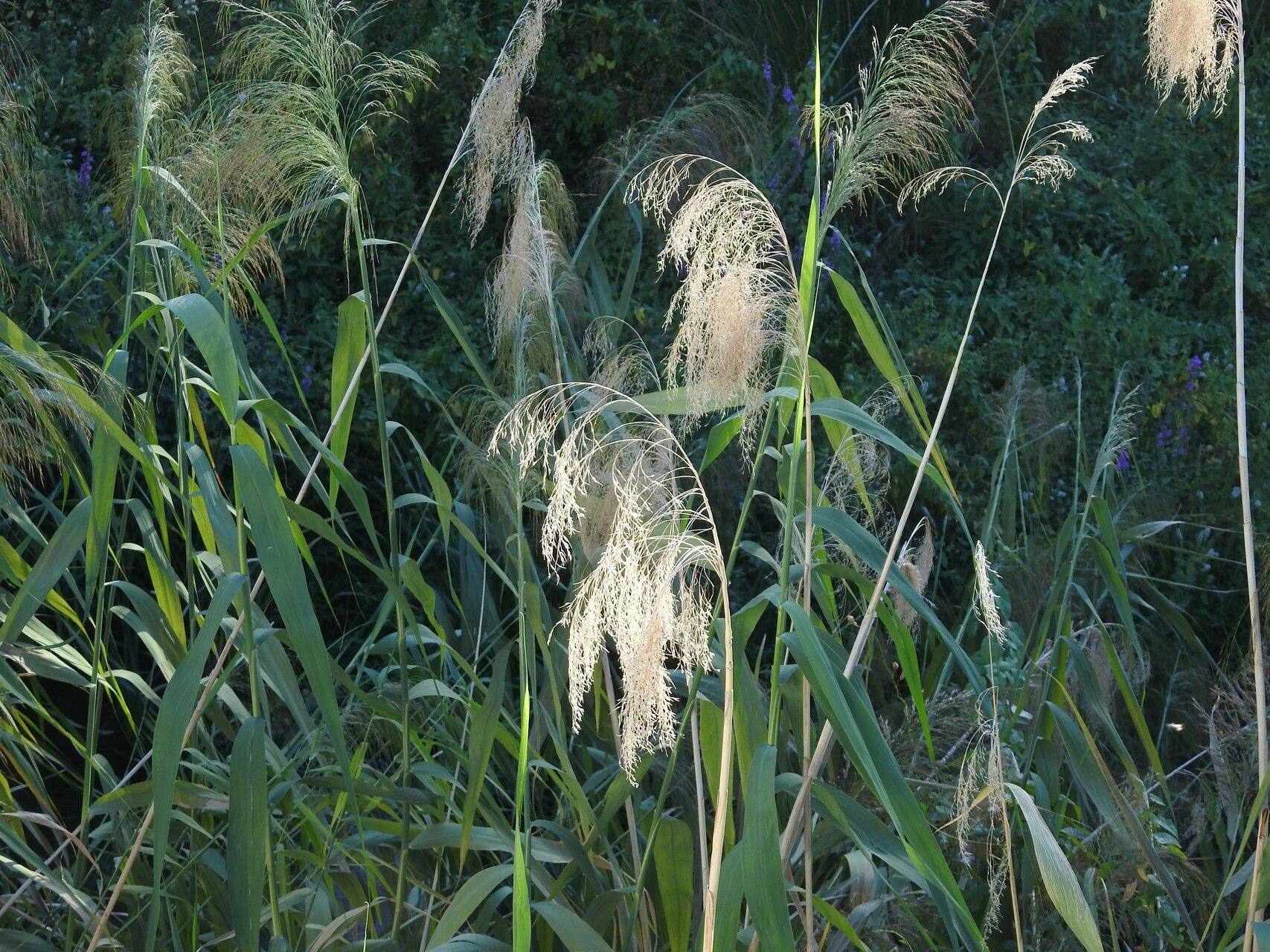
Thysanolaena latifolia, commonly known as tiger grass or elephant grass, is a perennial plant species in the Poaceae family. Native to Southeast Asia, it thrives in countries such as Thailand, Vietnam, and Malaysia.
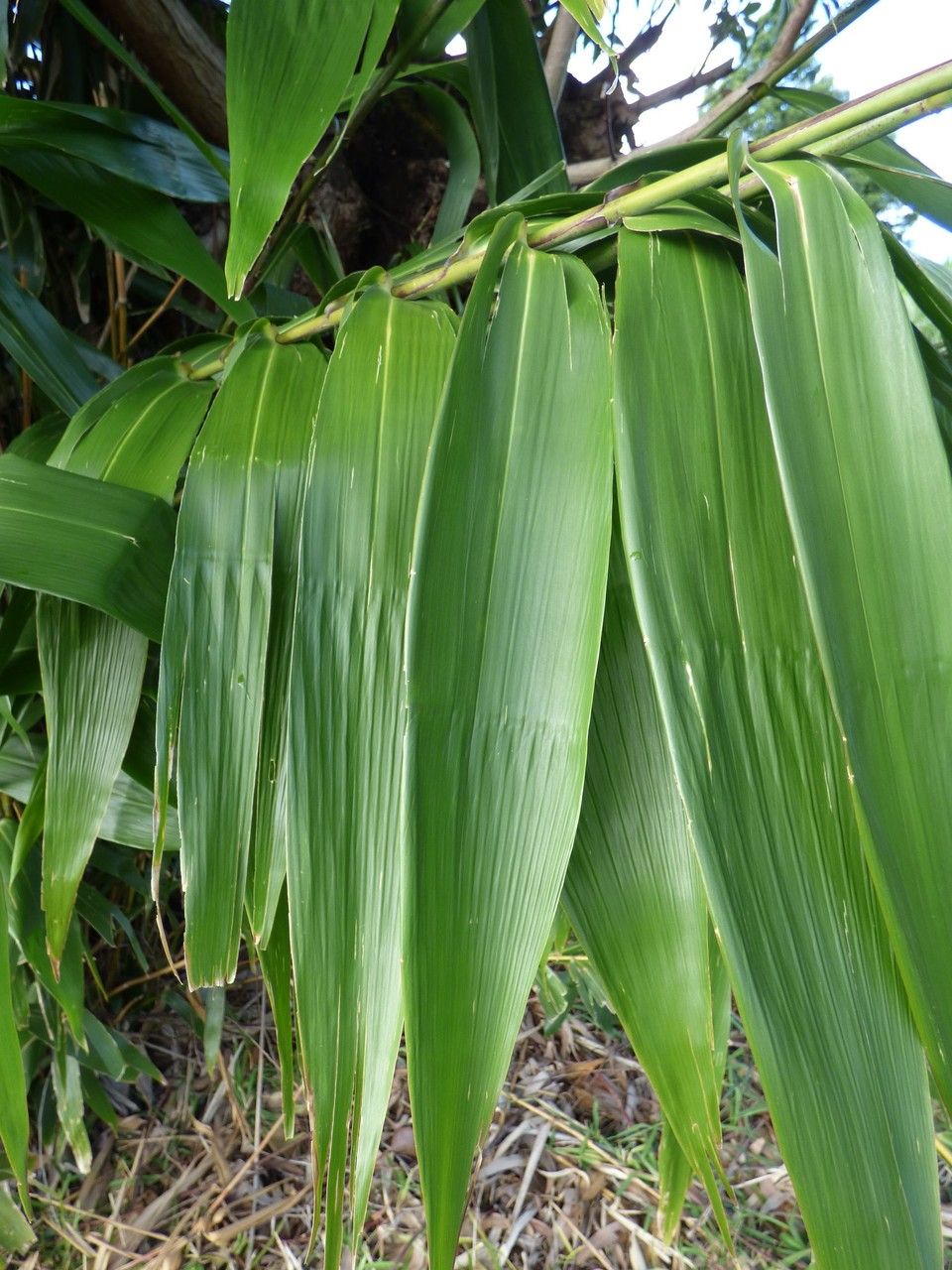
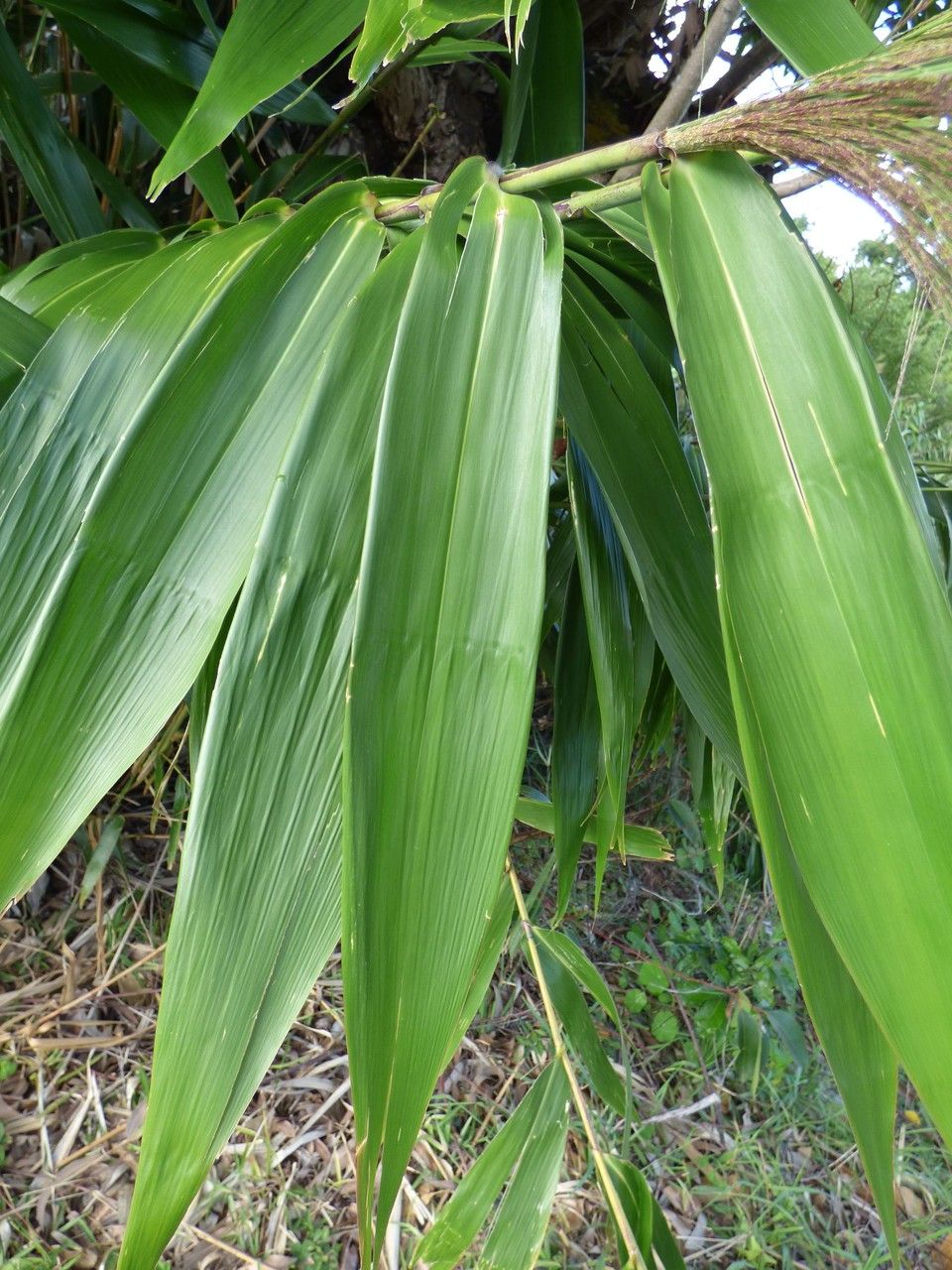
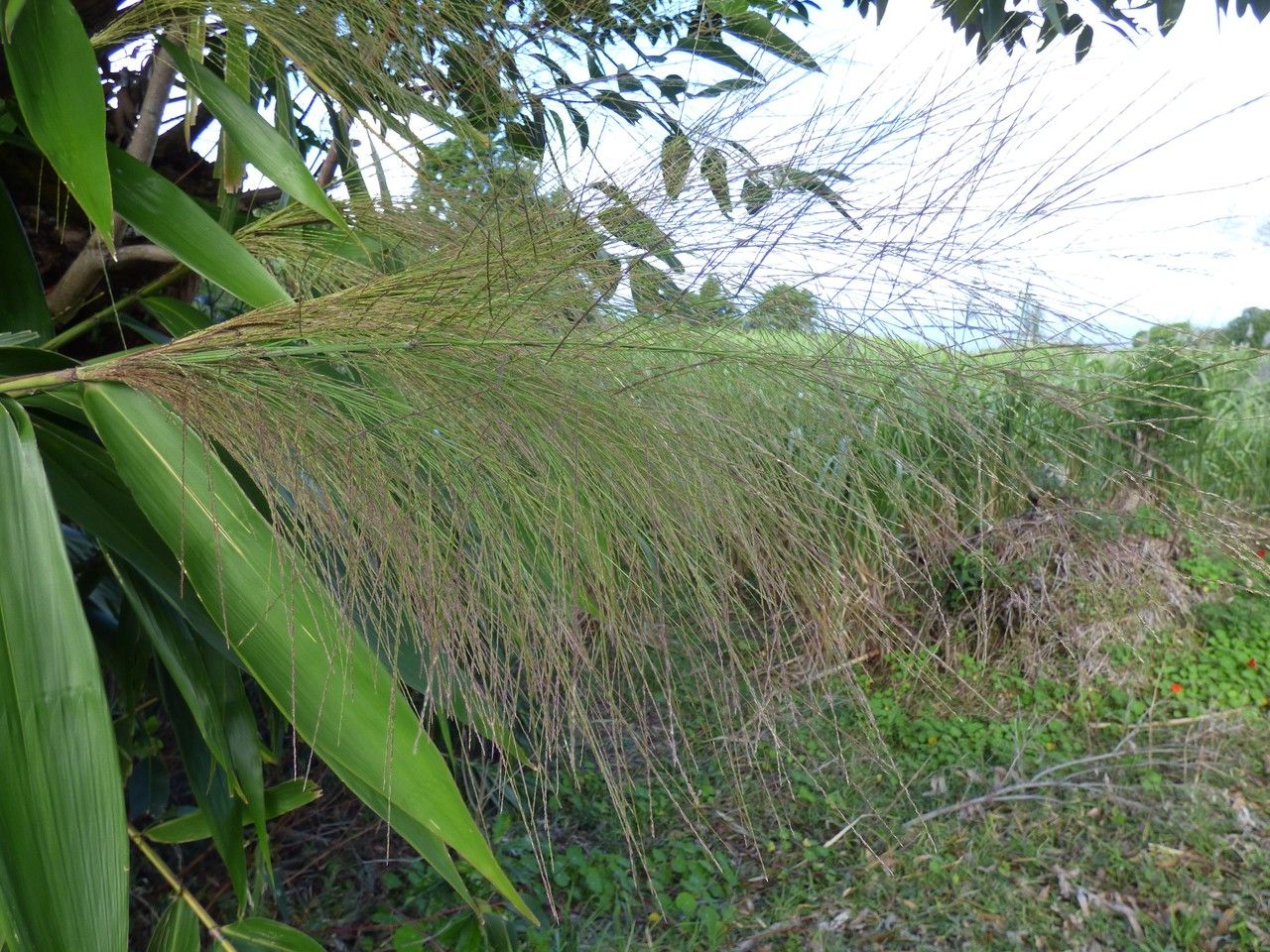
This plant can grow up to 3 meters tall and features long leaves that are green on the top side and brownish-purple on the underside. It also produces large plumes of greenish-yellow flowers.
Traditionally, tiger grass has been used for various practical purposes, including making baskets, mats, hats, and even paper. Additionally, it has medicinal applications in some cultures.
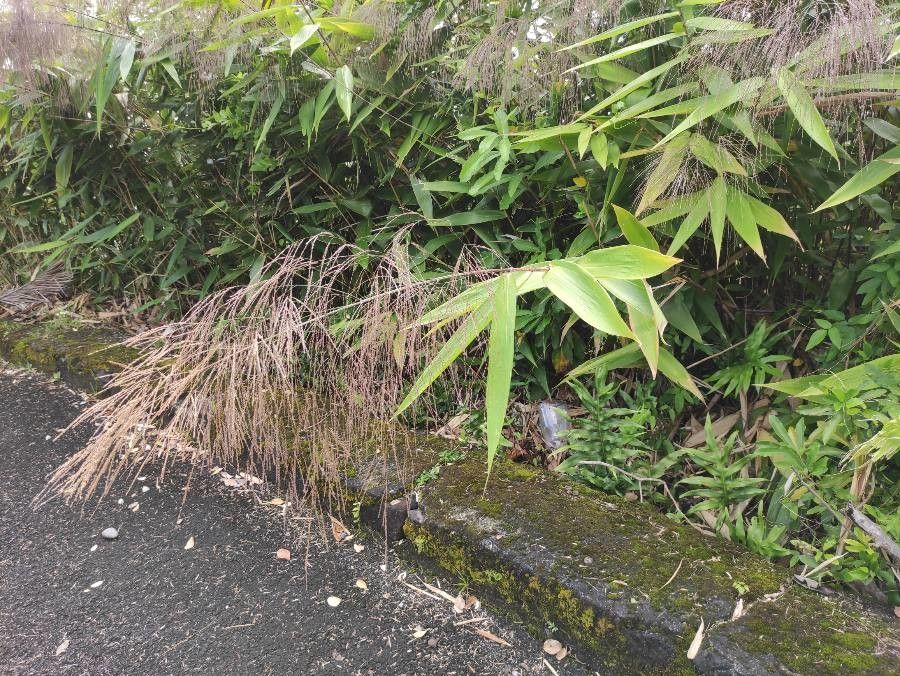
In recent years, tiger grass has gained popularity as an ornamental plant due to its attractive appearance and its ability to form dense clumps quickly, making it ideal for privacy screens or windbreaks.
Overall, Thysanolaena latifolia is a versatile plant with numerous practical and aesthetic uses, making it an appealing addition to any garden or landscape design project.
Tiger grass is highly resistant to disease and generally not susceptible to illnesses. In terms of care, this plant is fairly low-maintenance. When grown outdoors it needs only minimal watering; larger specimens typically do not require pruning, but smaller ones should be pruned after they have finished blooming. Tiger grass is suitable for anyone with an outdoor area, such as a garden or deck, and does not demand much care experience.
How to keep Thysanolaena Latifolia.
Light
Tiger grass prefers plenty of sunlight, reflecting the conditions of its native habitat. The plant needs strong sun exposure to reach optimal growth and development. Insufficient light can inhibit its growth, while excessive light can burn its leaves.
Water
Tiger grass, native to tropical rainforests, thrives in high humidity and consistently moist soil. To mimic its natural environment, it's important to water it weekly, particularly during dry spells. The plant's growth is also influenced by rainfall patterns, so providing proper care is crucial for maintaining its optimal health.
Temperature
Tiger grass comes from environments with temperatures between 68 and 100 °F (20 to 38 ℃). It prefers warm conditions, so it grows best within that range. In colder seasons, consider keeping tiger grass in a warmer indoor area if necessary.
Fertilizer
Tiger grass needs extra nutrients to encourage healthy new growth. In spring, spreading compost around the plant's base will effectively supply the necessary nourishment. Fertilizing supports vigorous growth and helps the plant resist diseases and pests.
Pruning
Tiger grass benefits greatly from regular pruning, ideally performed in early spring. By removing dead canes and overcrowded stalks, you can improve air circulation within the plant. Pruning not only helps control the spread of the grass but also encourages new growth and reduces the risk of disease. Be sure to use sharp tools to make clean cuts, which promotes faster healing.
Botanical profile.
- Plant Type
- Grass
- Life Cycle
- Perennial
- Genus
- Thysanolaena
- Family
- Poaceae
- Hardiness Zone
- 10-12
- Mature Height
- 1.83 m to 3.05 m
- Mature Spread
- 1.83 m to 3.66 m
- Leaf Color
- Green, Dark Green
- Leaf Type
- Semi-evergreen
- Flower Size
- 0.10 cm to 0.20 cm
- Bloom Time
- Early summer, Mid summer
- Planting Time
- Spring, Summer
- Harvest Time
- Late summer, Early fall
- Native Area
- Nepal, Sri Lanka, India, Malaysia, Philippines, Bangladesh, Pakistan, Laos, Tanzania, China, Indonesia, Cambodia, Vietnam, Myanmar, Bhutan, Thailand
Other names.
Reader questions.
How frequently should I give water to my Tiger grass?
The watering needs of Tiger grass depend on where it is planted. In general, watering once a week is sufficient. In hot climates, watering once or twice a week during the summer may be necessary. In moderate climates, watering once every seven days or more may be enough. Grass in containers usually needs more frequent watering than grass planted in the ground. However, the location of the grass also matters, as shaded grass requires less frequent watering than grass in the ground. Tiger grass should only be watered when the soil is dry. To determine if the soil is dry, you can press your finger a couple of inches into the soil or check the weight of a potted grass with a portable scale. The blades of the grass may appear folded and thinner when lacking sufficient water. Despite its drought tolerance, regular, deep waterings will maintain its beautiful color. Even though Tiger grass is drought resistant, it still requires care and attention and thrives best with consistent watering. When first planted, Tiger grass needs more frequent watering until it establishes deep roots. For potted Tiger grass, the soil tends to dry out quickly, especially in hot, direct sun. Test the soil every 3 to 4 days and water when it feels dry. Tiger grass planted in the ground generally needs less watering, but it depends on the type of soil. Heavy clay soil may feel dry at the surface but still retain moisture below, while sandy soils that drain quickly will need more frequent watering.
What are the sunlight requirements for Tiger Grass (Thysanolaena latifolia)?
Tiger Grass requires full sun exposure, meaning it needs more than 6 hours of sunlight each day to thrive. This replicates its natural habitat conditions, promoting superior growth and development. It's important to observe the movement of sunlight through your garden to select locations that provide this balance of light and shade, ensuring the plant's wellbeing. In circumstances where natural sunlight is insufficient, particularly for indoor scenarios or during winter, using artificial lighting can be a valuable solution. Suitable artificial lights, like LED, which can be adjusted to provide specific wavelengths, help in promoting healthier growth. Each plant type has distinct needs, ranging from 30-50 watts per square foot for full sun plants to 10-20 watts for those preferring full shade.
What is Tiger Grass and where does it originate?
Tiger grass, scientifically known as Thysanolaena latifolia, originates from environments where temperatures range from 68 to 100 °F (20 to 38 °C). It thrives in warm conditions and requires such a climate for optimal growth. Native to regions with these temperature ranges, Tiger grass enjoys a warm climate that is conducive to its growth and development.
What should I watch out for when watering my Tiger grass in different seasons, climates, or during different stages of growth?
To determine if you're watering enough, look at the rate of growth of your grass. Tiger grass tends to double in size during the hottest months. If the weather is hot but the grass isn't growing well, adjust your watering schedule. In winter, you may only need to water once a month, but check the soil for moisture. During the warmest months, the grass needs more water, while in winter and cooler months, it needs less. Remember to let the soil dry out completely before watering Tiger grass.
What are some common symptoms of improper lighting for Tiger Grass, and how can they be addressed?
Tiger Grass shows various symptoms when experiencing inadequate lighting, including smaller new leaves, leggy or sparse growth, faster leaf drop, stunted or no new growth, paler new leaves, chlorosis, sunscald, leaf curling, wilting, and leaf scorching. These symptoms are indicative of either too little or too much sunlight. Solutions include gradually acclimating the plant to the correct sunlight conditions, either by moving it to sunnier spots over weeks (for both indoor and outdoor plants) or by adjusting artificial lighting to ensure at least 6-8 hours of light daily. Note that parts of the plant that have already been damaged may not recover, but new growth should be healthy following these adjustments.
How do you care for Tiger Grass in colder seasons?
In colder seasons, it's crucial to protect Tiger grass from the harsh temperatures, as it is an extremely heat-loving plant. When temperatures begin to fall, especially in autumn, it is recommended to bring outdoor-grown Tiger grass indoors to shield it from the cold. Placing it near a bright window will ensure it continues to receive sufficient light, yet it should be kept at a distance from heaters to avoid dry air, which could further harm the plant. Maintaining indoor temperatures above 20°C during winter helps in promoting its growth, while exposure to temperatures approaching 5°C or colder can be detrimental.
What should I do if I give my Tiger grass too much water or too little water?
Proper watering is essential for the growth and performance of this beautiful ornamental grass. In the ground, watering issues can be resolved, but in a container, both too much and too little water can be fatal for Tiger grass. Incorrect watering can lead to stunted growth or various signs of distress, such as yellow leaves with brown tips from overwatering or drooping leaves, weak seed head production, and browning from underwatering. To address watering problems, the first step is to determine if there is an excess or lack of water. If there is too much water, stop watering the grass immediately and wait for the soil to dry out. Once new growth appears, test the soil for moisture to determine if further watering is necessary. Conversely, if there is too little water, simply give the grass a deep drink and observe if it improves. Remember that it is better to provide long, deep watering rather than frequent but shallow waterings. This encourages the growth of deep roots, making the grass more resistant to drought and less susceptible to watering-related issues.
How can I assist Tiger Grass in receiving optimal sunlight?
To help your Tiger Grass receive the optimal amount of sunlight, consider gradually moving it to locations with sufficient sunshine, ensuring at least 6 hours of direct sunlight daily. This can be achieved by placing the plant near a south-facing window indoors or choosing sunnier spots outdoors but doing so gradually to prevent shock. For plants too large or impractical to move, artificial lighting such as desk lamps or professional grow lights can supplement natural sunlight, ideally for at least 8 hours daily. Additionally, for outdoor plants, clearing obstructions such as overhanging branches can increase sunlight exposure. For smaller plants, consider transplanting to a better-lit location, especially during their dormant periods in late winter or early spring for the best results.
What are the signs of low temperature damage on Tiger grass?
When Tiger grass is exposed to temperatures below its comfort zone, particularly below 20°C and near or below 1°C, it exhibits clear signs of distress. Initial symptoms of low temperature exposure involve a lightening of the leaves' color. If the plant experiences frost, this symptom progresses to the leaves turning brown or black, accompanied by wilting and drooping. These signs indicate that the Tiger grass has been affected by the cold and needs immediate attention to mitigate further damage.
How should you care for Tiger Grass when it experiences high temperatures?
While Tiger grass enjoys warm conditions, extremely high temperatures, especially above 38°C and reaching up to 43°C, can be harmful. In such conditions, Tiger grass leaves might lighten in color and become more susceptible to sunburn. Care during these times involves trimming away sunburned or dried parts to prevent further damage. Additionally, relocating the plant to a shaded area, particularly from the midday and afternoon sun, and ensuring the soil remains moist with watering in the morning and evening, will help the plant to cope with the stress of high temperatures.
What are the solutions for Tiger grass affected by low or high temperatures?
For Tiger grass affected by low temperatures, the immediate solution is to trim off the frost-damaged parts to prevent the spread of damage. The plant should then be moved indoors to a warm environment, preferably near a south-facing window for ample sunlight, while avoiding placement near heaters or air conditioning vents as they can cause dry air. For high temperature stress, the solution involves trimming away sun-damaged or dried-up parts. It's also beneficial to move the plant to a partially shaded area during the warmest parts of the day and to water it in the morning and evening to keep the soil moist and support recovery.