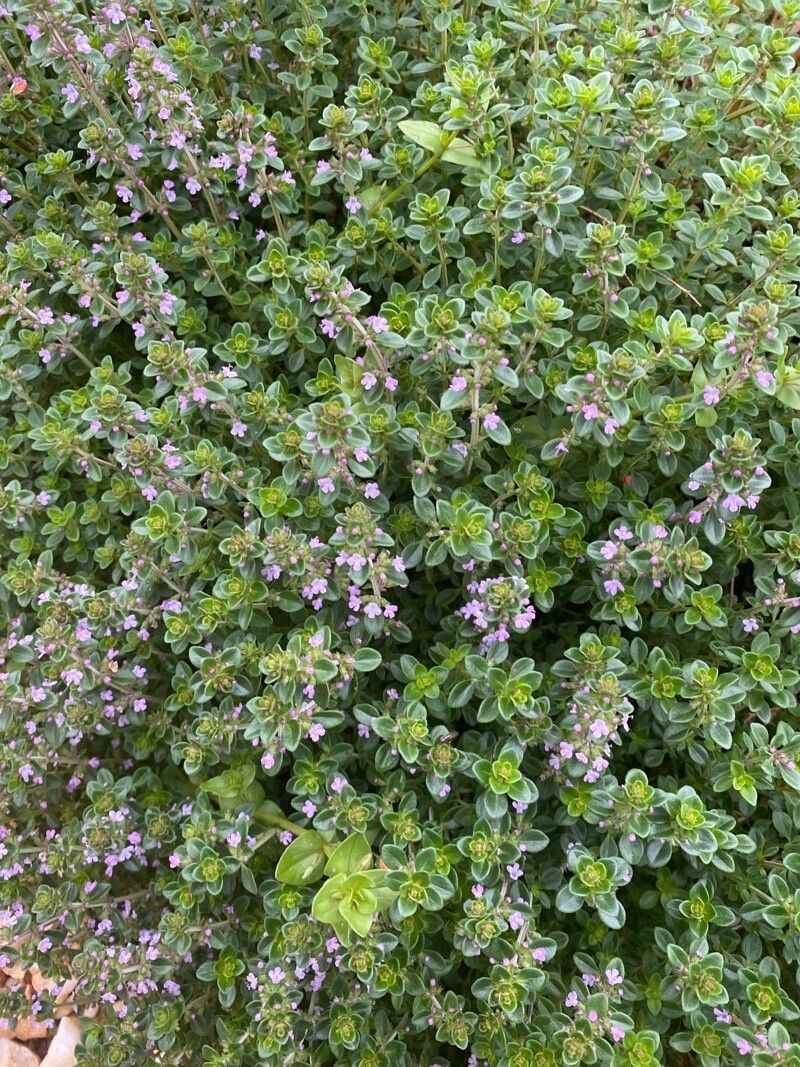
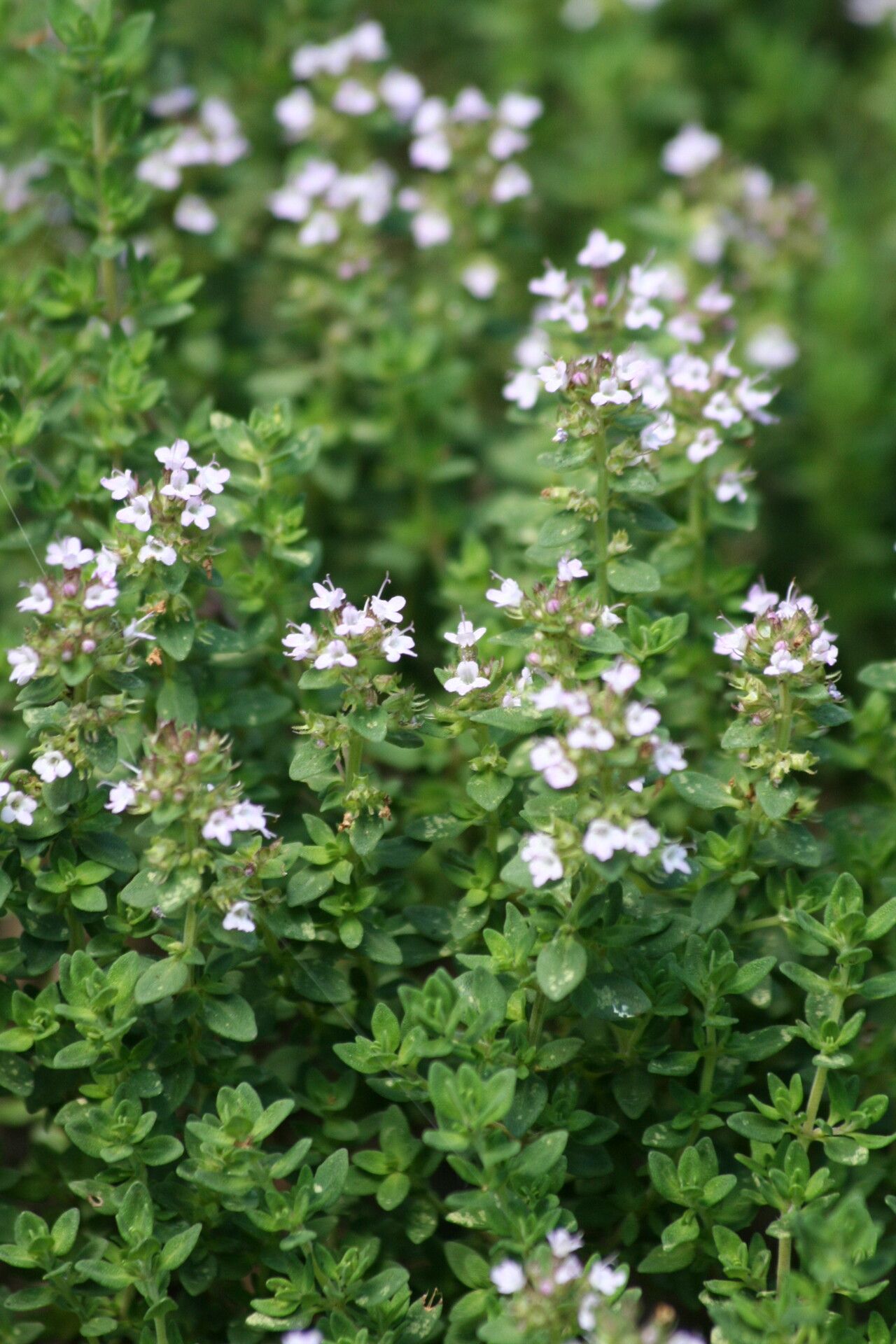
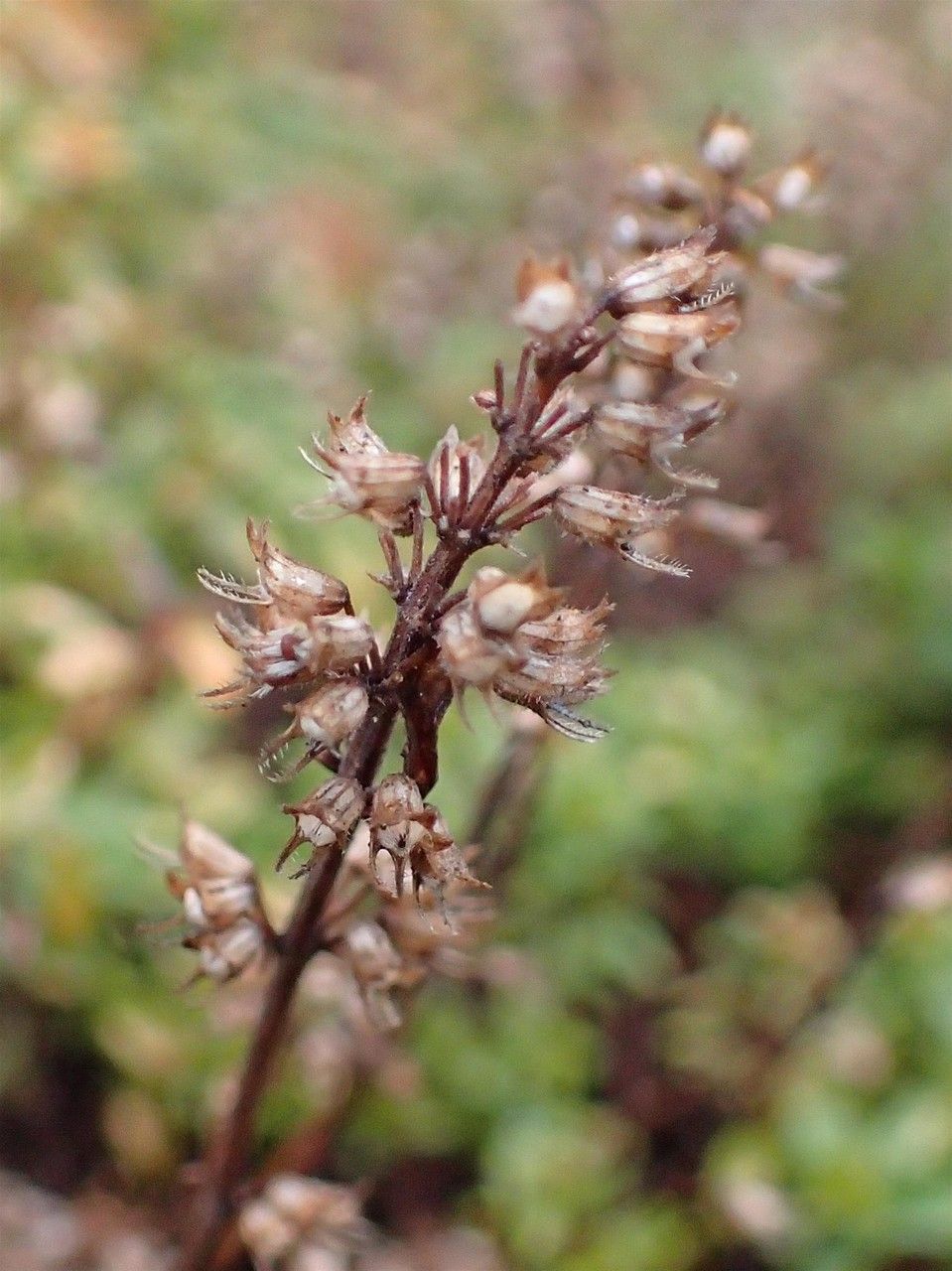
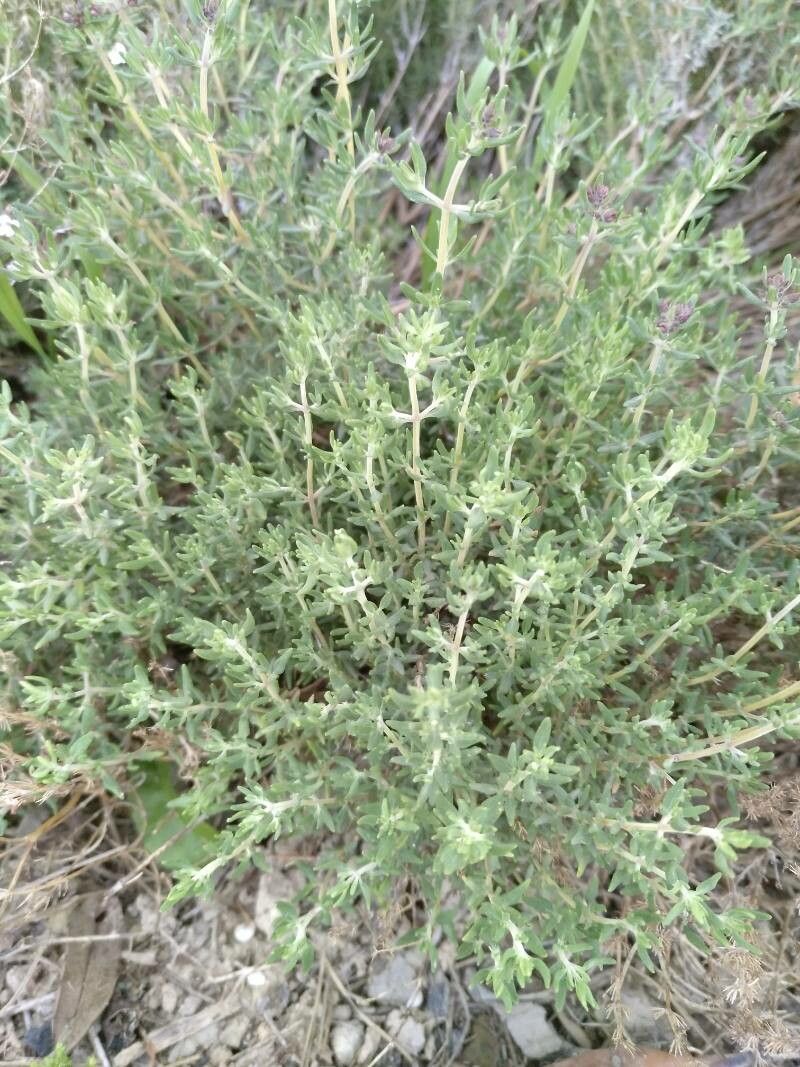
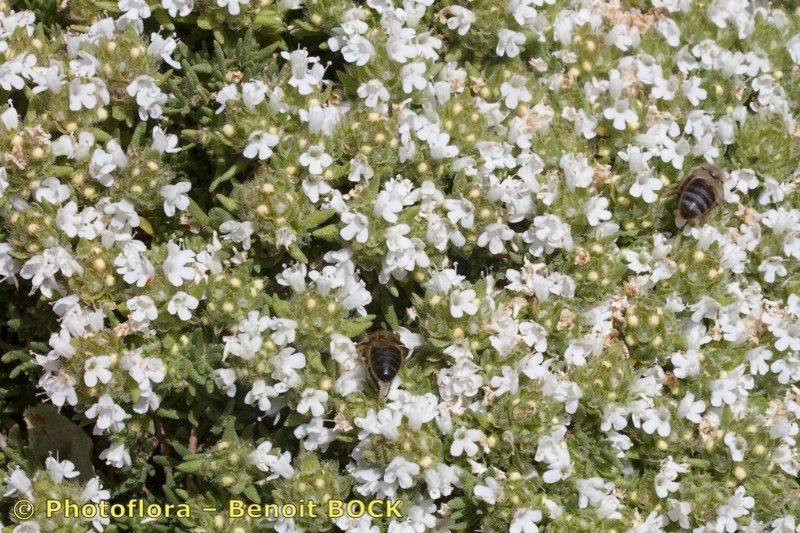
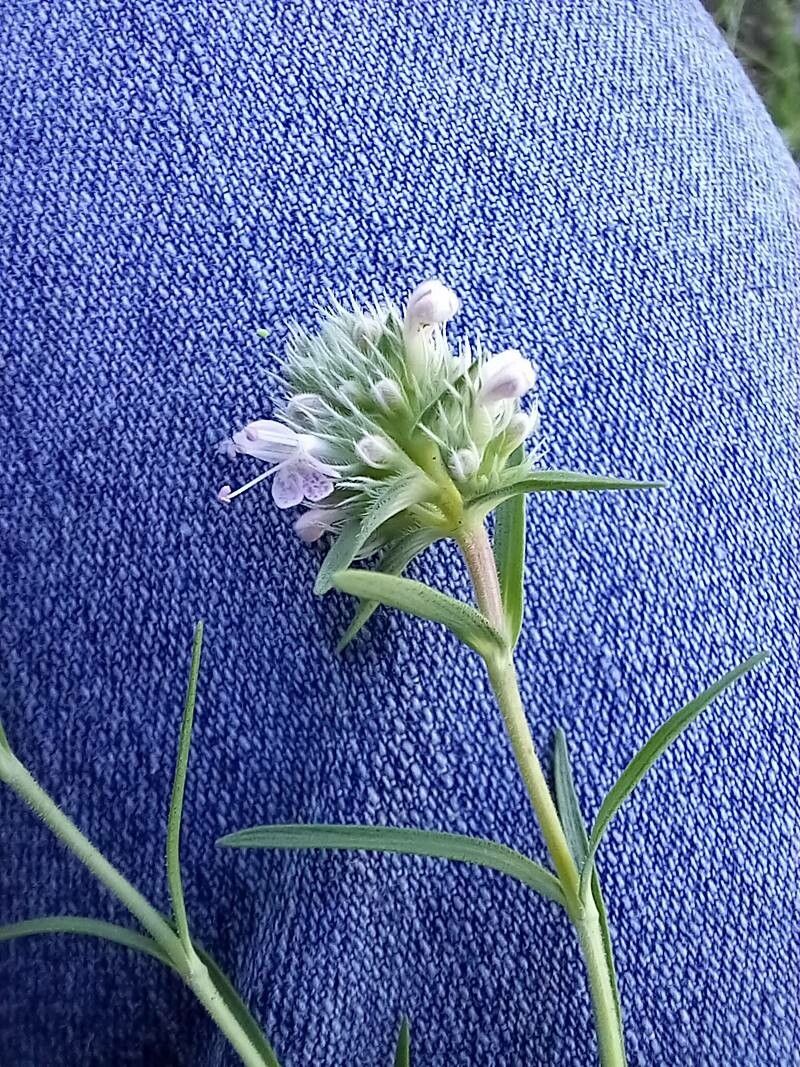
Thymus x citriodorus, commonly known as Lemon Thyme, is a perennial herb that belongs to the mint family. This hybrid results from the crossbreeding of two thyme species: Thymus vulgaris and Thymus pulegioides. The plant features small, highly fragrant green leaves that release a lemony aroma when crushed, and it produces tiny pink or lavender flowers during the summer.
Native to southern Europe and the Mediterranean region, Lemon Thyme is now widely cultivated around the world for its culinary and medicinal uses. The plant's essential oils, such as thymol, carvacrol, and linalool, contribute to its distinctive flavor and aroma.
In cooking, Lemon Thyme is commonly used to flavor meat dishes like chicken and fish, but it also adds a citrusy note to salads and dressings. Medicinally, it has been used for centuries to treat respiratory infections due to its antibacterial properties.
Lemon Thyme thrives in well-drained soil with full sun exposure but can also tolerate partial shade. It requires moderate watering during dry periods, but overwatering should be avoided to prevent root rot.
Overall, Lemon Thyme is an easy-to-grow herb with numerous culinary and medicinal applications. Its flavor, fragrance, and health benefits make it a popular choice among gardeners worldwide.
Botanical profile.
Other names.