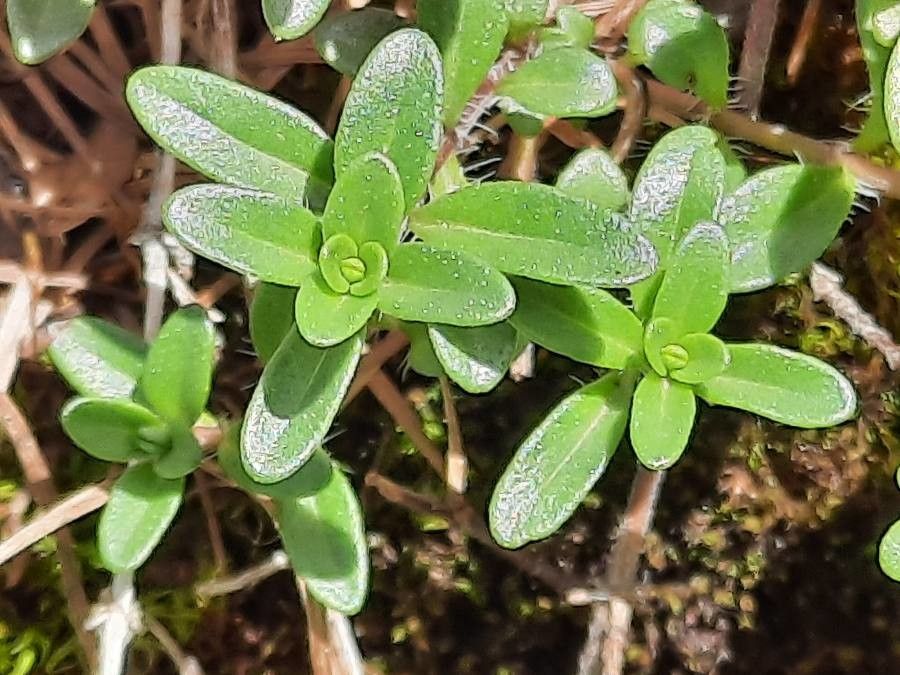
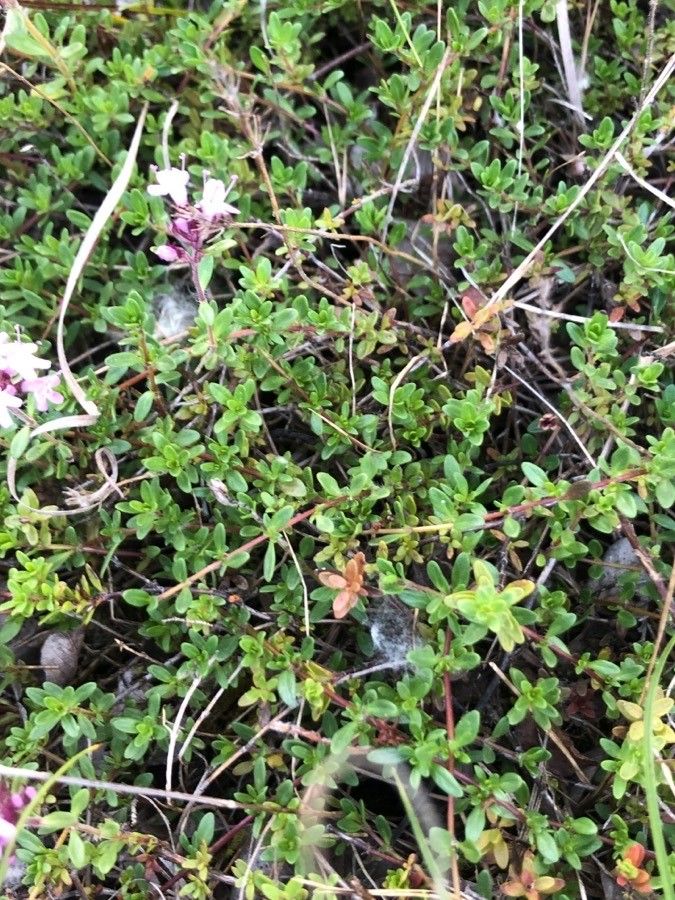
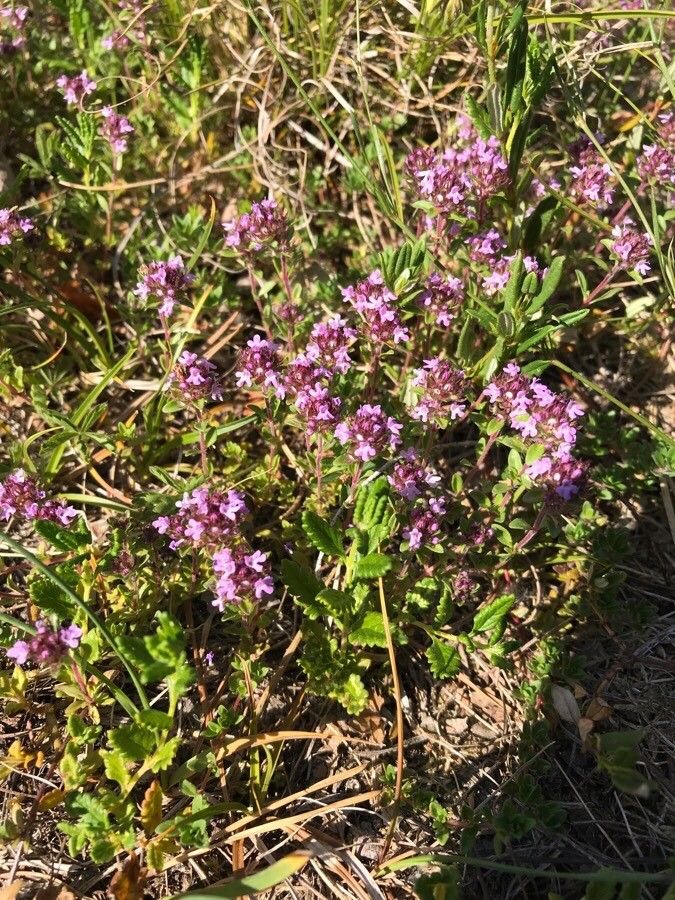
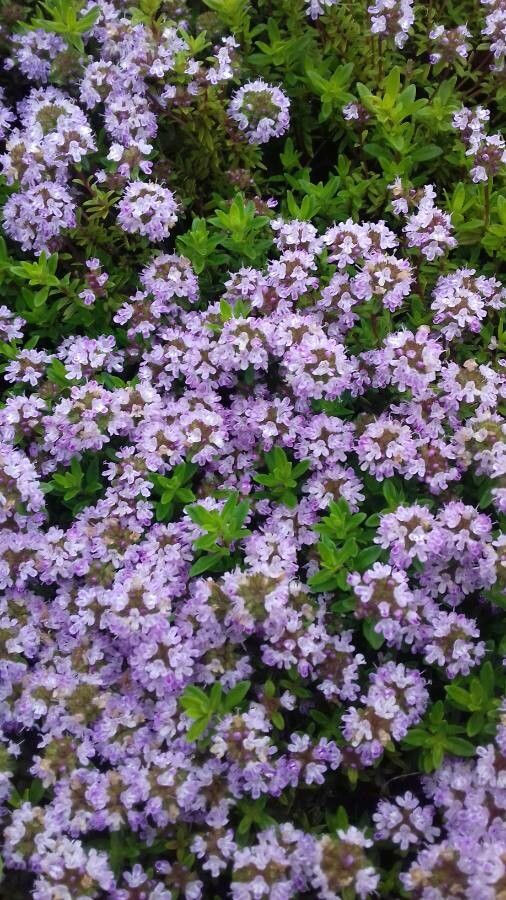
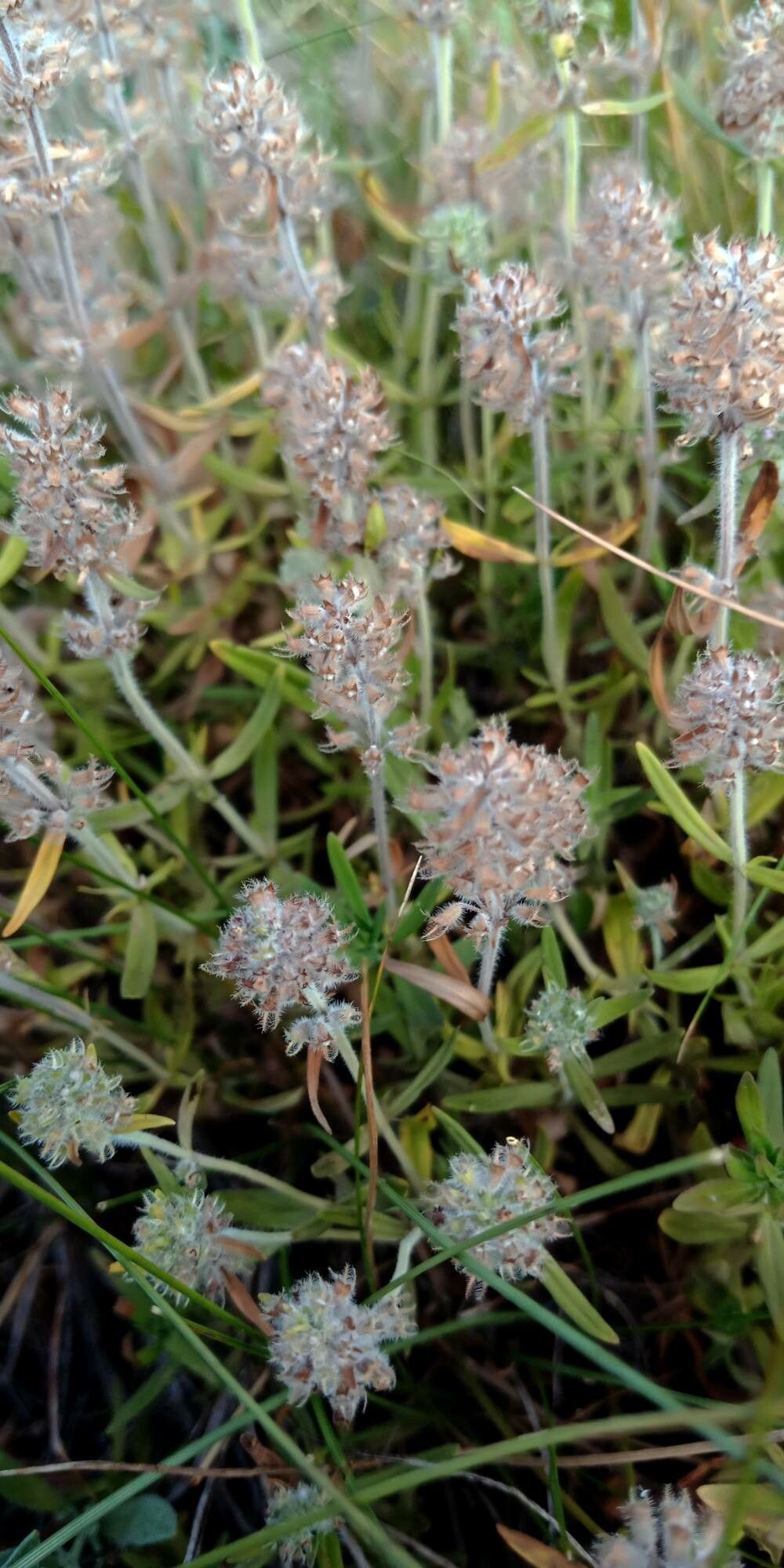
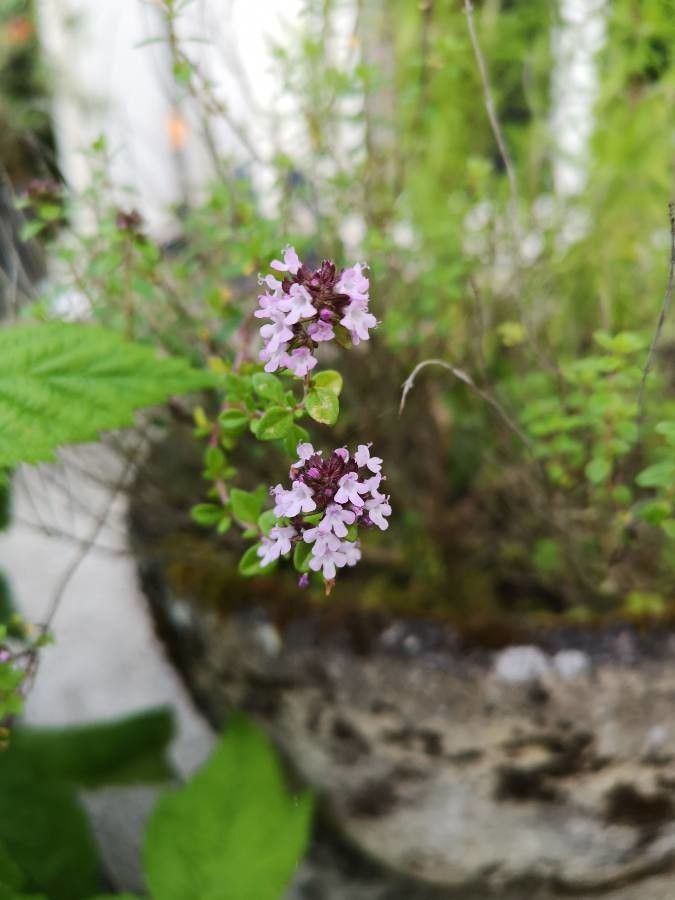
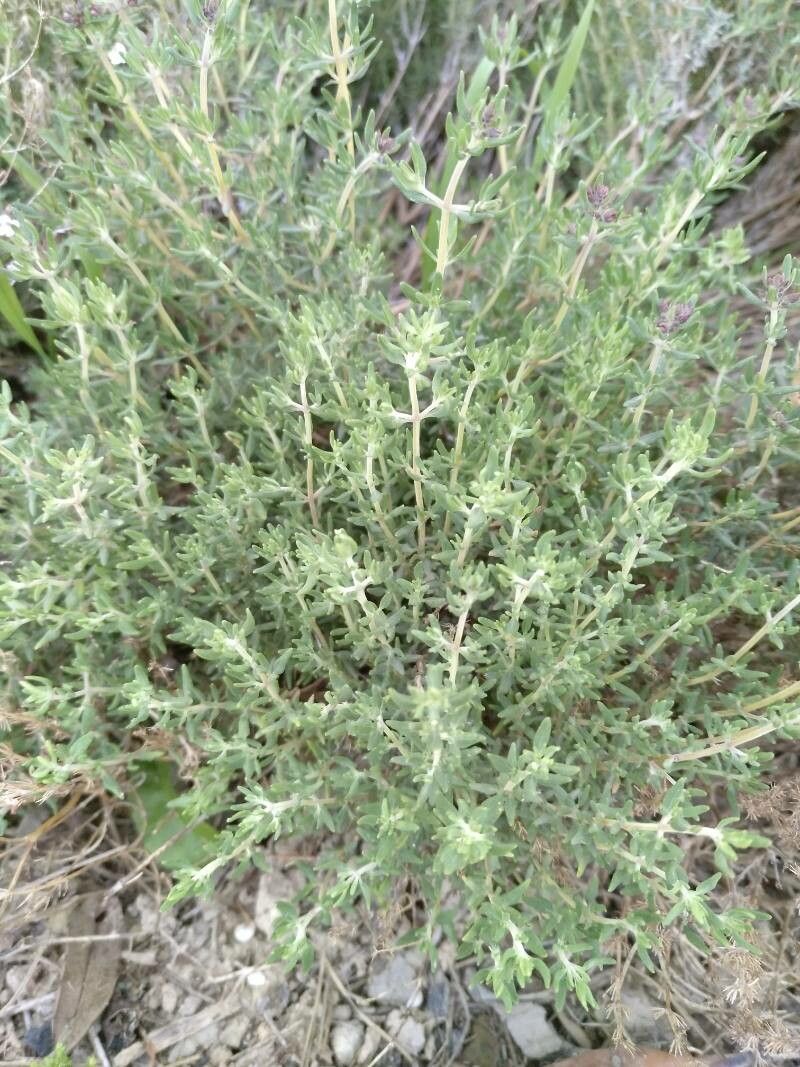
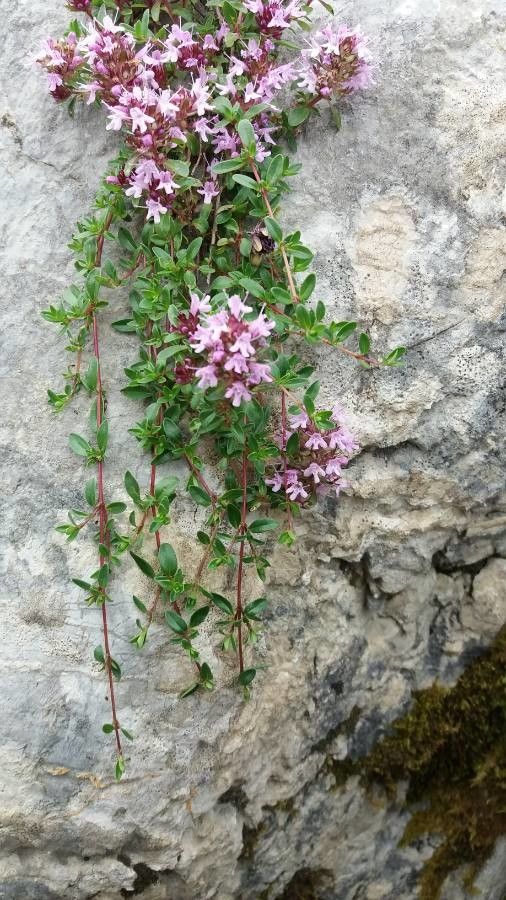
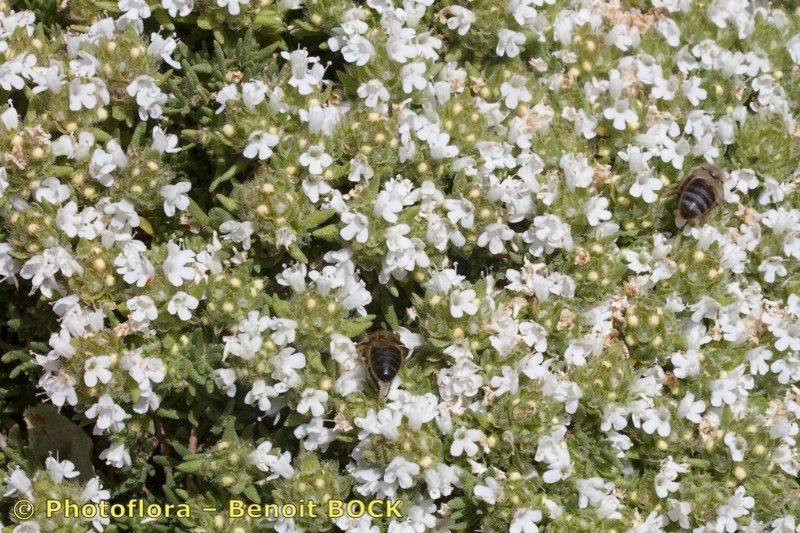
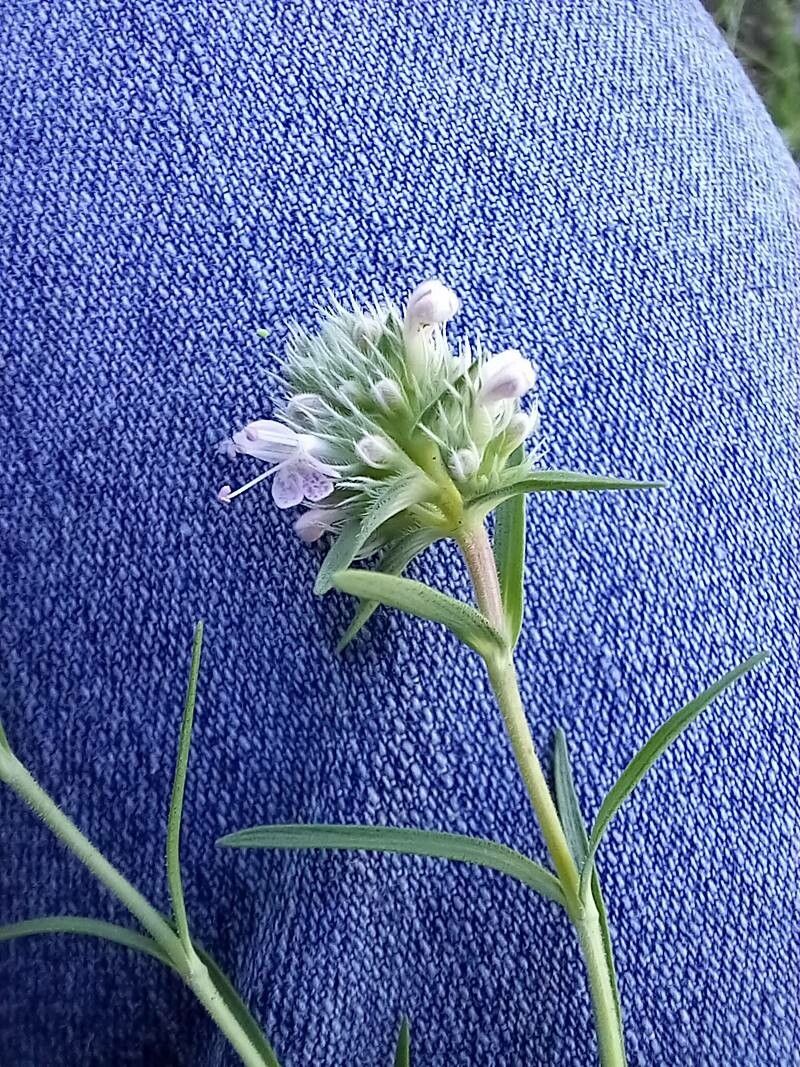
Thymus serpyllum, commonly known as wild thyme or creeping thyme, is a low-growing perennial herb in the mint family. Native to Europe and Asia, it has also been naturalized in North America. The plant features small, oval-shaped leaves that are highly aromatic, releasing a pleasant fragrance when crushed. Its flowers, which appear in the summer months, are pink or purple.
Wild thyme is popular as a culinary herb due to its strong flavor and aroma. It can be used fresh or dried in a variety of dishes such as soups, stews, sauces, marinades, and salads. Beyond its culinary applications, wild thyme possesses medicinal properties, including antiseptic qualities useful for treating wounds.
The plant thrives in well-drained soil with full sun exposure but can tolerate partial shade. While it is drought-tolerant once established, it requires regular watering during its first growing season.
Creeping thyme is a resilient perennial that is commonly cultivated either as an herb or as an alternative to traditional lawns. Its flavor and fragrance resemble that of mint, making it a great choice for brewing teas or seasoning dishes. This aromatic herb spreads effortlessly through nodes along its stems, forming thick, dense mats. These characteristics make it perfect for filling the spaces between stepping stones. FUN FACT · FROM THE LIBRARY
Wild thyme attracts pollinators such as bees and butterflies with its nectar-rich flowers, making it a valuable addition to any garden or landscape design for both aesthetic and ecological reasons.
Overall, Thymus serpyllum offers practical uses for cooking while also providing ecological benefits. It is an excellent choice for gardeners seeking versatile plants that offer more than just aesthetic appeal.
Creeping thyme, or Thymus serpyllum, has various explanations for its name origin. The word "thyme" is believed to come from the Greek word "thumos." This term means "smoke," possibly referring to the plant's aromatic fragrance. Additionally, "thumos" might be linked to the concept of courage. Historically, women would embroider a sprig of thyme along with a bee onto scarves, which they would then give to their protectors.
Botanical profile.
- Plant Type
- Herb, Shrub
- Life Cycle
- Perennial
- Genus
- Thymus
- Family
- Lamiaceae
- Hardiness Zone
- 5-9
- Mature Height
- 2 cm to 10 cm
- Mature Spread
- 25 cm to 30 cm
- Leaf Color
- Green
- Leaf Type
- Evergreen
- Flower Color
- Pink
- Flower Size
- 2.54 cm
- Bloom Time
- Early summer, Mid summer
- Planting Time
- Spring, Autumn
- Harvest Time
- Mid summer
- Native Area
- Russia, Norway, Germany, Austria, Sweden, Denmark, Netherlands, Finland, Poland, Hungary, Belgium, Ukraine, Belarus, France
Other names.