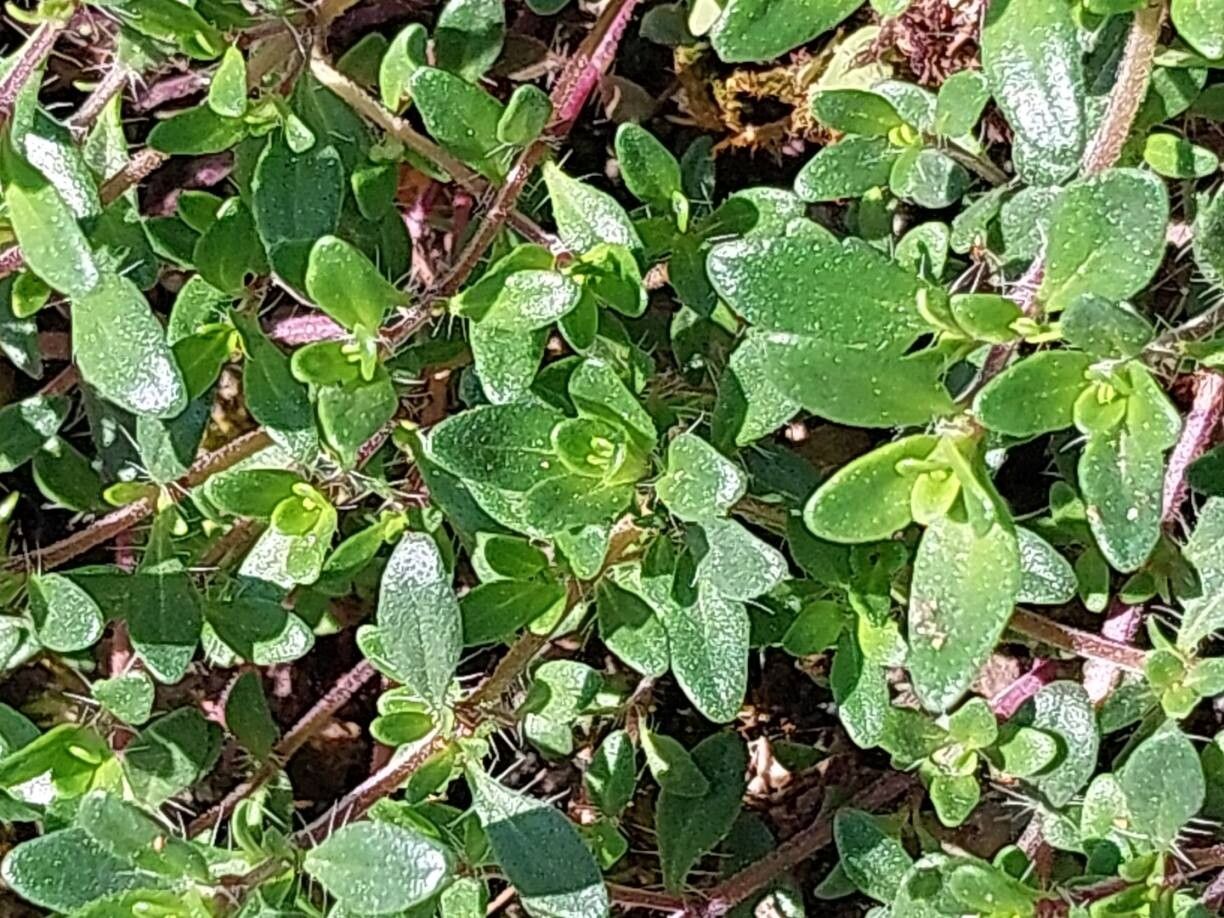
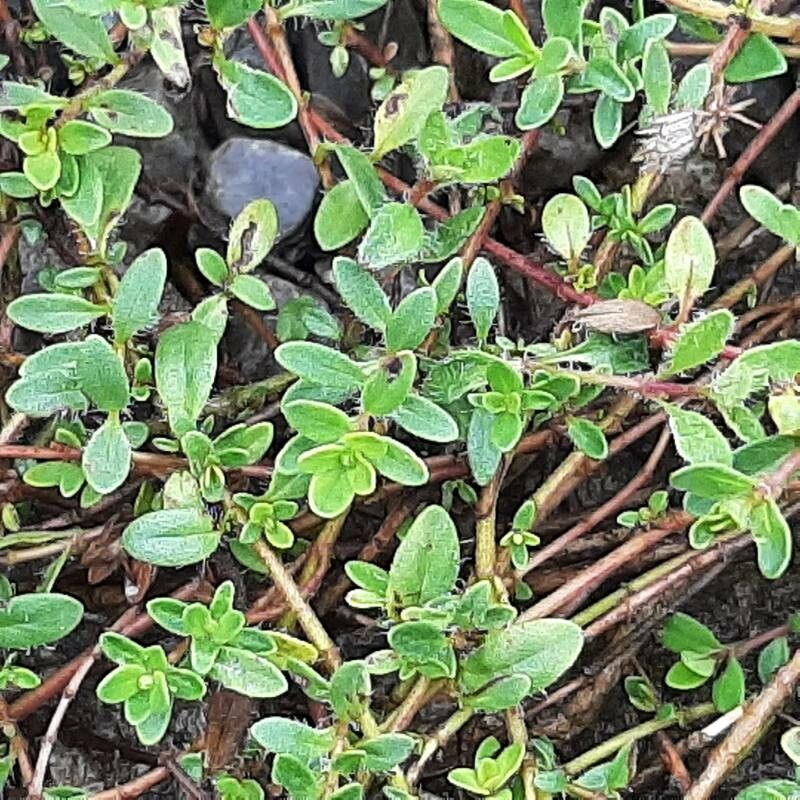
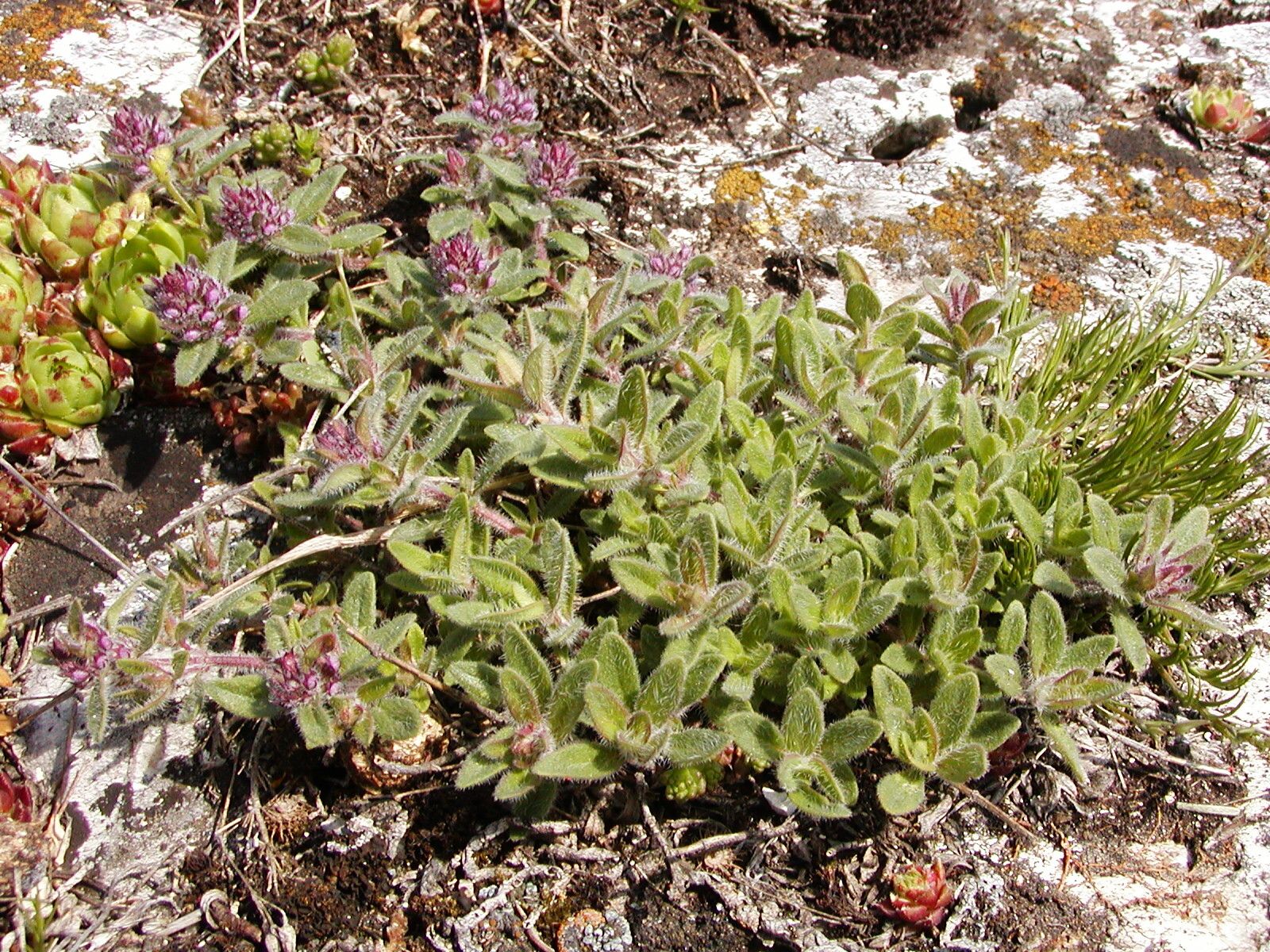
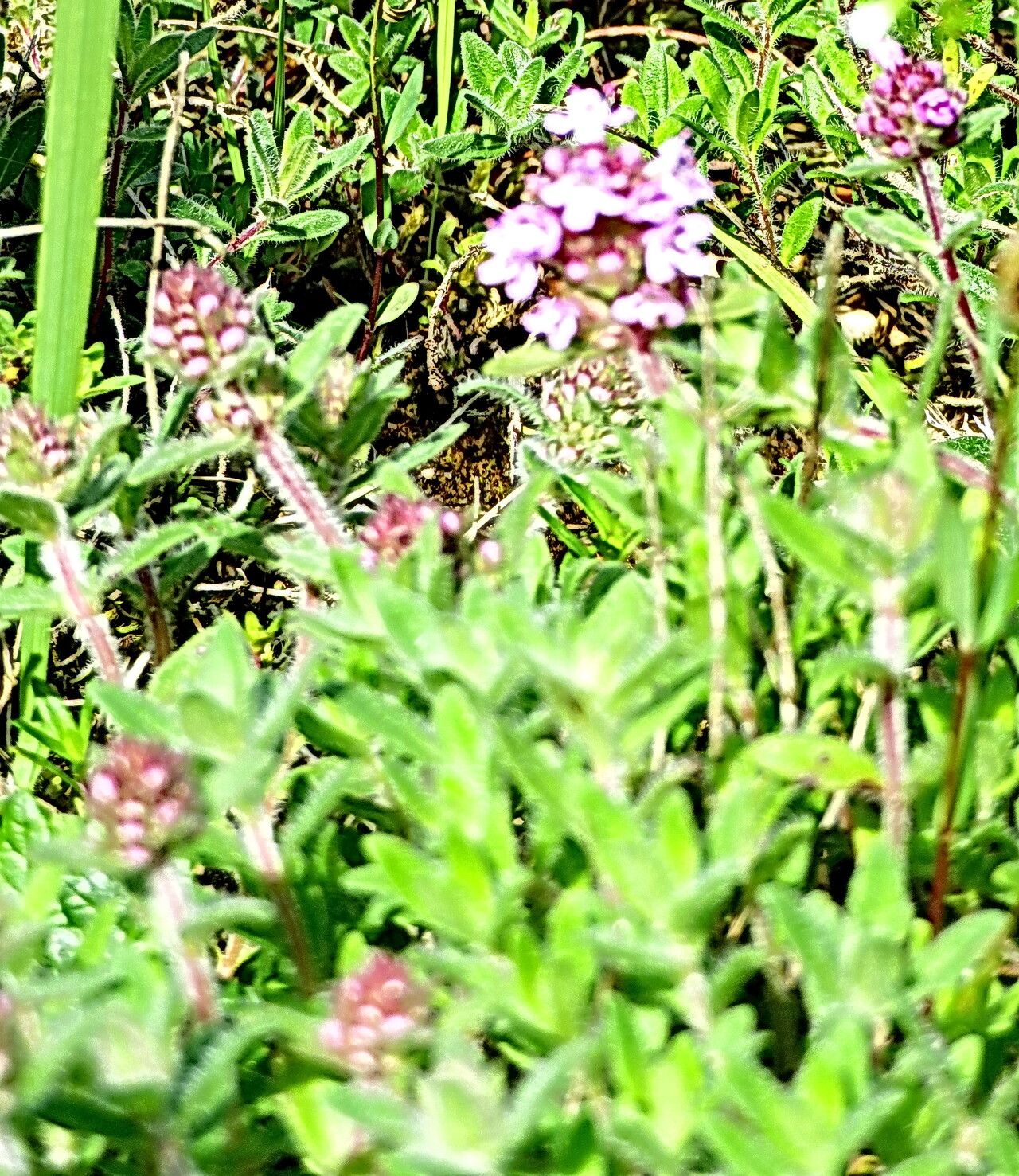
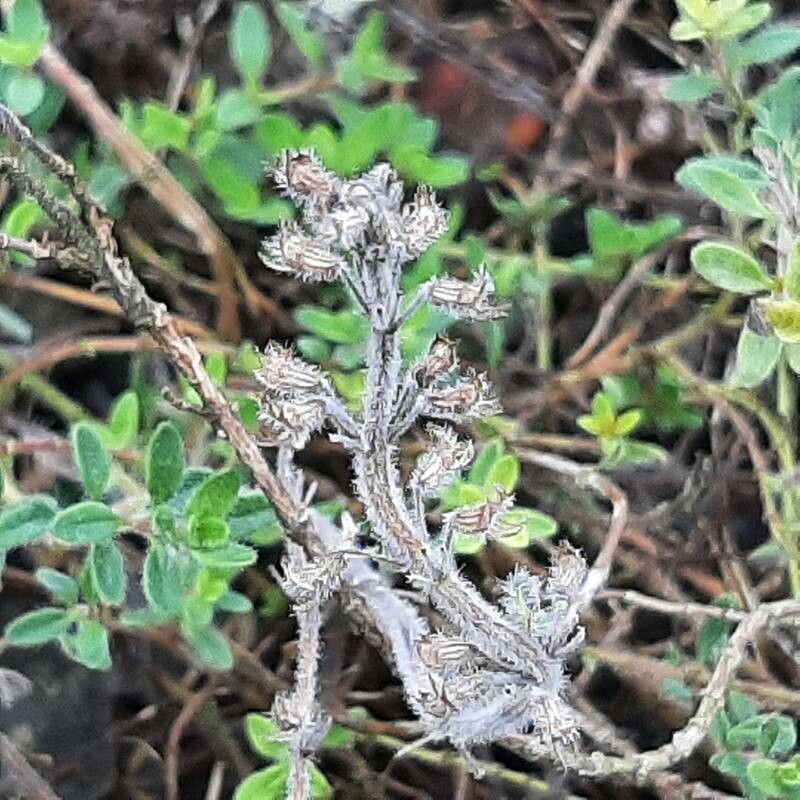
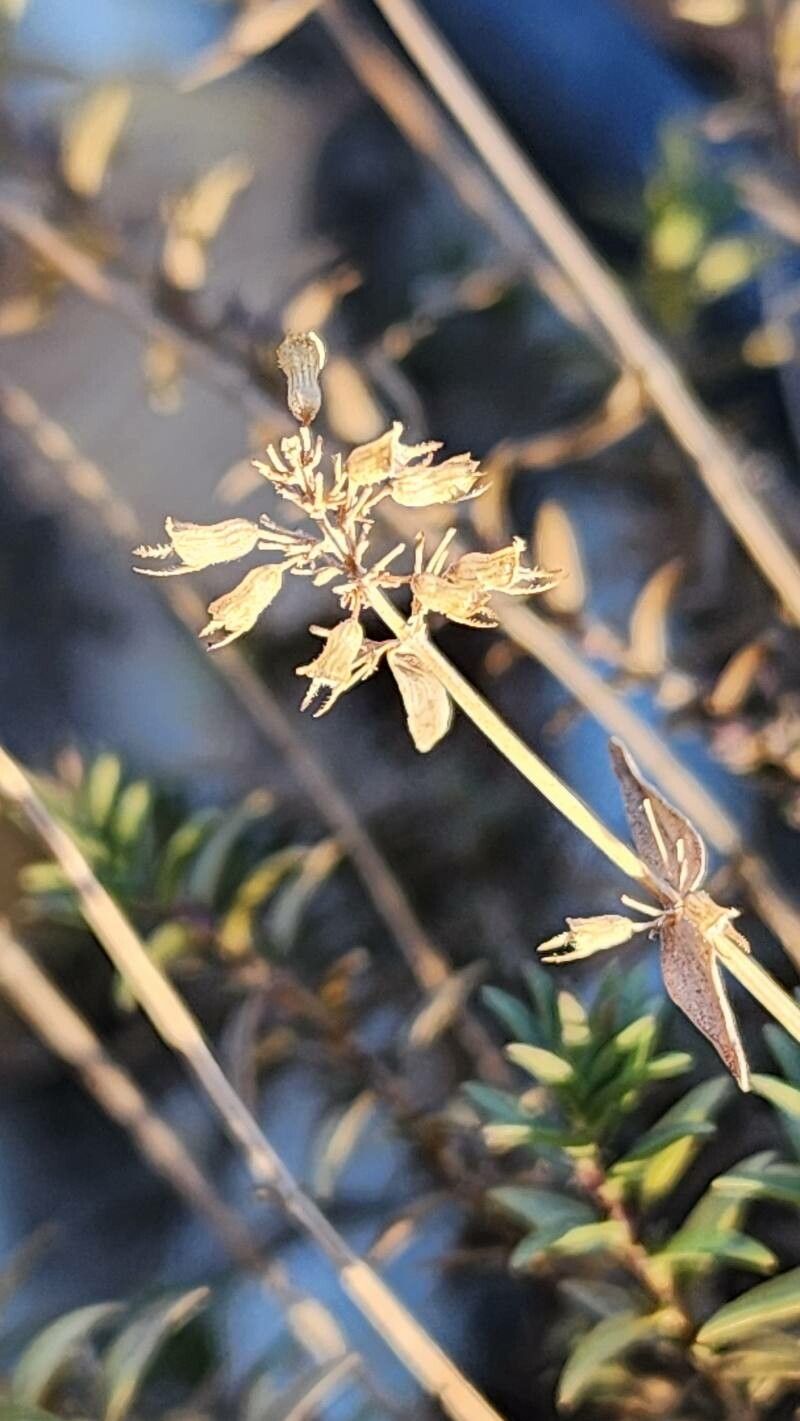
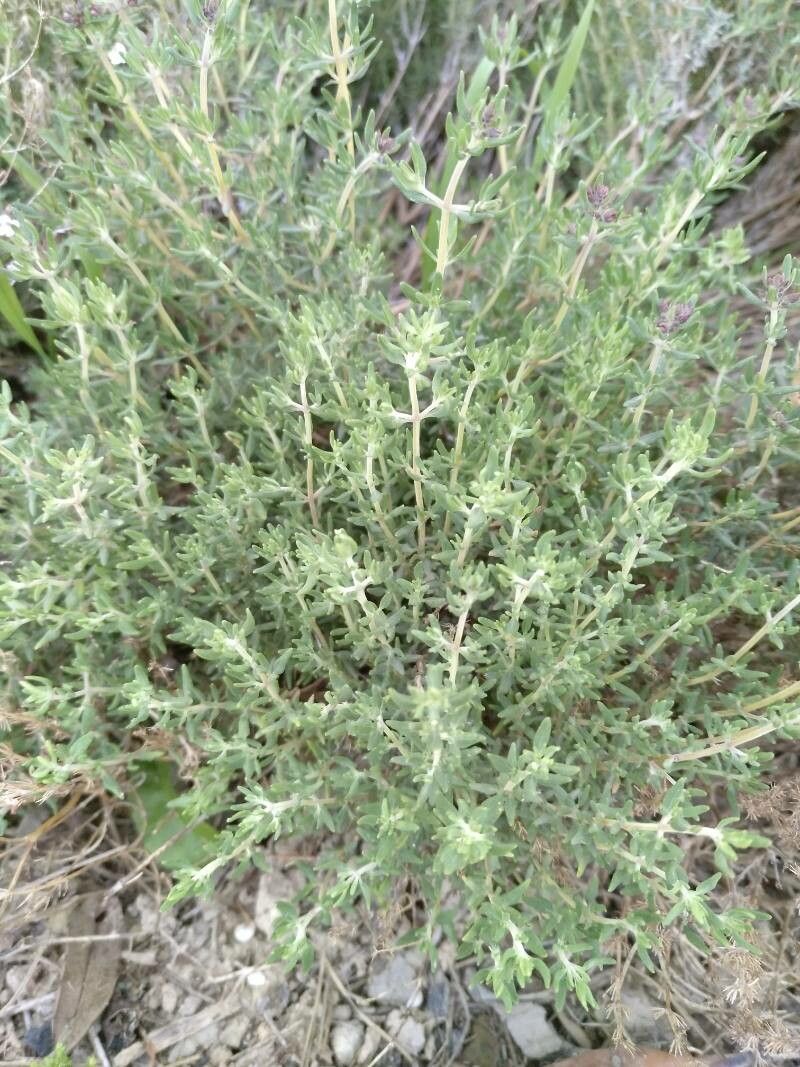
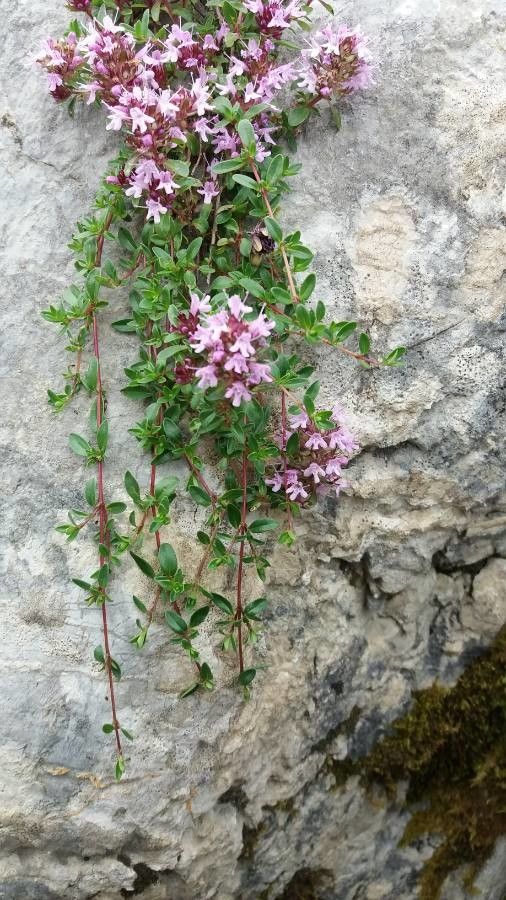
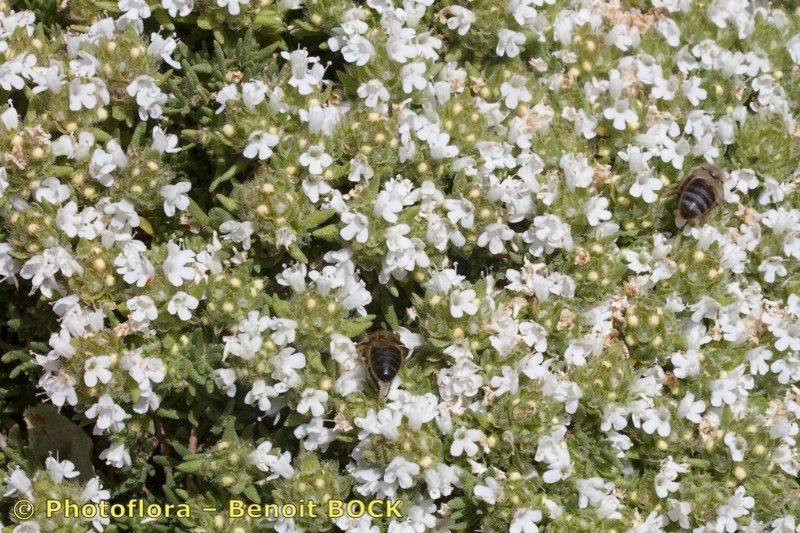
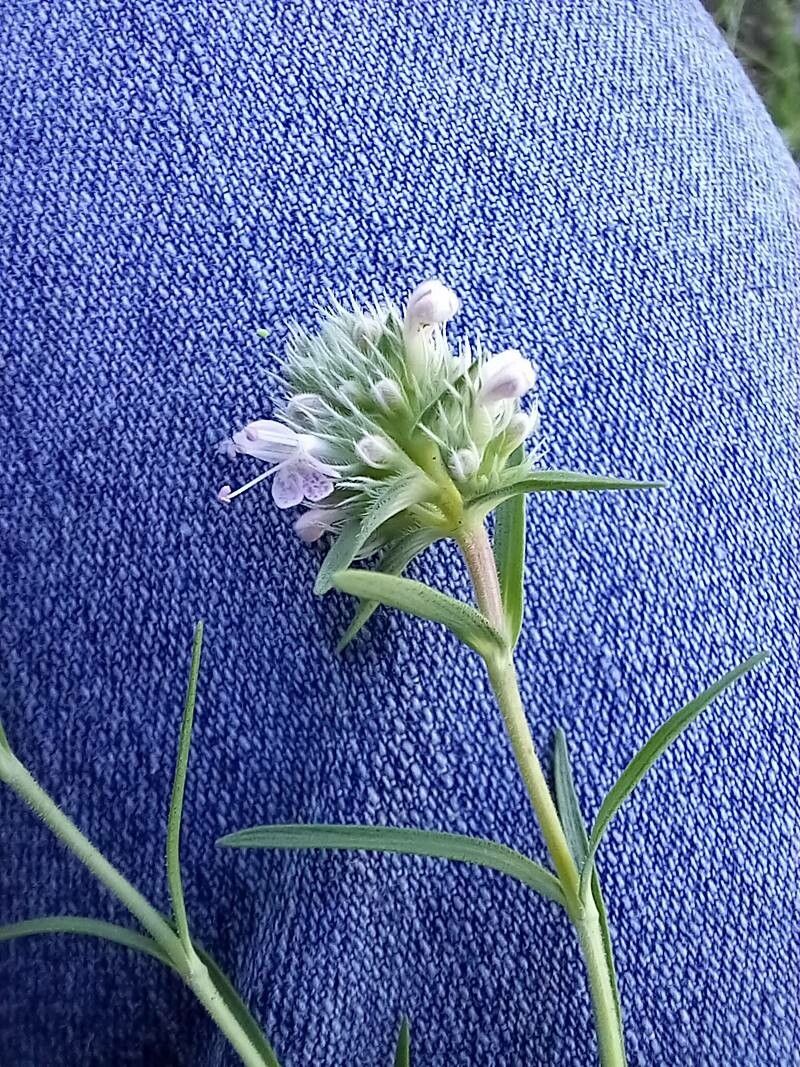
Thymus pannonicus, known by its common name Hungarian thyme or Eurasian thyme, is a perennial herbaceous plant, distributed in central and eastern Europe and Russia. It grows over open dry meadows, grasslands, and rocks. In Serbia, this plant species contributes to several xerothermous grass formations which develop on warm, dry silicate terrains at altitude above 160 m (520 ft), mostly over plains or mild slopes, on acidic soils derived from crystalline albite-muscovite schist and gneiss-like granite. In southern Banat (Serbia), the dried herb is used to make tasty and refreshing herbal tea drinks, owing to its peculiar and pleasant lemon-like scent. Fresh leaves are used for aromatisation of homemade jams, candies and similar confections. Traditionally, it is used also for coughs and other respiratory complaints, as well as certain gastrointestinal disorders.
Thymus pulegioides subsp. pannonicus has strong resistance to disease and is generally not prone to illness. Nonetheless, it can be vulnerable to pests and diseases present in its vicinity. These infections are typically not severe. Regarding care, this plant needs a moderate level of maintenance. It should be pruned regularly to maintain a tidy appearance and encourage healthy growth. Fertilizing can also help enhance flowering. Thymus pulegioides subsp. pannonicus is appropriate for people with outdoor areas like a garden or patio and does not demand extensive horticultural experience. It may need more attention when grown indoors.
How to keep Thymus Pannonicus.
Light
Thymus pulegioides subsp. pannonicus is a perennial, herbaceous plant that likes sunlight and originates from open habitats, commonly occurring in meadows and grasslands. It prefers full sun but can also tolerate partial sun.
Temperature
Thymus pulegioides subsp. pannonicus can tolerate a wide range of temperatures, though its distribution can still be restricted by various combinations of moisture and heat. It performs best in warm summer conditions with sufficient rainfall or irrigation. Extended periods of cloudy, rainy weather or prolonged high heat can raise the chance of Thymus pulegioides subsp. pannonicus dying. In winter, adequate protection from cold improves the plant's survival rate.
Fertilizer
The best time to fertilize Thymus pulegioides subsp. pannonicus is in early spring, when it is coming out of dormancy and beginning active growth. Fertilization supplies important nutrients needed for healthy development. Although Thymus pulegioides subsp. pannonicus has relatively low fertilizer requirements, applying fertilizer annually can improve its survival and encourage better, longer-lasting flowers.
Botanical profile.
- Plant Type
- Herb
- Life Cycle
- Perennial
- Genus
- Thymus
- Family
- Lamiaceae
- Hardiness Zone
- 5-9
- Mature Height
- 10 cm to 30 cm
- Mature Spread
- 20 cm to 40 cm
- Leaf Color
- Dark Green, Forest Green
- Leaf Type
- Semi-evergreen
- Flower Color
- Pink, Lavender
- Flower Size
- 0.51 cm to 0.76 cm
- Bloom Time
- Early summer, Mid summer
- Planting Time
- Spring, Summer, Autumn
- Harvest Time
- Late summer, Early fall
- Native Area
- Austria, Slovakia, Montenegro, Croatia, Slovenia, Belarus, Russia, Germany, Romania, France, Czech Republic, Bulgaria, Poland, Ukraine, Serbia, China, Kyrgyzstan, Kazakhstan, Italy, Spain, Hungary
Other names.