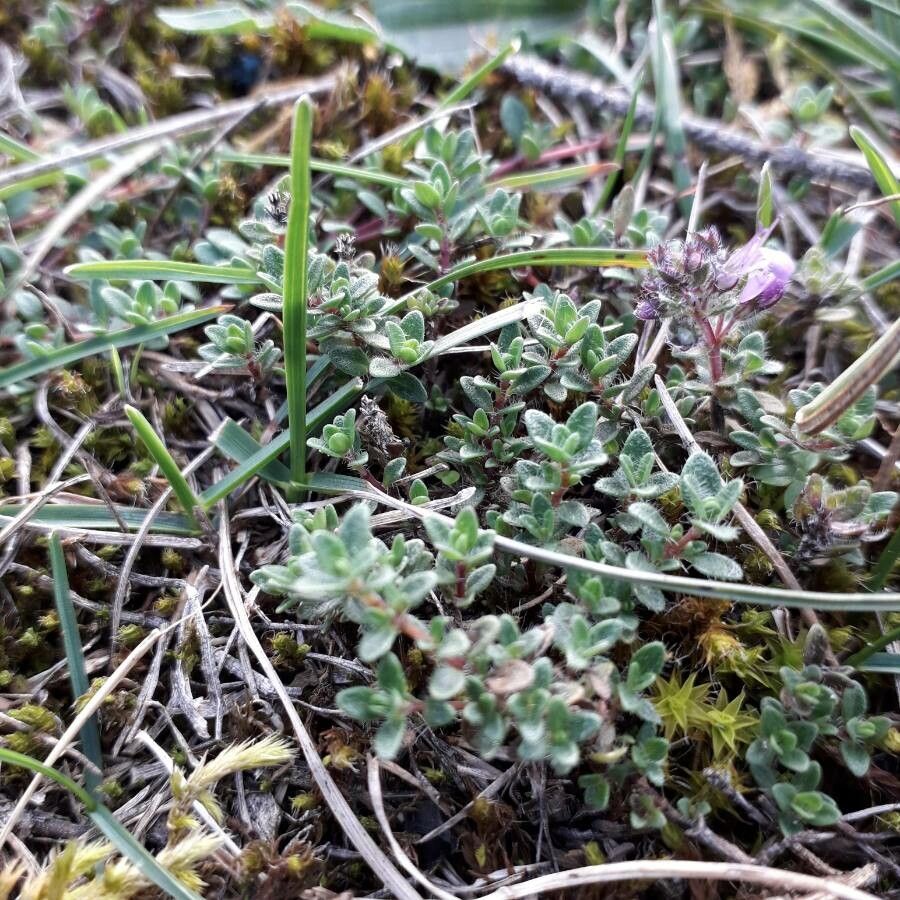
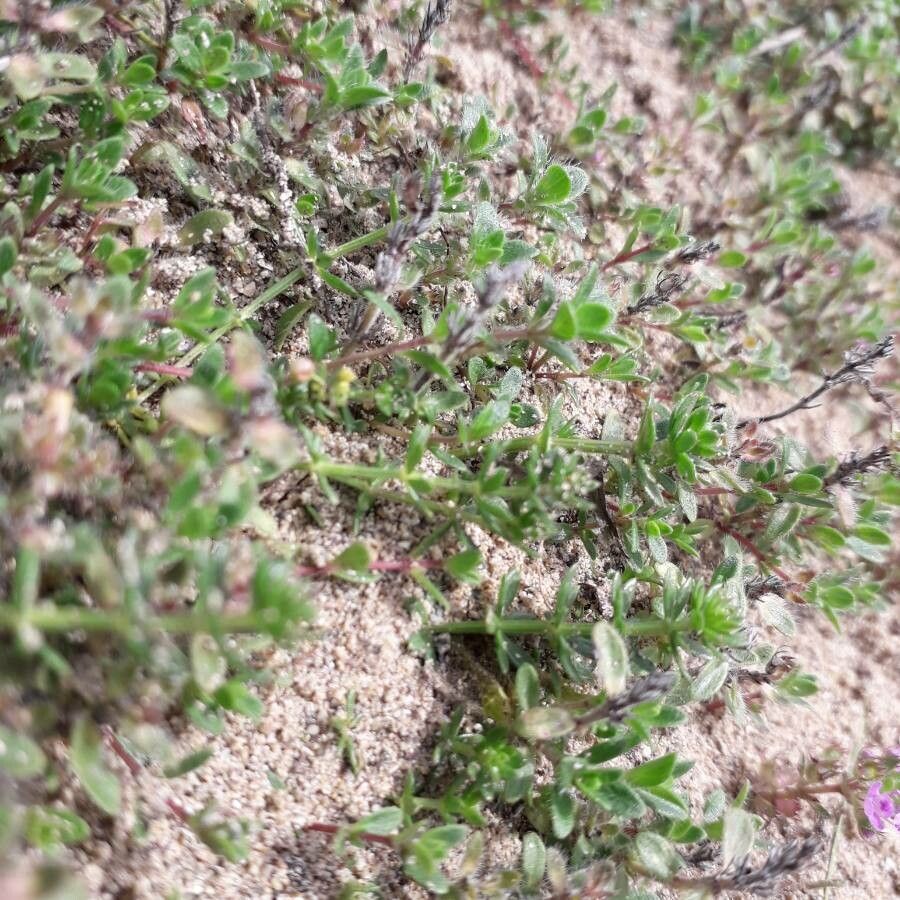
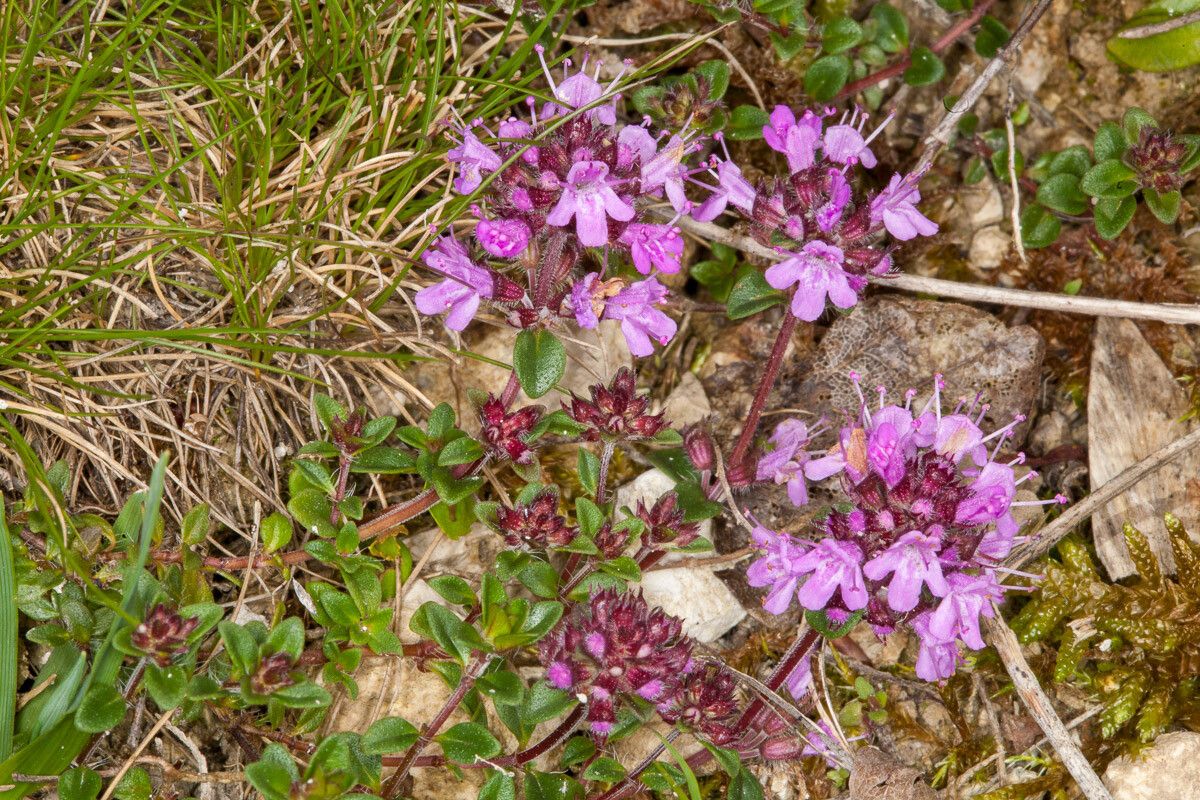
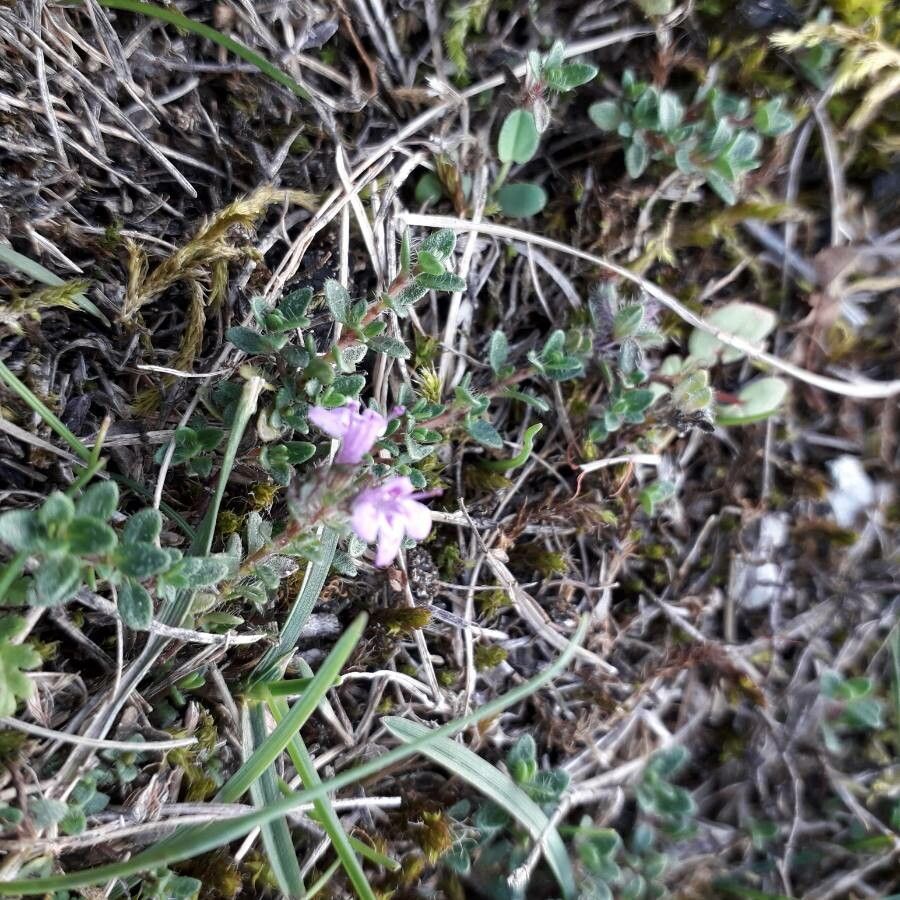
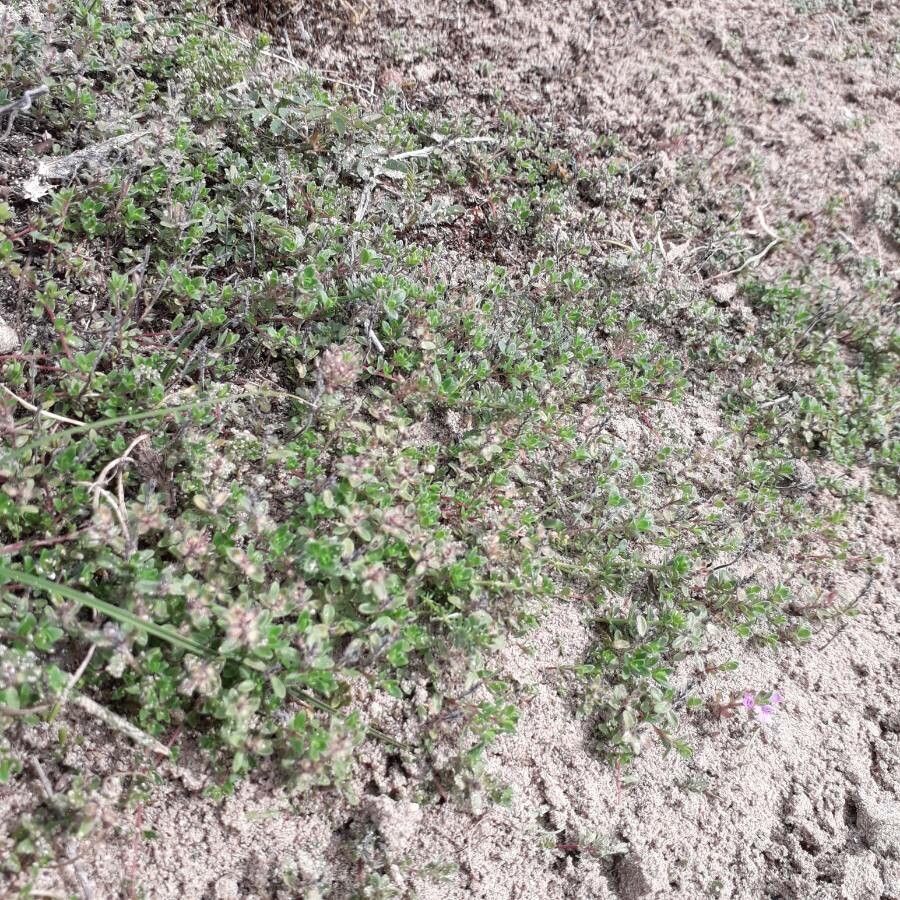
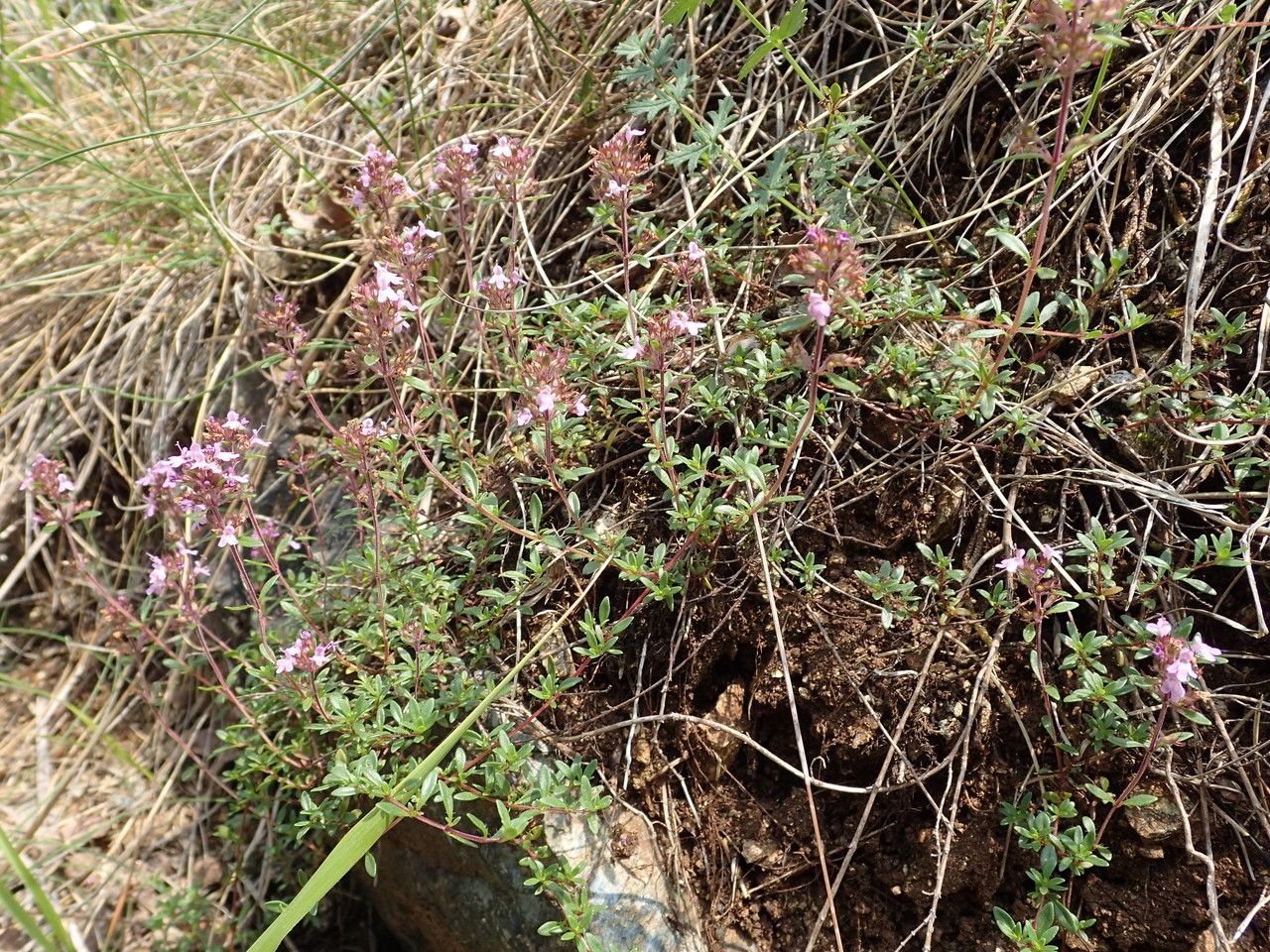
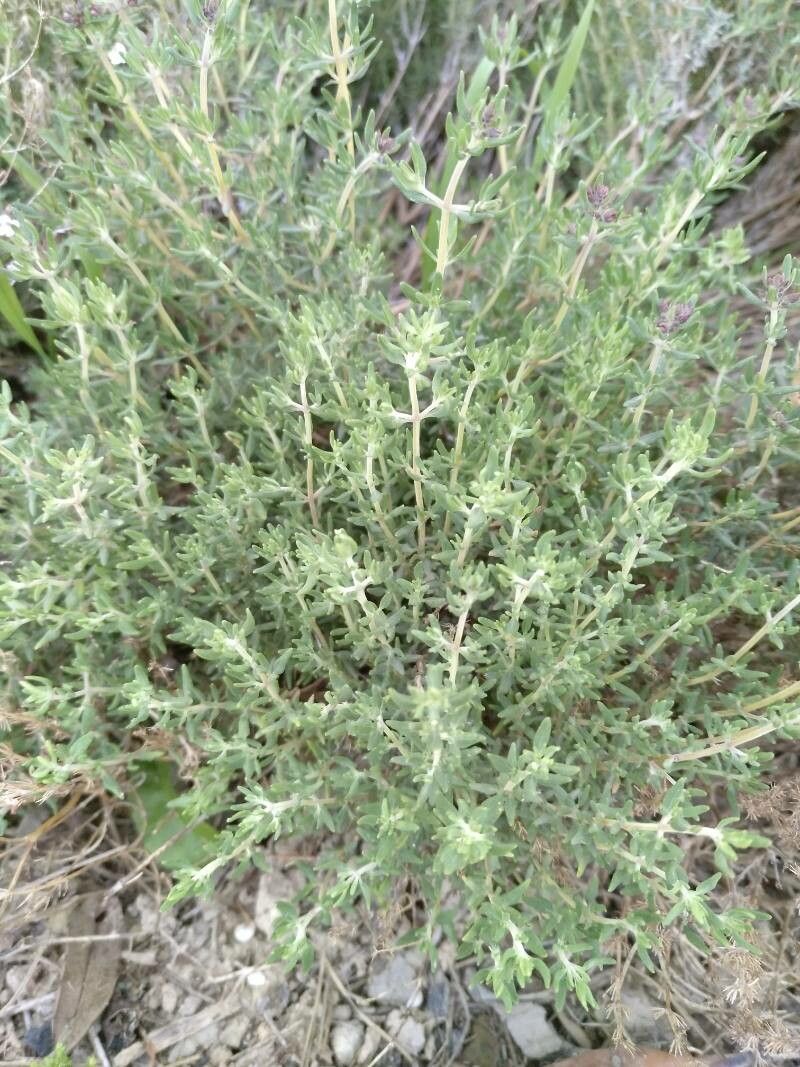
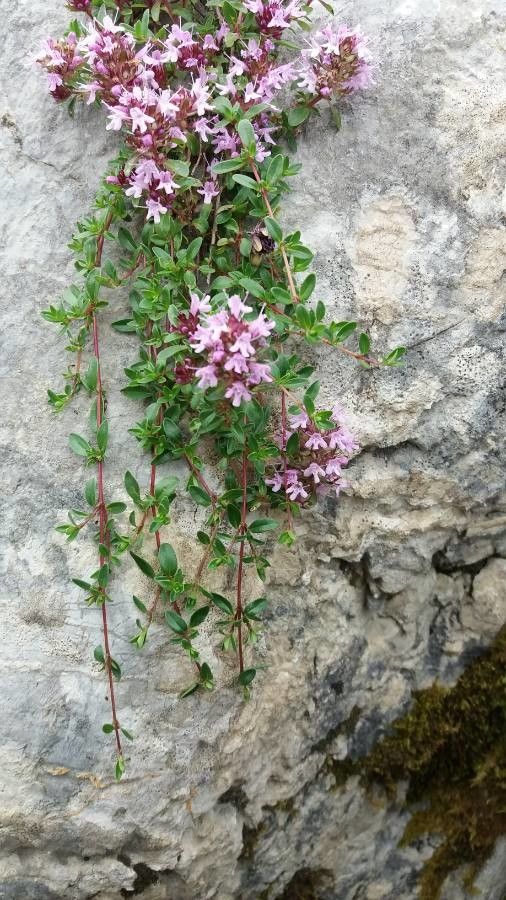
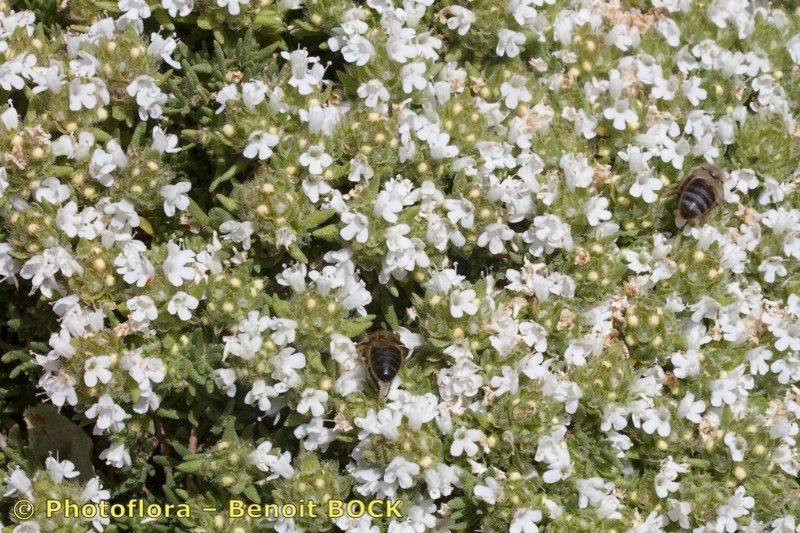
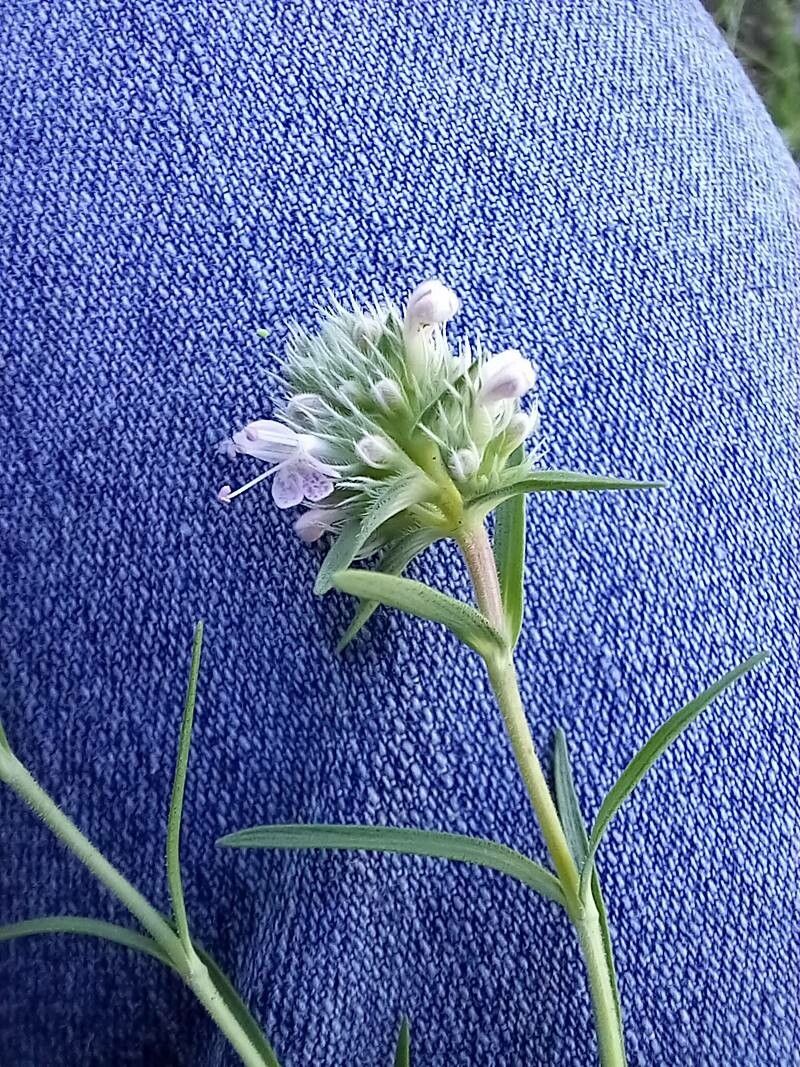
Thymus praecox is a species of thyme. A common name is mother of thyme, but "creeping thyme" and "wild thyme" may be used where Thymus serpyllum, which also shares these names, is not found. It is native to central, southern, and western Europe.
Wild thyme is fairly disease-resistant and generally not prone to problems. However, it can be affected by pests and diseases present in its environment. These infections tend to be mild. Regarding care, the plant requires moderate maintenance. Regular pruning is needed to maintain an attractive appearance and healthy growth. Fertilizing can also help encourage flowering. Wild thyme is suitable for people with outdoor areas, such as a garden or patio, and does not demand much gardening experience. It may need extra care when grown indoors.
How to keep Thymus Drucei.
Light
Wild thyme is a perennial herb that loves the sun and is indigenous to open environments, frequently flourishing in meadows and grasslands. While it prefers full sunlight, it's also capable of enduring conditions with only partial sun exposure.
Temperature
Wild thyme can acclimate to a variety of temperature conditions, although its spread may be restricted by certain mixes of heat and water conditions. It flourishes optimally in hot climates during the summer months when there is sufficient rain or irrigation. Extended phases of overcast and wet weather, as well as long periods of extreme heat, may enhance the chances of Wild thyme's demise. During the winter months, implementing appropriate safeguards against the cold can enhance the plant's chance of survival.
Fertilizer
The best time to feed a Wild thyme is in the beginning of spring, as it moves from dormancy to active growth. Fertilization supplies the essential nutrients necessary for healthy growth. Even though Wild thyme doesn't require much fertilization, doing so annually can improve its longevity and encourage more vibrant, longer-lasting blooms.
Botanical profile.
- Plant Type
- Herb, Shrub
- Life Cycle
- Perennial
- Genus
- Thymus
- Family
- Lamiaceae
- Hardiness Zone
- 4-9
- Mature Height
- 5 cm to 15 cm
- Mature Spread
- 91 cm to 30 cm
- Leaf Color
- Green
- Leaf Type
- Evergreen
- Flower Color
- Purple, Lavender
- Flower Size
- 2.54 cm
- Bloom Time
- Mid spring, Late spring, Early summer
- Planting Time
- Spring, Summer
- Harvest Time
- Summer
Other names.