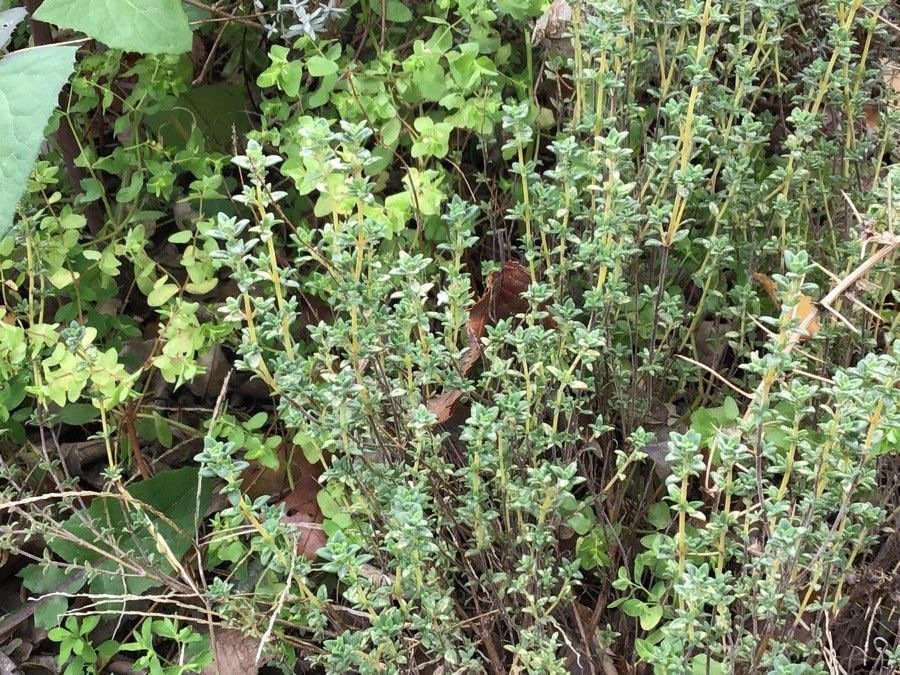
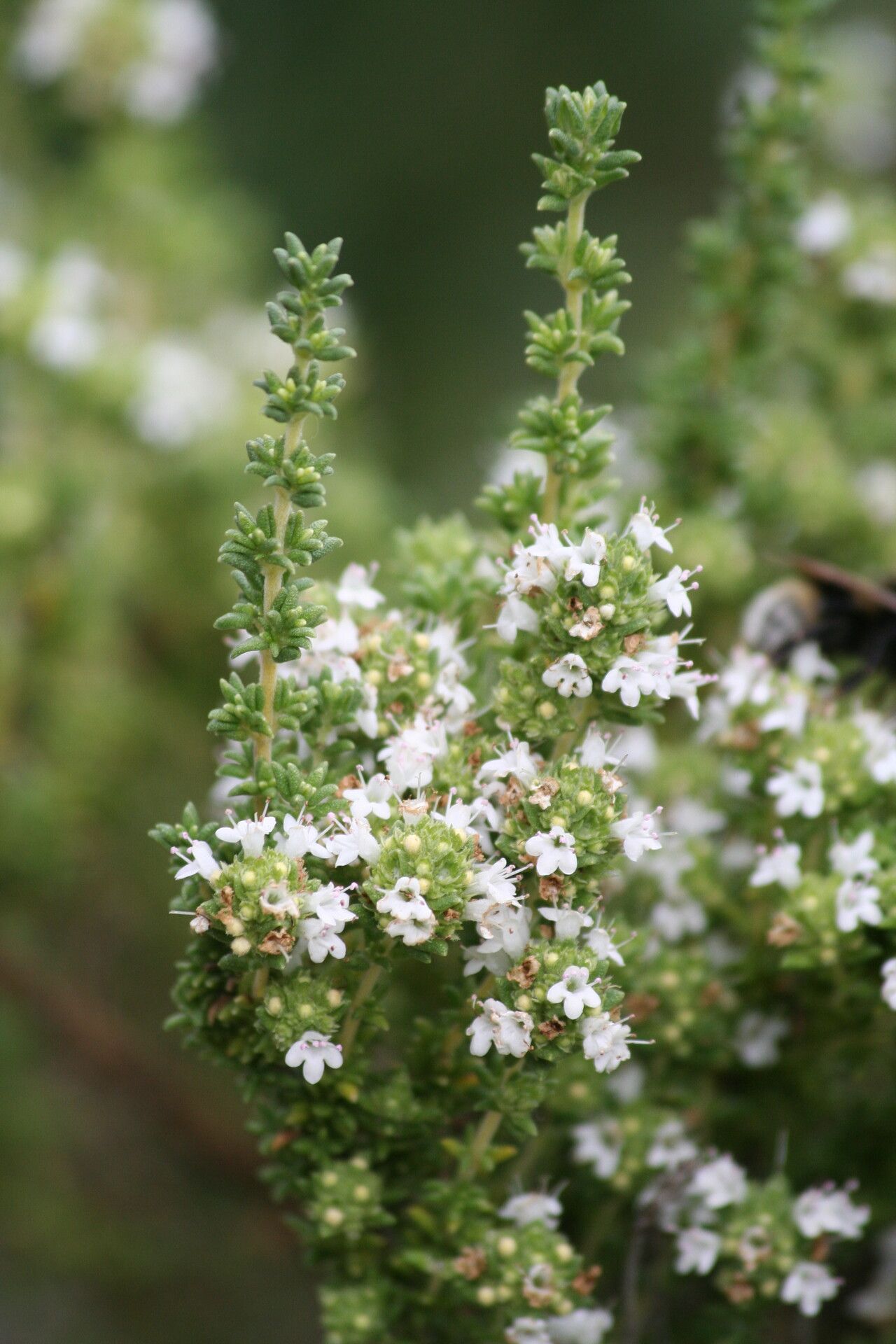
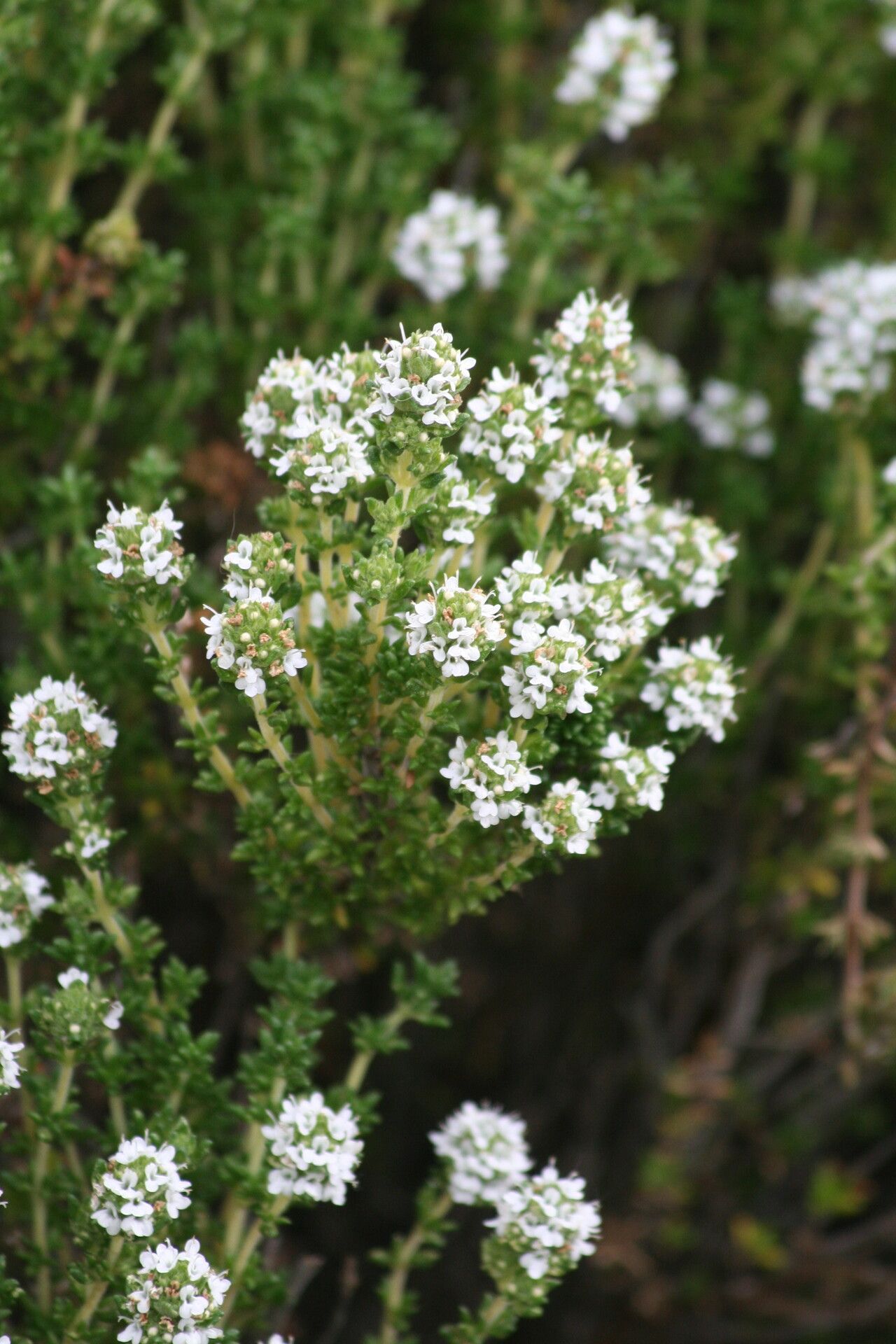
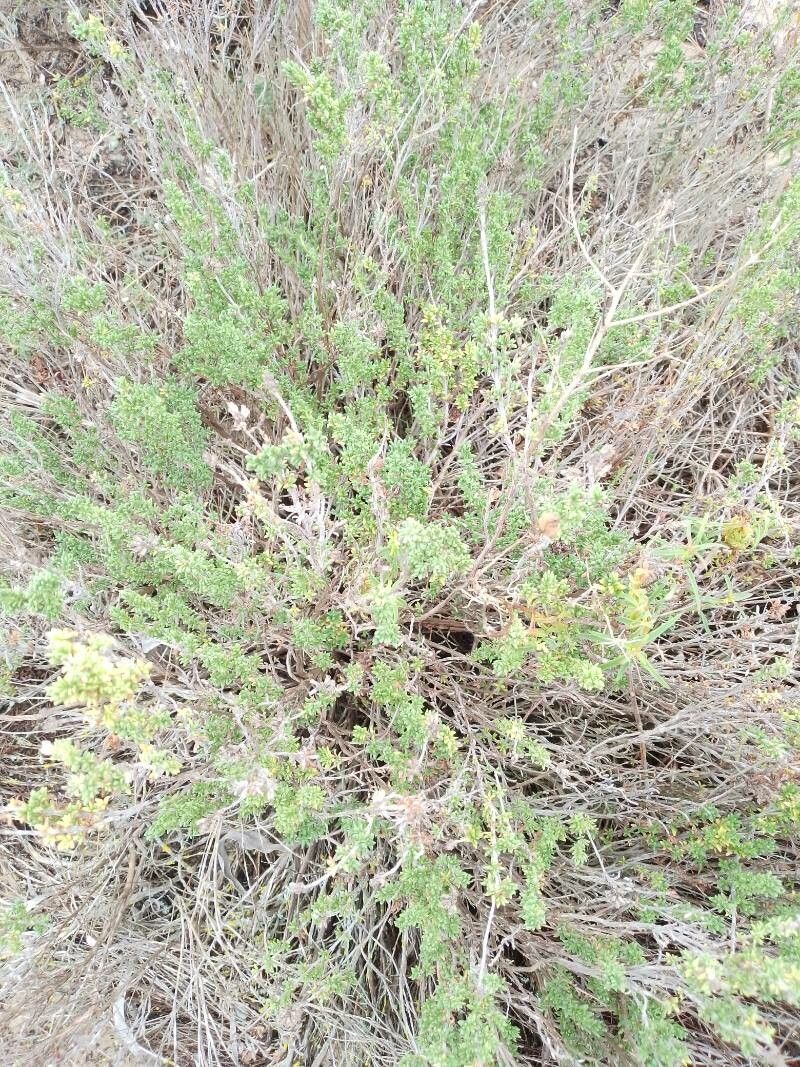
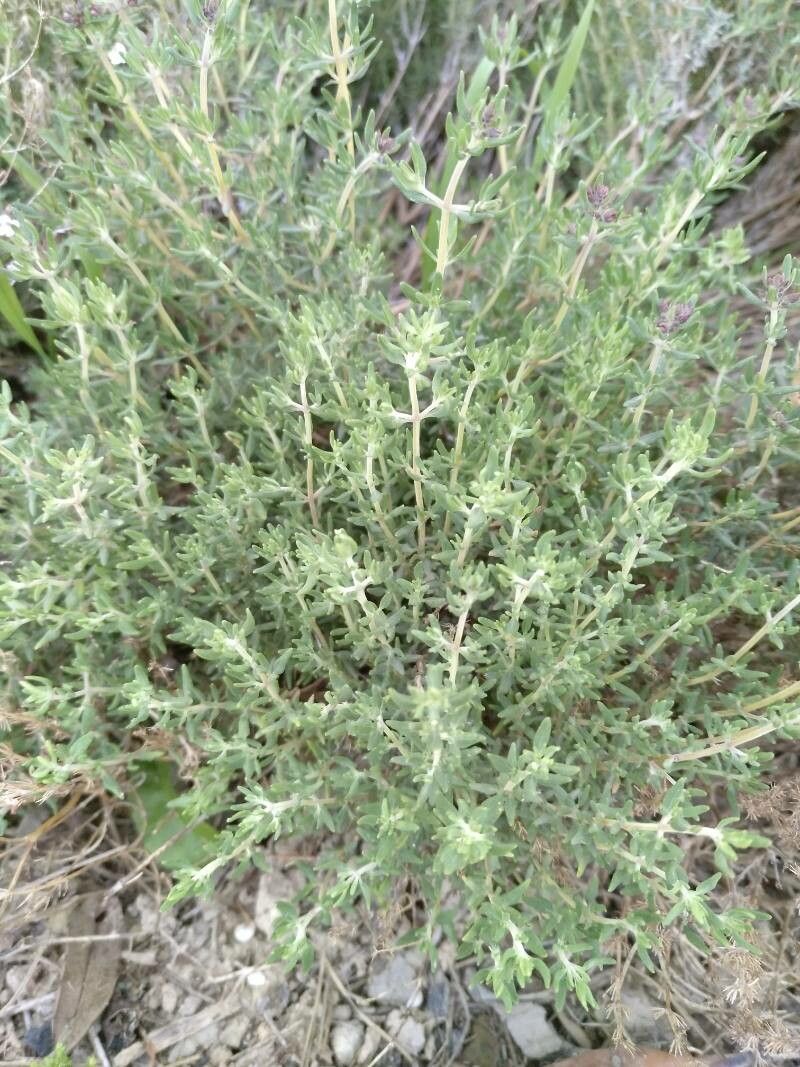
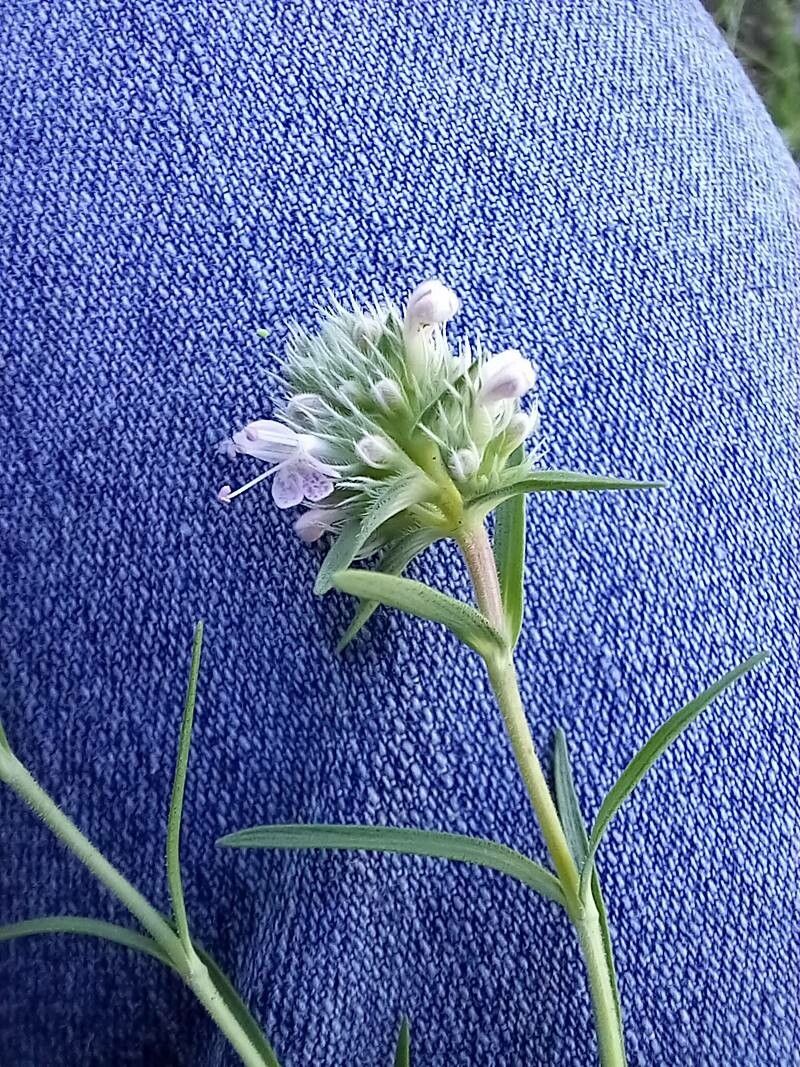
Thymus carnosus is a species of flowering plant in the family Lamiaceae. It is native to southern Portugal and Spain. It is a woody, upright perennial to 41 cm (16 in) tall, with clusters of fleshy, oval, light green to grey-green leaves, furry on their undersides. Its white, lilac, or pink flowers are borne on 41 cm (16 in) spikes and are protected by oval green bracts. The plant is hardy from USDA Zones 7–11.
Portuguese thyme has good resistance to disease and is typically not very prone to illnesses. Still, it can be vulnerable to pests and diseases that exist in its environment. These infections are generally not serious. Regarding care, this plant needs a moderate amount of maintenance. It should be pruned regularly to keep a pleasing appearance and healthy growth. Fertilizing can also aid in encouraging flowering. Portuguese thyme is appropriate for anyone with an outdoor area, such as a garden or patio, and does not demand extensive care experience. It may need more attention when cultivated indoors.
How to keep Thymus Carnosus.
Light
Portuguese thyme is a sun-loving perennial herbaceous plant native to open habitats, frequently flourishing in meadows and grasslands. It prefers full sun but is also able to tolerate partial sun.
Water
Portuguese thyme, which originates from the Mediterranean, thrives in environments with moderate humidity and well-drained soil. It has good drought tolerance. For optimal growth, it should be watered weekly. It's important to maintain a balance between moisture retention and proper drainage to ensure that the plant remains vibrant throughout the year without becoming waterlogged.
Temperature
Portuguese thyme is fairly adaptable to temperature, capable of withstanding higher heat and significant temperature fluctuations. In hot weather, attention should be paid to watering and providing proper shade to avoid sunburn. Conversely, Portuguese thyme has limited tolerance for low temperatures. While it can endure some cold, extremely low temperatures can cause frost damage.
Fertilizer
The best time to fertilize Portuguese thyme is in early spring, when it is coming out of dormancy and starting active growth. Fertilization supplies essential nutrients for healthy development. Although Portuguese thyme has fairly low fertilizer requirements, an annual application can boost its survival and encourage better, longer-lasting flowers.
Pruning
To improve the bushiness and health of your Portuguese thyme, it's important to prune it regularly. In early spring, cut back the stems by one-third of their length. Later, remove any dead branches. This helps improve air circulation, reduces the risk of disease, and promotes healthy growth. Be sure to use clean, sharp tools to minimize stress on the plant.
Botanical profile.
- Plant Type
- Herb
- Life Cycle
- Perennial
- Genus
- Thymus
- Family
- Lamiaceae
- Hardiness Zone
- 7-10
- Mature Height
- 10 cm to 30 cm
- Mature Spread
- 20 cm to 40 cm
- Leaf Color
- Dark Green, Gray
- Leaf Type
- Evergreen
- Flower Color
- Lavender
- Flower Size
- 0.51 cm to 0.76 cm
- Bloom Time
- Early summer, Mid summer
- Planting Time
- Spring, Summer
- Harvest Time
- Late summer, Early fall
- Native Area
- Spain, Portugal
Reader questions.
What are the sunlight requirements for Portuguese thyme?
Portuguese thyme, or Thymus carnosus, thrives in areas that receive adequate sunlight. It requires full sun, which means it needs above 6 hours of sunlight daily. Alternatively, it can also grow in partial sun, with about 3-6 hours of sunlight per day. When planting Portuguese thyme, it's important to observe your garden throughout the day. Note how sunlight moves and changes, and pick a spot that offers a good balance of light and shade. This careful selection ensures your plants grow healthy and happy.
What is the name and botanic name of Portuguese thyme?
Portuguese thyme is known botanically as Thymus carnosus. This is its given name, which differentiates it from other varieties within the Thymus genus.