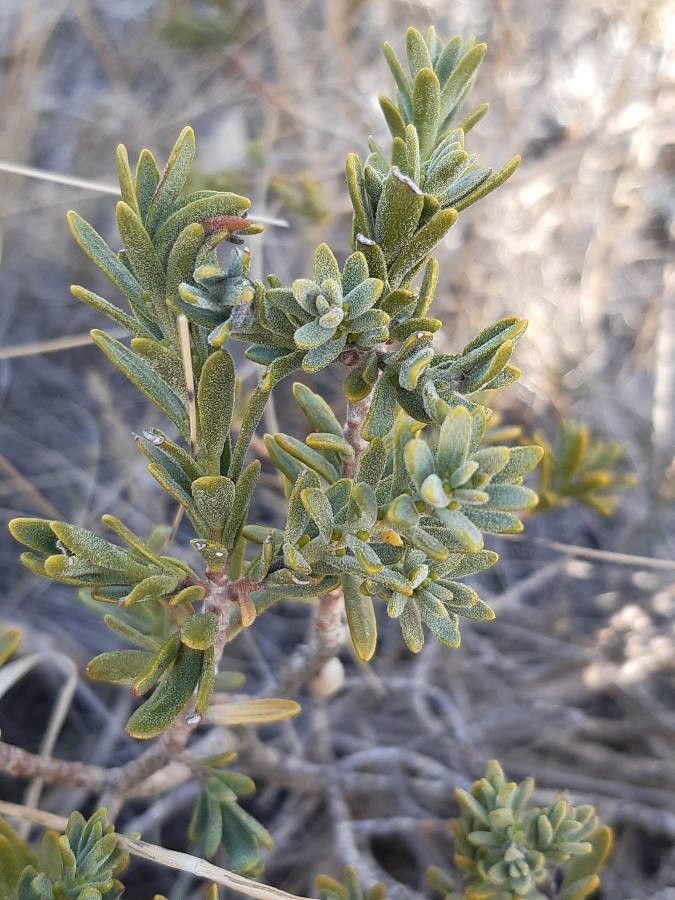
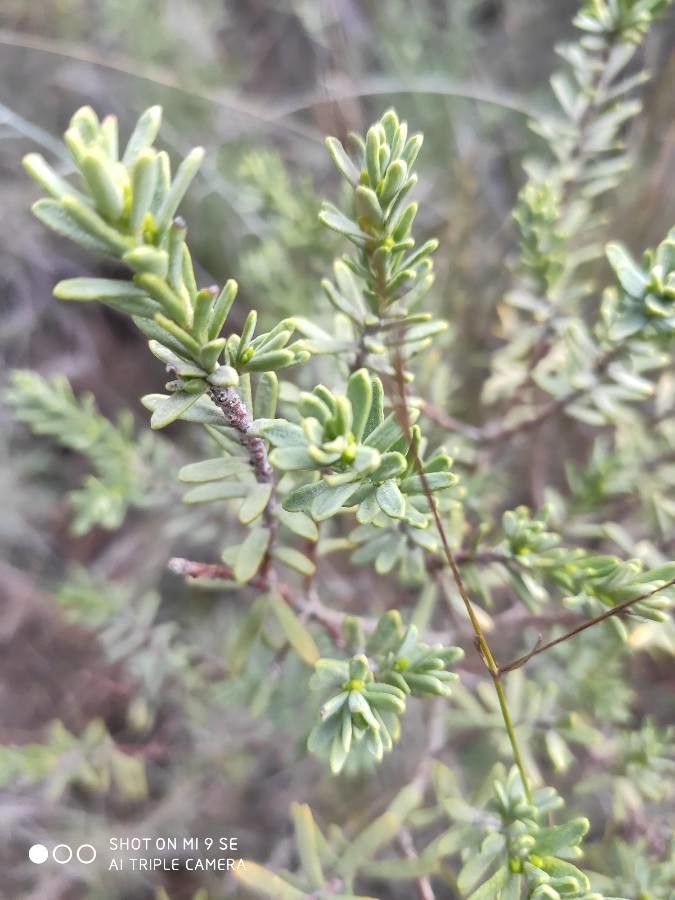
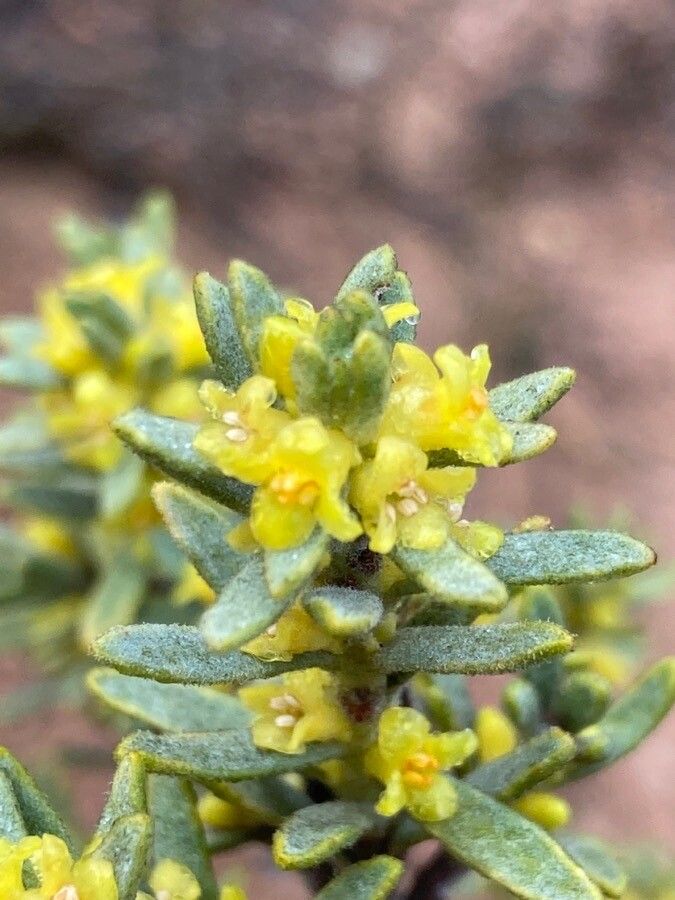
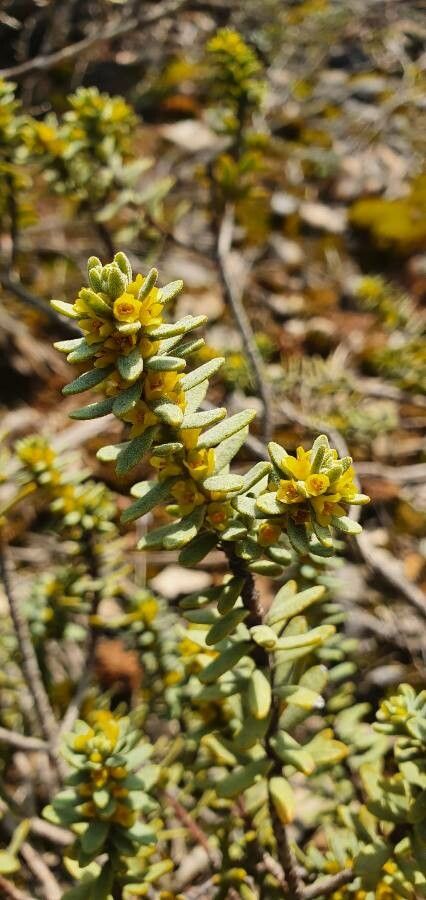
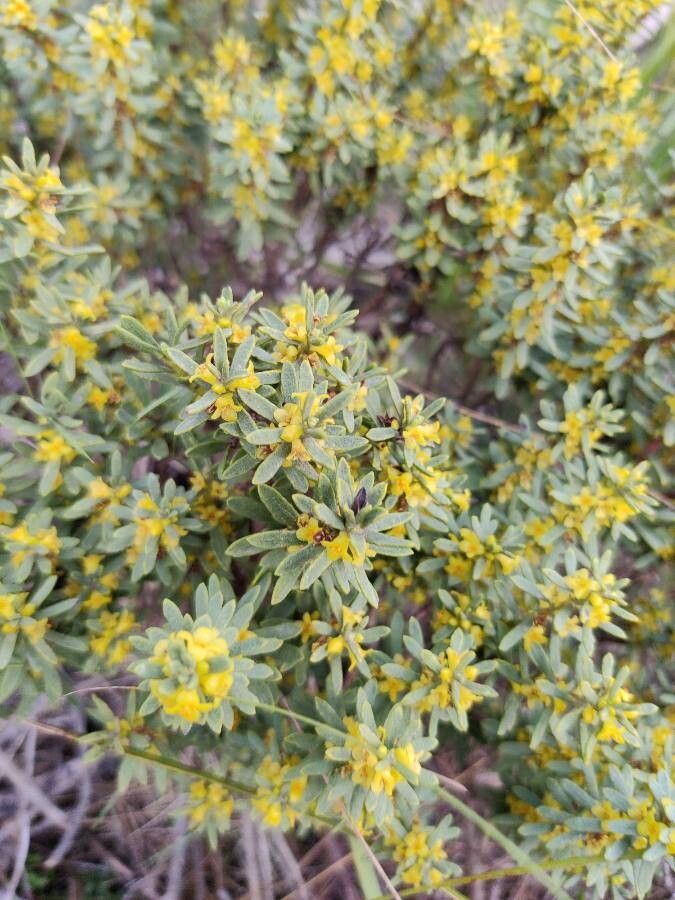
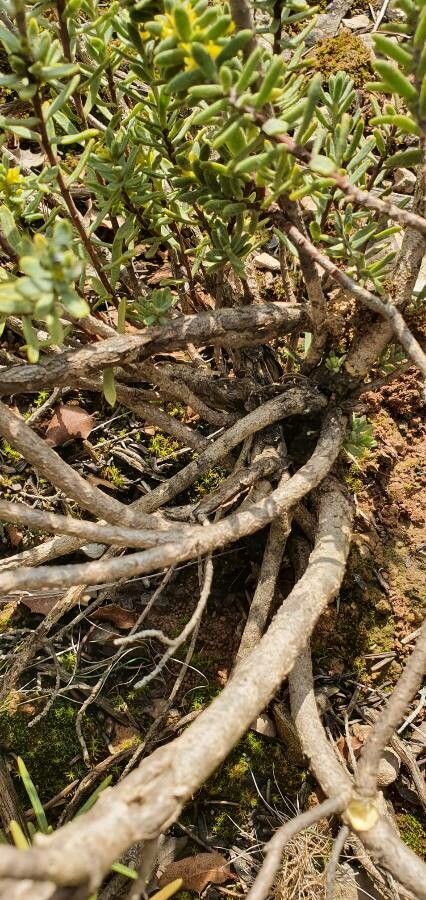
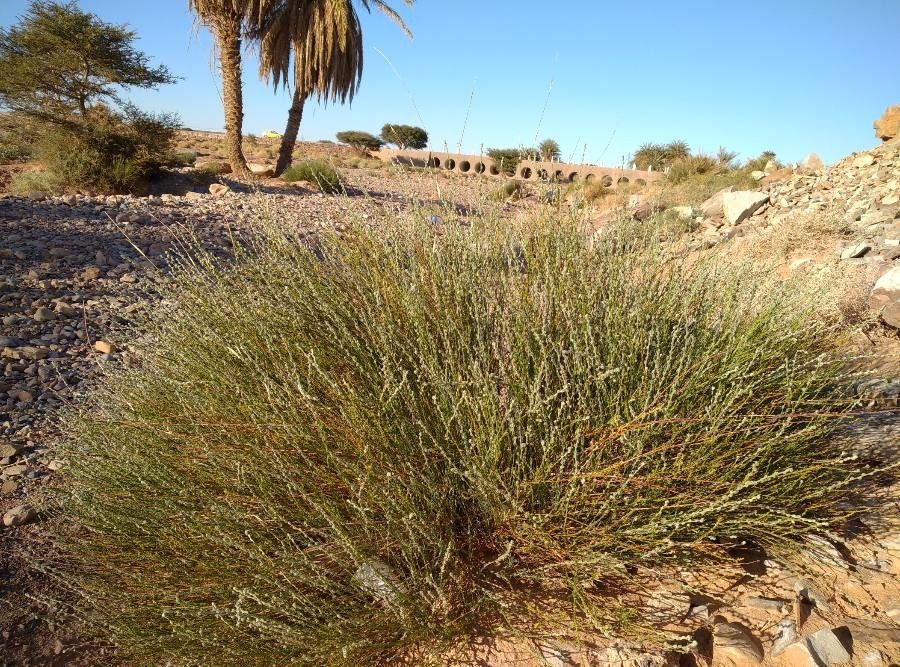
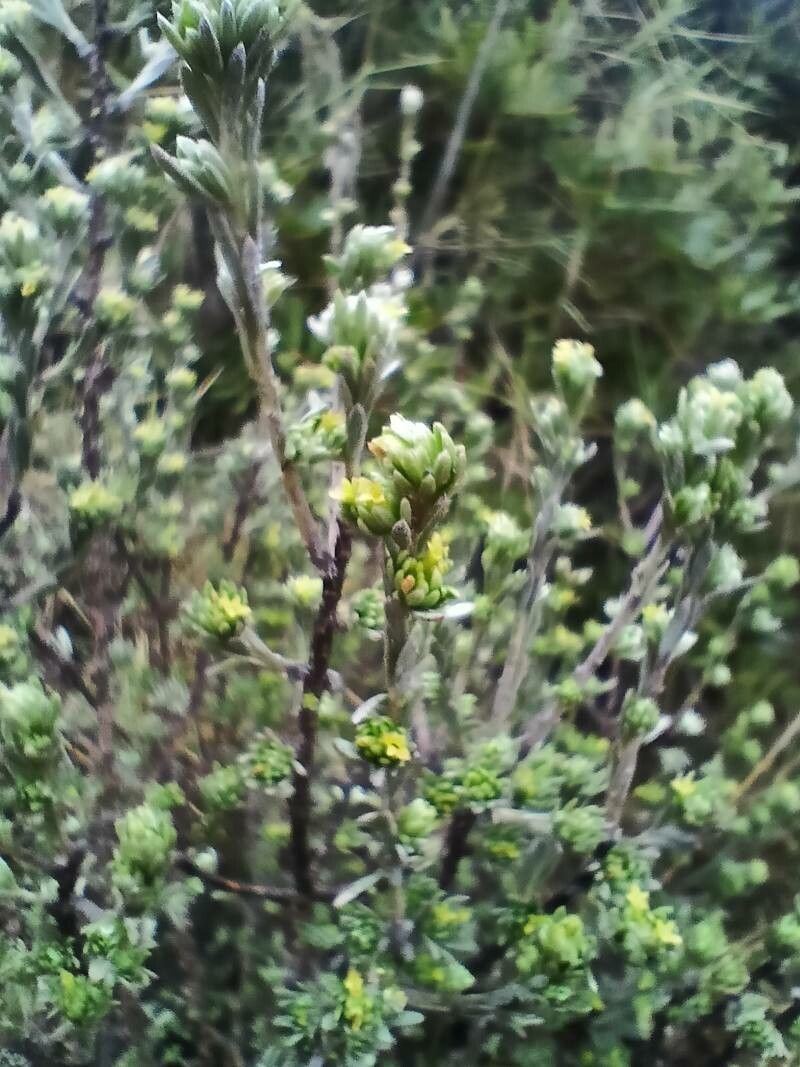
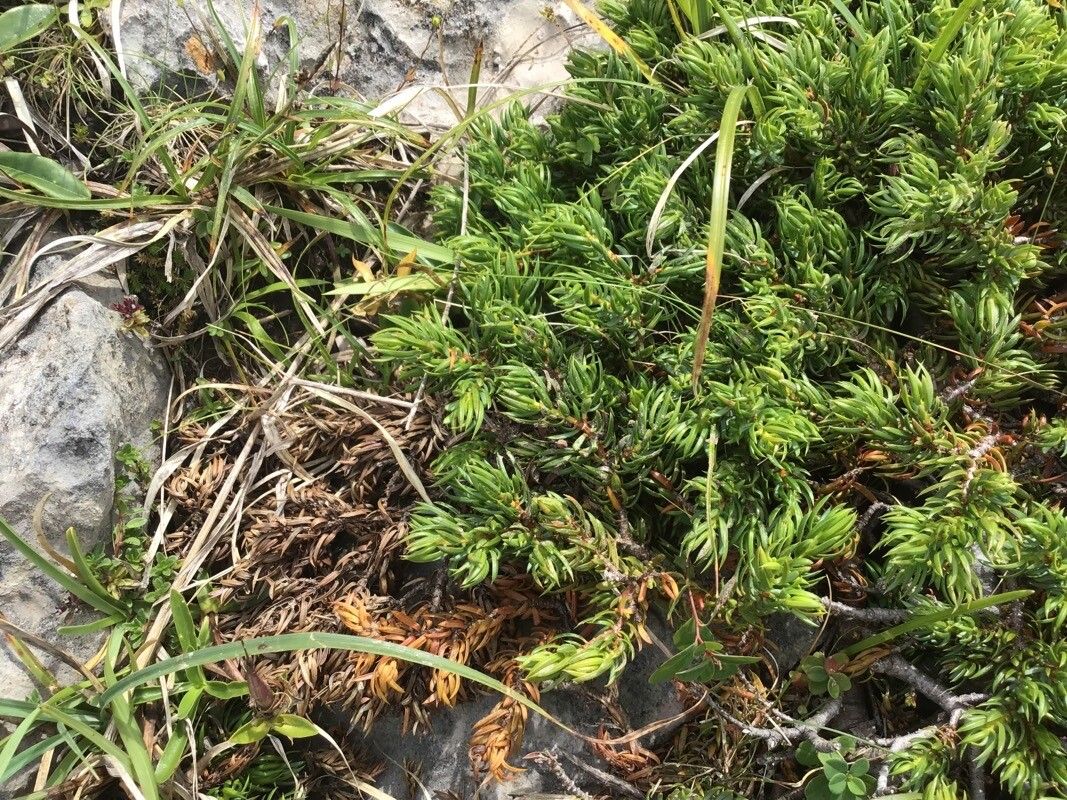
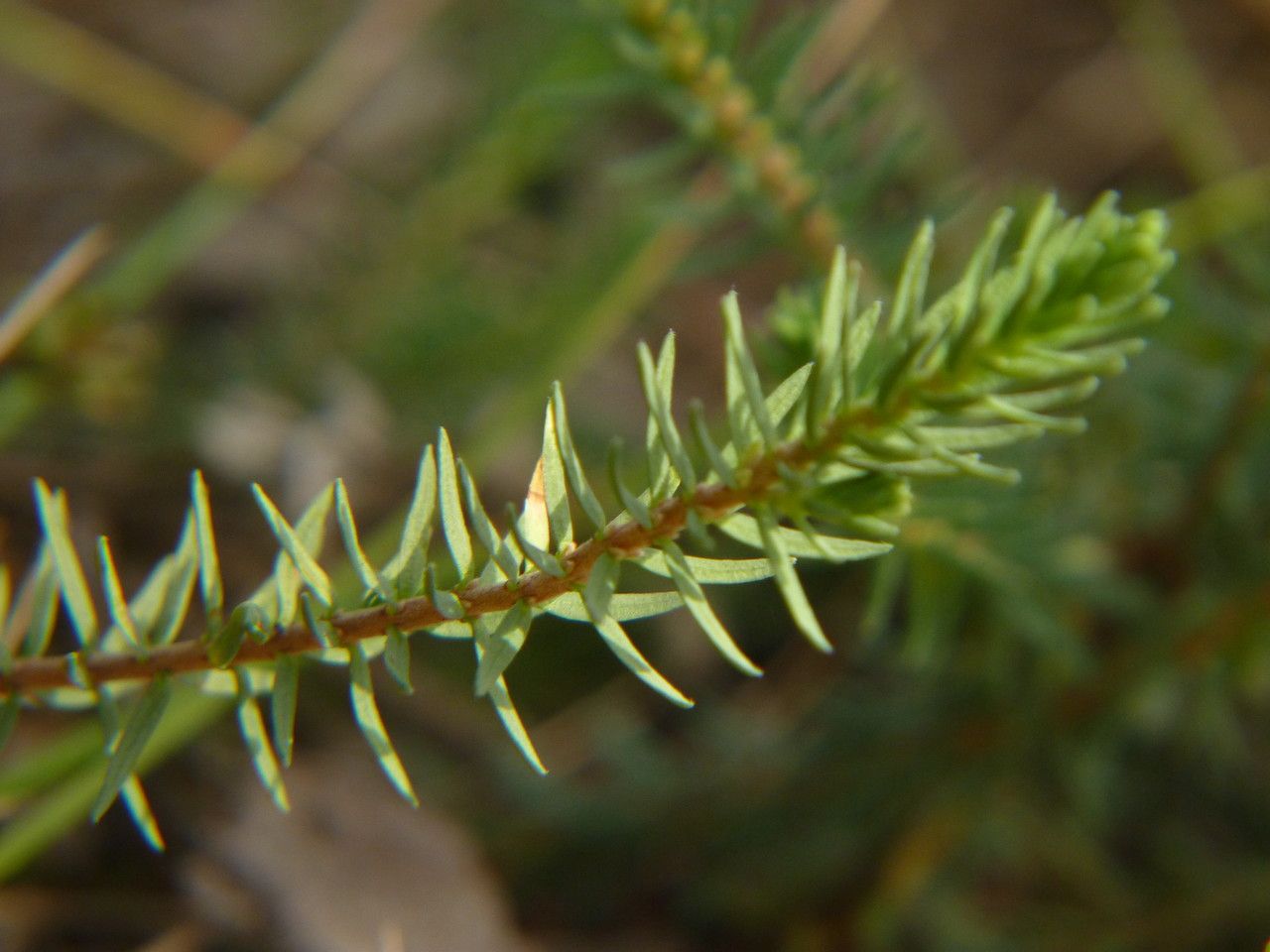
Twisted thymelaea has strong resistance to disease and is usually not susceptible to illness. With regard to care, this plant is fairly low-maintenance. When grown outdoors it needs little watering, and larger specimens generally do not require pruning. Smaller specimens, however, should be pruned after they have finished blooming. Twisted thymelaea is appropriate for anyone who has an outdoor area, like a garden or deck, and does not demand much experience in plant care.
How to keep Thymelaea Tinctoria.
Light
Twisted thymelaea comes from open habitats, like sunny meadows and forest margins, which offer plentiful light. It does best in Full Sun but will also tolerate Partial Sun, adjusting well to a range of sunlight conditions.
Water
Twisted thymelaea is well-suited for arid environments, needing very little moisture to thrive. Typically, it requires watering only twice a week. With its succulent-like qualities, this plant efficiently stores water, which aids in its growth. As an evergreen, it benefits from consistent and controlled hydration, ensuring steady growth throughout the year while avoiding the dangers of overwatering.
Temperature
Twisted thymelaea is highly adaptable to a variety of climates, from blazing summers to frosty winters. Still, it has a preferred temperature range for healthy growth. If temperatures climb too high, the plant can undergo heat and humidity stress that may kill it. In areas where temperatures approach the lower threshold of its cold tolerance, applying insulation is necessary to protect the plant.
Fertilizer
Fertilize your Twisted thymelaea in early spring to encourage healthy growth. Regular feeding improves overall health, leading to vigorous growth, greater resilience in harsh conditions, and better resistance to pests and diseases. Keep a consistent fertilization schedule for your Twisted thymelaea to preserve vibrant, deeply colored, lush foliage.
Pruning
Twisted thymelaea is a plant known for its distinctive twisted branches and vibrant yellow flowers. To promote healthy growth, prune it in early spring to remove any dead wood. Light trimming encourages bushiness and enhances flowering, but be cautious with heavy pruning as it can stress the plant. Regular care is essential to manage its size and preserve its ornamental appeal.
Botanical profile.
- Plant Type
- Shrub
- Life Cycle
- Perennial
- Genus
- Thymelaea
- Family
- Thymelaeaceae
- Leaf Type
- Semi-evergreen
Other names.