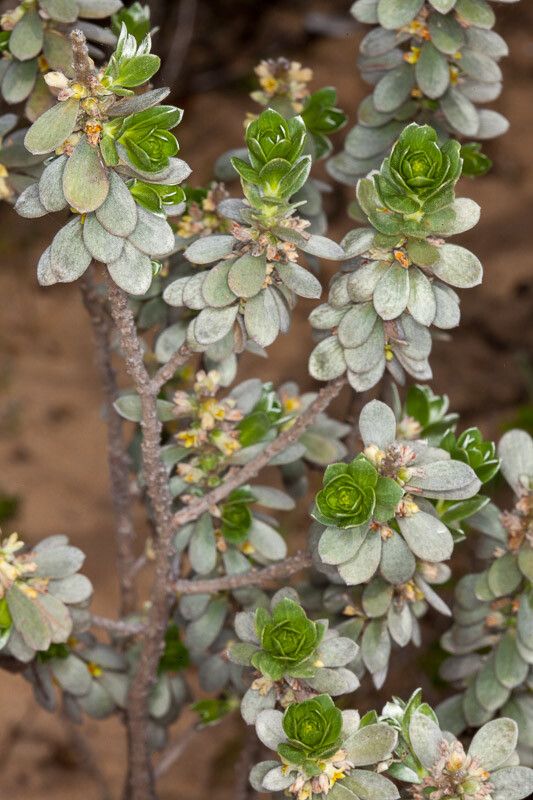
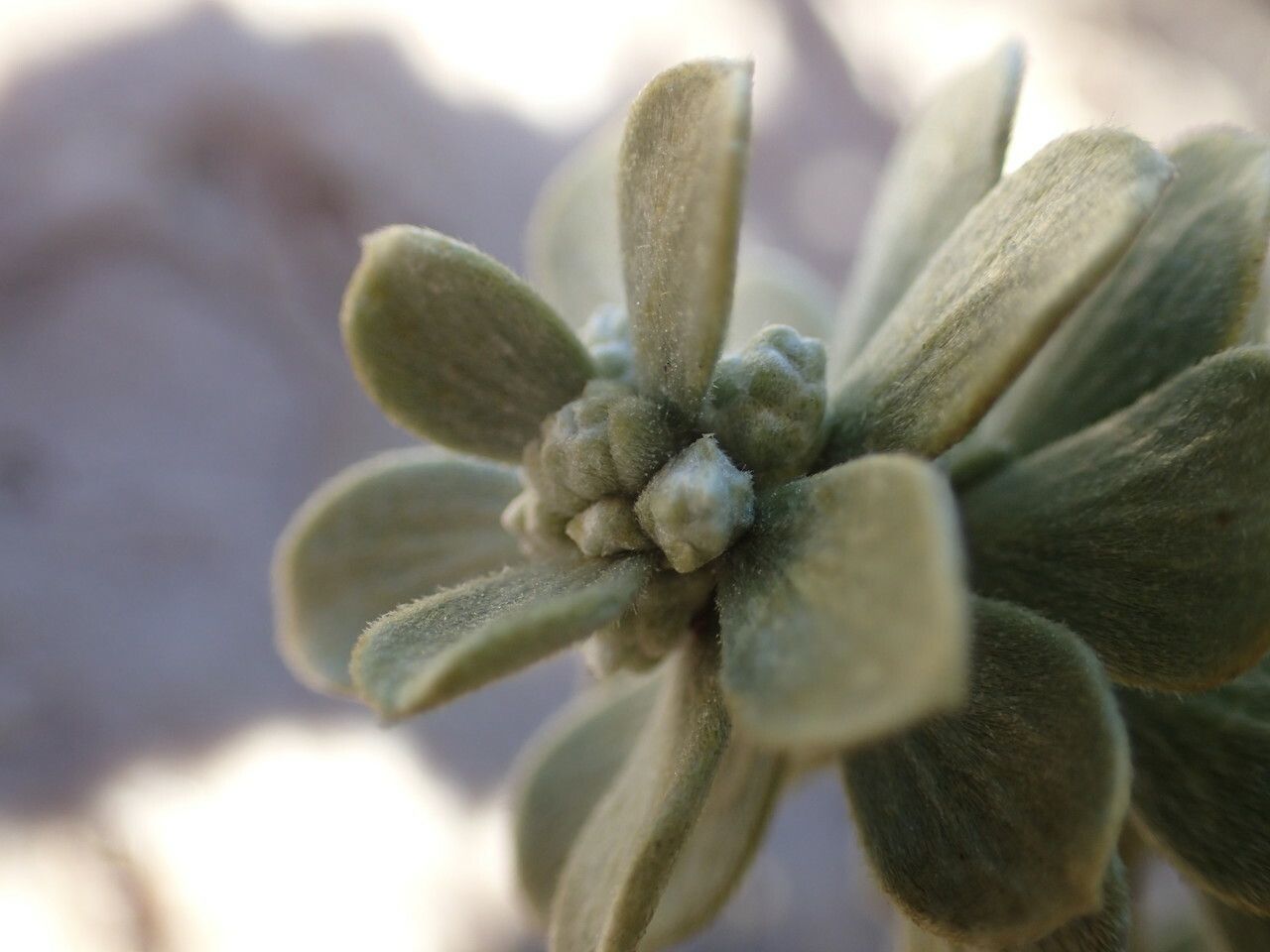
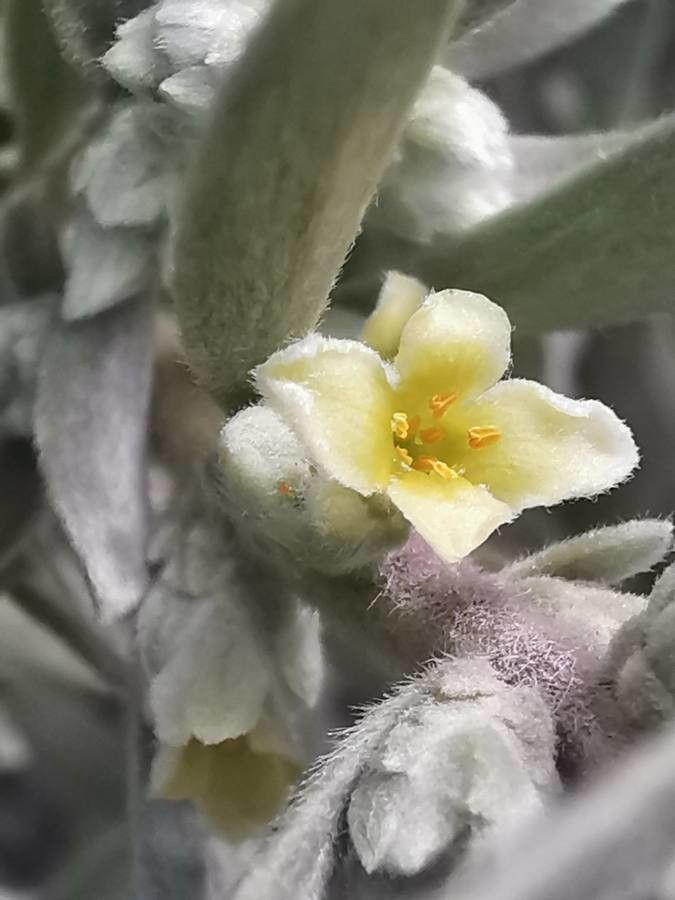
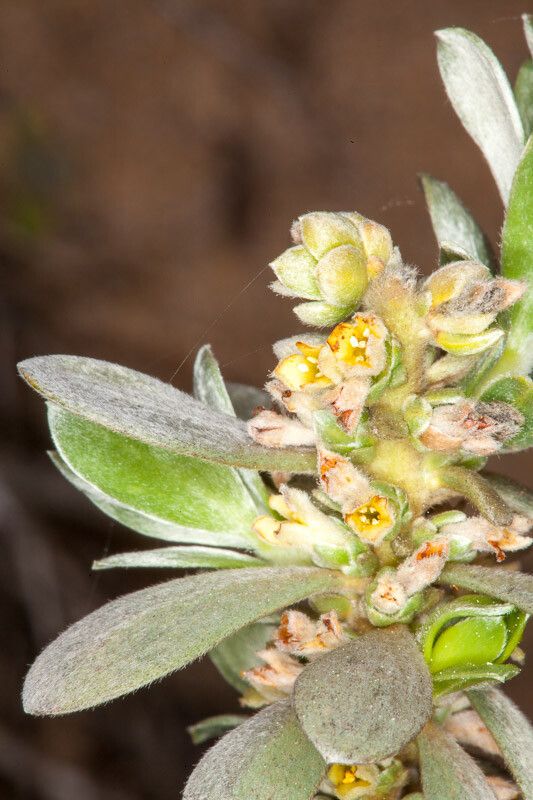
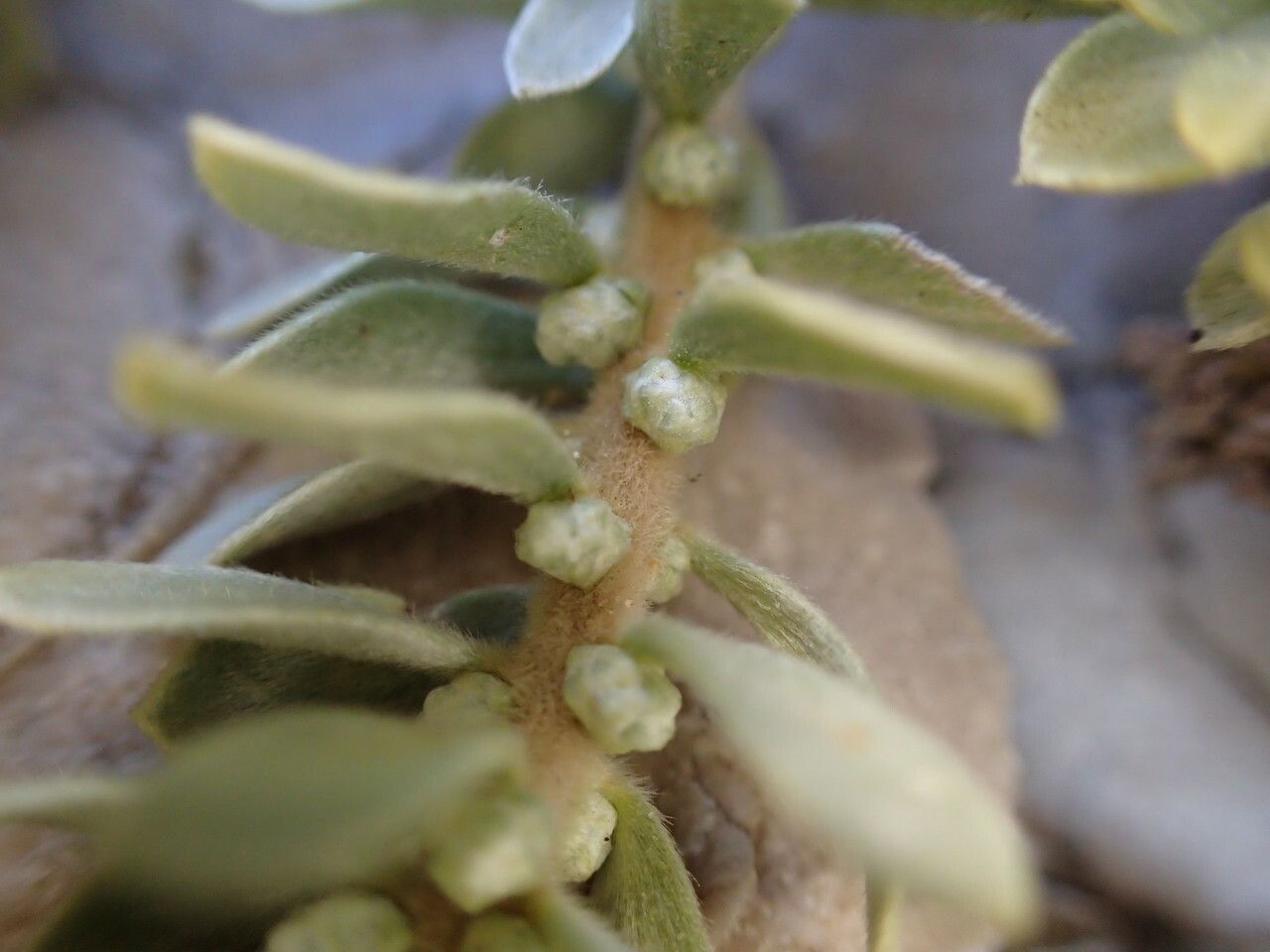
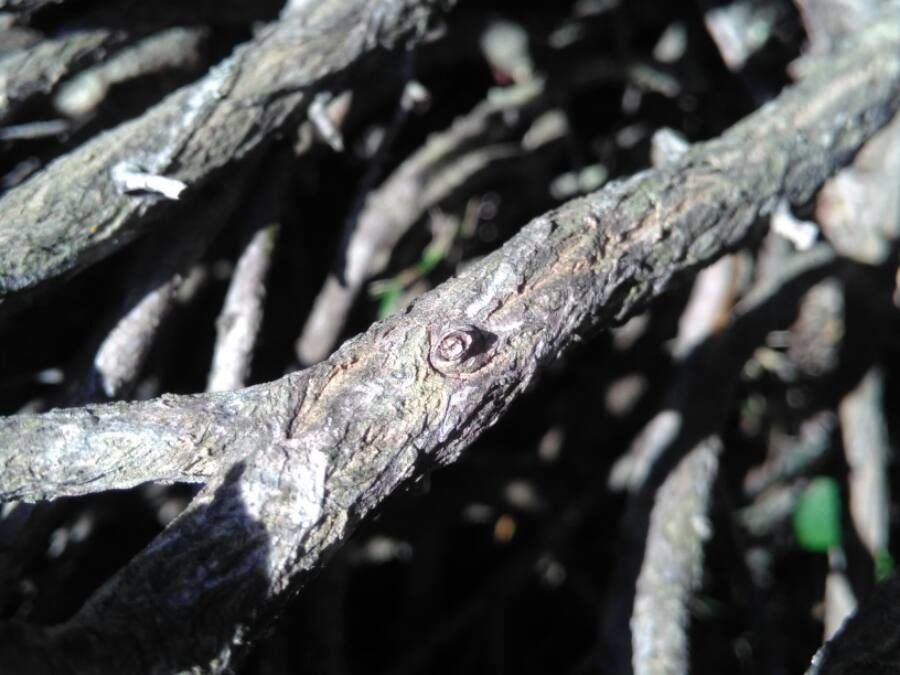
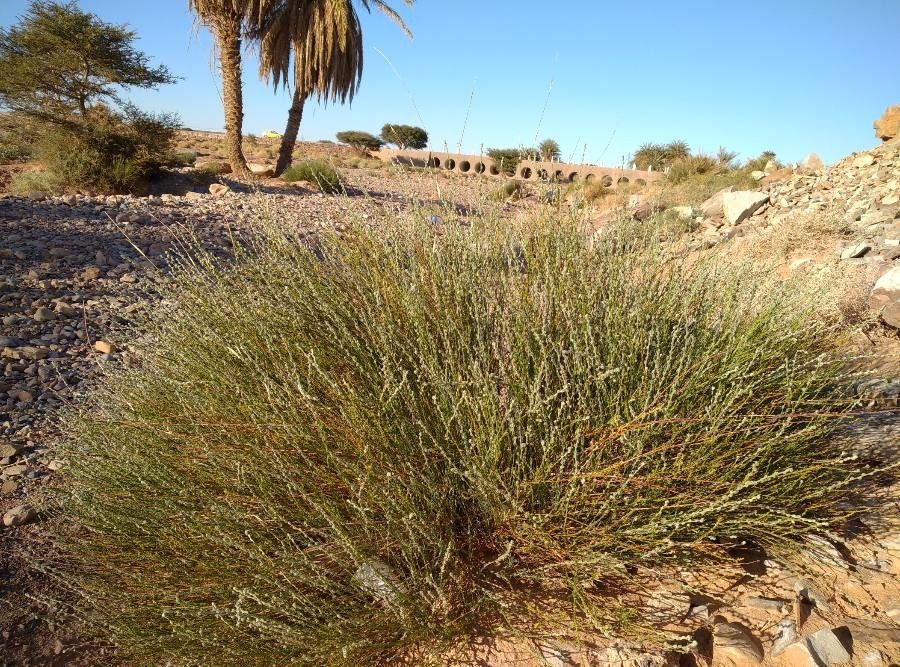
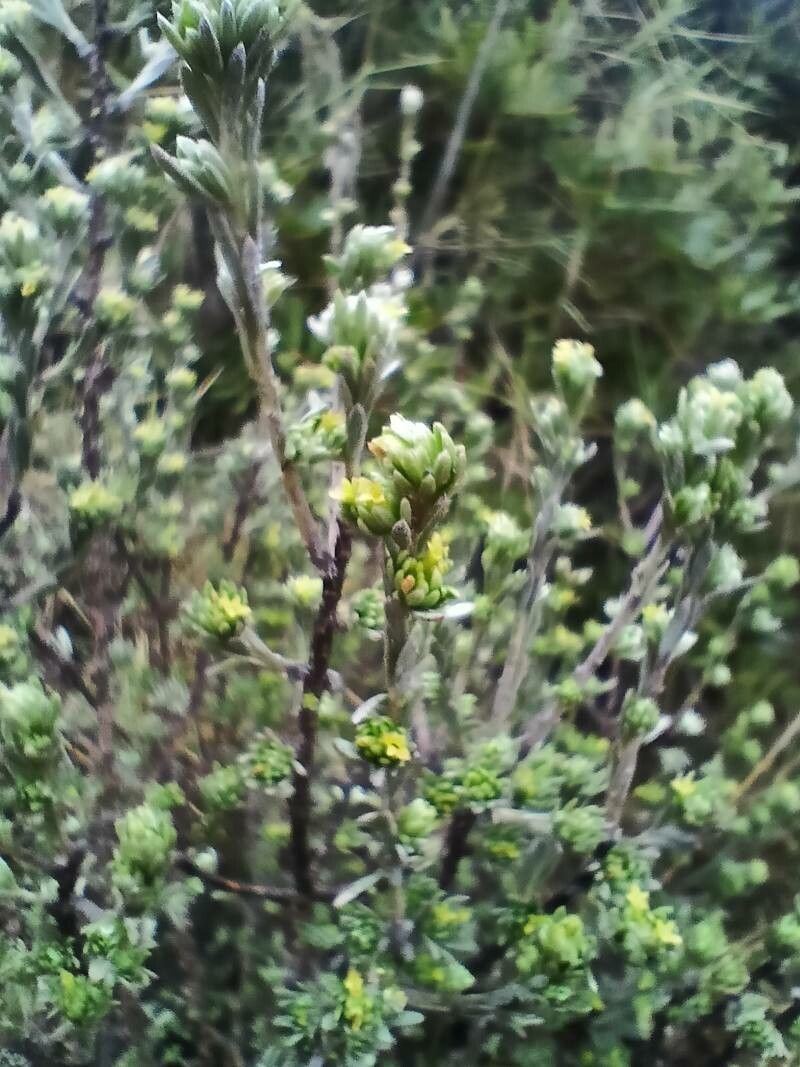
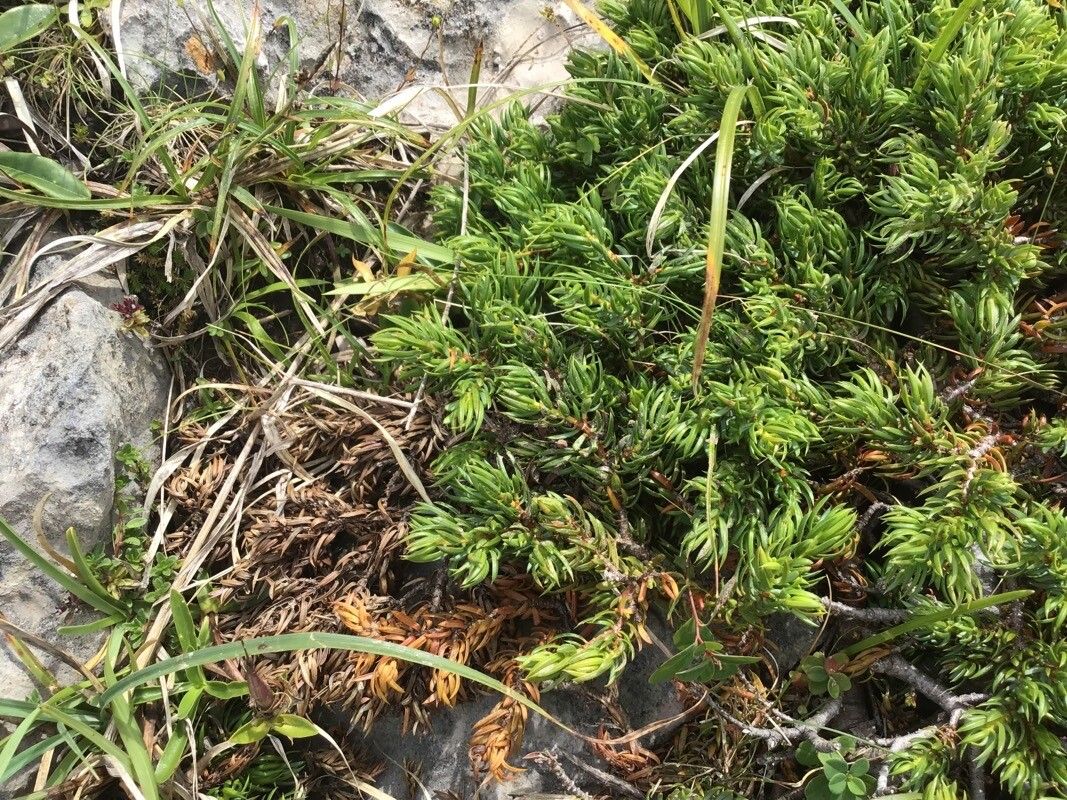
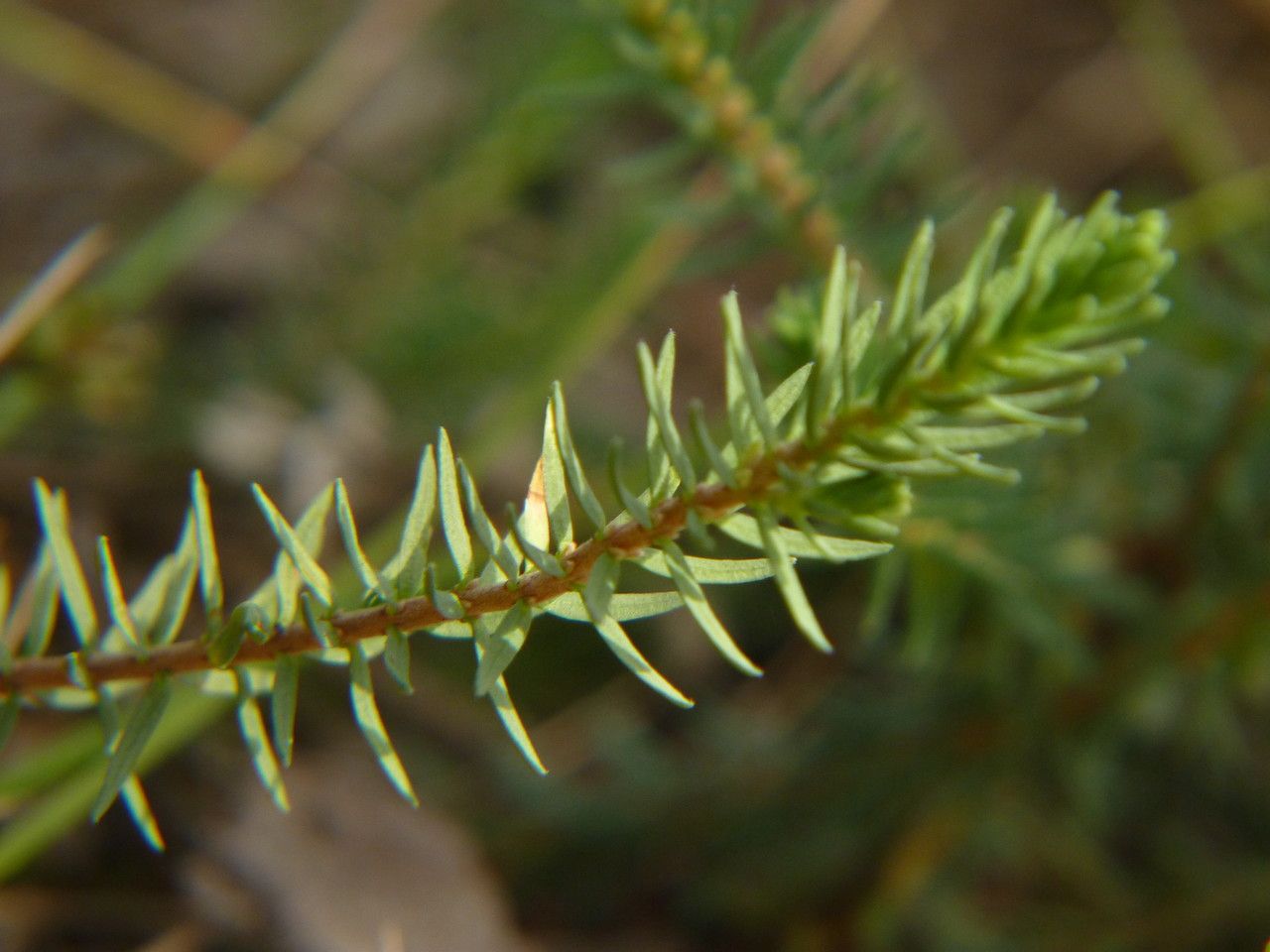
Silvery Spurge Flax is disease-resistant and, overall, not easily affected by diseases. Regarding care, this plant is fairly low-maintenance. When grown outdoors it needs only minimal watering, and larger specimens usually do not require pruning. Smaller plants, however, should be pruned after they finish blooming. Silvery Spurge Flaxt is suitable for anyone with an outdoor area, such as a garden or deck, and does not demand a great deal of care experience.
How to keep Thymelaea Tartonraira.
Light
The Silvery Spurge Flax plant originates from areas like forest underbellies or stony locales that typically have natural shading. While it generally favors semi-sunny positions, it is flexible enough to adjust to either completely sunny or entirely shaded locations, hence showcasing its adaptability and resilience.
Water
Silvery Spurge Flax thrives in dry, arid conditions, showing remarkable drought tolerance by efficiently storing water. It should be watered every 2-3 weeks to complement its natural abilities. This plant prefers well-draining soil, making it perfect for outdoor settings and xeriscaping due to its hardy nature.
Temperature
The Silvery Spurge Flax plant exhibits impressive resilience in diverse weather conditions, including intense summer heat or freezing winter cold. However, there is a preferred temperature range for its growth. The plant may experience heat and humidity stress if temperatures exceed this optimal range, potentially leading to its death. In locations where the temperature nears the bottom limit of its cold-hardiness, it becomes crucial to utilize insulation techniques for the protection of the plant.
Fertilizer
Encourage healthy development by fertilizing your Silvery Spurge Flax at the beginning of spring. Routine fertilization improves general health, leading to strong growth, adaptability to harsh conditions, and better resistance to diseases and pests. Adhere to a particular fertilization timetable for your Silvery Spurge Flax to guarantee bright leaves with rich color and a dense look.
Pruning
Silvery Spurge Flax is a drought-tolerant shrub known for its attractive silvery foliage. To maintain its health and appearance, it's beneficial to prune the plant from early to late winter. Start by removing any dead branches to encourage healthy growth and preserve its shape. Additionally, light trimming can help to increase the shrub's density. Always use clean tools to prevent the spread of disease, which supports vigorous growth and extends the plant's lifespan.
Botanical profile.
- Plant Type
- Shrub
- Life Cycle
- Perennial
- Genus
- Thymelaea
- Family
- Thymelaeaceae
- Hardiness Zone
- 9-10
- Mature Height
- 30 cm to 61 cm
- Mature Spread
- 40 cm to 76 cm
- Leaf Color
- Silver, Gray
- Leaf Type
- Evergreen
- Flower Color
- Yellow
- Flower Size
- 0.25 cm to 0.51 cm
- Bloom Time
- Mid spring, Late spring
- Planting Time
- Spring, Summer, Autumn
- Harvest Time
- Early summer, Mid summer
Reader questions.
What are the sunlight requirements for Silvery Spurge Flax?
Silvery Spurge Flax thrives best in partial sun, receiving about 3-6 hours of sunlight per day, but it can also tolerate full shade conditions. It's essential to watch how sunlight moves through your garden to identify spots that offer a balance of light and shade, ensuring the plant's happiness.
What is Silvery Spurge Flax?
Silvery Spurge Flax, known botanically as Thymelaea tartonraira, is a plant with particular characteristics. However, the provided information does not include details about its essentials features, symptoms, or additional attributes.
Can Silvery Spurge Flax adapt to different light conditions?
Yes, Silvery Spurge Flax is a versatile plant that can adapt to various light conditions. It naturally grows in environments like forest understories or rocky areas where it experiences shade. While it prefers partial sun, it can also grow in full shade, making it a flexible choice for different garden spaces.
How do I use artificial lighting for Silvery Spurge Flax?
When natural sunlight is insufficient, particularly for indoor Silvery Spurge Flax plants or during less sunny seasons, artificial lighting is a useful solution. LEDs are preferable because they can be tailored to the plant's needs. The amount of artificial light required varies: full sun plants need 30-50W/sq ft, partial sun plants 20-30W/sq ft, and full shade plants 10-20W/sq ft. The light source should be placed 12-36 inches above the plant for 8-12 hours per day to mimic natural daylight and promote healthy growth.
What are the symptoms of light deficiency in Silvery Spurge Flax?
When Silvery Spurge Flax receives insufficient light, it may exhibit several symptoms including smaller new leaves, leggy or sparse growth, faster leaf drop, slower or no new growth, lighter-colored new leaves, chlorosis (leaves turning yellow), sunscald, leaf curling, wilting, and leaf scorching. These symptoms indicate that the plant is not receiving enough light to maintain its health and growth.
What solutions can improve light conditions for Silvery Spurge Flax?
To optimize light conditions for Silvery Spurge Flax, gradually adjust the plant's exposure to sunlight or use artificial lighting. For indoor plants, move them to sunnier spots weekly until they receive 3-6 hours of direct sunlight or use desk, ceiling, or professional grow lights for at least 8 hours a day. Outdoors, acclimate plants to more sunlight gradually to prevent sunburn. Removing obstructions or transplanting can also improve sunlight access. Note that parts of the plant affected by light deficiency might not recover, but new growth will be healthy after light conditions improve.