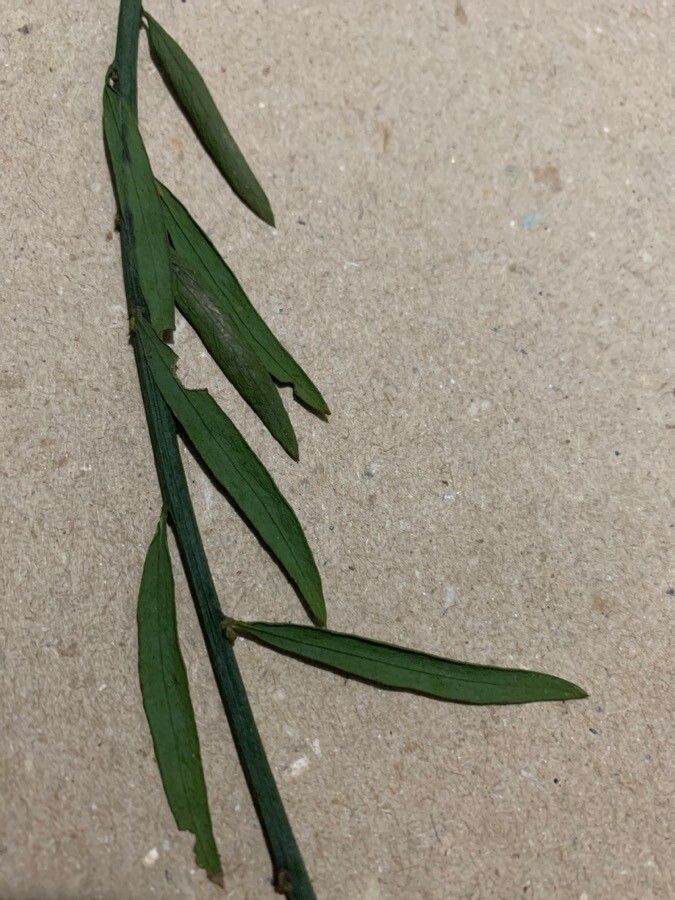
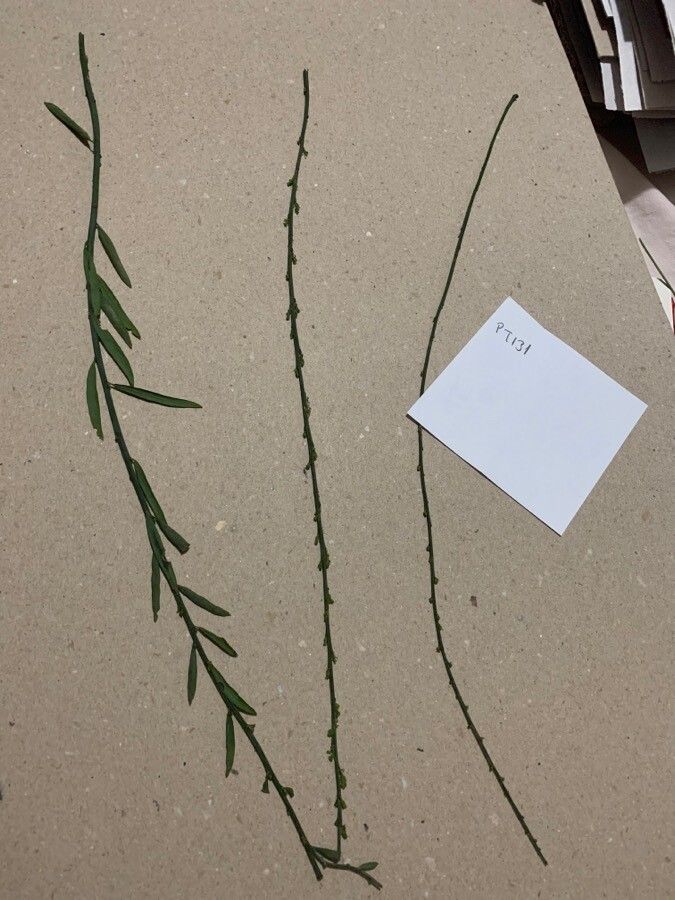
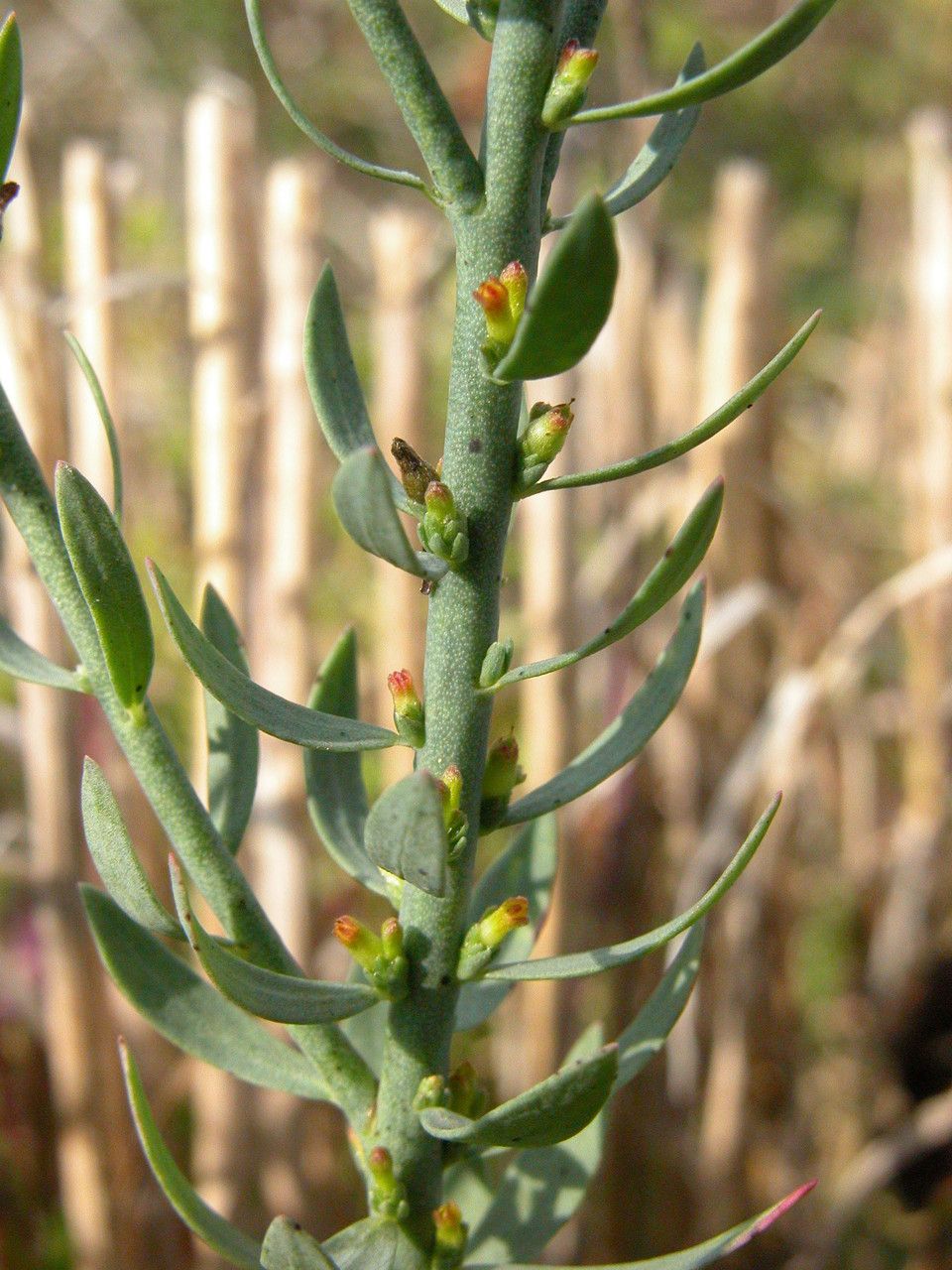
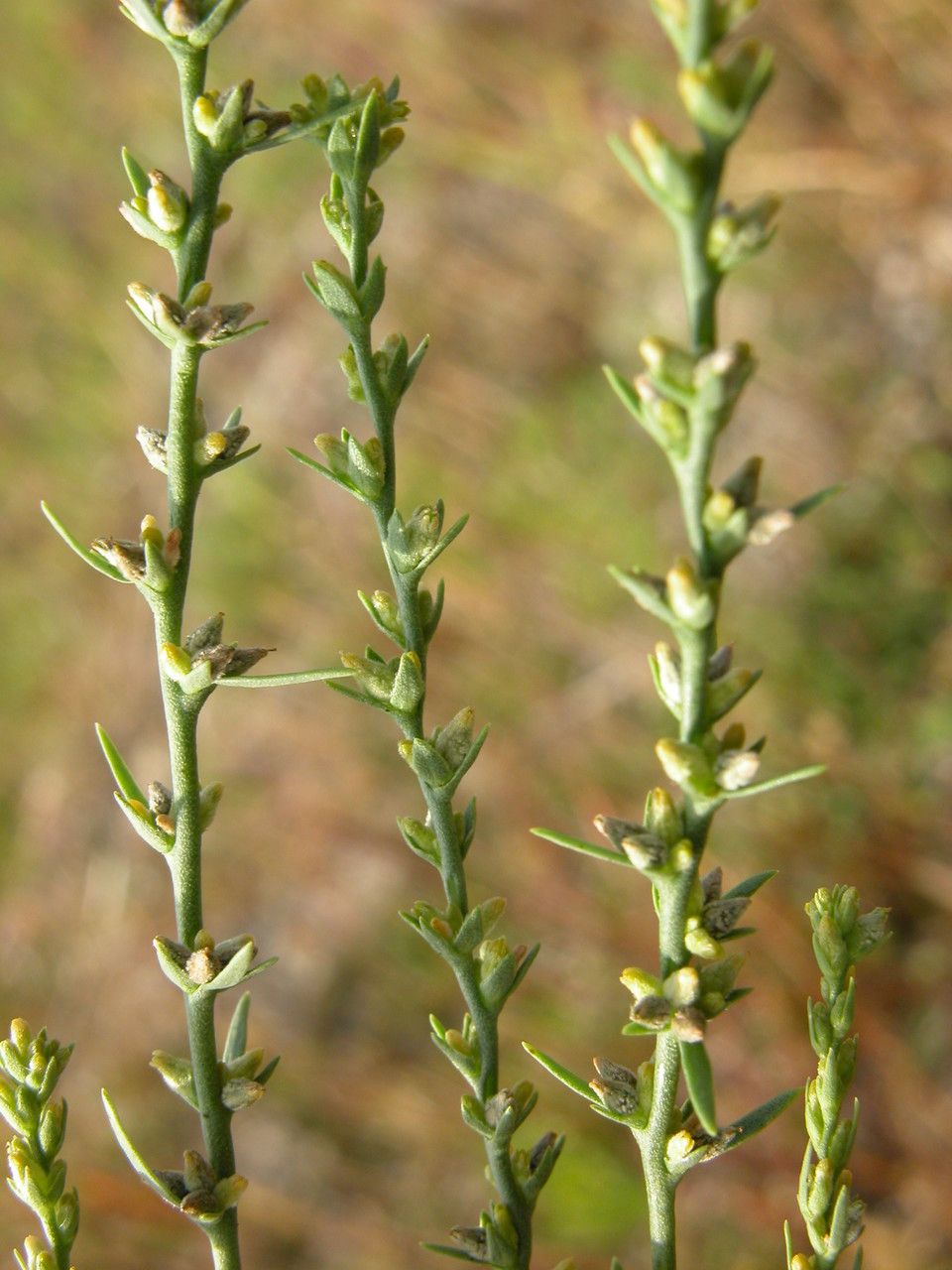
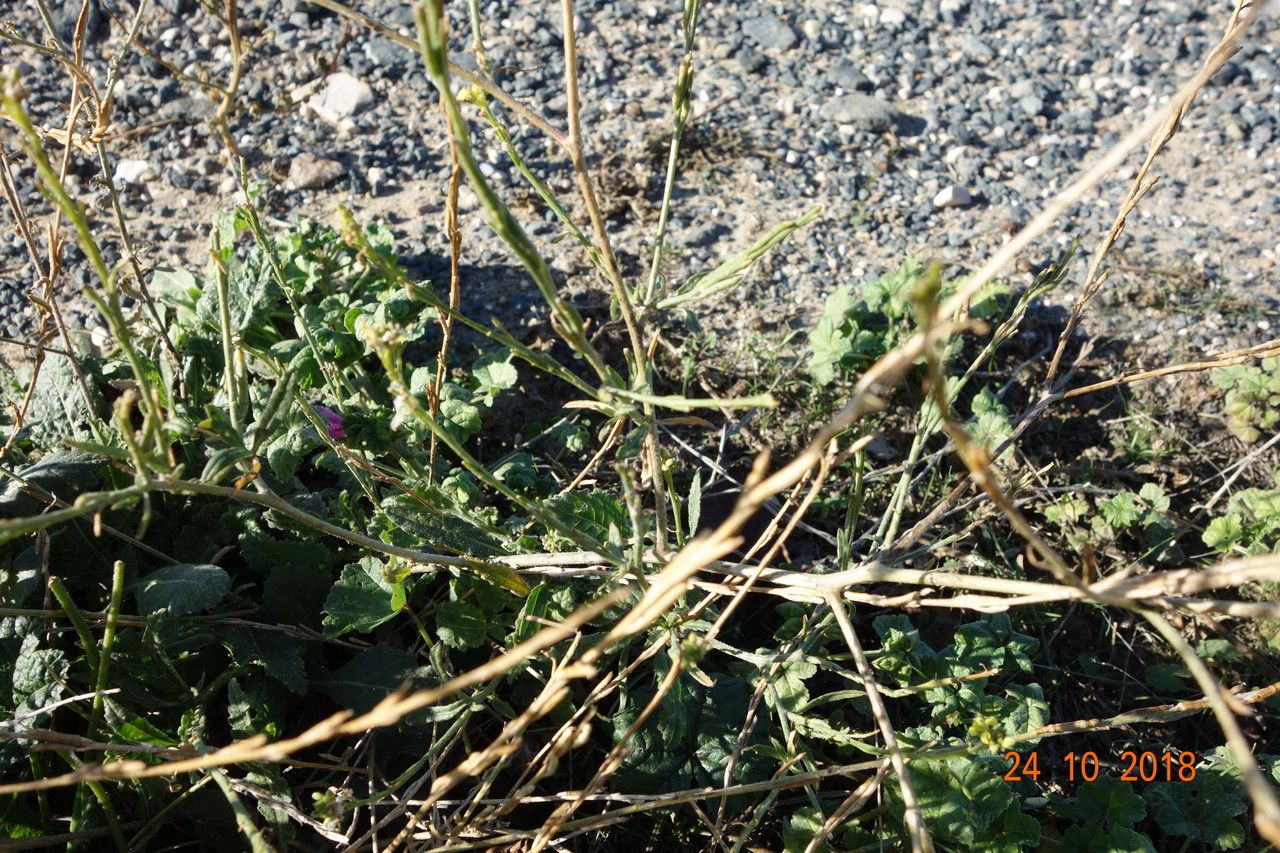
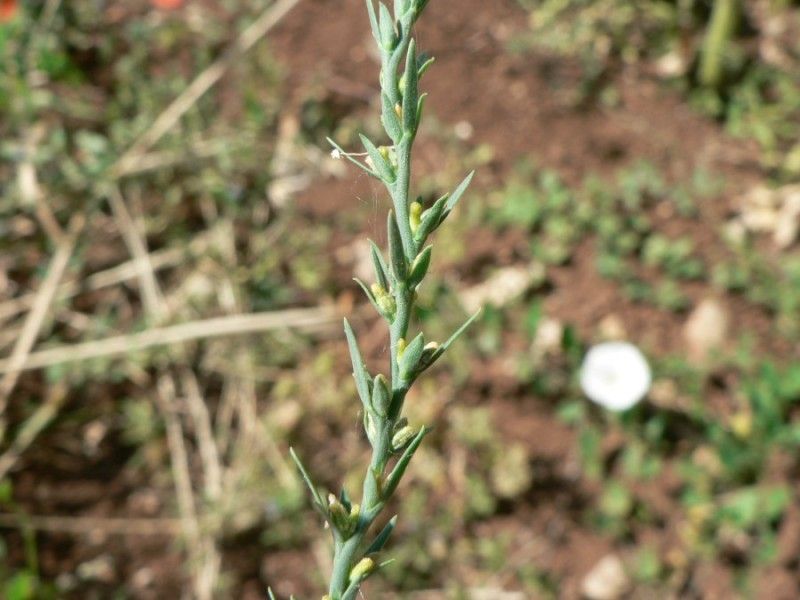
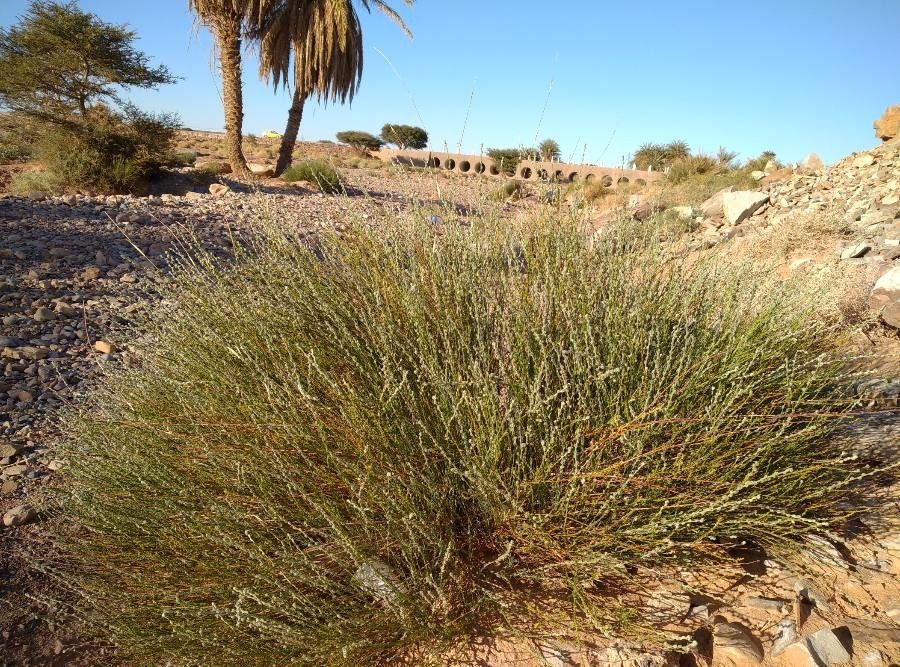
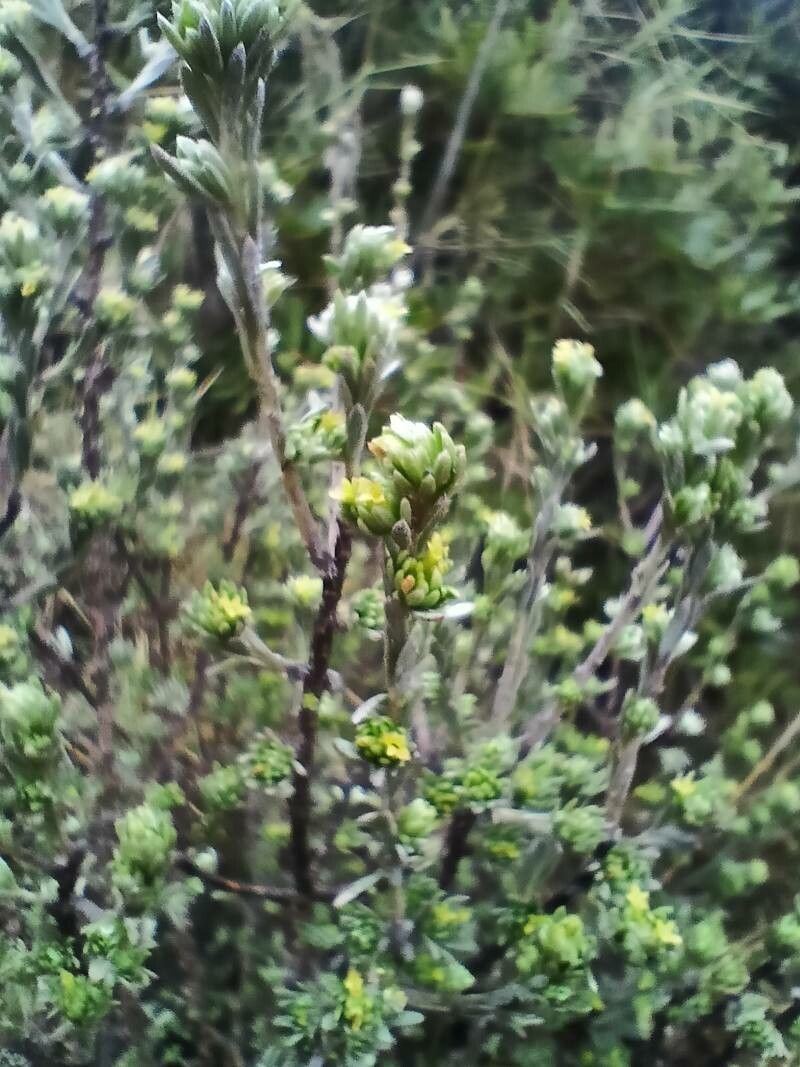
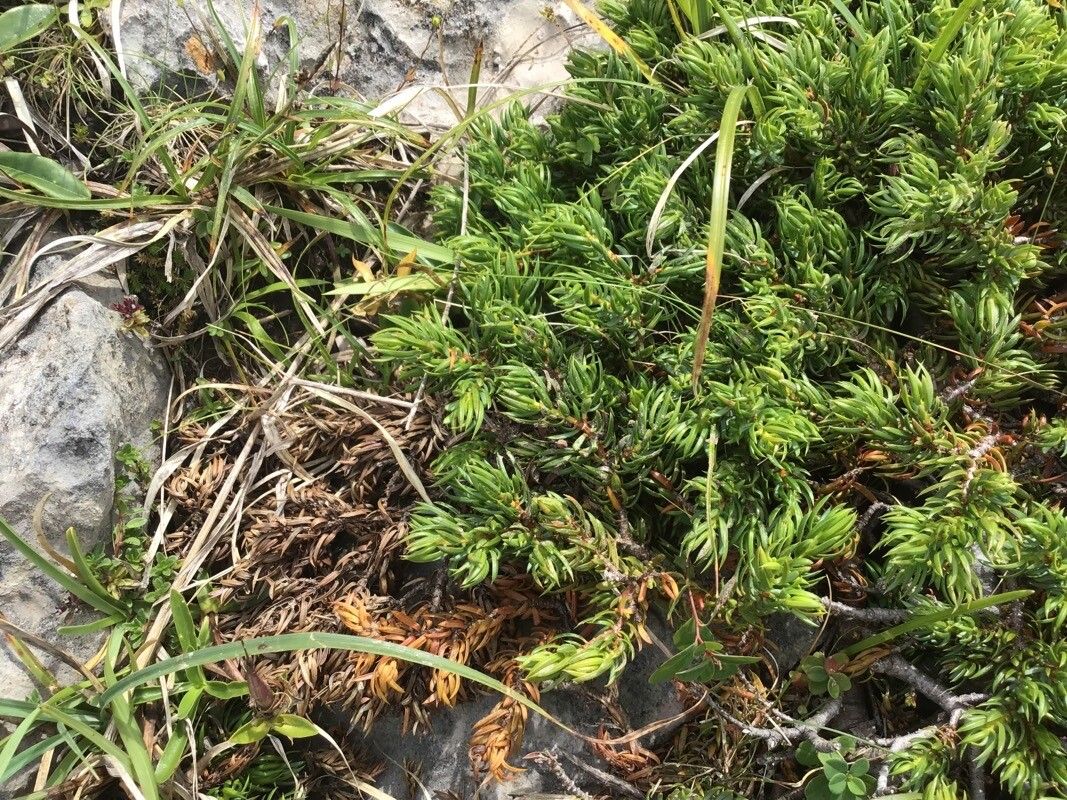
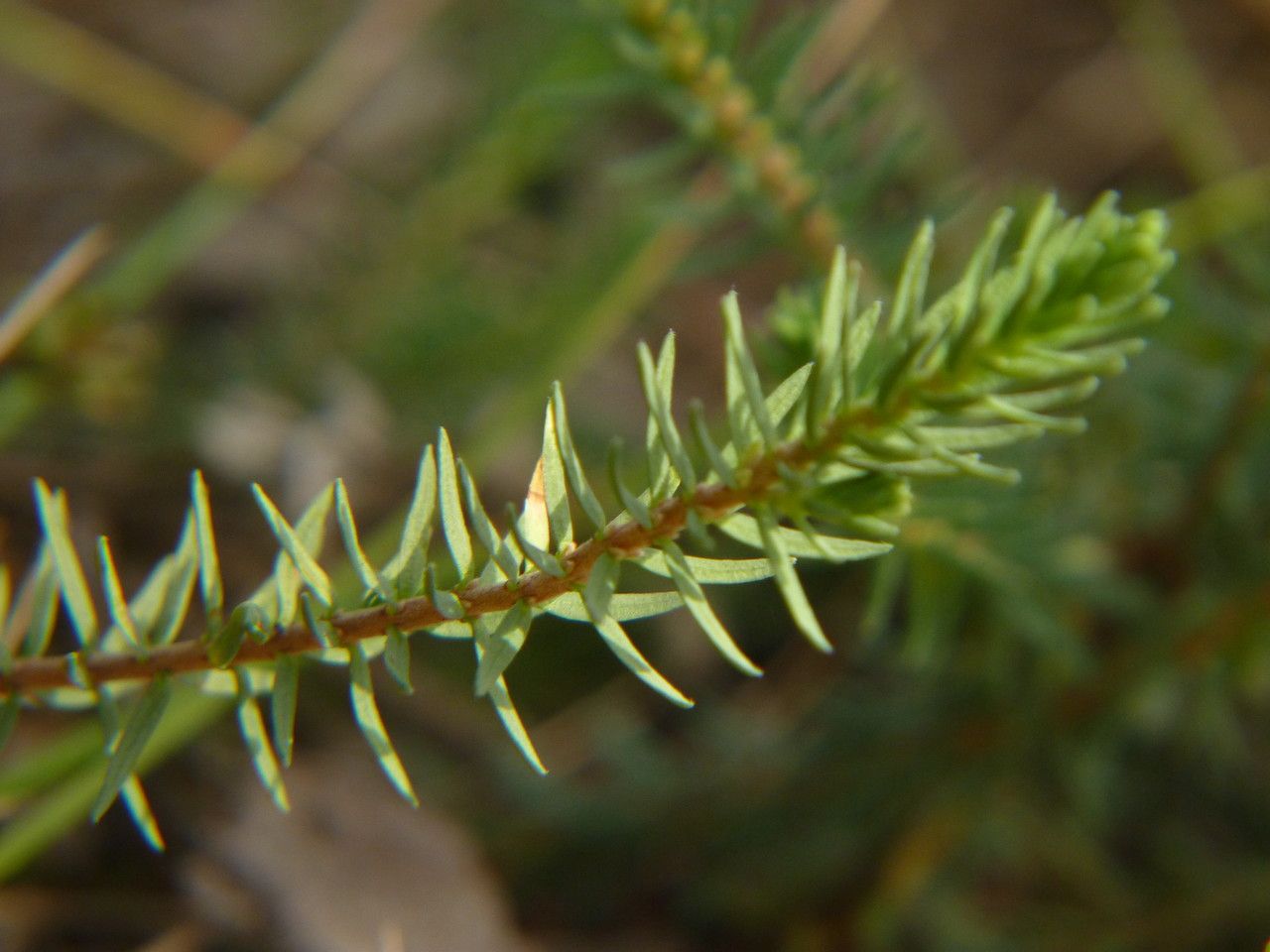
Thymelaea passerina, the spurge flax, sparrow weed, mezereon, or annual thymelaea, is a species of flowering plant in the family Thymelaeaceae. It is native to central and southern Europe, the Middle East, Central Asia, the western Himalayas, and Xinjiang in China, and it has been introduced to central North America, and to South Australia. An erect annual from 6 to 61 cm tall, it is typically found in steppes, disturbed areas, and old fields.
Annual thymelaea has strong resistance to disease and is generally unlikely to develop illnesses. Still, it can be vulnerable to pests and diseases found in its environment. Such infections are typically mild. Regarding care, this plant needs moderate attention. Regular pruning is necessary to preserve an attractive appearance and robust growth. Applying fertilizer can also encourage blooming. Annual thymelaea is appropriate for anyone with outdoor areas like a garden or patio and does not demand extensive gardening experience. It may need more intensive care if kept indoors.
How to keep Thymelaea Passerina.
Light
Annual thymelaea comes from bright, open habitats and thrives in full sun. It can tolerate partial sun but favors direct sunlight for optimal growth. As an annual and biennial plant, it is noted for its sun-loving habit.
Water
Annual thymelaea flourishes in dry environments, thanks to its remarkable drought tolerance and water conservation adaptations. For optimal growth, it requires weekly watering. This helps it maintain its foliage throughout the year by ensuring the soil remains consistently moist, supporting its evergreen nature.
Temperature
Annual thymelaea naturally occurs in areas where temperatures range from 68 to 95 °F (20 to 35 °C). It grows best within that temperature band. Seasonal adjustments may be necessary to maintain ideal growing conditions.
Fertilizer
Annual thymelaea benefits from frequent, light applications of fertilizer to encourage healthy leaf growth. Fertilize Annual thymelaea about once a month during the summer. Nitrogen is essential for foliage, and adding nitrogen-rich sources helps Annual thymelaea do well.
Pruning
Annual thymelaea is a plant characterized by its delicate foliage and yellowish flowers. To encourage healthy growth and improve air circulation, it should be pruned from early to late spring. When pruning, make sure to use sterilized tools and avoid cutting too much to maintain the plant's shape and prevent stunted growth.
Botanical profile.
- Plant Type
- Herb
- Life Cycle
- Annual
- Genus
- Thymelaea
- Family
- Thymelaeaceae
- Hardiness Zone
- 4-10
- Mature Height
- 25 cm
- Mature Spread
- 10 cm to 30 cm
- Leaf Color
- Light Green
- Leaf Type
- Evergreen
- Flower Color
- Yellow, Green
- Flower Size
- 0.20 cm to 0.25 cm
- Bloom Time
- Summer
- Planting Time
- Spring, Summer
- Harvest Time
- Late summer, Early fall, Mid fall
- Native Area
- India, Turkey, Austria, Slovakia, Montenegro, Pakistan, Croatia, Slovenia, Uzbekistan, Russia, Iraq, Germany, Romania, Belgium, France, Portugal, Saudi Arabia, Tajikistan, Czech Republic, Bulgaria, Armenia, Poland, Greece, Ukraine, Lebanon, Serbia, China, Afghanistan, Syria, Kyrgyzstan, Kazakhstan, Italy, Spain, Switzerland, Iran, Albania, Azerbaijan, Hungary, Kuwait, Turkmenistan
Other names.
Reader questions.
What are the sunlight requirements for Annual Thymelaea?
Annual Thymelaea thrives in full sun, requiring more than 6 hours of sunlight daily. It can also tolerate partial sun, needing about 3-6 hours of sunlight per day. It's essential to observe how sunlight moves through your garden to pick spots that offer the right balance of light and shade for your plants, ensuring they grow happily and healthy.
How does Annual Thymelaea grow best?
Originating from bright, open environments, Annual Thymelaea performs best in full sun conditions but can tolerate partial sun. For indoor plants where natural sunlight is insufficient, especially in winter or less sunny spaces, artificial lighting can promote faster, healthier growth. Optimal artificial lighting involves selecting the right light type, like LED, setting the correct distance (12-36 inches above the plant), and ensuring proper duration (8-12 hours per day) to mimic natural daylight hours.
What are the symptoms of insufficient light in Annual Thymelaea?
When Annual Thymelaea doesn't receive enough light, you might notice symptoms like smaller new leaves, leggy or sparse growth, faster leaf drop, slower or no new growth, and lighter-colored new leaves. Additionally, excessive sunlight can lead to chlorosis, sunscald, leaf curling, wilting, and leaf scorching, indicating the plant's struggle with inappropriate light conditions.
How can I address light deficiencies for my Annual Thymelaea?
To counteract light deficiencies, gradually increase your plant's exposure to sunlight by moving it to sunnier locations each week until it meets its full sun requirements (at least 6 hours daily). For indoor plants, using a south-facing window and/or artificial lights for at least 8 hours daily can help. For outdoor plants, avoid sudden changes in light exposure to prevent sunburn. Identify and reduce obstructions like trees by pruning, and consider transplanting smaller plants during their dormant period to spots with more sunlight and good drainage. While parts of the plant that suffered from low light may not recover, new growth will be healthy with proper light adjustments.