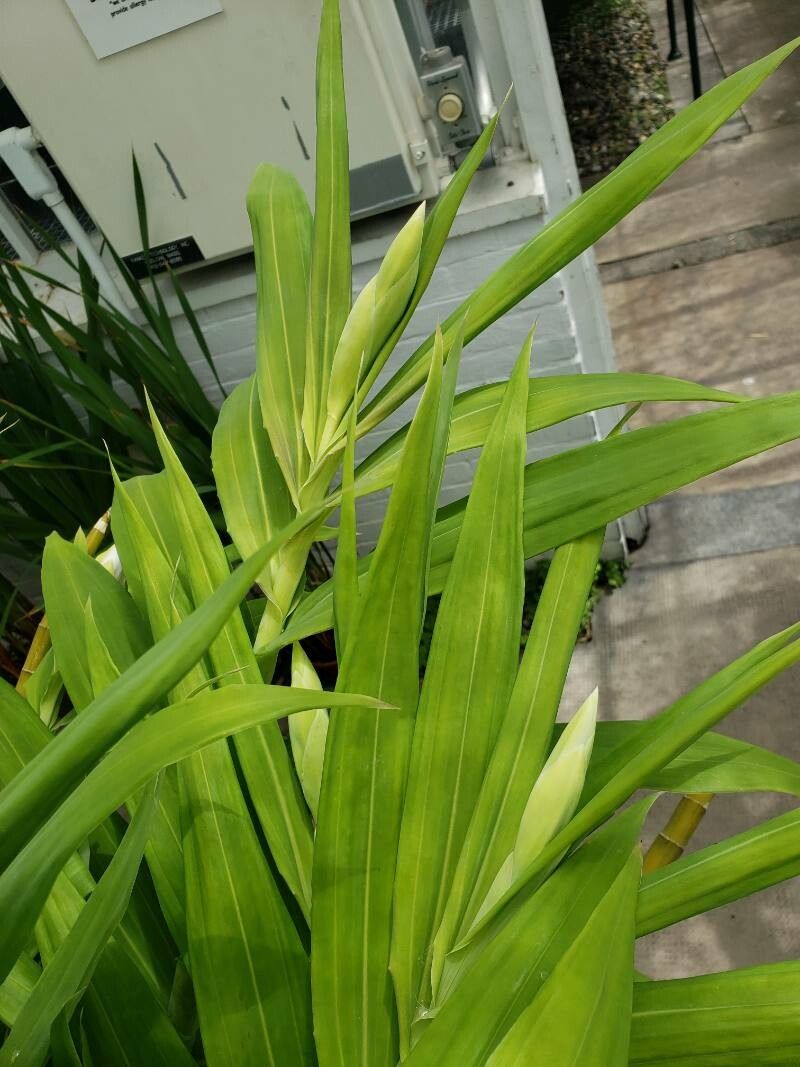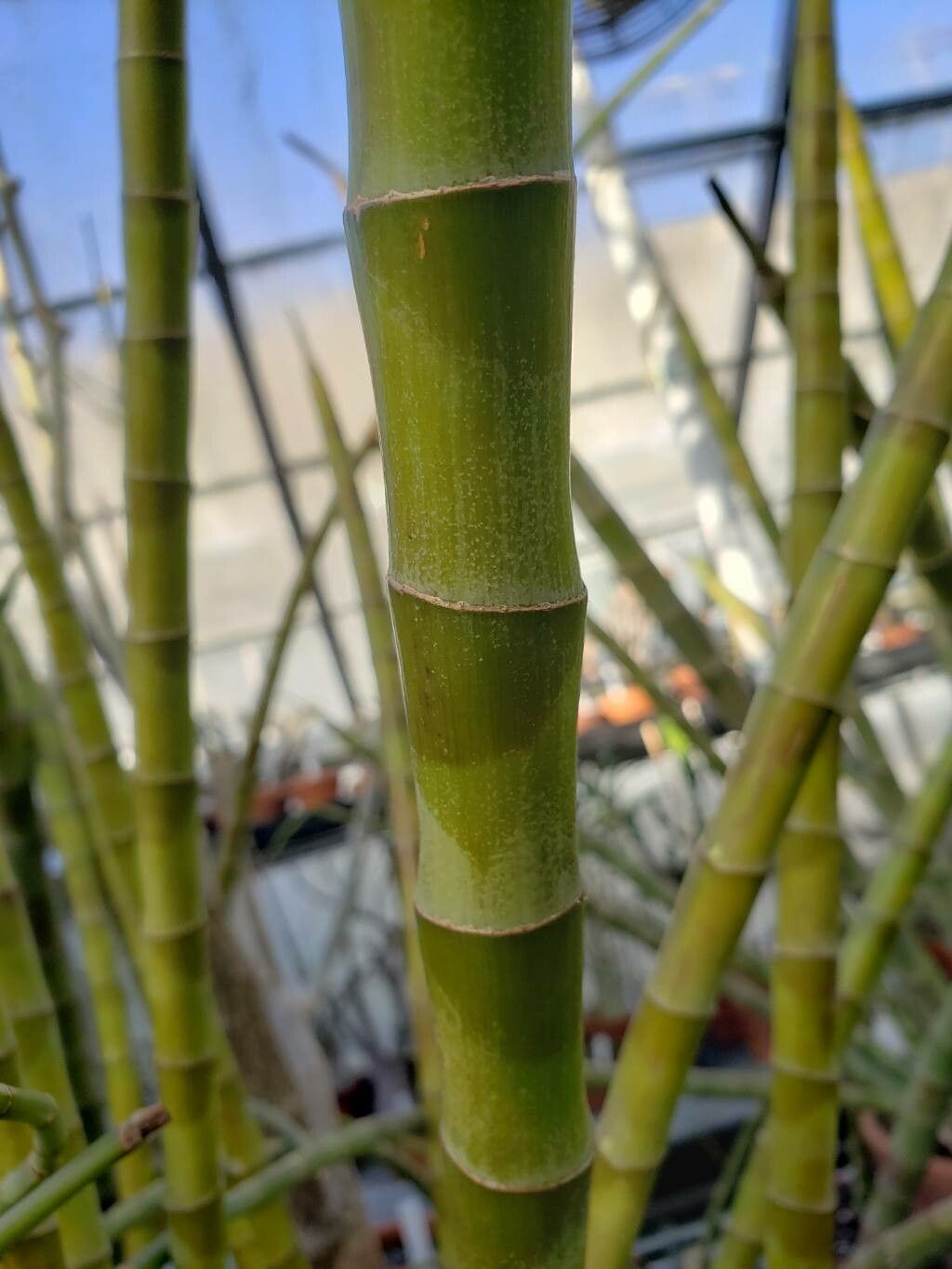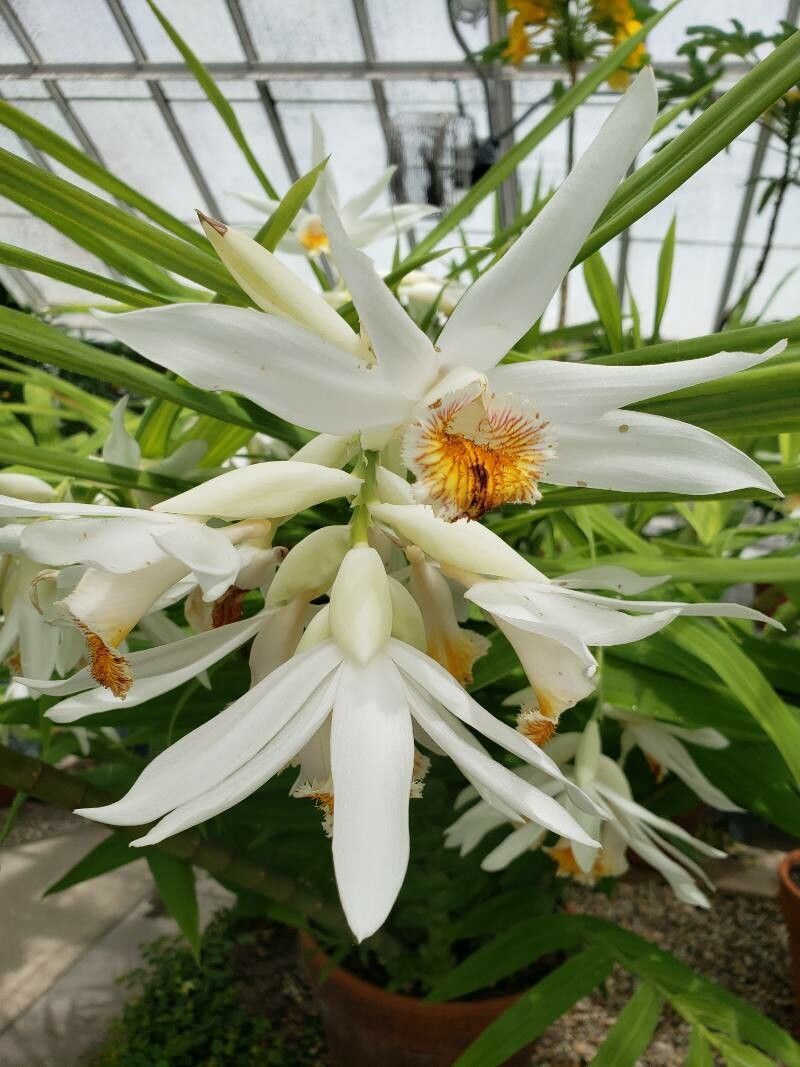
White thunia typically has strong disease resistance and faces relatively few insect pests. Its care is viewed as difficult because it needs high humidity while also being well ventilated and largely free of harmful pathogens. Too much water can cause root rot. Although anyone can grow White thunia, keeping it healthy and getting it to bloom again requires more growing experience.
How to keep Thunia Alba.
Light
White thunia is a perennial herbaceous plant that prefers sunny conditions and comes from open habitats, frequently thriving in meadows and grasslands. It favors full sun but can also tolerate partial sun.
Water
Originating from monsoon regions, white thunia thrives in environments with high humidity and consistent moisture, though it exhibits some tolerance to drought. To mimic its natural wet-dry cycle, water it weekly. White thunia prefers to grow outdoors and flourishes when soil moisture is carefully managed, preventing waterlogging during its active growing season.
Temperature
White thunia does best in warm conditions. It prefers moderately high temperatures but not extreme heat and humidity. Sunlight warms the plant and encourages flowering. However, prolonged direct sun in summer can cause sunburn, so it is important to limit the amount of sunlight it receives during that season. The plant generally does not tolerate cold well, so it needs adequate protection and warmer conditions in winter to avoid freezing.
Fertilizer
Proper fertilization is essential for White thunia's health and appearance. Fertilize White thunia during the summer, repeating the application monthly throughout the season. The nutrients provide the energy for growth and help maintain the plant's parts. Fertilizing boosts White thunia's flower display, ensuring the best blooms.
Pruning
White thunia boasts orchid-like flowers and vibrant leaves. To promote healthy growth and blooming, prune the plant from early to late spring. Remove dead stems and thin out crowded areas to improve light and air circulation. Make sure to use clean, sharp tools for precise cuts to minimize stress on the plant.
Pot & Repot
When repotting White thunia, pick a slightly larger pot with good drainage, preferably a clear orchid pot. Use a well-draining, orchid-specific mix that includes bark or moss. Carefully clean the roots and trim any that are dead or rotting. Repot after flowering, usually in spring or fall; water thoroughly afterward and place in bright, indirect light. Once repotted, avoid disturbing the roots.
Botanical profile.
- Plant Type
- Herb
- Life Cycle
- Perennial
- Genus
- Thunia
- Family
- Orchidaceae
- Hardiness Zone
- 9-11
- Mature Height
- 30 cm to 61 cm
- Mature Spread
- 20 cm to 30 cm
- Leaf Color
- Green
- Leaf Type
- Deciduous
- Flower Color
- White
- Flower Size
- 5.08 cm to 6.35 cm
- Bloom Time
- Early summer, Mid summer
- Planting Time
- Spring, Summer, Autumn
- Harvest Time
- Late summer, Early fall
- Native Area
- Nepal, India, Malaysia, Indonesia, Vietnam, Myanmar, Bhutan, Laos, Thailand, China
Reader questions.
What are the sunlight requirements for White thunia plants?
White thunia plants need full sun to thrive, which means they require more than 6 hours of sunlight daily. However, they can also tolerate partial sun conditions, which offer about 3-6 hours of sunlight. It is vital to observe how sunlight moves through your garden to choose the best spots that provide a balance of light and shade for optimal growth. This ensures the plants' happiness and health.
What is the scientific name of the White Thunia?
The scientific name of the White Thunia is Thunia alba.
Can White thunia grow under artificial lighting, and if so, how?
Yes, White thunia can grow under artificial lighting, which becomes essential in scenarios where natural sunlight is insufficient, especially during winter or in less sunny spaces. Artificial lights promote healthier, faster growth. LED lights are recommended for their ability to mimic specific wavelengths needed by plants. The lighting requirements vary depending on the plant type: full sun plants need 30-50W/sq ft, partial sun plants require 20-30W/sq ft, and full shade plants need 10-20W/sq ft. The light source should be placed 12-36 inches above the plant, mimicking natural daylight as closely as possible, typically for 8-12 hours per day.
What are the common symptoms of light deficiency in White thunia?
White thunia may exhibit several symptoms when exposed to inadequate lighting, including smaller new leaves, leggy or sparse growth, faster leaf drop, slowdown or cessation of new growth, paler new leaves indicating a lack of chlorophyll and essential nutrients, chlorosis (leaves turning yellow), sunscald (pale, bleached areas on leaves or stems from intense sunlight), leaf curling as a defense against excessive sunlight, wilting due to increased water loss, and leaf scorching (brown, dry edges on leaves). These symptoms help identify when the plant is not receiving sufficient light for its needs.
How can I address light deficiency problems in my White thunia, both indoors and outdoors?
To tackle light deficiency in White thunia, you can gradually transition the plants to receive more sunlight, aiming for at least 6 hours of direct sunlight daily by using south-facing windows indoors or carefully moving the plants outdoors. Artificial lighting, such as desk lamps or professional grow lights, can supplement sunlight exposure, especially if the plant is large or not easily movable. Outdoors, it’s important to introduce plants to sunnier spots gradually to prevent sunburn. Additionally, reducing obstructions like pruning trees or moving smaller plants to sunlit areas with good drainage can help ensure your White thunia receives the necessary light for healthy growth. Note that parts of the plant previously affected by insufficient light may not recover, but new growth should be healthy after improving light conditions.