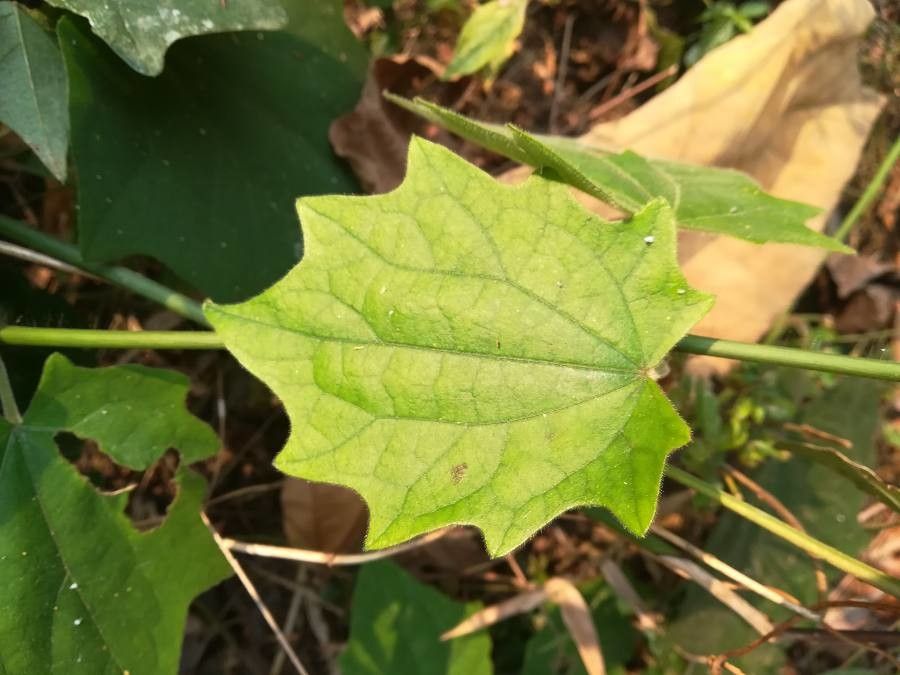
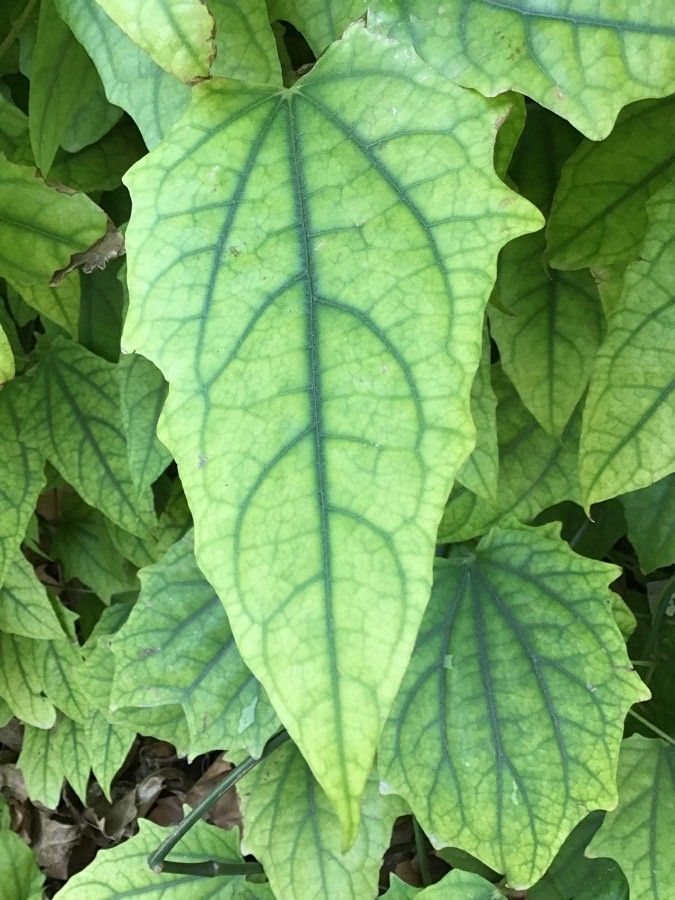
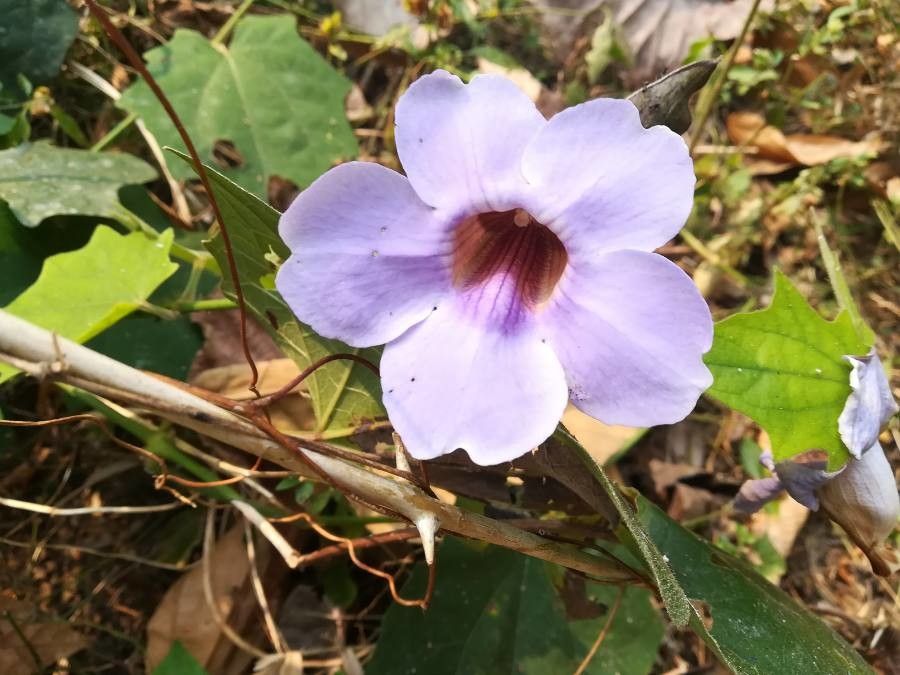
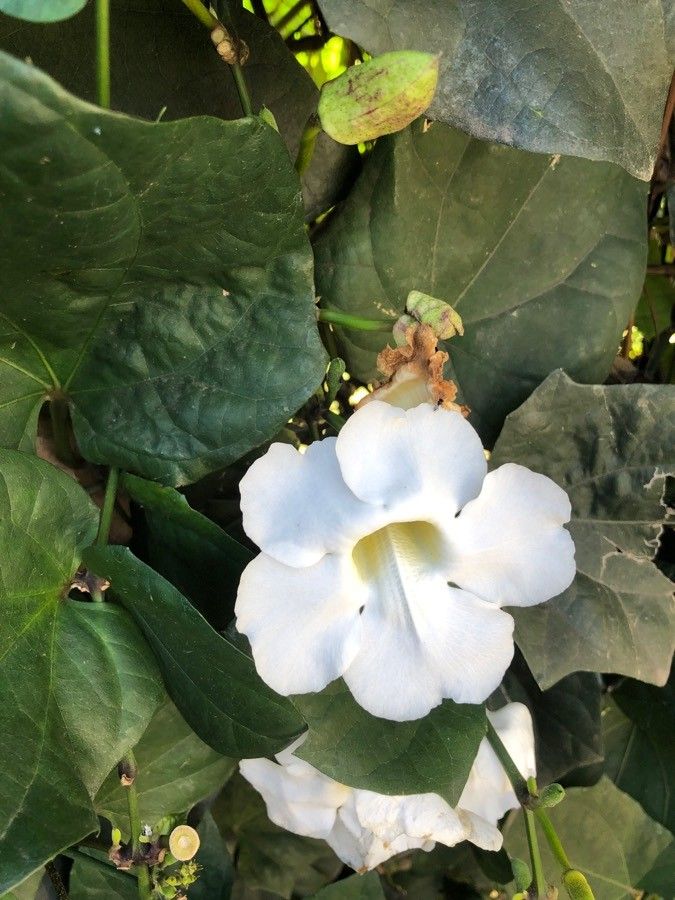
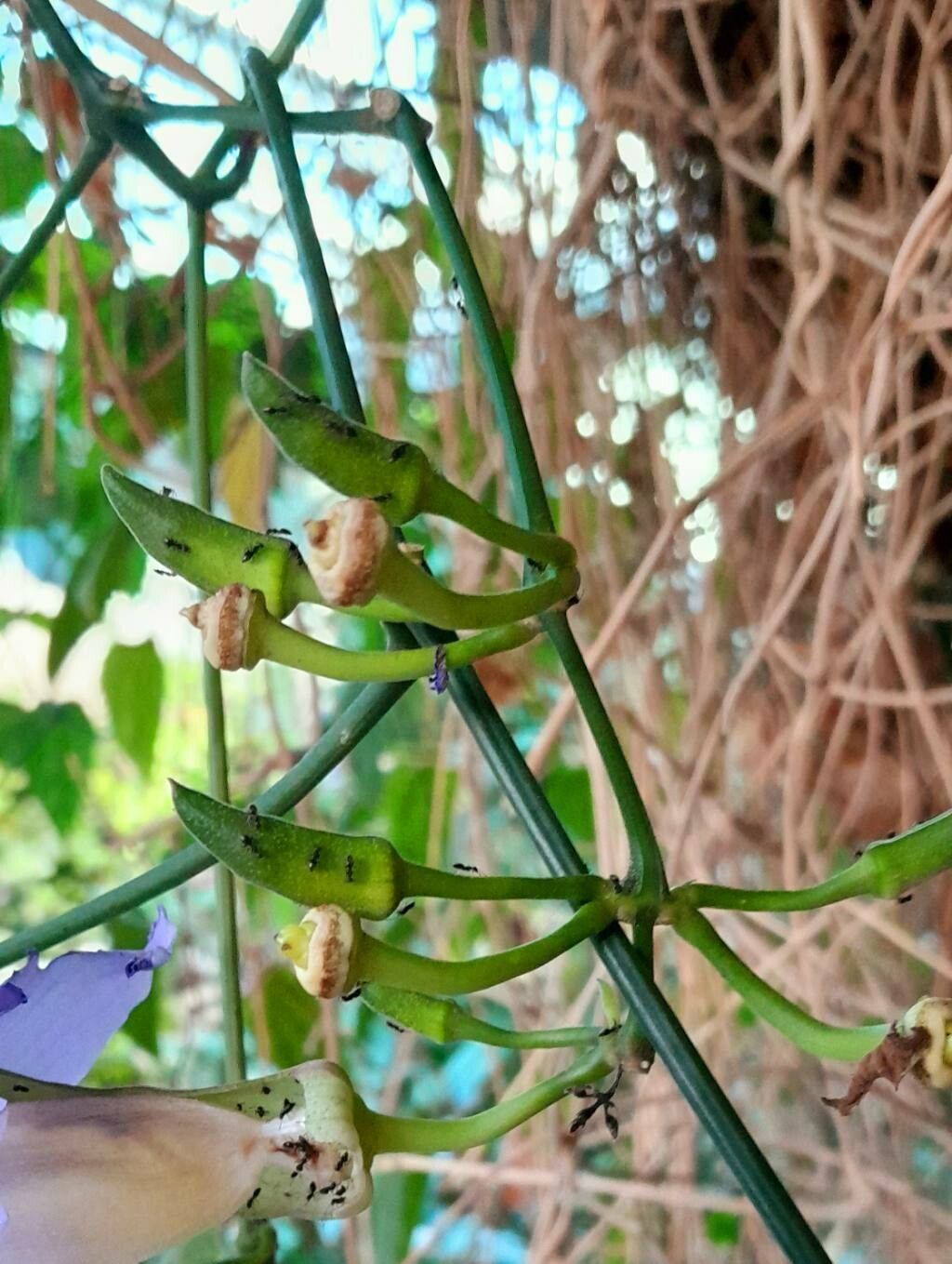
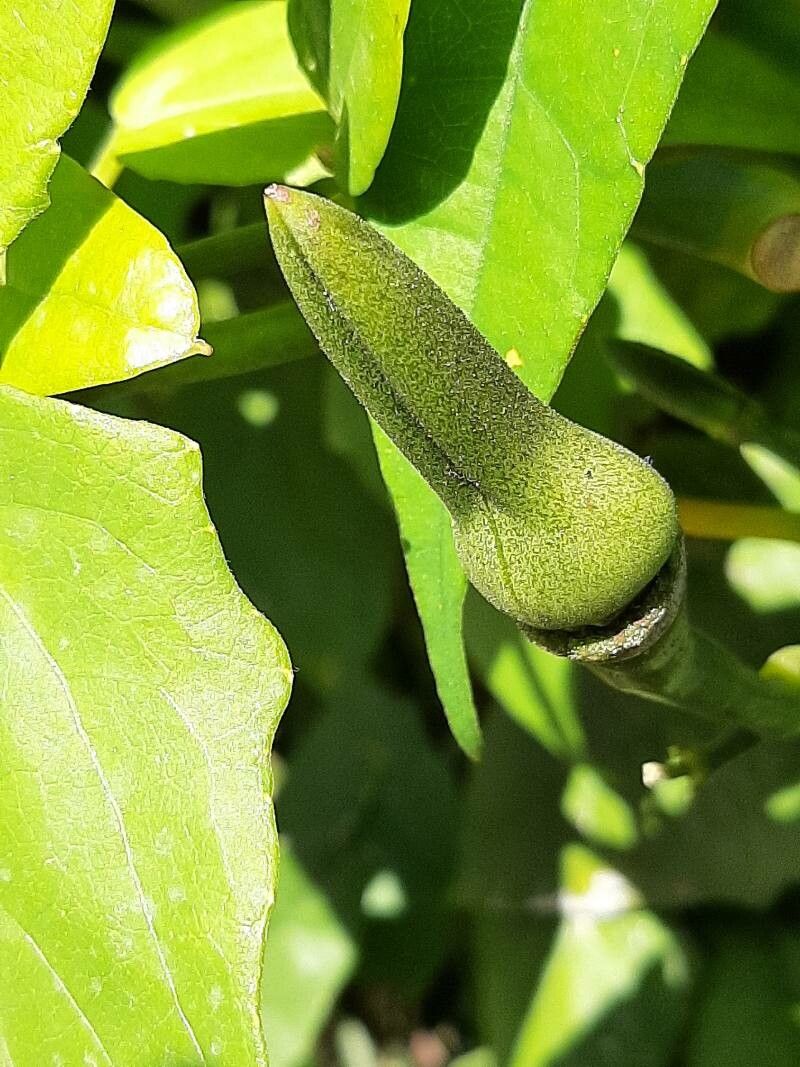
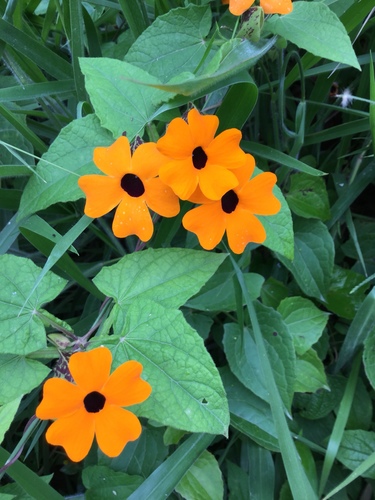
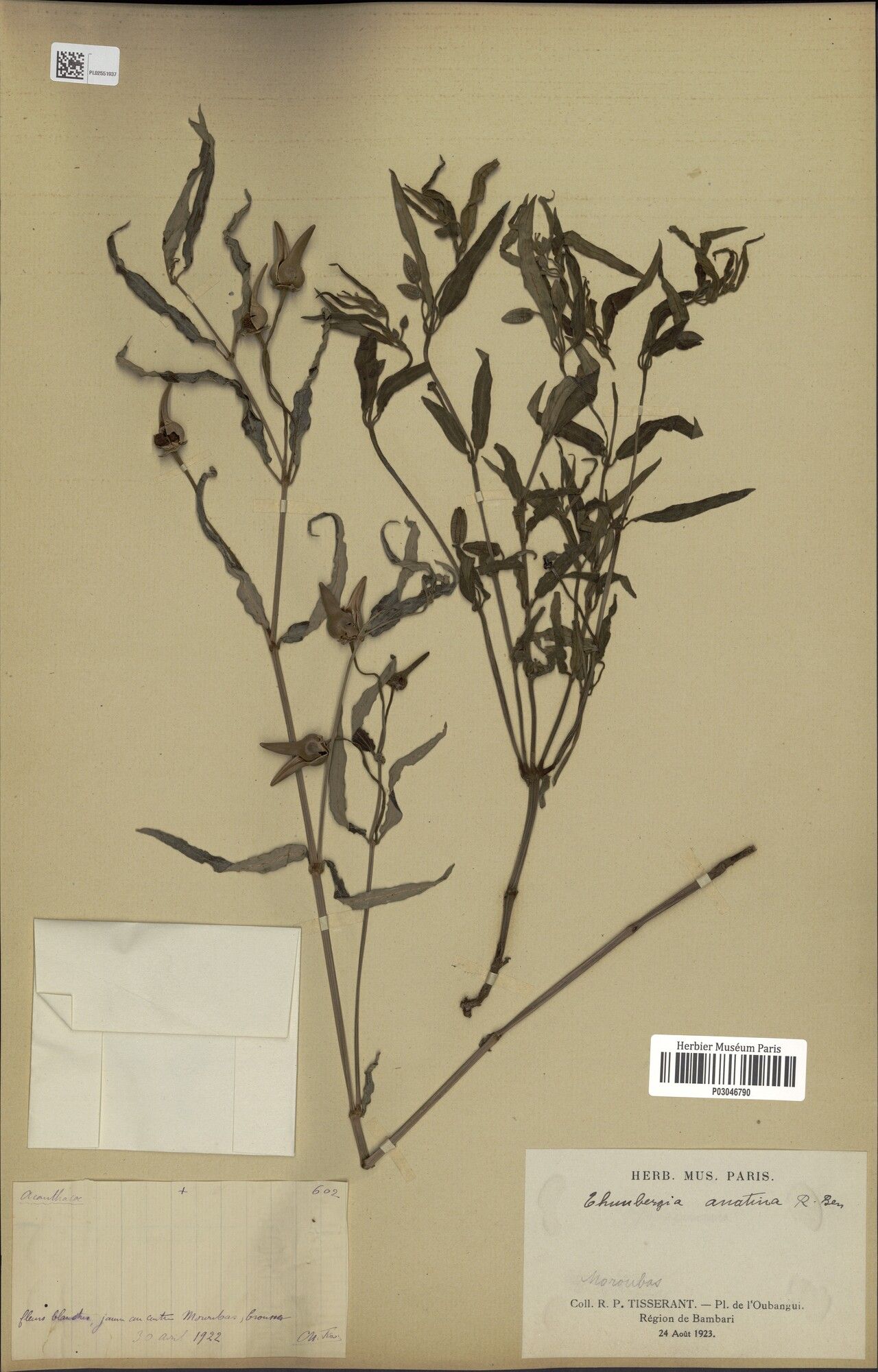
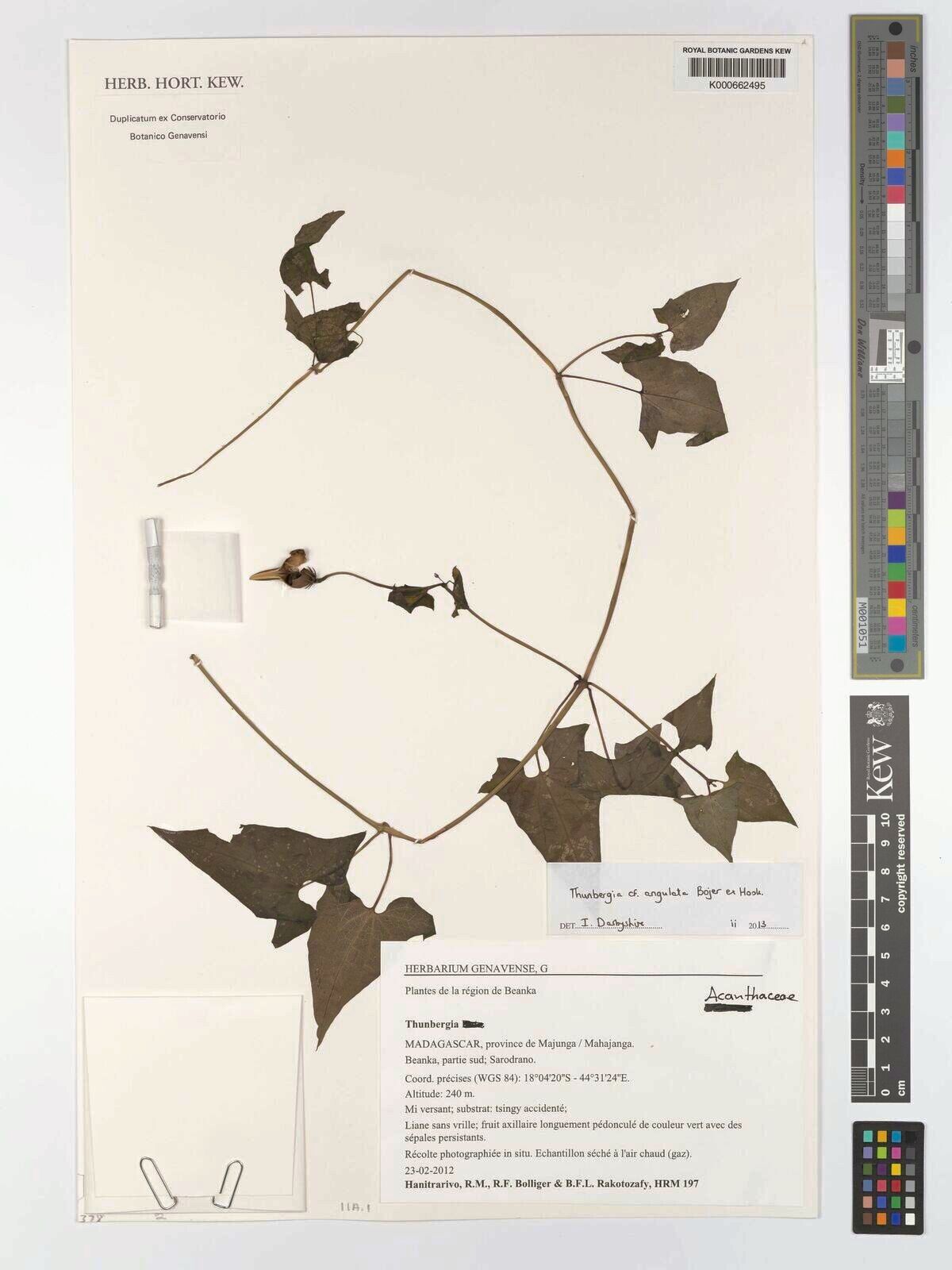
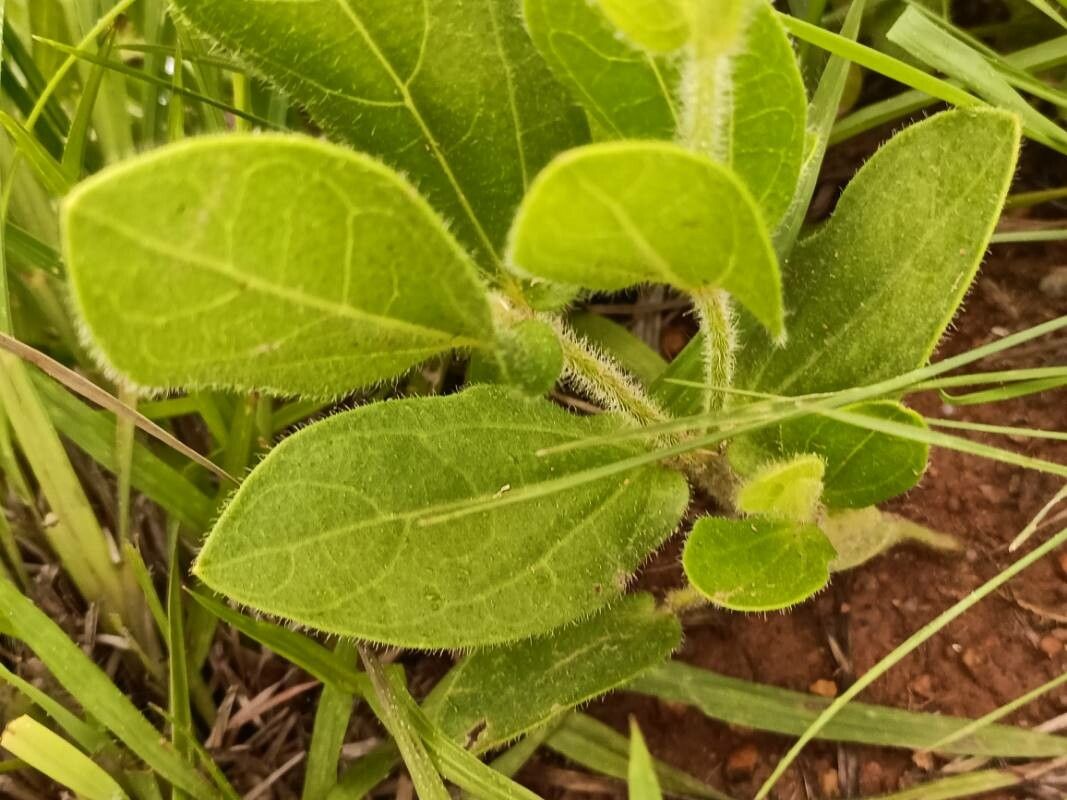
Thunbergia grandiflora, commonly known as Blue Trumpet Vine or Bengal Clock Vine, is a fast-growing perennial vine belonging to the Acanthaceae family. Native to tropical regions of Asia and Africa, this plant is widely cultivated as an ornamental species across many parts of the world.
The vine boasts large, showy, trumpet-shaped flowers that range in color from deep blue to violet-blue. These flowers, which bloom from summer through fall, are borne on long stems that can extend up to 20 feet in length.
Thunbergia grandiflora thrives in full sun or partial shade and prefers well-drained soil. It can be grown on a trellis or fence for support, making it an excellent choice for adding vertical interest to gardens or landscapes.
Beyond its ornamental appeal, Thunbergia grandiflora has been traditionally used in Ayurvedic medicine for its anti-inflammatory properties. The plant contains several bioactive compounds, including flavonoids, alkaloids, and terpenoids, which have shown potential therapeutic benefits.
Overall, Thunbergia grandiflora is a beautiful flowering vine with both aesthetic charm and potential medicinal value, making it a popular choice among gardeners worldwide.
The Bengal clockvine, also known as the blue trumpet vine, is named for its distinctive twining growth pattern. This fascinating vine climbs poles and supports in a clockwise direction. Its Latin name, Thunbergia grandiflora, honors the Swedish botanist Carl Peter Thunberg. The species name "grandiflora" means "large-flowered."
The blue trumpet vine is fairly disease-resistant and generally not prone to illnesses. Still, it can be vulnerable to pests and diseases present in its environment. Such infections are usually mild. For care, the plant needs moderate maintenance. It should be pruned regularly to keep a neat appearance and support healthy growth. Fertilizing can also help encourage flowering. This vine is well suited for anyone with outdoor areas like a garden or patio and does not demand extensive experience in plant care. It may require more attention when grown indoors.
How to keep Thunbergia Grandiflora.
Light
Blue trumpet vine does well in places that receive abundant sunlight for much of the day. It can also grow successfully where sunlight is dappled through the canopy during daytime. However, despite this adaptability, too little or too much sun can impede its growth, as seen in its natural habitat.
Water
The blue trumpet vine, native to India's monsoon forests, thrives in humid environments. Although it is moderately drought-tolerant, it benefits from weekly watering for optimal health. As an evergreen plant, it conserves water and requires less frequent watering during cooler months, making it suitable for both indoor and outdoor spaces.
Temperature
Blue trumpet vine originates from tropical and subtropical areas and prefers temperatures from 68℉ (20℃) to 100℉ (38℃). During colder months it may need to be brought indoors or given extra heat to maintain suitable temperatures. In the hottest months it can benefit from shade or increased watering to avoid heat stress.
Fertilizer
Correct fertilization is vital for the Blue trumpet vine's health and appearance. Fertilize the Blue trumpet vine during summer, repeating the application monthly throughout the season. Nutrients power growth and sustain the plant's parts. Fertilization improves the Blue trumpet vine's floral display, ensuring the best blooms.
Pruning
The blue trumpet vine, known for its vibrant and large blue flowers, thrives when pruned from early spring to late winter. Regular pruning involves removing dead stems to encourage new growth, maintain the plant's shape, and control its size. This practice also improves airflow, reduces the risk of disease, and ensures abundant blooming. For the best results, use sharp, clean tools to make precise cuts.
Pot & Repot
Repot the Blue trumpet vine in early spring, selecting a pot only slightly larger than the current one that provides proper drainage. Use a well-draining potting mix and position the root ball at the same level as before. Gently loosen any root-bound roots. After repotting, water generously and place the plant in a warm, shady spot. Prune regularly to keep its size in check and encourage new growth.
Botanical profile.
- Plant Type
- Vine, Herb
- Life Cycle
- Perennial
- Genus
- Thunbergia
- Family
- Acanthaceae
- Hardiness Zone
- 10-12
- Mature Height
- 20.12 m
- Mature Spread
- 91 cm
- Leaf Color
- Green
- Leaf Type
- Evergreen
- Flower Color
- Lavender
- Flower Size
- 6.35 cm
- Bloom Time
- All year round
- Planting Time
- Spring
- Harvest Time
- All year round
- Native Area
- Nepal, India, Cambodia, Vietnam, Myanmar, Bhutan, Bangladesh, Laos, Thailand, China
Other names.
Reader questions.
How should I water my Blue trumpet vine?
To properly water the Blue trumpet vine, follow these steps for optimal growth and health. First, always use filtered water rather than tap water as tap water may contain harmful particles. Additionally, make sure the water you use is at room temperature or slightly warmer. This is important because the Blue trumpet vine originates from a warm environment, and cold water can be shocking to its system. Avoid overhead watering as it can cause problems with the foliage. Instead, focus on applying the filtered room temperature water directly to the soil until it is fully saturated. This method of soaking the soil is very beneficial as it helps to moisten the roots and allows them to spread through the soil and absorb necessary nutrients.
Why should I put fertilizer on my Blue trumpet vine?
Soil nutrients, including fertilizer, are essential for the healthy growth of your Blue trumpet vine. Plants generally utilize the nutrients found in the soil to develop new plant material and maintain their existing components. Specifically for the Blue trumpet vine, fertilization is important for enhancing the flowers, which are the main attraction of this plant. Most gardeners strive to maximize the appearance of these flowers and fertilization is one of the most effective methods to achieve this goal.
What are the sunlight requirements for Blue trumpet vine?
The Blue trumpet vine requires full sun exposure, defined as more than 6 hours of sunlight daily, to thrive. It can also grow in partial sun conditions, which means about 3-6 hours of sunlight a day. Observing how sunlight moves through your garden is crucial to find spots that provide the right balance of light and shade for your plants, ensuring their wellness.
What is the native climate of the Blue trumpet vine, and what are its temperature preferences?
The Blue trumpet vine, or Thunbergia grandiflora, is native to tropical and subtropical regions, thriving in temperatures ranging from 68°F (20°C) to 100°F (38°C). It loves heat, but during cold weather, it needs to be moved indoors or given additional warmth to stay within its preferred temperature range. In contrast, to avoid heat stress in the hottest months, it may require shade or extra watering.
What should I do if I give my Blue trumpet vine too much or too little water?
Overwatering is a common issue for Blue trumpet vines and can cause wilting, yellowing leaves, and diseases like root rot, mold, and mildew. Underwatering is less common but can lead to brittle, brown leaves. It's important to recognize and address signs of overwatering promptly, as some diseases may be irreversible if not treated sooner. Reduce watering if you notice early signs of overwatering and consider replacing poorly draining soil. If your Blue trumpet vine lacks water, simply increase your watering frequency until the signs improve.
When should I fertilize my Blue trumpet vine?
The Blue trumpet vine goes through two main phases each year: dormant and active growth. During the dormant phase in winter, the plant shows minimal new growth. The active growth phase occurs in spring and fall, when fertilization is most needed. It is recommended to start fertilizing your Blue trumpet vine in the spring, repeating the feeding once a month until late summer. As fall approaches, you can reduce the rate of fertilization.
What essential conditions do Blue trumpet vines need?
Blue trumpet vines excel in zones with abundant sunlight for most of the daylight hours. They can also adapt to areas where sunlight is filtered through the canopy during the day. However, too little or too much sun exposure can adversely affect their growth. To supplement light, especially for indoor plants or during less sunny seasons, artificial lighting can be used. LEDs, preferred for their customizability, should be adjusted in intensity and duration to suit the plant's needs, mimicking natural sunlight conditions as closely as possible.
How should Blue trumpet vine be cared for in the autumn and winter?
In autumn, it's recommended to bring the Blue trumpet vine indoors if it has been growing outside, placing it near a bright window but away from direct heat sources like heaters. Keeping the temperature above 20°C during winter is crucial for its health. Exposure to temperatures around 5°C or below can severely harm the plant, so it's important to maintain a warm environment indoors during the colder months.
How frequently should I give water to my Blue trumpet vine?
To determine if your Blue trumpet vine needs water, first, check the soil. If your plant is in a pot, insert your finger into the soil and see if the top two to three inches are dry. If they are, it's time to water. If your plant is in the ground outdoors, use the same method by checking if the top few inches of soil have dried out. During spring and early fall, this usually means watering about once a week. In extremely hot weather, you may need to water two or more times per week. However, it's worth noting that mature, well-established Blue trumpet vines can handle drought well.
When is it better not to put fertilizer on my Blue trumpet vine plant?
If you want to help the Blue trumpet vine grow, avoid causing root burn. During the spring and summer, when the plant is actively growing, it requires additional nutrients. However, during the fall and winter, when the plant enters dormancy, it's best to abstain from fertilizing.
What symptoms indicate inadequate sunlight for Blue trumpet vines?
Symptoms of inadequate sunlight in Blue trumpet vines include smaller new leaves, leggy or sparse growth, faster leaf drop, slower or halted new growth, lighter-colored or irregularly colored new leaves, and symptoms of overexposure like chlorosis, sunscald, leaf curling, wilting, and leaf scorching. These indicate either a deficiency or excess of sunlight, each affecting the plant's health in different ways.
What are the symptoms and solutions for Blue trumpet vine exposed to low temperatures?
If exposed to temperatures below 20°C, especially falling below 1°C, the Blue trumpet vine shows signs of stress, such as leaves lightening in color, turning brown or black after frost damage, and experiencing wilting or drooping. To remedy this, frost-damaged parts should be trimmed off, and the plant should be moved to a warmer indoor spot, preferably near a south-facing window for sufficient sunlight, while avoiding placement near heaters or air conditioning vents to prevent air dryness.