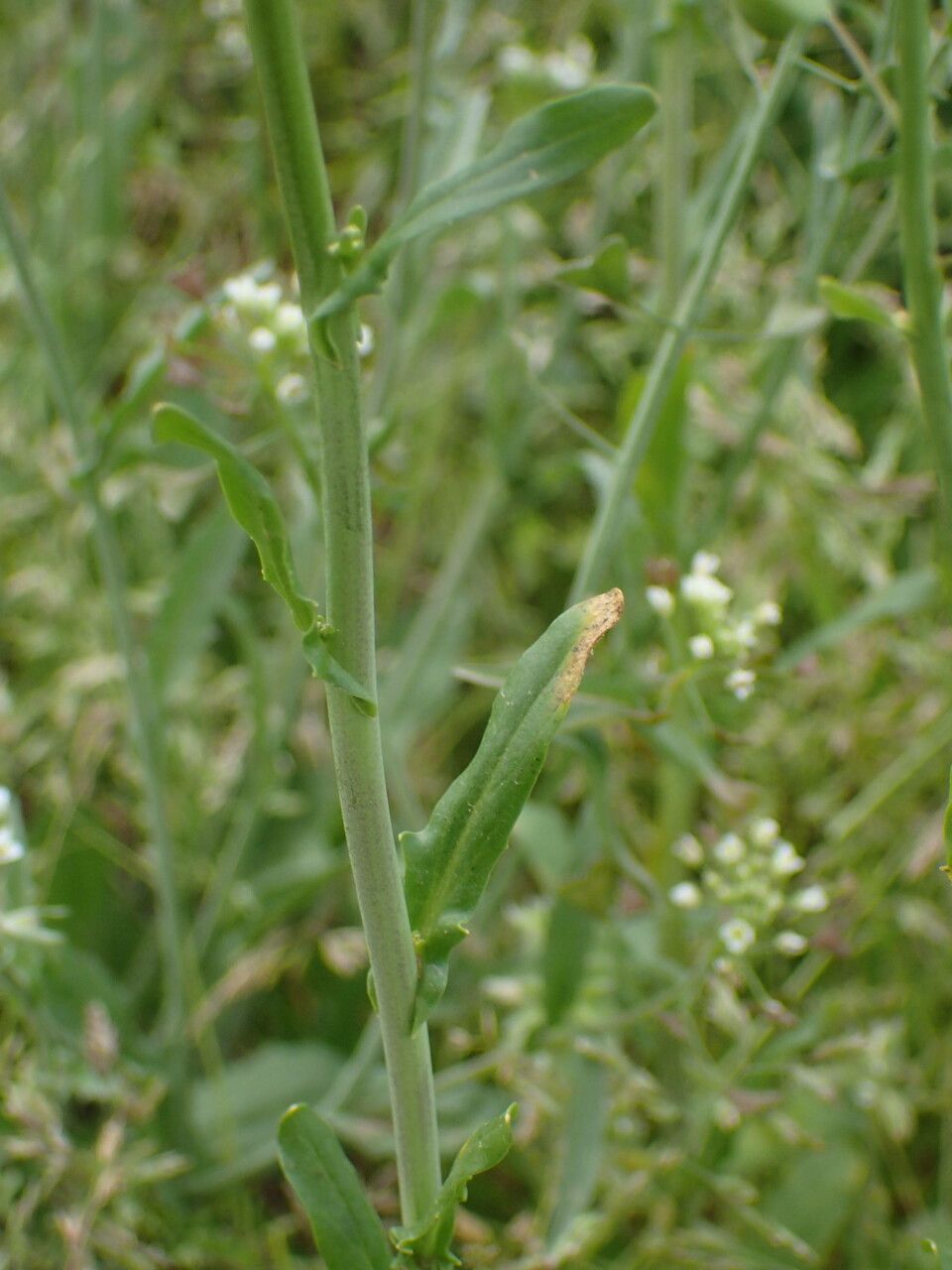
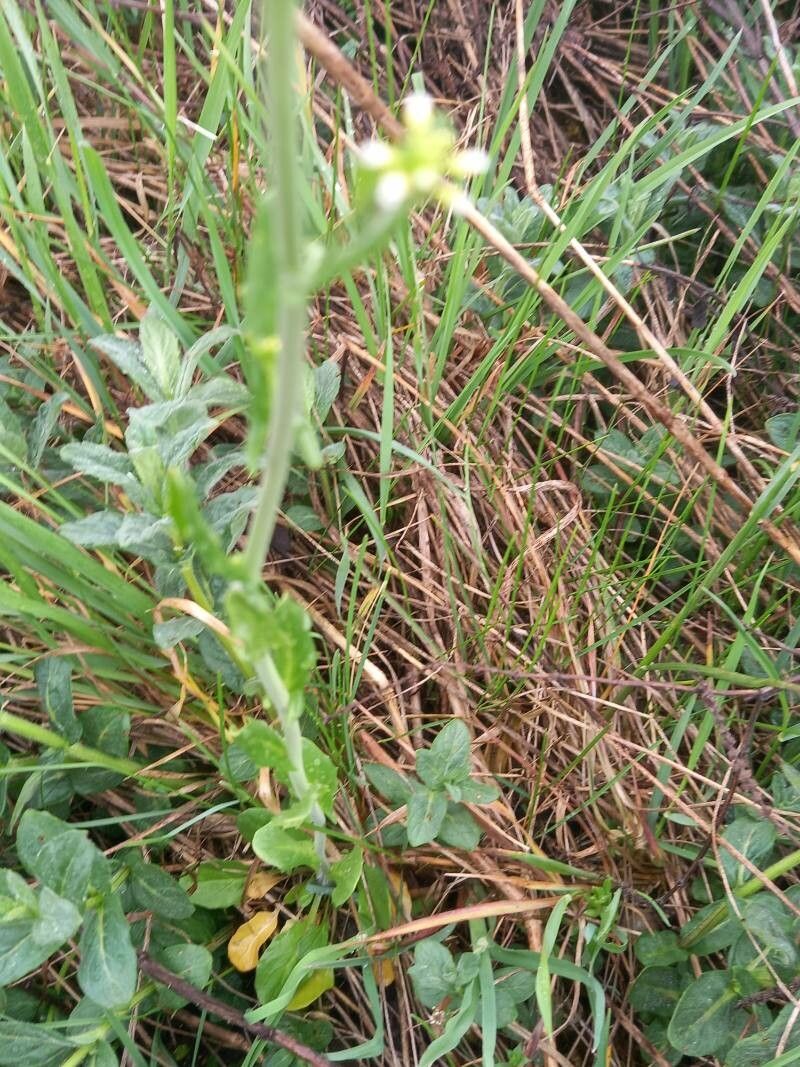
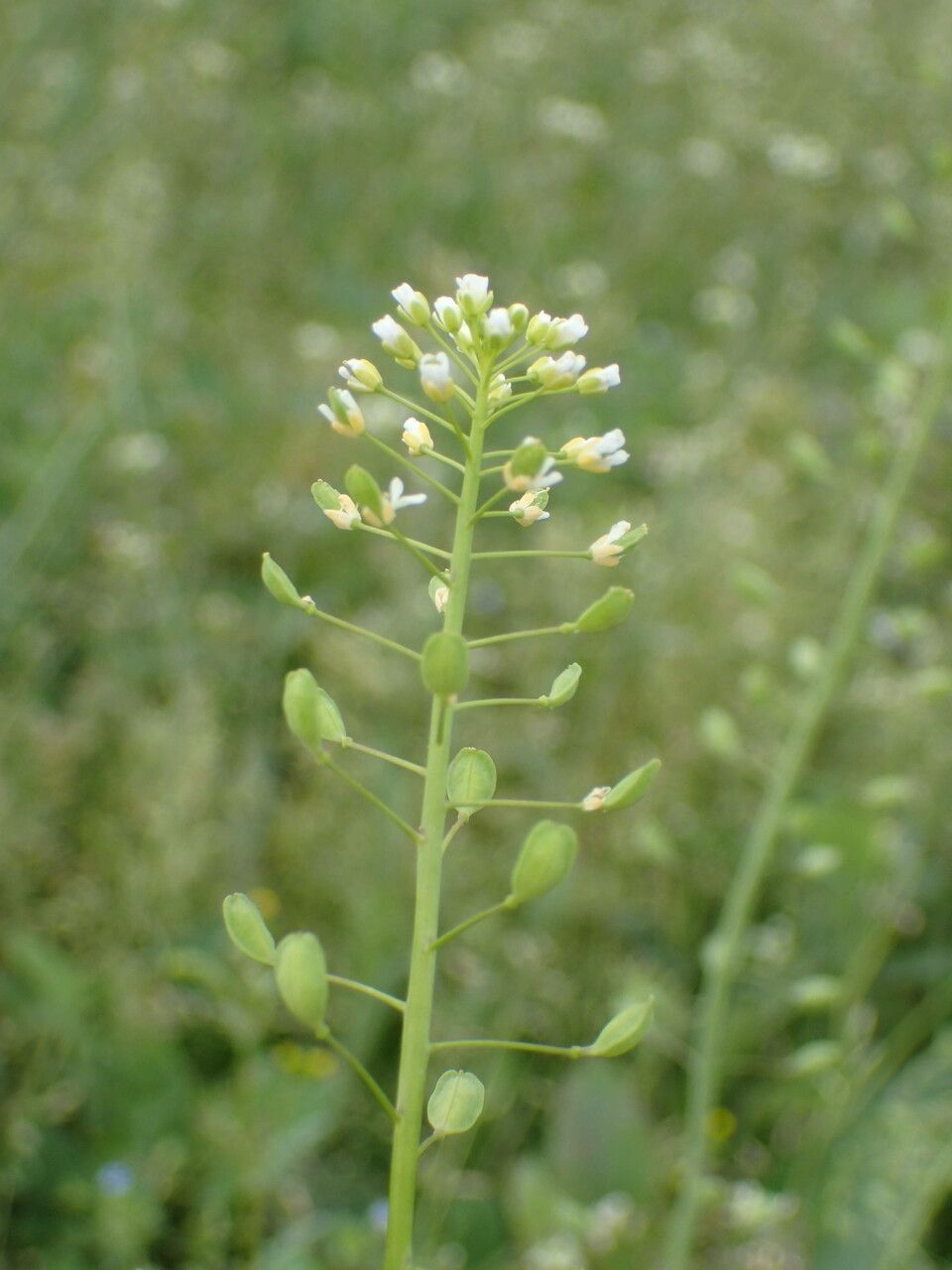
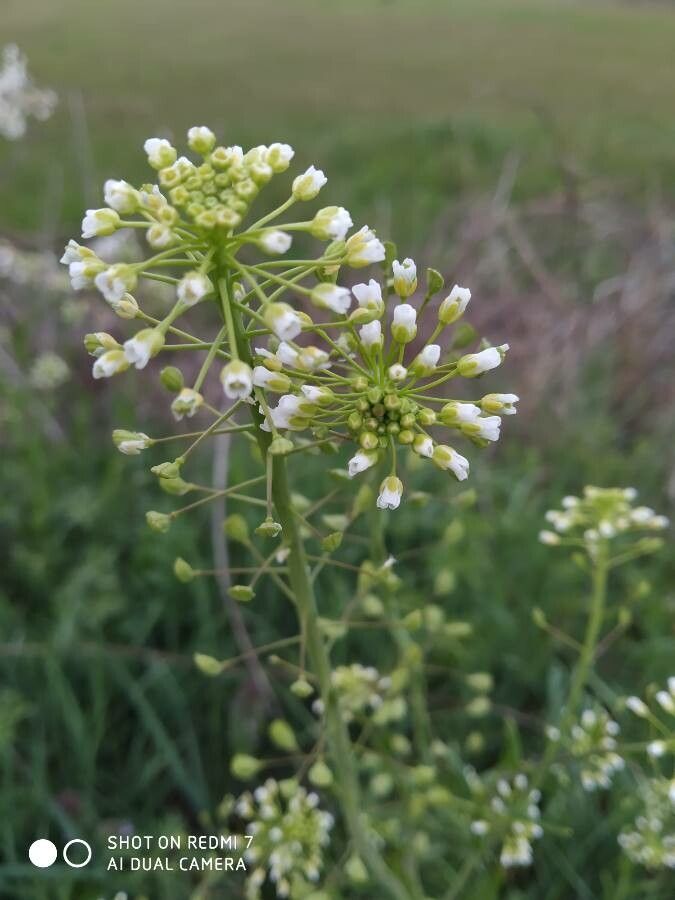
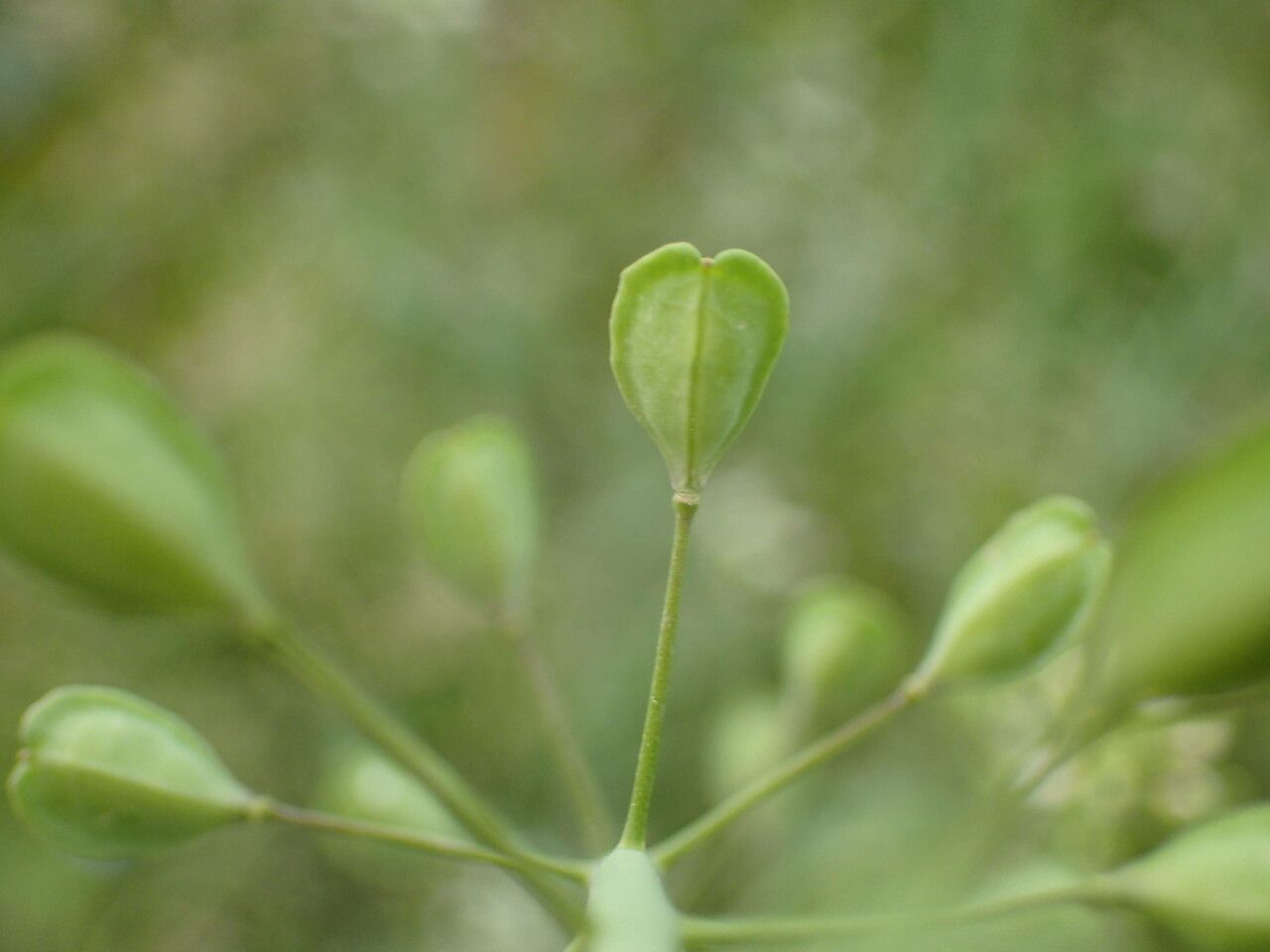
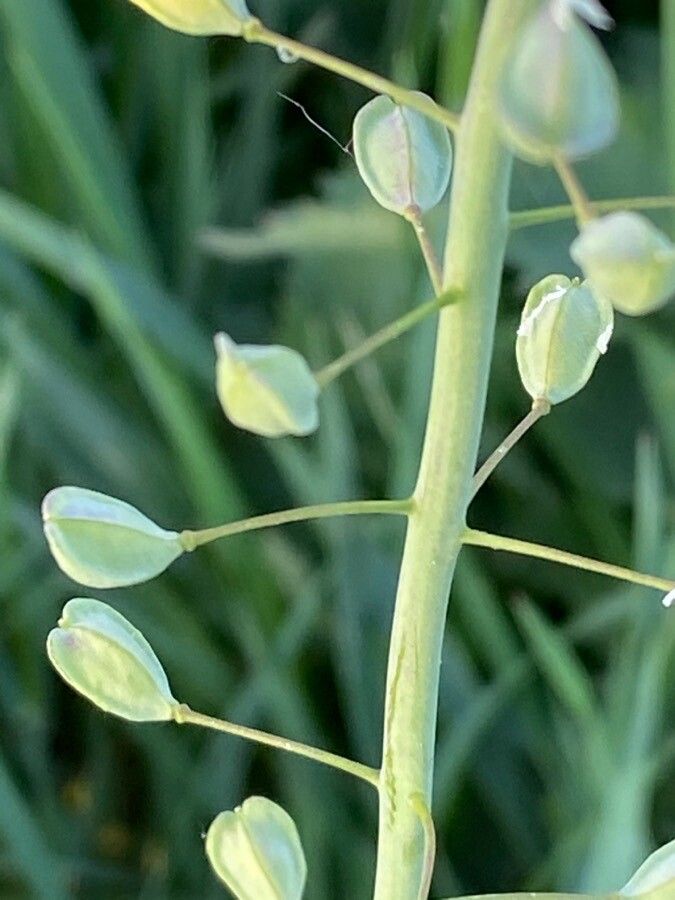
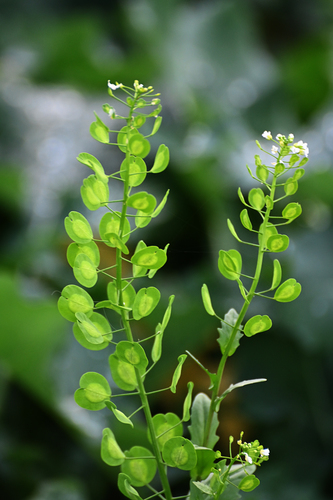
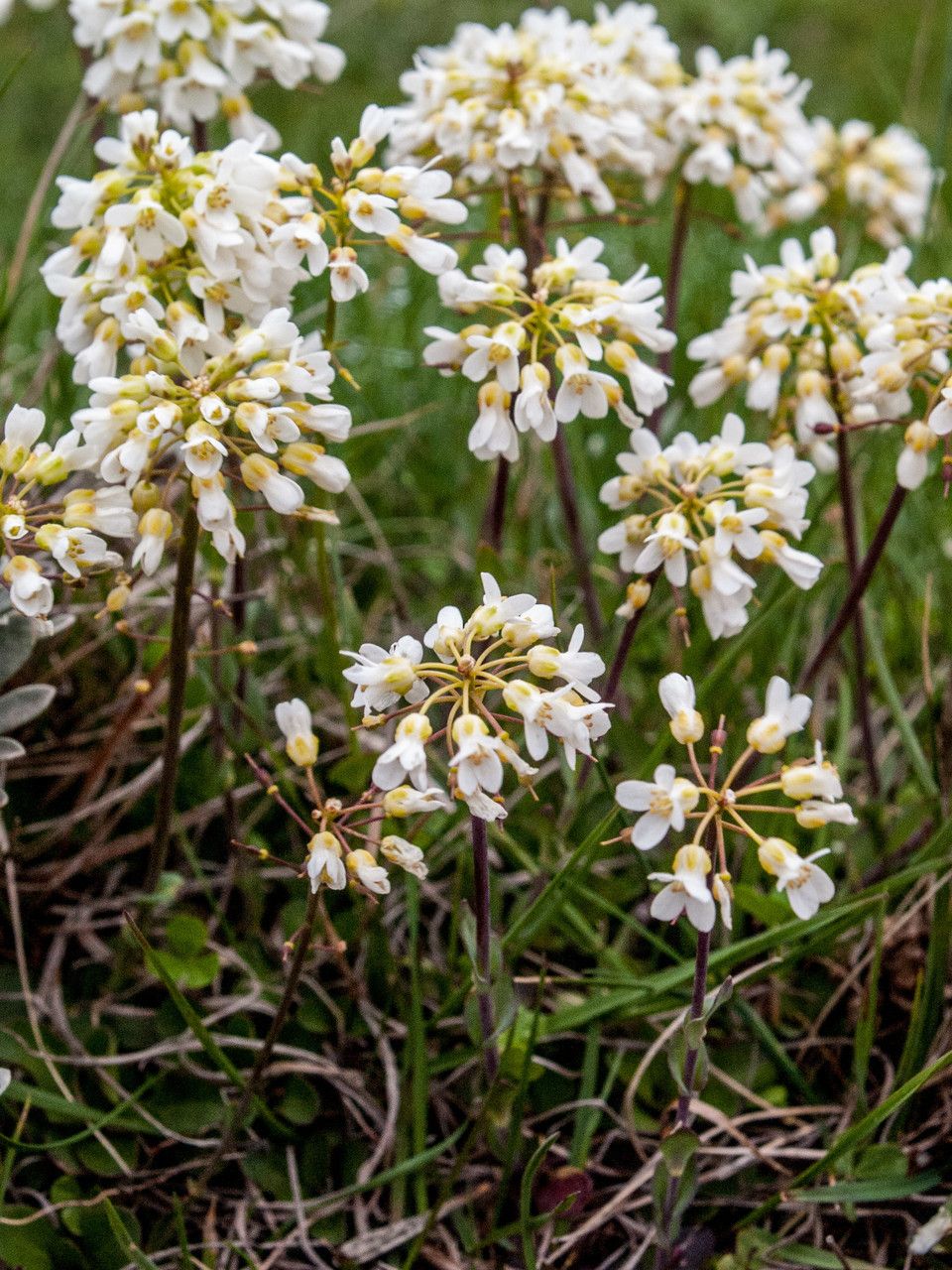
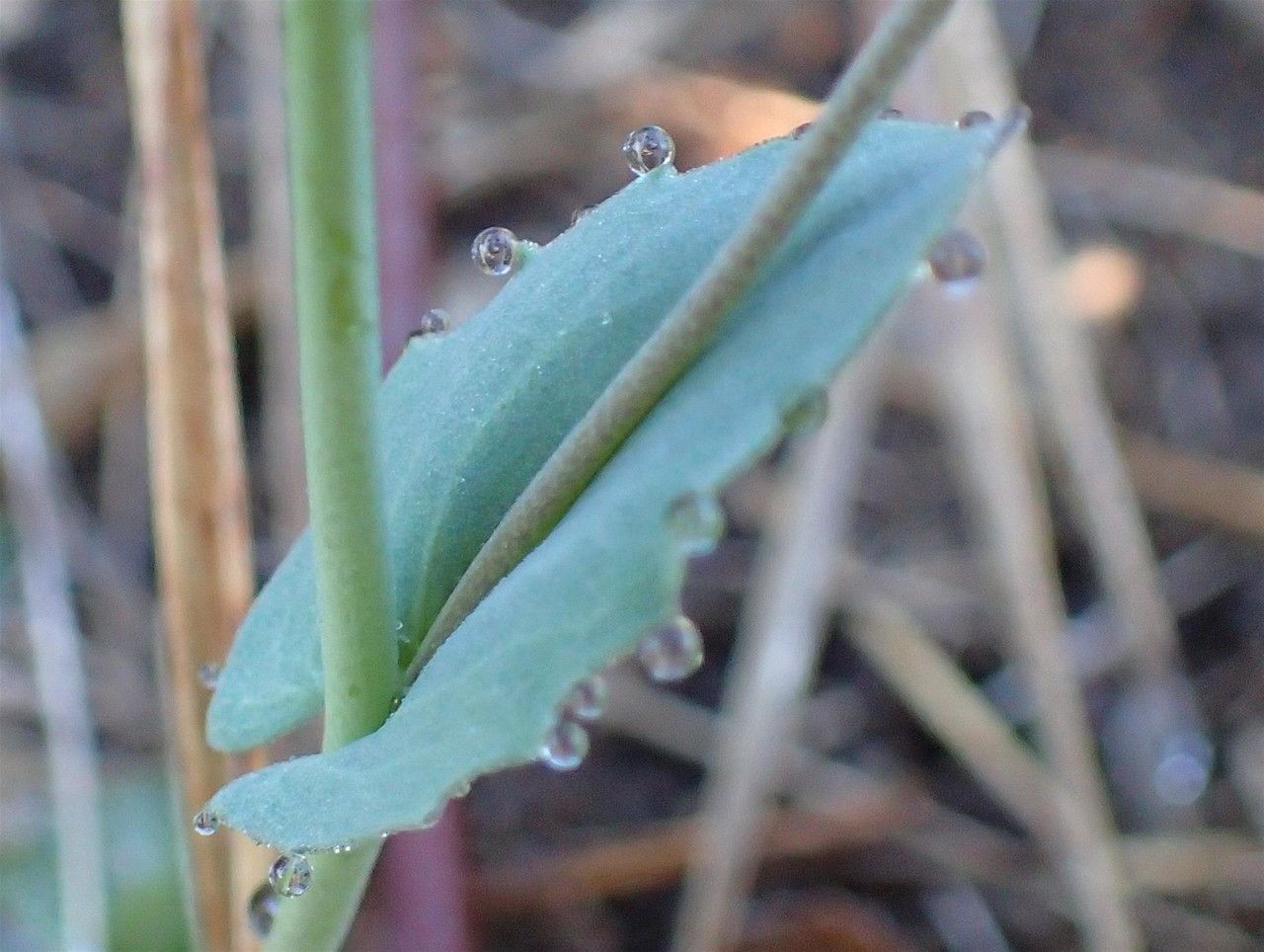
Thlaspi alliaceum, commonly known as garlic mustard, is a biennial herbaceous plant belonging to the Brassicaceae family. Originally native to Europe and Asia, it has been introduced and naturalized in North America. The plant can grow up to 1 meter tall and emits a distinctive garlic-like odor when crushed.
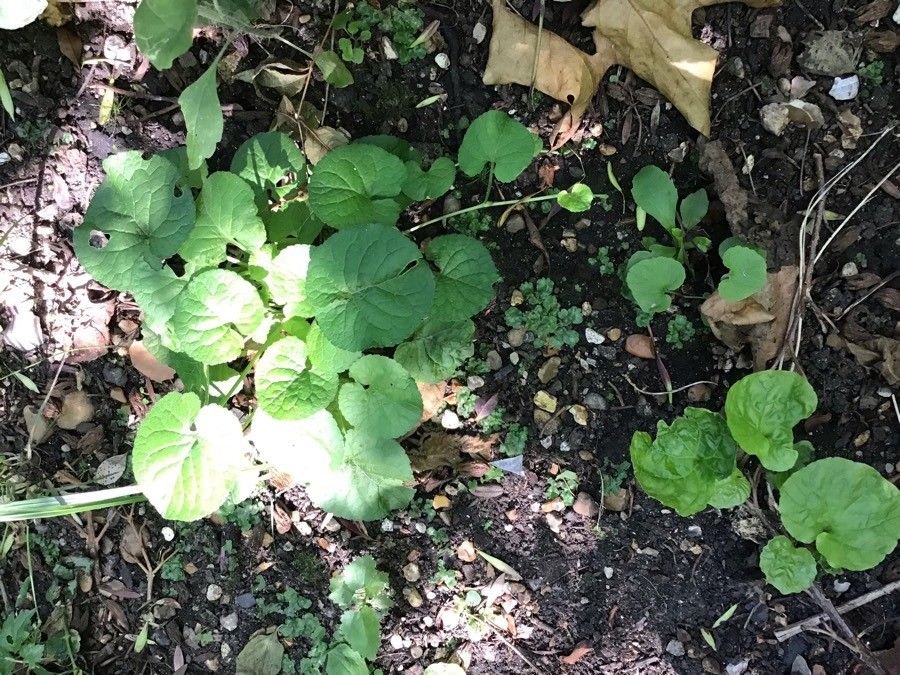
The leaves of Thlaspi alliaceum are alternate, triangular or heart-shaped, with scalloped edges. Its small white flowers, each composed of four petals arranged in a cross shape, bloom from April to June.
In North America, Thlaspi alliaceum is considered an invasive species because it can outcompete native plants for resources, thereby disrupting local ecosystems. Despite this, the plant has culinary uses, appreciated for its garlic-like flavor.
Thlaspi alliaceum contains several bioactive compounds, such as flavonoids and glucosinolates, which may offer health benefits, including anti-inflammatory properties and cancer prevention.
Overall, Thlaspi alliaceum is a fascinating plant with both positive culinary applications and negative ecological impacts when introduced to non-native environments.
Roadside pennycress has strong disease resistance and is generally not prone to illnesses. However, it can be vulnerable to pests and diseases present in its surroundings, and these infections are usually mild. For care, the plant requires a moderate level of maintenance. It should be pruned regularly to maintain an attractive appearance and healthy growth, and fertilizing can help encourage flowering. Roadside pennycress is suitable for anyone with outdoor space, such as a garden or patio, and does not need extensive care experience. It may demand more attention when grown indoors.
How to keep Thlaspi Alliaceum.
Light
Roadside pennycress grows best when exposed to abundant daylight. Its original growing environment included substantial sun exposure, and that exposure is necessary for healthy growth. At different stages of development, the amount of sunshine it receives remains important. Excessive exposure can cause wilting, while insufficient exposure can lead to stunted growth.
Water
Roadside pennycress thrives in moderate humidity and needs consistent moisture. However, it's important to ensure the soil doesn't become waterlogged. Watering once a week is usually enough to keep the plant well-hydrated. When growing pennycress outdoors, take natural rainfall into account during the growing season and adjust your watering schedule as needed.
Temperature
Roadside pennycress is indigenous to temperate areas and does best at temperatures of 68–95 °F (20–35 ℃). For optimal growth, keep temperatures steady within that range and adjust them as the seasons change.
Fertilizer
Roadside pennycress benefits from regular, light applications of fertilizer to encourage healthy leaf development. You should fertilize Roadside pennycress about once a month during the summer. Nitrogen is important for foliage, and adding nitrogen-rich fertilizer helps Roadside pennycress flourish.
Pruning
Roadside pennycress, known for its small white flowers, thrives along roadsides. By selectively pruning it from early to late spring, you can promote healthy growth, control its size, enhance its blooms, improve air circulation, and reduce the risk of disease. This makes roadside pennycress an attractive and manageable addition to any garden.
Botanical profile.
- Plant Type
- Herb
- Life Cycle
- Annual
- Genus
- Thlaspi
- Family
- Brassicaceae
- Hardiness Zone
- 9
- Mature Height
- 30 cm to 61 cm
- Mature Spread
- 30 cm
- Leaf Color
- Green
- Leaf Type
- Semi-evergreen
- Flower Color
- White
- Flower Size
- 2.54 cm
- Bloom Time
- Early spring, Mid spring
- Planting Time
- Spring
- Harvest Time
- Late spring, Early summer
Other names.
Reader questions.
How should I water my Roadside pennycress?
Watering Roadside pennycress is quite flexible and can be done using a variety of common watering tools such as a garden hose with a spray nozzle or a watering can. This plant doesn't have specific preferences in terms of water source, as rainwater, tap water, or filtered water will do just fine. However, it's advised to avoid watering from above to prevent damage to the leaves and flowers, as well as the potential risk of disease. A drip irrigation system is often the most effective method, ensuring water is evenly and directly applied to the soil. If you have a container-grown Roadside pennycress, you can follow a similar watering approach using a cup, watering can, or tap water to water the soil directly.
What are the sunlight requirements for Roadside Pennycress?
Roadside Pennycress thrives best in environments that mimic its natural, sun-rich habitats. For healthy growth, it requires generous exposure to sunlight at different growth stages. Full sun, which equates to over 6 hours of sunlight daily, is essential, while partial sun, around 3-6 hours of sunlight, is also beneficial. Overexposure to sunlight can lead to wilting, whereas not enough sunlight results in stunted growth. Observing how sunlight moves through your garden helps in selecting locations that offer the right balance of light and shade, ensuring your plants grow happily.
What is the optimal temperature range for the growth of Roadside Pennycress?
Roadside Pennycress, known botanically as Thlaspi alliaceum, thrives in temperatures between 68 to 95°F (20 to 35°C). To ensure optimal growth, it's important to maintain consistent temperatures within this range, making necessary adjustments as seasons change. Although it has some cold tolerance and doesn't generally require additional protection when temperatures are above 0°C, precautions should be taken if temperatures are expected to drop below freezing. Such measures include wrapping the plant with plastic film, fabric, or other materials to protect it against cold, and removing these coverings once temperatures rise.
What do I do if I give my Roadside pennycress too much or too little water?
The solution for underwatering Roadside pennycress is simple: water it more regularly when you notice it lacks moisture. Overwatering, on the other hand, can be more problematic. If you don't catch it early, it can lead to diseases and the decline of the plant. To prevent this, choose a suitable location with plenty of sunlight to dry the soil and good drainage to prevent waterlogging. If you overwater a potted Roadside pennycress, consider transferring it to a new pot with better drainage and loose soil.
What are the symptoms of incorrect light exposure for Roadside Pennycress?
When Roadside Pennycress is grown indoors or under inadequate light, it may show symptoms of light deficiency. These include small leaves, leggy or sparse growth, faster leaf drop, slower or no new growth, lighter-colored new leaves, chlorosis (leaves turning yellow), sunscald, leaf curling, wilting, and leaf scorching. Such symptoms suggest either too much or too little light, impacting the plant’s ability to thrive. Chlorosis, sunscald, leaf curling, wilting, and leaf scorching are particularly indicative of too much direct sunlight.
How does Roadside Pennycress react to low temperatures?
Roadside Pennycress exhibits moderate tolerance to low temperatures, performing best when temperatures are above 20°C (68°F). Throughout the winter months, ensuring that the environment remains above 0°C is essential for its survival. When exposed to temperatures below -5°C, you may observe the leaves beginning to droop. In mild scenarios, the plant can recover, but in more severe cases, the leaves might wilt and eventually fall off. Should your plant suffer from frost damage, the recommended solution involves trimming off the affected parts. To avoid further damage from low temperatures, wrapping the plant with non-woven fabric or cloth and constructing a wind barrier can provide necessary protection against cold winds.
How frequently should I water my Roadside pennycress?
Roadside pennycress requires regular watering throughout the growing season. In spring, water this plant once per week. As the season progresses and it gets warmer, you may need to increase watering to two to three times per week. However, exceeding this watering rate can harm the plant. It's important to keep the soil moist but not wet, regardless of the watering frequency. When watering Roadside pennycress in a pot, you'll need to water more frequently as the soil can dry out faster. Typically, water a container-grown plant a few times per week compared to just once per week for a plant in the ground.
What solutions are available for managing incorrect light exposure for Roadside Pennycress?
To manage light exposure for Roadside Pennycress, consider the following strategies: Indoors, gradually move plants to sunnier spots to achieve at least 6 hours of direct sunlight daily, or use artificial lighting like grow lights or desk lamps to supplement light exposure. Outdoors, slowly transition plants to better-lit areas to prevent sunburn. Additionally, removing obstructions or transplanting smaller plants to sunnier locations can improve sunlight access. Remember, parts of the plant already damaged by insufficient light may not recover, but new growth should be healthy with better light conditions.
How does Roadside Pennycress react to high temperatures?
During the hotter summer months, Roadside Pennycress should ideally be kept at temperatures below 35°C (95°F). Exposure to temperatures above 38°C can lead to noticeable stress signs in the plant, such as a lightening of leaf color, drying and withering of leaf tips, curling of the leaves, and an increased risk of sunburn. To address heat-related stress, trim away the sunburned and dried parts of the plant. Relocating the plant to a shaded area during the peak sun hours of the midday and afternoon, or using a shade cloth, can protect it from excessive sun exposure. Additionally, watering the plant in the morning and evening will help keep the soil moist and further mitigate the stress caused by high temperatures.
How much water does my Roadside pennycress plant need?
Determining how much water to give to your Roadside pennycress can be done in a few different ways. One method is to feel the soil for moisture and water until the first six inches of soil feel moist. Another approach is to use a set measurement, such as giving about two gallons of water per week, depending on the temperature and soil dryness. However, following strict guidelines like this may result in overwatering if your plant needs less water. When growing Roadside pennycress in a container, you'll need to adjust your watering method. In this case, make sure to moisten all layers of dry soil by using your finger to test for moisture or until you notice a slight trickle of excess water draining from the pot's holes.
How can artificial lighting benefit indoor Roadside Pennycress plants?
Artificial lighting can significantly benefit Roadside Pennycress plants grown indoors, especially when natural sunlight is insufficient. Indoor plants may require additional light to promote healthy growth. Options like LED lights, which can be customized to provide specific wavelengths, help meet the plants' light needs. For full sun plants, 30-50W/sq ft is recommended, while partial sun plants need 20-30W/sq ft, and full shade plants require 10-20W/sq ft. The right type of artificial light should mimic natural sunlight in terms of distance (12-36 inches above the plant) and duration (8-12 hours per day).
How do I know if I'm giving enough water to my Roadside pennycress?
When caring for your Roadside pennycress, it can be challenging to find the right balance of watering. These plants have deep roots that need to be moistened weekly, but they are also prone to root rot and browning if overwatered. Underwatering is not as much of a concern since these plants can survive without additional watering for a while, but if you wait too long, they may start to wilt and develop dry leaves.