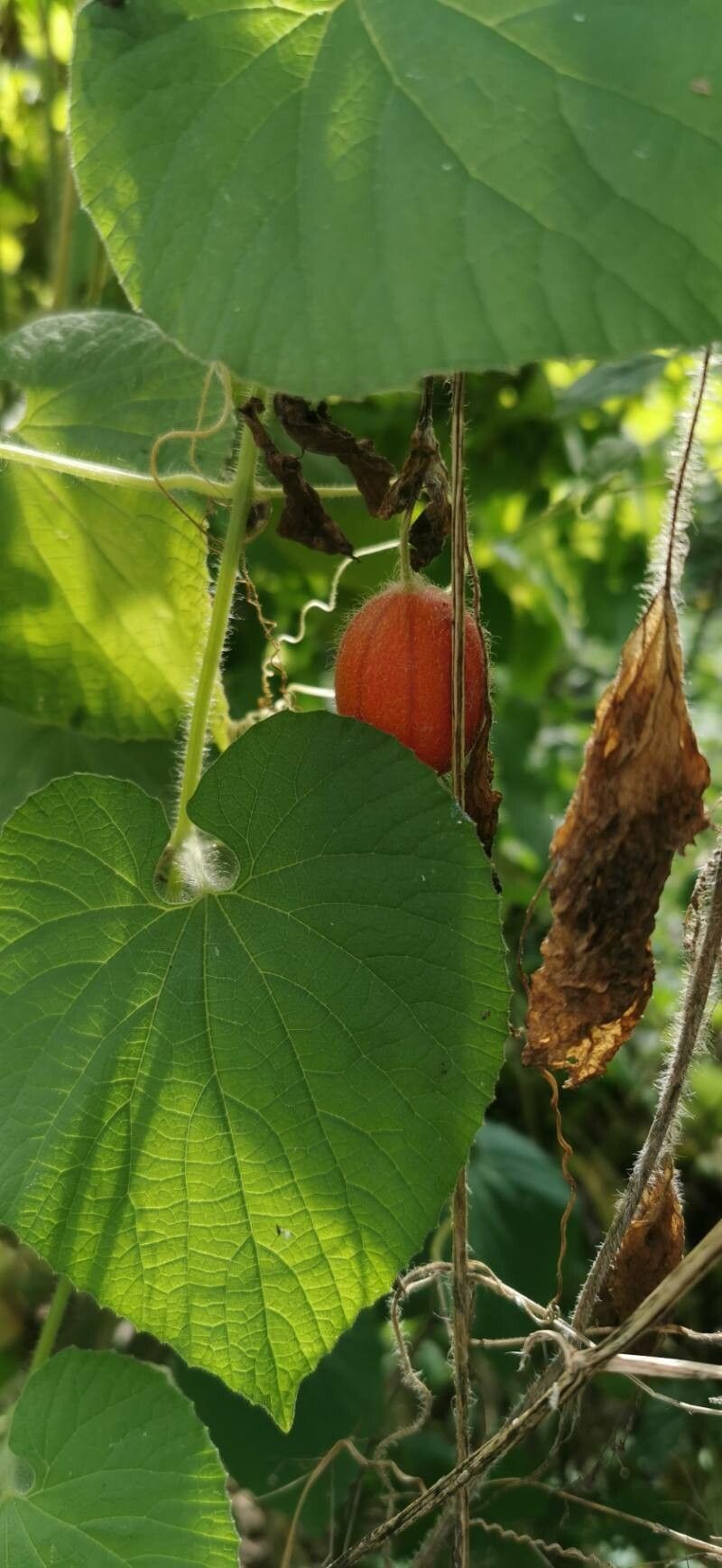
Thladiantha dubia, commonly known as the Chinese squash or wild cucumber, is a perennial herbaceous plant from the Cucurbitaceae family. Native to China, Japan, and Korea, this plant exhibits a climbing habit and can reach up to 3 meters in length.
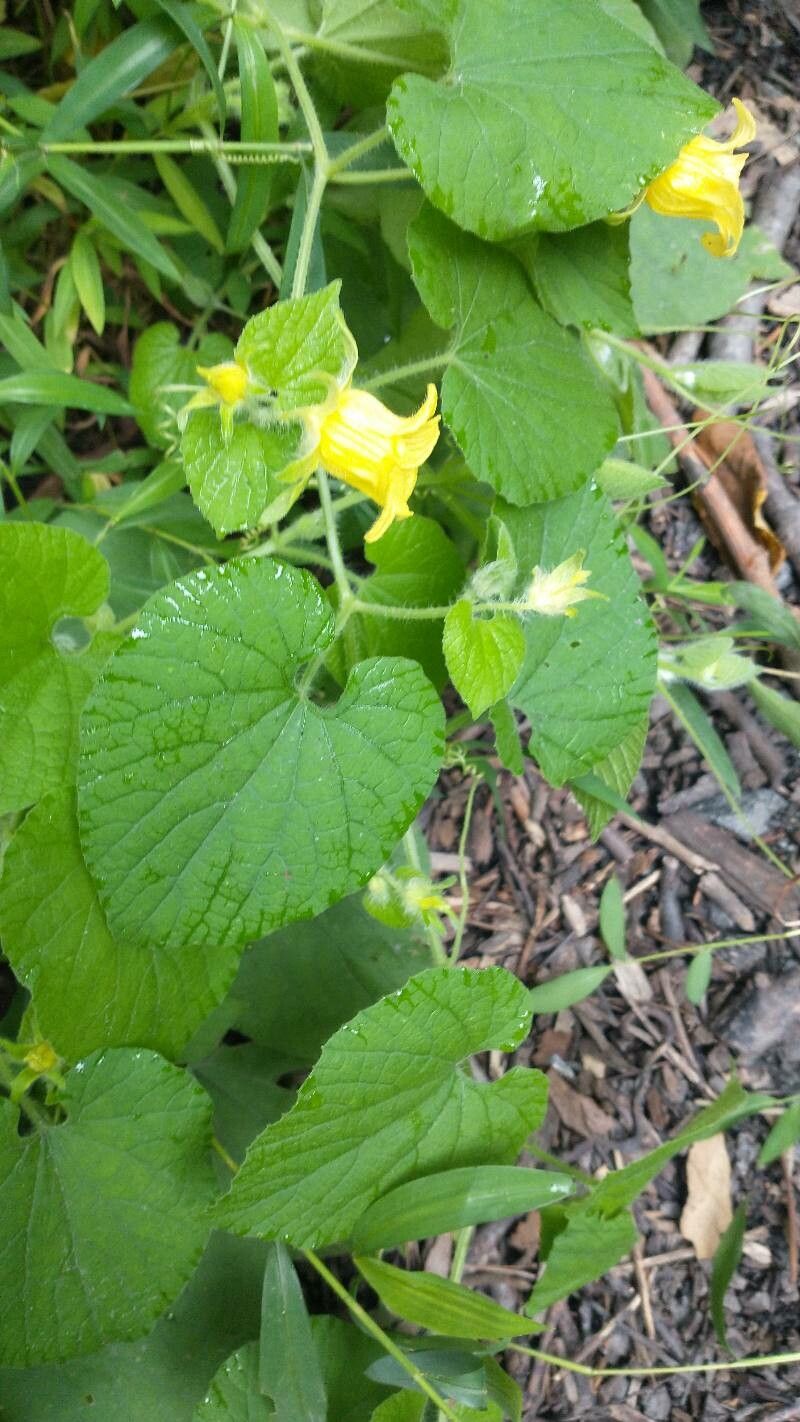
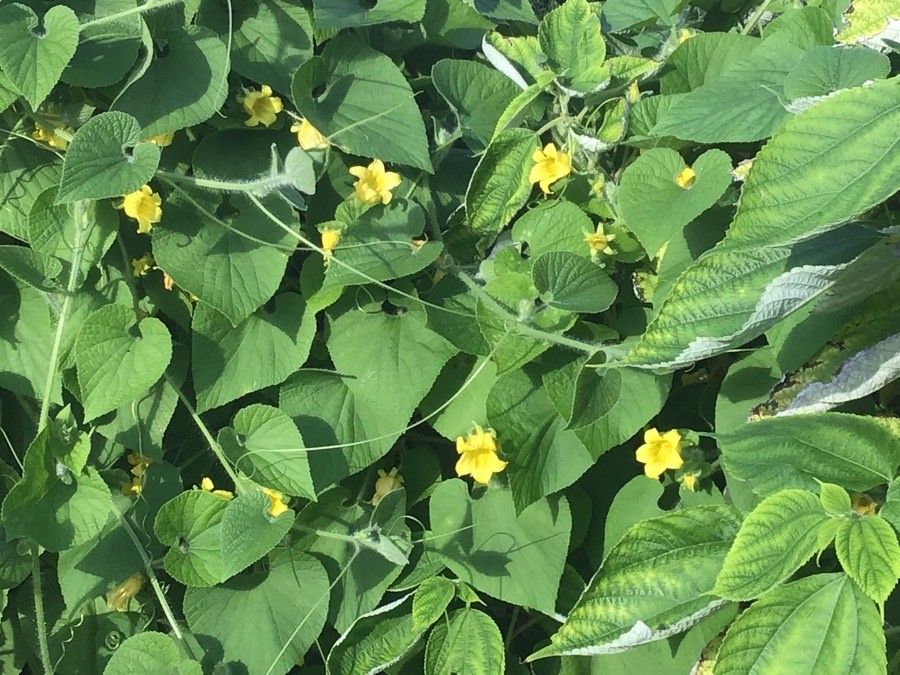
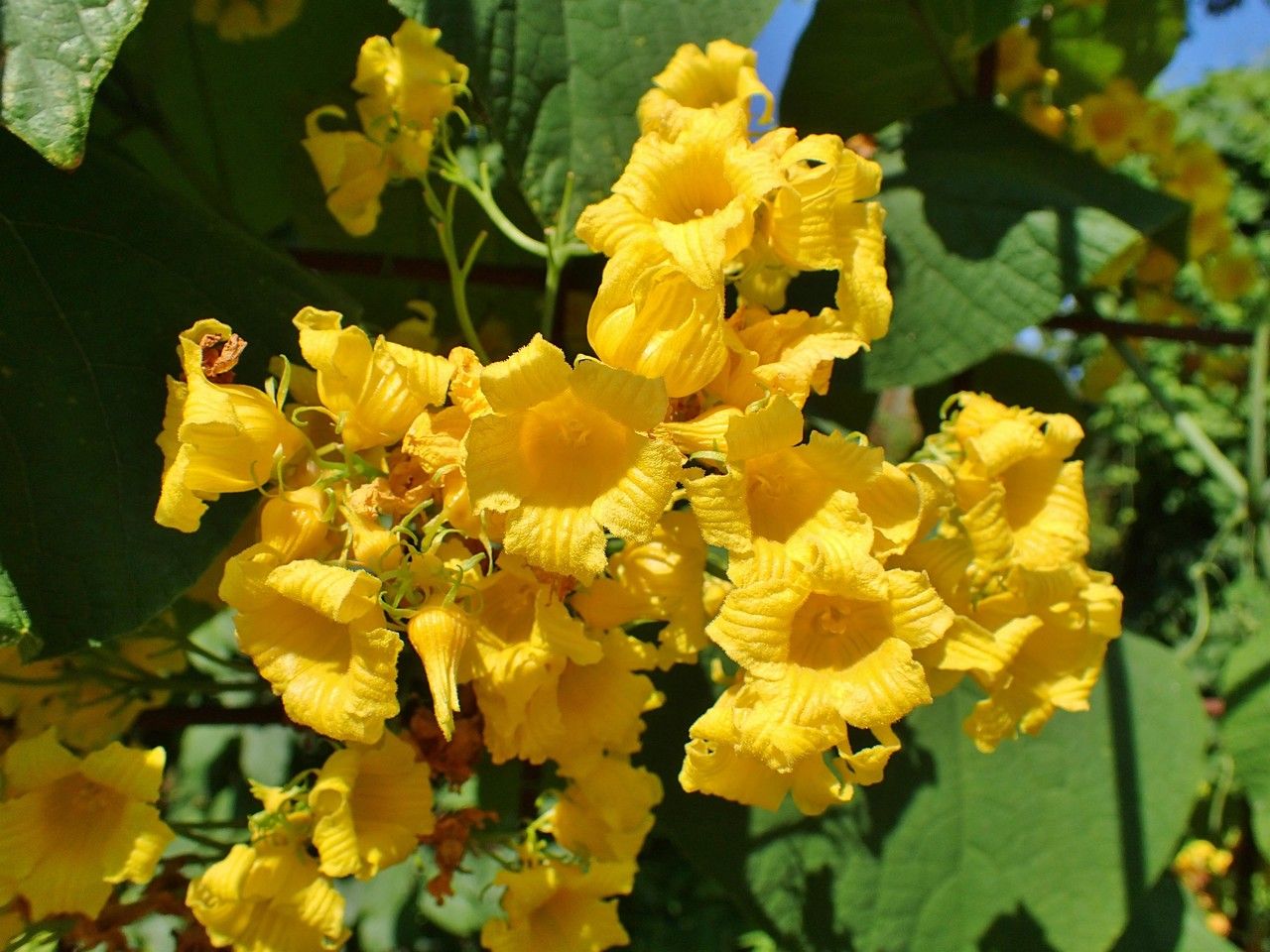
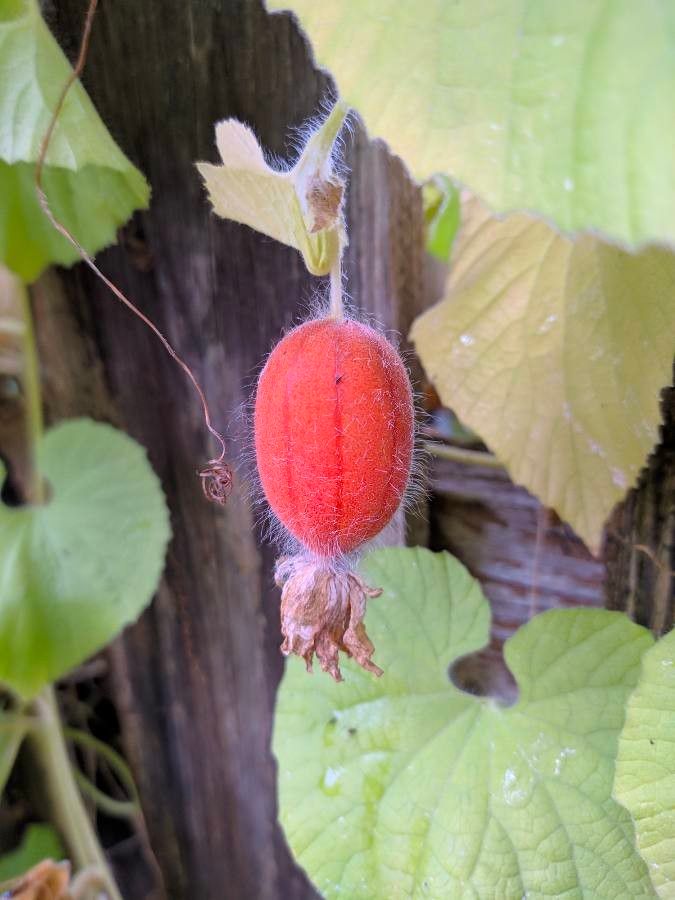
The leaves of Thladiantha dubia are heart-shaped with serrated edges, and its flowers are small and yellow. The plant produces oblong-shaped berries that turn red when ripe.
Thladiantha dubia has a long history of use in traditional Chinese medicine. It contains various bioactive compounds, including cucurbitacins, flavonoids, alkaloids, and triterpenes, which have been shown to possess anti-inflammatory properties.
Beyond its medicinal applications, Thladiantha dubia also has culinary uses. The young shoots can be cooked similarly to asparagus or incorporated into stir-fries, while the fruit can be pickled or added to soups.
In summary, Thladiantha dubia is a fascinating plant with both medicinal and culinary applications that warrants further study for its potential health benefits.
Manchu tuber-gourd has strong disease resistance and is generally not prone to illnesses. However, it can be affected by pests and diseases present in its environment. These infestations are usually mild. In terms of care, this plant requires a moderate amount of maintenance. It should be pruned regularly to keep a pleasing appearance and support healthy growth. Fertilizing can also help encourage flowering. Manchu tuber-gourd is well suited for anyone with outdoor space, such as a garden or patio, and does not demand extensive care experience. It may need more attention if grown indoors.
How to keep Thladiantha Dubia.
Light
The Manchu tuber-gourd prefers constant sunlight, which promotes its best growth and vigor. In its native habitat it is exposed to plentiful sun. However, either too much or too little light can harm its development and health, showing that it needs balanced sun exposure.
Water
The Manchu tuber-gourd originates from the woodlands of East Asia and thrives in environments with consistent moisture and moderate climates. Once the plant is established, it becomes drought-tolerant. However, to maintain its vigor, it requires weekly watering. Additionally, using mulch helps retain moisture, replicating its natural habitat conditions.
Temperature
The Manchu tuber-gourd originates from temperate regions and does best in temperatures of 50–95 °F (10–35 °C). Its temperature needs may need to be adjusted during different seasons to imitate its native growing environment.
Fertilizer
Early spring, when the Manchu tuber-gourd is coming out of dormancy and starting active growth, is the best time to fertilize it. Fertilization supplies essential nutrients required for healthy growth. Although the Manchu tuber-gourd has relatively low fertilizer needs, applying fertilizer once a year can improve its survival and result in better, longer-lasting flowers.
Pruning
The Manchu tuber-gourd is a vigorous climbing vine known for its yellow flowers and edible fruit. To ensure healthy growth, prune the plant from early to late spring. Remove any dead or weak vines, which will improve air circulation, reduce the risk of disease, and encourage better fruit production. Pruning also helps maintain the plant's shape and overall vitality.
Botanical profile.
- Plant Type
- Herb, Vine
- Life Cycle
- Perennial
- Genus
- Thladiantha
- Family
- Cucurbitaceae
- Hardiness Zone
- 6-9
- Mature Height
- 2.13 m
- Mature Spread
- 91 cm
- Leaf Color
- Green, Dark Green
- Leaf Type
- Deciduous
- Flower Color
- Yellow
- Flower Size
- 2.54 cm
- Bloom Time
- Summer
- Planting Time
- Spring, Summer, Autumn
- Harvest Time
- Late summer, Early fall, Mid fall
- Native Area
- Myanmar, China
Other names.
Reader questions.
How should I water my Manchu tuber-gourd?
To ensure the health of the Manchu tuber-gourd, use filtered room temperature water when watering. Tap water may harm the plant due to potential particles. As the Manchu tuber-gourd is accustomed to warm environments, cold water should be avoided as it may shock the plant. Instead of overhead watering, apply filtered room temperature water directly to the soil until it is completely soaked. This will support root growth and nutrient absorption.
Why do I have to put plant food on my Manchu tuber-gourd?
The leaves of the Manchu tuber-gourd are an important part of its structure. Fertilizing your plant is key to maintaining healthy leaves that look good and perform their function well. Proper fertilization promotes consistent leaf color and a healthy texture. It also benefits the plant below the surface by encouraging new root growth and maintaining the existing root system. This not only keeps your plant healthy in the present, but also improves its ability to absorb nutrients from the soil in the future.
What are the sunlight requirements for Manchu tuber-gourd?
The Manchu tuber-gourd, scientifically known as Thladiantha dubia, thrives best with more than 6 hours of sunlight daily, which classifies it as a full sun plant. Its affinity for continual exposure to sunlight stems from its natural habitat, which provides abundant light. Nonetheless, the health and growth of the Manchu tuber-gourd can be negatively affected by both excessive and insufficient light. It is crucial to observe how sunlight moves through your garden to find spots that offer a perfect balance of light and shade, ensuring the plants' optimal growth and happiness.
What are the temperature requirements for growing Manchu tuber-gourd?
The Manchu tuber-gourd, or Thladiantha dubia, thrives in temperatures ranging from 50 to 95 °F (10 to 35 °C). It is native to temperate regions and has a strong cold resistance. Special frost protection measures are usually not necessary, but if temperatures are expected to drop below -25°C, it's important to protect the plant by covering it with soil or straw. To prepare for winter, it's recommended to water the plant abundantly before the first freeze in autumn to ensure the soil remains moist through the colder months.
What should I do if I give my Manchu tuber-gourd too much or too little water?
Overwatering is a common issue that can harm your Manchu tuber-gourd. When this plant gets too much water, its stems and leaves wilt and turn yellow. Prolonged overwatering can lead to diseases like root rot, mold, and mildew, which can be fatal. Underwatering is less common for this plant because it can tolerate drought, but it is still a possibility. If your Manchu tuber-gourd is underwatered, its leaves will become brittle and brown. It's important to recognize the signs of overwatering early and take action immediately. Some water-related diseases may not be fixable if left too long. If you see early signs of overwatering, reduce your watering schedule and check the soil. If the soil doesn't drain well, replace it with a loose, well-draining mix. If your Manchu tuber-gourd is not getting enough water, simply water it more regularly until the signs go away.
When should I fertilize my Manchu tuber-gourd for the best results?
To maximize the growth of your Manchu tuber-gourd, it is important to pay attention to the timing of fertilization. This perennial plant will start growing new leaves in early spring, which is a signal that it's time to begin fertilizing. While a single application of fertilizer in the spring is usually sufficient, if you want to see even more growth, you can fertilize multiple times during the spring and early summer. In this case, it is recommended to fertilize your Manchu tuber-gourd about once every month to a month and a half.
How can artificial lighting be used for indoor Manchu tuber-gourd plants?
For indoor Manchu tuber-gourd plants, which require adequate lighting for optimal growth, artificial lights become necessary when natural sunlight is insufficient, especially in winter or less sunny spaces. LED lights are advisable for being customizable to provide specific wavelengths required by the plants. Full sun plants need 30-50W/sq ft, partial sun plants need 20-30W/sq ft, and full shade plants need 10-20W/sq ft of artificial light. The light source should be placed 12-36 inches above the plant to mimic natural sunlight and kept on for 8-12 hours per day, depending on the specific needs of the plant species.
How does Manchu tuber-gourd react to low and high temperatures?
Manchu tuber-gourd is cold-tolerant and does best when temperatures are above 10°C but should be kept above -15°C during winter. Exposure to temperatures below -25°C might not show immediate damage but can lead to decreased sprouting or failure to sprout in spring. In cases of low sprouting, remove the non-sprouting parts in spring. In contrast, during summer, the plant should be kept below 35°C. Temperatures above 38°C can cause the leaves to lighten, curl, become prone to sunburn, and in severe cases, lead to wilting and drying of the entire plant. To manage heat stress, trim away the damaged parts, provide shade during the hottest parts of the day, and ensure the soil is kept moist by watering in the morning and evening.
How frequently do I need to water my Manchu tuber-gourd?
If your Manchu tuber-gourd is in a pot, the most precise way to determine if it needs water is by checking the soil's moisture. Simply insert your finger into the soil and if the top two to three inches feel dry, it's time to water it. For Manchu tuber-gourds grown outdoors in the ground, you can use a similar method to test the soil. Once again, if the first few inches of soil are dry, it's time to give it some water. Typically, in the spring and early fall, watering once a week is sufficient using this method. However, in extremely hot weather, watering may need to be increased to twice a week or more. It's worth noting that mature, well-established Manchu tuber-gourds can tolerate drought quite well.
When is the best time to not add fertilizer to my Manchu tuber-gourd?
During the late fall and winter, your Manchu tuber-gourd goes into a dormant phase and stops producing new growth. It's important not to fertilize it during this period. In the spring and summer, if you choose to fertilize, start reducing the rate as summer comes because the growth rate of your Manchu tuber-gourd also slows down. In general, it's not a good idea to fertilize your Manchu tuber-gourd when the weather is very hot or the soil is exceptionally dry. Fertilizing in these conditions can stress your Manchu tuber-gourd and lead to premature death.
What are the symptoms of improper lighting for Manchu tuber-gourd?
Symptoms of improper lighting for a Manchu tuber-gourd include small leaves, which are new leaves growing smaller in size; leggy or sparse growth, characterized by longer spaces between leaves/stems; faster leaf drop, where older leaves are shed early; slower or no new growth, indicating a survival mode due to poor light conditions; lighter-colored new leaves, showing a lack of chlorophyll; chlorosis, a condition where leaves turn yellow; sunscald, causing damage to leaves/stems from intense sunlight; leaf curling, a defense mechanism against excessive sunlight; wilting, where leaves and stems droop due to water loss; and leaf scorching, seen as brown, dry edges on leaves because of excessive sunlight.
How much water does my Manchu tuber-gourd require?
To properly water your Manchu tuber-gourd, don't be stingy with the amount of water. When the top couple of inches of soil are dry, give the plant a good, thorough watering so that the soil is completely soaked. Make sure to add enough water so that it drains through the bottom of the pot. If you don't see any excess water draining out, it means you haven't watered enough. However, be careful not to let the water accumulate in the soil, as this can harm the plant. On the other hand, if water is not draining through the pot, it may be due to poorly draining soil, which can also negatively affect the plant's health. If the plant is outside, receiving about 1 inch of rainfall per week should be adequate.