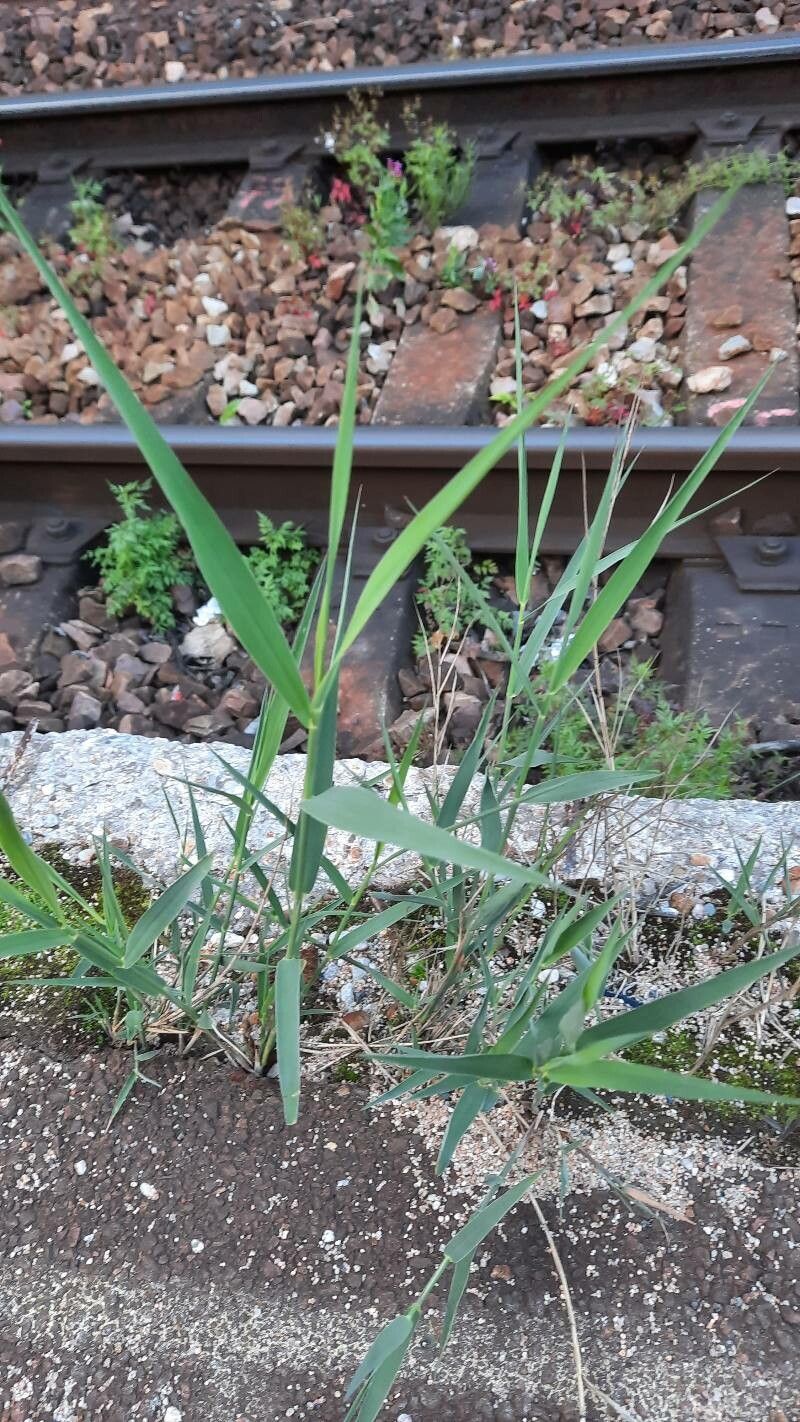
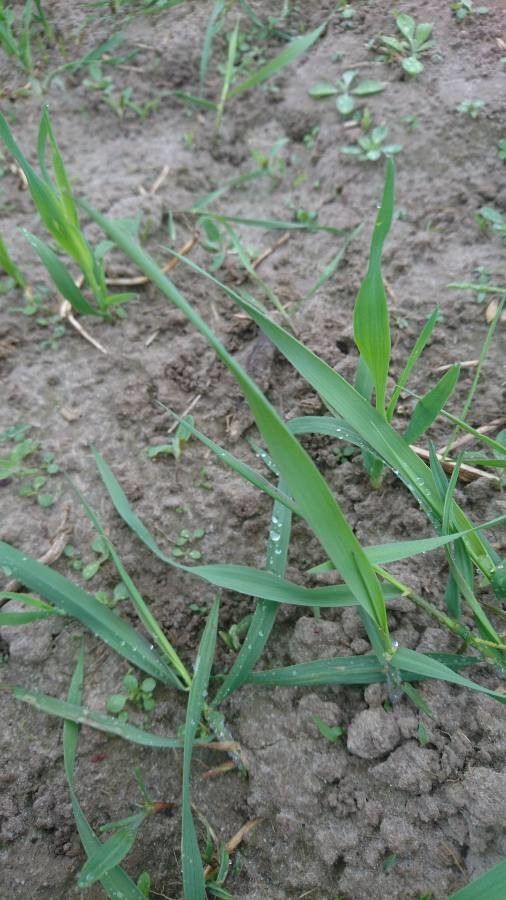
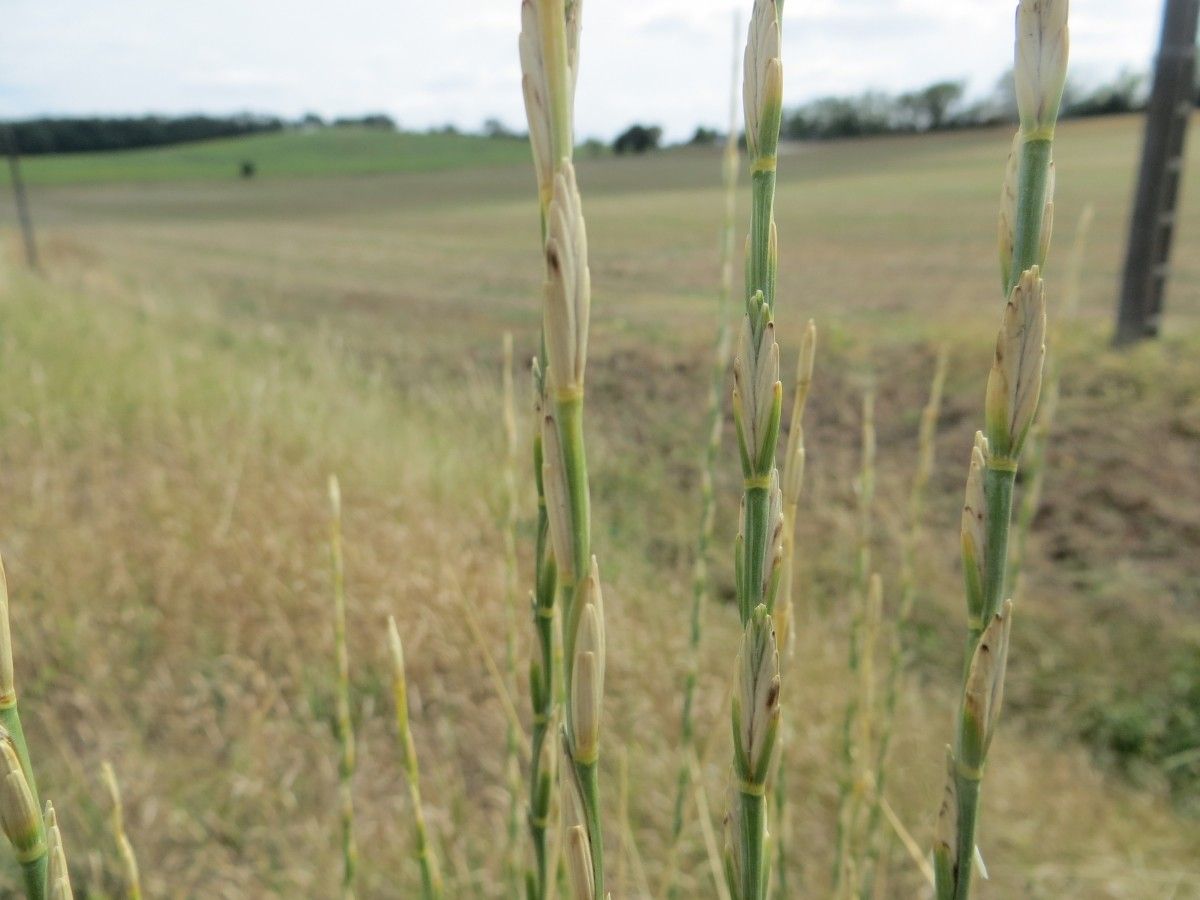
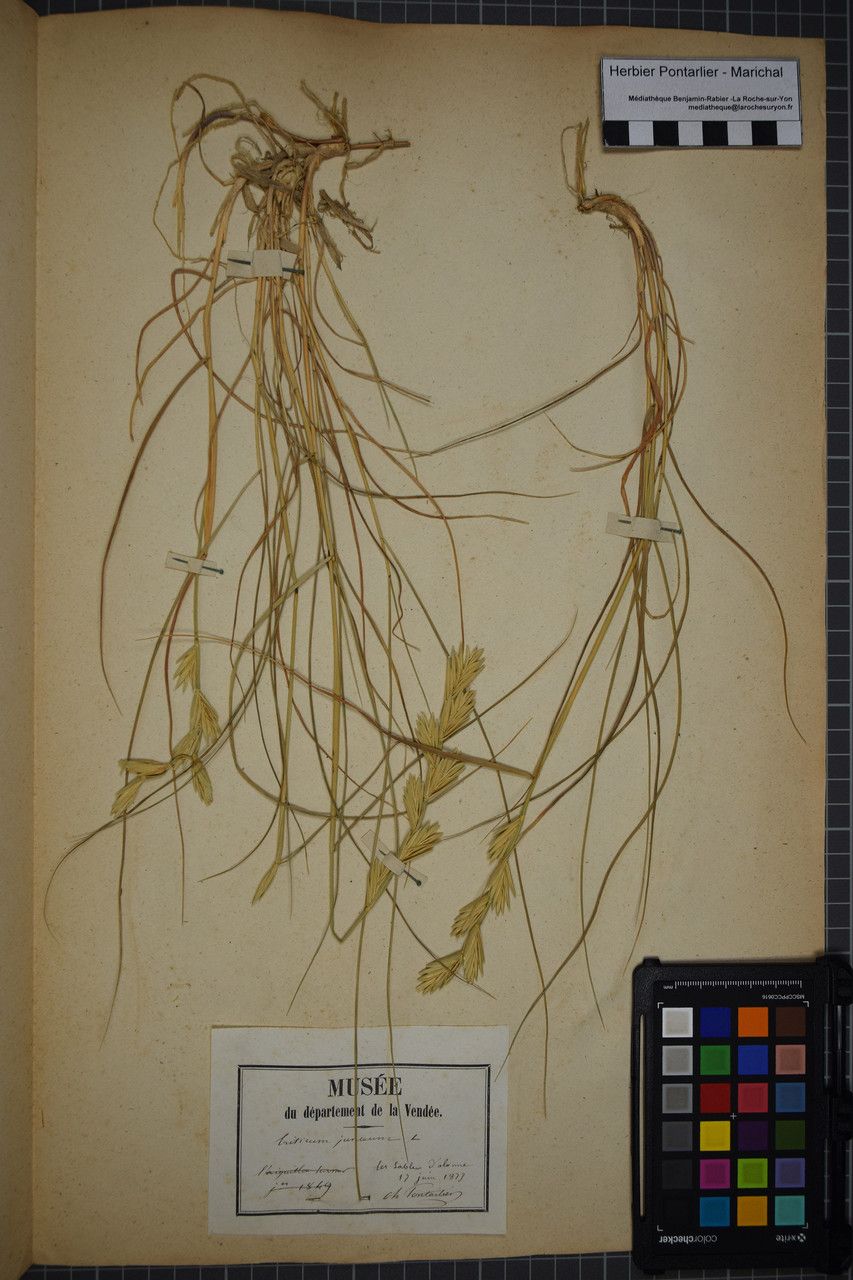
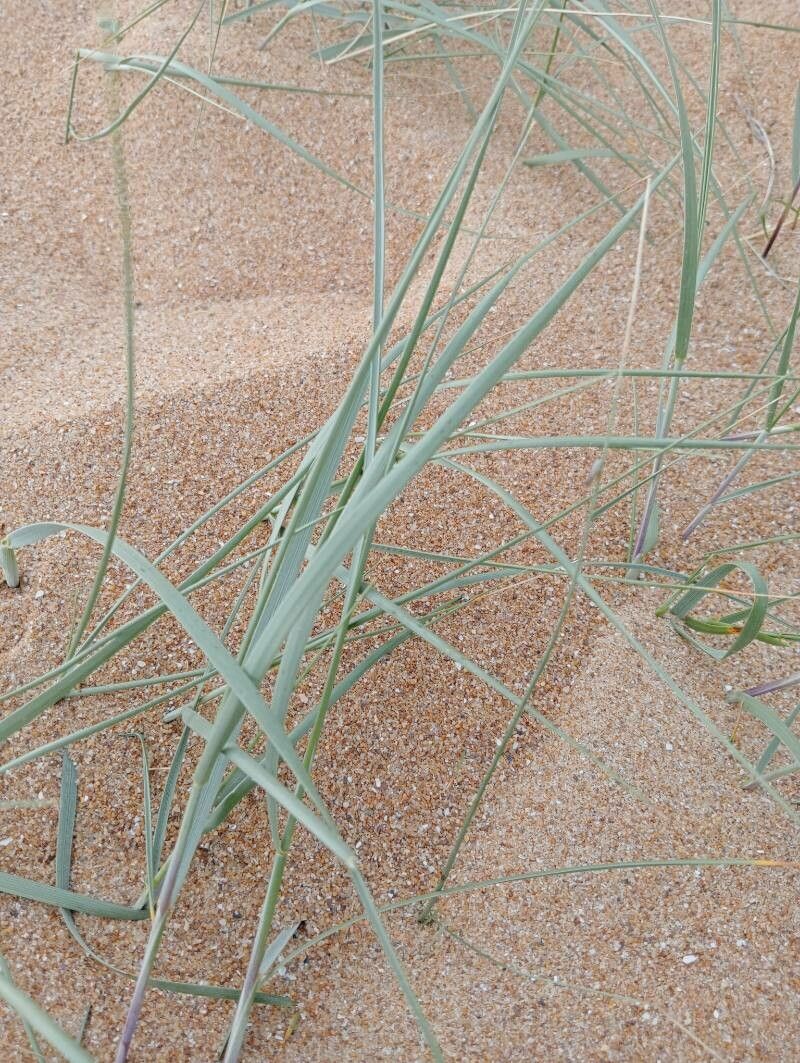
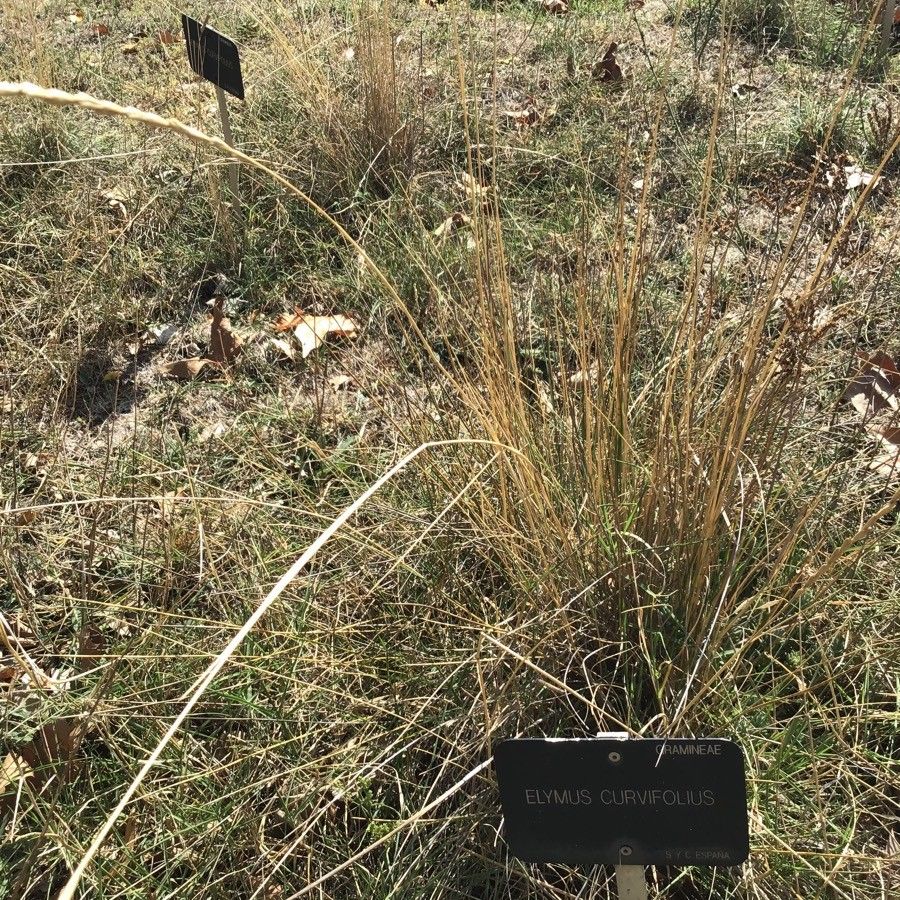
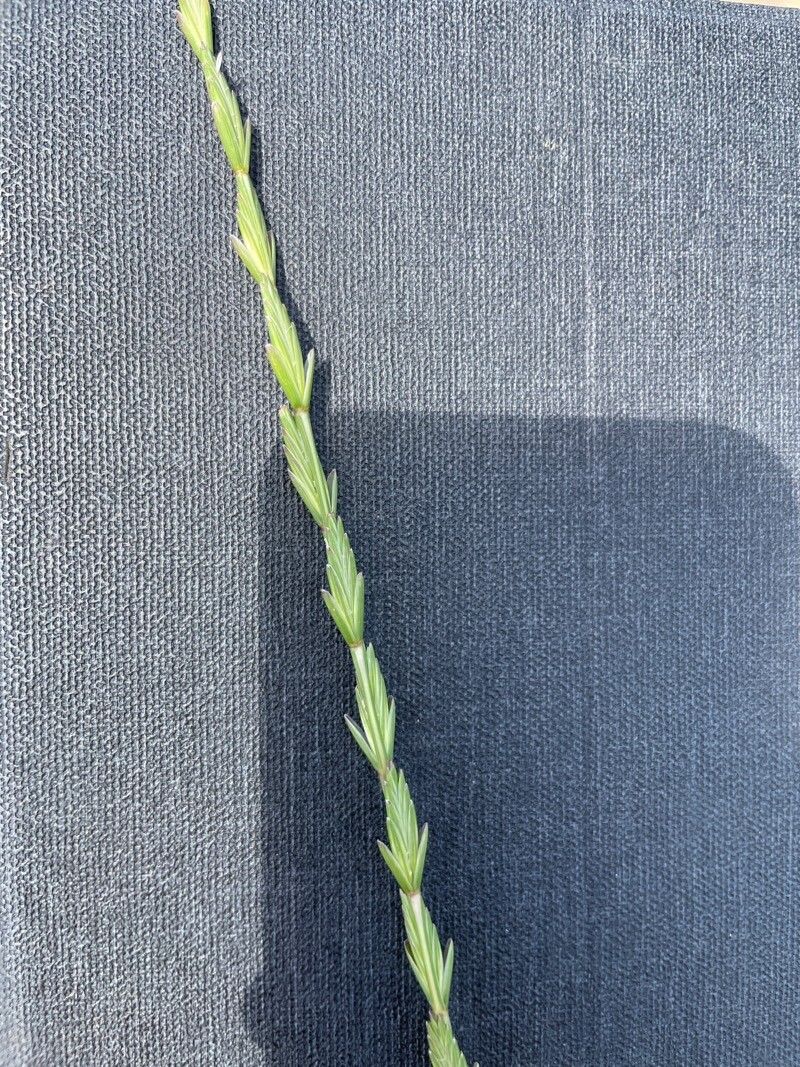
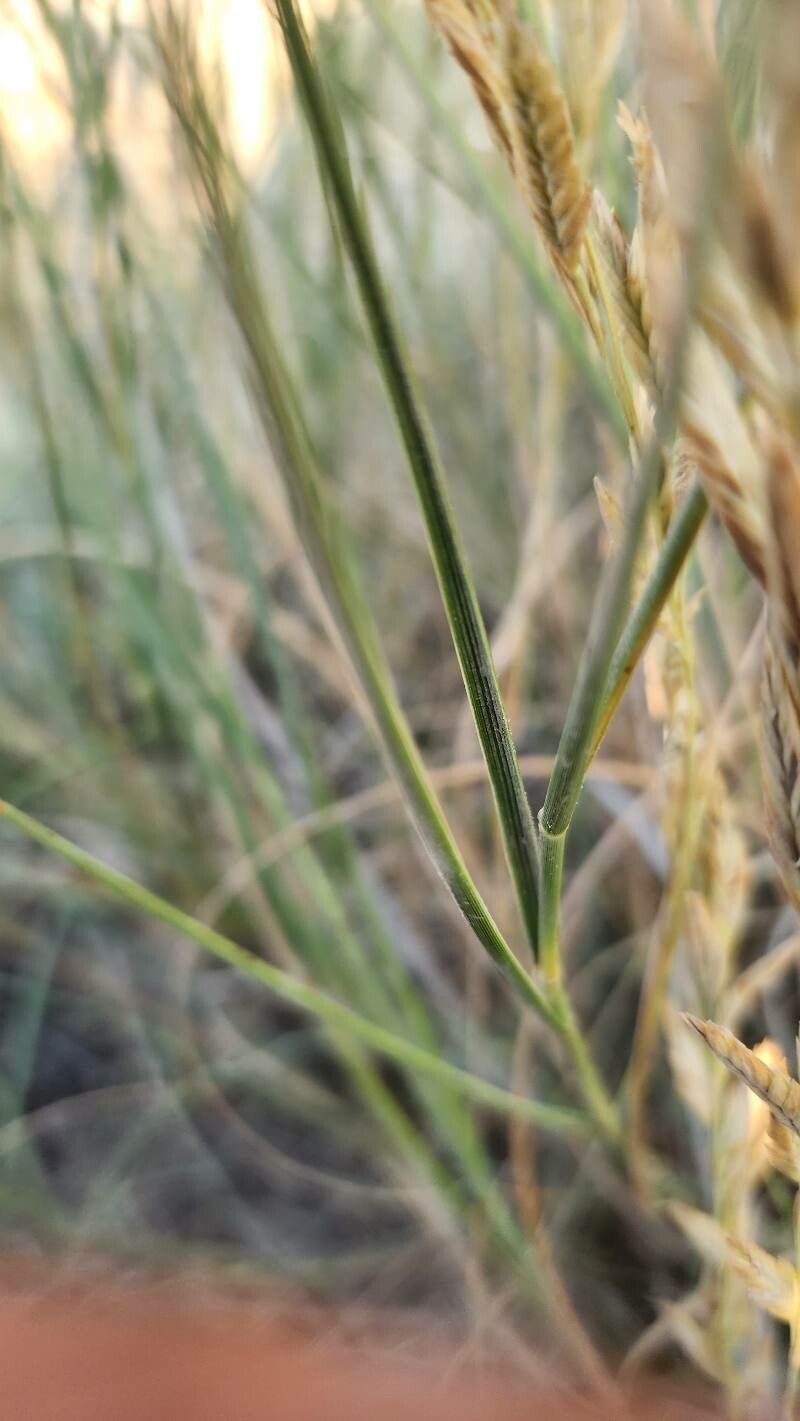
Thinopyrum intermedium, known commonly as intermediate wheatgrass, is a sod-forming perennial grass in the Triticeae tribe of Pooideae native to Europe and Western Asia. It is part of a group of plants commonly called wheatgrasses because of the similarity of their seed heads or ears to common wheat. However, wheatgrasses generally are perennial, while wheat is an annual.
Intermediate wheatgrass has strong disease resistance and is generally not liable to disease. In terms of care, this plant is fairly low-maintenance. When grown outdoors it needs minimal watering, and larger plants typically do not require pruning. Smaller plants, however, should be pruned after they have flowered. Intermediate wheatgrass is suitable for anyone with an outdoor area, such as a garden or a deck, and does not demand much gardening experience.
How to keep Thinopyrum Intermedium.
Water
Intermediate wheatgrass flourishes in grasslands that receive moderate moisture and is resilient to changing hydration conditions. Weekly watering helps maintain its adaptability. As a hardy perennial, it performs exceptionally well outdoors thanks to its deep root system, making it an ideal choice for regions with sporadic rainfall.
Temperature
Intermediate wheatgrass can withstand a wide range of temperatures, but its distribution may still be restricted by different combinations of water and heat. It grows best in warm summer climates with sufficient rainfall or irrigation. Extended periods of cloudy, rainy weather, as well as prolonged high temperatures, can increase the chance of Intermediate wheatgrass dying. In winter, adequate protection from cold can enhance the plant's survival.
Fertilizer
To achieve optimal growth, Intermediate wheatgrass needs three fertilizer applications: one before planting, a second about one month after seedlings emerge, and a final one 1 to 1.5 months after the second. Some varieties of Intermediate wheatgrass also benefit from extra fertilizer applied at planting to promote rapid growth.
Pruning
Intermediate wheatgrass benefits from periodic pruning, which is most effective in early spring. By removing dead or diseased stems, you encourage healthy growth and enhance air circulation, helping to prevent disease. Make sure to use clean, sharp tools to minimize stress on the plant and avoid contamination.
Botanical profile.
- Plant Type
- Grass
- Life Cycle
- Perennial
- Genus
- Thinopyrum
- Family
- Poaceae
- Hardiness Zone
- 4-9
- Mature Height
- 0.91 m to 1.52 m
- Mature Spread
- 30 cm to 61 cm
- Leaf Color
- Green, Dark Green
- Leaf Type
- Deciduous
- Flower Size
- 1.02 cm to 2.03 cm
- Bloom Time
- Early summer, Mid summer
- Planting Time
- Spring, Summer, Autumn
- Harvest Time
- Late summer, Early fall
- Native Area
- Turkey, Austria, Bulgaria, Pakistan, Poland, Greece, Ukraine, Uzbekistan, Russia, Afghanistan, Hungary, Iraq, Germany, Italy, Kazakhstan, Spain, Switzerland, Iran, Albania, Romania, Turkmenistan, France
Other names.