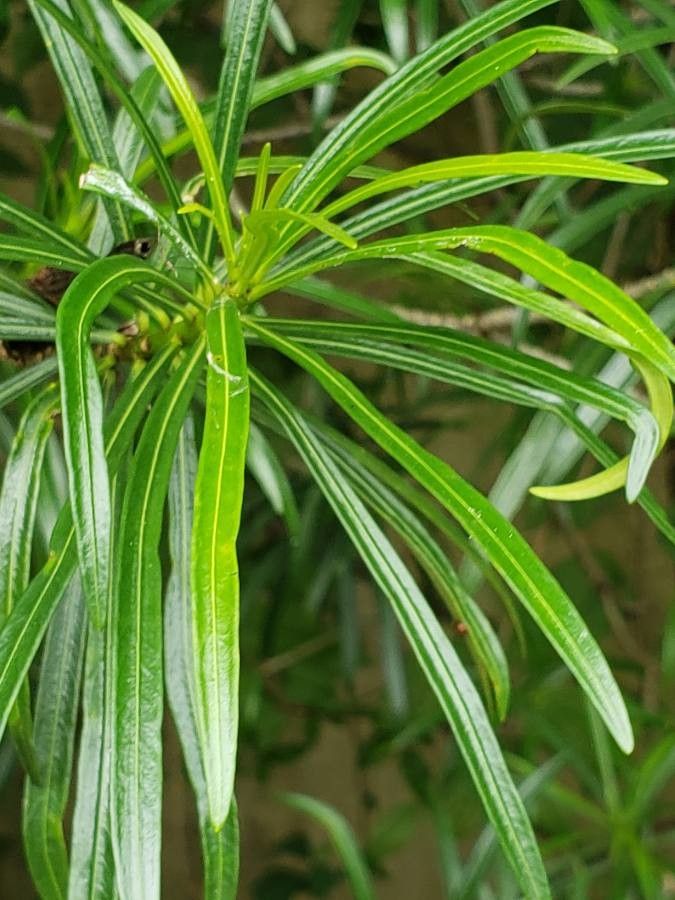
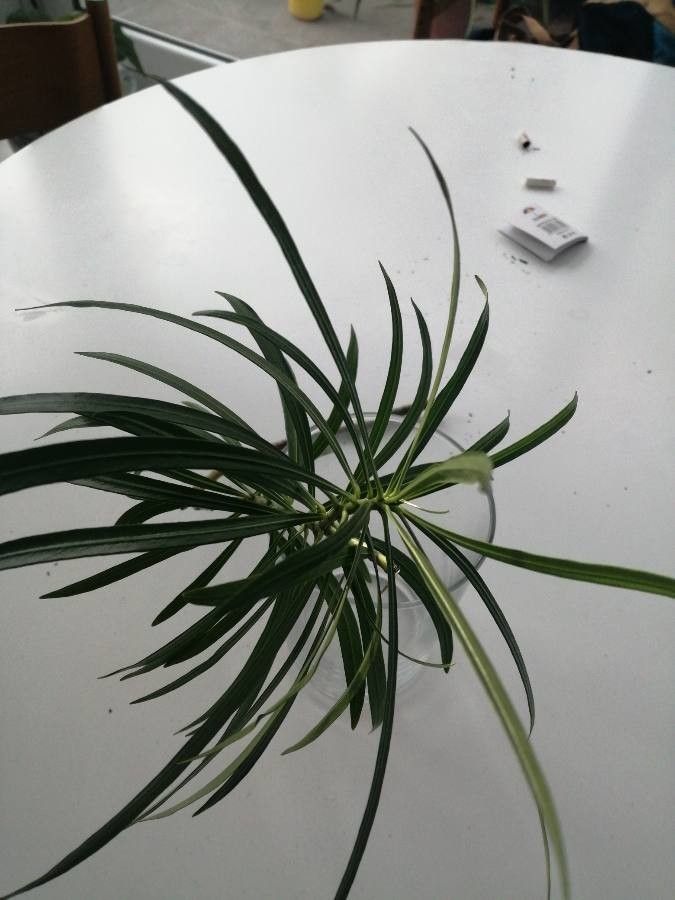
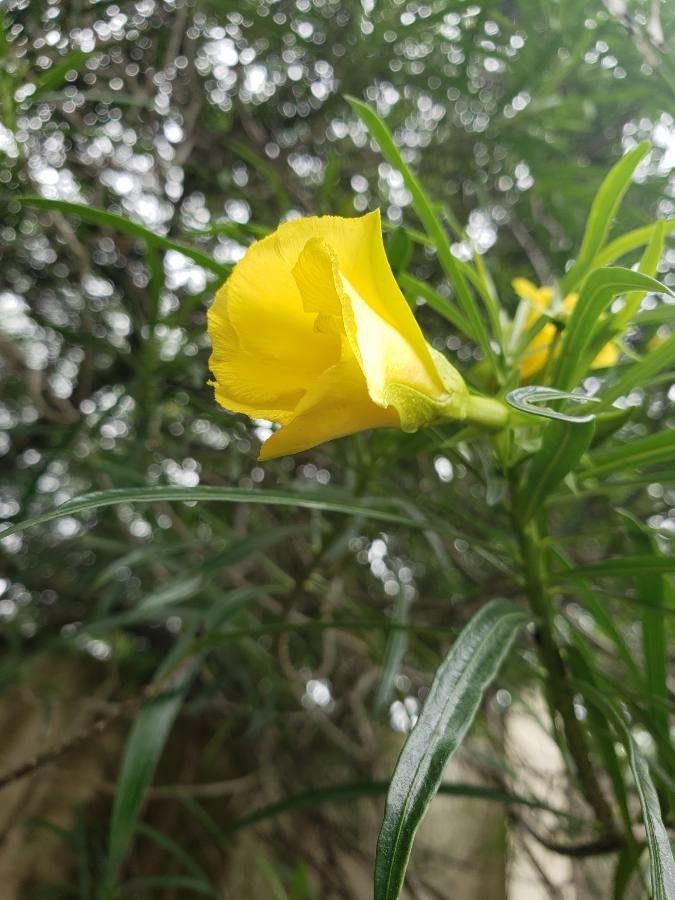
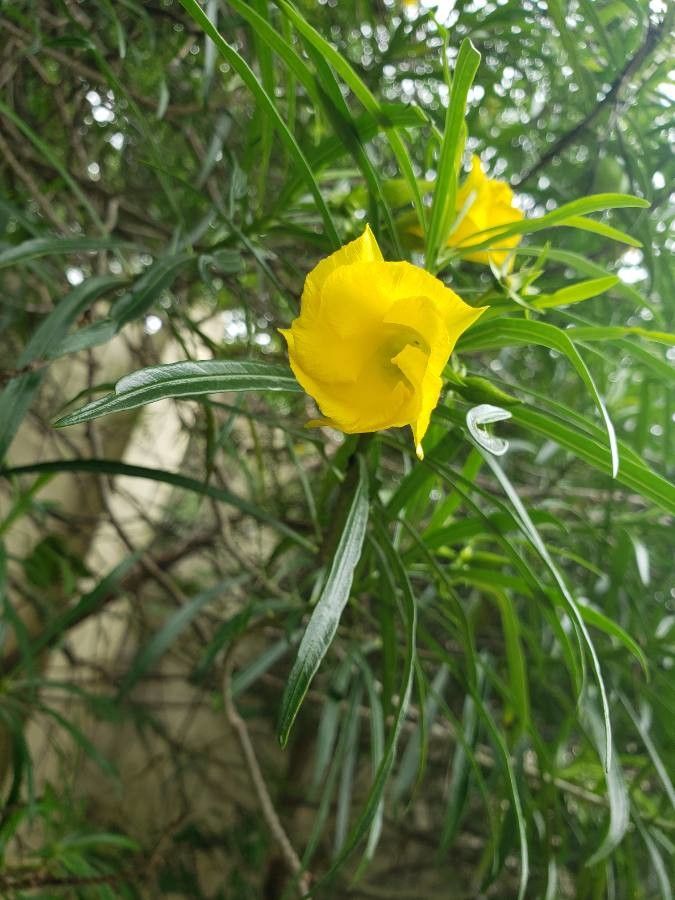
The Thevetia peruviana plant, also known as yellow oleander or lucky nut, is a tropical evergreen shrub or small tree belonging to the Apocynaceae family. Native to South America, it has been widely cultivated across the globe for both its ornamental appeal and medicinal properties.
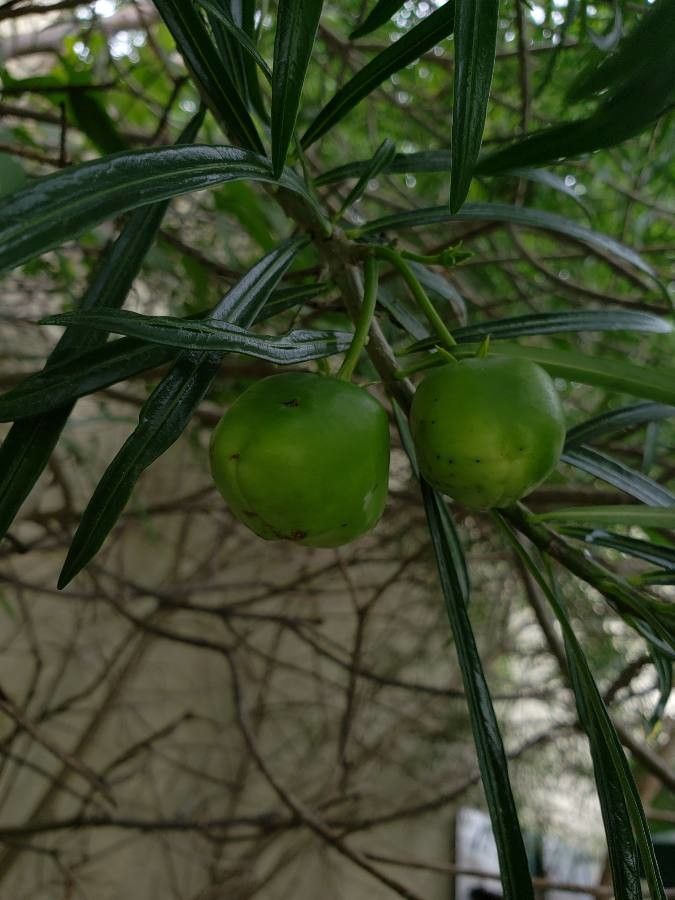
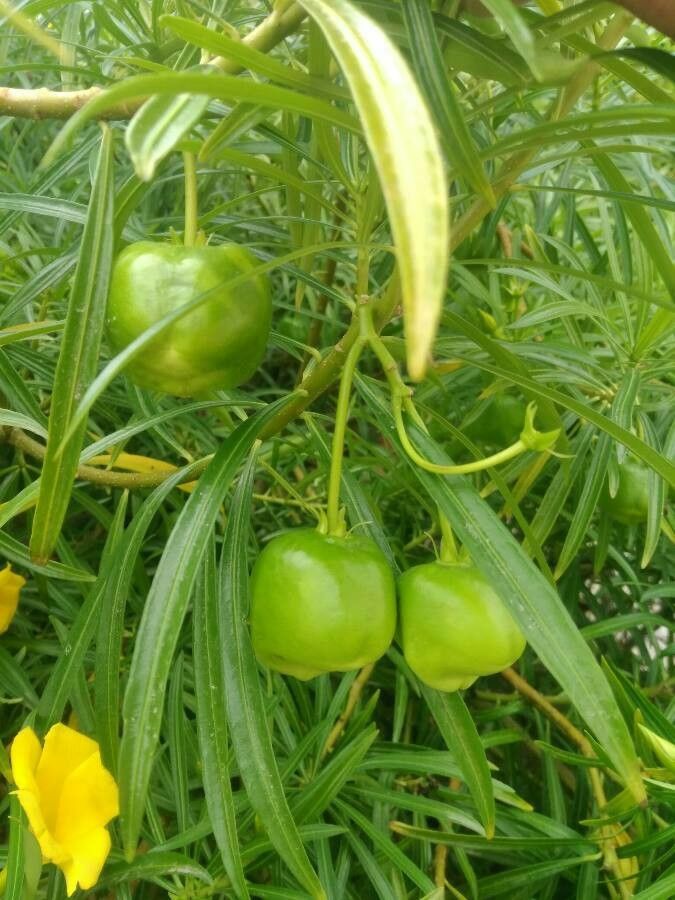
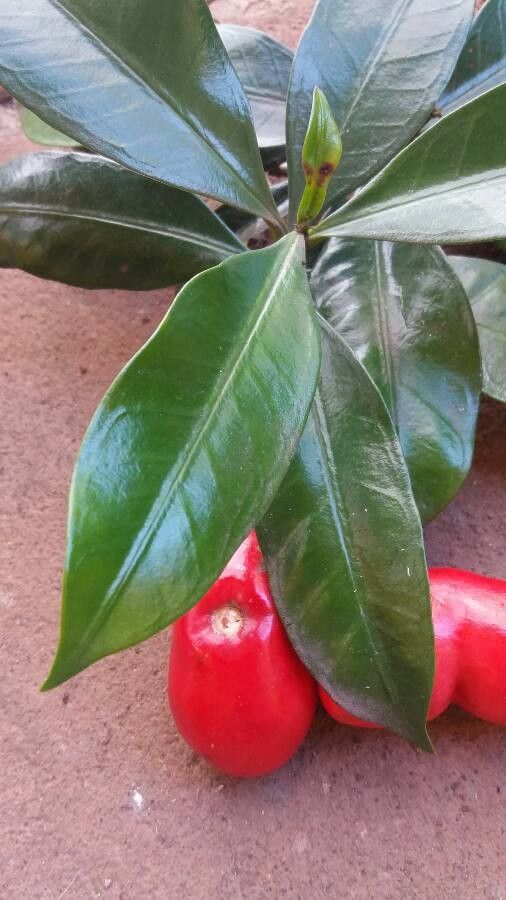
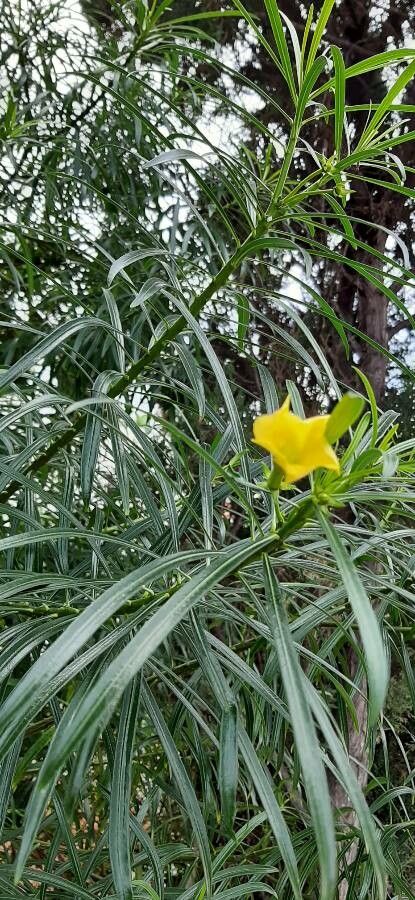
The plant can grow up to 6 meters tall and features glossy, dark green, lance-shaped leaves. Its trumpet-shaped flowers are available in various colors, including yellow, orange, pink, and white. The fruit of the plant is a woody capsule that contains several seeds.
Thevetia peruviana contains toxic cardiac glycosides, which can be harmful if ingested by humans or animals. Nevertheless, these compounds have been used for centuries in traditional medicine to treat various ailments, such as heart disease, fever, and skin infections.
In addition to its medicinal applications, Thevetia peruviana is also prized as an ornamental plant due to its attractive flowers and foliage. It thrives in warm climates with well-drained soil but can also be grown indoors with proper care.
Overall, Thevetia peruviana is a fascinating plant with both beneficial and potentially harmful properties. It has played a significant role in traditional medicine practices worldwide and is also admired by gardeners for its beauty.
Yellow oleander has good resistance to disease and is generally not susceptible to illnesses. In terms of care, this plant is fairly low-maintenance. When grown outdoors it needs little watering, and larger specimens usually do not require pruning. Smaller plants, however, should be pruned after they have bloomed. Yellow oleander is suitable for anyone with outdoor space, such as a garden or deck, and does not require much care experience.
How to keep Thevetia Peruviana.
Light
The yellow oleander grows best when it receives plenty of light for most of the day, which promotes its healthy growth and development. While it can survive in areas with less light, it performs best when exposed to ample light. Both too much and too little light can adversely affect the plant's overall health and vigor.
Temperature
The yellow oleander favors temperatures between 68 to 105 ℉ (20 to 41 ℃) for optimal growth. Native to tropical areas, it does best in warm conditions with ample sunlight. In colder seasons, it is advisable to protect the plant with mulch or bring it indoors to keep the temperature consistent.
Fertilizer
Fertilization is essential for the care of Yellow oleander. Regular feeding during the growing season maintains the energy for its showy leaves and supports overall growth. Neglecting fertilization can lead to unhealthy leaves, reduced ornamental appeal, and stunted or weak growth prone to breakage.
Pot & Repot
When repotting Yellow oleander, pick a pot 1-2 inches (2.5–5.1 cm) larger with ample drainage. Use a well-draining potting mix. Repot in spring or fall, making sure the root ball is slightly lower than the rim of the pot. Water thoroughly after repotting and place in a warm spot with indirect sunlight.
Botanical profile.
- Plant Type
- Shrub, Tree
- Life Cycle
- Perennial
- Genus
- Thevetia
- Family
- Apocynaceae
- Hardiness Zone
- 10-13
- Mature Height
- 1.83 m to 2.44 m
- Mature Spread
- 1.22 m to 1.52 m
- Leaf Color
- Green
- Leaf Type
- Evergreen
- Flower Color
- Yellow
- Flower Size
- 5.08 cm to 7.62 cm
- Bloom Time
- All year round
- Planting Time
- Spring, Autumn
- Harvest Time
- All year round
- Native Area
- Belize, Honduras, Mexico, Guatemala, Peru, Panama, Colombia, Paraguay, Argentina, Bolivia, Venezuela, Guyana, El Salvador, Nicaragua, Brazil, Ecuador, Suriname, Costa Rica
Other names.