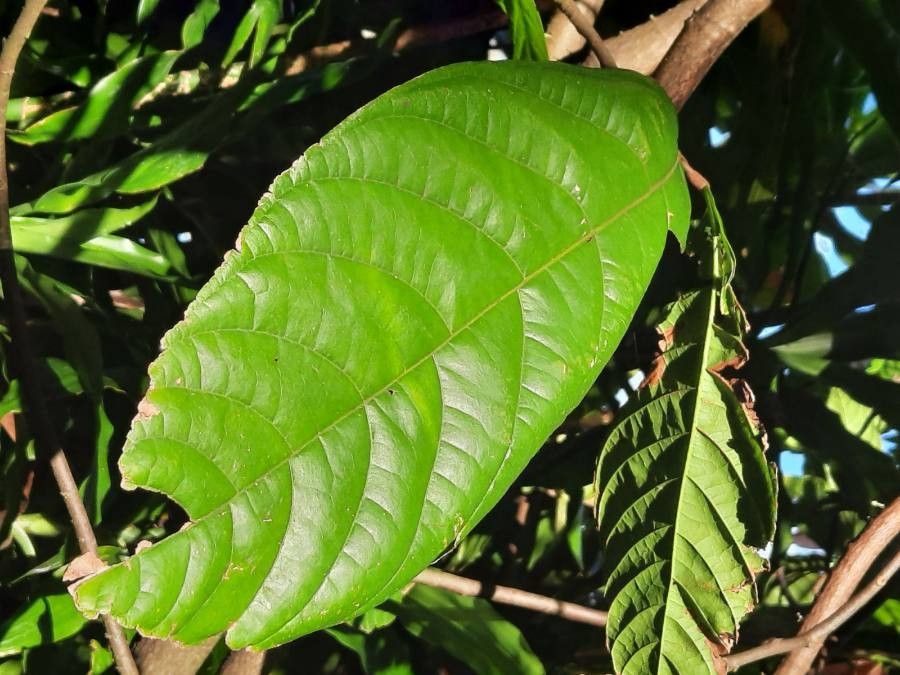
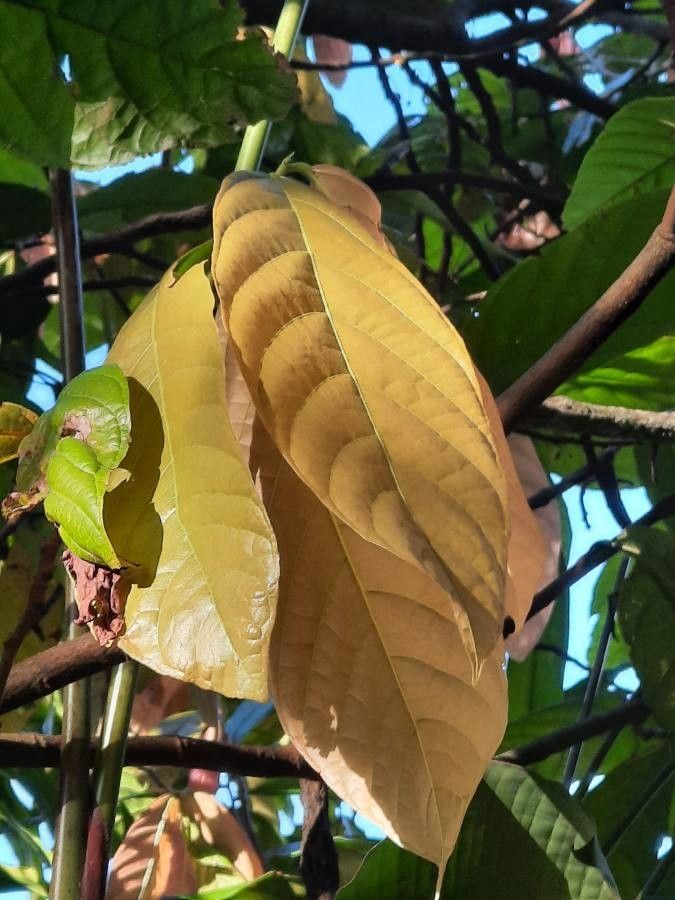
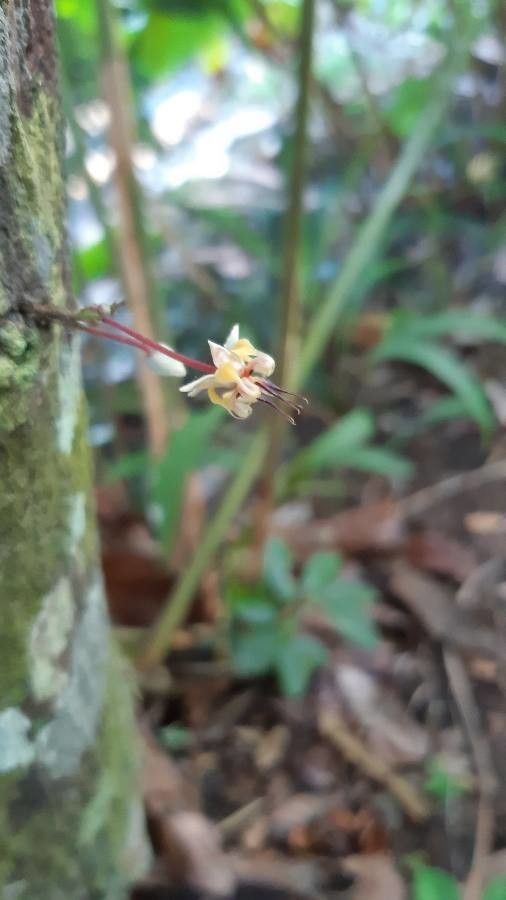
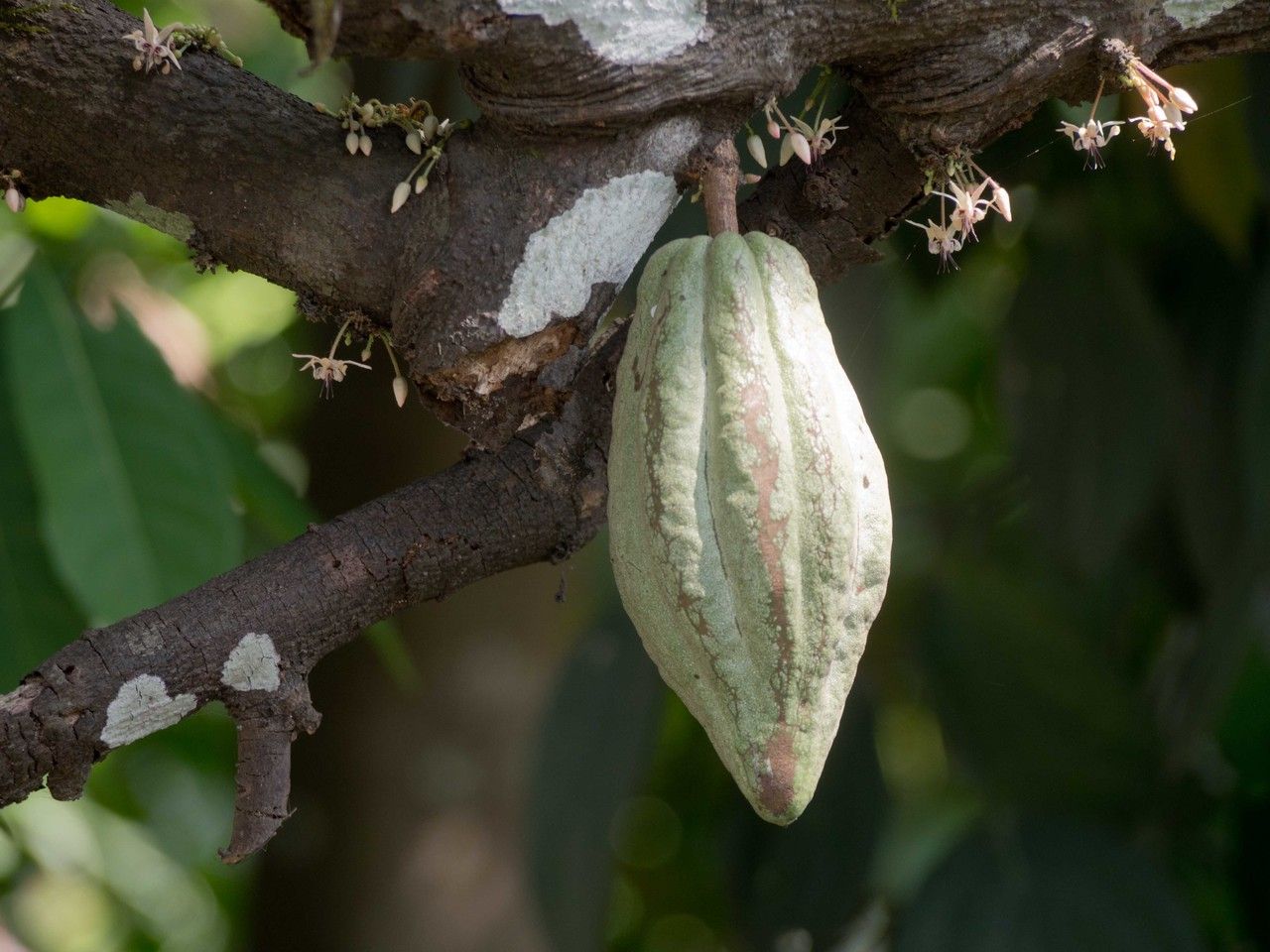
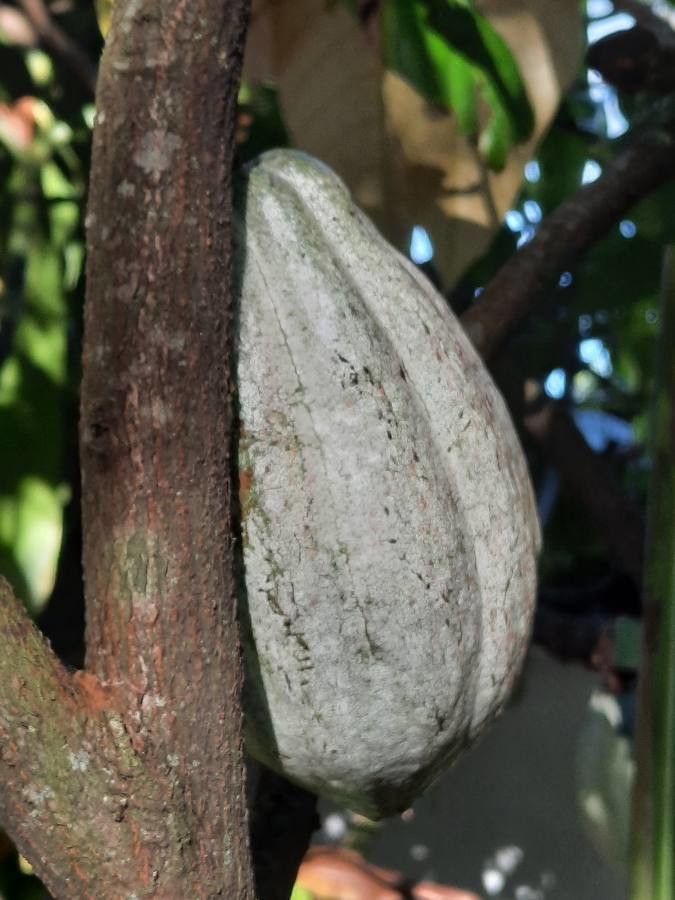
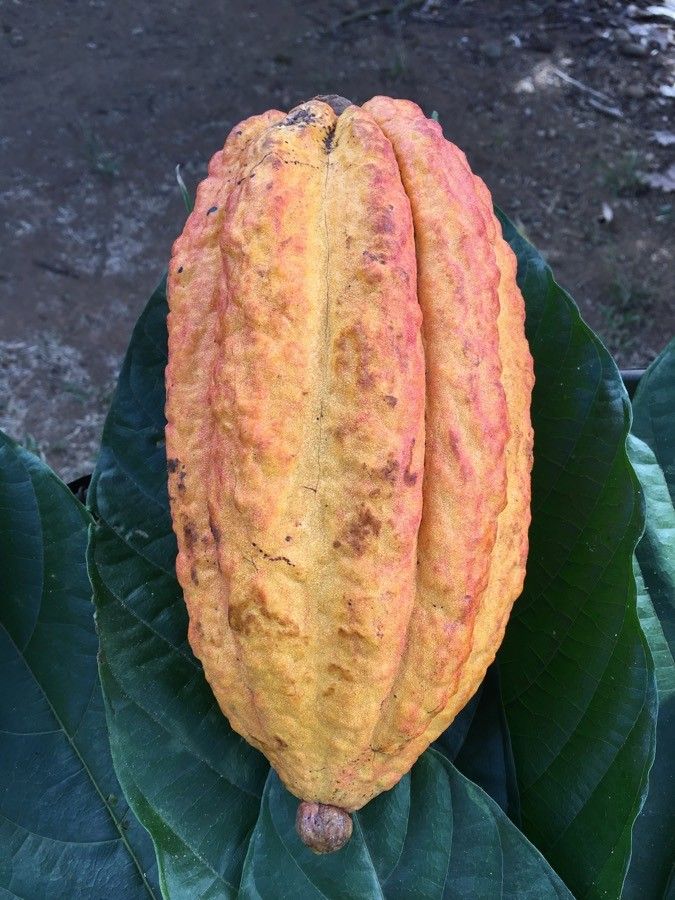
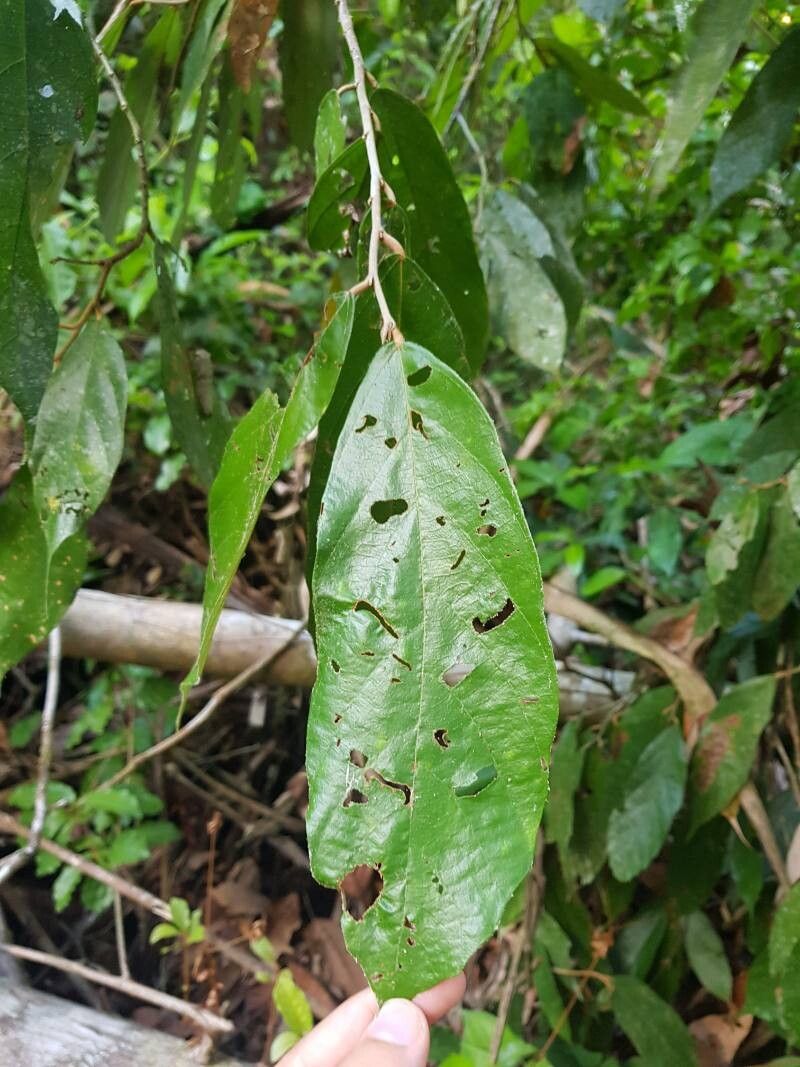
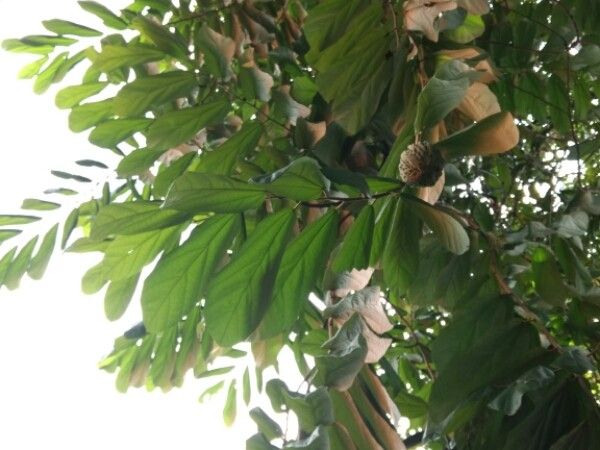
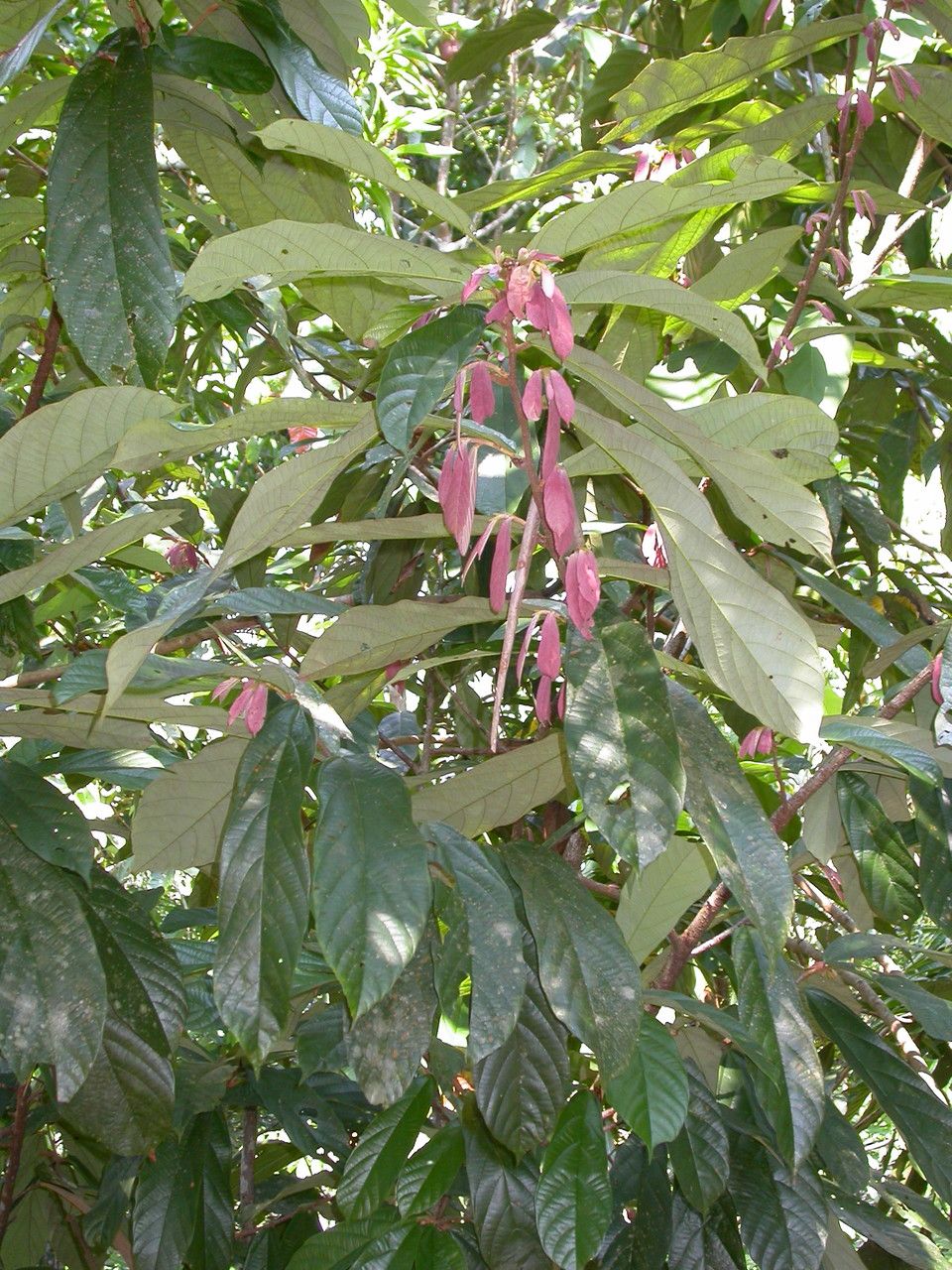
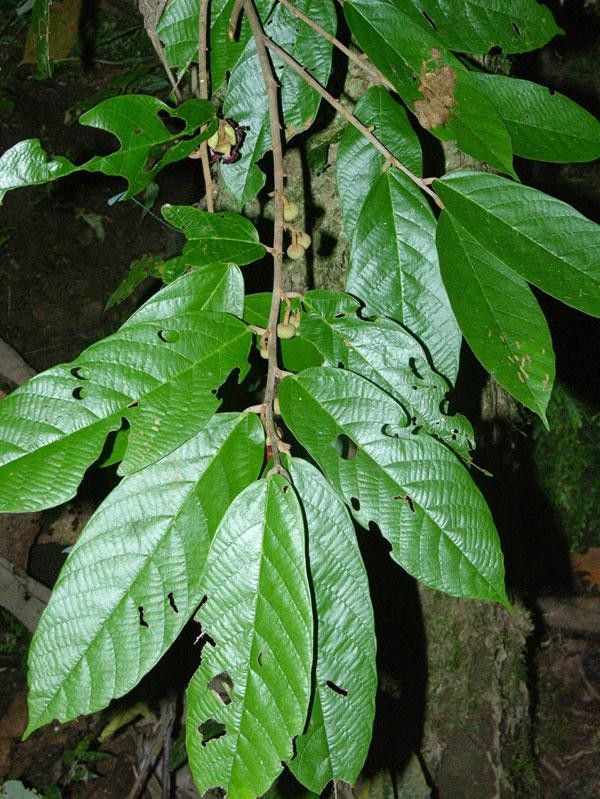
Theobroma cacao, commonly known as the cocoa plant, is a small evergreen tree native to the tropical regions of Central and South America. This plant is widely cultivated for its seeds, which are used to produce cocoa powder and chocolate products. It grows up to 10-15 meters in height and has large, glossy leaves that are 20-40 cm long. The small, pinkish flowers of the cocoa plant grow directly from the trunk or branches of the tree. The fruit, a large pod, contains numerous seeds or beans surrounded by a sweet pulp. These beans undergo fermentation before being dried and roasted for chocolate production.
For centuries, cocoa has been valued as a medicinal herb due to its high antioxidant content, which can help reduce inflammation in the body. Other benefits include improving heart health, enhancing brain function, and boosting mood. Today, cocoa is an important crop worldwide, with an estimated global production of over 4 million tons annually. West Africa is one of the largest producers, accounting for over two-thirds (70%) of global production, followed by South America (17%) and Asia (9%).
The cocoa tree has good disease resistance and is generally not prone to illnesses. Regarding care, this plant is relatively low maintenance. When planted outdoors it needs minimal watering, and larger specimens typically do not require pruning. However, smaller plants should be pruned after they have finished blooming. The cocoa tree is suitable for anyone with an outdoor space, such as a garden or deck, and does not demand much prior care experience.
How to keep Theobroma Cacao.
Light
The cocoa tree grows best in areas that receive frequent, filtered sunlight. It can also tolerate places with unobstructed sun, demonstrating its adaptability. Although its native habitat included these conditions, both excessive and insufficient sunlight can impede its development, causing stunted growth or leaf burn.
Water
Originating from tropical rainforests, the cocoa tree thrives in environments with high humidity and consistent moisture. It requires watering every 1-2 weeks to stay healthy. Typically grown outdoors, the cocoa tree benefits from mulching, especially during its active growing season, as this helps retain soil moisture.
Temperature
The cocoa tree is native to equatorial regions and needs temperatures of 68 to 100.4 °F (20 to 38 ℃) to thrive. It requires consistently warm conditions and may need temperature adjustments during colder seasons to ensure optimum growth.
Fertilizer
Choose organic fertilizers (e.g., fish emulsion or compost) instead of chemical fertilizers for Cocoa tree. Provide higher levels of nitrogen and phosphorus to young plants during spring. Incorporate compost or fertilizer into the soil before or after planting. For mature plants, apply a balanced fertilizer or one targeted to specific deficiencies in spring. Nutrient deficiency causes small leaves, short branches, yellow or bronze leaves, acidic fruits, premature fruit drop, and splitting.
Pruning
The cocoa tree flourishes when regularly pruned, as this encourages healthy growth and boosts fruit yield. Important techniques include removing dead branches, thinning the canopy to improve air circulation, and shaping the tree for better structure. It's best to prune in the winter when the tree is dormant. Always use sterilized tools to make clean cuts, ensuring the tree's optimal health and productivity.
Toxicity
There was no toxicity information reported about the cacao tree. However, the cacao itself is known to be harmful to pets, especially dogs. If you suspect your pet has ingested cacao or any of its by-products, seek veterinary care immediately.
Further reading →
The toxicity and danger assessments provided are for reference only. We do not assure their accuracy, so it's crucial not to depend on them. Seek professional advice when necessary for accurate guidance.
Botanical profile.
- Plant Type
- Tree
- Life Cycle
- Perennial
- Genus
- Theobroma
- Family
- Malvaceae
- Hardiness Zone
- 11-12
- Mature Height
- 3.96 m to 7.92 m
- Mature Spread
- 7.92 m
- Leaf Color
- Green
- Leaf Type
- Evergreen
- Flower Color
- White
- Flower Size
- 1.02 cm to 2.03 cm
- Bloom Time
- All year round
- Planting Time
- Spring, Summer
- Harvest Time
- All year round
- Native Area
- Colombia, Peru
Other names.
Reader questions.
How should I water my Cocoa tree?
Your Cocoa tree isn't too fussy when it comes to watering. You can use any common watering tool, like a watering can, hose, or cup. It's important to water directly onto the soil and make sure all areas are evenly moistened. Using filtered water is preferable to tap water, as tap water may have harmful particles. It's also best to use water that is around room temperature to not shock the Cocoa tree. However, the Cocoa tree generally responds well to any type of water.
Why should I put fertilizer on my Cocoa tree?
Cocoa trees require regular fertilization for two main reasons. Firstly, they have showy leaves that require a significant amount of energy to produce and maintain. Secondly, besides supporting leaf growth, the tree also needs sufficient energy to support the growth of its stems, branches, roots, and other vital structures. Neglecting fertilization can lead to two likely outcomes. Firstly, the leaves of the cocoa tree will begin to lose their natural color and texture, making them look unhealthy and diminishing their ornamental appeal. Secondly, the overall growth of the tree will slow down or produce weak growth that may be prone to breakage.
What are the sunlight requirements for cocoa trees?
Cocoa trees thrive in conditions where they receive frequent but not direct sunlight, similar to their native habitat. They exhibit stronger growth in areas with filtered sunlight but can also survive in unobstructed sunlight. It's essential to provide cocoa trees with the right balance of sunlight to prevent stunted growth or leaf burn. Partial sun exposure, about 3-6 hours of sunlight daily, and full sun, more than 6 hours of sunlight, are vital. Monitoring the movement of sunlight through your garden to find spots that offer a blend of light and shade is crucial for the optimal growth of these plants.
What is the ideal temperature range for Cocoa trees?
Cocoa trees, known botanically as Theobroma cacao, thrive in equatorial regions and require a specific range of temperatures to grow optimally. They need consistent warm conditions, with ideal temperatures falling between 68 to 100.4 °F (20 to 38 °C). To ensure the health of the Cocoa tree, it is crucial to maintain temperatures above 20°C, especially during winter months, as temperatures close to or below 10°C can be harmful to the plant. It is recommended to adjust the surrounding temperature conditions during colder seasons to keep the tree in its preferable environment.
What should I do if I give my Cocoa tree too much water or not enough water?
Outdoor plants, especially newly planted ones or seedlings, are prone to lack of watering. It's important to keep watering them consistently for a few months when they are small or newly planted. Once the roots are established, cocoa trees can rely on rain most of the time. However, when cocoa trees are planted in pots, overwatering is more likely. If you accidentally overwater your cocoa tree, you should immediately stop watering it to minimize the negative effects. Take the tree out of its pot and check the roots for any signs of root rot. If there is no root rot, you can return the tree to its container. If root rot is present, trim away the affected roots and consider applying a fungicide to prevent further damage. Repot the cocoa tree in well-draining soil. On the other hand, if your cocoa tree is underwatered, simply water it more frequently. Underwatering is usually easy to fix as the leaves will droop and dry out, but will regain fullness once sufficient watering is provided. Make sure to correct your watering frequency as soon as you notice underwatering.
When should I fertilize my Cocoa tree?
To ensure the healthy growth of your Cocoa tree, occasional feedings are beneficial. Therefore, setting a fixed feeding schedule when planting these trees is unnecessary. A simple way to fertilize your Cocoa tree is by applying fertilizer whenever you water the plant. Additionally, during the growing season, providing an adequate amount of water is crucial. To maintain proper nutrition, consider feeding the plant every two to three weeks, which should be continued as long as it is producing new growth.
How can artificial lighting be used for cocoa trees?
When natural sunlight is insufficient, especially during winter or in less sunny indoor areas, artificial lighting becomes crucial for the growth of cocoa trees. For optimal growth under artificial lights, select the right type of light, such as LEDs, which can be customized to provide specific wavelengths needed by your plants. The required intensity varies: full sun plants need 30-50W/sq ft, partial sun plants 20-30W/sq ft, and full shade plants 10-20W/sq ft. The lights should be placed 12-36 inches above the plant and kept on for 8-12 hours per day to mimic natural daylight conditions.
How should I care for my Cocoa tree in varying temperatures?
Caring for a Cocoa tree requires attentiveness to temperature changes, especially when transitioning between seasons. During the cold months, Cocoa trees should be brought indoors to protect them from low temperatures, as they are not tolerant of temperatures below 20°C. It is important to place the tree near a bright window while avoiding direct heat sources, such as heaters, to prevent damage. Conversely, in high-temperature scenarios, particularly when temperatures exceed 38°C, measures should be taken to protect the tree from heat stress, such as providing shade during the hottest parts of the day and ensuring the soil remains moist with morning and evening watering. Additionally, any frost-damaged or sunburned parts of the plant should be trimmed off to encourage healthy growth.
How frequently should I water my Cocoa tree?
Most plants can grow with natural rainfall, but if your area doesn't get enough rain, you should water them every 2 weeks in spring and fall, and more often in summer. In winter, water them sparingly, and you may not need to water them at all. Young or newly planted Cocoa trees require more frequent watering to help them establish, while mature trees are more adaptable and drought-tolerant. For potted plants, there are two main ways to determine watering frequency for a Cocoa tree. One way is to follow a predetermined schedule, like watering once a week or every other week. However, this may not account for the specific conditions of your tree's environment. Another approach is to monitor soil moisture and only water when the top two to four inches of soil, about ⅓ to ½ of the pot's depth, have dried out completely. This method is more flexible and takes into account seasonal variations, especially the higher water needs in the summer.
When is it not a good idea to put fertilizer on my Cocoa tree?
Maintain a regular fertilization schedule for your Cocoa tree during the active growing seasons of spring, summer, and early fall. However, it is important to note that during winter, when the Cocoa tree enters a dormant growth phase and exhibits little to no new growth, fertilizer should not be applied. This is because the tree requires less energy during this period and, therefore, does not need additional fertilization.
What are the symptoms of incorrect light exposure in cocoa trees?
Incorrect light exposure can cause various symptoms in cocoa trees, indicating either too much or too little light. Symptoms include small or lighter-colored new leaves indicating light deficiency, leggy or sparse growth, faster leaf drop, and slowed or halted growth when the plant doesn't receive enough light. Conversely, symptoms of excessive light exposure include chlorosis, sunscald, leaf curling, wilting, and leaf scorching. These symptoms show the plant's struggle to adapt to unsuitable lighting conditions, leading to a decline in health.
What are the symptoms of temperature stress in Cocoa trees?
Temperature stress in Cocoa trees can manifest through various symptoms, indicating either too low or too high temperatures. In low temperatures, signs include the lightening of leaf color when the temperature falls below 5°C, with further damage like browning or blackening of leaves and wilting or drooping following frost exposure. High temperatures can also cause stress; if the temperature soars above 43°C, the leaves may lighten in color and the plant becomes prone to sunburn. Identifying these symptoms early and taking appropriate actions, such as moving the plant to a more suitable environment and adjusting care practices, can help mitigate damage and support the plant's recovery.