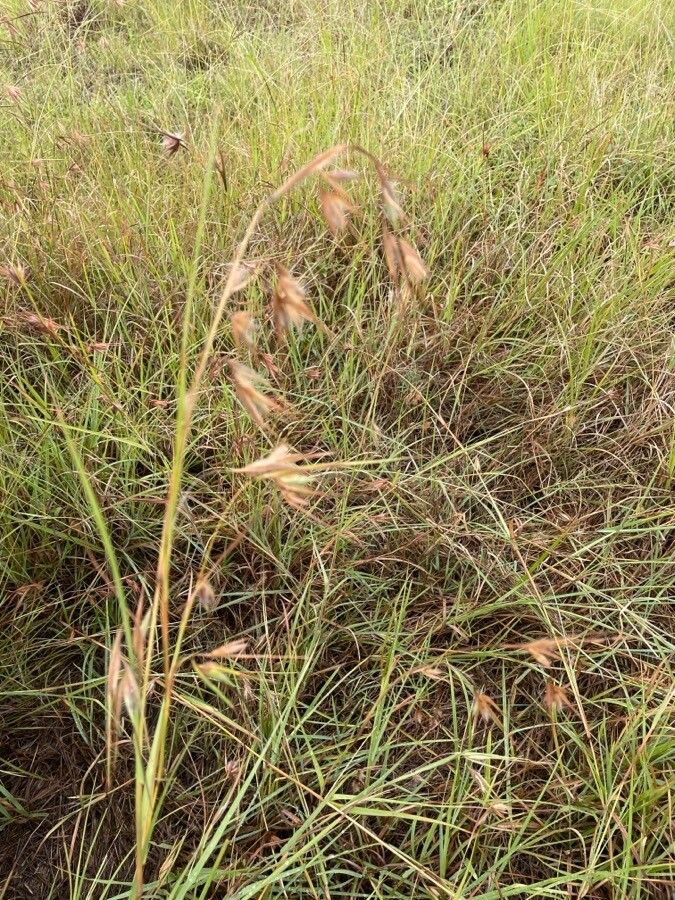
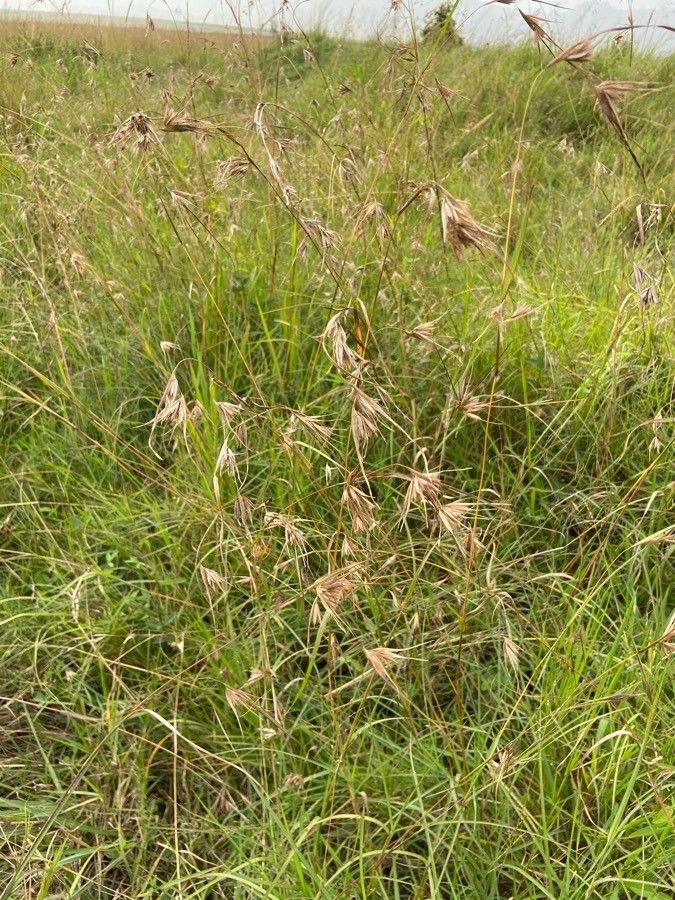
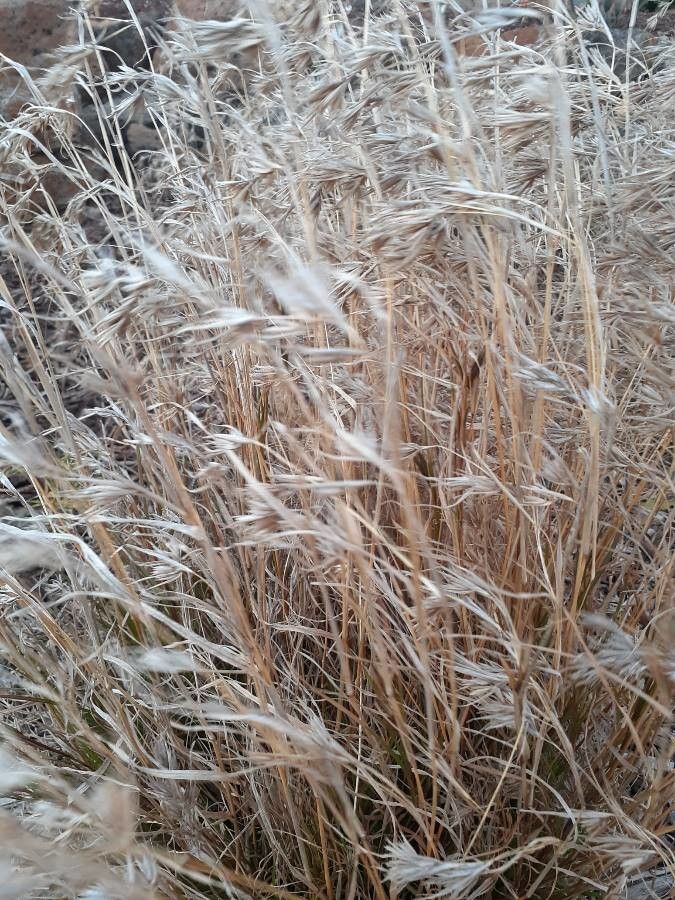
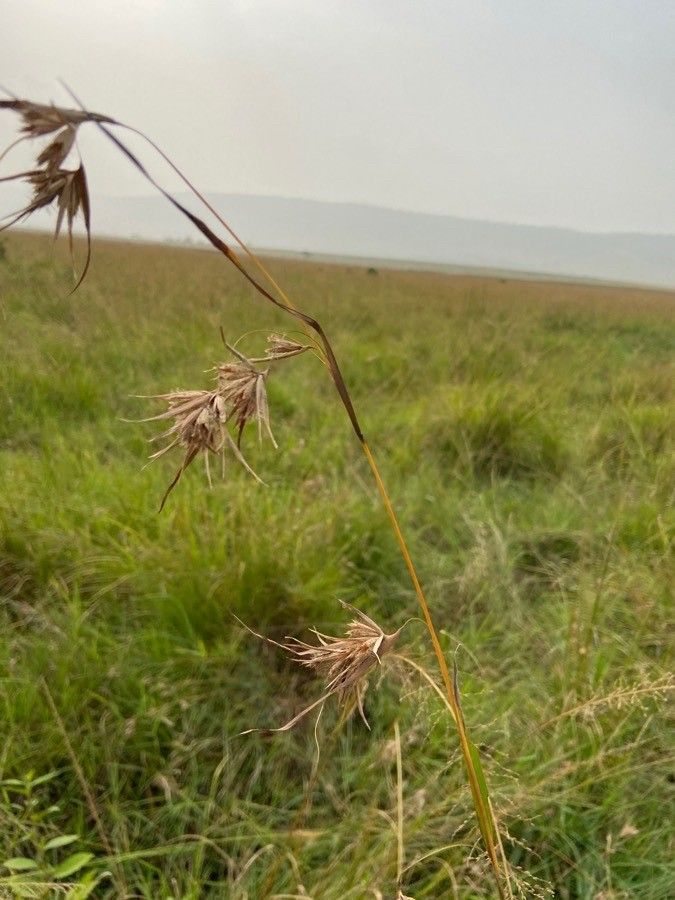
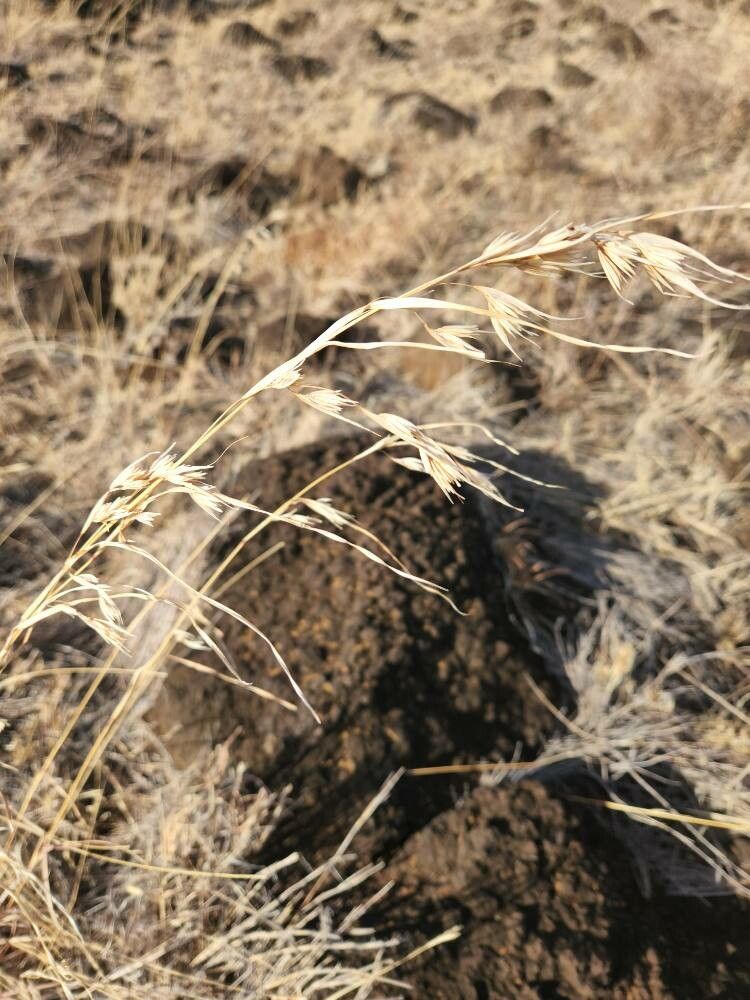
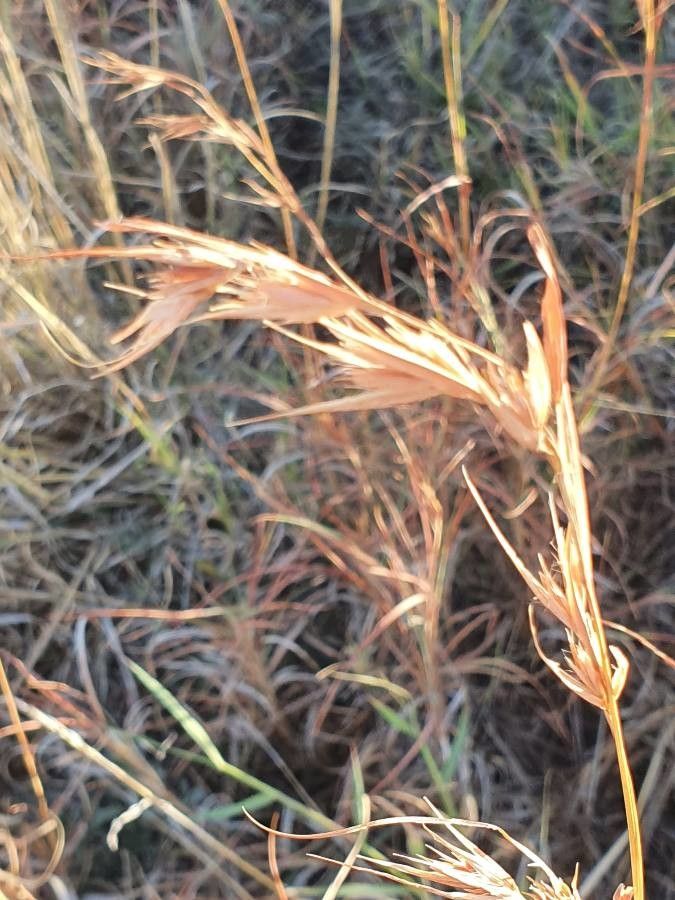
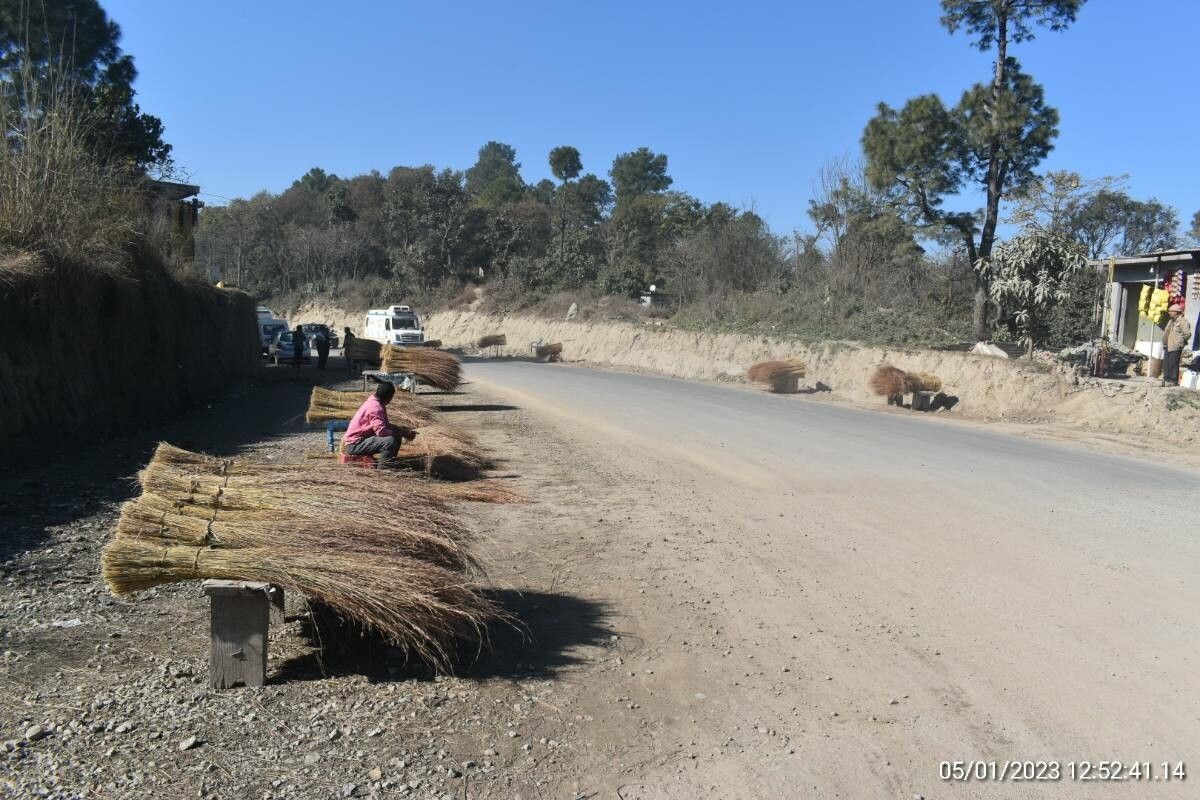
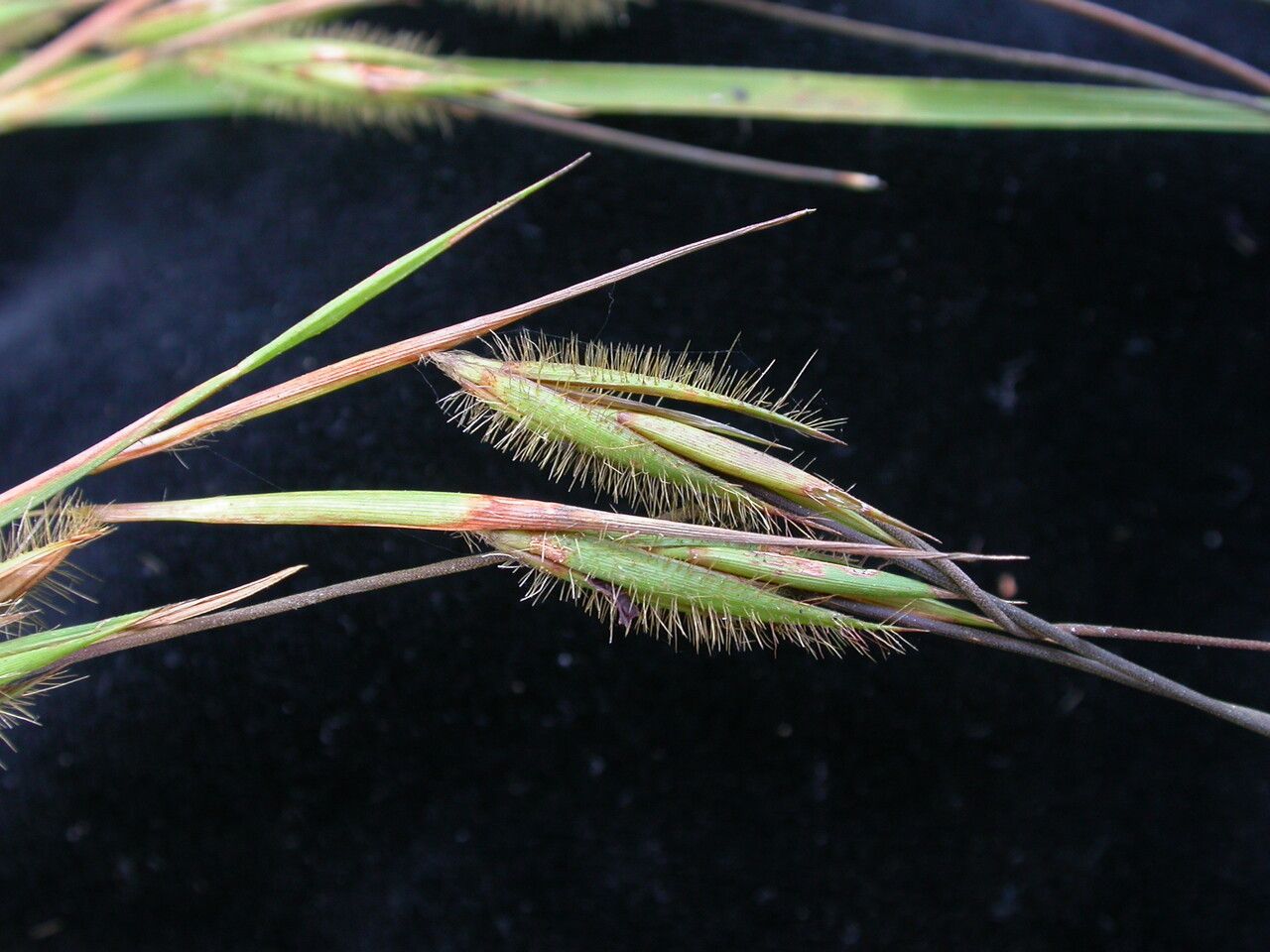
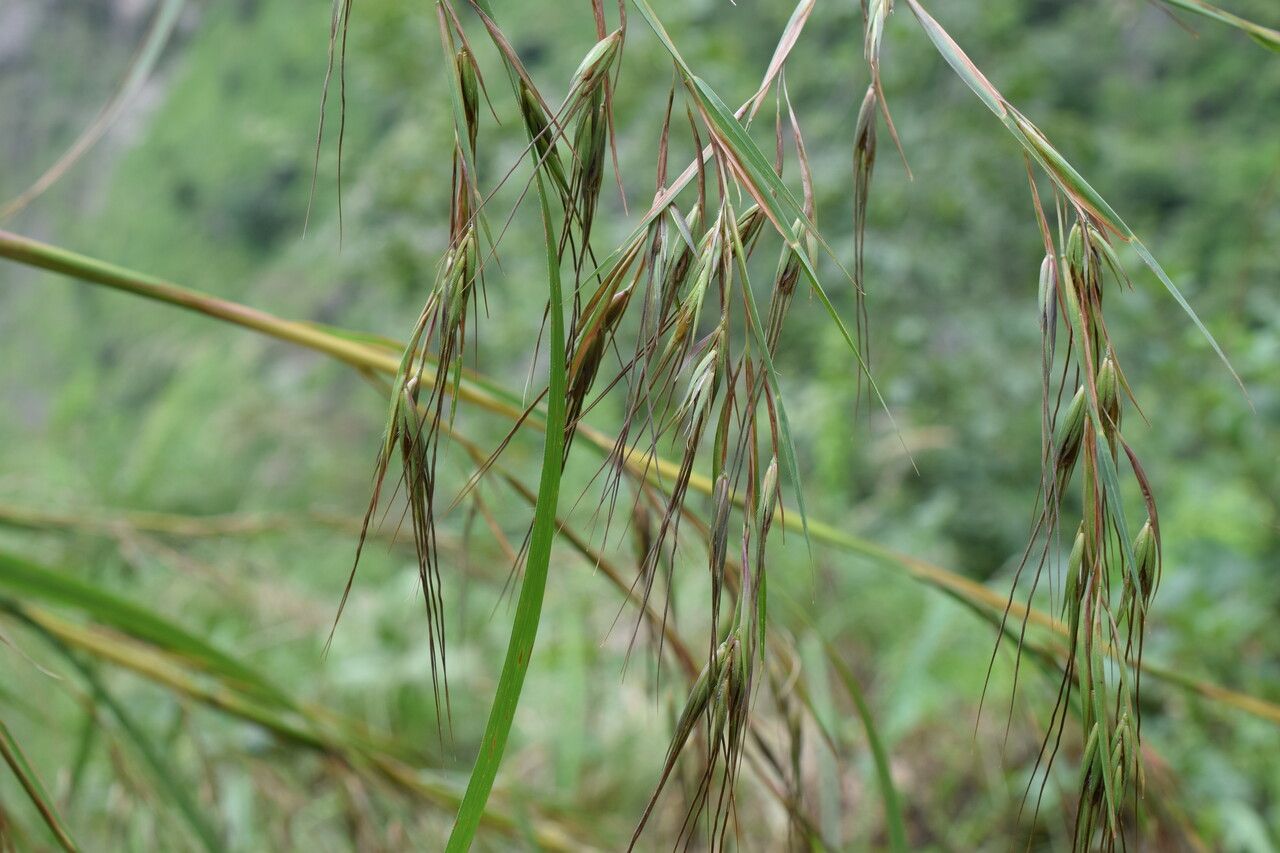
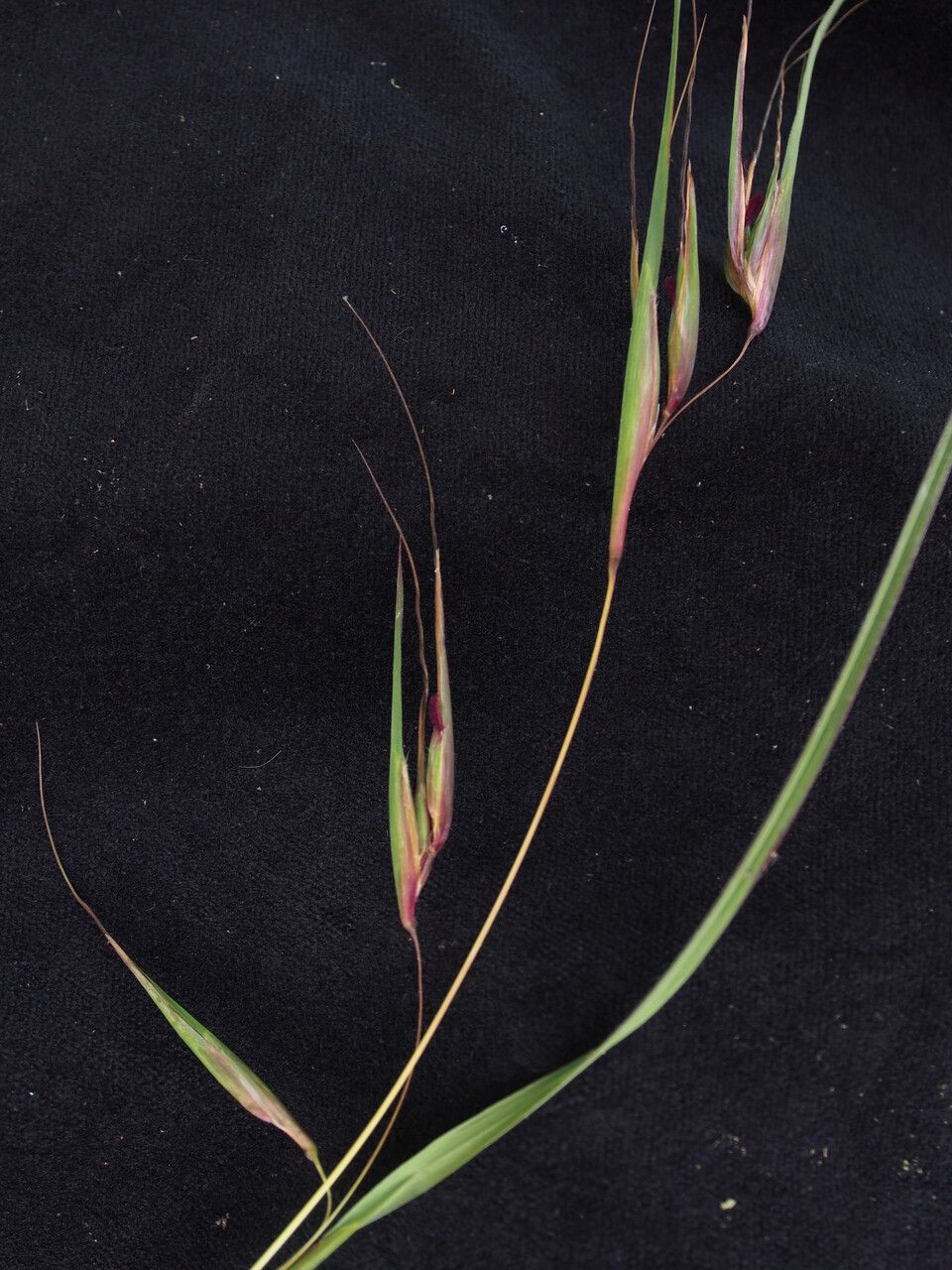
Themeda triandra, commonly known as kangaroo grass, is a perennial grass species native to Australia. This plant is highly valued for both its ecological and cultural significance. Kangaroo grass grows in clumps and can reach heights of up to 1.5 meters.
The plant features long, narrow leaves that are bluish-green and can extend up to 60 cm in length. It also produces attractive seed heads that are reddish-brown and resemble kangaroo paws.
Kangaroo grass plays a crucial role in the ecosystem, providing habitat for many native animals, including wallabies, kangaroos, birds, insects, and reptiles. Additionally, it helps prevent soil erosion by stabilizing the soil with its deep root system.
Beyond its ecological importance, Themeda triandra holds cultural significance for many Indigenous Australian communities. These communities use the plant as a food source, harvesting its seeds, and also utilize it medicinally for various ailments.
Overall, Themeda triandra is an essential species in Australian flora, contributing both ecologically and culturally. Its significance makes it a valuable part of Australia's natural heritage.
Anglegrass resists disease well and is typically not susceptible to illnesses. In terms of maintenance, this plant is fairly low-kept. When grown outdoors it needs only minimal watering, and larger specimens usually do not require pruning. Smaller plants, however, should be pruned after they finish blooming. Anglegrass is suitable for anyone with outdoor space, such as a garden or a deck, and does not demand extensive care experience.
How to keep Themeda Triandra.
Light
Anglegrass mainly thrives in unobstructed full sun, receiving light for most of the day. It can tolerate partial shade, though that may reduce its growth and vigor. Its original habitat consists of areas that receive abundant sunlight. However, both excessive and insufficient light exposure can negatively affect the plant's condition.
Water
Anglegrass flourishes in native grasslands and can adapt to different moisture levels. To maintain its health, it needs to be watered weekly, as it does best in conditions that are neither overly wet nor too dry. Natural rainwater helps support its growth and increases its resilience to environmental stressors.
Temperature
Anglegrass naturally occurs in habitats with temperatures that range from 50 to 95 °F (10 to 35 ℃). It performs best under these conditions and may need adjustments during seasonal extremes. A warmer winter environment is preferable for its growth.
Fertilizer
Anglegrass needs extra nutrients to encourage healthy new growth. In spring, putting compost around the base of the plant will effectively supply the nutrition it requires. Fertilizing helps sustain vigorous growth and aids the plant in resisting diseases and pests.
Pruning
To ensure that anglegrass thrives, it is important to prune it in early spring. This involves trimming away old foliage and removing dead stems, which helps improve air circulation and maintain the plant's health. Be sure to use clean tools to prevent the spread of disease. With regular maintenance, anglegrass will experience vigorous growth and maintain an attractive appearance throughout the growing season.
Botanical profile.
- Plant Type
- Grass
- Life Cycle
- Perennial
- Genus
- Themeda
- Family
- Poaceae
- Hardiness Zone
- 6-10
- Mature Height
- 20 cm to 49 cm
- Mature Spread
- 40 cm to 61 cm
- Leaf Color
- Green, Blue, Gray
- Leaf Type
- Evergreen
- Flower Color
- Green, Brown, Yellow, Purple, Red
- Flower Size
- 2.54 cm
- Bloom Time
- Summer
- Planting Time
- Summer, Autumn
- Harvest Time
- Late summer, Early fall, Mid fall
- Native Area
- Sri Lanka, Djibouti, Somalia, Lesotho, Turkey, Malaysia, India, Egypt, Burkina Faso, Angola, Namibia, Madagascar, Rwanda, Pakistan, Eritrea, Nigeria, Morocco, Yemen, Kenya, Uganda, Tanzania, Zimbabwe, Mali, Iraq, Indonesia, Cameroon, Burundi, Mozambique, Koppen, Ghana, Ethiopia, South Korea, Botswana, Central African Republic, Nepal, Saudi Arabia, Malawi, Tunisia, South Africa, Zambia, Sudan, Philippines, Laos, Bangladesh, Guinea, Chad, China, Vietnam, Myanmar, Japan, Senegal, Eswatini, Côte d'Ivoire, Algeria, Congo (DRC), Thailand
Other names.
Reader questions.
What should I do if I give my Anglegrass too much or too little water?
Proper watering is essential for this beautiful ornamental grass to thrive. When planted in the ground, watering issues can be resolved. However, in a container, an imbalance of water can quickly lead to the death of Anglegrass. Insufficient watering can cause Anglegrass to cease growth and display drooping leaves, weak seed head production, and browned leaves. On the other hand, overwatering can result in yellow leaves with brown tips. If you suspect incorrect watering, the first step is to determine if there is too much or too little water. If there is an excess of water, immediately stop watering and patiently wait for heavy soils to dry out. Once new growth appears, test the soil moisture and decide if additional watering is necessary. Conversely, if there is not enough water, simply provide a deep drink to see if the grasses perk up. Remember, it is better to give a long, deep watering rather than frequent shallow watering. Deep watering promotes the growth of deep roots, making the grasses more resistant to drought and water-related problems.
What are the sunlight requirements for Anglegrass?
Anglegrass thrives best under full sun conditions, requiring above 6 hours of sunlight a day to flourish. It can also tolerate partial sun, which means about 3-6 hours of sunlight, but this might affect its growth and vitality. The plant’s native habitat is areas that receive a lot of sunlight. However, it's important to note that both excessive and insufficient sun exposure can harm the plant's health. Observing how sunlight moves through your garden can help in picking the perfect spot that ensures a proper balance of light and shade, promoting the plant's well-being.
What is the ideal temperature range for Anglegrass?
Anglegrass thrives in environments where temperatures fluctuate between 50 to 95 °F (10 to 35 °C). It grows best under these conditions, which mean that it can endure a reasonable range of temperatures. During winter, keeping the environment warmer is beneficial for its growth. Despite its strong cold resistance, care should be taken when temperatures are expected to fall below -25°C, including providing cold protection.
How often do I need to water my Anglegrass plant?
The watering requirements for Anglegrass vary depending on its planting location. In general, watering once a week is recommended. However, in hot climates, watering once or twice a week during the summer may be necessary. In moderate climates, watering once every seven days or longer may suffice. It's important to note that grass in containers typically requires more frequent watering than grass planted in the ground. Additionally, the amount of sunlight the grass receives affects its watering needs. Shaded grass requires less frequent watering compared to grass planted in the ground. To determine when to water, you can check the soil's dryness by pressing your finger a couple of inches into the soil. For potted grass, weighing the container or assessing its lightness can indicate if it needs water. When Anglegrass lacks sufficient water, its blades may appear folded and thinner than usual. Although Anglegrass is drought-tolerant, regular and deep watering will result in beautiful color. Despite its adaptability to dry conditions, this grass still requires care and attention. Therefore, consistent watering is recommended. When newly planted, Anglegrass needs more frequent watering until it establishes deep roots. For potted Anglegrass, the soil tends to dry out quickly, especially when exposed to hot, direct sunlight. It is advisable to check the soil every 3 to 4 days and only water when it feels dry. Anglegrass planted in the ground generally requires less watering, but this depends on the soil type. Clay soil retains moisture for longer periods, so the surface may feel dry while still containing enough moisture below. Sandy soils, on the other hand, drain faster and may require more frequent watering.
How essential is lighting for the growth of indoor Anglegrass plants?
For indoor Anglegrass plants, adequate lighting is critical for optimal growth, especially when natural sunlight is scarce, such as during winter or in less sunny spaces. Artificial lighting, like LED lights, can be an excellent substitute, providing the specific wavelengths of light the plants need. Depending on their sunlight requirement - full sun, partial sun, or full shade - indoor plants need varying intensities of artificial light ranging from 10-50W/sq ft. The proper distance (12-36 inches above the plant) and duration (8-12 hours per day) of exposure to this light can mimic natural sunlight conditions, fostering healthier, faster growth.
How can Anglegrass be protected against frost?
To protect Anglegrass against frost, especially if winter temperatures are anticipated to drop below -25°C, it is advisable to cover the plant with insulating materials such as soil or straw. Additionally, watering the plant abundantly before the first freeze of autumn helps by ensuring the soil around it remains moist and enters a frozen state. This strategy aids in preventing drought and water scarcity for Anglegrass during the colder months and early spring.
What do I need to be careful with when I water my Anglegrass in different seasons, climates, or during different stages of growth?
To determine if you are watering your grass enough, pay attention to how quickly it grows. Anglegrass, for example, can double in size within a year during the hottest months. If the weather is hot but the grass isn't growing vigorously, you may need to adjust your watering schedule. In winter, you can probably water just once a month, but still check the soil for moisture. During the warmest months, when the grass is actively growing, it will need more water than usual. However, during winter and cooler months, the water requirements will be significantly reduced. The key takeaway is that the soil where Anglegrass is planted should always be allowed to dry out completely before watering again.
What are the symptoms of inadequate lighting for Anglegrass?
Anglegrass shows several symptoms when experiencing inadequate lighting, include smaller new leaves compared to older ones, leggy or sparse growth due to longer spaces between leaves or stems, faster leaf drop as the plant tries to conserve resources, and slowed or completely halted growth as the plant enters a survival mode. Moreover, insufficient sunlight can lead to lighter-colored new leaves, indicating a lack of chlorophyll, and severe cases might show signs of chlorosis (leaves turning yellow), sunscald (damage from intense sunlight), leaf curling (to reduce sunlight exposure), wilting (due to increased water loss), and leaf scorching (brown, crispy leaf edges from excessive sunlight).
What should be done if Anglegrass experiences temperatures below -25°C?
If Anglegrass experiences temperatures below -25°C, there might not be noticeable changes during the winter. However, there could be a decrease in sprouting or even no sprouting at all come springtime. The recommended solution in spring is to remove any parts of the plant that have failed to sprout, facilitating healthier regrowth.
What solutions exist for Anglegrass suffering from poor lighting conditions?
Solutions for Anglegrass struggling with inadequate sunlight include gradually moving the plants to sunnier locations to receive at least 6 hours of direct sunlight daily. For indoor plants, this can mean placement near a south-facing window or using artificial light sources like desk or ceiling lamps for a minimum of 8 hours daily. Outdoor plants should be moved progressively to adapt without risking sunburn. If it's ground-planted and there's insufficient sunlight, options include pruning obstructive branches to let more light through or transplanting the plant during its dormant period to a sunnier spot with good drainage. Note that parts of the plant already affected may not recover, but new growth should be healthy after adjusting the light exposure.
How does high temperature affect Anglegrass, and what are the solutions?
During summer, it's important to ensure that the temperature around Anglegrass does not exceed 35°C. Exceeding this range, especially beyond 41°C, can cause the leaves to lighten in color, become prone to curling, susceptible to sunburn, and in severe cases, cause the entire plant to wilt and dry out. To mitigate these effects, trim away the sunburned and dried-up parts of the plant. Relocating the plant to a shaded area or using a shade cloth to protect it from midday and afternoon sun can also help. Keeping the soil moist by watering in the morning and evening is essential during these high temperatures.