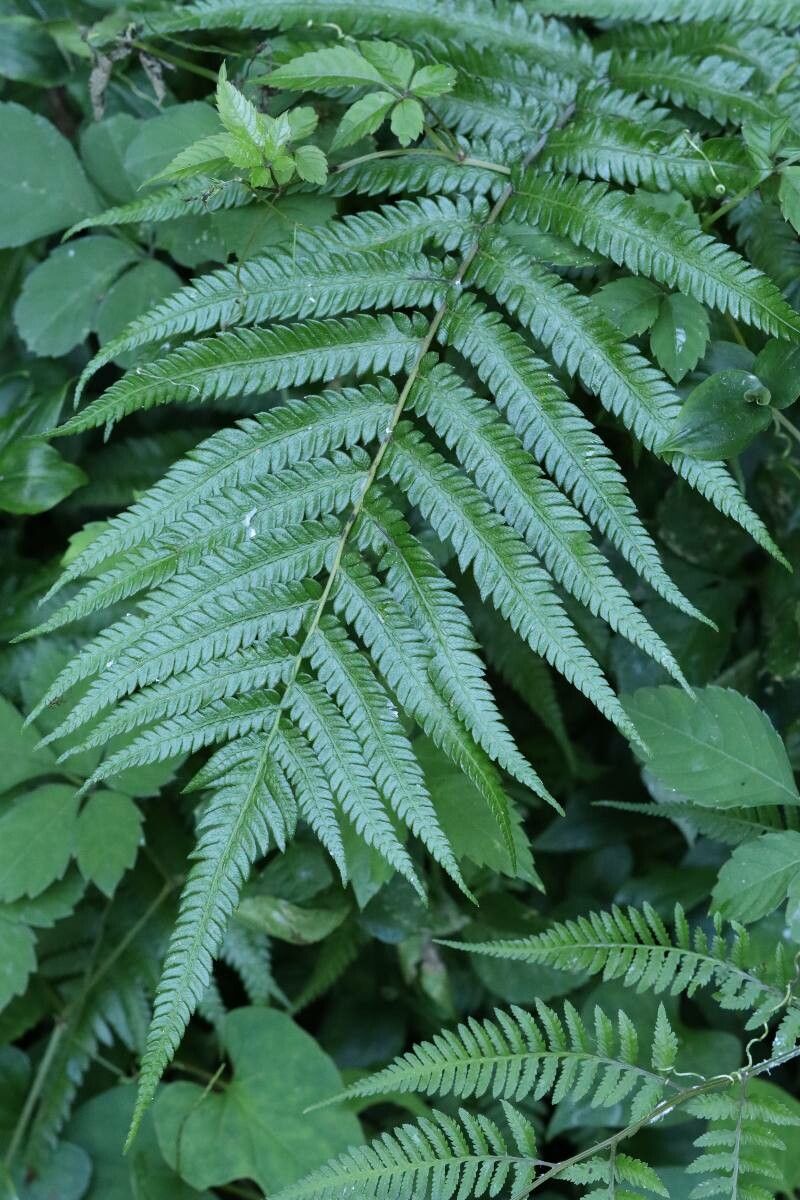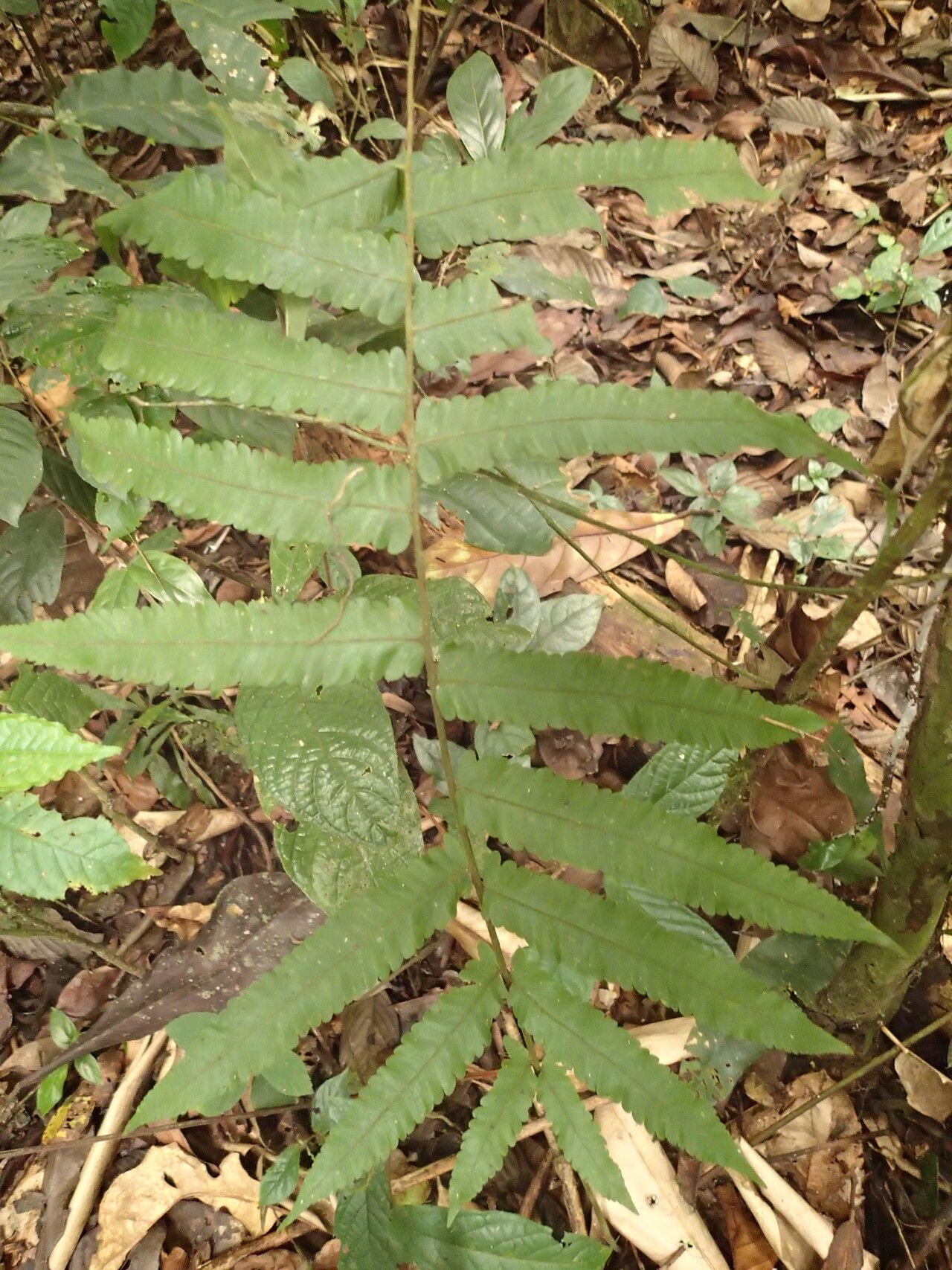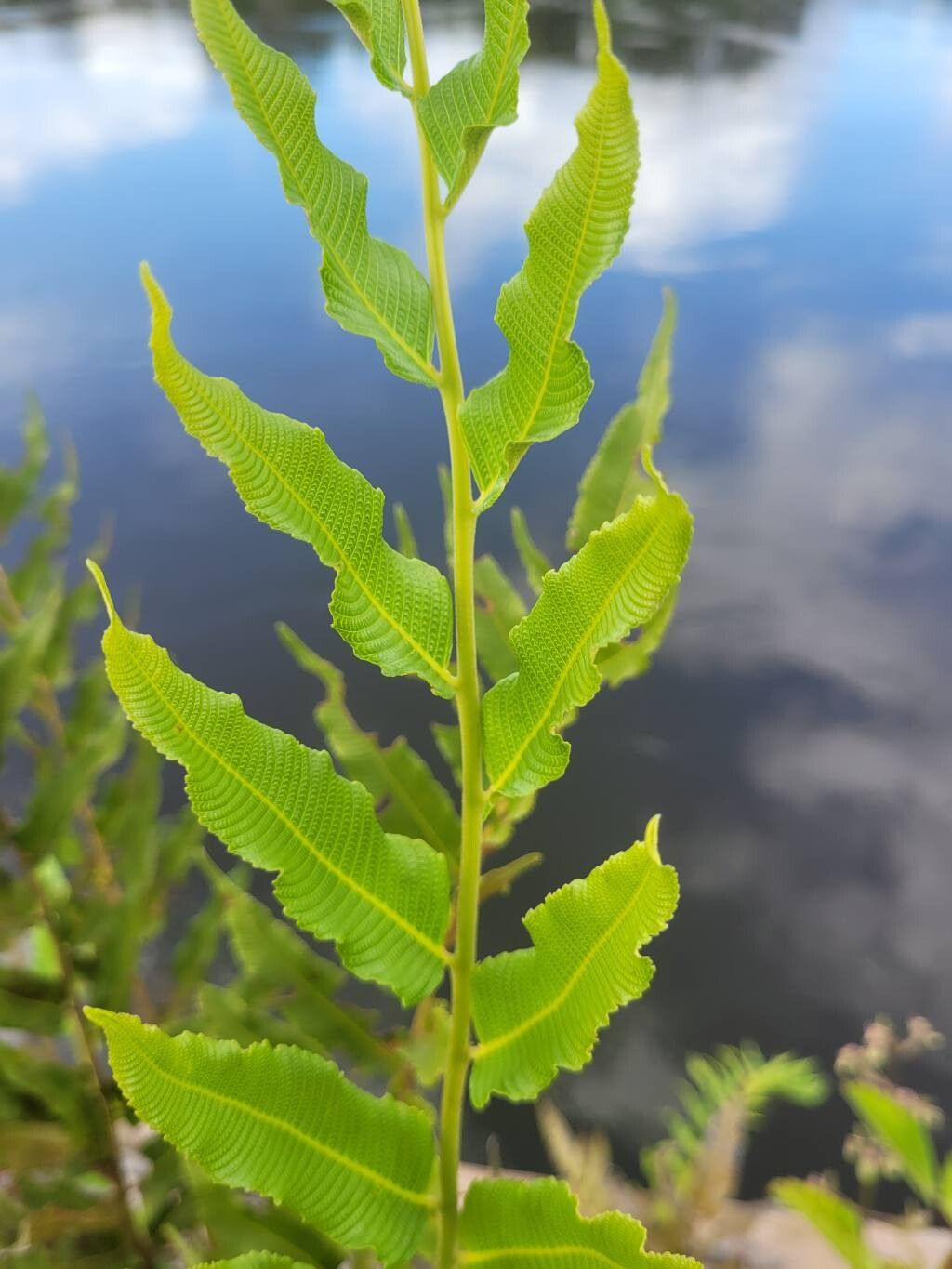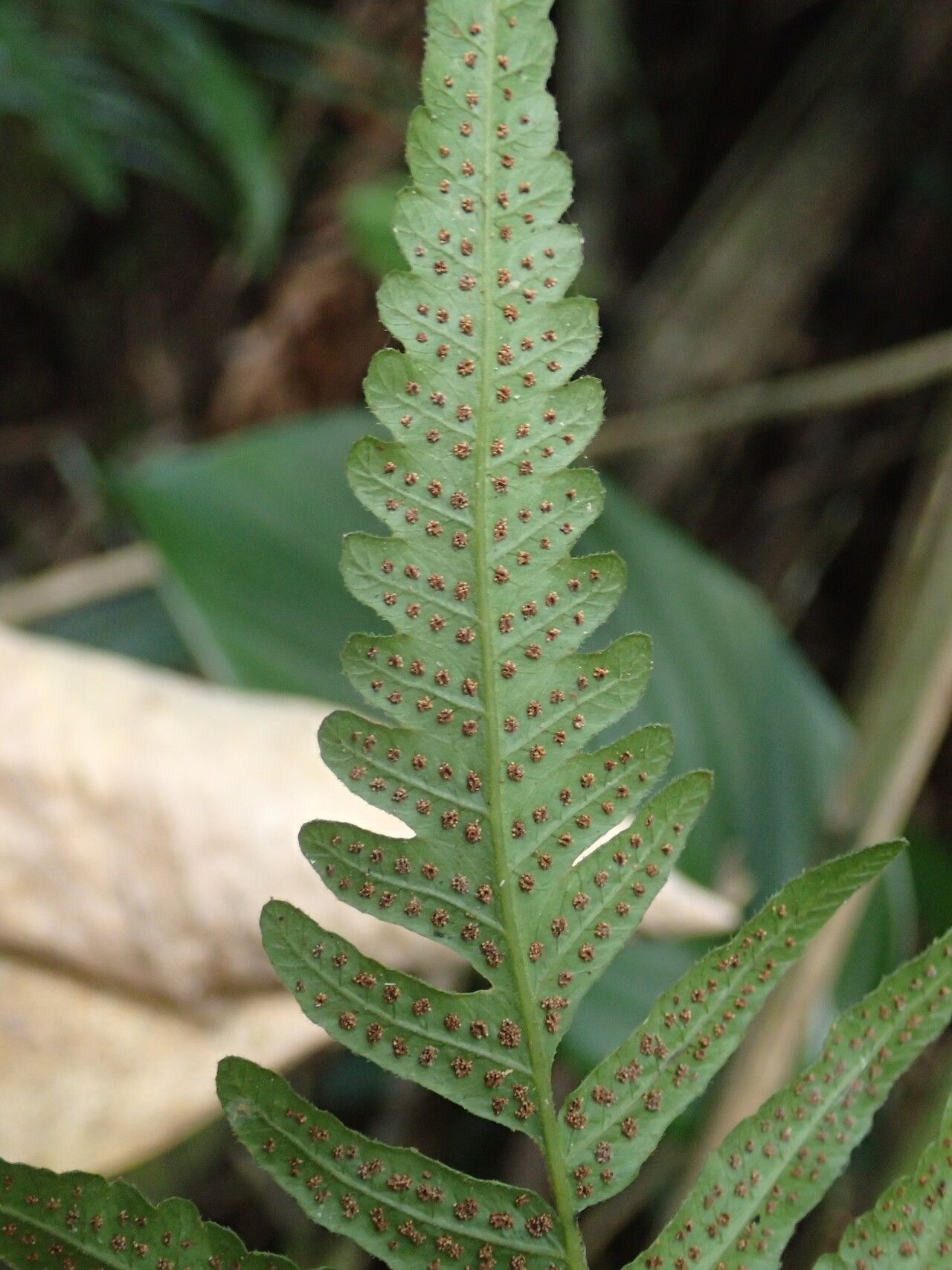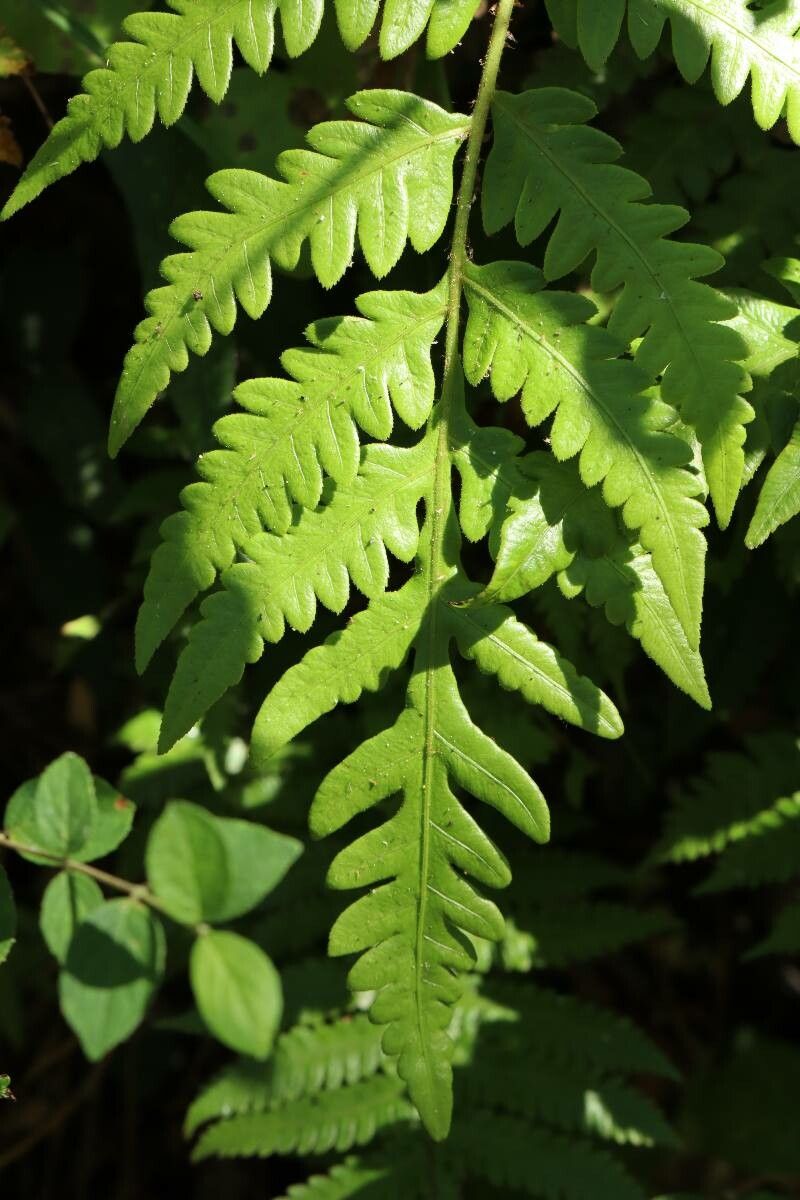
Long beechfern usually has strong disease resistance and faces relatively few insect pests. Its care is considered difficult because it needs a consistently moist environment and frequent watering. However, its roots are liable to rot if overwatered or if the surroundings are poorly ventilated. Long beechfern is appropriate for people with some growing experience, as most individuals can keep it alive for a period of time. Still, it may struggle to thrive and its leaves can dry out and become less healthy over time.
How to keep Thelypteris Phegopteris.
Light
Long beechfern grows best in places with limited direct sunlight. It tolerates spots where light is filtered through surrounding foliage. However, too much sun can stress the plant and hinder its growth. Its origins in forest understories explain its tolerance for partial sun.
Temperature
Long beechfern is native to temperate environments and grows best within a temperature range of 32 to 90°F (0 to 32°C). It can tolerate seasonal temperature variations, but significant fluctuations should be avoided for optimal growth.
Botanical profile.
- Plant Type
- Fern
- Life Cycle
- Perennial
- Genus
- Thelypteris
- Family
- Thelypteridaceae
- Hardiness Zone
- 2-8
- Mature Height
- 23 cm to 46 cm
- Mature Spread
- 91 cm
- Leaf Color
- Green
- Leaf Type
- Deciduous
- Planting Time
- Spring, Summer, Autumn
- Harvest Time
- Early summer, Mid summer
- Native Area
- Turkey, Sweden, India, Austria, Slovakia, Montenegro, Pakistan, Slovenia, Croatia, Belarus, Russia, Germany, Iceland, Estonia, Koppen, Romania, Latvia, South Korea, Belgium, Netherlands, Nepal, France, Czech Republic, Bulgaria, Armenia, Poland, Greece, Ukraine, Serbia, China, Lithuania, Norway, Italy, Kazakhstan, Spain, Switzerland, Denmark, Japan, Mongolia, Finland, Bhutan, Albania, Ireland, United Kingdom, Hungary, Azerbaijan