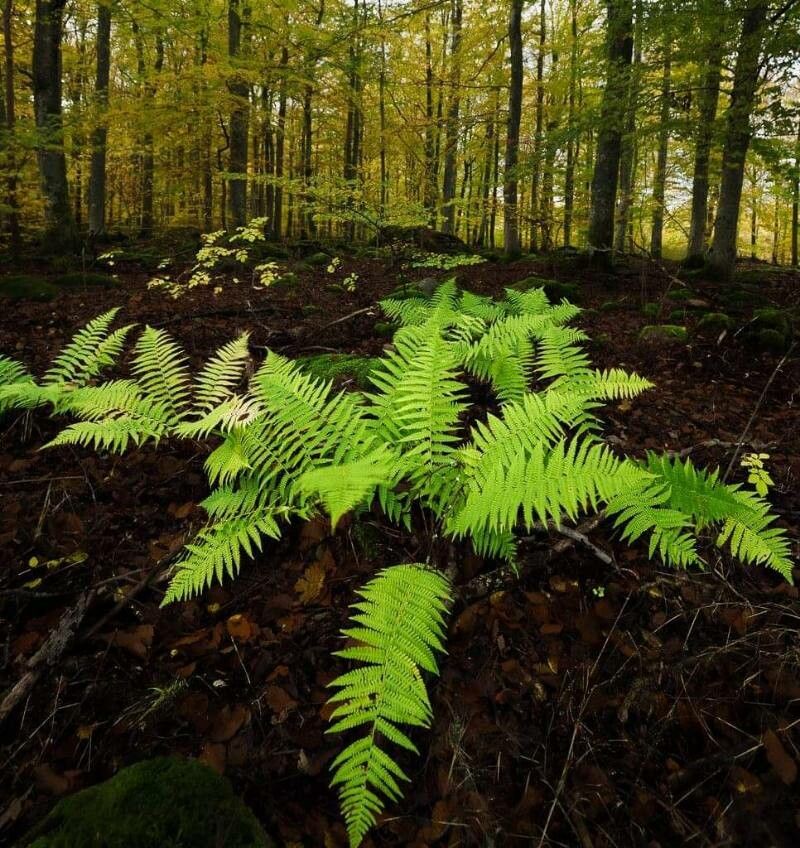
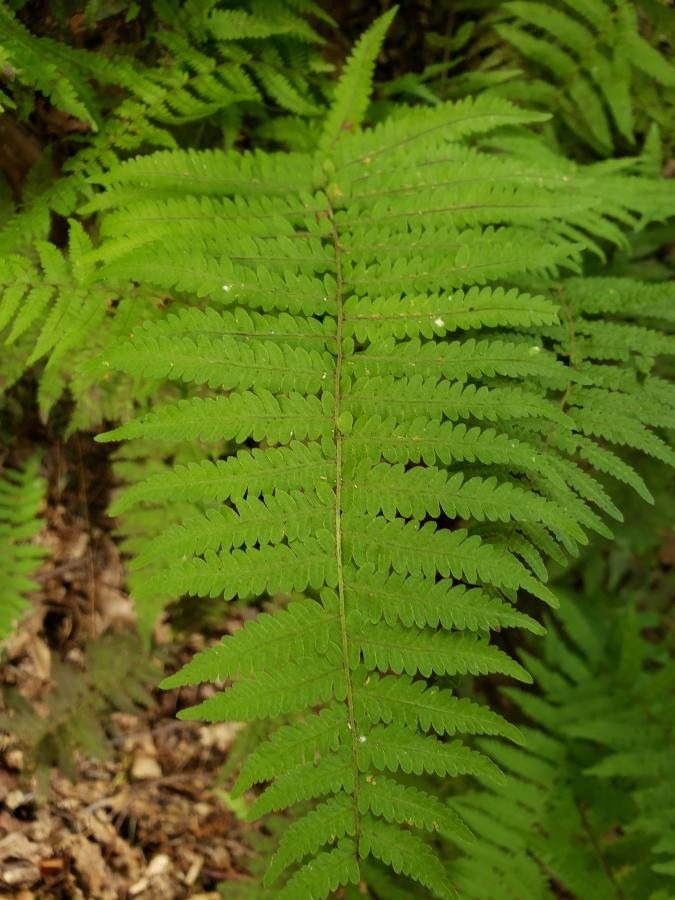
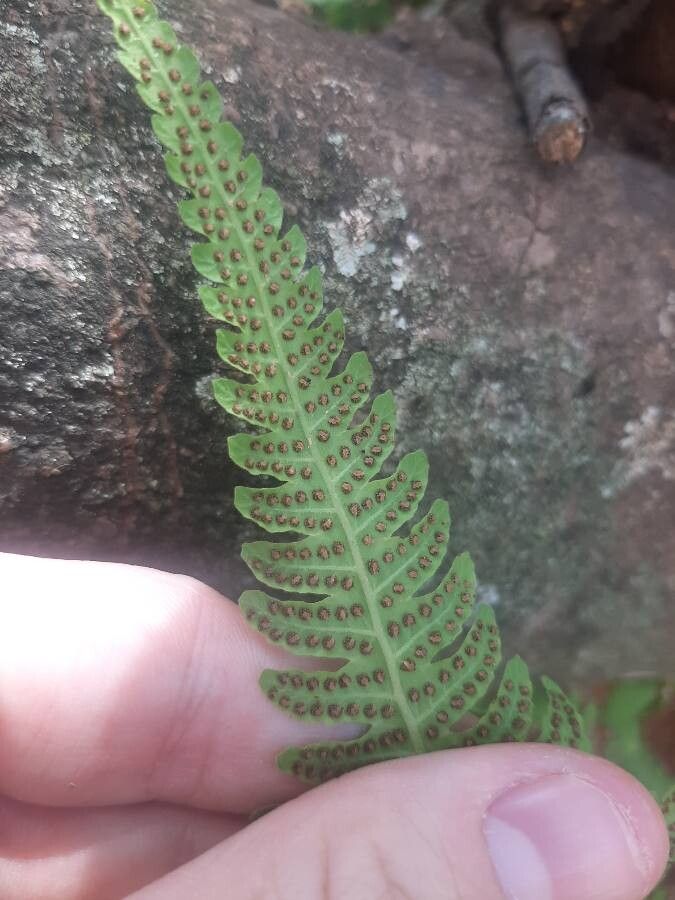
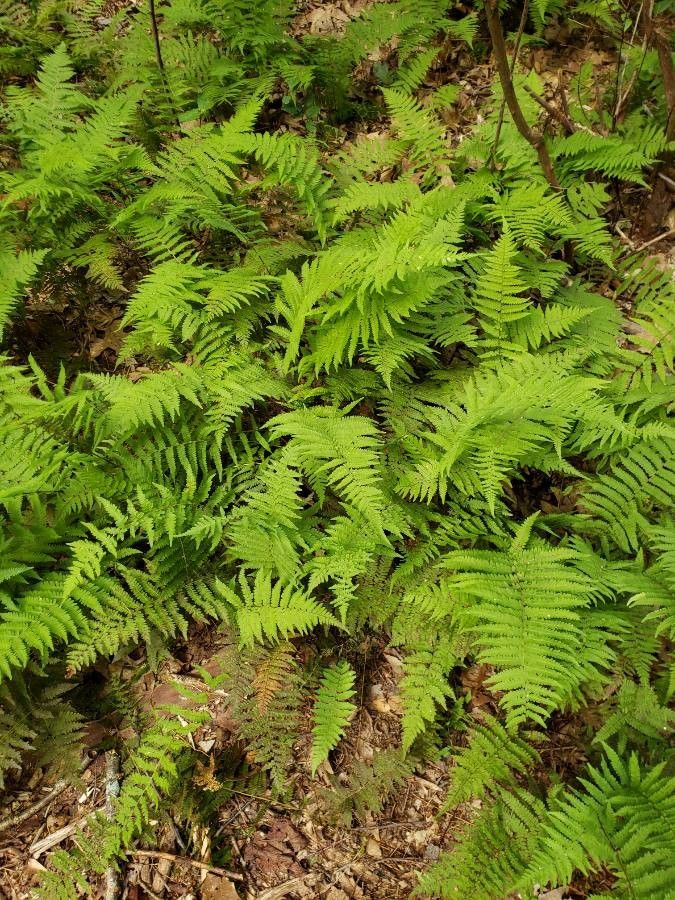
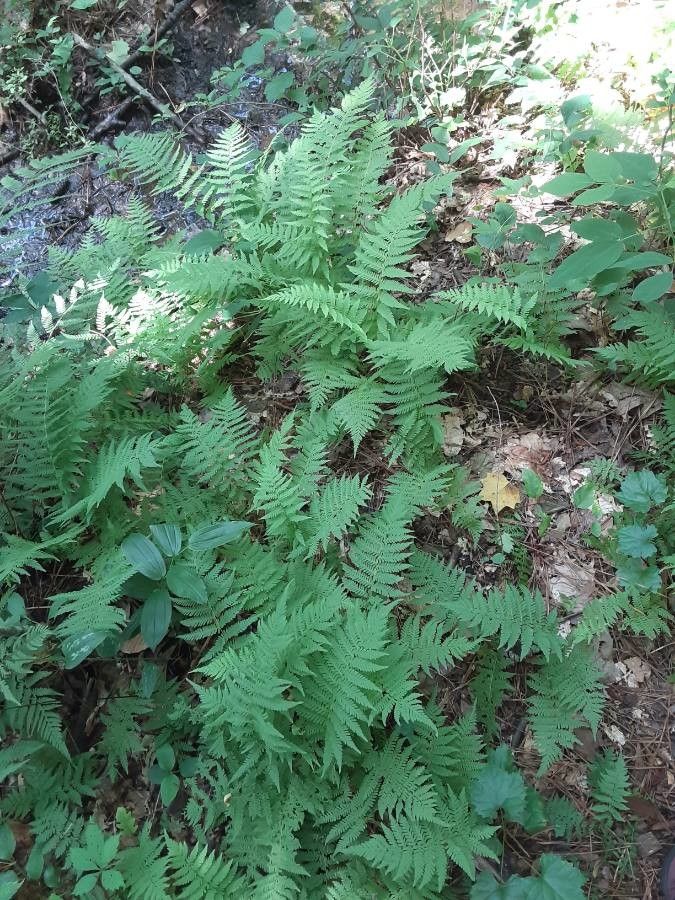
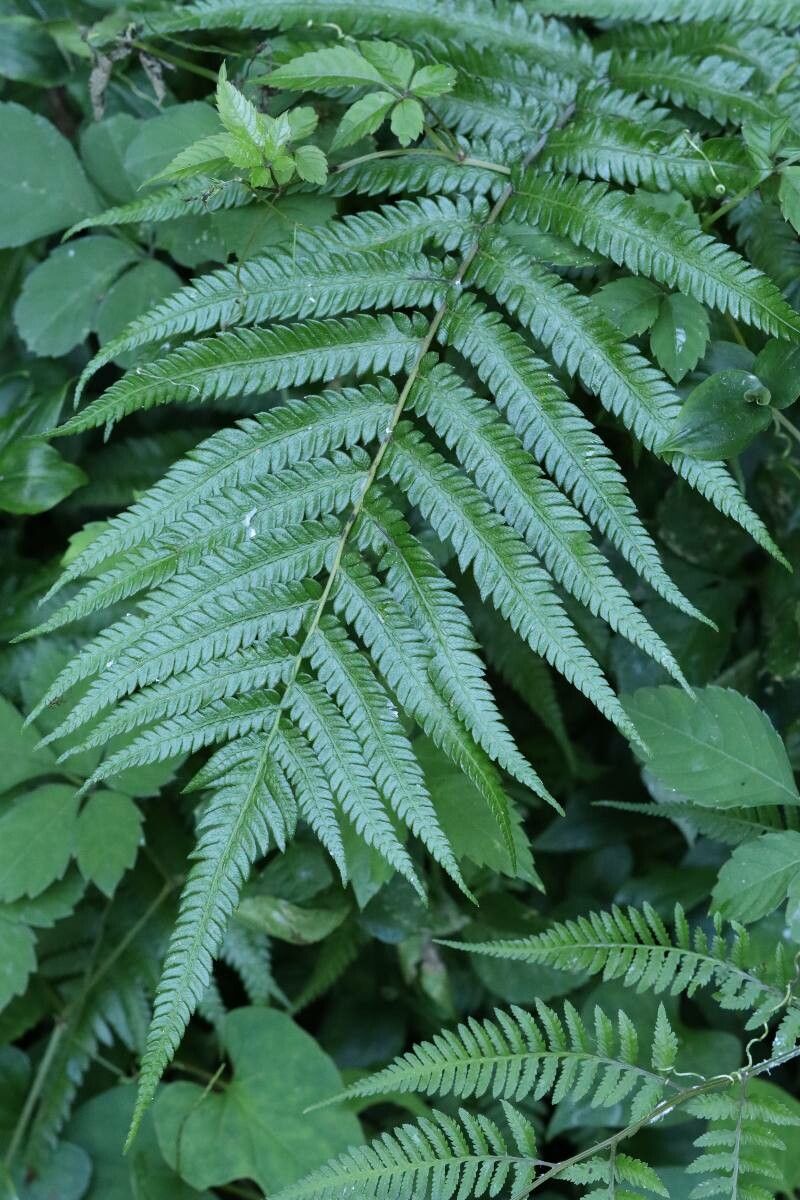
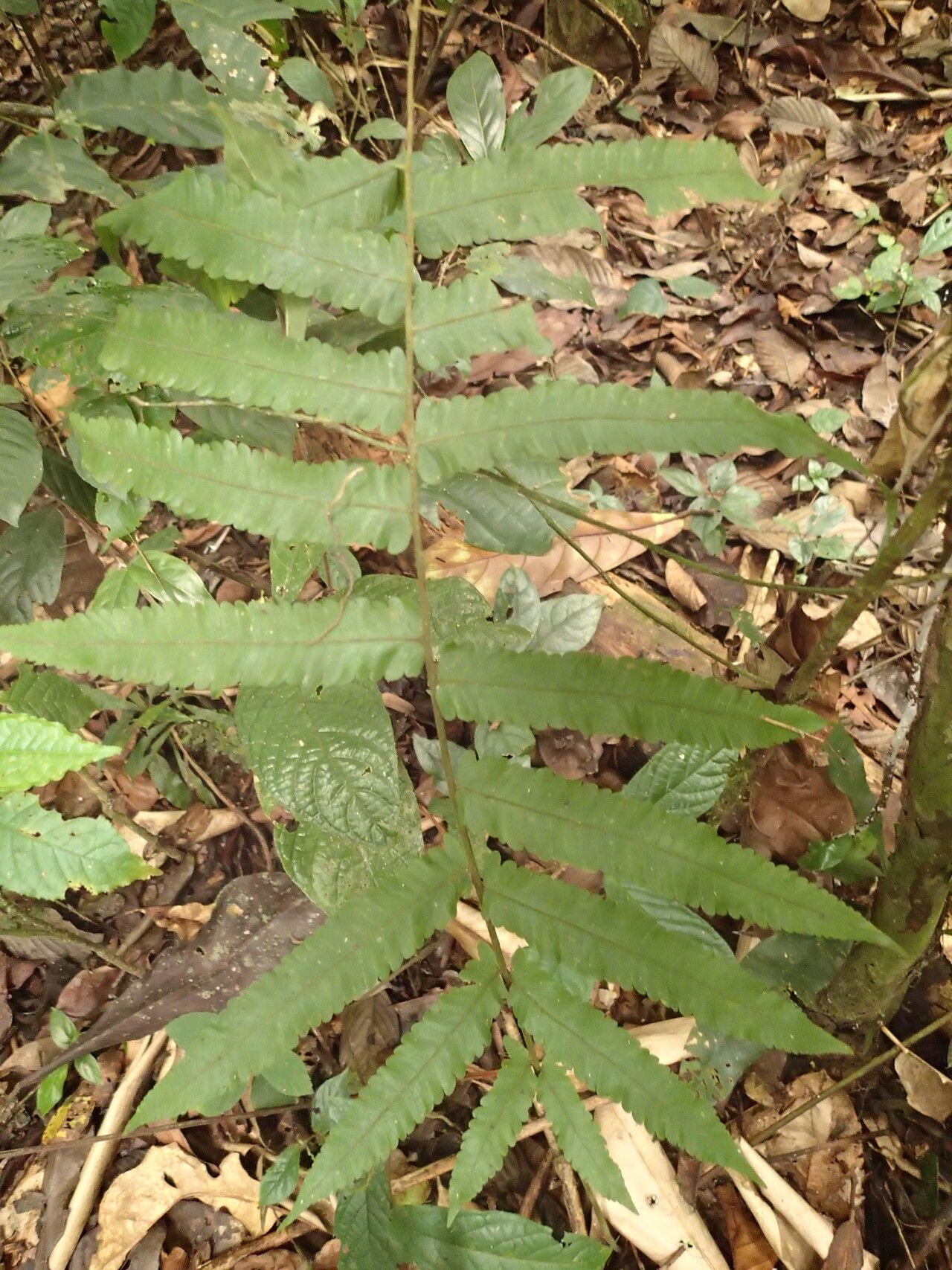
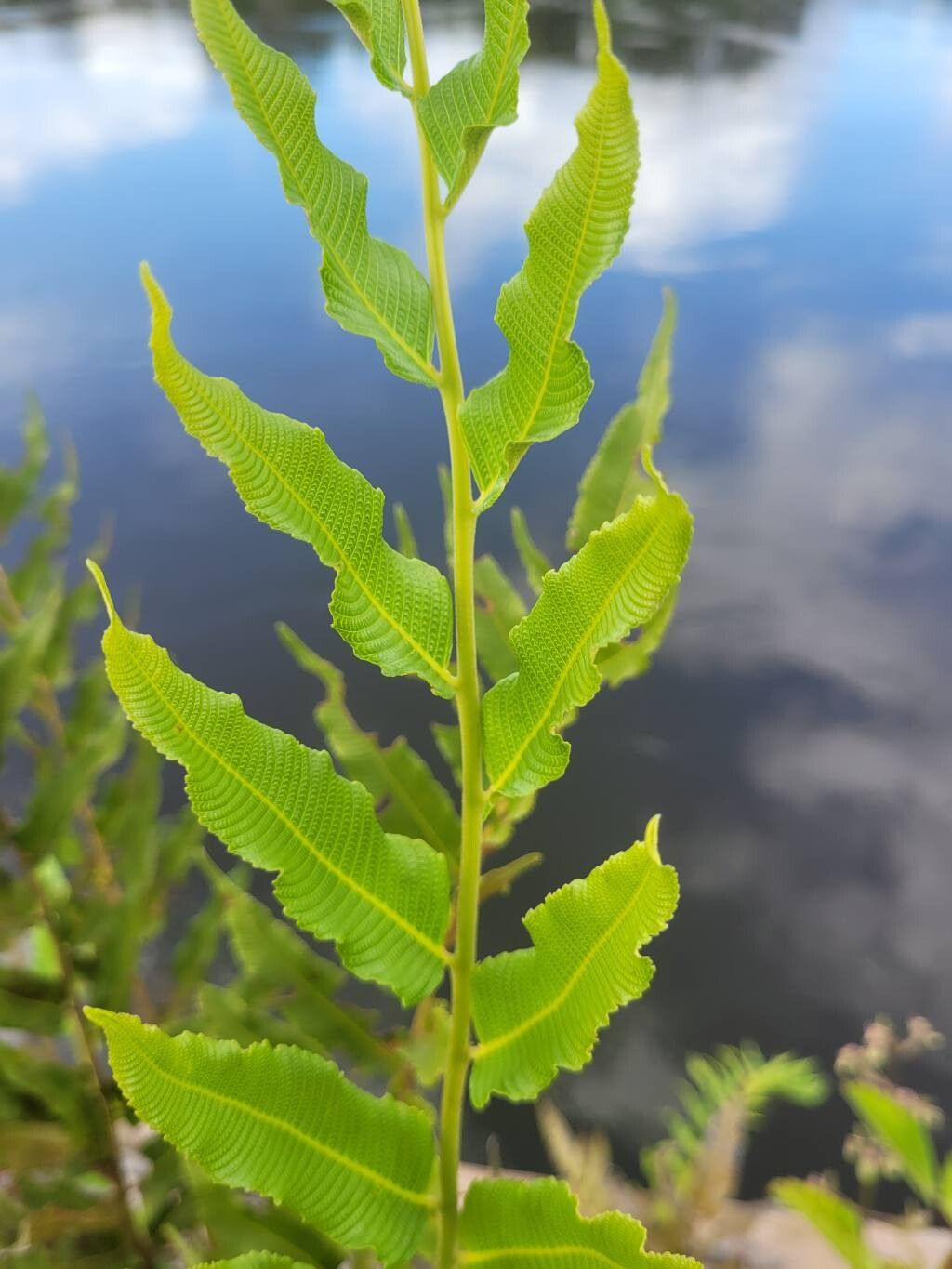
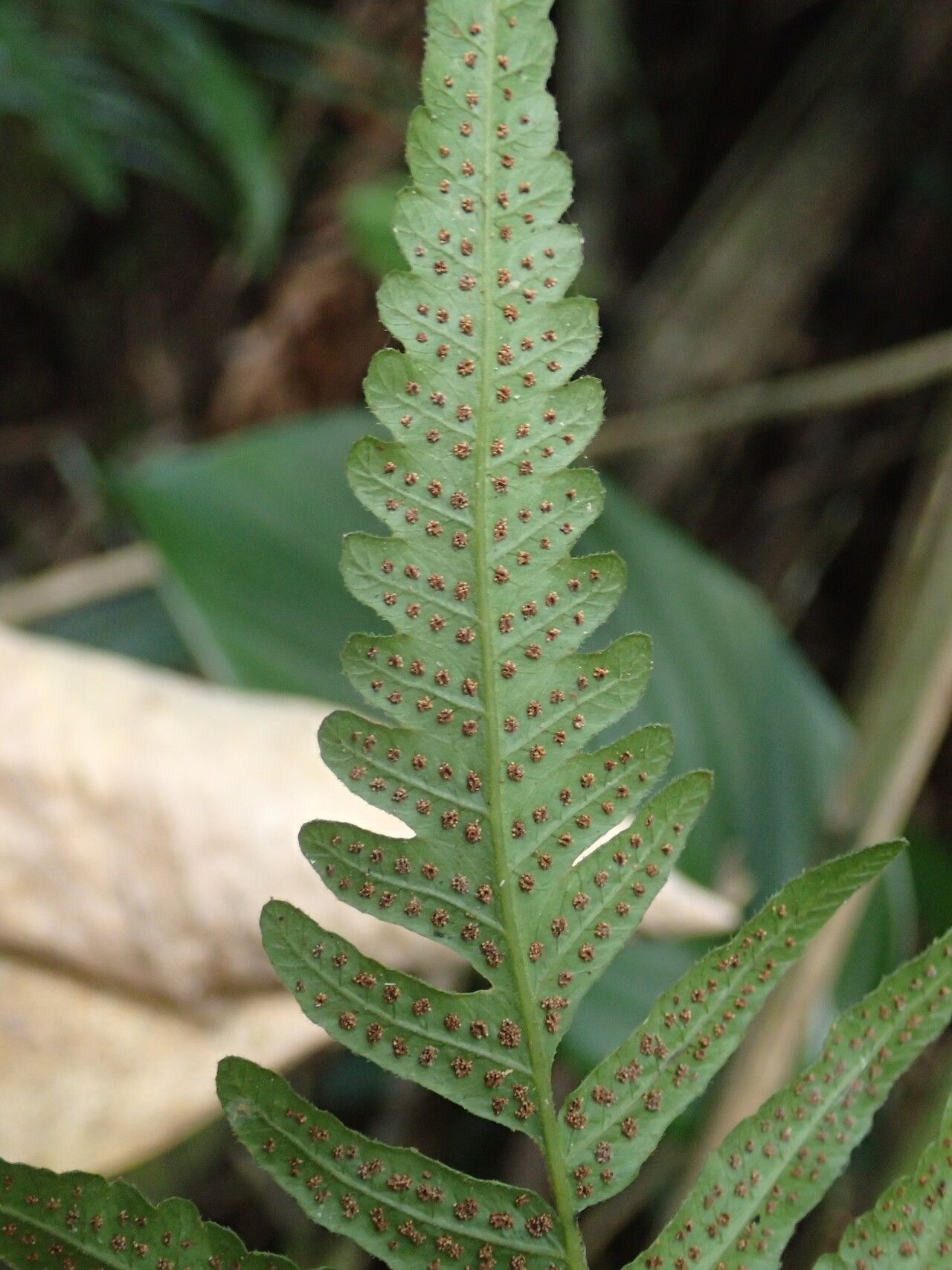
Amauropelta noveboracensis, the New York fern, is a perennial species of fern found throughout the eastern United States and Canada, from Louisiana to Newfoundland, but most concentrated within Appalachia and the Atlantic Northeast. New York ferns often forms spreading colonies within the forests they inhabit.
New york fern typically has good resistance to disease and is affected by relatively few insect pests. Its care is regarded as difficult, since it needs a moist environment and frequent watering. However, the roots are susceptible to rot if overwatered or if the surroundings are poorly ventilated. New york fern is appropriate for people with some growing experience, as most individuals can keep it alive for a period. Still, it may struggle to thrive and its leaves can dry out and become less healthy over time.
How to keep Thelypteris Noveboracensis.
Light
The New York fern prefers lower light levels and can even thrive in complete shade. Originating from habitats with dappled sunlight, this fern’s ornate fronds may wilt when exposed to strong sunlight. Conversely, inadequate light can slow its growth, yet it remains healthy in shaded conditions.
Temperature
The New York fern is native to habitats with temperatures ranging from 41 to 90 °F (5 to 32 ℃). This temperate plant thrives with fluctuating seasonal temperatures and generally requires no seasonal adjustments, except under notably extreme conditions.
Botanical profile.
- Plant Type
- Fern
- Life Cycle
- Perennial
- Genus
- Thelypteris
- Family
- Aspleniaceae
- Hardiness Zone
- 4-8
- Mature Height
- 30 cm to 61 cm
- Mature Spread
- 30 cm to 61 cm
- Leaf Color
- Green
- Leaf Type
- Deciduous
- Planting Time
- Spring, Summer
Other names.