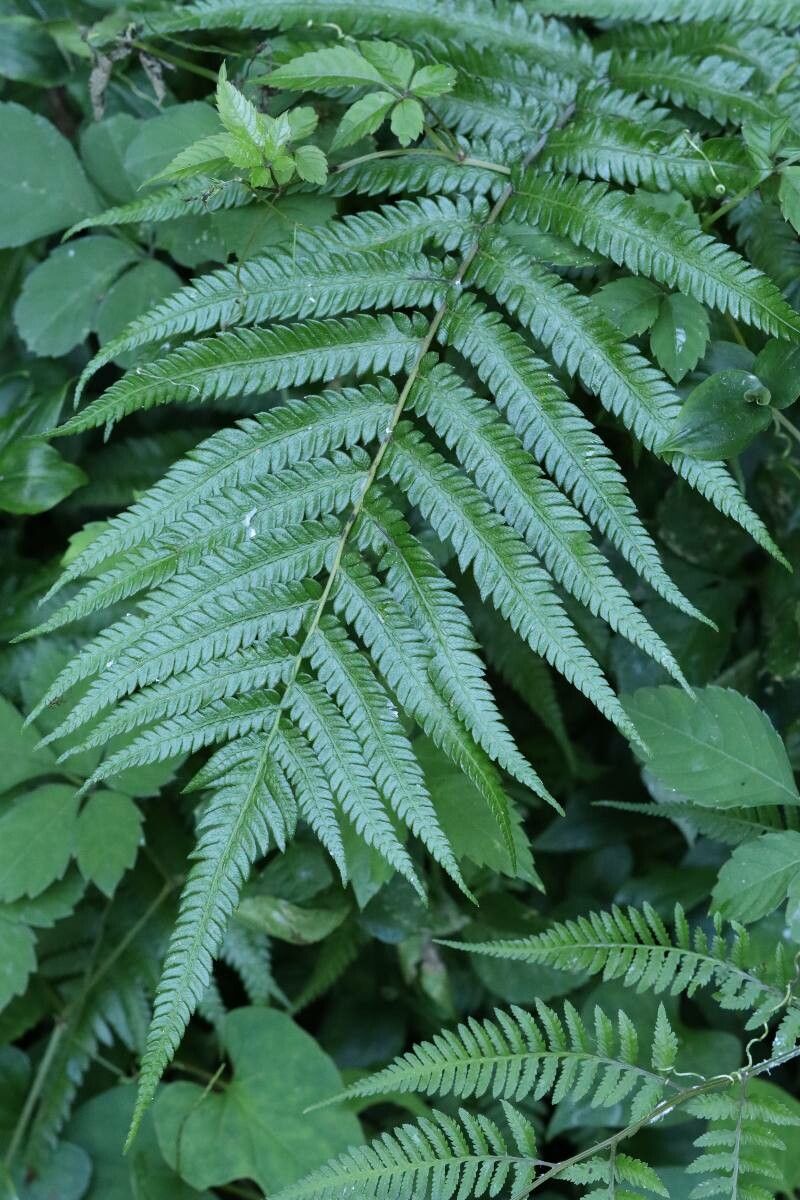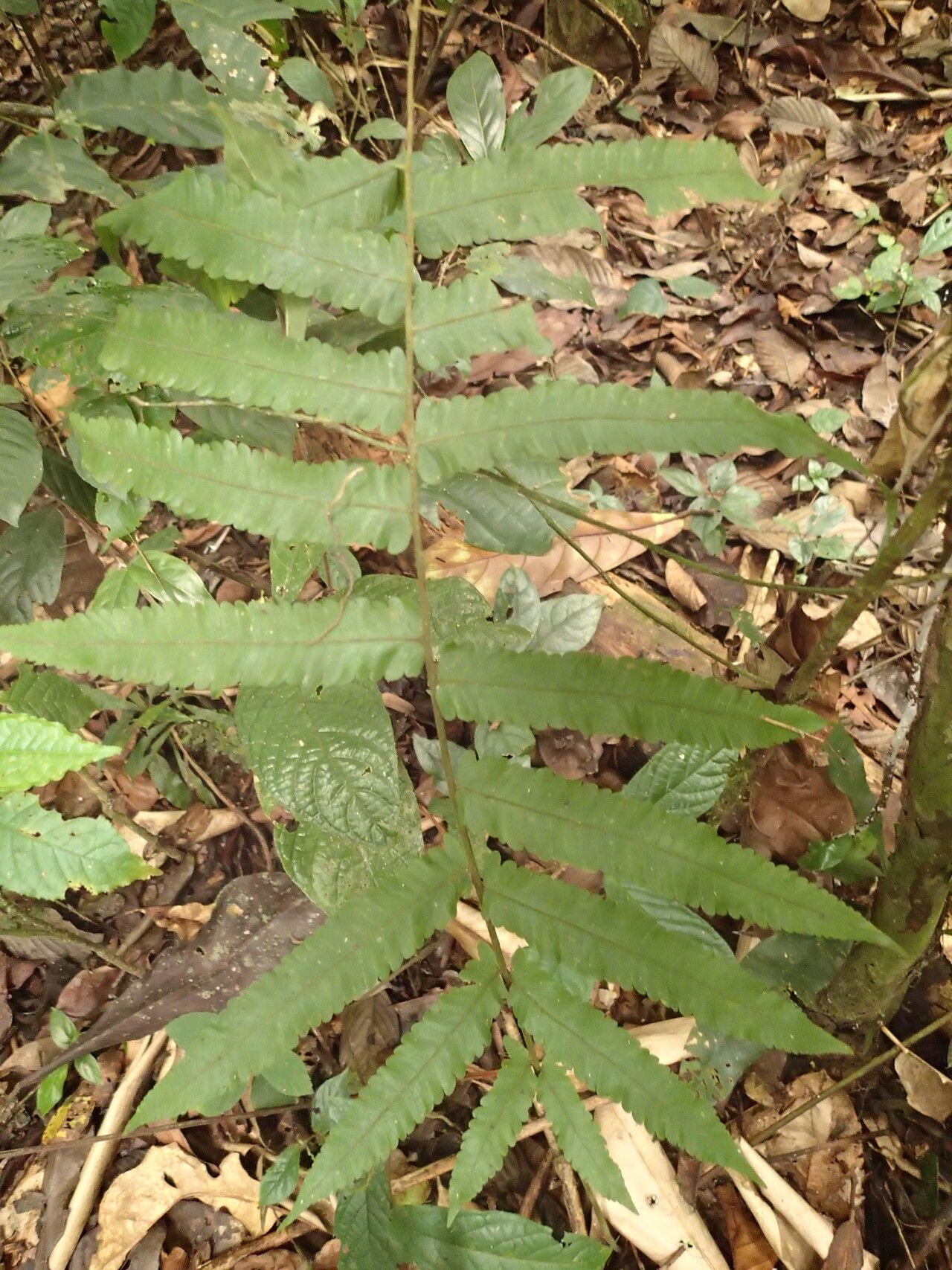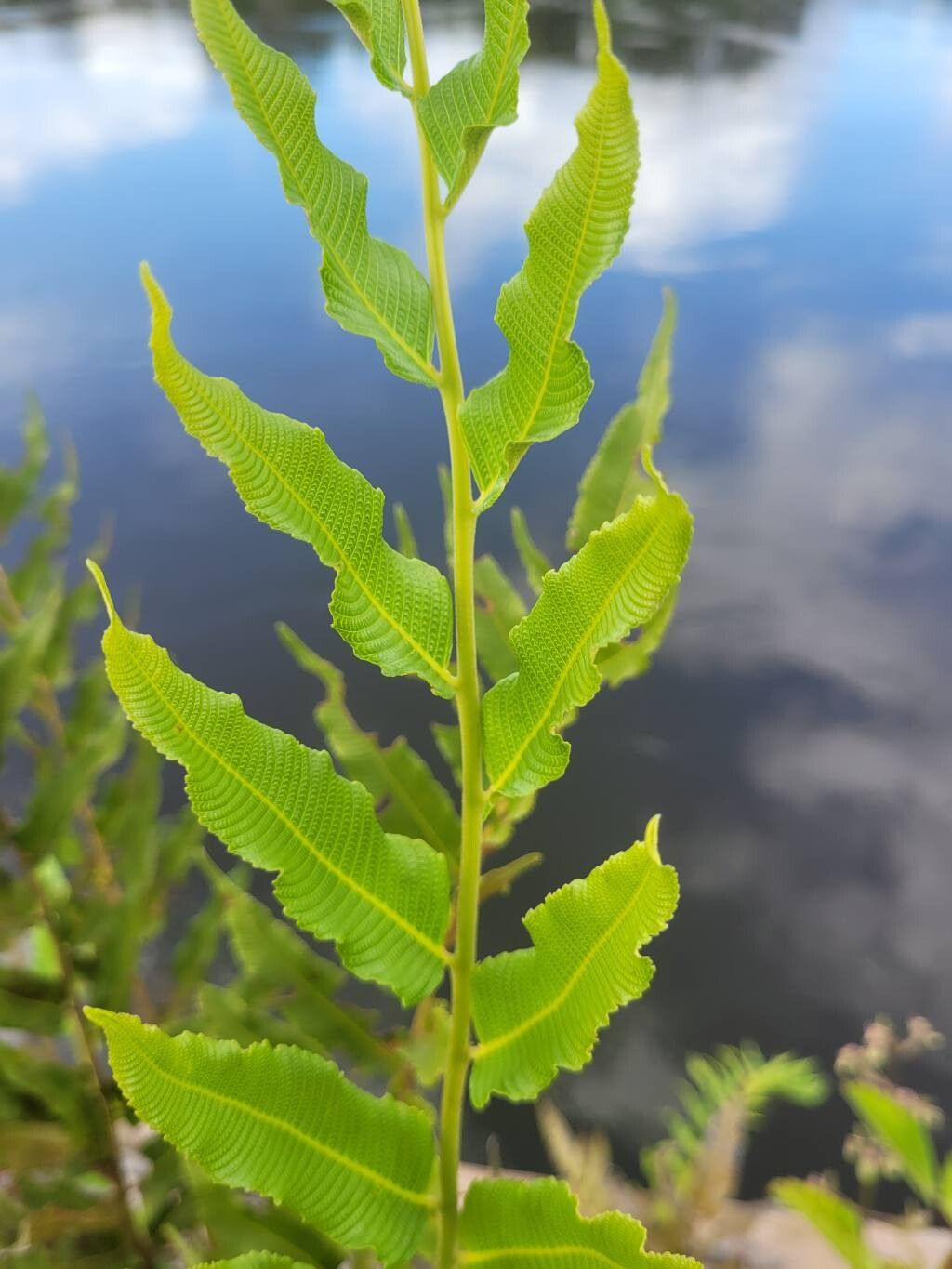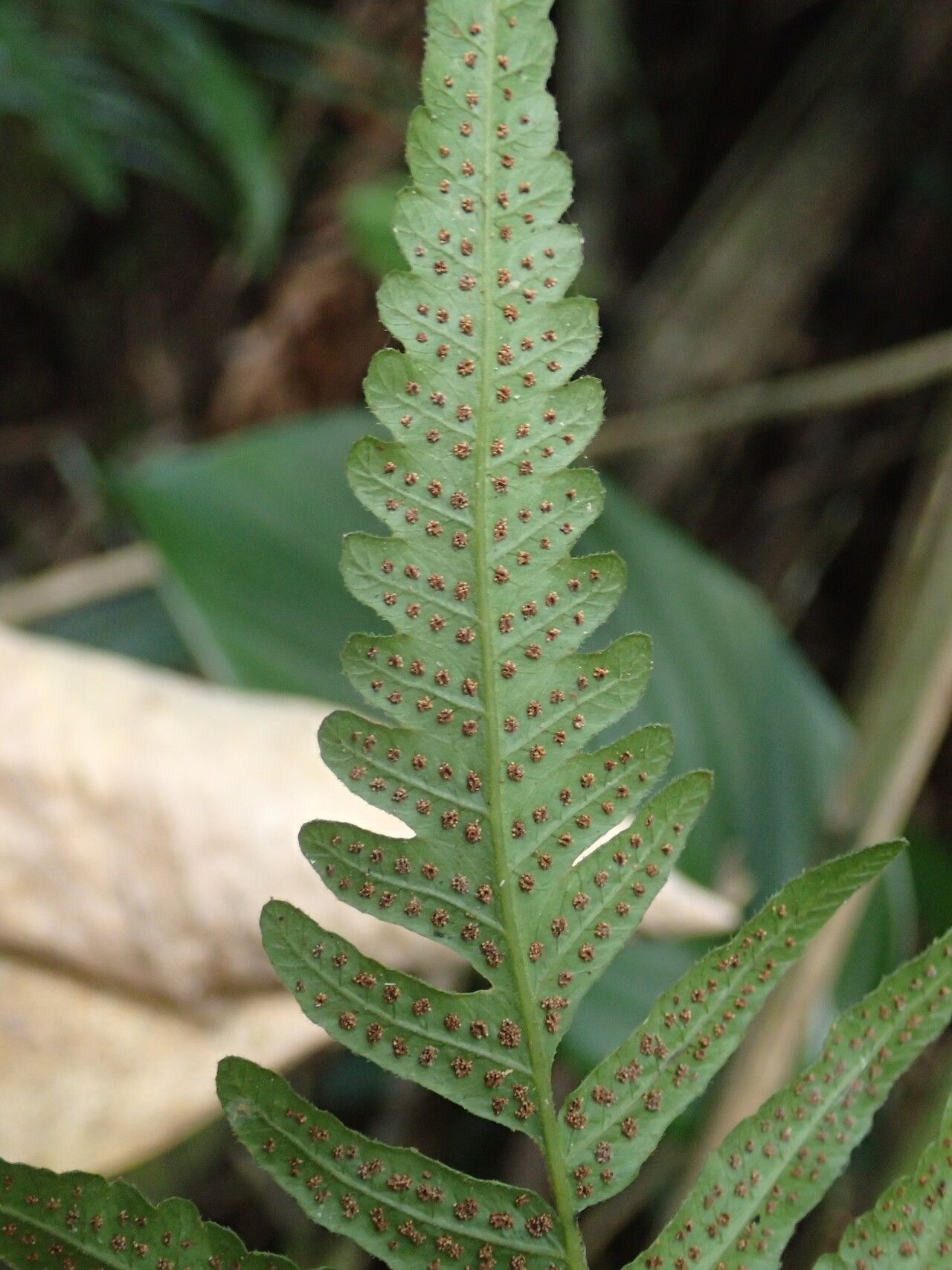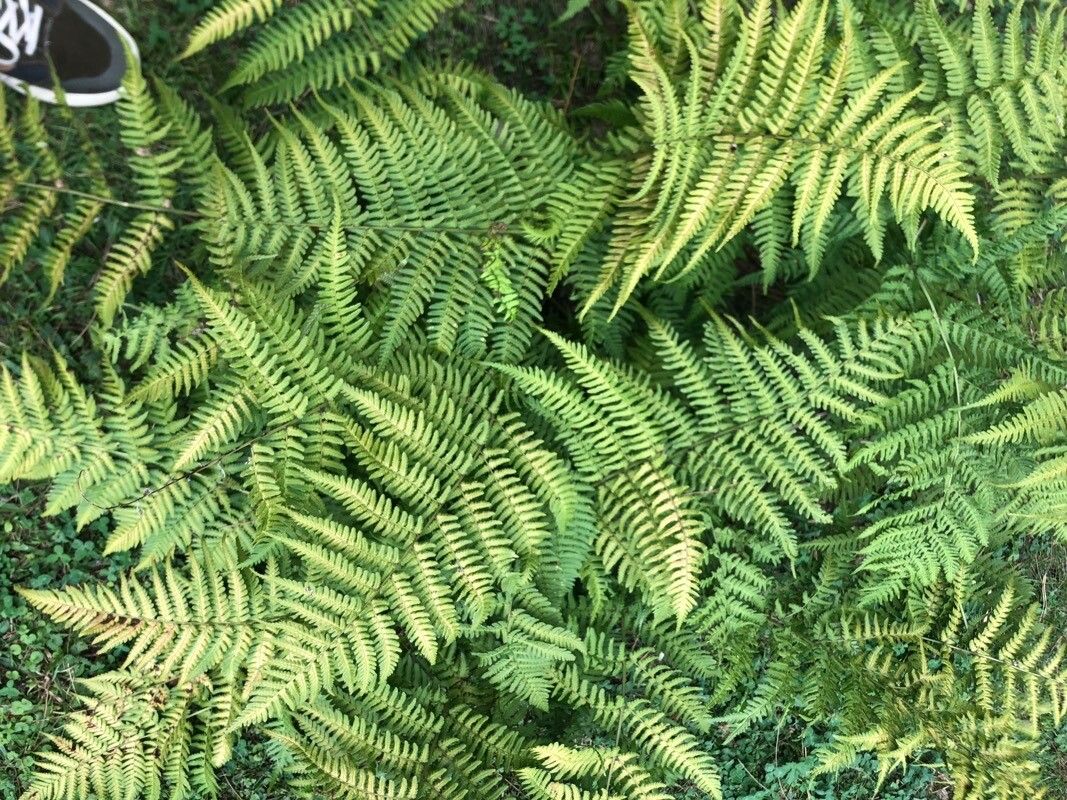
East asian gland fern typically has good resistance to disease and relatively few insect pests. Its care is regarded as difficult because it requires a moist environment and frequent watering. However, the roots can rot if the plant is overwatered or the surroundings are not well ventilated. East asian gland fern is suitable for people with some growing experience, since most people can keep it alive for a certain period. Nevertheless, the fern may have difficulty thriving, and its leaves can dry out and become less healthy over time.
How to keep Thelypteris Formosa.
Light
The East Asian gland fern springs from habitats such as forest undergrowths and rocky regions, which provide natural shading. It thrives best in Full Shade sunlight conditions, but can also tolerate Partial Sun.
Temperature
The East Asian gland fern flourishes in dense forests. It is greatly responsive to changes in temperature and moisture, and conditions like elevated temperatures, arid climates, and strong sunlight may distress the fern. During the hot summer months, it is necessary to provide the right shade and a moist environment. While the East Asian gland fern generally does not need extra attention during the winter, a long-lasting winter drought can be lethal to the plant.
Botanical profile.
- Plant Type
- Fern
- Life Cycle
- Perennial
- Genus
- Thelypteris
- Family
- Aspleniaceae
- Hardiness Zone
- 5-9
- Mature Height
- 55 cm to 61 cm
- Mature Spread
- 30 cm to 49 cm
- Leaf Color
- Green, Light Green
- Leaf Type
- Deciduous
- Planting Time
- Spring