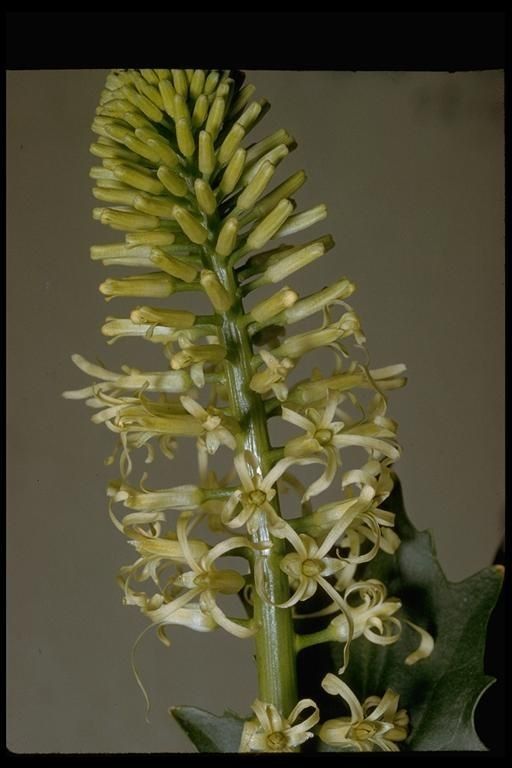
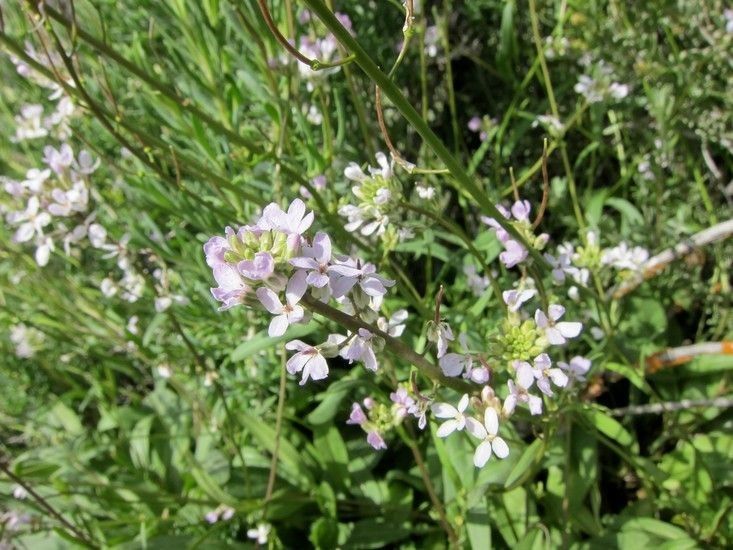
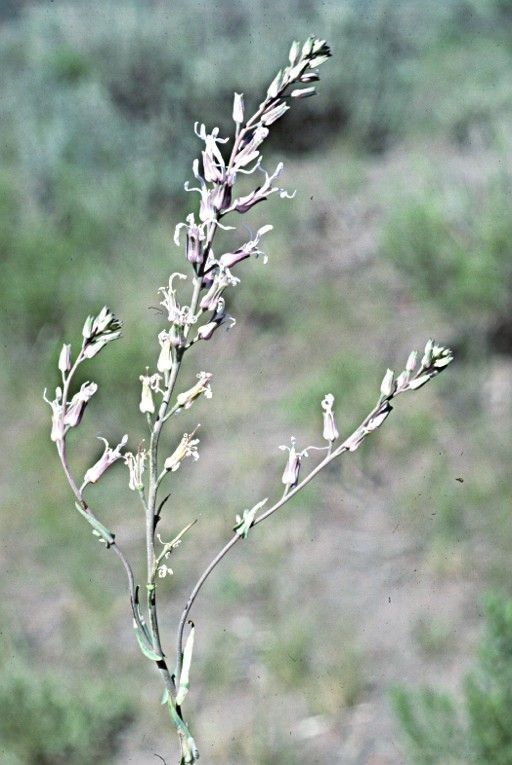
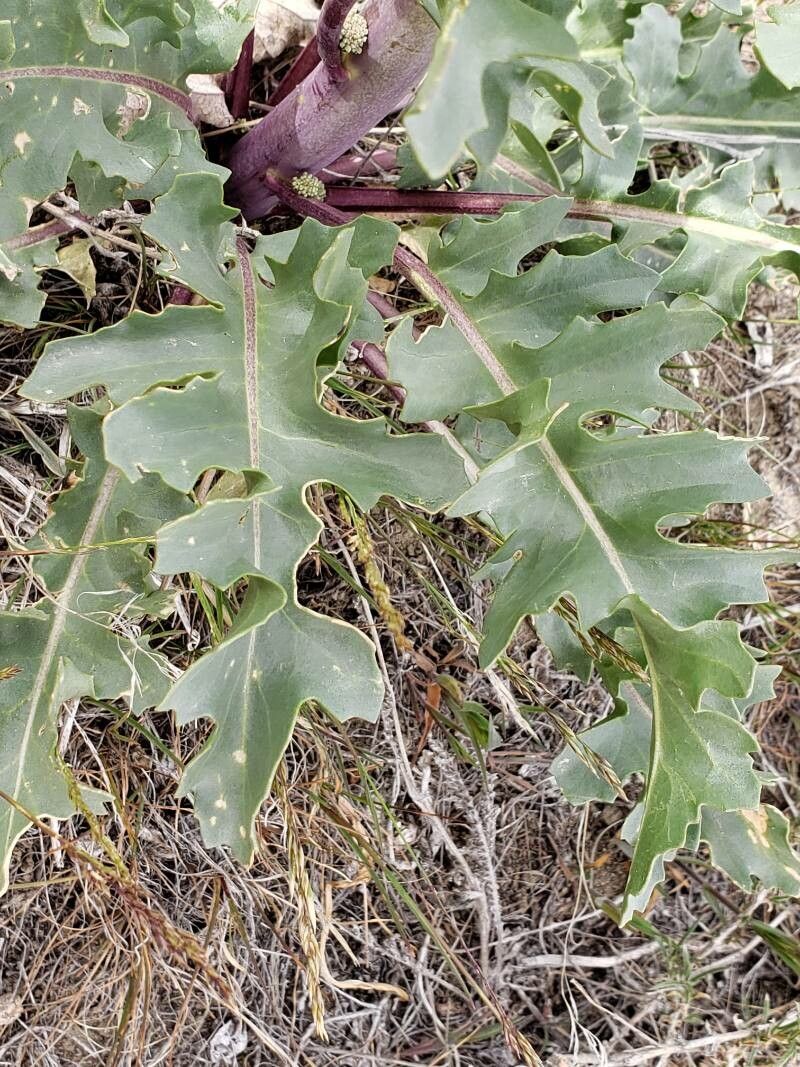
Thelypodium integrifolium is a species of flowering plant in the mustard family known by the common names entireleaved thelypody and foxtail thelypodium. It is native to much of the western United States, including the Great Basin and surrounding plateaus and deserts.It occurs in several types of habitat, often growing in sandy, mineral-rich, and alkaline soils, such as those on playas.
Entireleaved thelypody is fairly disease-resistant and is generally not prone to illness. Still, it can be affected by pests and diseases present in its surroundings. These issues are generally mild. For care, this plant requires moderate maintenance. It should be pruned regularly to keep a tidy appearance and healthy growth. Fertilizing can also encourage flowering. Entireleaved thelypody is suitable for anyone with outdoor space, such as a garden or patio, and does not require extensive care experience. It may need more attention when grown indoors.
How to keep Thelypodium Integrifolium.
Light
Entireleaved thelypody originates in bright, open environments and thrives in full sun. It can tolerate partial sun but prefers direct sunlight for optimal growth. This plant, which may be annual or biennial, is known for its sun-loving nature.
Water
The entireleaved thelypody thrives in moderate moisture and prefers consistent hydration, although it can tolerate short dry spells. For optimal health, it requires weekly watering. This plant is typically grown outdoors, where it benefits from ample rain during its active growth period, mimicking its natural precipitation patterns.
Fertilizer
Entireleaved thelypody are regarded as heavy feeders in terms of nutrients. They need frequent, low doses of nitrogen and potassium fertilizers and periodic applications of phosphorus, micronutrients, sulfur, and magnesium to maintain good growth and bright coloration. Continuous fertilization throughout the growing season is required to prevent deficiency symptoms and maintain optimal growth.
Pruning
To help the entireleaved thelypody thrive, it's important to prune in early to late spring. Focus on removing dead stems and improving air circulation to encourage new growth. This practice supports the plant's growth cycle, enhances blooming vigor, and helps maintain its shape and size. Always use clean, sharp tools to prevent disease.
Botanical profile.
- Plant Type
- Herb
- Life Cycle
- Biennial
- Genus
- Thelypodium
- Family
- Brassicaceae
- Leaf Type
- Semi-evergreen