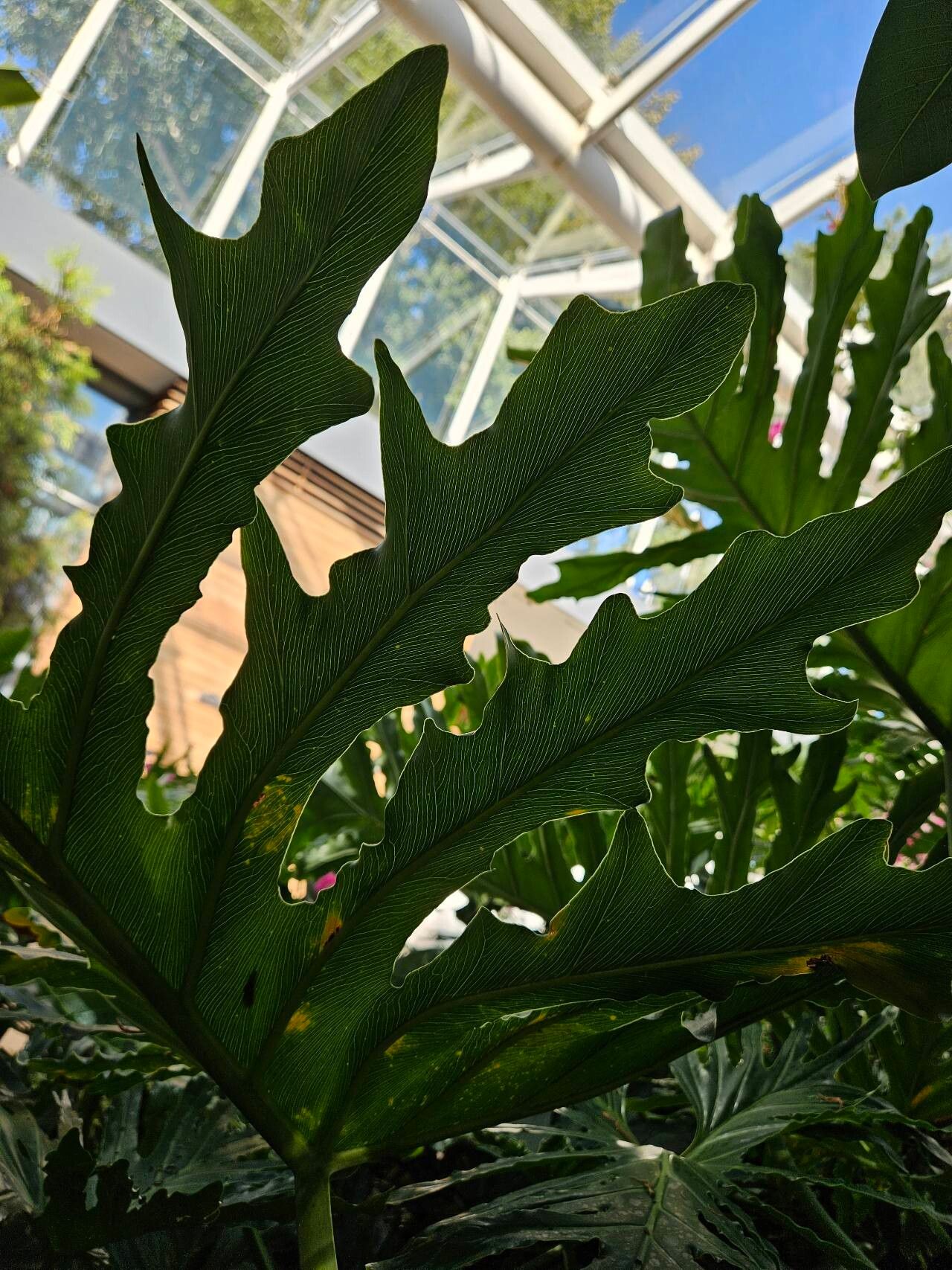
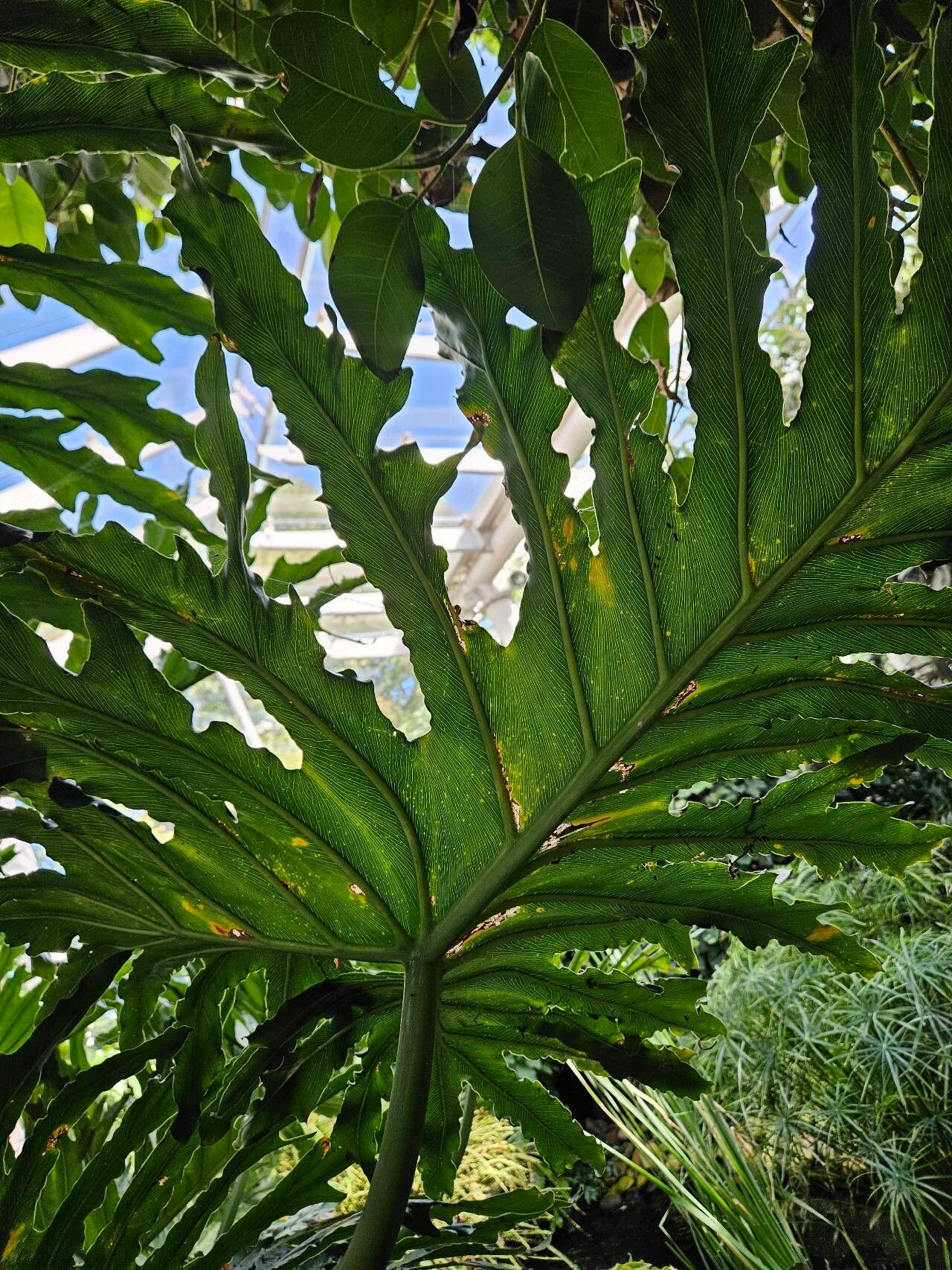
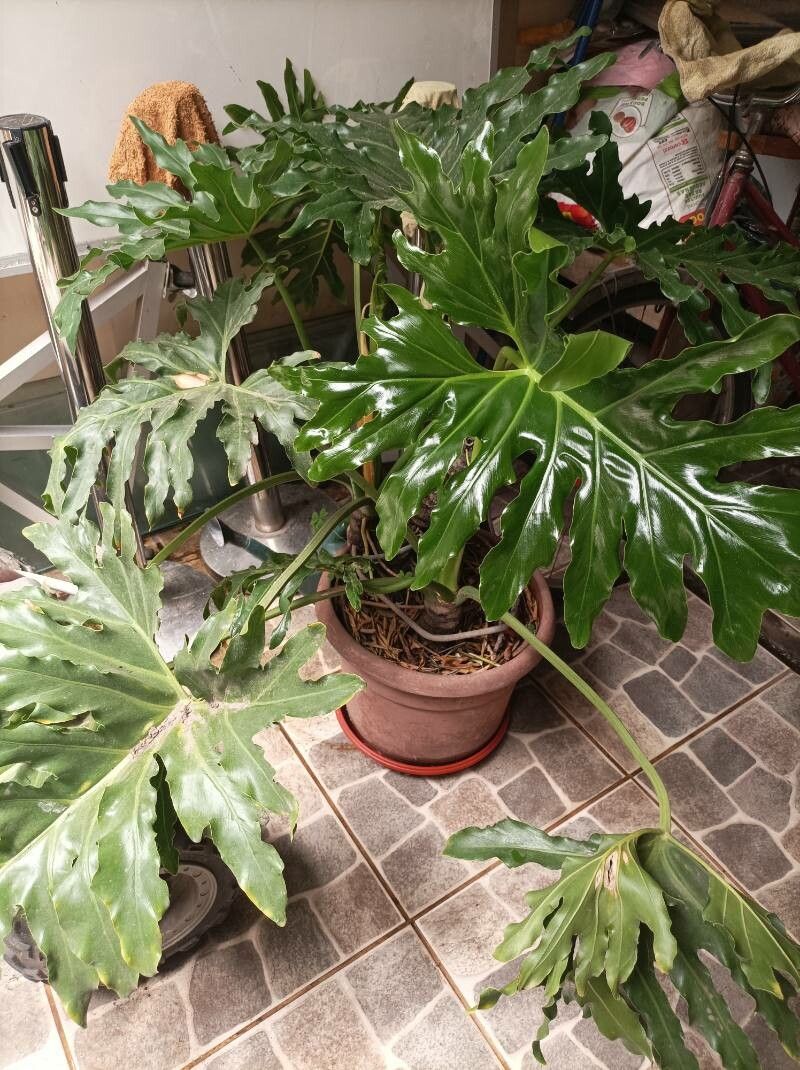
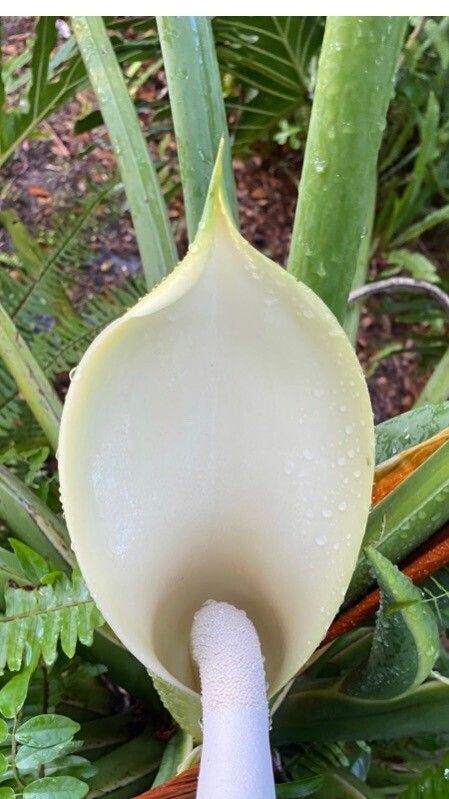
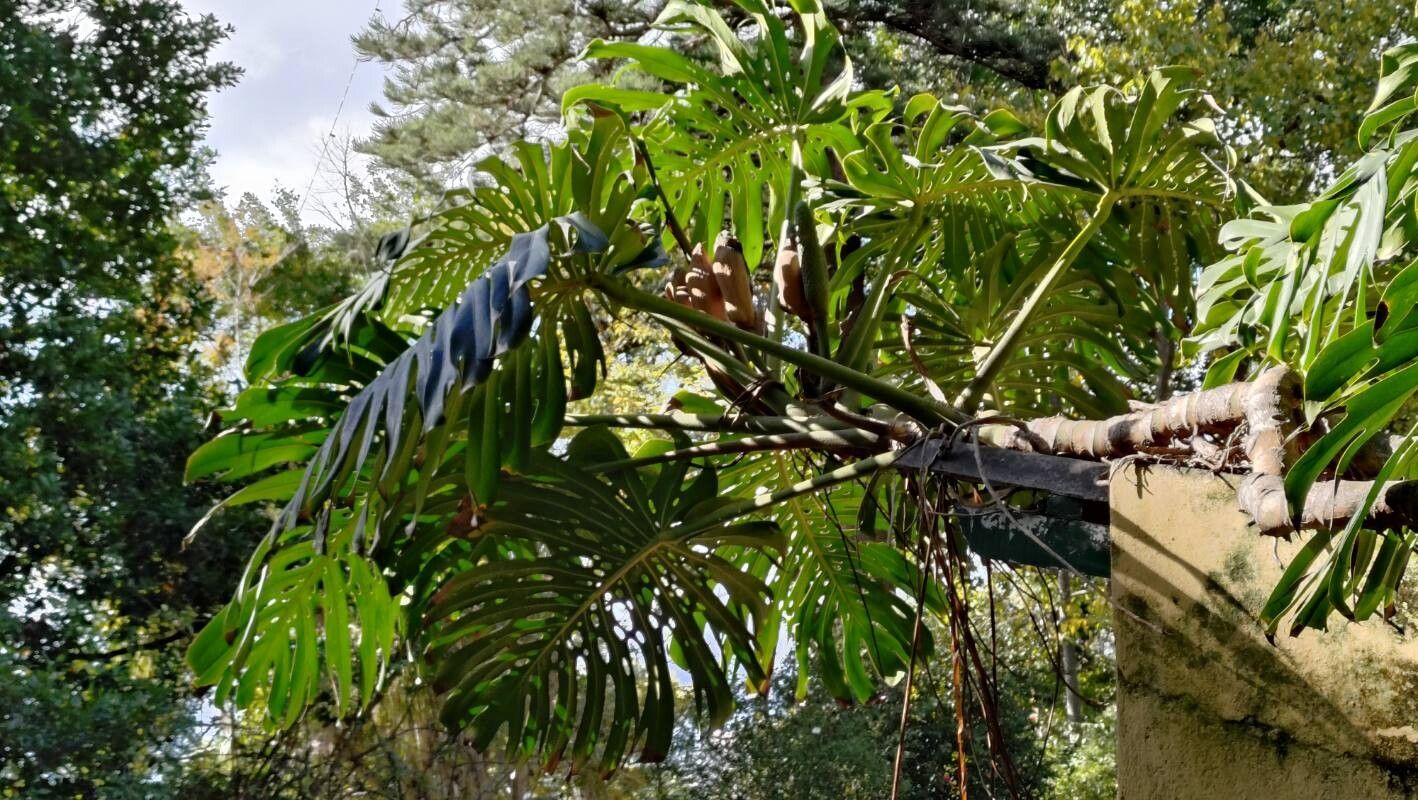
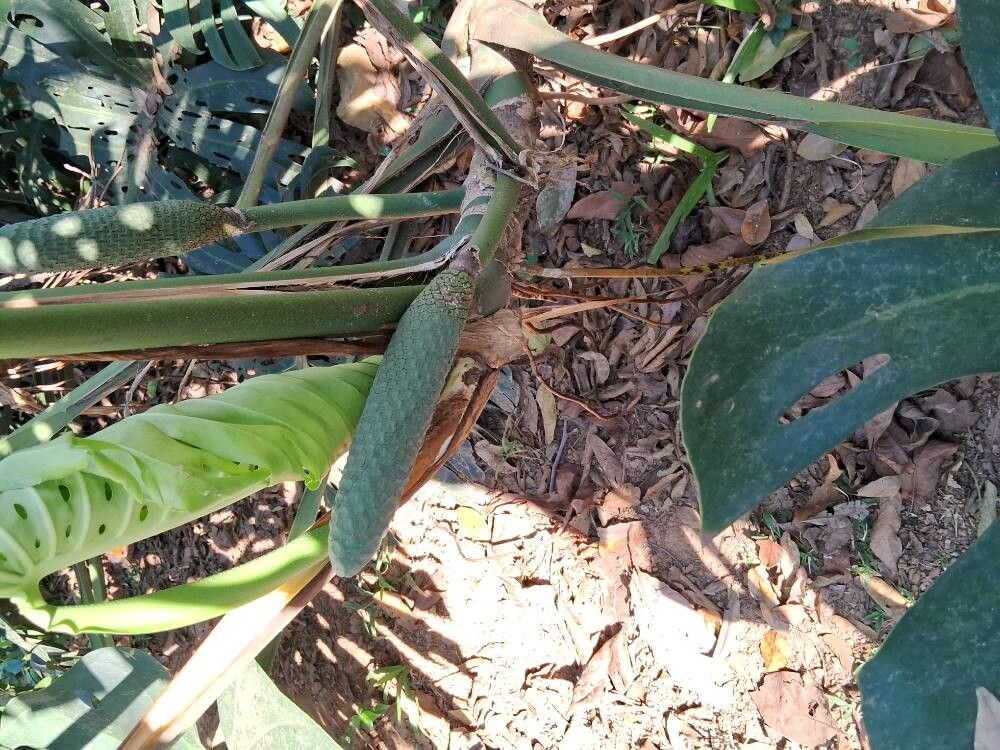
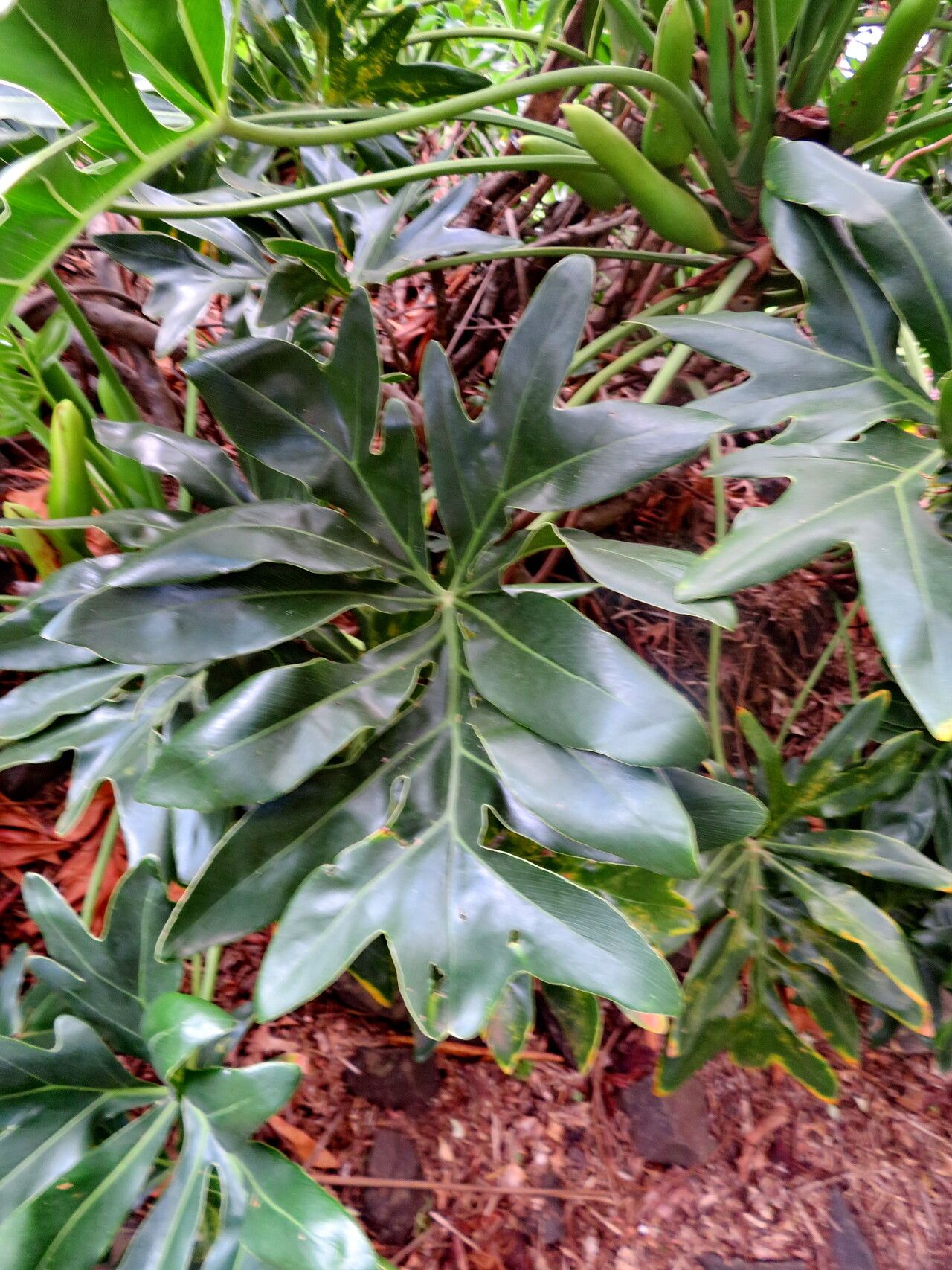
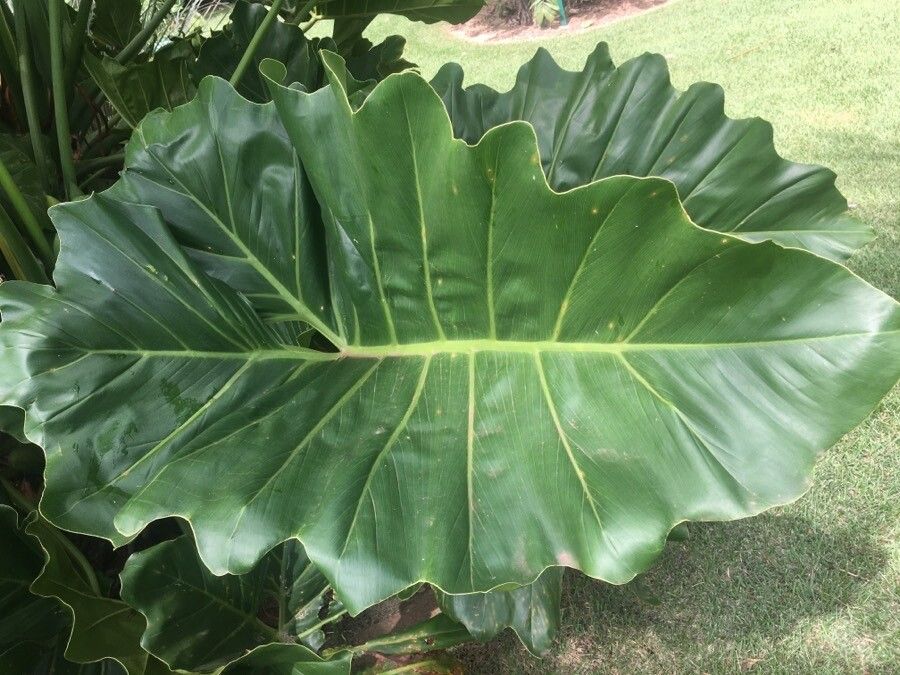
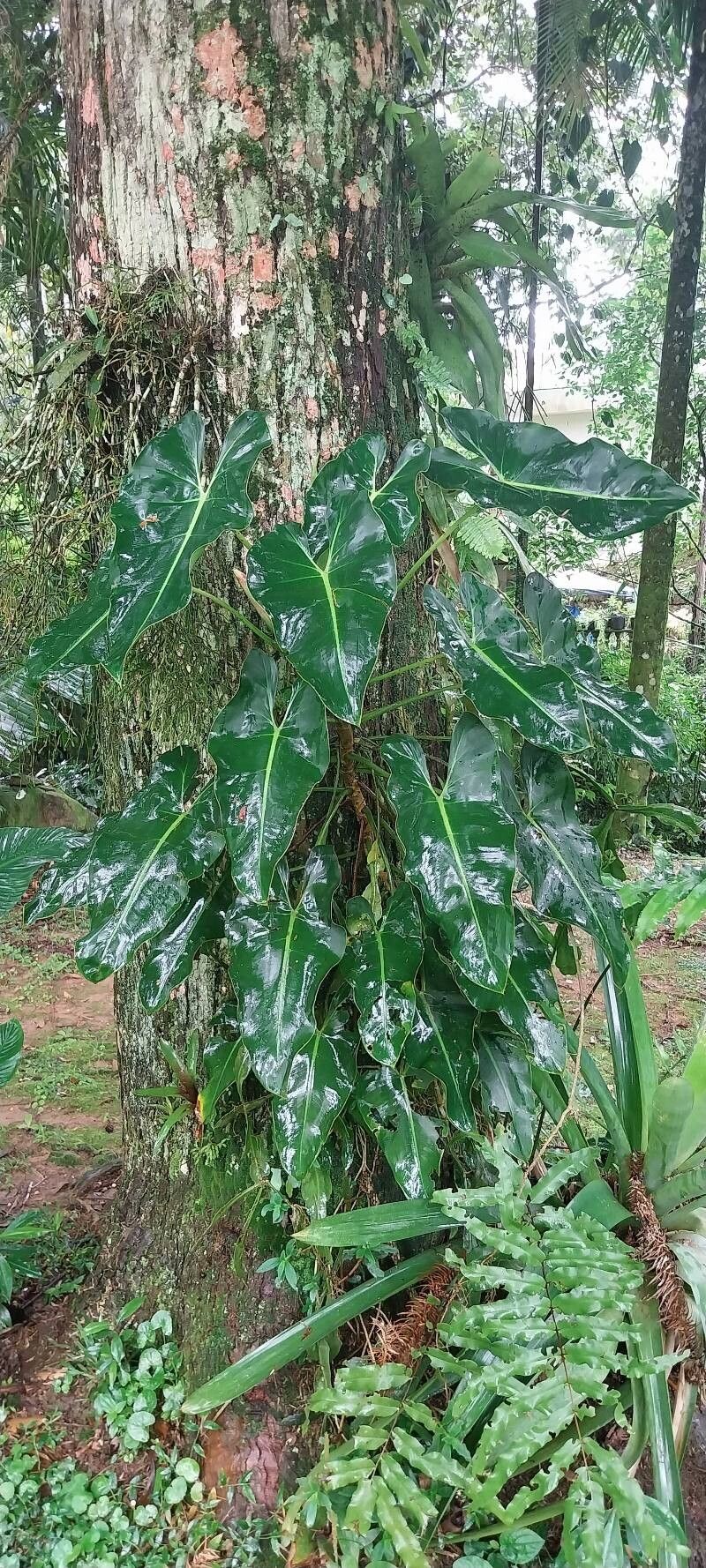
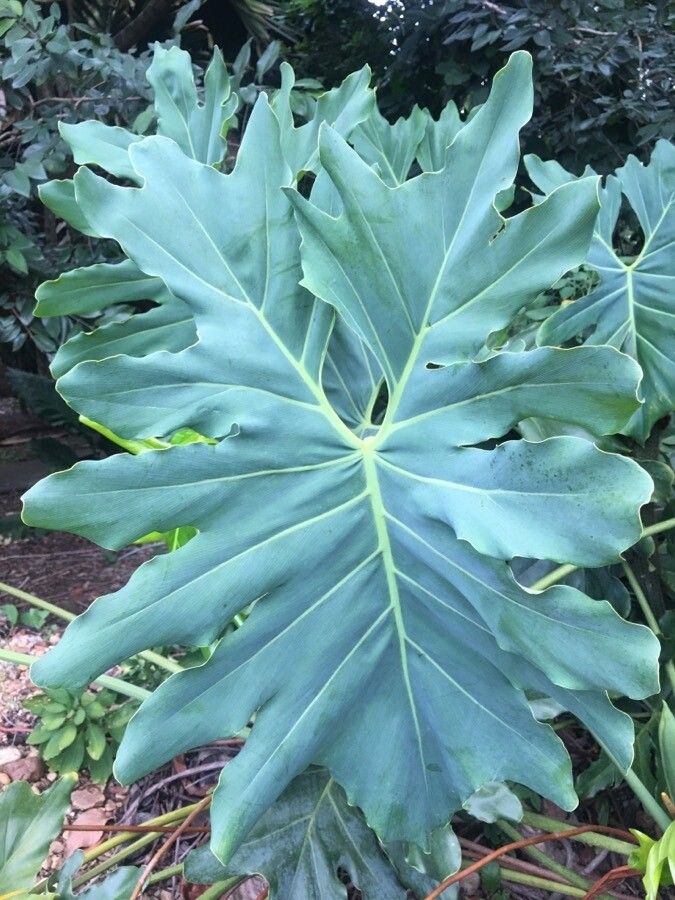
Additionally known as Philodendron Bipinnatifidum Little Hope, this philodendron grows in the United States. Its diminutive form of the Philodendron Hope is how it got its name. Similar to the Philodendron warscewiczii, the plant has split leaves, however, they are not as obvious. The upright and ferocious grower, Philodendron Little Hope, is a perennial. It has lovely, glossy, green leaves and a habit that resembles a shrub. The Philodendron Little Hope: How are you taking care of it? Indirect light that is moderately bright is essential for the plant's growth. With careful care, it will expand quickly, so you can count on numerous gorgeous leaves.
How to keep Thaumatophyllum Bipinnatifidum.
Humidity
This plant will thrive in moderate humidity, which is probably the level in your home. However, misting it a few times a week can be very beneficial. Make sure the room has good ventilation.
Temperature
Between 65 and 80 degrees, Fahrenheit is where it thrives. Additionally, it operates without issue in temperatures as high as 95 degrees Fahrenheit. As most homes maintain living circumstances within the plant's optimal range, this makes it simple to care for indoors. As a result, you won't need to change your thermostat to keep it in your house or on your patio.
Fertilizer
Fertilizer is also appreciated by the little hope philodendron. And because it will encourage the plant to develop more leaves, I do advise using it. Its leaves will also appear more colorful. Additionally, any vitamin shortages are avoided. The Philodendron Little Hope doesn't require a lot of fertilizer, as you should know. So all you have to do is adhere to the label's recommendations.
Pruning
The Philodendron Little Hope will reach heights of 12 to 24 inches and a width of roughly 24 inches. In spite of the fact that its name implies that it is "small," this is not the case. It is only small in comparison to the other philodendron kinds, which have a tendency to get fairly large. Furthermore, the Philodendron Little Hope grows quickly.
Toxicity
Yes, both humans and pets are poisoned by the philodendron Little Hope. However, it only turns poisonous when consumed or when the sap is exposed. So there is no risk involved in touching the plant. Nevertheless, you should use caution when allowing pets, such as dogs and cats, to play around the plant because they might unintentionally consume or chew on its leaves.
Further reading →
The toxicity and danger assessments provided are for reference only. We do not assure their accuracy, so it's crucial not to depend on them. Seek professional advice when necessary for accurate guidance.
Botanical profile.
- Genus
- Thaumatophyllum
- Family
- Araceae
- Hardiness Zone
- 9-11
Other names.