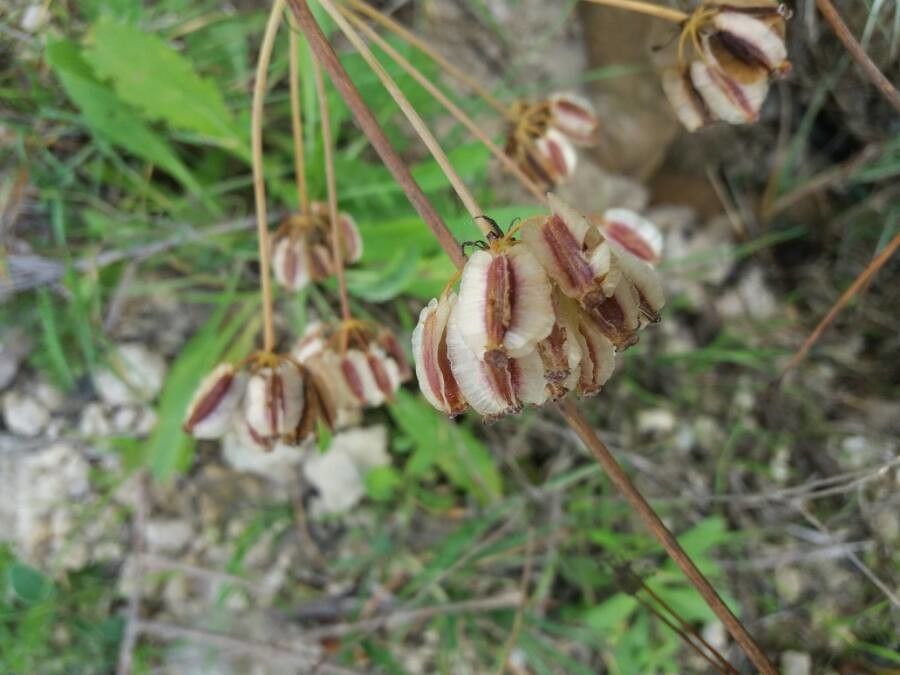
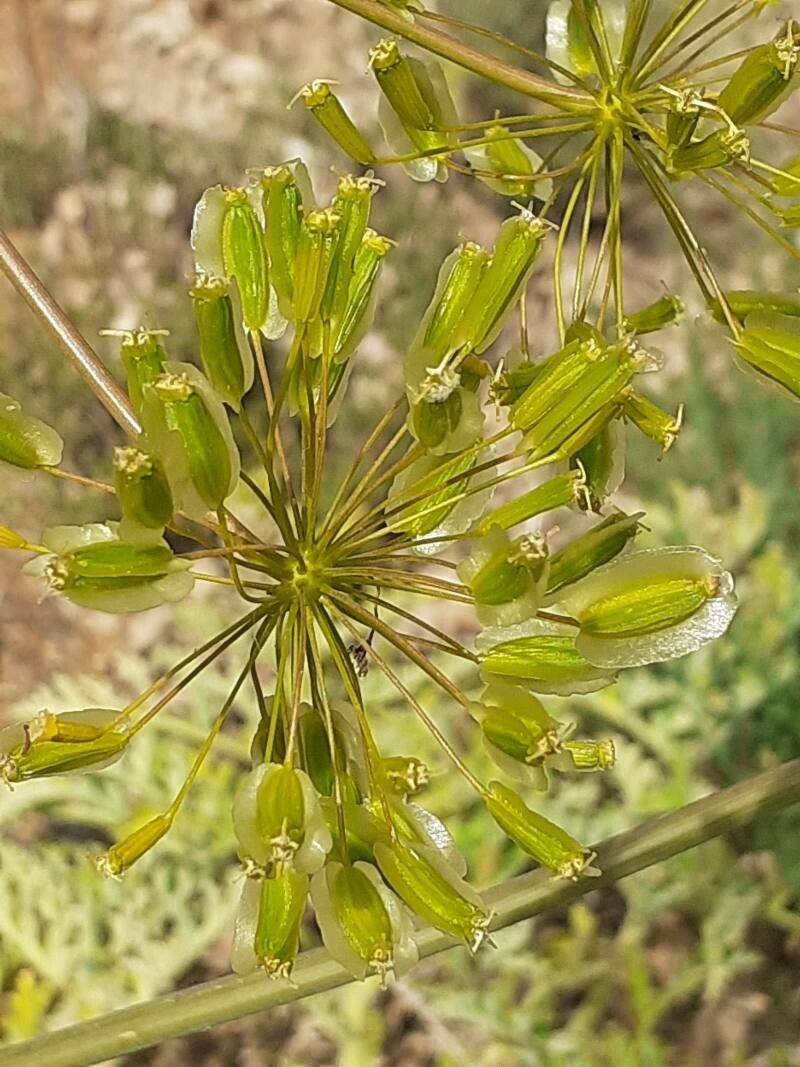
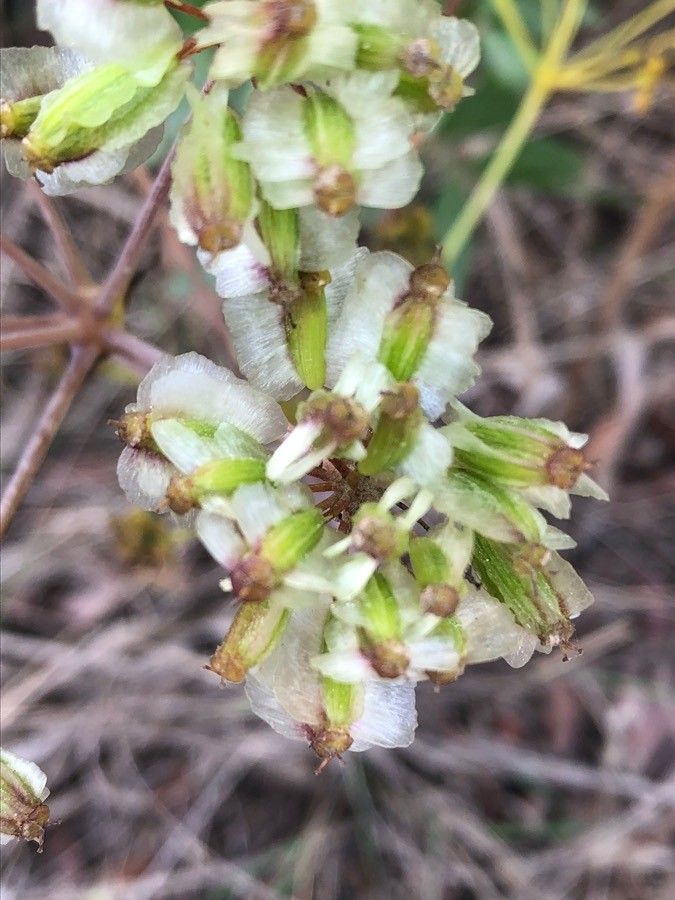
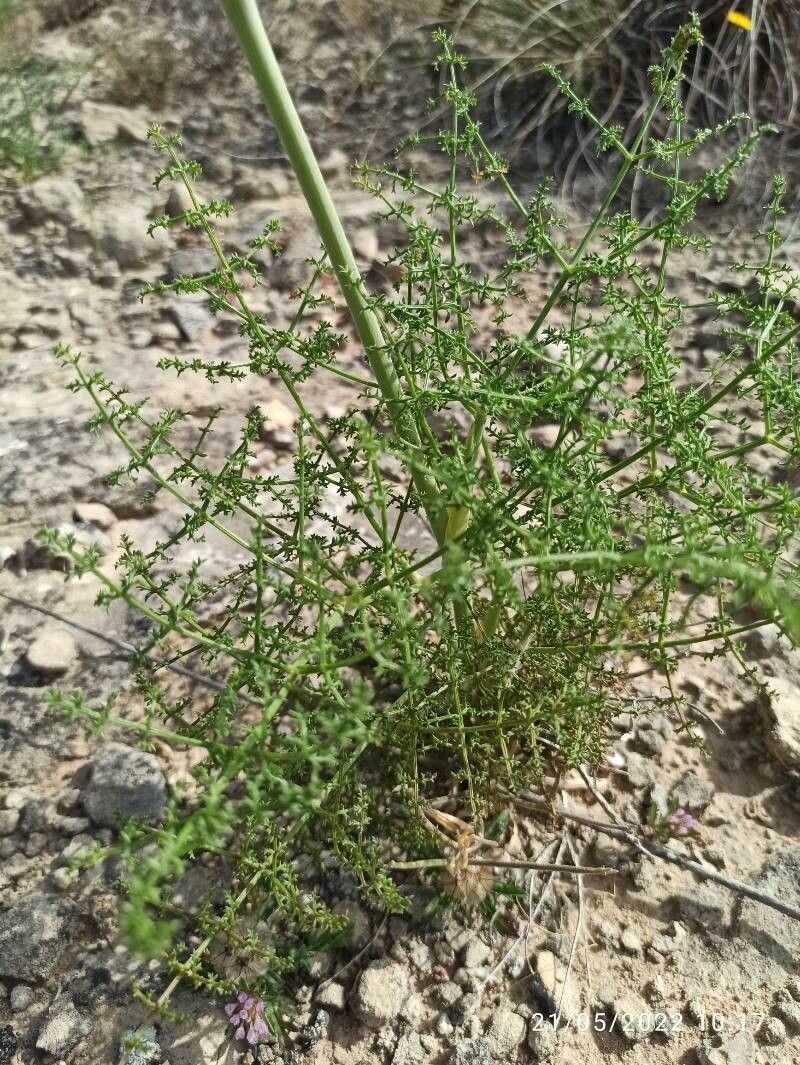
Thapsia villosa, commonly known as woolly thapsia or wild celery, is a perennial herbaceous plant belonging to the Apiaceae family. Native to the Mediterranean region, it is found in countries such as Spain, Portugal, and Morocco.
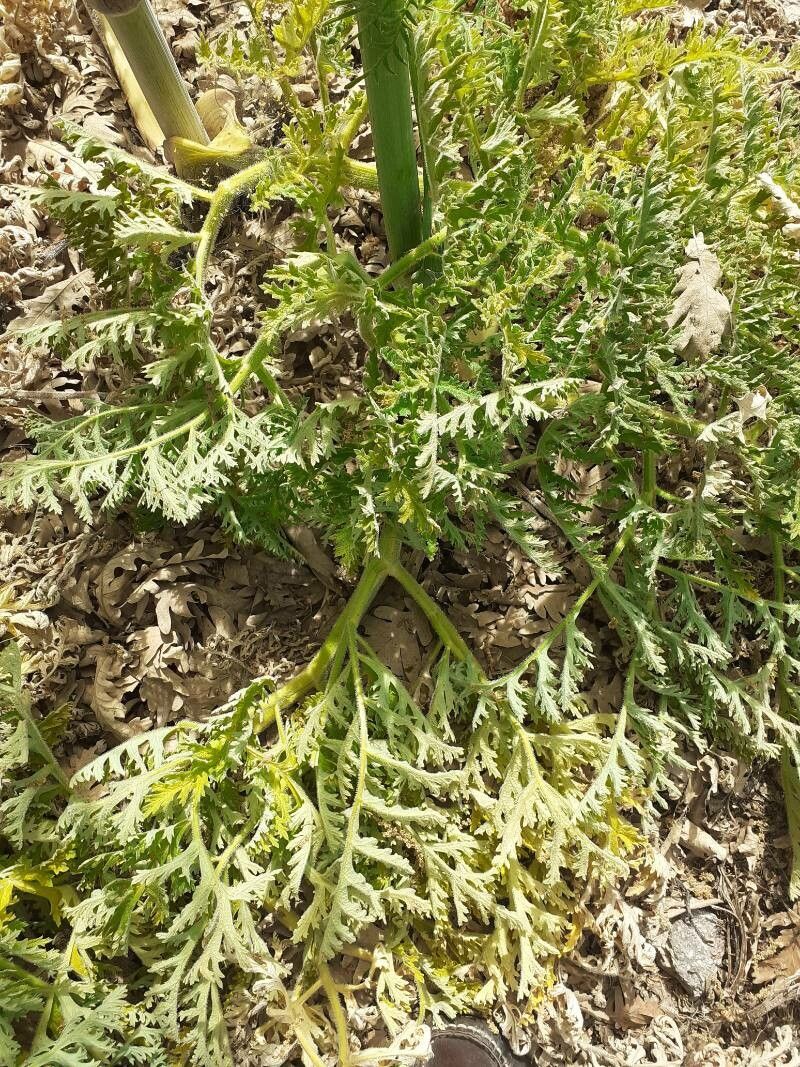
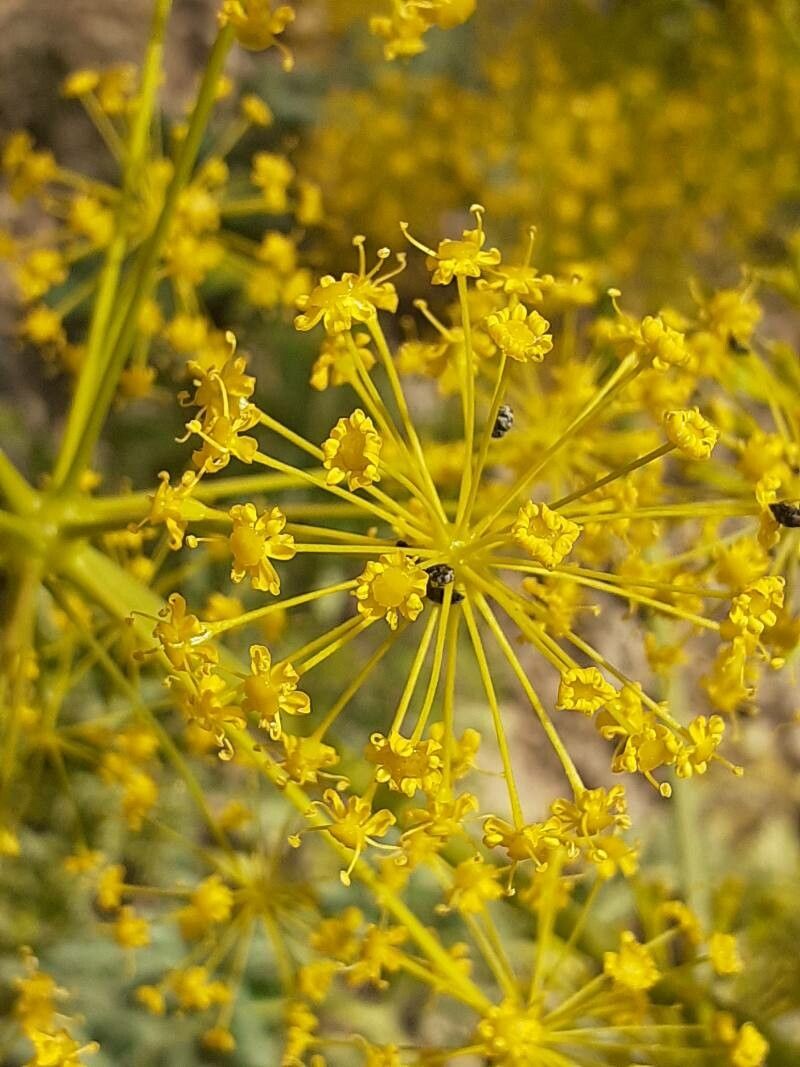
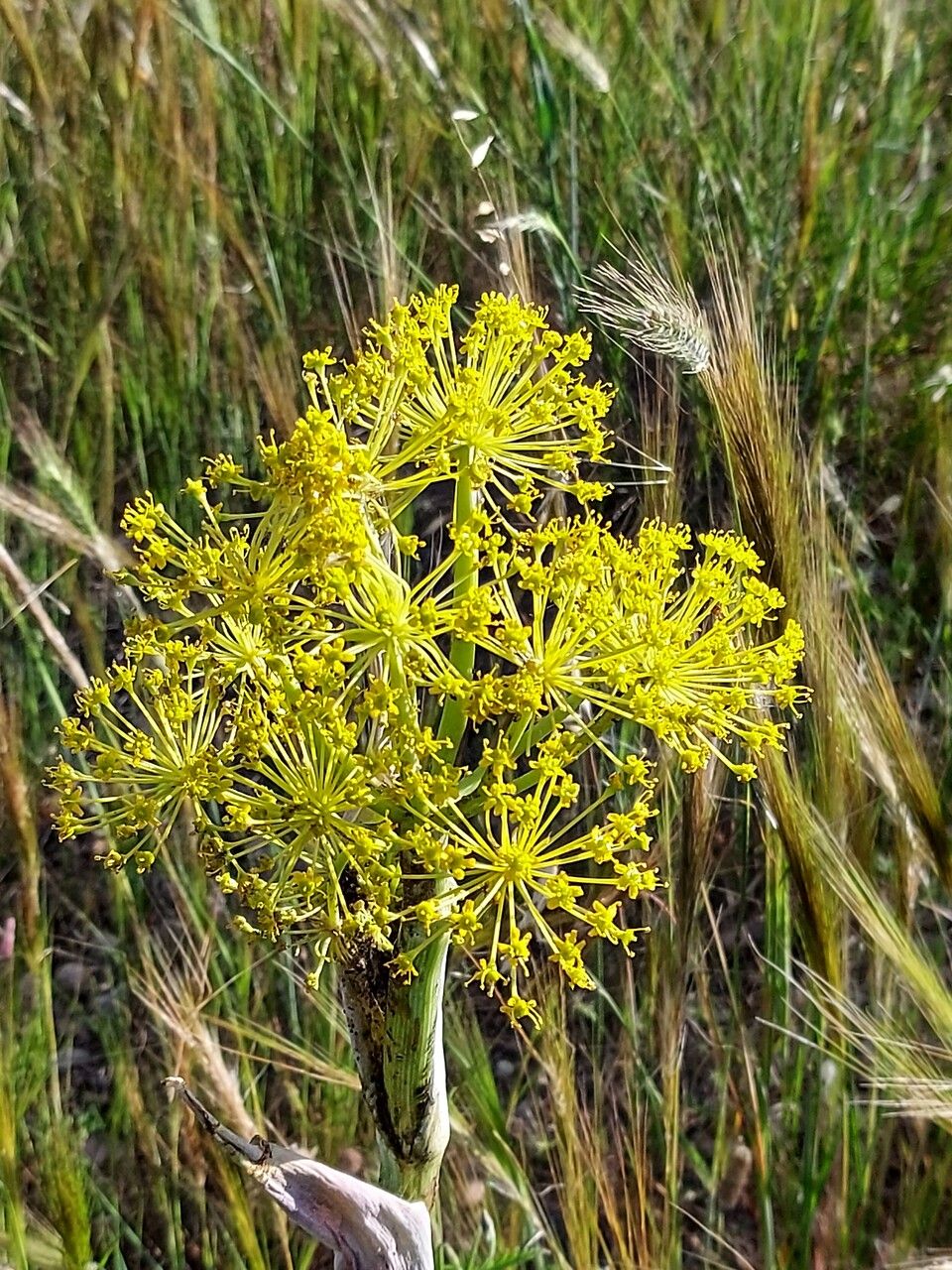
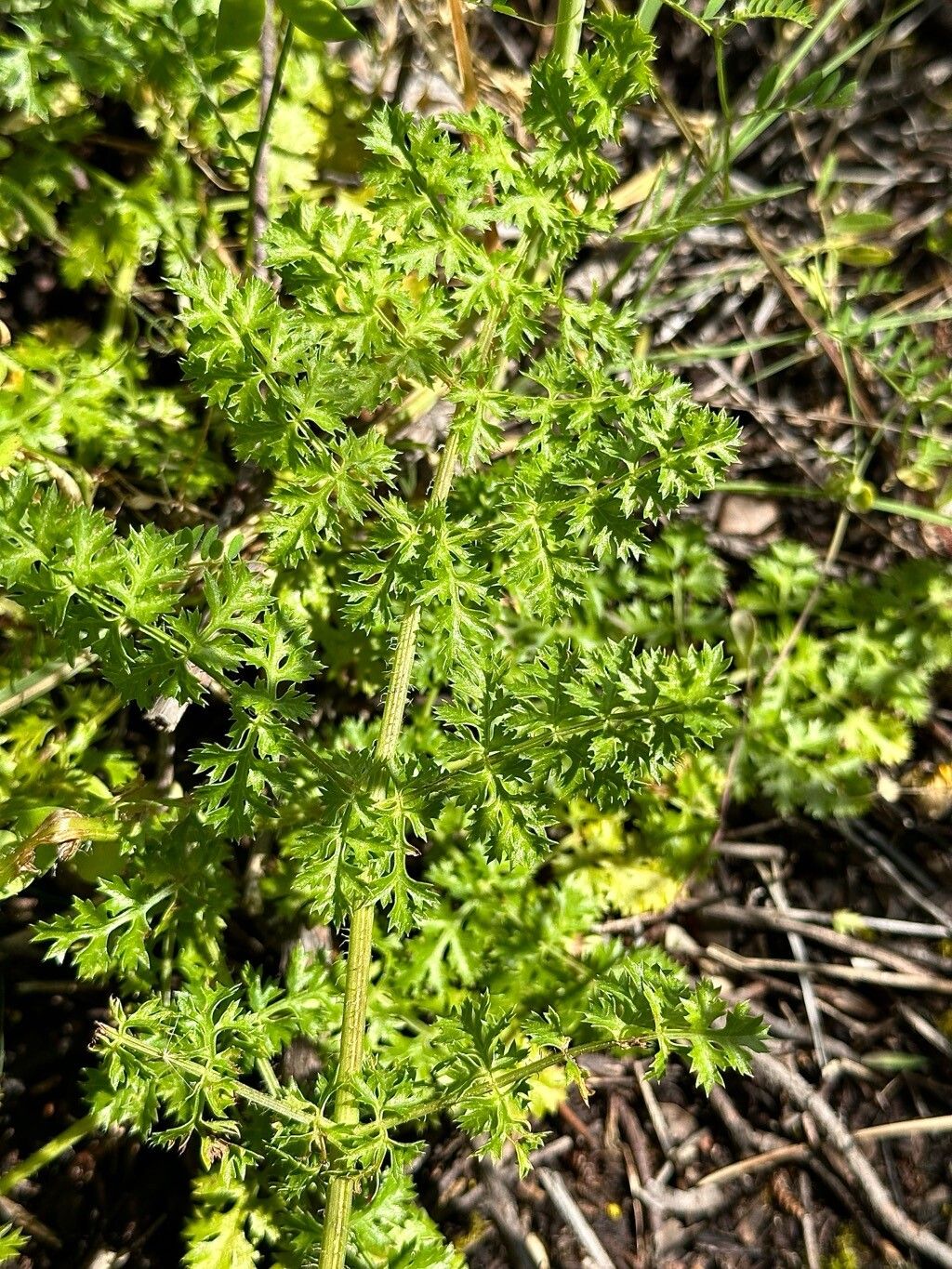
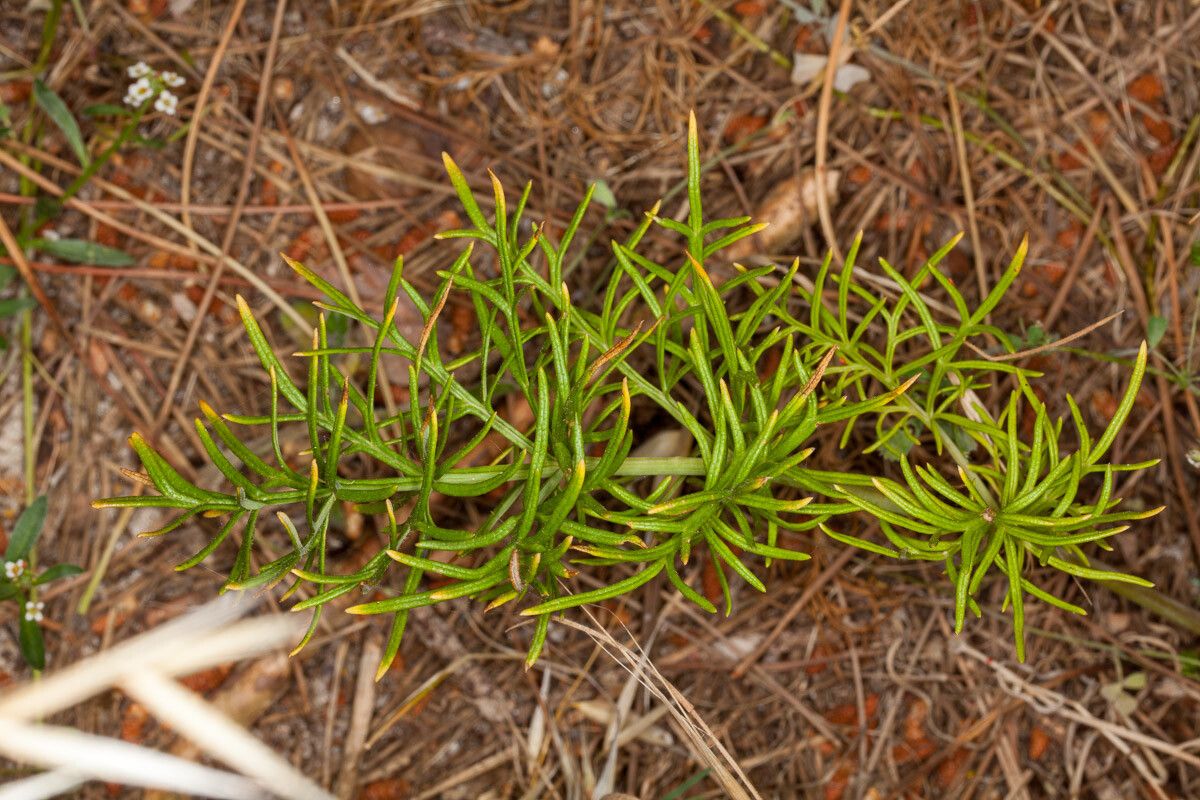
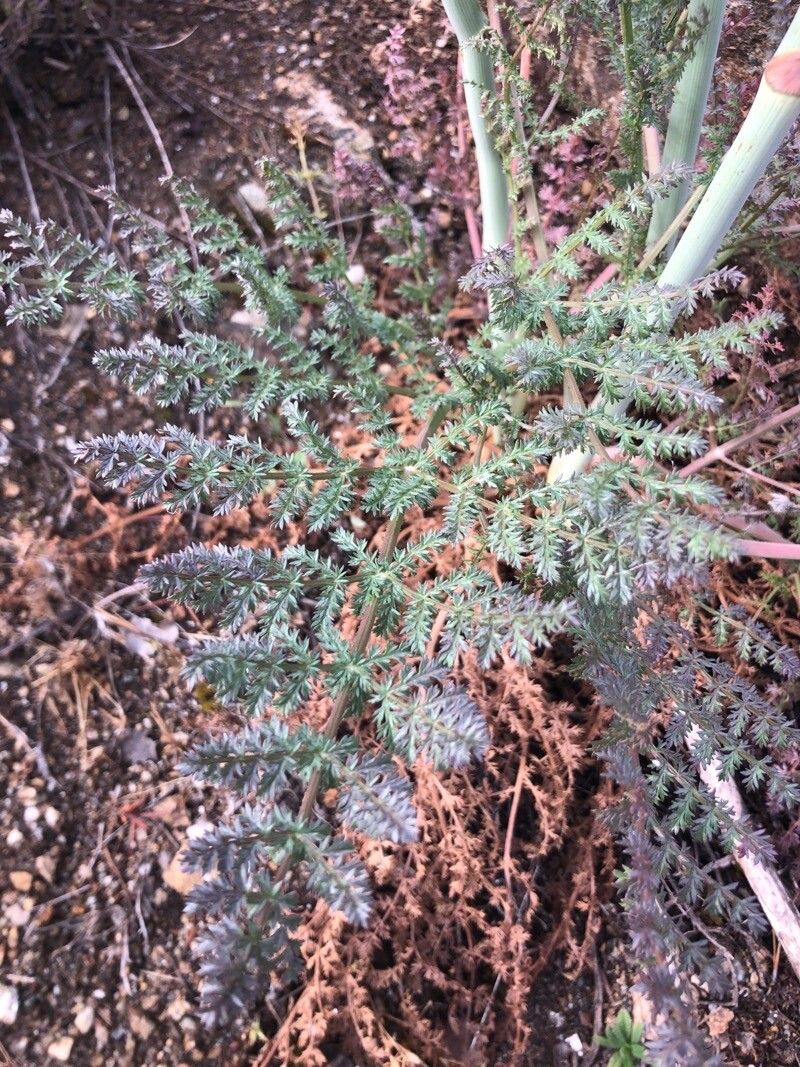
The woolly thapsia can grow up to 1 meter in height and features a thick stem covered with fine hairs. Its large, dark green leaves have serrated edges, and it produces small, yellow-green flowers.
For centuries, the plant has been utilized for its medicinal properties, particularly for its anti-inflammatory effects. It has been used to treat ailments such as arthritis, rheumatism, gout, and various skin conditions.
However, it is important to note that Thapsia villosa contains toxic compounds that can cause severe skin irritation if handled improperly or ingested in large quantities. Therefore, it should only be used under medical supervision.
In conclusion, while Thapsia villosa is an intriguing herbaceous perennial with notable medicinal properties, caution must be exercised due to its toxicity.
Botanical profile.
- Plant Type
- Herb
- Life Cycle
- Perennial
- Genus
- Thapsia
- Family
- Apiaceae
- Hardiness Zone
- 7-10
- Mature Height
- 1.22 m
- Mature Spread
- 40 cm
- Leaf Color
- Green, Gray
- Leaf Type
- Semi-evergreen, Deciduous
- Flower Color
- Yellow
- Flower Size
- 0.25 cm to 0.51 cm
- Bloom Time
- Late spring, Early summer
- Planting Time
- Spring, Autumn
- Harvest Time
- Mid summer, Late summer
- Native Area
- Tunisia, Spain, France, Algeria, Morocco, Portugal
Other names.