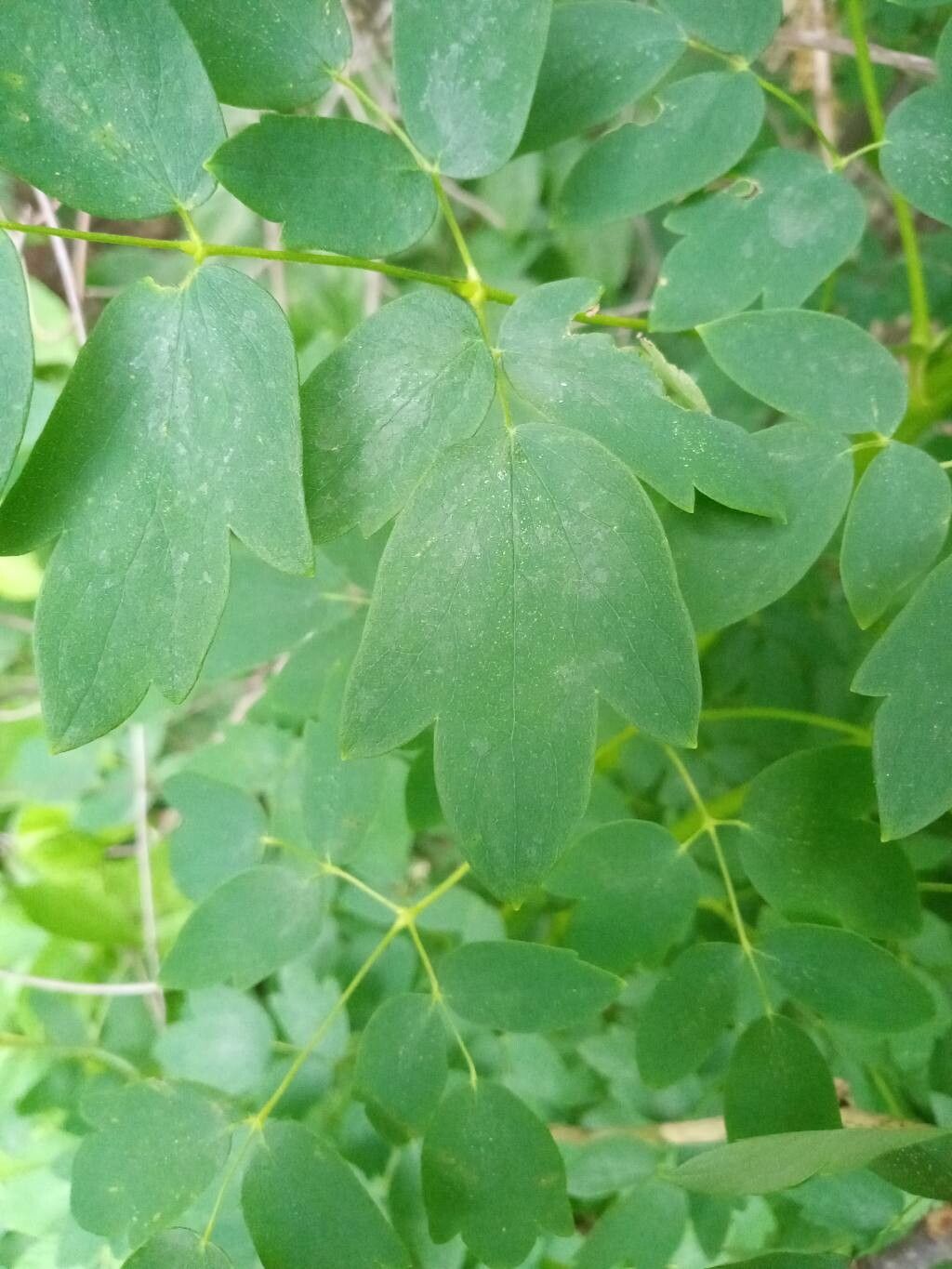
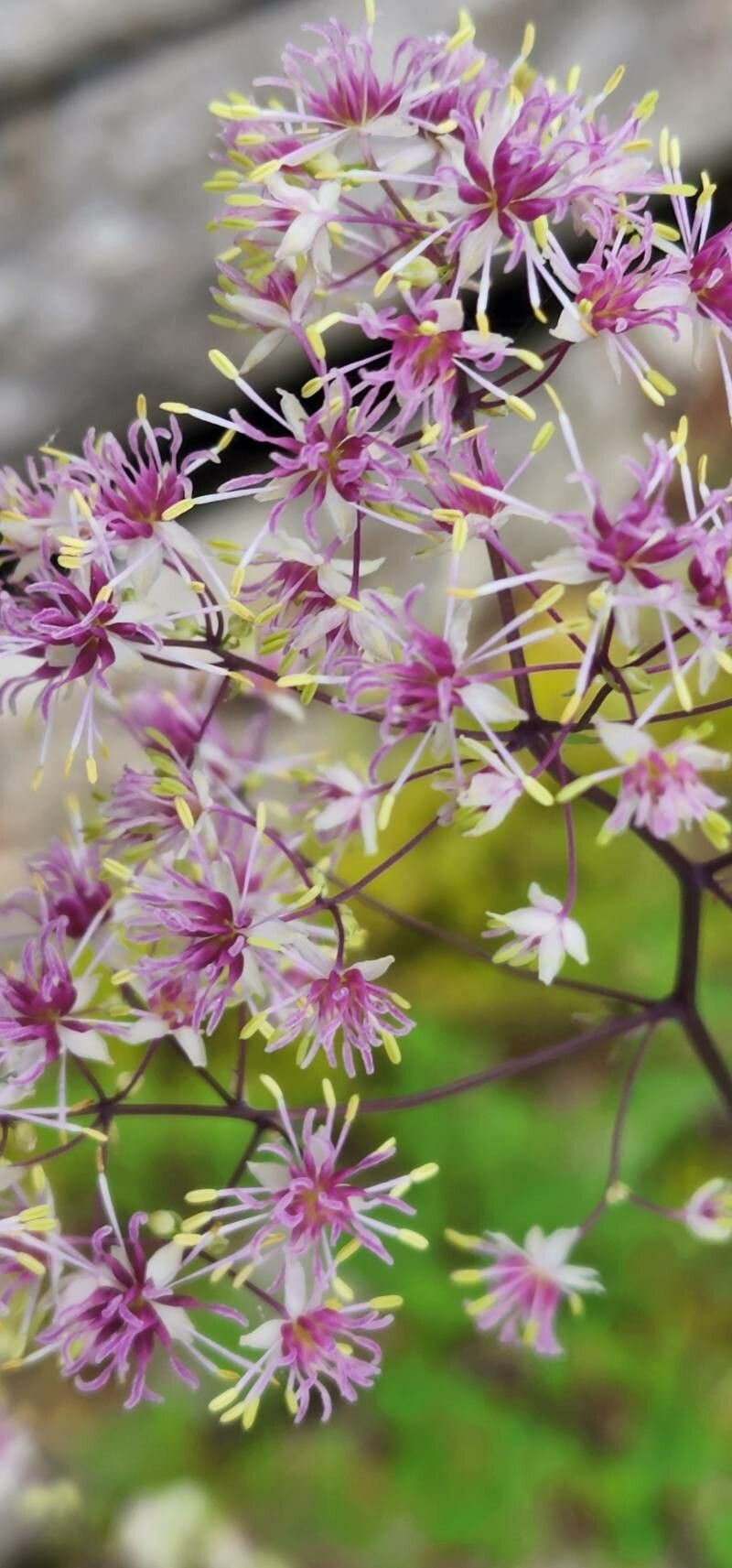
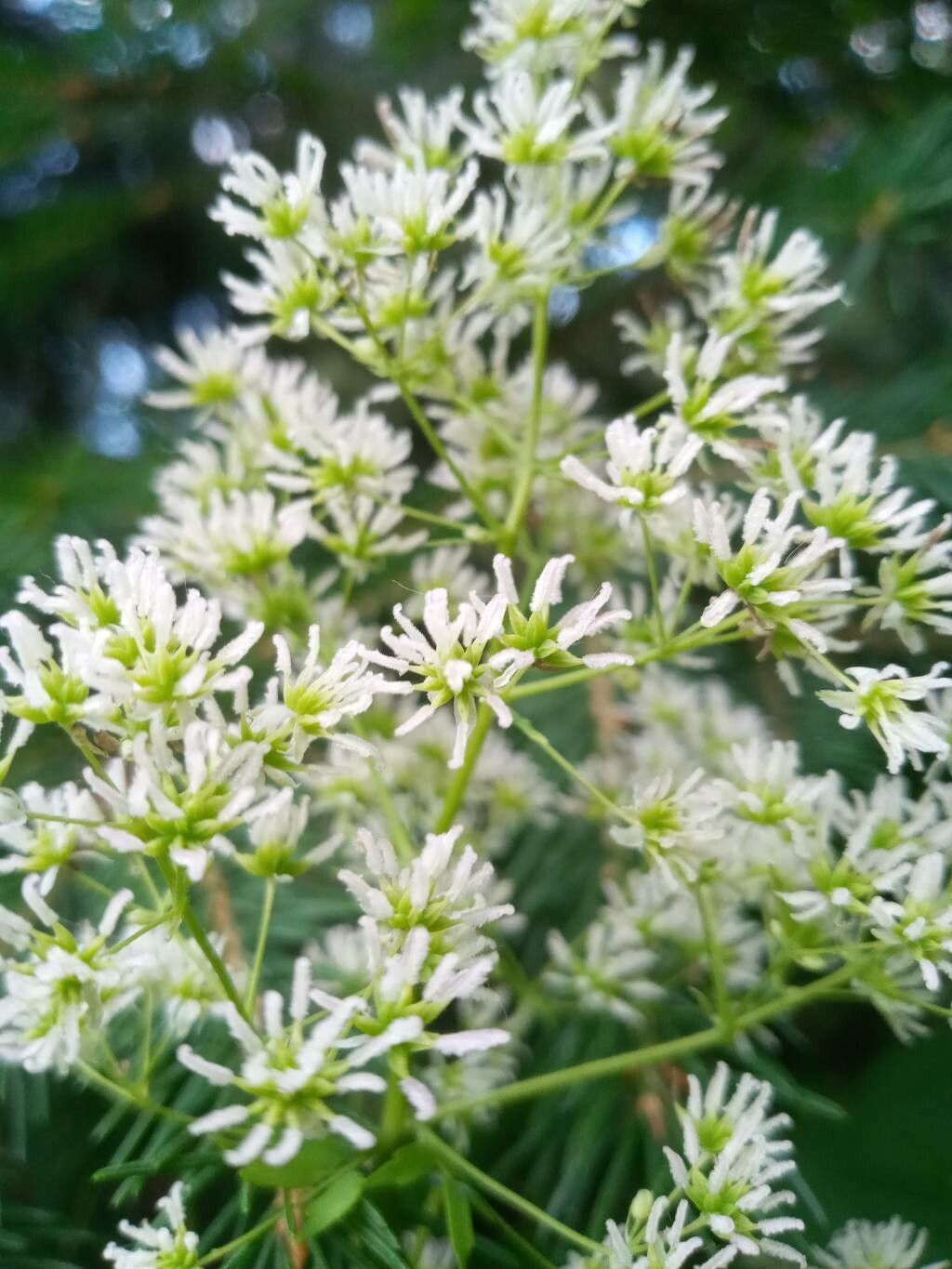
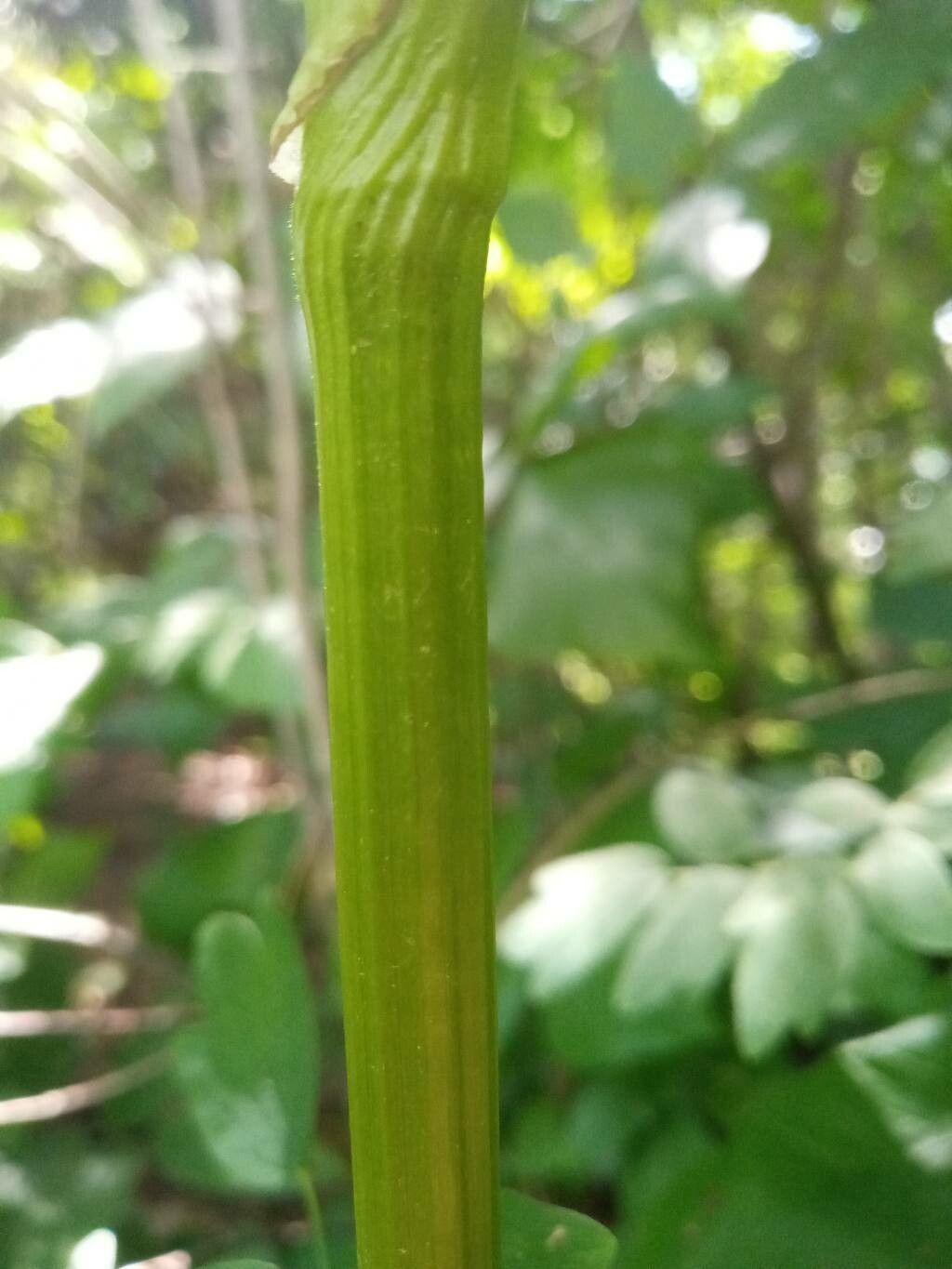
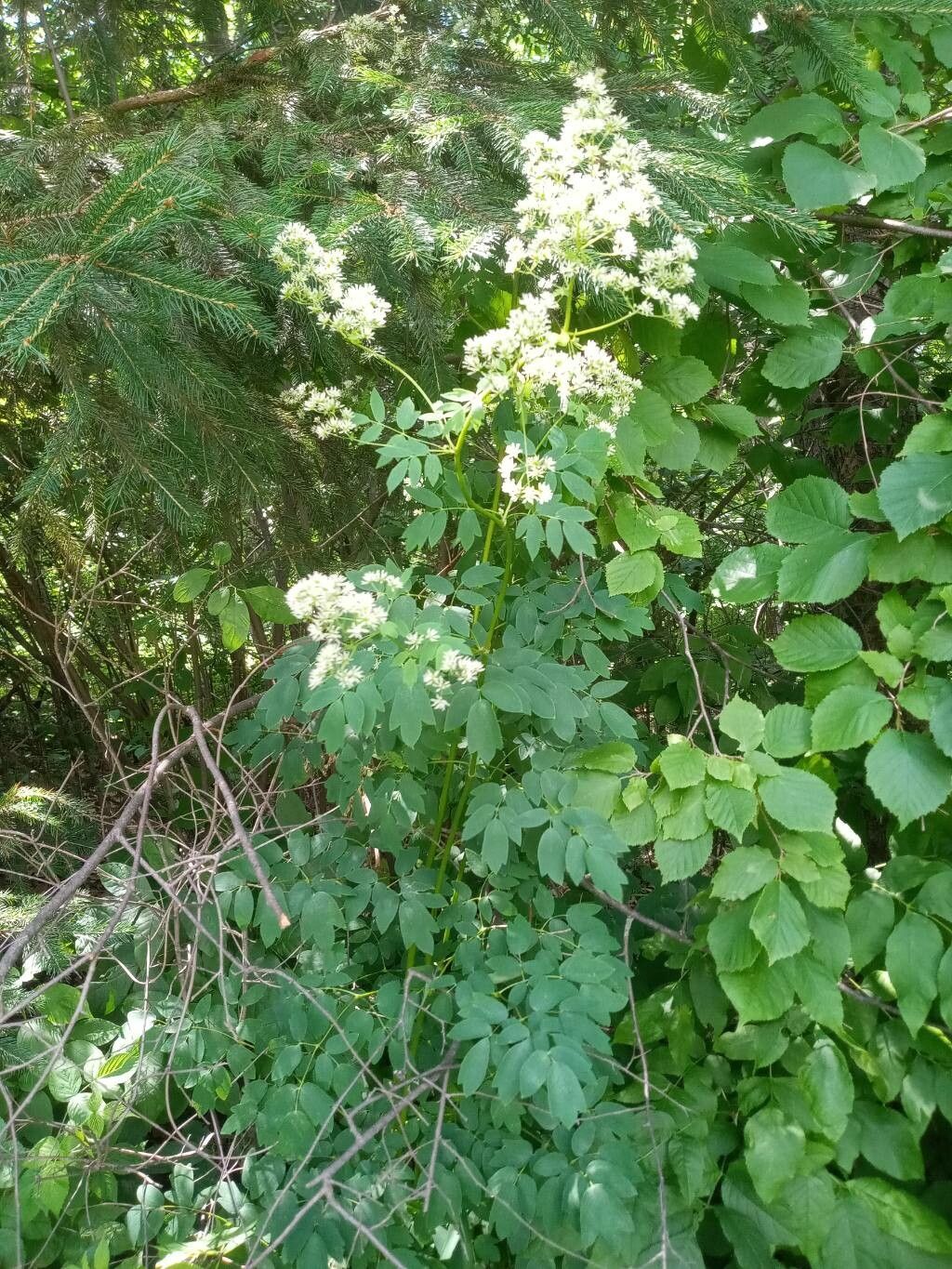
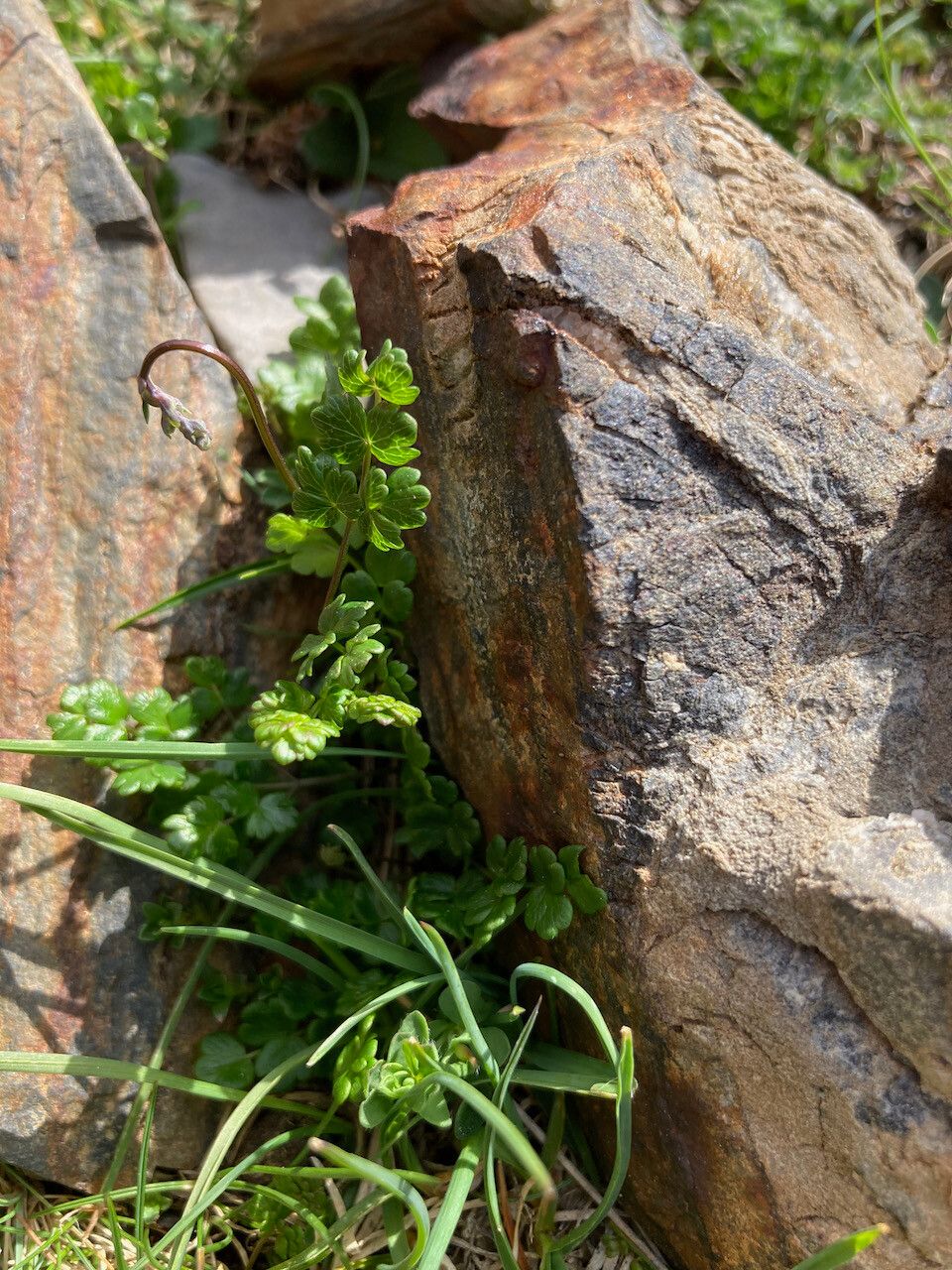
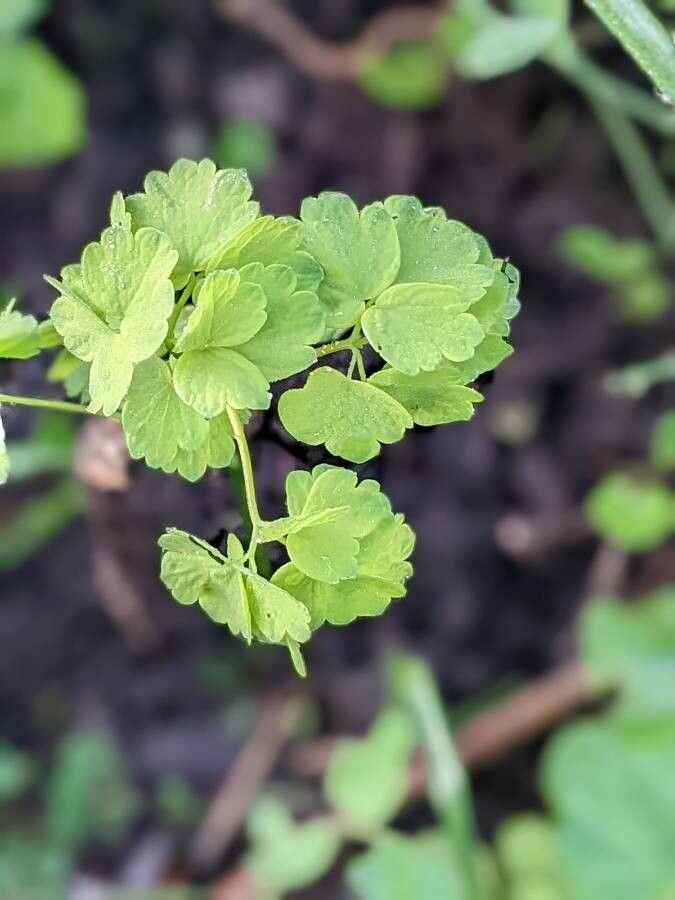
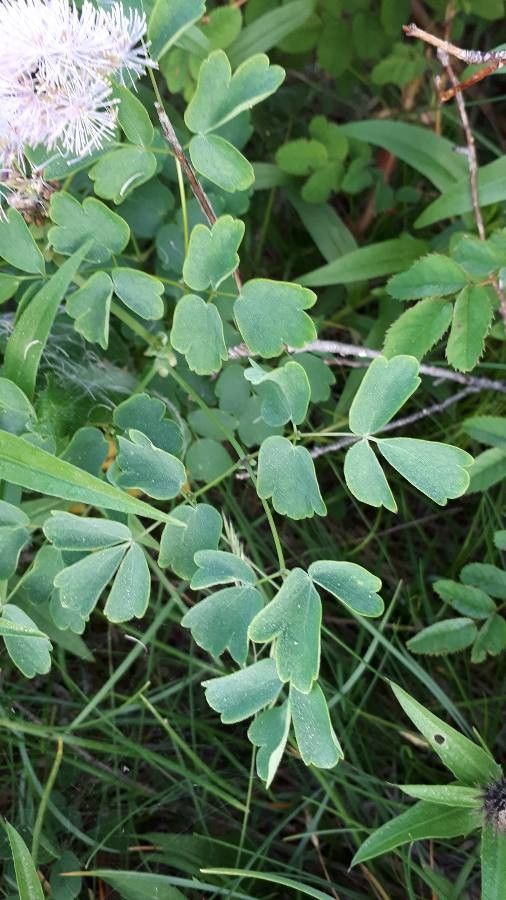
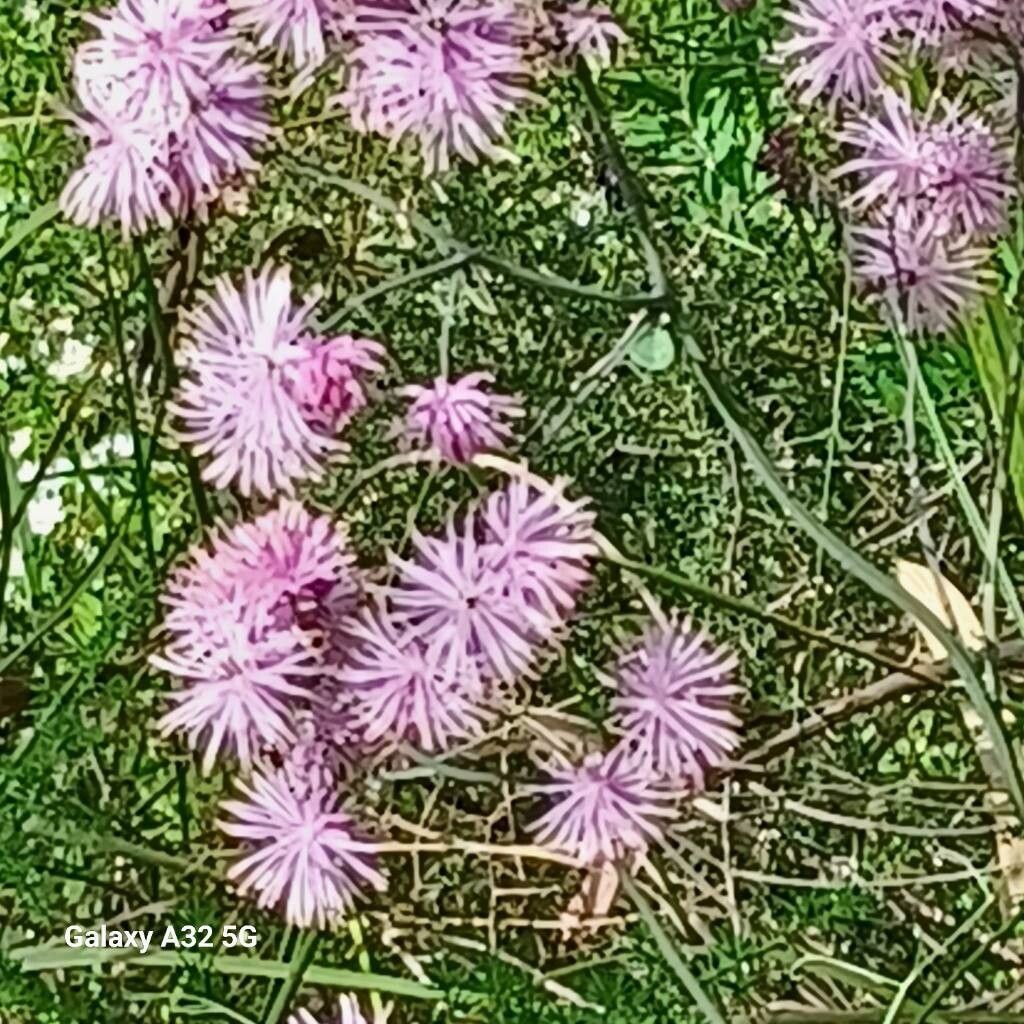
Thalictrum dasycarpum, known as tall meadow rue and purple meadow-rue, is a species of flowering plant in the buttercup family, Ranunculaceae. It is native to North America.
Purple meadow-rue is fairly resistant to disease and generally not easily affected by them. Nevertheless, it can be vulnerable to pests and diseases present in its environment. Such infections are usually mild. For care, the plant requires moderate maintenance. It should be pruned regularly to preserve a neat appearance and support healthy growth. Fertilizing can also encourage more flowering. Purple meadow-rue is well suited to anyone with outdoor space like a garden or patio and does not demand extensive gardening experience. It can need additional care when kept indoors.
How to keep Thalictrum Dasycarpum.
Light
Purple meadow-rue performs best in a location that receives direct sunlight for most or all of the day. It will, however, tolerate spots with gentler, less intense sun exposure. In its native range it commonly grew beneath open canopies where light was variable. Too little sunlight can restrict its growth, while too much can scorch the leaves.
Water
Purple meadow-rue flourishes in moderately moist conditions, preferring soil that remains consistently hydrated without becoming waterlogged. Water the plant every 1-2 weeks, allowing the soil to dry slightly between waterings. This outdoor plant is perfect for meadows and prairies and is best suited to areas with sufficient rainfall that supports its growth cycle.
Temperature
Purple meadow-rue does best in temperatures that range from 41 to 89.6 °F (5 to 32 ℃). To promote optimal growth, keep temperatures from becoming too hot or too cold. Depending on the season, provide appropriate shade or insulation.
Fertilizer
The best time to fertilize Purple meadow-rue is in early spring, as it comes out of dormancy and begins active growth. Fertilizing supplies essential nutrients for healthy development. Although Purple meadow-rue has relatively low fertilizer requirements, an annual application can improve its survival and encourage better, longer-lasting flowers.
Pruning
Prune purple meadow-rue in early to late spring to encourage healthy growth and abundant blooms. Remove any damaged stems, and thin out the weaker ones to improve air circulation. After the plant has finished flowering, trim it to maintain its shape and prevent legginess, which will help ensure robust growth and vibrant blooms.
Botanical profile.
- Plant Type
- Herb
- Life Cycle
- Perennial
- Genus
- Thalictrum
- Family
- Ranunculaceae
- Hardiness Zone
- 4-7
- Mature Height
- 0.91 m to 1.83 m
- Mature Spread
- 1.22 m
- Leaf Color
- Green
- Leaf Type
- Deciduous
- Flower Color
- White, Lavender
- Flower Size
- 2.54 cm
- Bloom Time
- Early summer, Mid summer
- Planting Time
- Spring, Autumn
- Harvest Time
- Late summer, Early fall
Other names.
Reader questions.
What are the sunlight requirements for Purple meadow-rue?
Purple meadow-rue requires full sun exposure of above 6 hours of sunlight daily to thrive optimally. However, it can also tolerate partial sun conditions, receiving about 3-6 hours of sunlight. It's important to observe the sunlight patterns in your garden carefully to ensure you select a location that provides the right balance of light and shade for this plant.
What is the ideal temperature range for growing Purple meadow-rue?
Purple meadow-rue (Thalictrum dasycarpum) thrives best in environments where temperatures fluctuate between 41 and 89.6 °F (5 to 32 °C). For its optimal growth, it's crucial to maintain the temperature within this range, avoiding excessively high or low temperatures. Appropriate measures, such as providing shade or insulation depending on the season, can help in maintaining an ideal growing environment.
How should Purple meadow-rue be cared for based on its native habitat?
In its native habitat, Purple meadow-rue flourishes under open canopies that offer varied light infiltration, implying a preference for locations that receive continuous sunlight throughout the day but also do well in areas with softer, milder sun exposure. If the plant receives too little sunlight, its growth may be stunted, while excess sunlight could result in leaf scorch. For indoor plants, when natural sunlight is inadequate, artificial lighting such as LED lights can be used to provide the necessary wavelengths, with the light's intensity and duration tailored to mimic natural conditions.
How does Purple meadow-rue respond to cold temperatures, and how should it be cared for in winter?
Purple meadow-rue is highly cold-tolerant and doesn't require special frost protection measures during the winter months. Despite its resilience to cold, it's recommended to water the plant generously before the first freeze of autumn to keep the soil moist. This preparation helps prevent the plant from experiencing drought and water scarcity during winter and early spring, ensuring it remains healthy.
What are the symptoms of improper lighting for Purple meadow-rue?
Improper lighting conditions for Purple meadow-rue can lead to various symptoms. Insufficient light may cause smaller new leaves, leggy or sparse growth, faster leaf drop, slowed or halted growth, and paler new leaves. Conversely, excessive sunlight can result in chlorosis, where leaves lose their green color, sunscald with damaged leaves or stems, leaf curling as a defense mechanism against too much light, wilting due to increased water loss, and leaf scorching with brown, crispy leaf edges.
What are the symptoms and solutions if Purple meadow-rue experiences temperatures below its cold tolerance?
If the temperature falls below -30°C, Purple meadow-rue may not show immediate signs of distress during winter, but it could lead to reduced sprouting or complete lack of sprouting in spring. To address this issue, any parts of the plant that have failed to sprout by spring should be removed to encourage new growth and maintain the health of the plant.
What solutions can be implemented for Purple meadow-rue experiencing lighting issues?
To address lighting issues in Purple meadow-rue, gradually acclimate the plant to receive at least 6 hours of direct sunlight daily by moving it to sunnier spots each week, and use curtains to maximize sunlight exposure. Indoors, consider artificial lighting solutions when natural light is insufficient, keeping lights on for around 8 hours daily or using professional grow lights. Outdoors, move plants gradually to prevent sunburn. If sunlight is blocked by obstructions like trees, try pruning or transplanting the plant to a brighter location with better sunlight access.
How should Purple meadow-rue be cared for if it experiences high temperatures?
Purple meadow-rue struggles in high temperatures, particularly when the thermometer climbs above 32°C, halting its growth and increasing susceptibility to rot. The recommended course of action involves trimming away any sunburned or dried-up parts. Moreover, relocating the plant to a shaded area or employing a shade cloth to provide protection from the midday and afternoon sun can be beneficial. To further aid the plant, watering it during the cooler parts of the day, like morning and evening, will help keep the soil appropriately moist.