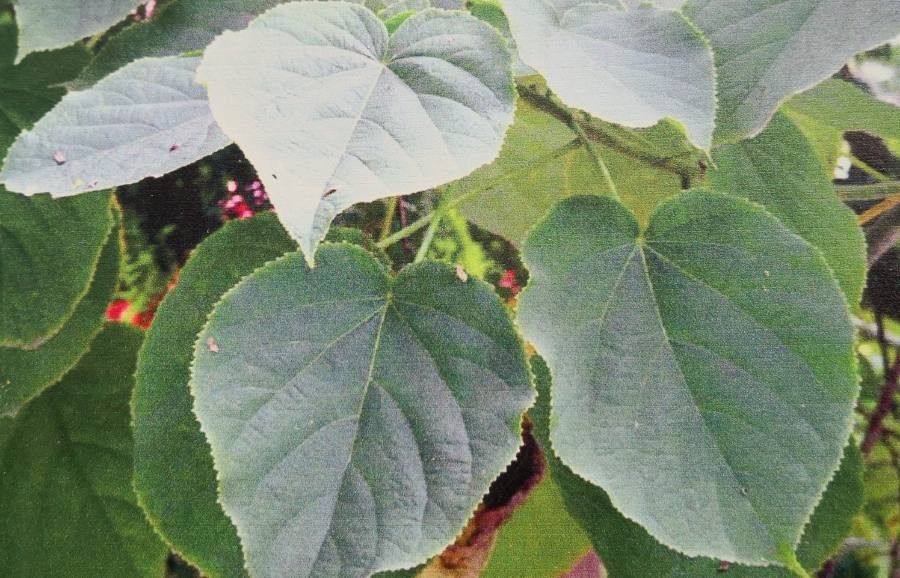
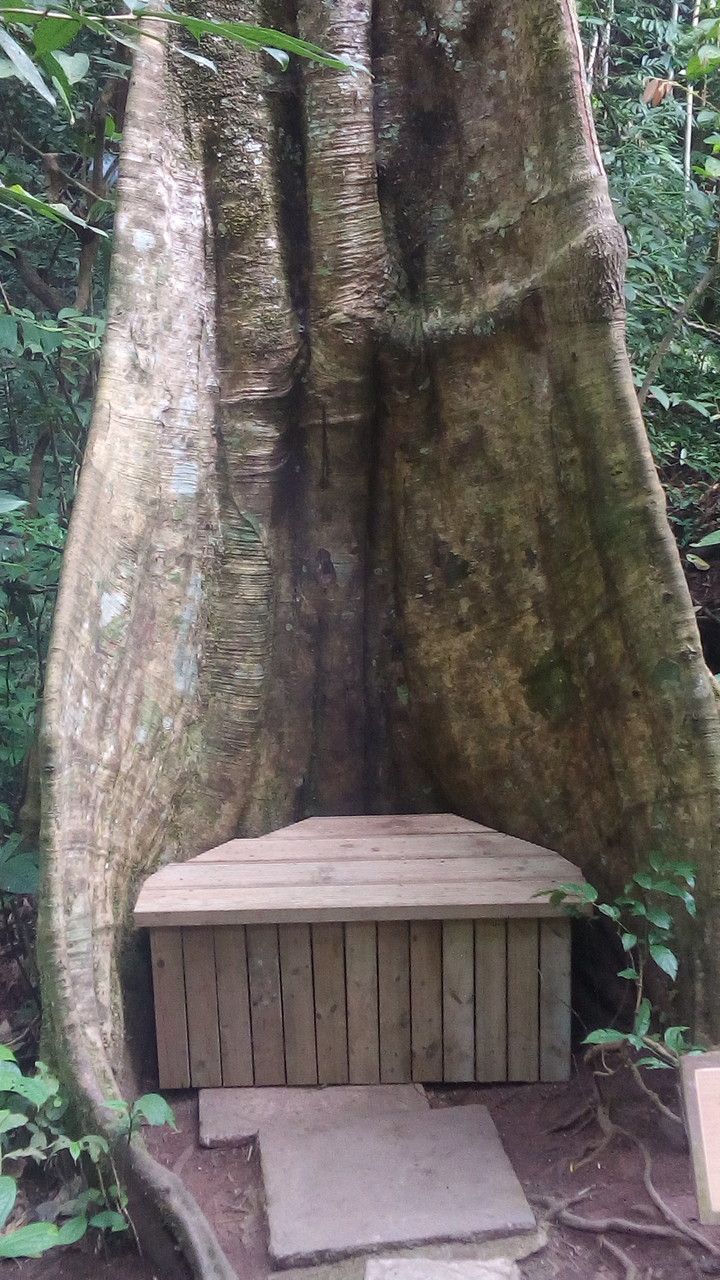
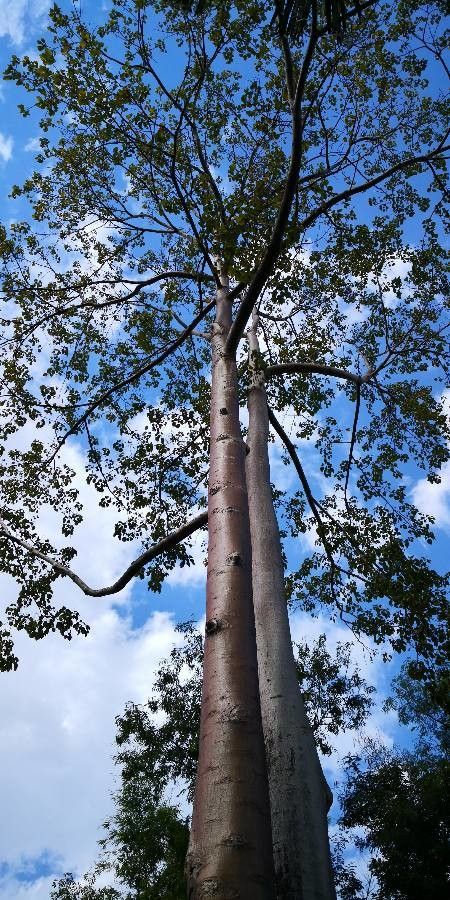
Tetrameles is a genus of flowering plants in the family Tetramelaceae with one species, Tetrameles nudiflora. It grows as a large deciduous tree and is found across southern Asia from India through southeast Asia, Malesia, and into northern Australia.
Baing is disease-resistant and generally unlikely to suffer from illnesses. Regarding care, this plant is fairly low-maintenance. When grown outdoors, it needs little watering, and larger specimens typically do not require pruning. However, smaller plants should be trimmed after they have finished blooming. Baingt is suitable for anyone with outdoor space, such as a garden or a deck, and does not require much care experience.
How to keep Tetrameles Nudiflora.
Light
Baing, native to bright, sun-drenched habitats, is a tropical woody plant that flourishes in full sun yet can tolerate partial sun. It commonly grows in open, well-lit locations with little shade.
Temperature
Baing naturally occurs in habitats with temperatures generally between 68 and 95 °F (20 and 35 ℃). The plant favors warm conditions, especially tropical heat. To replicate its native setting, maintain temperatures within that range and prevent them from dropping below 68 °F (20 ℃).
Fertilizer
Fertilize your Baing in early spring to encourage healthy growth. Regular fertilization boosts overall health, producing vigorous growth, greater resilience to tough conditions, and improved resistance to diseases and pests. Stick to a consistent fertilization schedule for your Baing to ensure foliage that is vibrant, deeply colored, and lush in appearance.
Pruning
Baing is a rapidly growing deciduous tree known for its tall stature. To promote healthy growth and an ideal shape, prune the tree during its dormant period, from early to late winter. Focus on removing dead branches and reducing overcrowding. Use sharp, sterilized tools to ensure clean cuts, which aid in healing and help prevent structural issues.
Botanical profile.
- Plant Type
- Tree
- Life Cycle
- Perennial
- Genus
- Tetrameles
- Family
- Tetramelaceae
- Hardiness Zone
- 9
- Mature Height
- 45.11 m
- Mature Spread
- 10.06 m
- Leaf Color
- Dark Green, Forest Green
- Leaf Type
- Evergreen
- Flower Color
- Yellow, Green
- Flower Size
- 10.16 cm to 20.32 cm
- Bloom Time
- Early spring, Mid spring
- Planting Time
- Spring, Summer
- Harvest Time
- Late spring, Early summer
- Native Area
- Nepal, Sri Lanka, India, Malaysia, Indonesia, Cambodia, Vietnam, Myanmar, Bhutan, Bangladesh, Laos, Thailand, China
Other names.
Reader questions.
What temperature conditions are ideal for the Baing plant (Tetrameles nudiflora)?
The Baing plant, or Tetrameles nudiflora, thrives in temperatures ranging from 68 to 95°F (20 to 35°C), favoring tropical warmth. To ensure optimal growth, it's recommended to maintain an environment within this temperature range and avoid exposing the plant to temperatures below 68°F (20°C). Although Baing exhibits some level of cold tolerance, particularly in temperatures above 0°C, protective measures against frost are advisable if temperatures are forecasted to drop below freezing. These measures include wrapping the plant with plastic film, fabric, or other insulating materials, which should be removed once temperatures rise to safer levels.
How should I care for my Baing plant in low temperatures?
Baing plants have a moderate tolerance to low temperatures but perform best when kept above 20°C. During winter or in colder climates, it's crucial to ensure the temperature does not fall below 0°C. Exposure to temperatures below -5°C may cause the leaves to droop and, in severe cases, lead to leaf wilt and loss. If frost damage occurs, trim off the frost-damaged parts. To prevent damage in cold weather, wrap the plant with insulating materials such as non-woven fabric or cloth and set up a wind barrier to shield it from cold winds.
What are the recommended practices for Baing plant care in high temperatures?
In high temperatures, particularly during summer, the Baing plant should be kept below 35°C. Exposing the plant to temperatures above 38°C can result in discoloration of the leaves, dry and withered leaf tips, leaf curling, and an increased risk of sunburn. To mitigate such damage, trim away the sunburned and dried parts. Protecting the plant from direct midday and afternoon sun is advisable, either by relocating it to a shaded area or using a shade cloth. Additionally, to maintain soil moisture, water the plant during the cooler morning and evening hours.