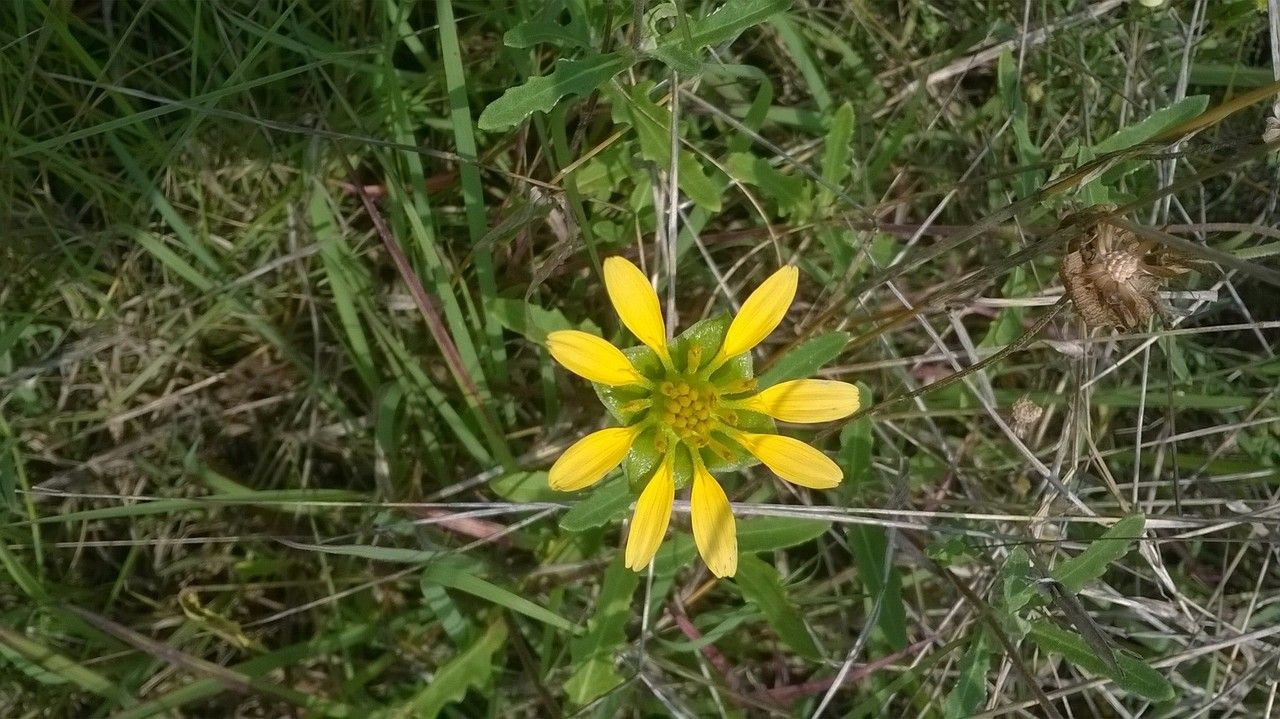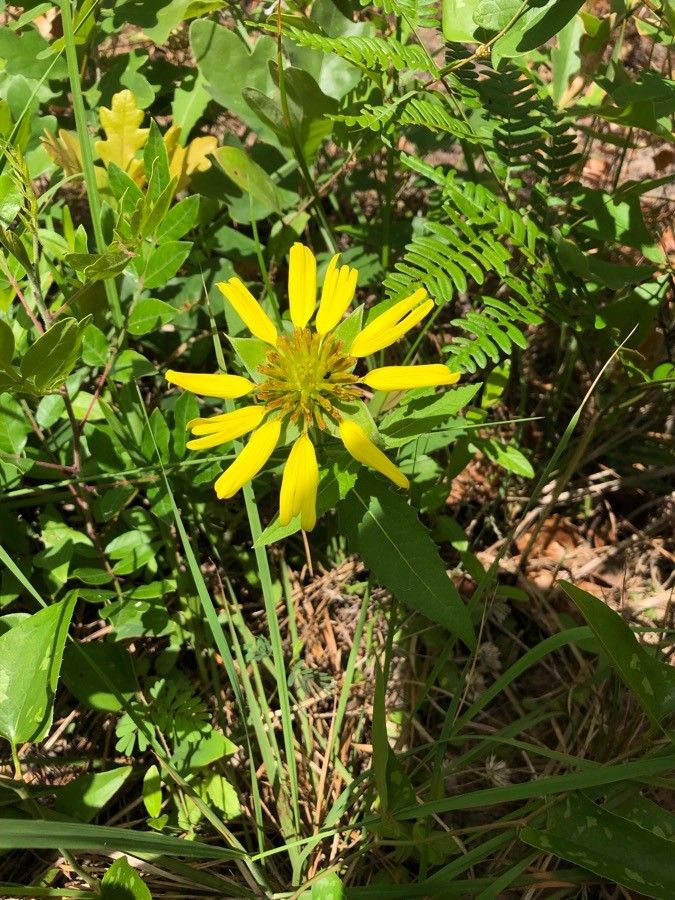
Tetragonotheca helianthoides is a species of flowering plant that grows in the southeastern United States. It is a perennial dicot in the Asteraceae family. Common names for it include pineland nerveray, squarehead, and pineland ginseng. It produces an achene fruit. Several two-foot stems grow from its crown and it has a thick taproot. It has yellow flowers.
Pineland nerveray has good disease resistance and is generally not prone to illnesses. Nonetheless, it can be vulnerable to pests and diseases present in its surroundings, although such problems are usually mild. Regarding care, this plant needs moderate maintenance. It should be pruned regularly to maintain a neat appearance and healthy growth. Applying fertilizer can also help encourage flowering. Pineland nerveray is appropriate for anyone with outdoor space, such as a garden or patio, and does not demand much caregiving experience. It may require more attention when grown indoors.
How to keep Tetragonotheca Helianthoides.
Light
Pineland nerveray is a sun-loving, perennial herbaceous plant native to open habitats and commonly found thriving in meadows and grasslands. It prefers full sun but can also tolerate partial sun conditions.
Water
Pineland nerveray is well-suited to environments with periodic rainfall, thriving with consistent moisture. While it prefers moderate hydration, the plant benefits from weekly watering to stay healthy. As an outdoor plant, pineland nerveray is resilient during the growing season, efficiently utilizing water throughout its life cycle.
Fertilizer
Usually one fertilizer application in spring is sufficient for Pineland nerveray, though multiple feedings can maximize growth. Feed every month to a month and a half. Fertilization improves leaf appearance and function, helping maintain even color and a healthy texture. It also promotes root growth and nutrient uptake for long-term plant health.
Pruning
The Pineland nerveray is a drought-tolerant plant that grows low to the ground and produces attractive yellow flowers. To keep it healthy and maintain its shape, it’s best to prune it from early to late spring. This helps remove any damaged stems and encourages compact growth. However, be careful not to over-prune, as this can weaken the plant and make it more susceptible to infestations. Ensuring good air circulation around the plant is also important.
Botanical profile.
- Plant Type
- Herb
- Life Cycle
- Perennial
- Genus
- Tetragonotheca
- Family
- Asteraceae
- Leaf Type
- Deciduous